dc motor with brushes
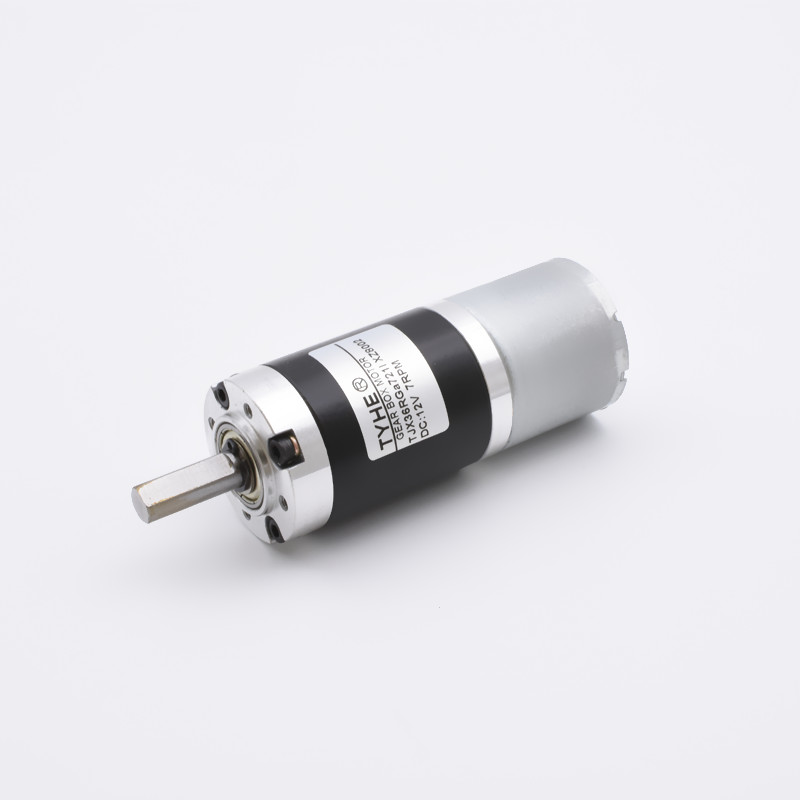
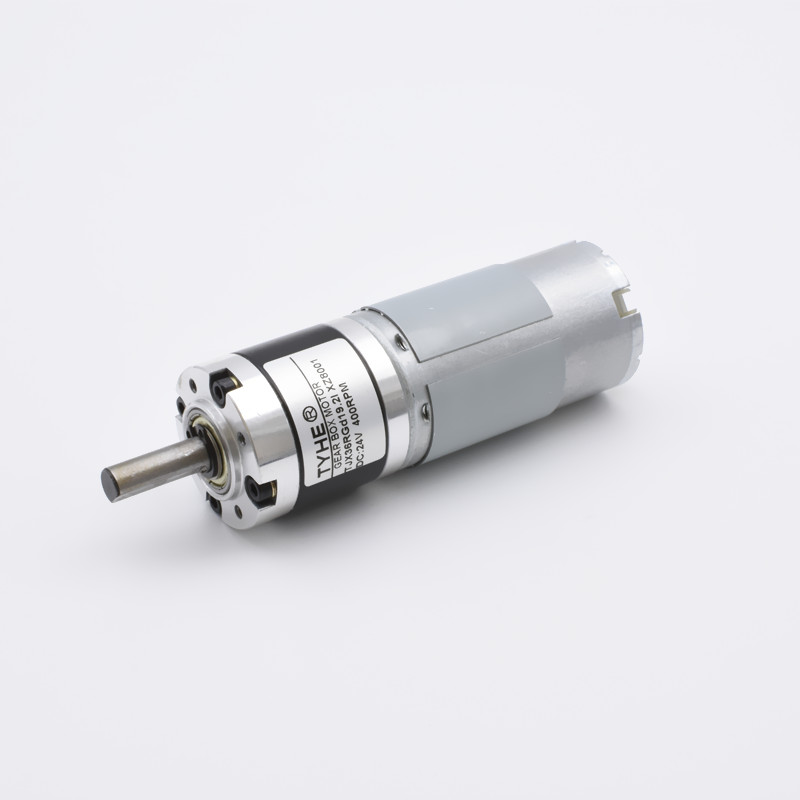
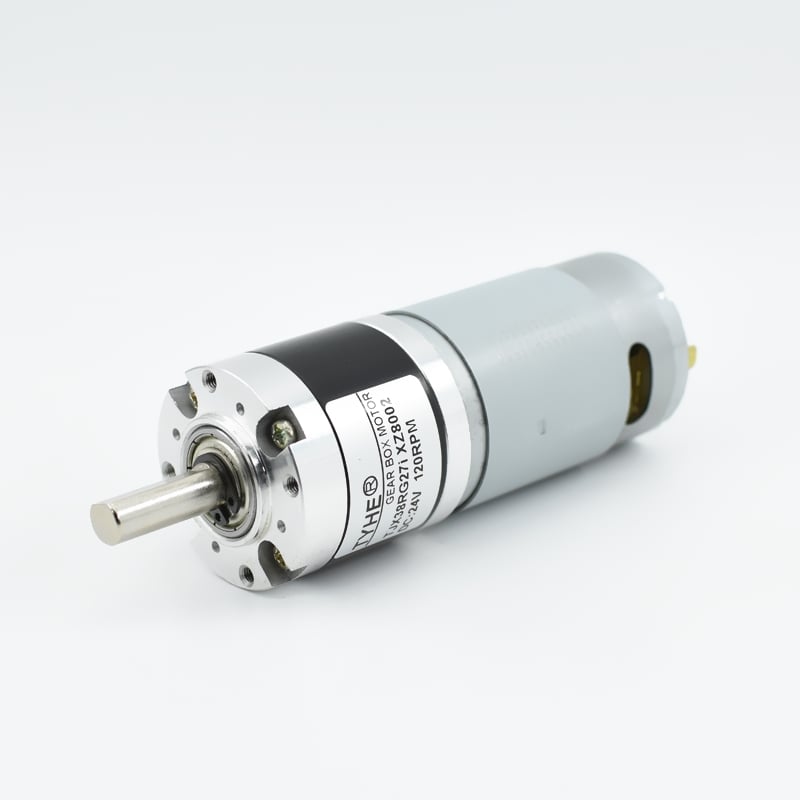
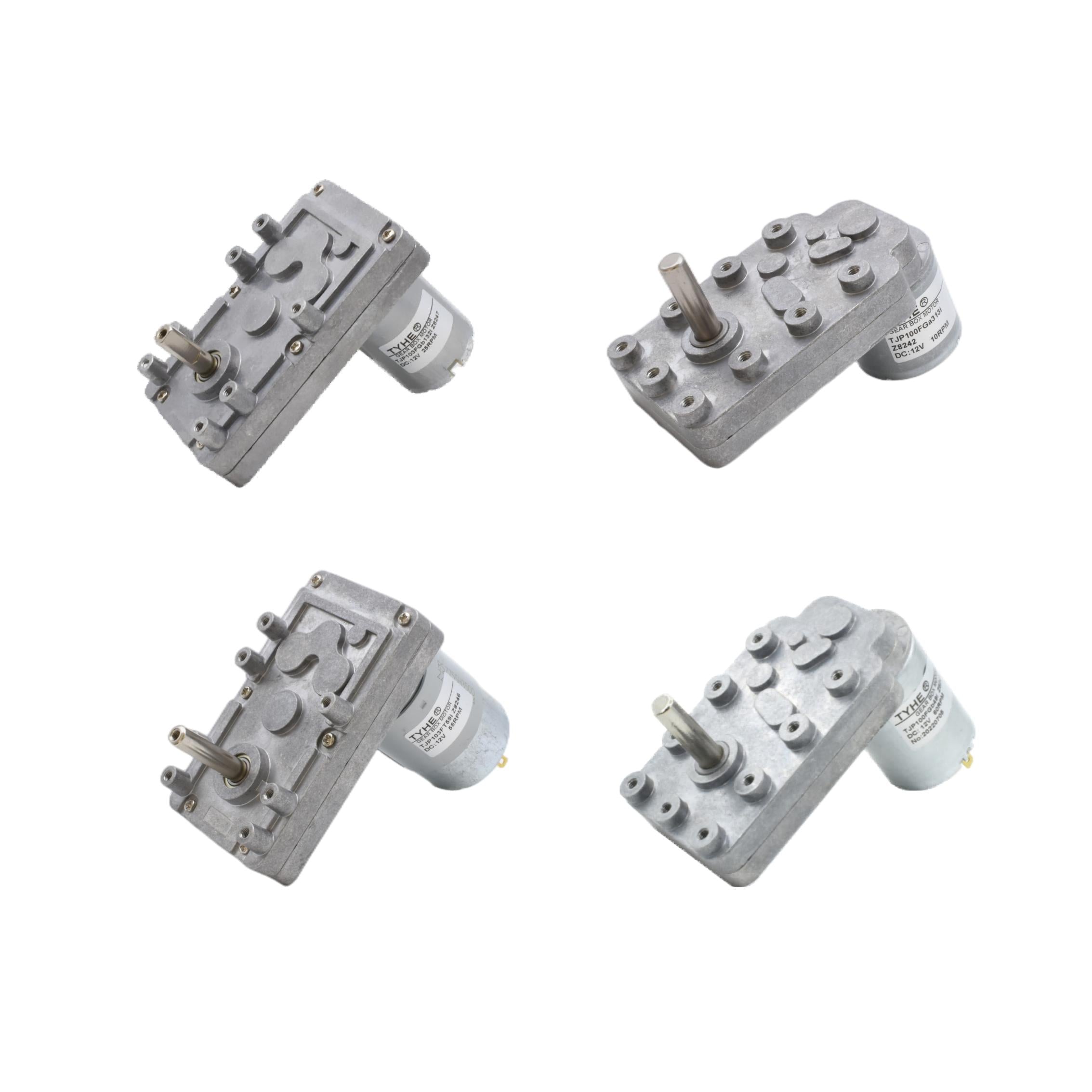
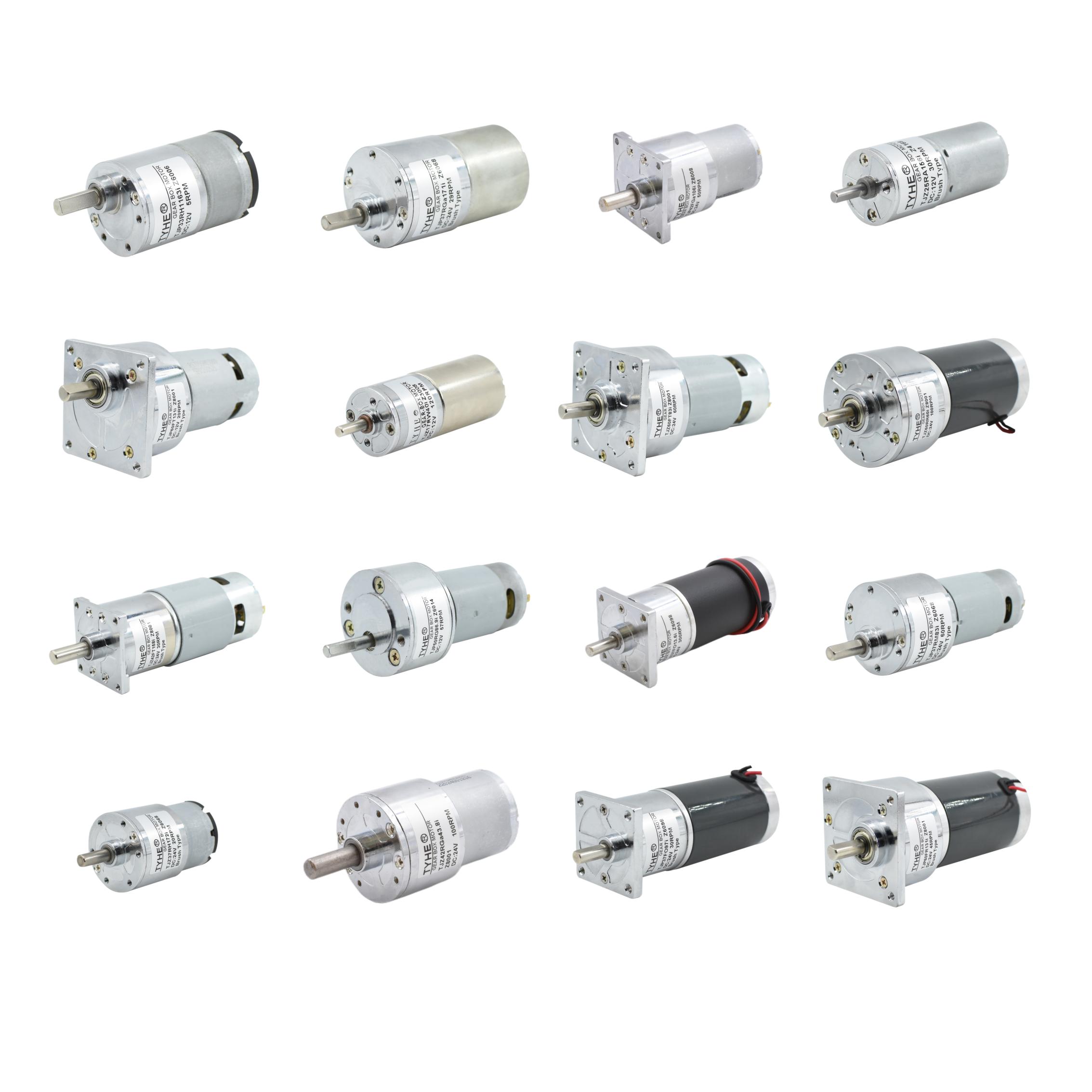
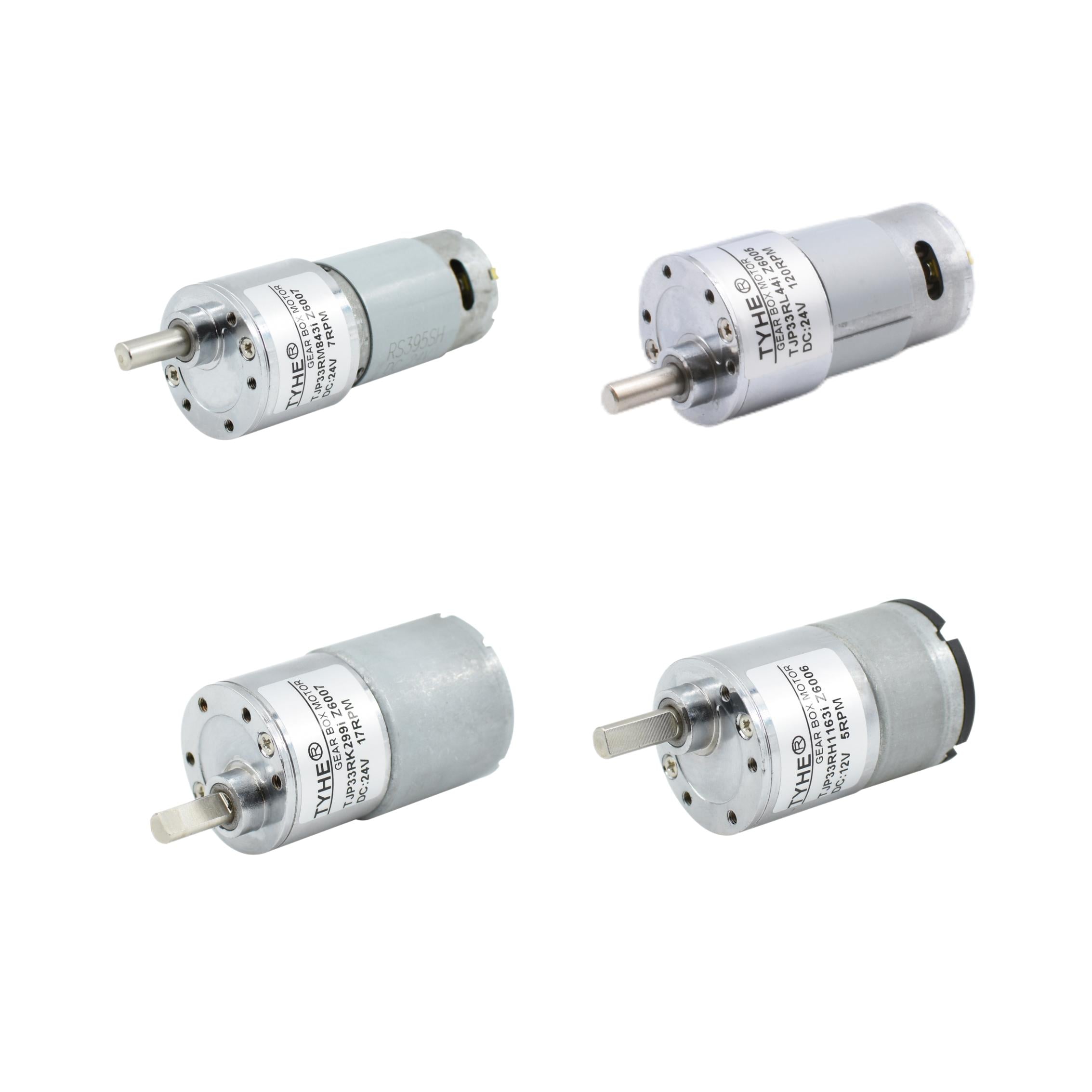
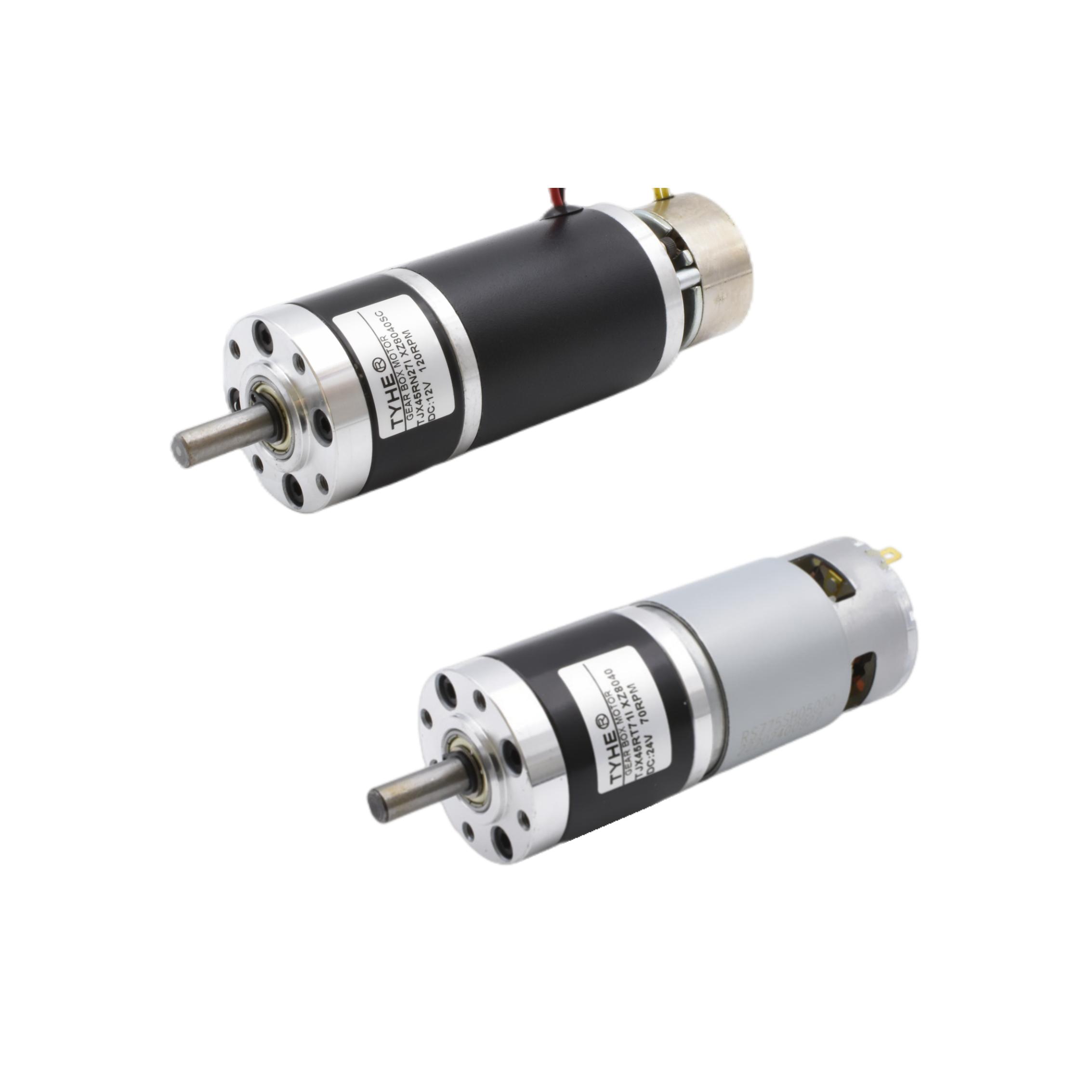
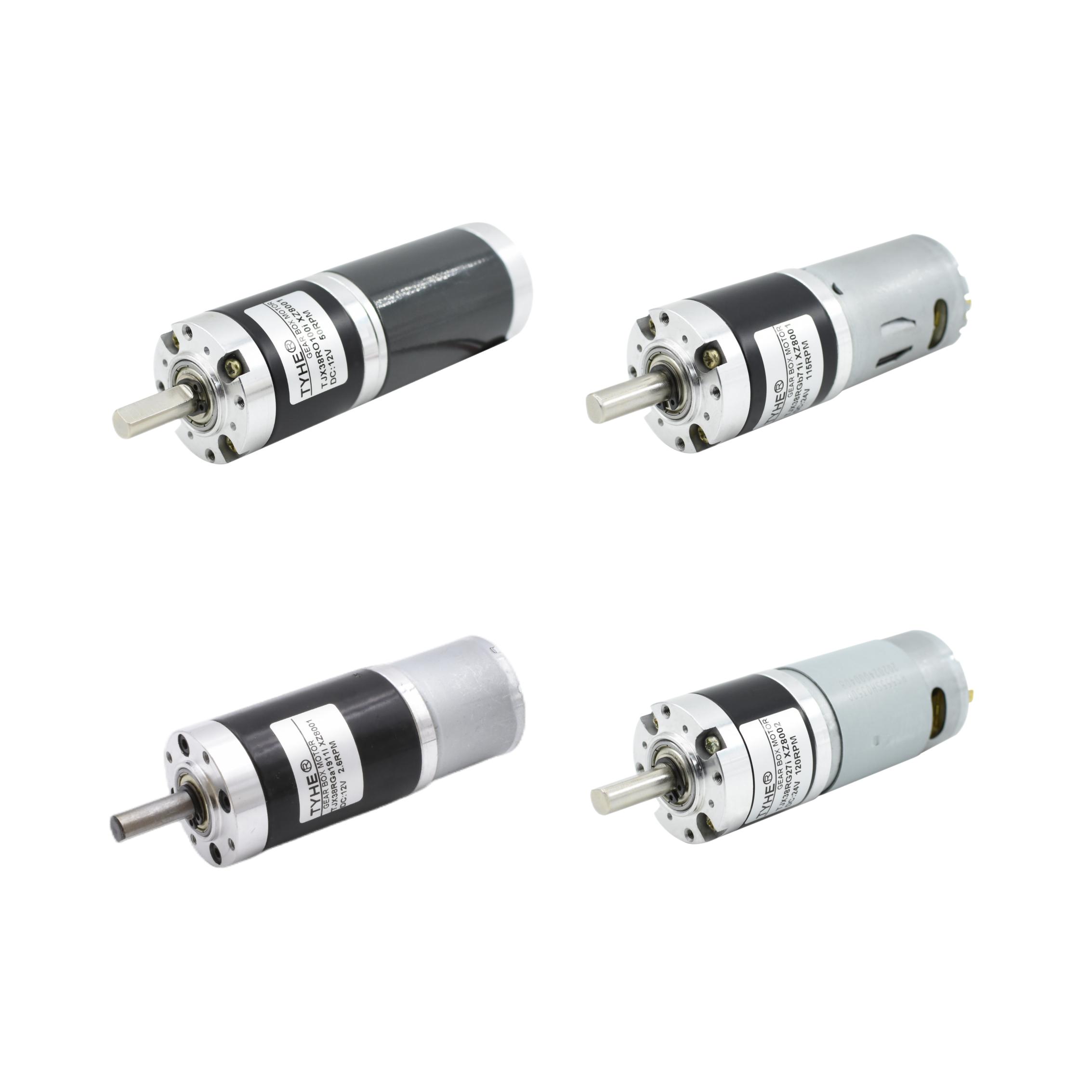
A dc motor with brushes converts electrical power into rotary motion through a simple, proven design. When direct current enters the armature, magnetic forces turn the rotor. Carbon brushes and a commutator switch current between the spinning coils, keeping torque moving in one direction. This working method lets a dc motor with brushes start quickly, reverse direction easily, and provide useful speed control through voltage adjustment. A dc motor with brushes typically includes a permanent magnet or wound field, armature, commutator, brushes, shaft, bearings, and protective housing. Together, these parts deliver dependable motion for equipment that needs controlled rotation rather than complex electronic operation. Many versions offer compact dimensions, high starting torque, multiple voltage ratings, and optional gearboxes for slower output speed and greater turning force. A dc motor with brushes can also support pulse-width speed control, allowing a controller to change average power while maintaining practical efficiency. Designers choose a dc motor with brushes for simple wiring, clear operating behavior, and easy integration with batteries, switches, relays, and basic controllers. Common uses include toys, small pumps, fans, valves, office equipment, automotive actuators, portable tools, conveyor mechanisms, and laboratory devices. The dc motor with brushes suits intermittent or continuous duty when the selected model matches load, voltage, speed, and cooling needs. Routine brush inspection helps preserve performance. Since the dc motor with brushes produces electrical contact wear, service life depends on current, operating speed, duty cycle, dust, and spark control. For many buyers, the dc motor with brushes remains a practical choice because it combines responsive operation, accessible pricing, and broad availability in standard sizes. Its technology is mature, understandable, and adaptable across many machines.

 EN