
 EN
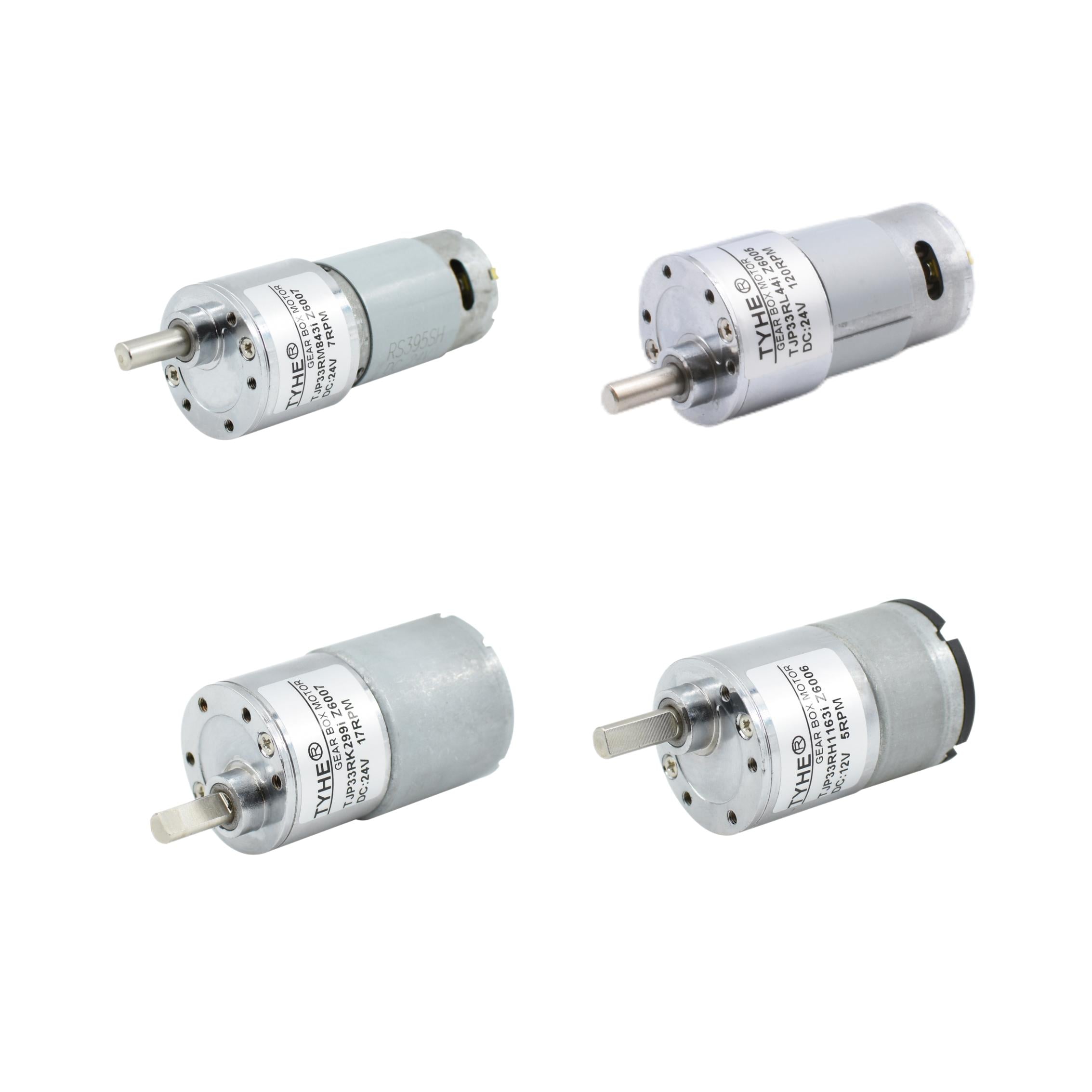
Selecting the right small dc motor for your application requires more than just checking power specifications. Engineers and product designers frequently face the challenge of finding a small dc motor that delivers maximum performance within severe spatial constraints. The balance between physical size, power output, efficiency, and reliability defines whether your project succeeds or requires expensive redesigns. A truly powerful small dc motor combines advanced engineering, quality materials, and optimized design to achieve exceptional torque and speed within a compact footprint.
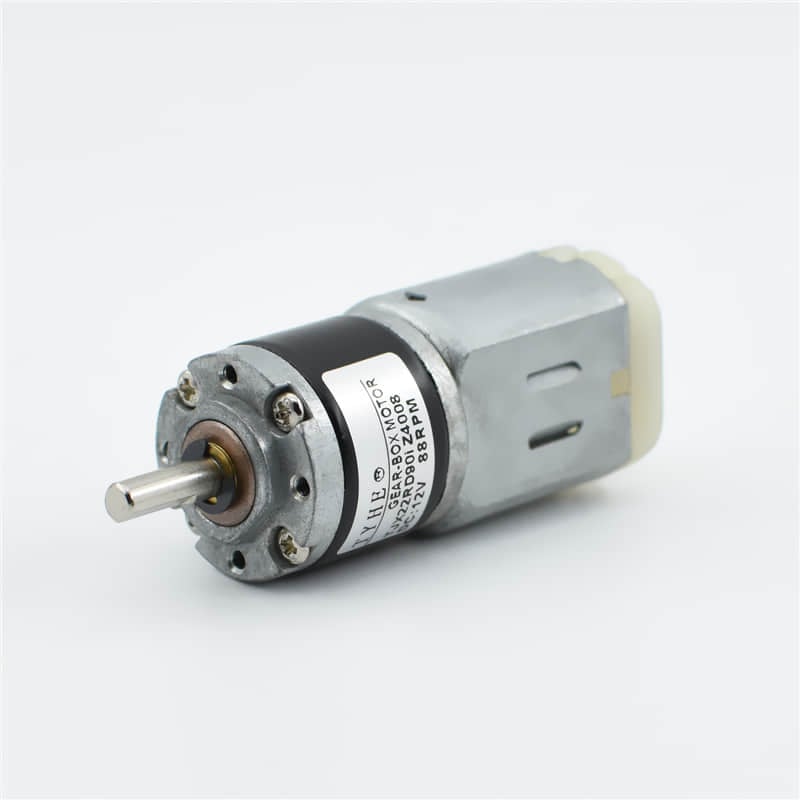
When evaluating a small dc motor for demanding applications, power density—the ratio of output power to motor volume—becomes your most critical metric. Industrial applications from robotics to aerospace require small dc motor solutions that don't compromise on torque, speed, or longevity. Understanding the factors that make one small dc motor superior to another enables you to make informed decisions that reduce costs, minimize weight, and improve overall system performance in your final design.
Understanding Power Density in Small DC Motors
What Makes a Small DC Motor Powerful
A powerful small dc motor achieves superior performance through optimized magnetic flux density, efficient copper winding design, and precision rotor balancing. The electromagnetic force generated inside the motor directly correlates to the quality of materials and manufacturing tolerances. Modern small dc motor designs use rare-earth permanent magnets and laminated iron cores to maximize magnetic efficiency while minimizing losses. When comparing a small dc motor from different manufacturers, examine the magnetic field strength, conductor cross-sectional area, and commutation system quality to determine true performance potential.
Power Density Metrics and Specifications
Power density for a small dc motor is expressed in watts per cubic centimeter or horsepower per kilogram. High-performance small dc motor models often achieve 5 to 15 watts per cubic centimeter, depending on speed rating and cooling method. The relationship between torque, speed, and power in any small dc motor follows the fundamental equation: Power equals Torque multiplied by Angular Velocity. When evaluating a small dc motor, request the full performance curve showing how output power, torque, and efficiency vary across the operating speed range. This data reveals whether a small dc motor maintains consistent performance under load or experiences rapid degradation at higher operating points.
Key Performance Factors for Selecting a Small DC Motor
Torque and Speed Characteristics
The torque output of a small dc motor depends on current flowing through the armature and the magnetic field strength inside the motor. Industrial-grade small dc motor designs produce linear torque curves, meaning torque remains stable from zero speed up to rated operational limits. A powerful small dc motor should deliver consistent torque throughout its speed range without experiencing sudden drops or instability. Speed capabilities in a small dc motor range from hundreds to thousands of revolutions per minute, making it adaptable to applications requiring either high force at low speeds or high-speed operation with moderate load requirements.
Thermal Management and Continuous Rating
The continuous power rating of a small dc motor reflects how much sustained output it can deliver without overheating during extended operation. Superior small dc motor designs incorporate efficient heat dissipation paths through the motor housing, allowing better thermal performance than standard alternatives. Peak power output in a small dc motor can exceed continuous rating by 30 to 50 percent, but only for brief periods before temperature limits are reached. When selecting a small dc motor for your application, verify that the continuous rating meets or exceeds your actual power demands, accounting for ambient temperature conditions and any duty-cycle variations. Modern small dc motor options include thermal protection features that automatically reduce output or shut down the motor if internal temperatures exceed safe limits.
Durability and Long-Term Performance
Bearing Systems and Mechanical Reliability
Premium small dc motor designs feature high-quality ball bearings or sleeve bearings that ensure smooth, low-friction operation over thousands of operating hours. The bearing system significantly influences the overall reliability and lifespan of any small dc motor in field applications. A well-engineered small dc motor with precision-ground bearing races and optimal preload maintains consistent mechanical performance without excessive vibration or noise. Bearing quality directly affects the maximum continuous speed at which a small dc motor can operate safely, making it a critical factor for high-speed applications requiring sustained reliability.
Brush Commutation and Electrical Integrity
The brush and commutator system in a small dc motor directly determines electrical noise levels, electromagnetic interference susceptibility, and commutation smoothness. Premium small dc motor products use high-grade carbon or graphite brushes combined with perfectly machined commutators to minimize arcing and extend operational life. A reliable small dc motor maintains consistent brush contact pressure and commutation quality across its entire operating speed range. Industrial-grade small dc motor options feature reinforced brush holders and optimized brush geometry to withstand mechanical vibration and thermal cycling without performance degradation. Proper commutation in a small dc motor ensures efficient power transfer and minimizes electrical noise that could interfere with sensitive control electronics in your system.
Application-Specific Selection Strategies
Matching Motor Specifications to Real-World Demands
Different applications require different small dc motor characteristics, so matching specifications to actual operating conditions is essential. Robotics applications typically demand a small dc motor with rapid acceleration capability and precise speed control. Medical devices and instrumentation equipment require a small dc motor that operates quietly with minimal vibration and electromagnetic interference. Aerospace and defense applications specify a small dc motor with extreme reliability, redundancy options, and documented performance history. When evaluating a small dc motor candidate, clearly define your power requirements, speed range, duty cycle, environmental conditions, and any specialized certifications needed for regulatory compliance.
Environmental and Integration Considerations
The physical environment surrounding your small dc motor impacts long-term reliability and performance stability. Temperature extremes, moisture exposure, vibration levels, and electromagnetic interference all influence which small dc motor design proves most suitable. Sealed-bearing small dc motor configurations provide superior protection in harsh industrial settings compared to open designs. Specialized small dc motor options include hermetically sealed variants for aerospace applications, potted windings for marine environments, and vibration-resistant designs for industrial automation. Verify that your selected small dc motor housing material, sealing specifications, and connector type match your integration requirements and environmental exposure profile.
FAQ
What defines a powerful small dc motor compared to standard models?
A powerful small dc motor achieves higher power density through superior magnetic material quality, optimized winding design, and precision manufacturing. It delivers consistent torque across its operating range, maintains stable performance under continuous load, and incorporates efficient thermal management. The difference lies in attention to engineering details: magnetic flux optimization, low-loss commutation, high-quality bearings, and materials that withstand sustained high-power operation without degradation.
How should I evaluate power ratings when comparing different small dc motor options?
Compare three critical specifications: continuous power rating, peak power rating, and the full performance curve showing how torque and efficiency vary across speeds. A high-quality small dc motor will clearly document its thermal limits and duty cycle capabilities. Request independent test data if available, and verify that continuous ratings reflect real-world operation, not optimized lab conditions. Don't rely solely on peak numbers—evaluate how a small dc motor performs under sustained load, which is what matters in production applications.
What maintenance and protection strategies extend small dc motor lifespan?
Maximize small dc motor lifespan through regular cleaning to prevent dust accumulation on cooling surfaces, proper electrical protection against voltage spikes, and operating within specified thermal limits. Use electronic controllers that implement soft-start features to reduce brush wear during startup. Monitor bearing noise and mechanical vibration as early warning signs of wear. For demanding applications, implement predictive maintenance monitoring to detect performance degradation before catastrophic failure occurs. Proper environmental sealing prevents moisture and contaminant ingress that would accelerate small dc motor deterioration.
