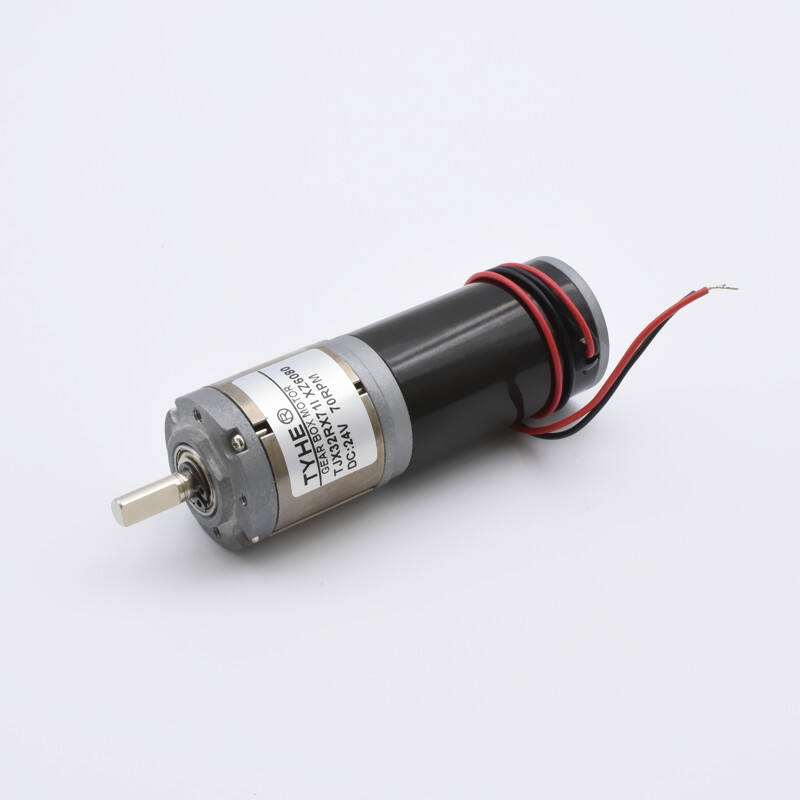
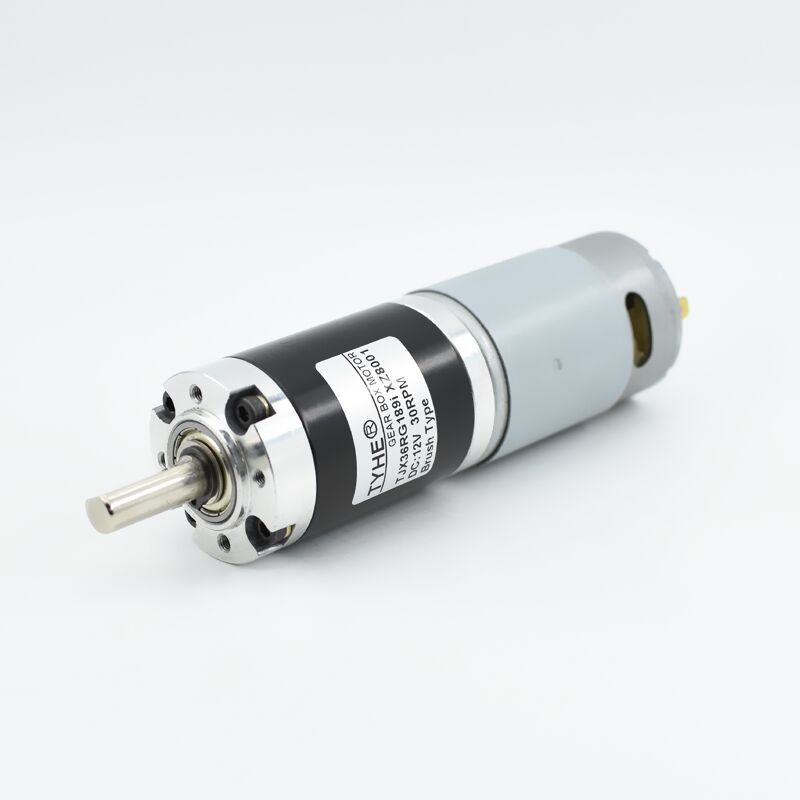
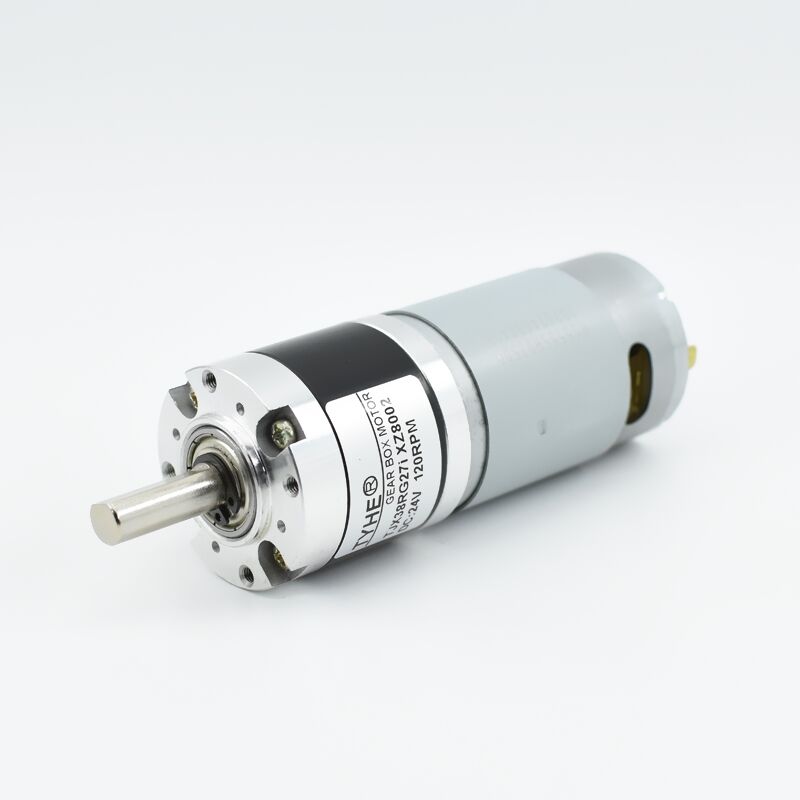
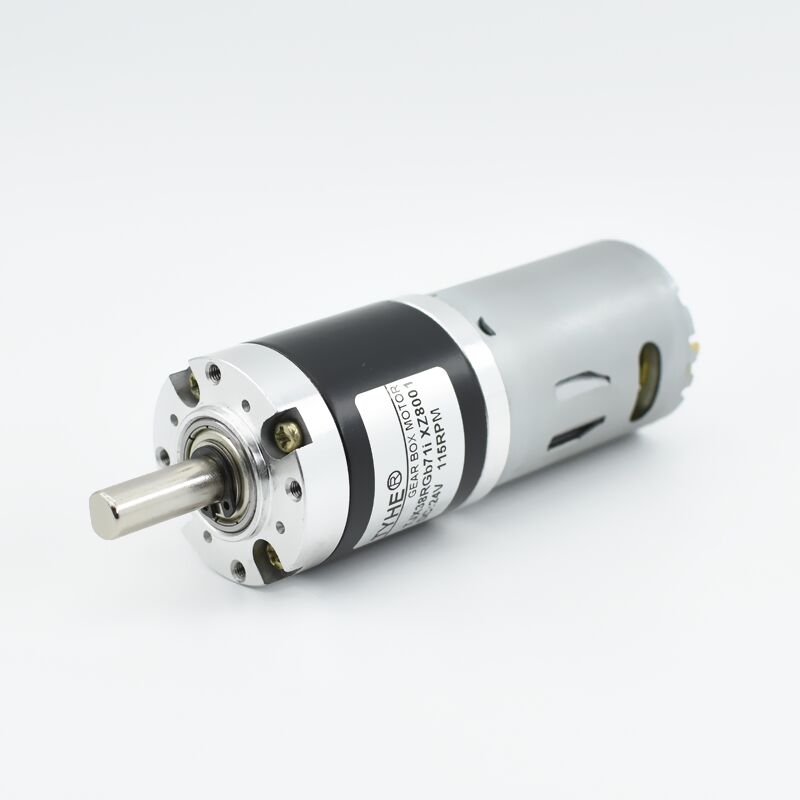
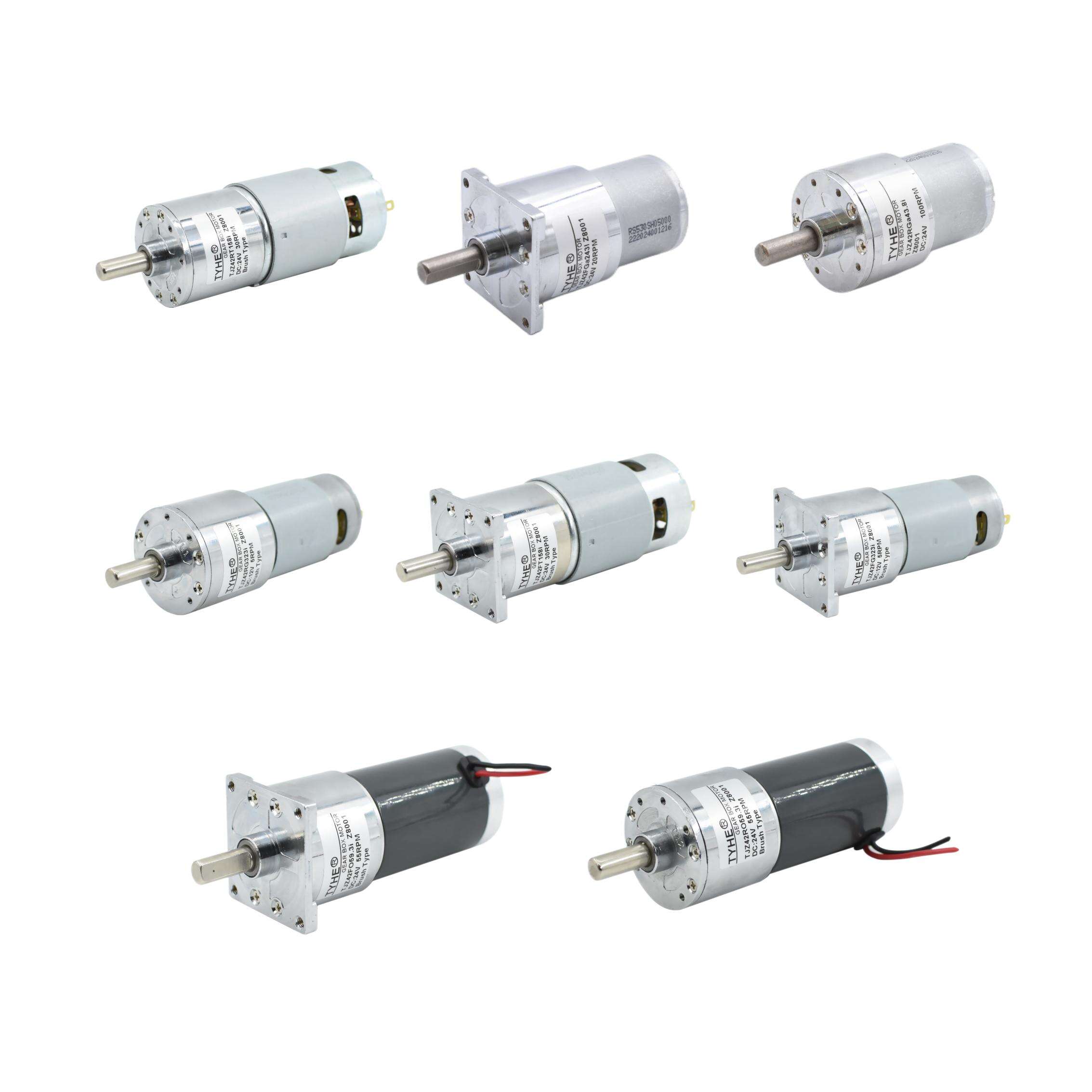
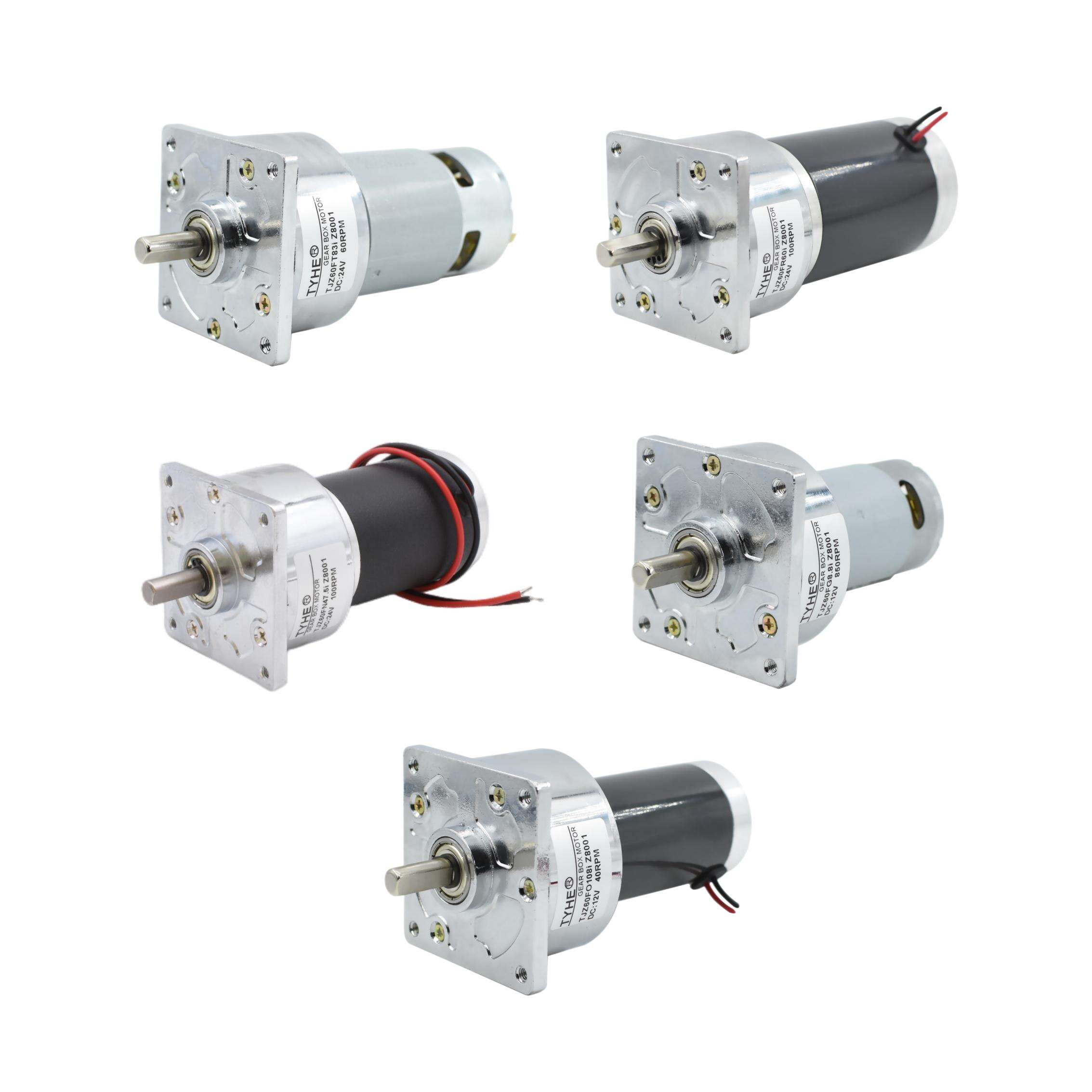
Superior Speed Control and Responsiveness
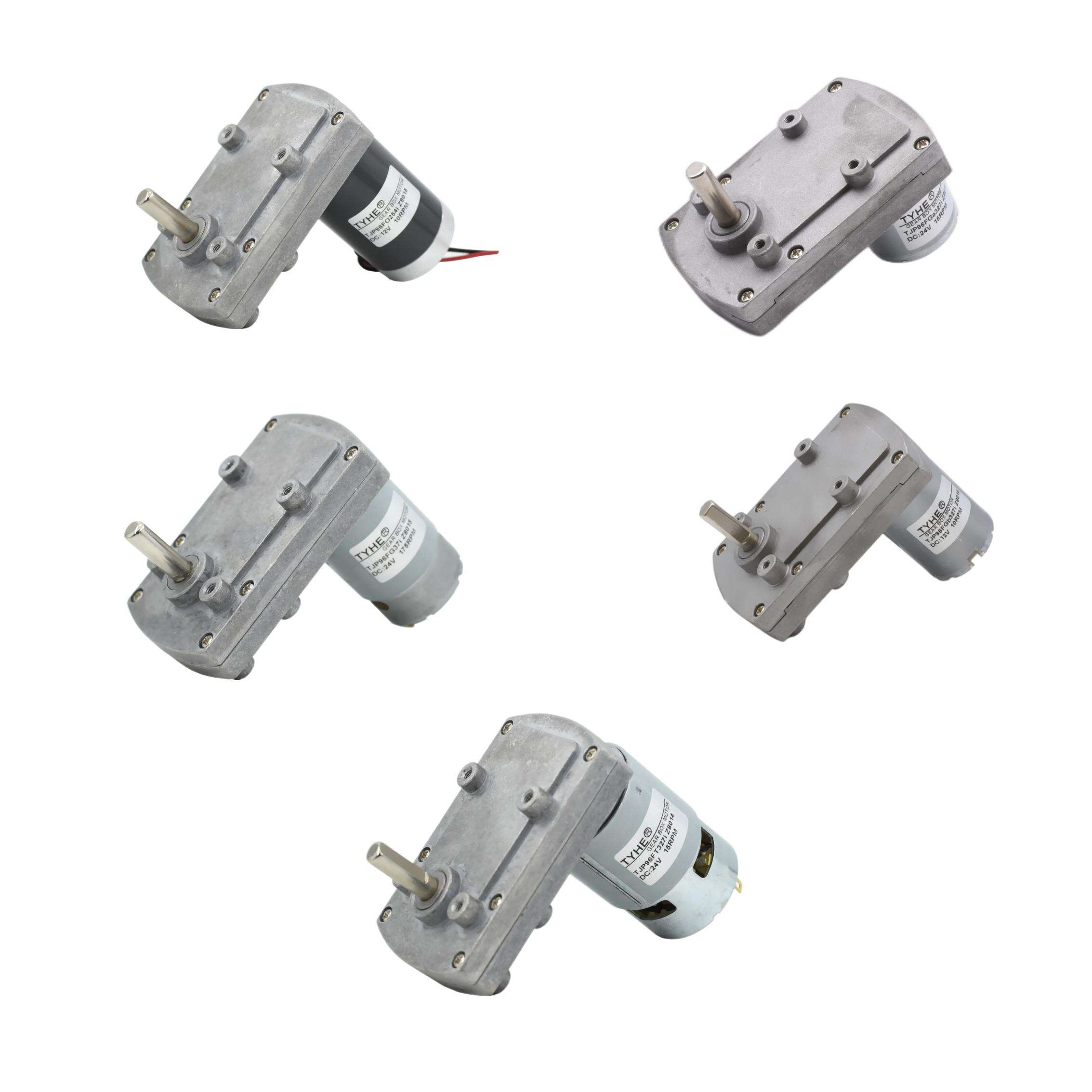
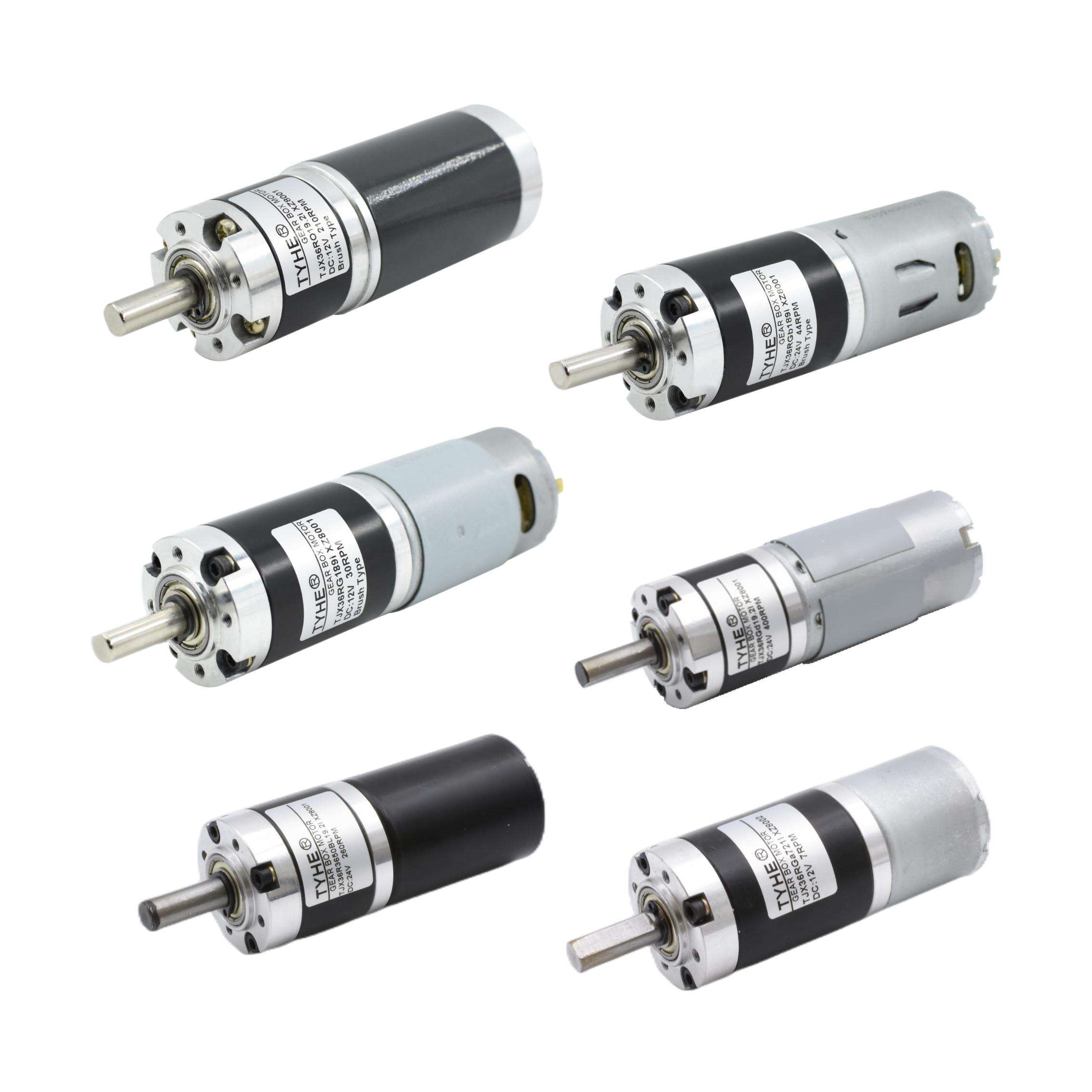
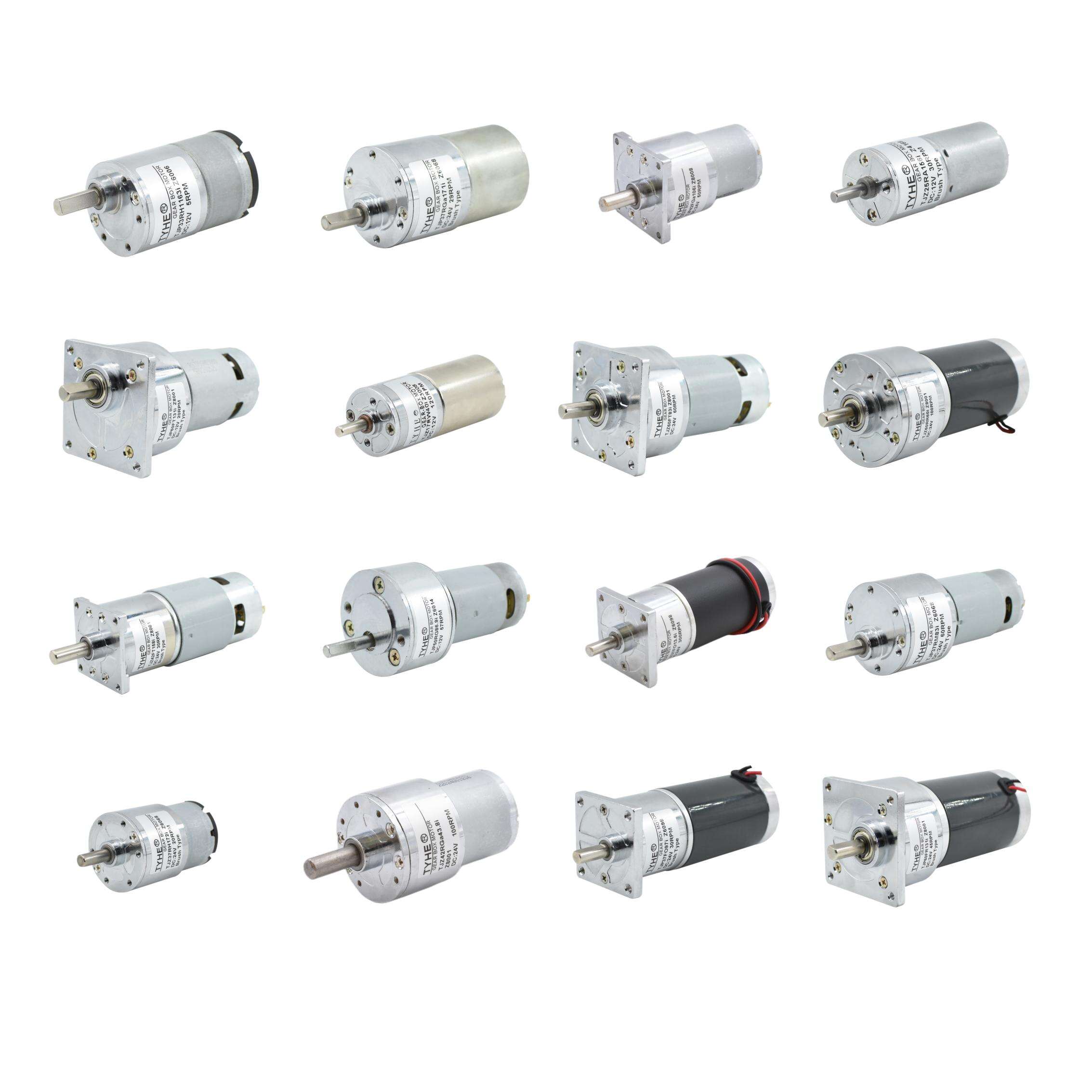
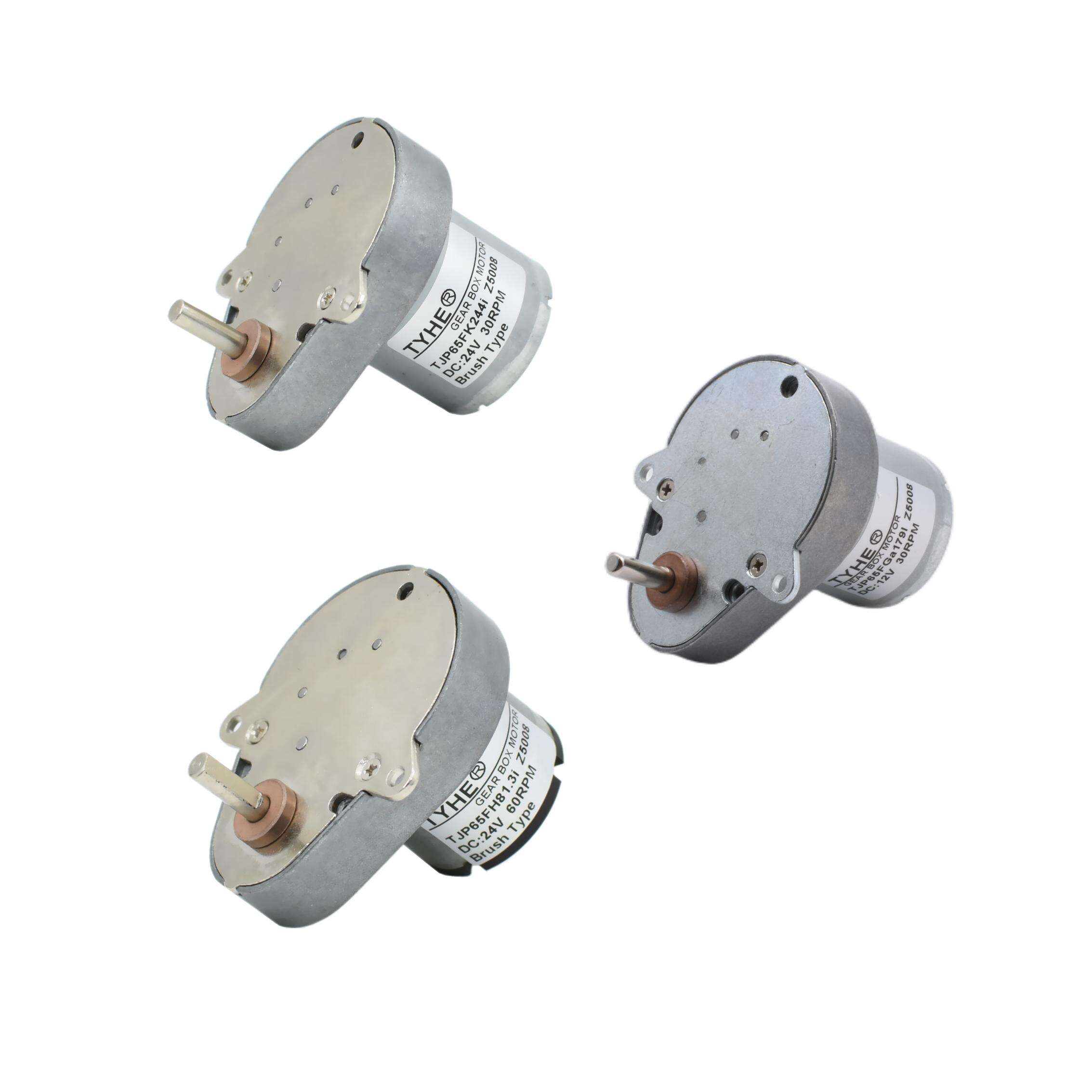
The exceptional speed control capabilities of brushed DC motor types set them apart from many alternative motor technologies, providing users with unparalleled precision and responsiveness in their applications. This superior controllability stems from the direct relationship between applied voltage and motor speed, creating a linear response that engineers and operators can easily predict and manipulate. When voltage increases, the motor speed increases proportionally, and when voltage decreases, the motor slows accordingly, without the lag time or complexity associated with other motor control methods. This immediate response characteristic makes brushed DC motor types particularly valuable in applications requiring real-time speed adjustments, such as precision manufacturing equipment, automated assembly lines, and robotic systems. The control simplicity extends beyond basic speed regulation to include dynamic braking capabilities, where the motor can act as a generator to provide controlled deceleration. This regenerative braking feature proves especially beneficial in applications like electric vehicles, cranes, and elevators, where controlled stopping and energy recovery enhance overall system efficiency. Furthermore, the ability to reverse rotation direction simply by reversing the applied voltage polarity adds operational flexibility that many applications demand. The speed control accuracy of brushed DC motor types remains consistent across varying load conditions, maintaining stable operation even when external forces change. This stability ensures predictable performance in applications where load variations are common, such as conveyor systems handling different product weights or power tools encountering varying material resistance. The control circuitry required for brushed DC motor types remains relatively simple, often consisting of basic electronic components like potentiometers, transistors, and basic feedback circuits. This simplicity reduces system complexity, lowers costs, and improves overall reliability by minimizing potential failure points. Additionally, the troubleshooting and repair of control systems become more straightforward, allowing maintenance personnel to quickly identify and resolve issues without specialized diagnostic equipment or extensive training programs.

 EN
EN