
 EN
EN
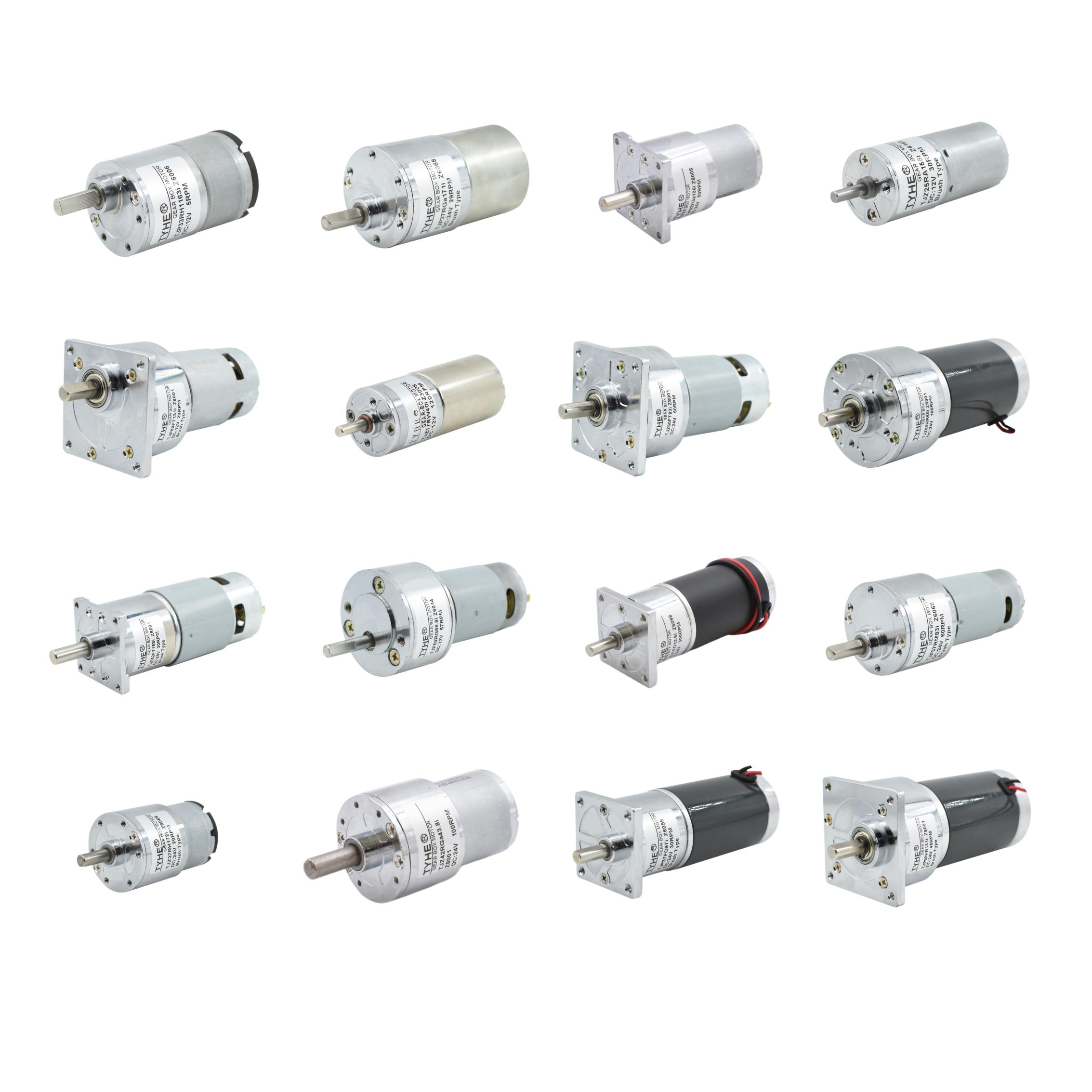
When selecting a small dc motor for your application, efficiency represents one of the most critical performance metrics to evaluate. A small dc motor powers everything from industrial automation equipment to consumer electronics, yet not all models deliver the same energy conversion rates or operational longevity. Understanding the efficiency differences between brushed and brushless variants helps engineers, manufacturers, and procurement professionals make informed decisions that directly impact operating costs, system reliability, and environmental sustainability. This guide compares small dc motor efficiency across both technologies, revealing the practical advantages and trade-offs that should influence your selection process.
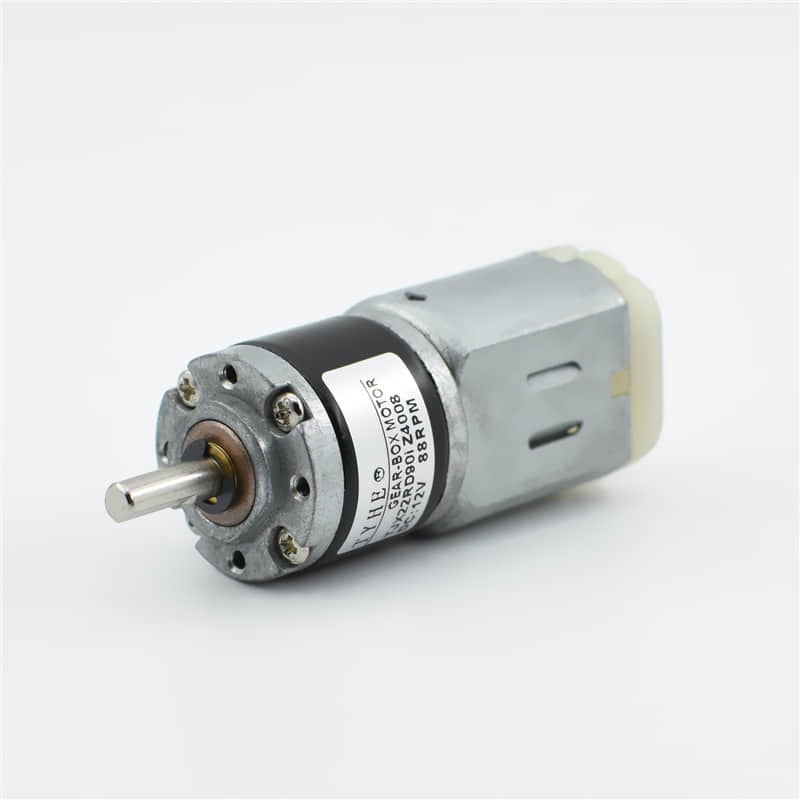
The efficiency of a small dc motor determines how effectively electrical input converts into mechanical output, with the remainder dissipating as heat loss. Brushed motors typically achieve efficiency ratings between 75 and 85 percent, while brushless models frequently reach 85 to 95 percent efficiency or higher. This distinction stems from fundamental design differences: brushed motors rely on mechanical commutation via carbon brushes that contact a rotating commutator, creating friction and electrical resistance losses. Brushless small dc motor designs eliminate this mechanical contact point entirely, substituting electronic commutation through a dedicated controller, which substantially reduces energy waste and extends operational life.
Understanding Brushed Motor Efficiency in Small DC Motor Applications
Mechanical Losses in Brushed Small DC Motor Technology
A brushed small dc motor generates rotational motion through commutation—the sequential switching of current direction in the rotor windings. Carbon brushes physically contact the commutator to direct current flow, but this mechanical interface introduces significant energy losses. The brush-to-commutator friction generates heat, increases electrical resistance, and causes gradual brush wear that requires periodic maintenance. In a typical small dc motor operating under steady load, brush-related losses can account for 10 to 20 percent of total inefficiency. These losses compound in high-speed applications where brush bounce and arcing become more pronounced, reducing overall small dc motor performance and requiring earlier brush replacement in industrial duty cycles.
Operating Temperature and Heat Dissipation Effects
Brushed small dc motor designs generate more waste heat than their brushless counterparts, elevating operating temperatures under continuous operation. When a small dc motor runs hotter, winding resistance increases due to the positive temperature coefficient of copper wire, further degrading efficiency in a feedback loop. Higher temperatures also accelerate insulation degradation, shortening the functional lifespan of the small dc motor and potentially requiring enhanced cooling infrastructure. In thermal-sensitive applications like medical devices or compact consumer electronics, the heat generation of a brushed small dc motor can pose serious design constraints, whereas a brushless variant provides superior thermal performance and smaller cooling requirements.
Brushless Motor Efficiency Advantages in Small DC Motor Design
Electronic Commutation and Reduced Frictional Losses
A brushless small dc motor eliminates mechanical brush-commutator contact entirely, replacing it with electronic switching via a permanent magnet rotor and stator windings controlled by a Hall-effect sensor or sensorless algorithm. This design removes the primary friction source that degrades brushed small dc motor efficiency, allowing brushless models to achieve efficiency rates 10 to 15 percent higher than equivalent brushed designs. The electronic commutation in a small dc motor controller ensures precise current timing to the rotor phase windings, minimizing current ripple and electromagnetic losses that would otherwise occur during commutation transitions. For applications requiring extended operation or high cycle counts, the efficiency advantage of a small dc motor brushless variant translates directly into energy savings and reduced total cost of ownership.
Extended Operational Lifespan and Predictable Maintenance
Brushless small dc motor technology eliminates the wear-prone components that necessitate regular maintenance in brushed motors. Without brush replacement intervals, a small dc motor brushless design exhibits minimal component degradation over millions of operating hours, provided the controller remains functional and thermal conditions stay controlled. The predictable maintenance profile of a small dc motor brushless system simplifies lifecycle planning for industrial equipment manufacturers and reduces operational downtime. Additionally, superior efficiency in a brushless small dc motor means lower heat generation, which directly correlates with longer bearing life, reduced cooling demands, and ultimately, extended overall motor lifespan compared to brushed alternatives operating under identical load conditions.
Cost-Efficiency Analysis and Application Selection for Small DC Motors
Initial Capital Investment versus Long-Term Operating Savings
Brushless small dc motor systems command higher upfront costs than brushed equivalents, primarily because brushless models require a dedicated electronic controller and more precise manufacturing tolerances. In low-volume applications or single-use scenarios, the capital premium of a brushless small dc motor may outweigh energy savings over its operational lifetime. However, in applications demanding continuous operation, high duty cycles, or extended service intervals, the cumulative energy efficiency gains of a small dc motor brushless design typically justify the initial investment within one to three years. Procurement professionals must evaluate the total cost of ownership, factoring in electricity expenses, maintenance labor, component replacement intervals, and downtime costs specific to their operational context when comparing brushed versus brushless small dc motor options.
Application-Specific Efficiency Requirements
Not every application demands the efficiency premium that a brushless small dc motor provides. Intermittent-duty or short-cycle applications may realize minimal financial benefit from the superior efficiency of a brushless small dc motor over equivalent brushed models. Conversely, continuous-operation scenarios in aerospace, medical devices, renewable energy systems, or industrial automation absolutely justify small dc motor brushless selection. Environmental regulations in certain markets increasingly penalize energy inefficiency, making a small dc motor brushless solution economically essential for manufacturers seeking compliance. The efficiency characteristics of your selected small dc motor must align with duty cycle, thermal constraints, regulatory requirements, and total cost drivers unique to your specific application sector and operational geography.
FAQ
What efficiency percentage should I expect from a small dc motor in real-world conditions?
Brushed small dc motor models typically operate at 75 to 85 percent efficiency under normal load conditions, while a brushless small dc motor generally delivers 85 to 95 percent efficiency or higher. Actual efficiency depends on motor size, load profile, speed regulation, controller design quality, and thermal management. Real-world testing should be conducted at representative operating points rather than relying solely on nameplate ratings, as small dc motor efficiency varies significantly across the speed-torque curve.
Can a brushless small dc motor justify its higher cost in low-power applications?
For intermittent or short-duration applications, a brushed small dc motor often provides better cost-effectiveness despite lower efficiency. However, if the small dc motor application involves continuous operation, thermal sensitivity, or long maintenance intervals, brushless technology typically justifies its premium within two to four years through energy savings and reduced maintenance expenses. Conduct a detailed lifecycle cost analysis for your specific small dc motor duty cycle before deciding between brushed and brushless options.
How does temperature affect small dc motor efficiency performance over time?
Temperature has a significant impact on small dc motor efficiency because copper winding resistance increases approximately 0.4 percent per degree Celsius above room temperature. A small dc motor operating at elevated temperatures experiences accelerated insulation degradation and reduced efficiency output. Brushless small dc motor designs generate less waste heat than brushed alternatives, naturally maintaining lower operating temperatures and more stable long-term efficiency. Adequate thermal management becomes critical for sustaining small dc motor efficiency throughout its operational lifespan, particularly in confined spaces or high-ambient-temperature environments.
