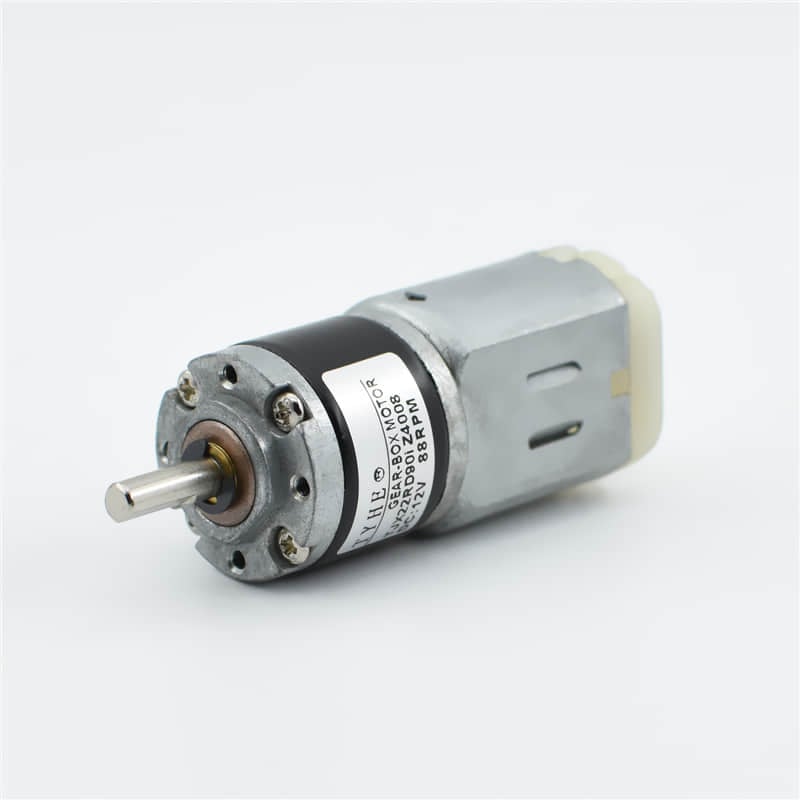
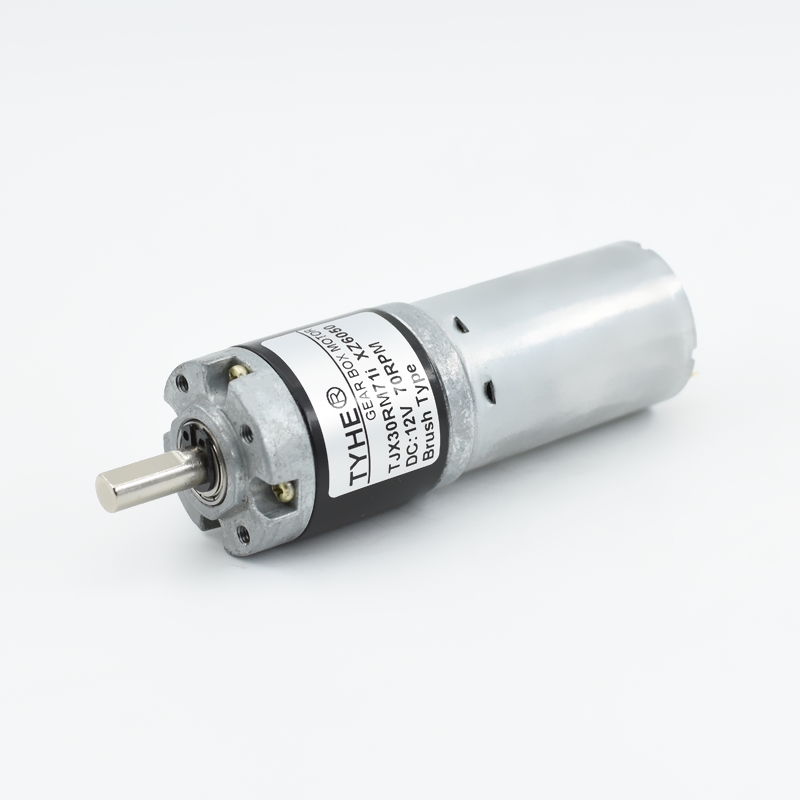
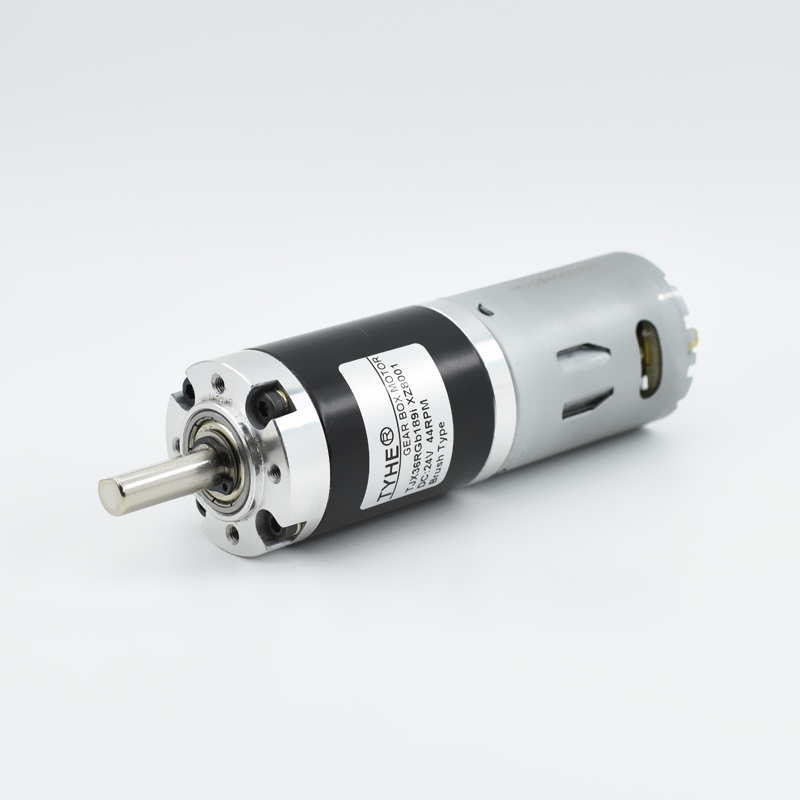
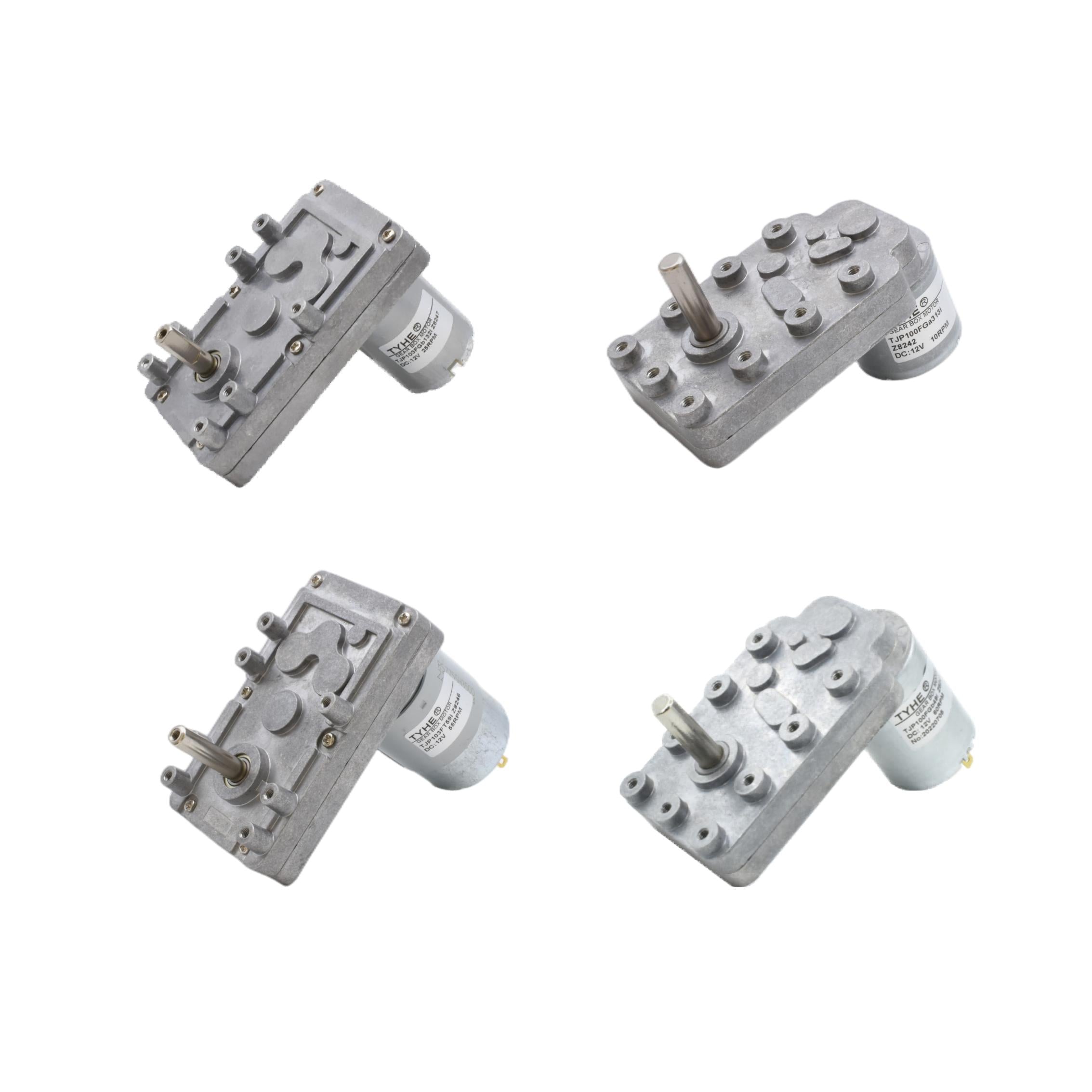
motor brushed dc
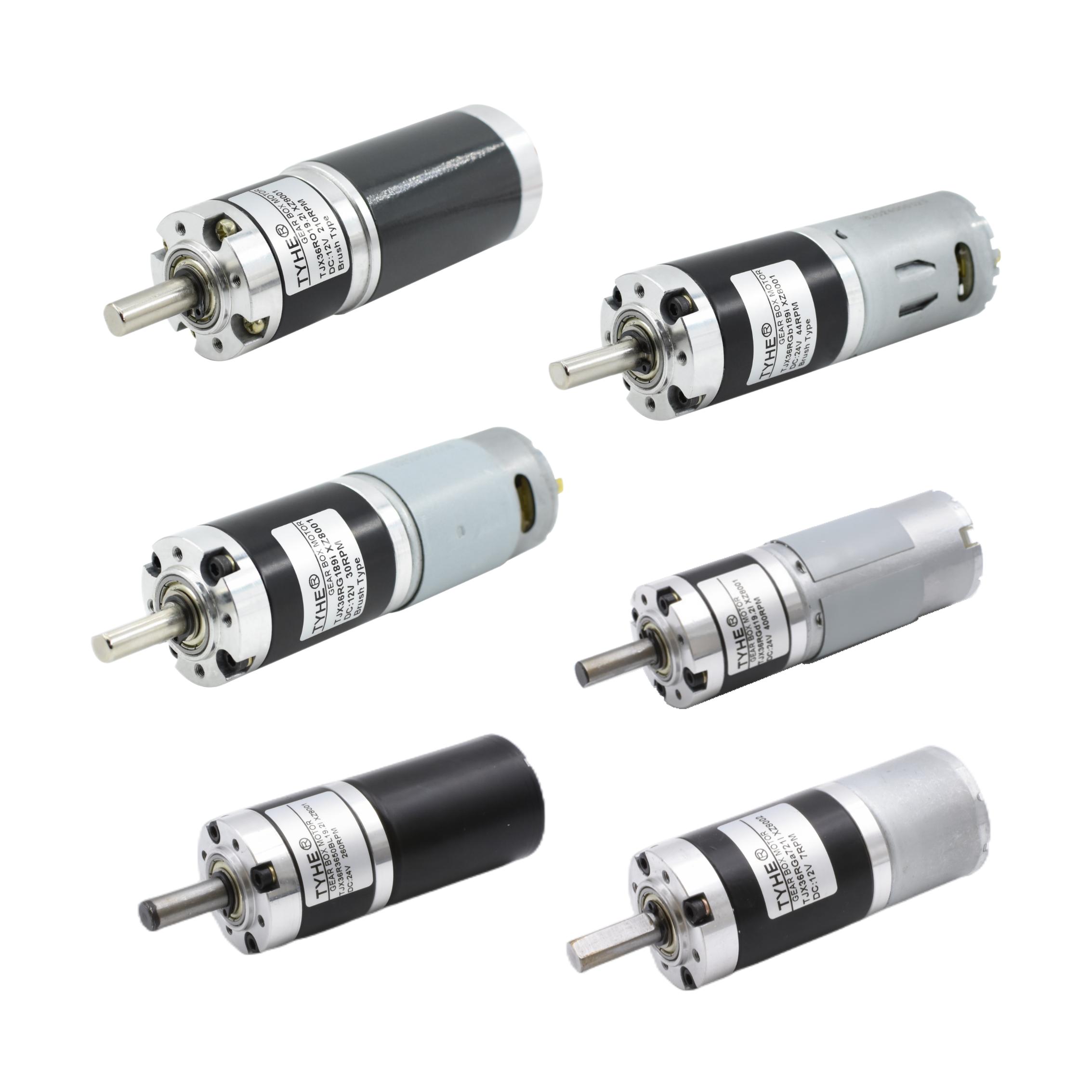
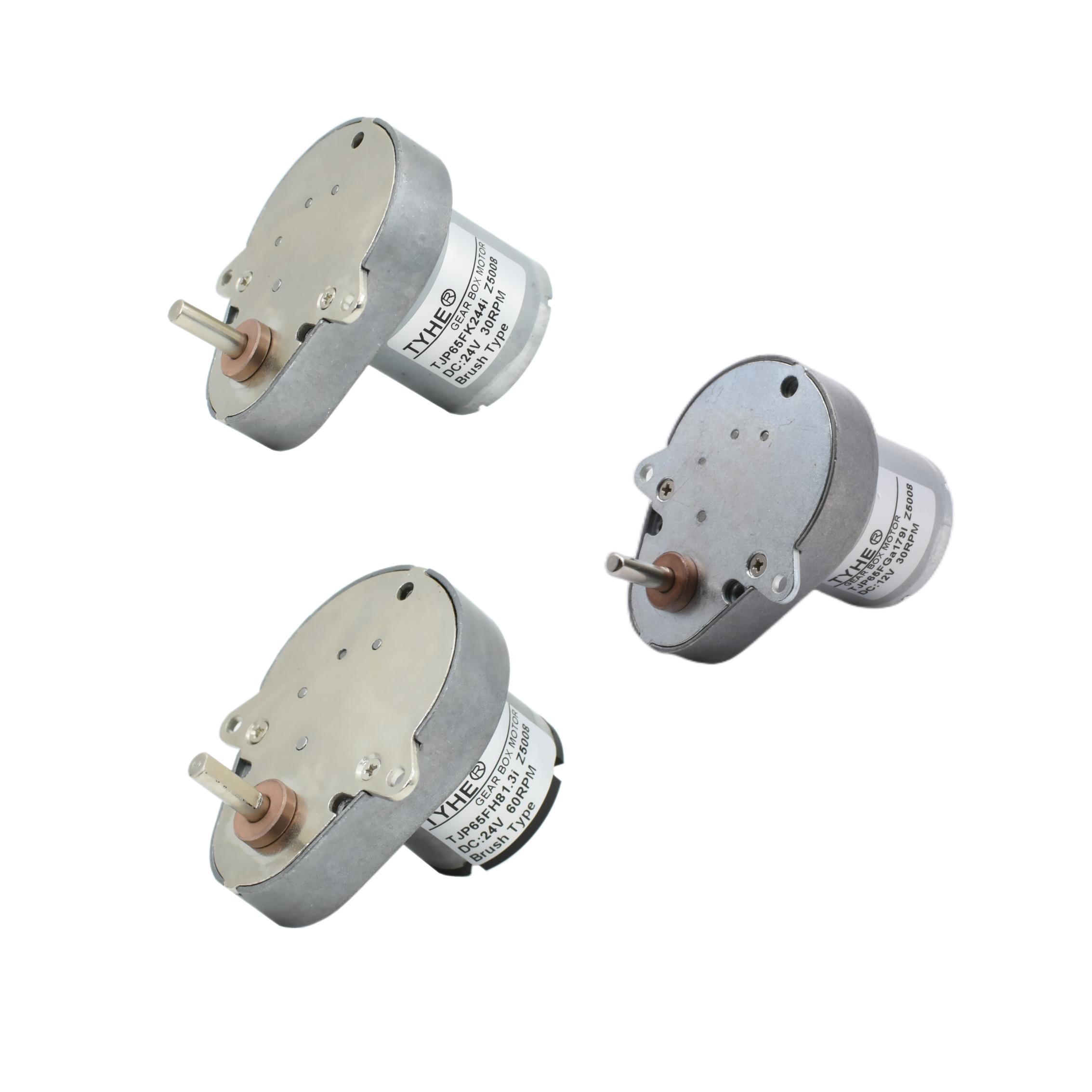
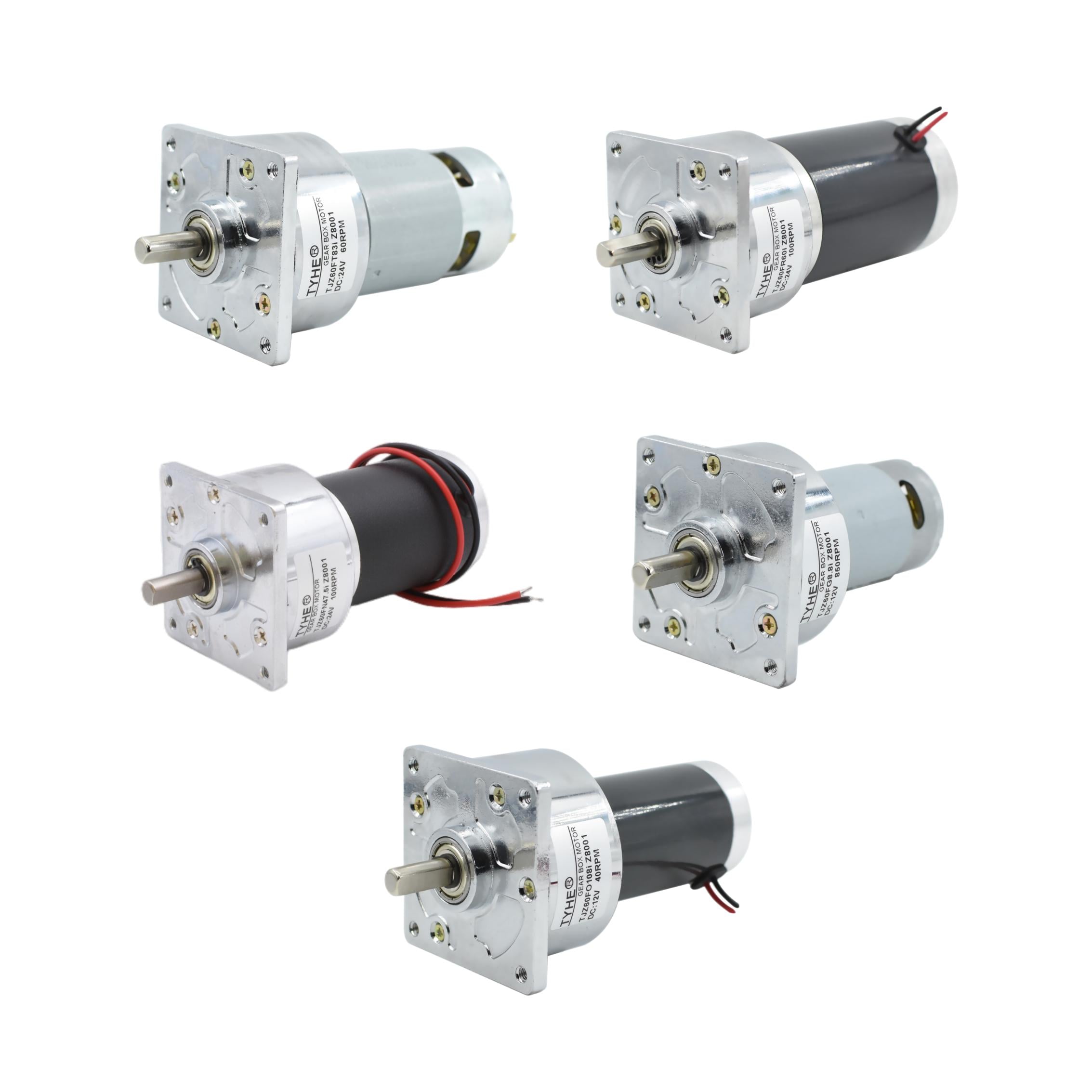
A motor brushed dc is an electric drive that changes direct-current power into rotary movement. It uses a permanent magnet or wound field, an armature, a commutator, and carbon or metal brushes to create continuous torque. Because the motor brushed dc responds quickly to changes in voltage, users can adjust speed with a simple controller, pulse-width modulation system, or variable power supply. This makes the motor brushed dc a practical choice when equipment needs controlled starting, stopping, reversing, or positioning. A motor brushed dc can deliver useful torque from low speed and can handle short bursts of higher load when correctly selected. The motor brushed dc design also supports straightforward integration because it does not normally require complex programming or advanced feedback hardware. Common versions include permanent-magnet models, gear motors, high-speed motors, and compact low-voltage units. Each motor brushed dc type suits a different balance of speed, torque, size, noise, and service life. Product selection should consider voltage, current, rated speed, stall torque, duty cycle, shaft design, mounting pattern, and operating environment. A motor brushed dc may include sealed bearings, thermal protection, suppression parts, or an integrated gearbox. These features help the motor brushed dc perform reliably in conveyors, pumps, valves, office devices, toys, medical equipment, battery tools, and small vehicles. The motor brushed dc remains popular because it combines familiar control, broad availability, and flexible mechanical output. For buyers, the motor brushed dc offers a proven solution for motion tasks where dependable performance, easy sourcing, and manageable system cost matter.

 EN