Brush Type DC Motor: Complete Guide to Features, Advantages, and Applications

All Categories

brush type dc motor

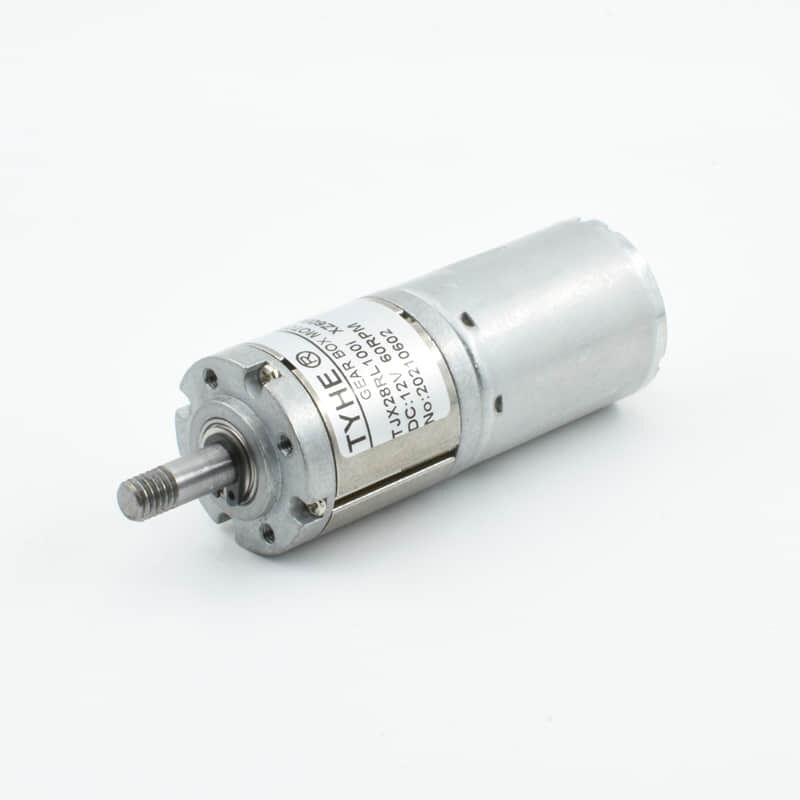
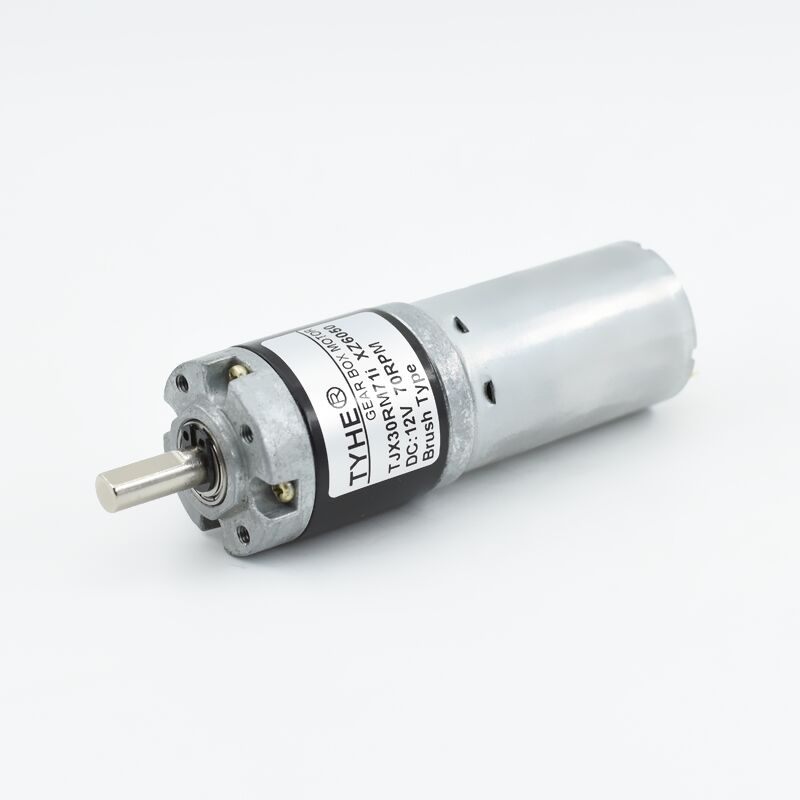
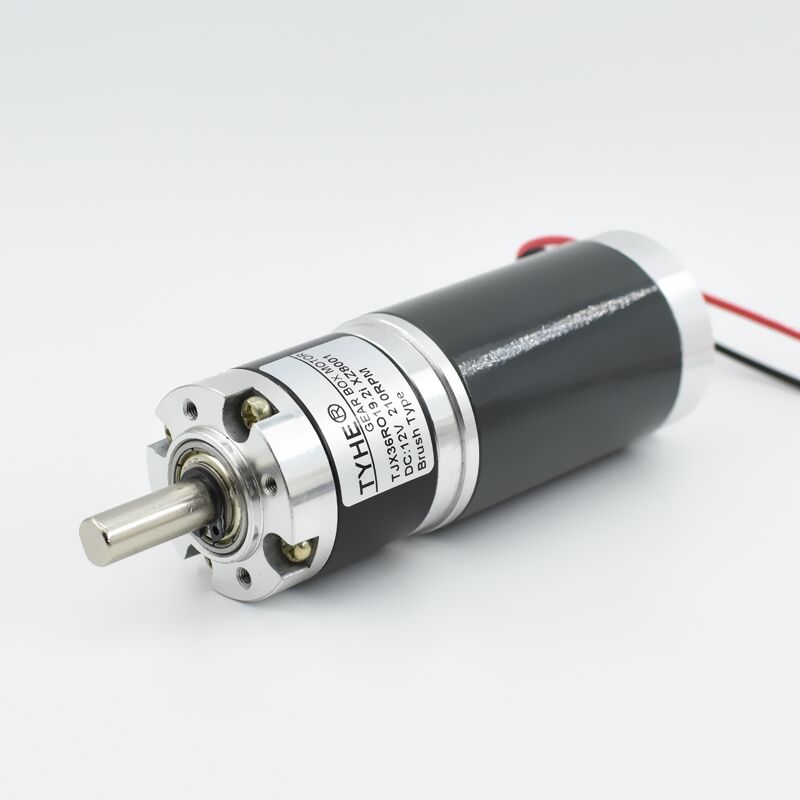
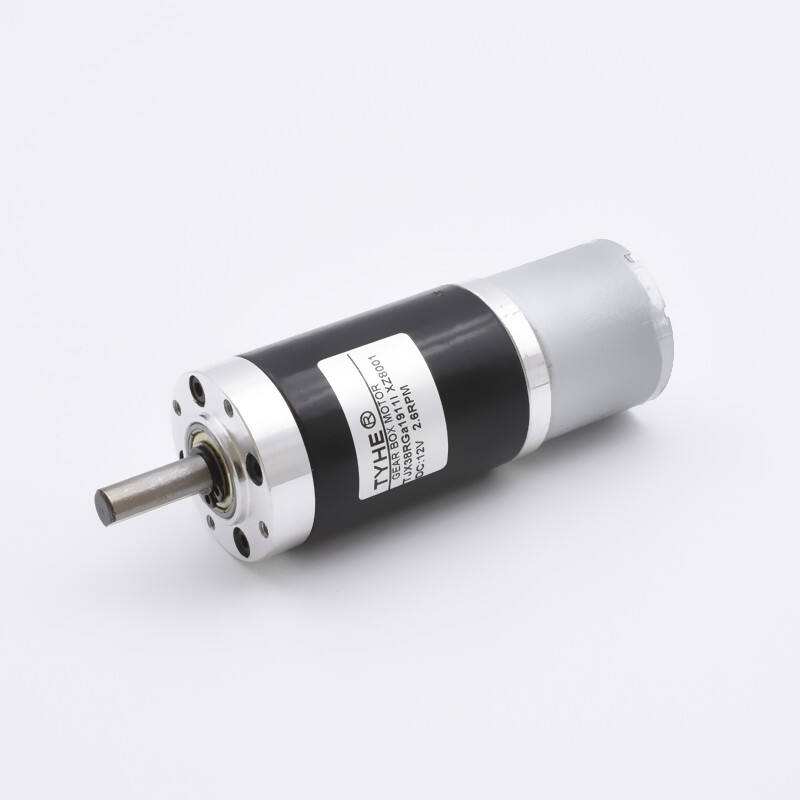
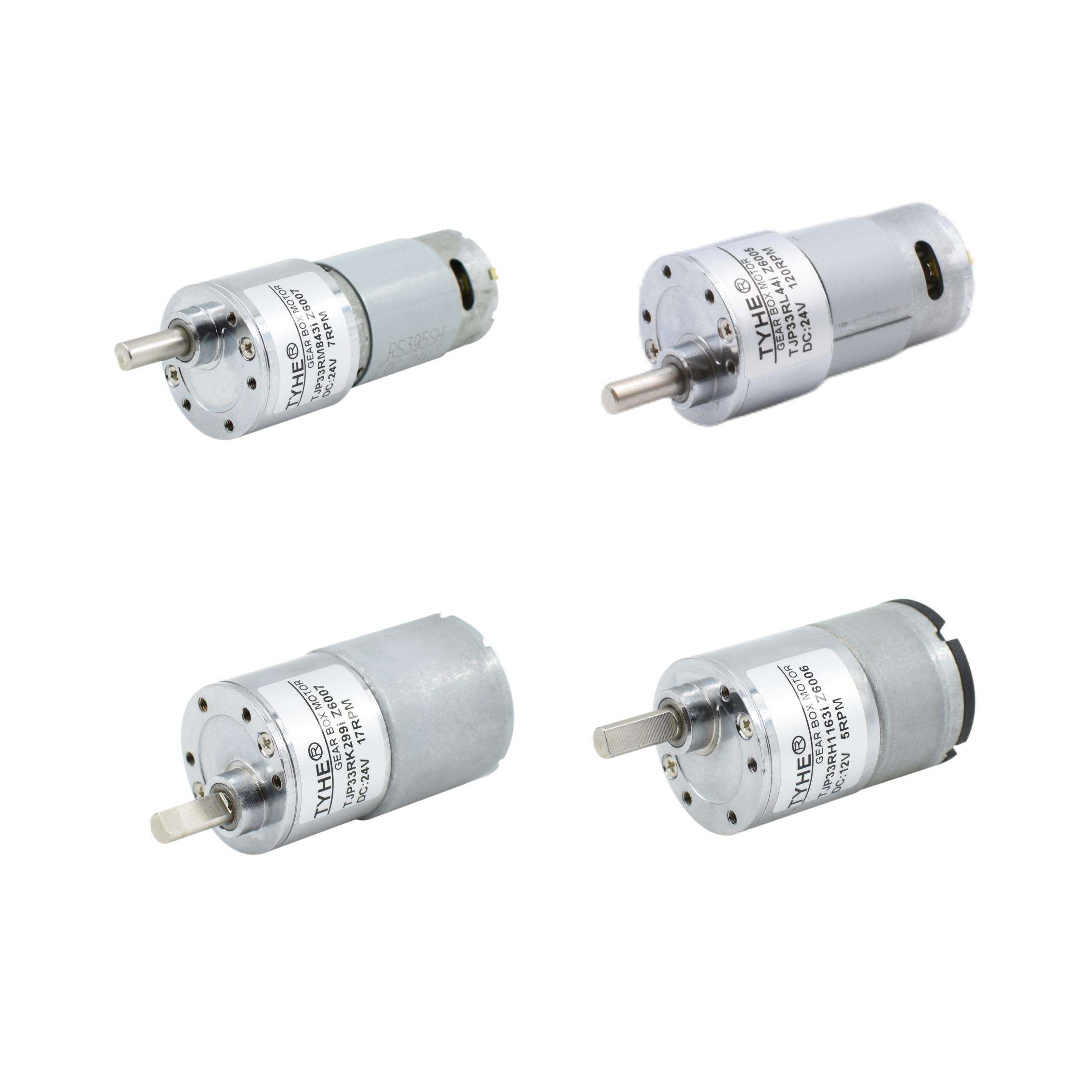
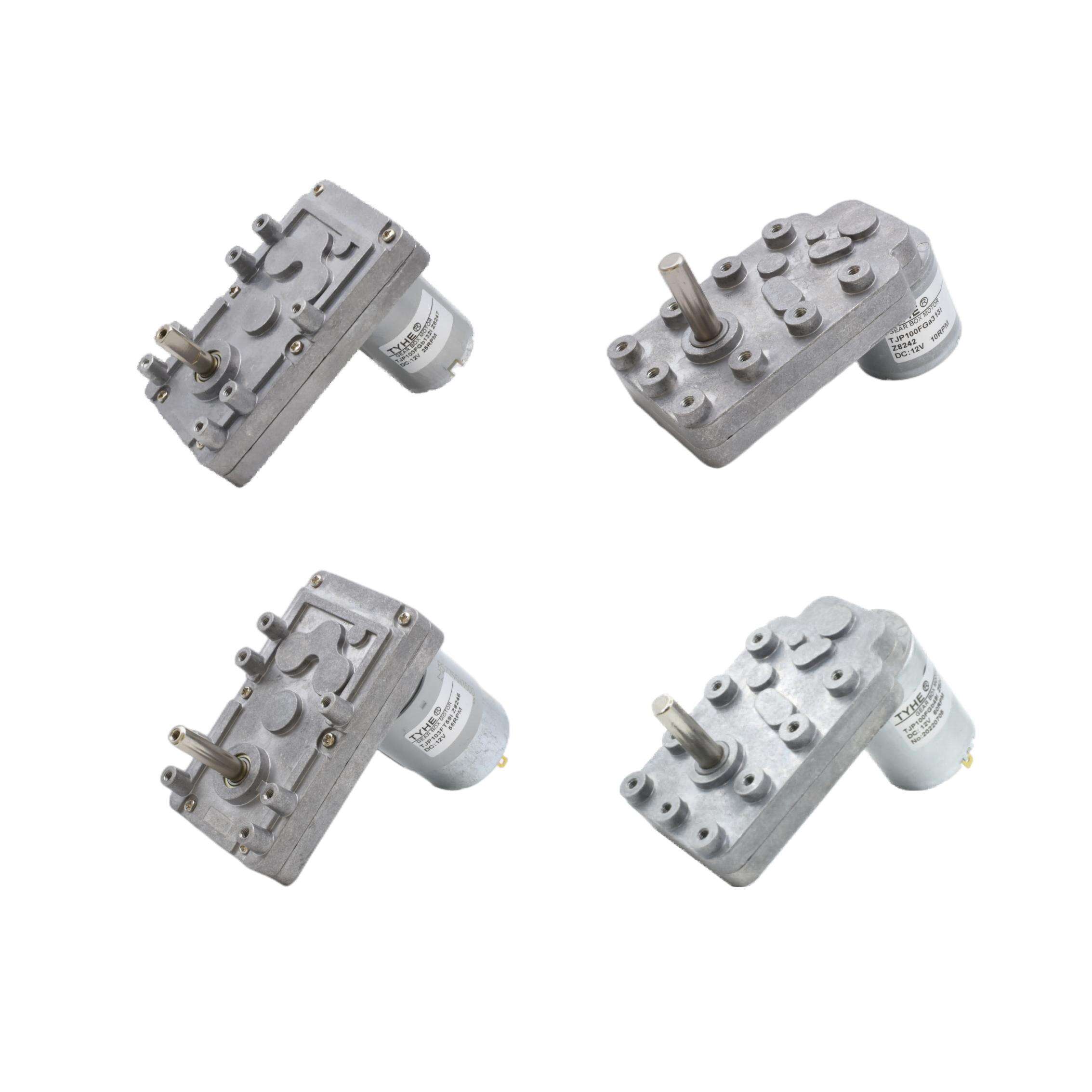
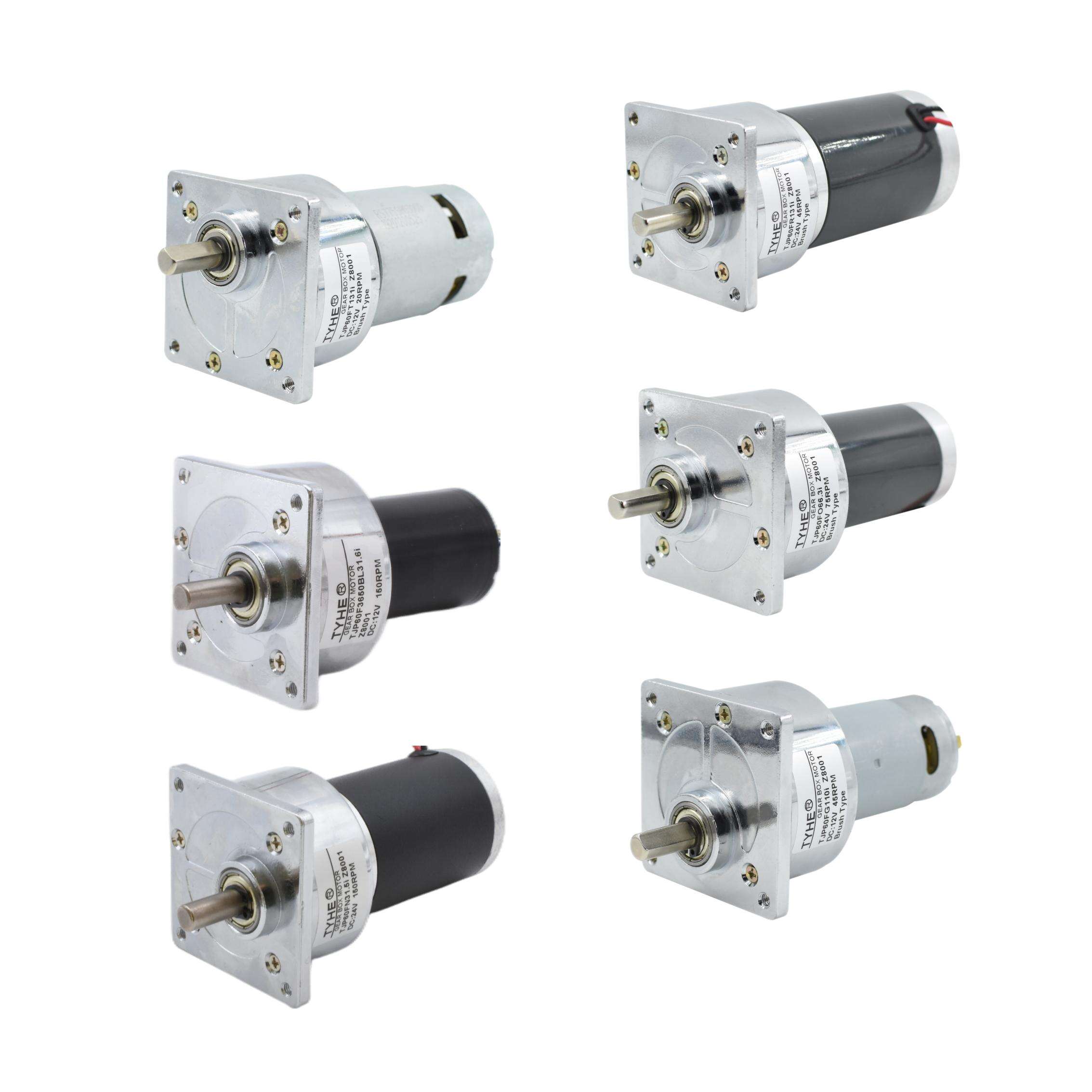
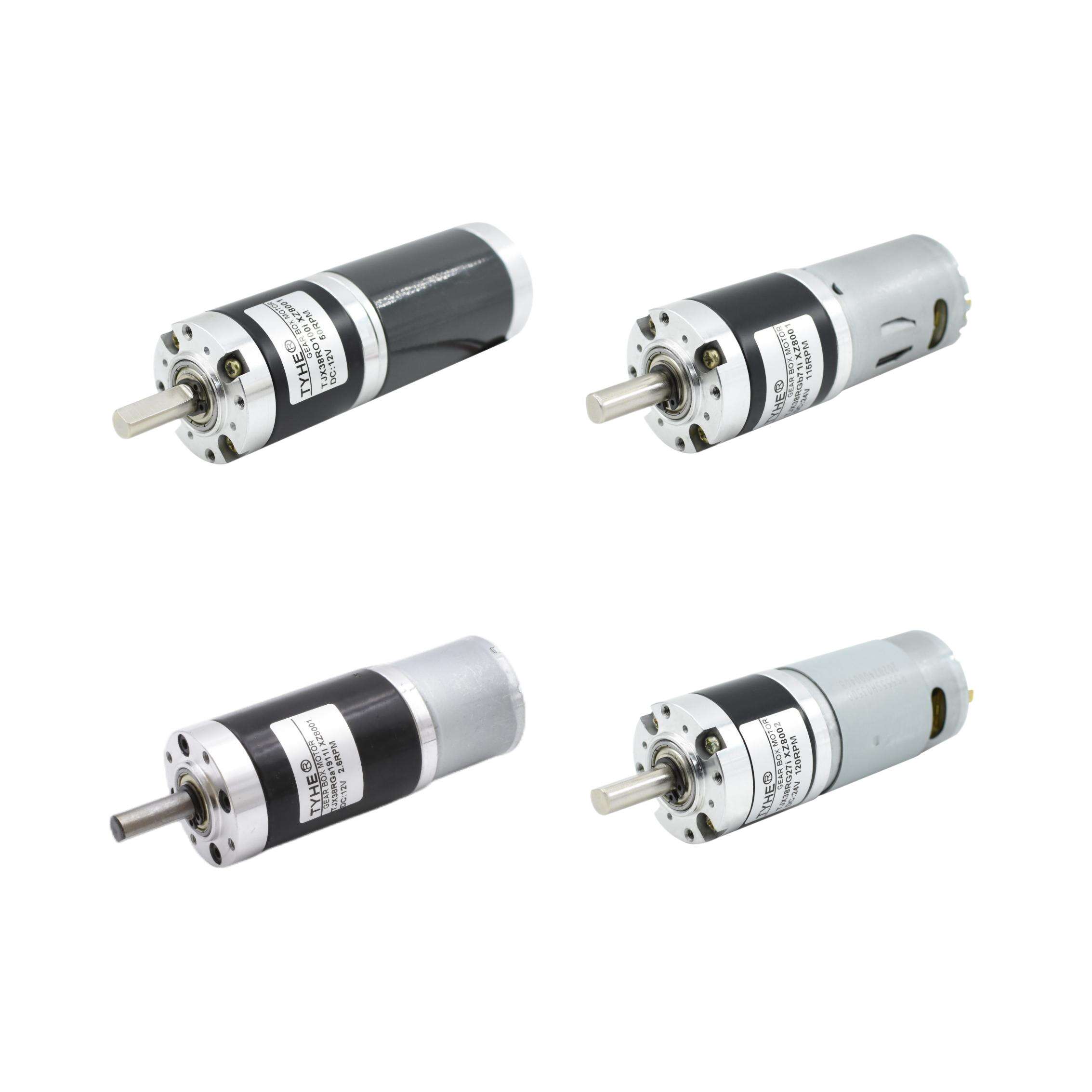
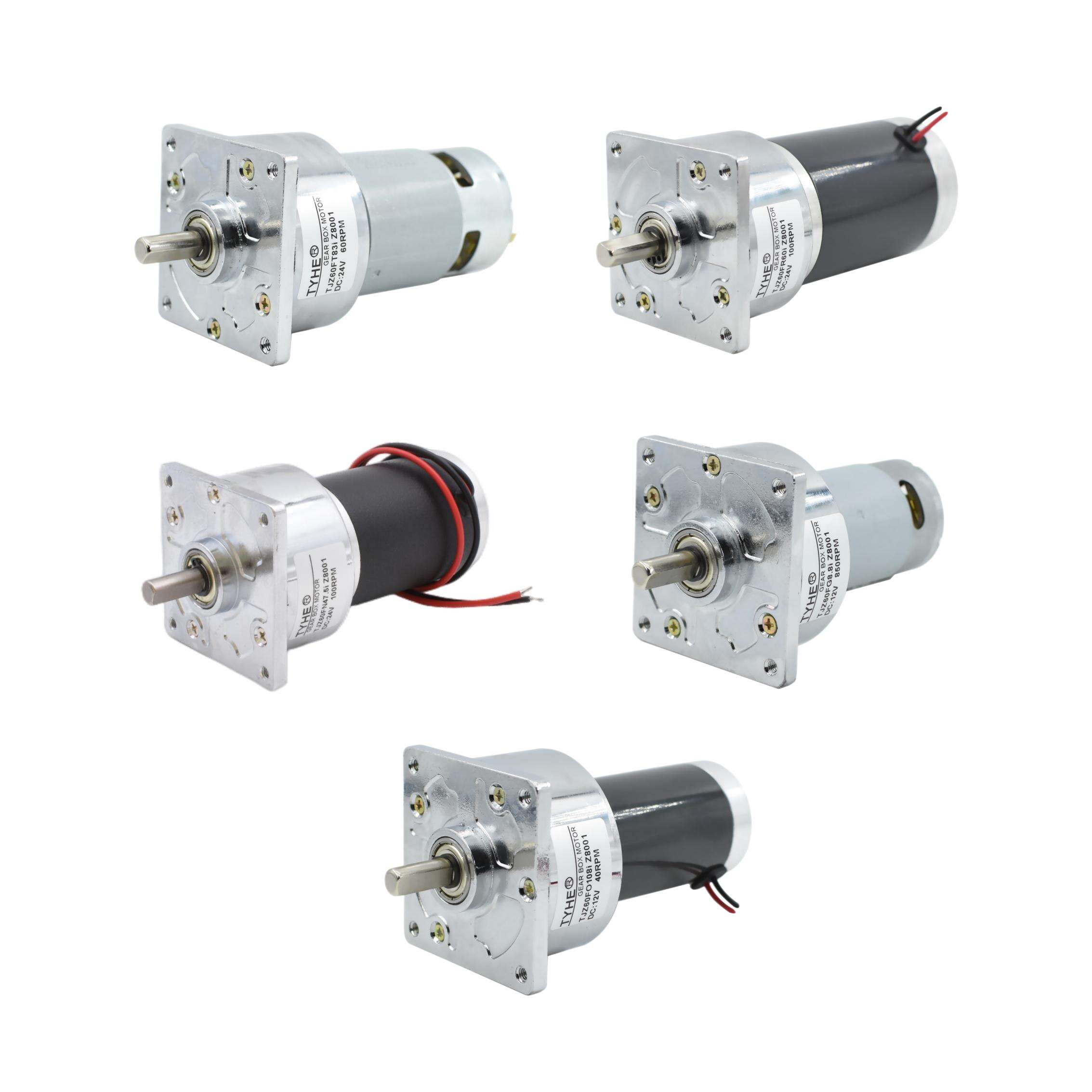
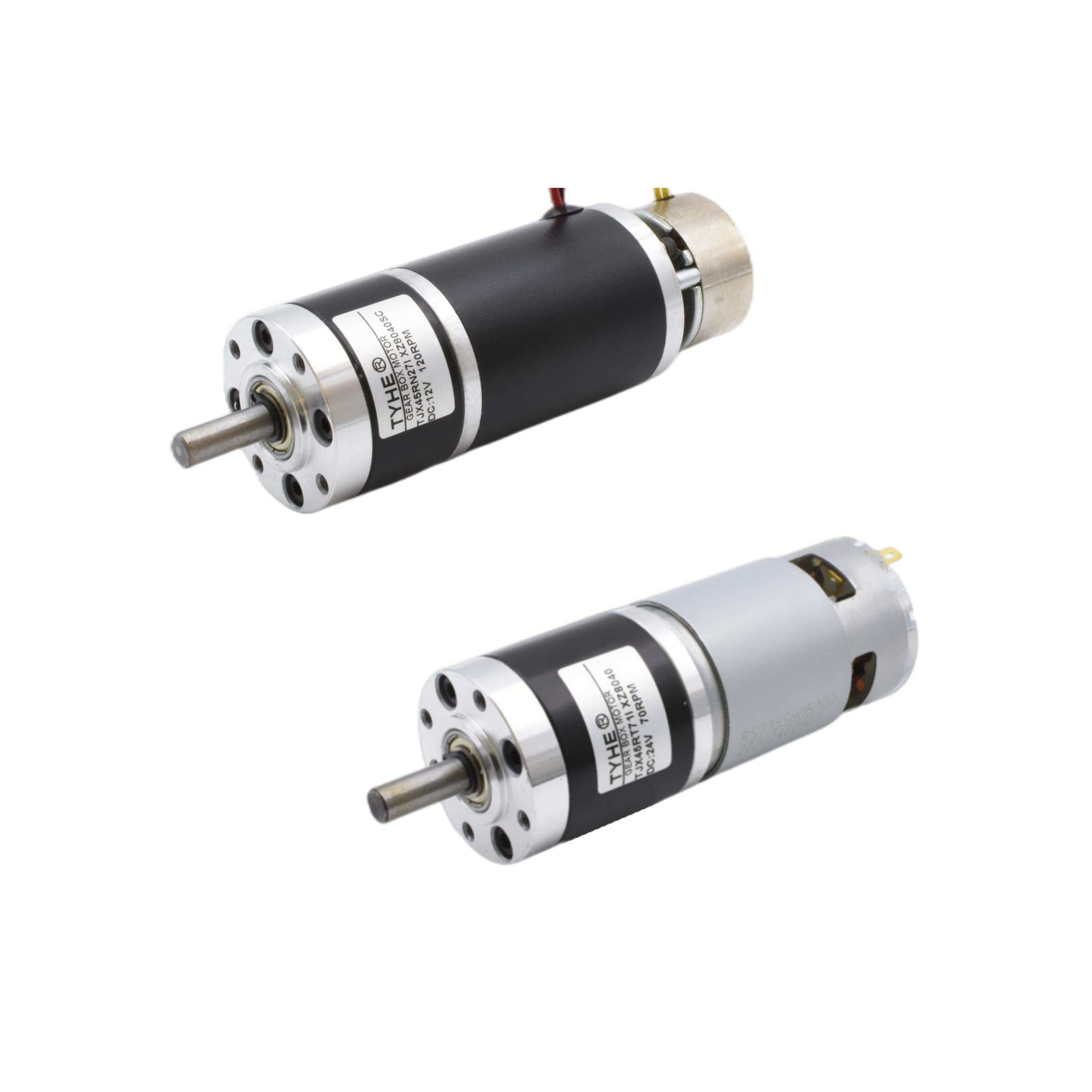
A brush type dc motor represents one of the most fundamental and widely utilized electric motor designs in modern engineering applications. This traditional motor configuration operates on the principle of electromagnetic induction, utilizing carbon brushes that maintain physical contact with a rotating commutator to deliver electrical current to the rotor windings. The brush type dc motor consists of several essential components including the stator, rotor (armature), commutator, carbon brushes, and magnetic field system. The stator houses permanent magnets or electromagnets that create a constant magnetic field, while the rotor contains copper windings that interact with this field to generate rotational motion. The commutator serves as a crucial switching mechanism, reversing the current direction in the armature windings at precise intervals to maintain continuous rotation. Carbon brushes physically contact the commutator segments, providing the electrical pathway for current flow while accommodating the rotational movement of the armature. The main functions of a brush type dc motor include converting electrical energy into mechanical rotational energy, providing variable speed control through voltage adjustment, and delivering high starting torque capabilities. These motors excel in applications requiring precise speed regulation and directional control. Technological features of the brush type dc motor include simple construction, cost-effective manufacturing, and straightforward control mechanisms. The motor's speed can be easily regulated by adjusting the applied voltage, making it ideal for applications requiring variable speed operation. The brush type dc motor also offers excellent torque characteristics, providing high starting torque and maintaining consistent performance across various load conditions. Applications for brush type dc motors span numerous industries including automotive systems, household appliances, power tools, industrial equipment, and robotics. These motors power electric vehicles, windshield wipers, cooling fans, drill machines, conveyor systems, and automated manufacturing equipment, demonstrating their versatility and reliability in diverse operational environments.


New Product Recommendations

The brush type dc motor offers numerous compelling advantages that make it an excellent choice for a wide range of applications across various industries. One of the most significant benefits is its exceptional speed control capabilities. Unlike many other motor types, the brush type dc motor allows for smooth and precise speed regulation simply by adjusting the input voltage. This voltage-controlled speed variation provides operators with intuitive control mechanisms that require minimal additional components or complex control systems. The linear relationship between voltage and speed makes the brush type dc motor particularly user-friendly and cost-effective for applications requiring variable speed operation. Another major advantage of the brush type dc motor is its superior starting torque characteristics. These motors can deliver high torque immediately upon startup, making them ideal for applications that require overcoming significant initial resistance or moving heavy loads from a stationary position. This high starting torque capability eliminates the need for additional starting mechanisms or complex acceleration profiles, simplifying system design and reducing overall costs. The brush type dc motor also provides excellent directional control through simple polarity reversal. Changing the direction of current flow instantly reverses the motor's rotation, enabling precise bidirectional operation without complex switching mechanisms. This feature proves invaluable in applications requiring frequent direction changes or precise positioning control. Cost-effectiveness represents another crucial advantage of the brush type dc motor. The relatively simple construction and manufacturing processes result in lower production costs compared to more complex motor designs. Additionally, the straightforward control requirements eliminate the need for expensive electronic controllers or sophisticated drive systems, further reducing overall system costs. Maintenance requirements for brush type dc motors remain relatively straightforward and predictable. While carbon brushes require periodic replacement, this maintenance task is simple and inexpensive. The predictable wear patterns allow for scheduled maintenance intervals, minimizing unexpected downtime and associated costs. The brush type dc motor also offers excellent compatibility with existing electrical systems and power supplies. These motors can operate directly from dc power sources without requiring complex inverters or conversion equipment. This compatibility makes them ideal for battery-powered applications, automotive systems, and renewable energy installations. Furthermore, the brush type dc motor provides reliable performance across various environmental conditions and load variations, ensuring consistent operation in demanding applications.

Practical Tips

Top 10 Micro DC Motor Applications in Robotics

15

Dec

Top 10 Micro DC Motor Applications in Robotics

The robotics industry has experienced unprecedented growth in recent years, driven by advances in miniaturization and precision engineering. At the heart of many robotic systems lies a crucial component that enables precise movement and control: the ...
View More
2026 Guide: How to Choose the Best Micro DC Motor

14

Jan

2026 Guide: How to Choose the Best Micro DC Motor

Selecting the right micro dc motor for your application is crucial for achieving optimal performance and reliability in today's competitive landscape. These compact powerhouses have become essential components in countless industries, from automotive...
View More
Understanding Micro DC Motor Specifications

14

Jan

Understanding Micro DC Motor Specifications

The evolution of modern technology has created an unprecedented demand for compact, efficient power solutions across diverse applications. In today's miniaturized world, engineers and designers constantly seek reliable components that deliver maximum...
View More
2026 Guide: Choosing the Best 24V DC Motor for Your Project

04

Mar

2026 Guide: Choosing the Best 24V DC Motor for Your Project

The selection of the right 24v dc motor can make or break your engineering project, whether you're developing automated machinery, robotics systems, or precision equipment. With advances in motor technology continuing through 2026, understanding the ...
View More

Get a Free Quote

Our representative will contact you soon.
Email
Name
Company Name
Message
0/1000

brush type dc motor

Exceptional Speed Control and Versatility

Exceptional Speed Control and Versatility

The brush type dc motor stands out in the industry for its remarkable speed control capabilities, offering unparalleled versatility for applications requiring precise rotational speed management. This exceptional feature stems from the direct relationship between applied voltage and motor speed, creating a linear and predictable control mechanism that engineers and operators can rely upon consistently. When voltage increases, the brush type dc motor responds proportionally by increasing its rotational speed, while voltage reduction correspondingly decreases speed. This straightforward control method eliminates the complexity often associated with other motor types that require sophisticated electronic controllers or variable frequency drives. The brush type dc motor's speed control precision makes it invaluable in applications such as conveyor systems, where maintaining consistent material flow rates is critical for production efficiency. In automotive applications, the brush type dc motor enables smooth windshield wiper operation with multiple speed settings, providing drivers with optimal visibility control under varying weather conditions. Industrial machinery benefits significantly from this speed control capability, as the brush type dc motor can adapt to different processing requirements without requiring mechanical transmission changes or complex control algorithms. The versatility extends to robotics applications, where the brush type dc motor provides precise movement control for robotic joints and actuators. This speed control capability also translates into energy efficiency benefits, as operators can optimize motor speed to match actual application requirements rather than running at fixed speeds regardless of load demands. The brush type dc motor's ability to maintain stable speed control under varying load conditions further enhances its value proposition, ensuring consistent performance even when external factors change. This stability makes the brush type dc motor particularly suitable for applications requiring steady-state operation, such as fans, pumps, and material handling equipment. The intuitive nature of voltage-based speed control also reduces training requirements for operators and maintenance personnel, contributing to lower operational costs and improved system reliability over the motor's operational lifetime.
High Starting Torque for Demanding Applications

High Starting Torque for Demanding Applications

The brush type dc motor delivers exceptional starting torque capabilities that set it apart from many alternative motor technologies, making it the preferred choice for applications requiring substantial initial force to overcome static friction or move heavy loads from rest. This high starting torque characteristic results from the motor's fundamental design principles, where maximum current flows through the armature windings at startup, creating peak electromagnetic forces before back-electromotive force begins to limit current flow. The brush type dc motor can typically deliver starting torques ranging from 150% to 400% of its rated running torque, depending on the specific design and application requirements. This remarkable torque capability proves invaluable in automotive applications, where the brush type dc motor must overcome the static friction of windshield wiper mechanisms, starter motor engagement, or power window systems that may have accumulated ice or debris. Industrial applications benefit tremendously from this high starting torque, particularly in conveyor systems that must initiate movement of fully loaded belts or chains. The brush type dc motor's ability to generate substantial force immediately upon energization eliminates the need for complex starting sequences or mechanical advantage systems that would otherwise be required to achieve similar performance. Heavy-duty power tools rely on the brush type dc motor's high starting torque to begin cutting, drilling, or grinding operations against resistant materials without stalling or requiring lengthy acceleration periods. This immediate torque delivery also enhances user experience by providing responsive operation and reducing the time required to reach working speed. The brush type dc motor's torque characteristics remain consistent across various voltage levels, ensuring reliable starting performance even under reduced power conditions or battery operation scenarios. Manufacturing equipment benefits from this high starting torque capability when resuming operations after scheduled shutdowns, as the brush type dc motor can immediately overcome the static friction of mechanical components that may have settled during downtime. This characteristic also proves advantageous in emergency applications, where the brush type dc motor must quickly achieve operational speed to activate safety systems or backup equipment without delay.
Simple Design and Cost-Effective Operation

Simple Design and Cost-Effective Operation

The brush type dc motor exemplifies engineering efficiency through its remarkably simple design philosophy, which translates directly into cost-effective manufacturing, installation, and long-term operation benefits for users across diverse applications. The fundamental construction of a brush type dc motor requires fewer complex components compared to more sophisticated motor technologies, utilizing basic elements such as permanent magnets, copper windings, a commutator, and carbon brushes arranged in a straightforward mechanical configuration. This simplicity begins with the manufacturing process, where the brush type dc motor can be produced using conventional machining techniques and readily available materials, avoiding the need for specialized manufacturing equipment or exotic materials required by more advanced motor designs. The straightforward assembly process further reduces production costs, as workers can efficiently construct brush type dc motors without extensive specialized training or complex quality control procedures. From an installation perspective, the brush type dc motor offers significant advantages through its direct connection capabilities and minimal auxiliary equipment requirements. Unlike complex motor systems that demand sophisticated electronic controllers, variable frequency drives, or specialized starting equipment, the brush type dc motor can operate directly from dc power sources with simple switching mechanisms for direction control and basic voltage regulation for speed adjustment. This simplicity extends to system integration, where the brush type dc motor easily interfaces with existing electrical infrastructure without requiring extensive modifications or additional components. Maintenance requirements for the brush type dc motor remain predictable and manageable, primarily focusing on periodic carbon brush replacement and basic lubrication procedures that can be performed by standard maintenance personnel without specialized motor expertise. The cost-effectiveness continues throughout the operational lifetime, as replacement parts remain readily available and competitively priced due to the widespread adoption and standardized design principles of brush type dc motors. Troubleshooting procedures for the brush type dc motor follow logical diagnostic patterns, enabling maintenance teams to quickly identify and resolve issues without expensive diagnostic equipment or extensive downtime. The brush type dc motor's simple design also contributes to its reliability, as fewer complex components result in fewer potential failure points and more predictable wear patterns that facilitate proactive maintenance scheduling and cost planning.
Brush Type DC Motor: Complete Guide to Features, Advantages, and Applications

Get a Free Quote

Our representative will contact you soon.
Email
Name
Company Name
Message
0/1000
Brush Type DC Motor: Complete Guide to Features, Advantages, and Applications