Cost-Effective Design and Easy Maintenance
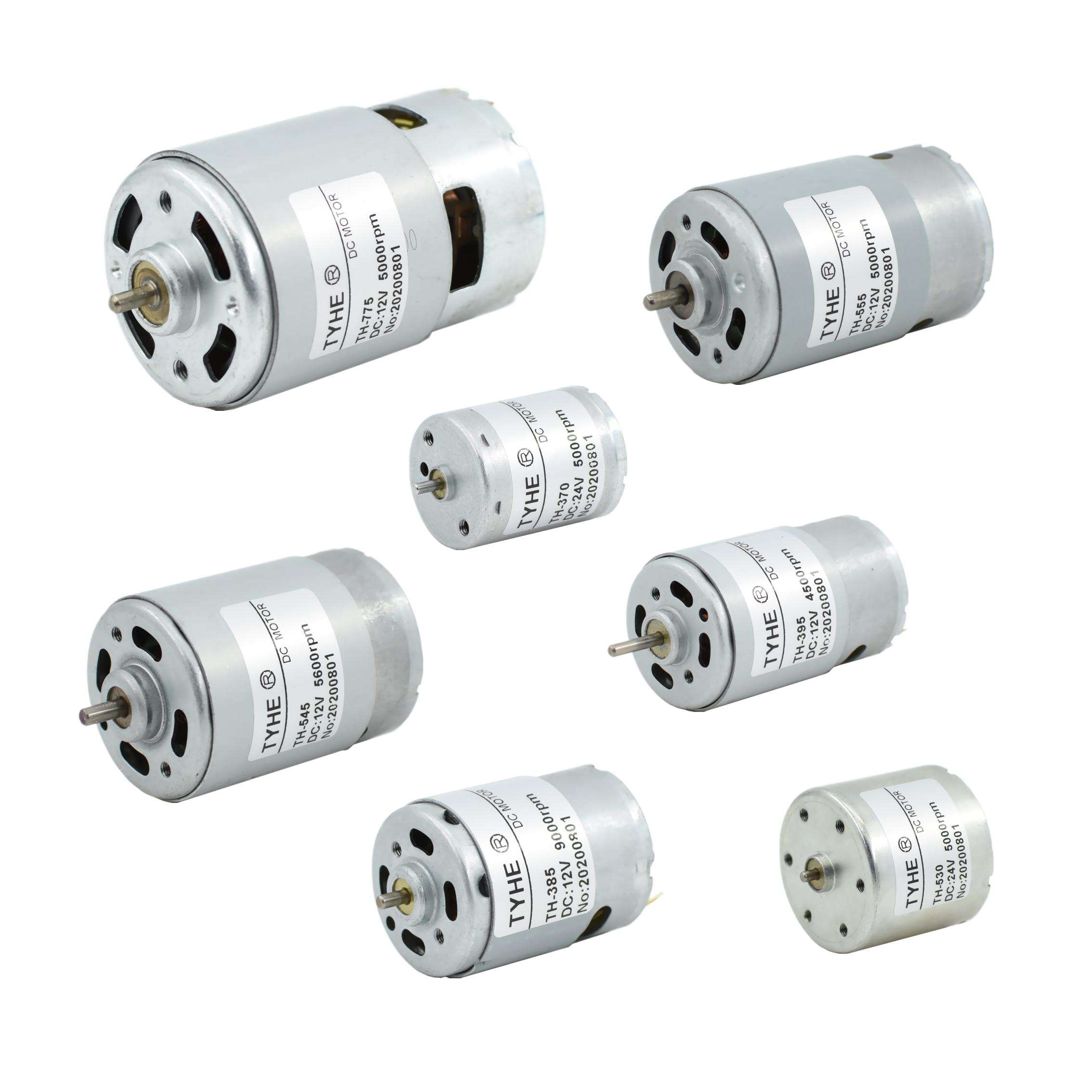
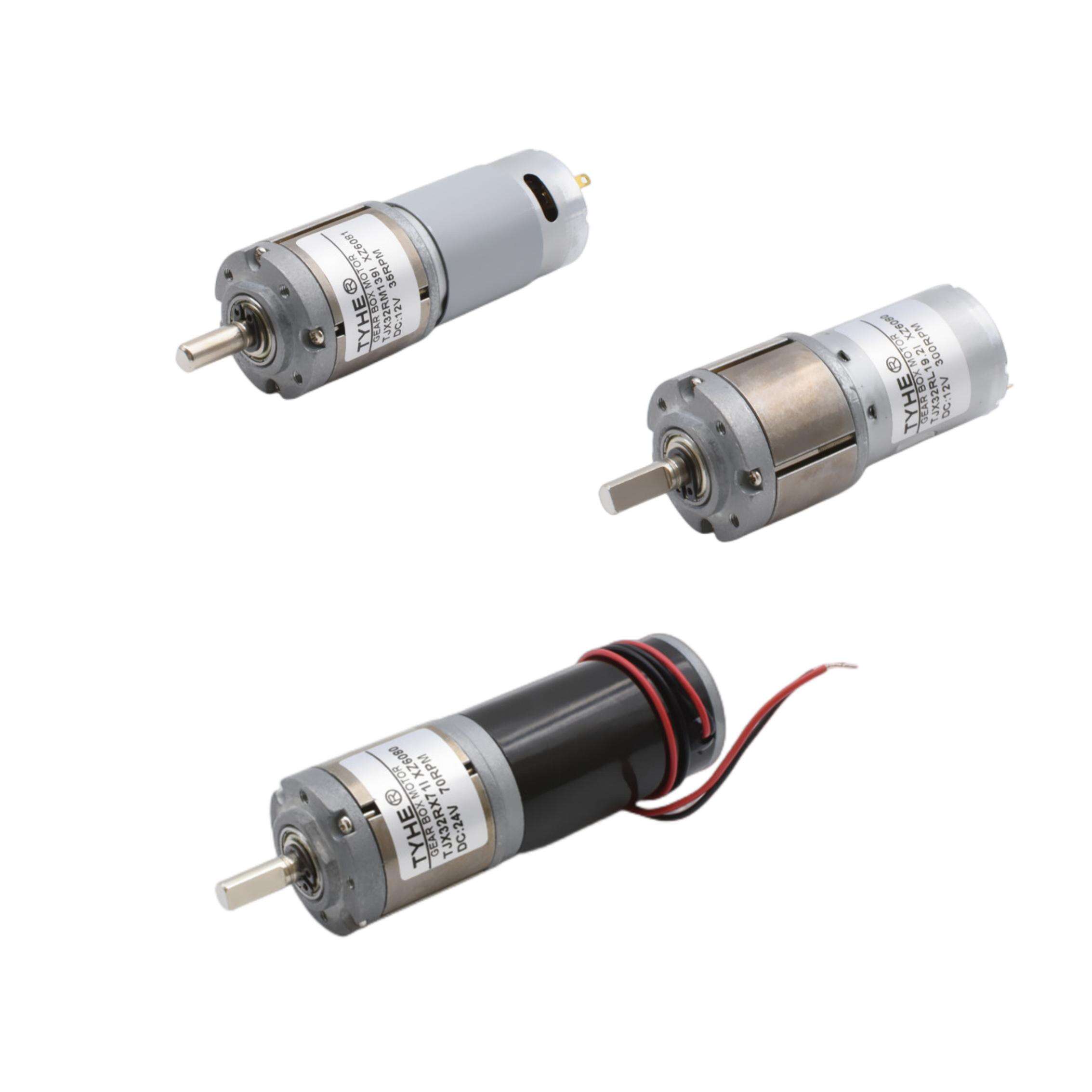
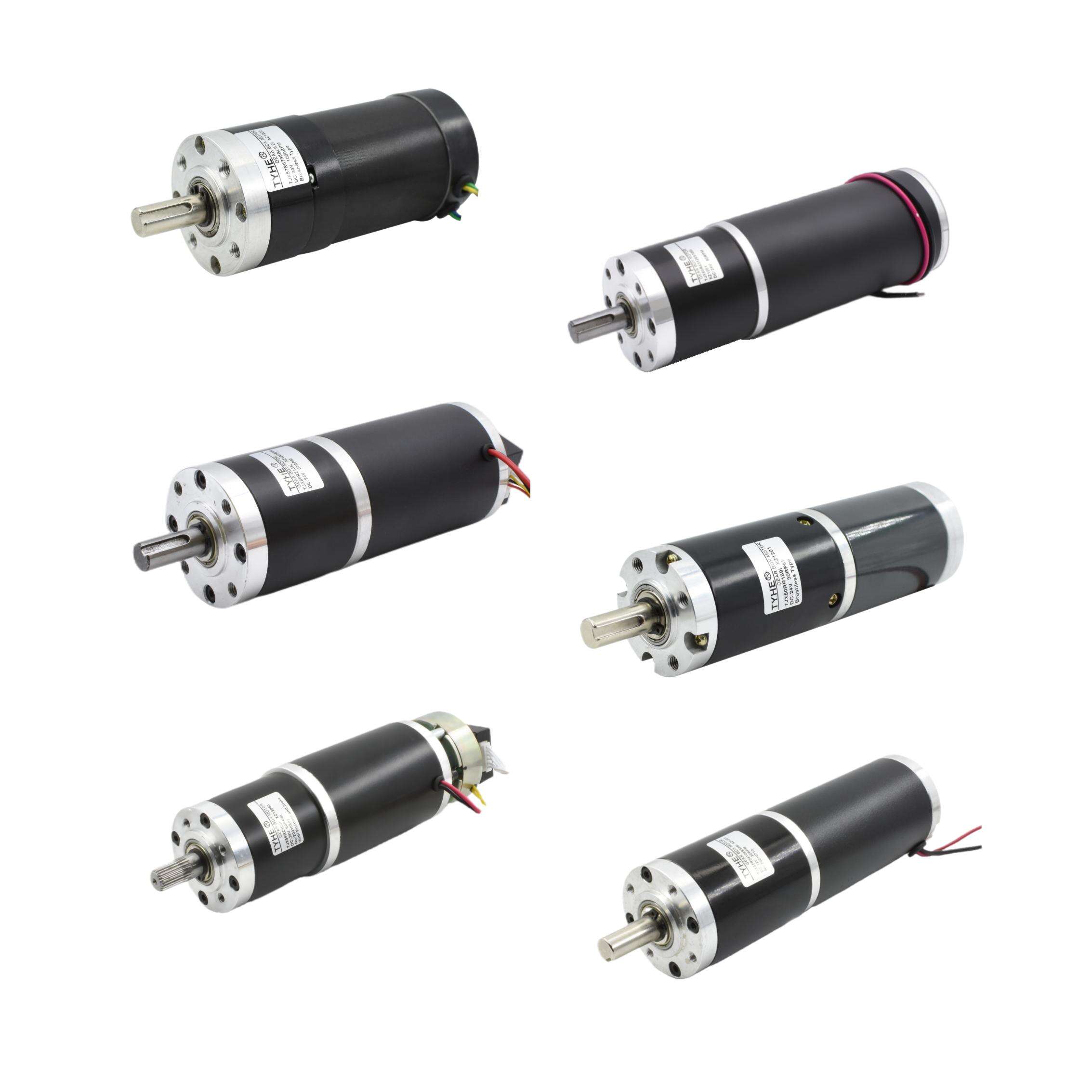
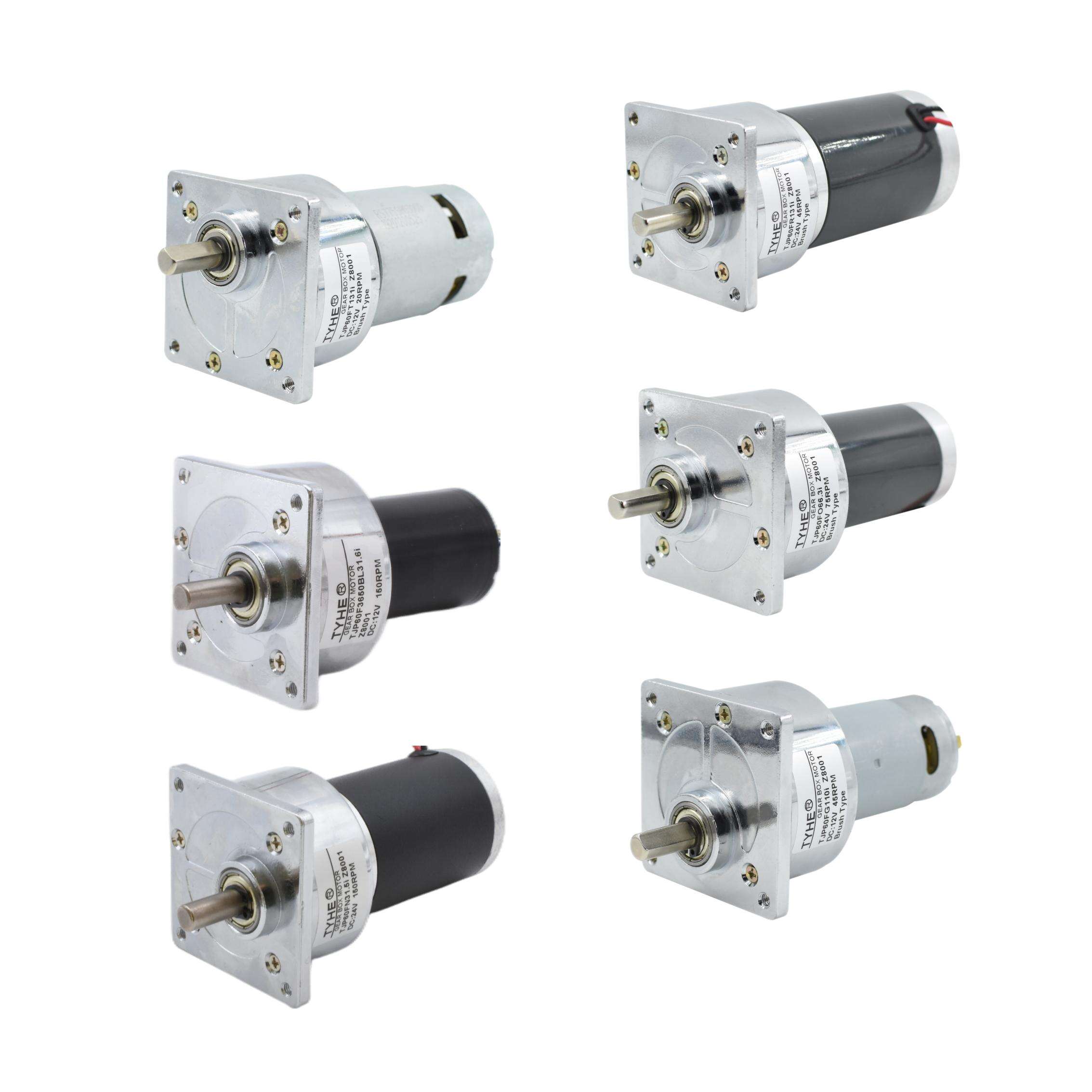
The economic advantages of brush DC machines extend far beyond their initial purchase price, encompassing reduced installation costs, simplified maintenance procedures, and lower total cost of ownership throughout their operational lifetime. Unlike complex AC drive systems that require specialized programming, commissioning, and ongoing technical support, brush DC machines operate immediately upon connection to an appropriate power source with basic control circuitry. This plug-and-play simplicity eliminates the need for expensive system integration services and reduces project timelines significantly. Installation costs remain minimal because brush DC machines require only basic electrical connections and mechanical mounting, without the need for specialized enclosures, cooling systems, or electromagnetic interference shielding that other motor types often demand. The maintenance philosophy centers on accessibility and simplicity, with brush replacement being the primary periodic maintenance requirement. Modern brush holder designs allow for inspection and replacement without removing the motor from its mounting or disconnecting electrical connections, minimizing maintenance downtime. Quality brush materials now provide extended service life, with some applications achieving over 5000 hours of operation between brush changes. The commutator surface, while subject to wear, can be reconditioned using standard machine shop equipment, extending motor life significantly beyond what sealed motor designs can achieve. Bearing replacement procedures follow standard industrial practices, with commonly available bearing sizes and types reducing inventory costs and emergency replacement delays. The modular construction philosophy means that major components like armatures, field assemblies, and end bells can be individually serviced or replaced, allowing for cost-effective refurbishment of older machines rather than complete replacement. This repairability aspect becomes particularly valuable for large industrial installations where motor replacement would require significant mechanical modifications or extended downtime periods. Diagnostic procedures remain straightforward, utilizing basic electrical test equipment to measure resistance values, insulation integrity, and brush contact quality. Preventive maintenance programs can easily incorporate brush DC machines due to their predictable wear patterns and visual inspection capabilities.

 EN
EN