
 EN

Building a mini fan using a small DC motor is an accessible and rewarding DIY project that combines electrical fundamentals with practical craftsmanship. Whether you're interested in learning about motor mechanics, creating a portable cooling solution, or simply enjoying hands-on electronics work, this guide will walk you through every essential step. A small DC motor serves as the heart of your mini fan, converting electrical energy into rotational motion that drives air circulation through your custom-designed blades.
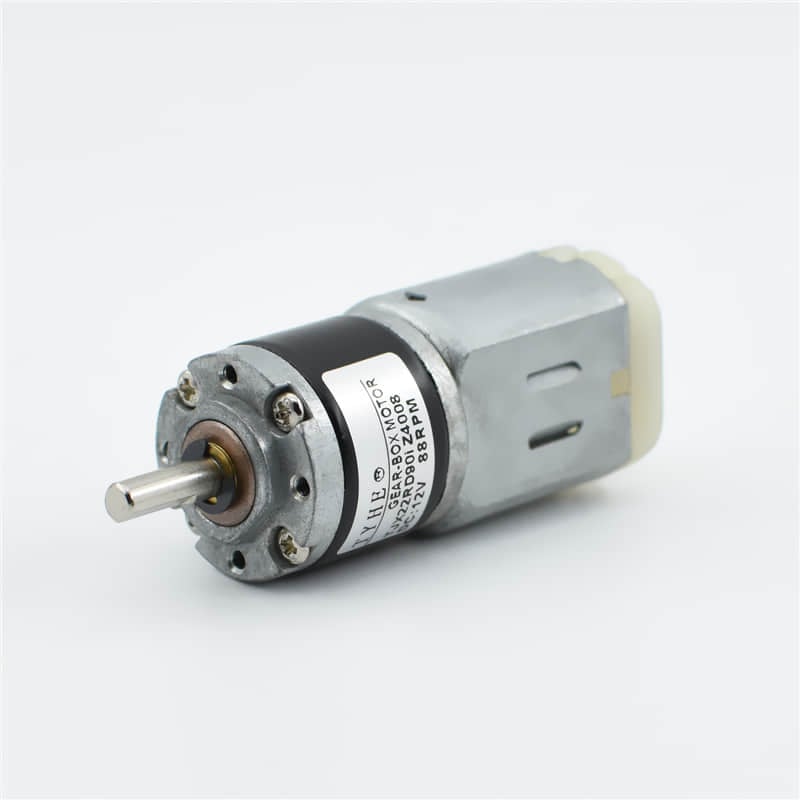
The beauty of this project lies in its simplicity and versatility. A small DC motor requires minimal components, making it ideal for beginners and experienced makers alike. You'll discover how to select the right small DC motor for your intended application, assemble the fan structure safely, and optimize performance through proper power management. This project teaches valuable lessons about electrical circuits, mechanical design, and energy efficiency that apply far beyond miniature fans.
Selecting the Right Small DC Motor for Your Mini Fan
Understanding Motor Specifications and Performance Metrics
Before beginning construction, you must understand the critical specifications of a small DC motor. Voltage rating determines the electrical input your small DC motor requires—typically ranging from 3V to 12V for hobby projects. The motor's RPM (rotations per minute) directly affects how quickly your fan blades will spin and the air circulation speed you'll achieve. A small DC motor with higher RPM generates faster blade rotation but may consume more power, while lower RPM motors operate more quietly and efficiently. Torque specifications indicate the rotational force your small DC motor can produce, which becomes crucial when your fan blades encounter air resistance during operation.
Matching Motor Specifications to Your Design Goals
Your choice of small DC motor should align with your specific project objectives. If you're building a quiet desk fan, a small DC motor rated for 6V with moderate RPM and torque will provide sufficient airflow without excessive noise. For a more powerful cooling application, a small DC motor with higher voltage and torque ratings will drive larger or heavier blade assemblies. Consider the physical size constraints—a small DC motor must fit within your fan housing while leaving adequate space for blade clearance and air intake. The small DC motor's shaft diameter also matters, as it must accommodate your blade attachment mechanism without slipping or wobbling during high-speed rotation.
Assembling the Fan Structure and Motor Components
Building the Fan Housing and Blade Assembly
Creating an effective fan structure begins with designing or sourcing an appropriate housing. Your small DC motor will mount centrally within this housing, with the motor shaft protruding to hold the fan blades. The housing should provide mounting points for your small DC motor while allowing sufficient airflow around the motor components. Fan blades can be cut from plastic sheets, 3D-printed, or shaped from cardboard and tape—the material matters less than achieving balanced blade geometry. Unbalanced blades create vibration and noise, so ensure each blade on your small DC motor assembly has identical dimensions and weight distribution around the central rotation axis.
Securing the Small DC Motor and Creating Safe Operating Conditions
Proper motor mounting ensures your small DC motor operates safely without excessive vibration or shifting during use. Use vibration-dampening materials like rubber washers or foam pads beneath your small DC motor to reduce noise transmission to the fan housing. Secure the motor with bracket clamps or mounting brackets that hold your small DC motor rigidly in position while allowing for any necessary adjustments. The fan blades must clear all internal surfaces of your housing with adequate safety margins—typically at least 5mm clearance on all sides prevents blade contact with the housing during operation. A protective grill or mesh covering positioned over the blade opening protects users from contact with the rotating assembly while maintaining airflow efficiency.
Powering Your Small DC Motor and Optimizing Performance
Electrical Circuit Design and Power Supply Selection
Your small DC motor requires a properly configured electrical circuit to operate reliably. A basic circuit includes a power source matching your small DC motor's voltage rating, an on-off switch for convenient control, and direct connections to the motor terminals. Battery-powered systems offer portability—several alkaline or rechargeable batteries connected in series can power your small DC motor effectively. If you're building a permanent installation, a regulated power supply rated for your small DC motor's voltage and current requirements ensures consistent performance. Many makers add a variable resistor or PWM controller to their small DC motor circuit, allowing speed adjustment between full power and minimal operation.
Enhancing Efficiency and Longevity of Your Small DC Motor
Operational efficiency extends the lifespan of your small DC motor while maximizing airflow output. Ensure your small DC motor bearings remain clean and lightly lubricated—a single drop of light machine oil every few months prevents friction buildup. Avoid running your small DC motor continuously at maximum voltage unless necessary, as this accelerates brush wear and reduces overall equipment life. Monitor for unusual noise or vibration, which often indicate bearing wear or blade imbalance requiring attention. Temperature management matters too—keep your small DC motor cool by ensuring adequate ventilation around the motor housing, as excessive heat damages internal components over time. A functioning small DC motor should run smoothly with minimal noise, confirming proper assembly and optimal performance conditions.
FAQ
What voltage should a small DC motor have for a mini fan project?
Most small DC motor applications for mini fans operate between 3V and 12V, depending on your design goals. A 6V small DC motor provides an excellent middle ground, offering reasonable airflow speed while maintaining battery efficiency. Higher voltage small DC motor options deliver greater power and faster blade speeds but require more battery capacity. Consider your intended use—portable applications benefit from lower voltage motors that consume less battery power, while performance-focused designs may justify the trade-off of a higher-voltage small DC motor.
Can I control the speed of a small DC motor in my fan project?
Yes, you can control your small DC motor's speed using several methods. A variable resistor in series with your small DC motor gradually reduces power delivery and motor speed, though this method dissipates energy as heat. PWM (pulse-width modulation) controllers offer more efficient speed control for your small DC motor by rapidly switching power on and off, allowing precise speed adjustment without significant power loss. Most advanced makers prefer PWM solutions because they keep your small DC motor cooler and extend battery life compared to resistor-based speed control methods.
How do I prevent vibration and noise from a small DC motor in my fan?
Vibration and noise from a small DC motor often result from imbalanced blades or loose mounting hardware. Ensure your fan blades are identical in size, shape, and weight distribution around the rotation axis of your small DC motor. Mount your small DC motor using rubber vibration isolators or foam padding to absorb vibration before it transfers to the fan housing. Check all mounting bolts and brackets regularly to confirm your small DC motor remains secure, as loose hardware amplifies vibration and creates rattling sounds during operation. Smooth blade edges and properly aligned fan geometry further reduce aerodynamic noise from your small DC motor assembly.
