
 EN
EN
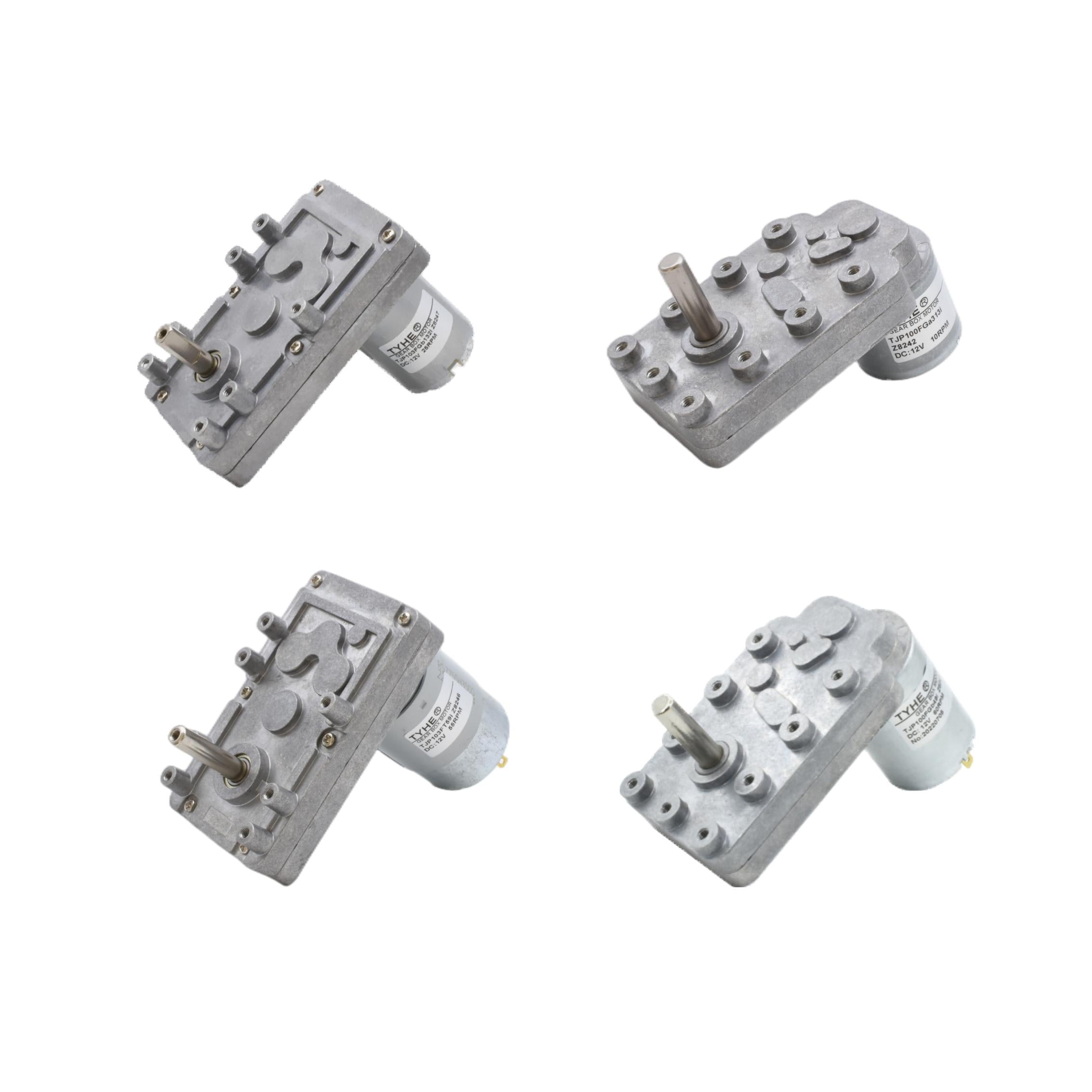
When you receive a new 12v dc motor, the first step before deploying it in any system is to verify that it performs exactly as specified. A 12v dc motor may look perfect on the outside, yet still fall short of its rated speed, torque, or efficiency under real operating conditions. Skipping performance testing exposes your equipment to premature failure, unexpected downtime, and costly replacements. Whether you are integrating a 12v dc motor into an industrial conveyor, a robotics platform, or an automotive accessory, a structured test routine gives you the confidence to proceed with full reliability.
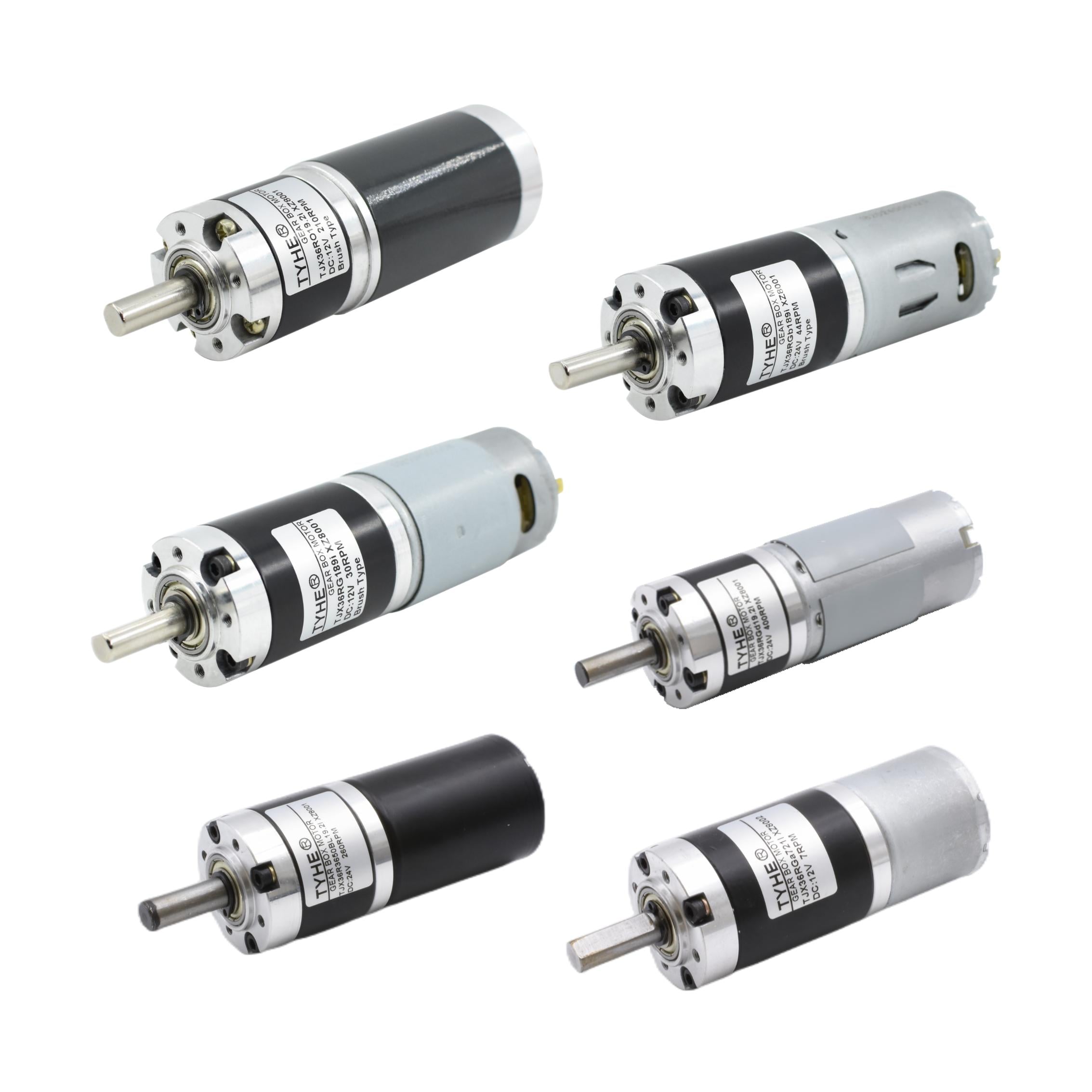
Testing a 12v dc motor does not require a specialized lab. With the right instruments and a clear methodology, technicians and engineers at any level can run meaningful diagnostics on a 12v dc motor and confirm it meets the demands of the intended application. This guide walks you through the essential performance tests every new 12v dc motor should pass before being put into service.
Setting Up Your 12V DC Motor Test Bench
Tools and Equipment You Need
Before running any test on a 12v dc motor, assemble the correct measurement tools. You will need a regulated 12-volt power supply capable of delivering the motor's rated current, a digital multimeter to measure voltage and current draw, and a tachometer to capture rotational speed. A clamp meter is also useful when monitoring real-time current during load transitions on a 12v dc motor. If you plan to assess torque output, a simple brake load fixture or a torque transducer attached to the shaft gives you the data needed to validate the 12v dc motor against its datasheet specifications.
Secure the 12v dc motor firmly to a non-conductive test bench to prevent vibration from skewing your readings. Loose mounting introduces shaft misalignment, which artificially increases current draw and makes the 12v dc motor appear less efficient than it truly is. Label all test connections clearly so that switching between no-load and load conditions on the 12v dc motor is fast and repeatable. Good bench discipline shortens the overall test cycle significantly.
Electrical Safety Before Powering the 12V DC Motor
Even a 12v dc motor operating at low voltage can generate enough current to damage test equipment or create a short circuit hazard if wires are not properly insulated. Inspect all terminal connections on the 12v dc motor for exposed conductors before connecting to the power supply. Set the power supply current limit slightly above the motor's rated current so that a fault condition does not destroy the 12v dc motor or its driver circuit. Powering on the 12v dc motor for the first time at reduced voltage, around 6 to 8 volts, allows you to check shaft rotation direction and listen for any unusual bearing noise before proceeding to full-voltage tests.
Core Performance Tests for a 12V DC Motor
No-Load Speed and Current Test
The no-load test is the starting point for evaluating any 12v dc motor. Apply exactly 12 volts to the motor terminals and allow the 12v dc motor to spin freely without any mechanical load attached. Record the free-running speed using your tachometer and compare it against the rated no-load RPM on the motor's specification sheet. A healthy 12v dc motor should reach its rated speed within a few seconds and maintain it steadily. If the 12v dc motor runs significantly slower than rated, the issue may be winding resistance that is too high, a partially shorted commutator, or worn brushes.
At the same time, measure the no-load current draw of the 12v dc motor. This value should be well below the rated full-load current, typically between 10 and 30 percent of it, depending on the motor design. A 12v dc motor drawing excessive current at no load often signals internal friction from tight bearings, contamination inside the housing, or a commutator that is misaligned. Document both speed and current clearly, since these baseline figures will be the reference point for every subsequent load test on the 12v dc motor.
Load Test and Torque Verification
Applying a controlled mechanical load to a 12v dc motor reveals how the motor behaves under real working conditions. Incrementally increase the load on the 12v dc motor shaft while recording speed, current, and voltage at each step. A properly performing 12v dc motor will show a predictable drop in speed as the load increases, along with a proportional rise in current. If the 12v dc motor stalls before reaching its rated torque, or if current spikes far beyond the rated value at moderate loads, there may be an issue with the armature windings or the brush contact resistance.
Calculating efficiency at each load point is straightforward for a 12v dc motor. Divide the mechanical output power by the electrical input power, where input power equals voltage multiplied by current. A well-made 12v dc motor should maintain efficiency above its specification at mid-load conditions. Efficiency data across the load curve gives engineers a clear picture of where the 12v dc motor performs best and whether it is the right choice for the target duty cycle.
Thermal Performance During Extended Operation
Running a 12v dc motor at rated load for an extended period, typically 30 to 60 minutes, reveals how the motor manages heat buildup. Use a non-contact infrared thermometer to monitor the housing temperature of the 12v dc motor throughout the test. The temperature of the 12v dc motor should rise gradually and then stabilize within the temperature class specified by the manufacturer. A 12v dc motor that continues to increase in temperature without stabilizing may have inadequate ventilation, substandard winding insulation, or a duty cycle rating that does not match the intended application.
Interpreting Results and Making Deployment Decisions
Comparing Test Data Against Specifications
After completing all performance tests, compare your recorded data against the official datasheet for the 12v dc motor. Minor deviations within five percent of rated values are generally acceptable for a 12v dc motor, as manufacturing tolerances and ambient temperature differences account for small variations. However, if the 12v dc motor shows speed deficits greater than ten percent, current draw consistently above rated levels, or thermal instability, these are concrete reasons to reject the unit or request a replacement 12v dc motor from the supplier. Documenting test results for every 12v dc motor you receive also builds a useful quality record that can support warranty claims.
Deciding Whether the 12V DC Motor Is Ready for Integration
A 12v dc motor that passes no-load, load, and thermal tests with results inside acceptable tolerance bands is ready for integration into your system. Before mounting the 12v dc motor permanently, confirm shaft runout with a dial indicator to ensure there is no mechanical imbalance that testing conditions may have masked. Check the 12v dc motor mounting flange for flatness, and verify that the connector or terminal block of the 12v dc motor will handle the wiring gauge required by your system. These final physical checks complete the commissioning process and ensure the 12v dc motor will deliver consistent long-term performance in service.
FAQ
How many times should I test a new 12v dc motor before installing it?
You should run at least one complete test cycle, covering no-load, load, and thermal checks, on every new 12v dc motor before installation. For critical applications, repeat the test two or three times to confirm consistency. A 12v dc motor that produces repeatable results across multiple test runs is far less likely to fail unexpectedly in the field.
What does high current draw indicate in a 12v dc motor at no load?
High current at no load in a 12v dc motor typically points to internal mechanical friction, contamination inside the housing, or a winding fault. A 12v dc motor with excessive no-load current is working harder than it should just to spin the shaft, which will reduce its service life and thermal headroom significantly under real load conditions.
Can I use a standard multimeter to fully test a 12v dc motor?
A standard multimeter is sufficient for basic electrical checks on a 12v dc motor, such as winding resistance, voltage at the terminals, and current draw. However, a complete performance evaluation of a 12v dc motor also requires a tachometer for speed measurement and ideally a load fixture for torque testing. Using only a multimeter gives you partial data, so combining it with additional tools produces a much more reliable assessment of the 12v dc motor.
