permanent magnet brush dc motor
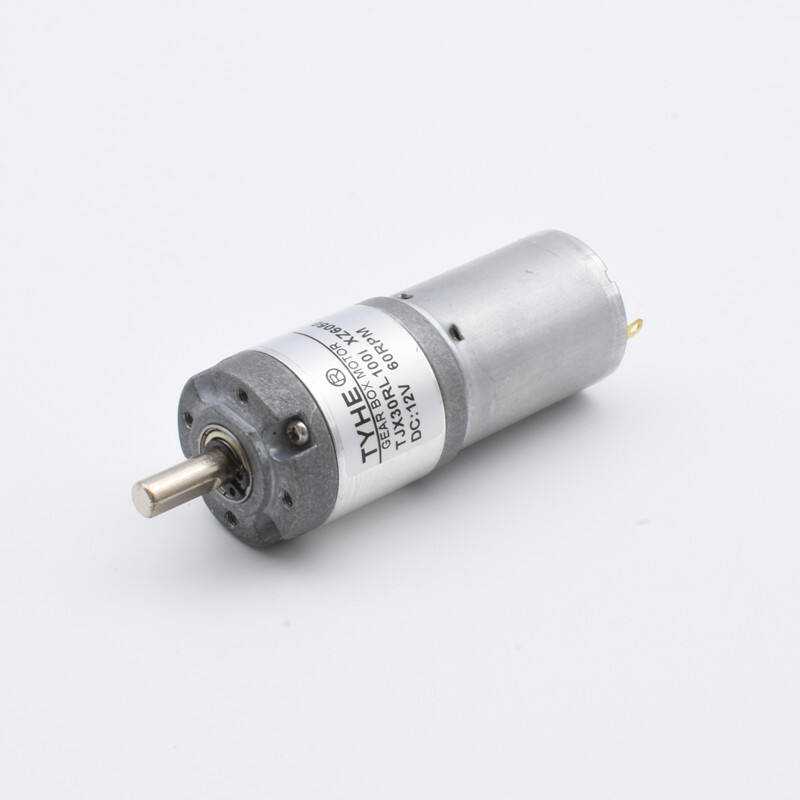
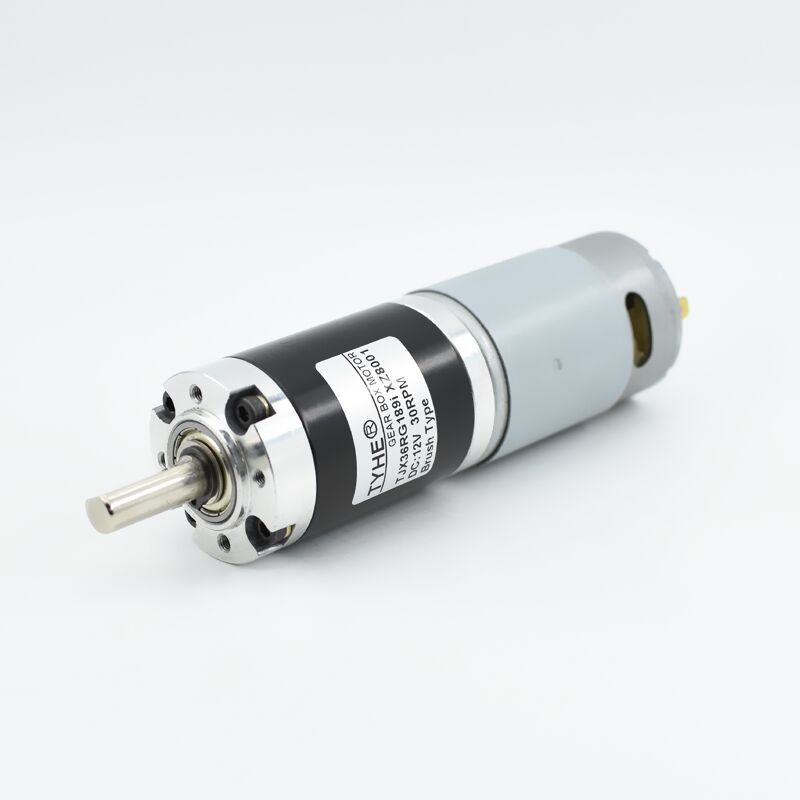
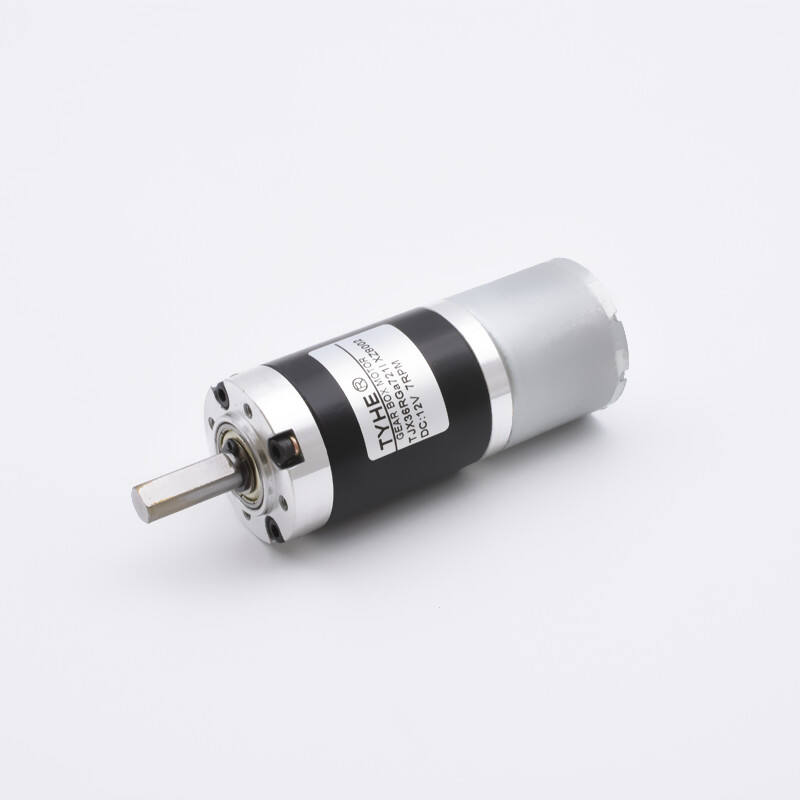
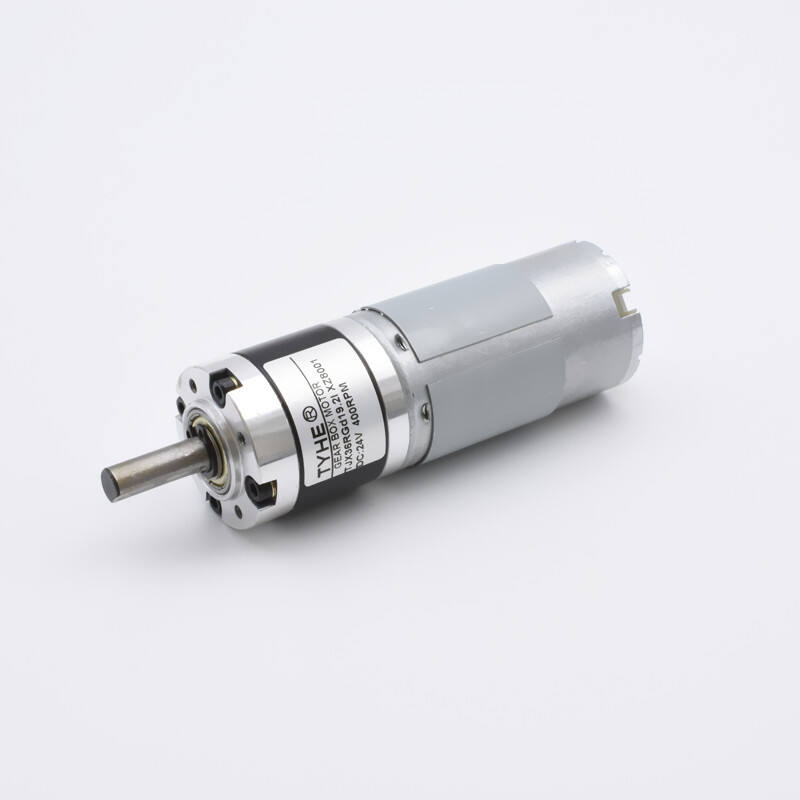
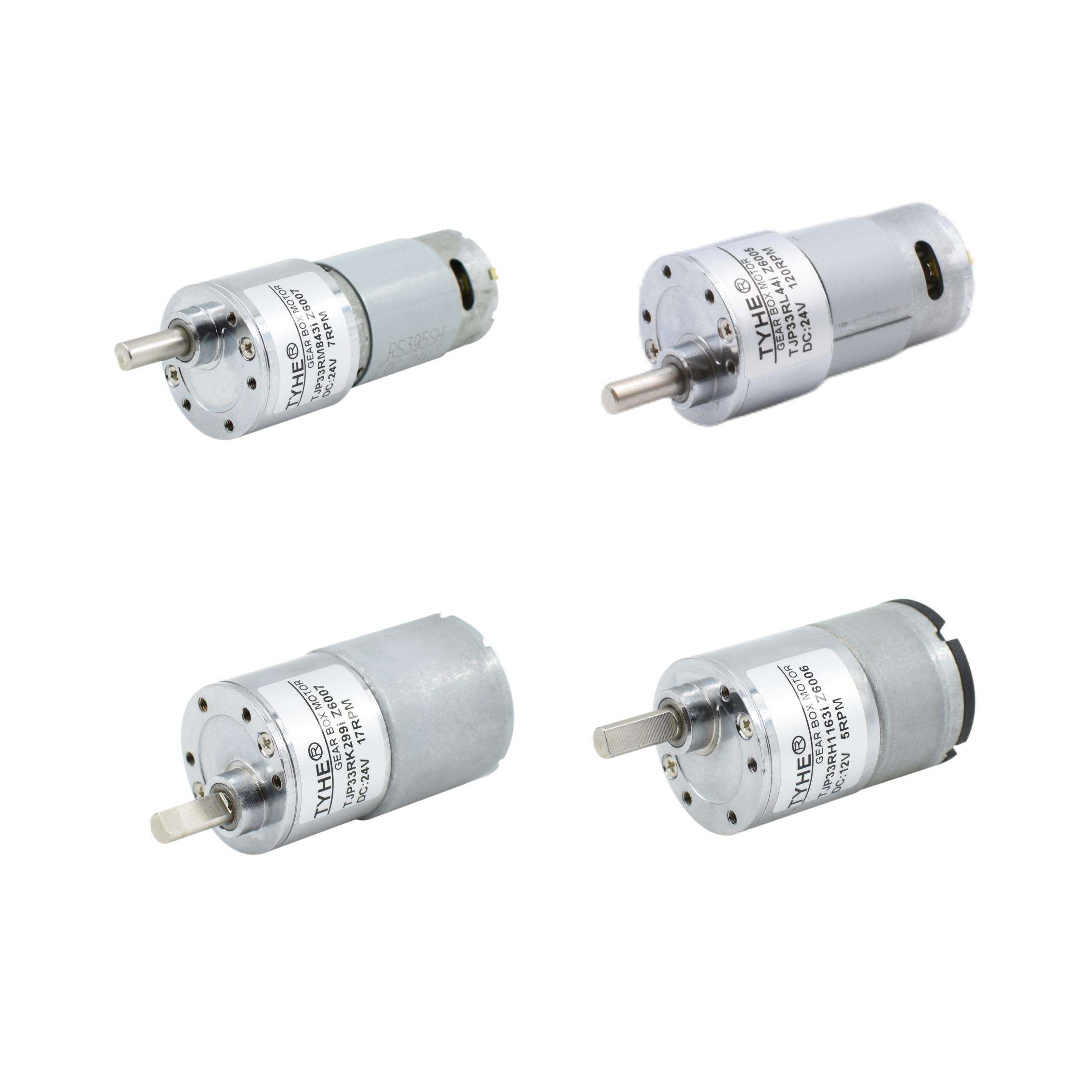
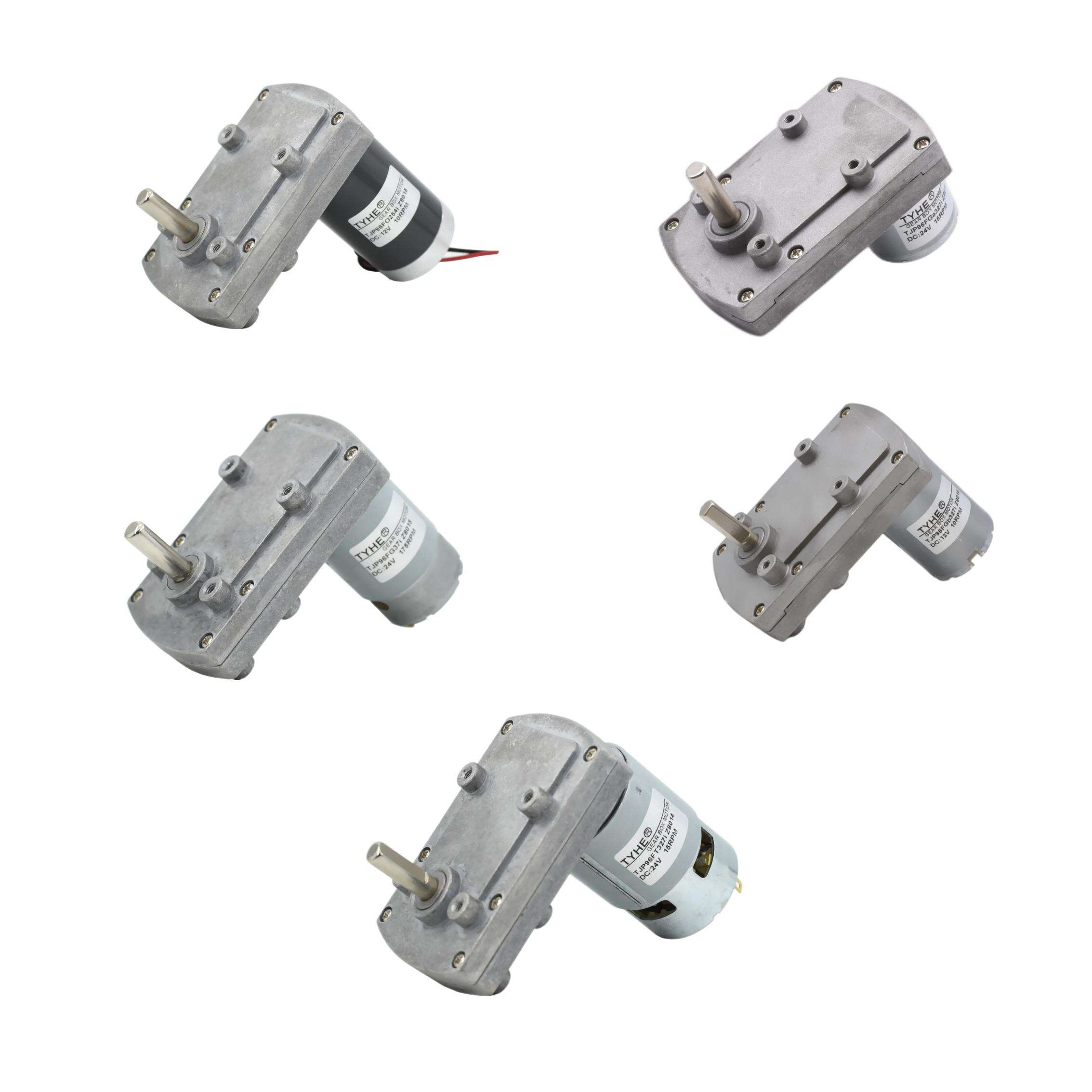
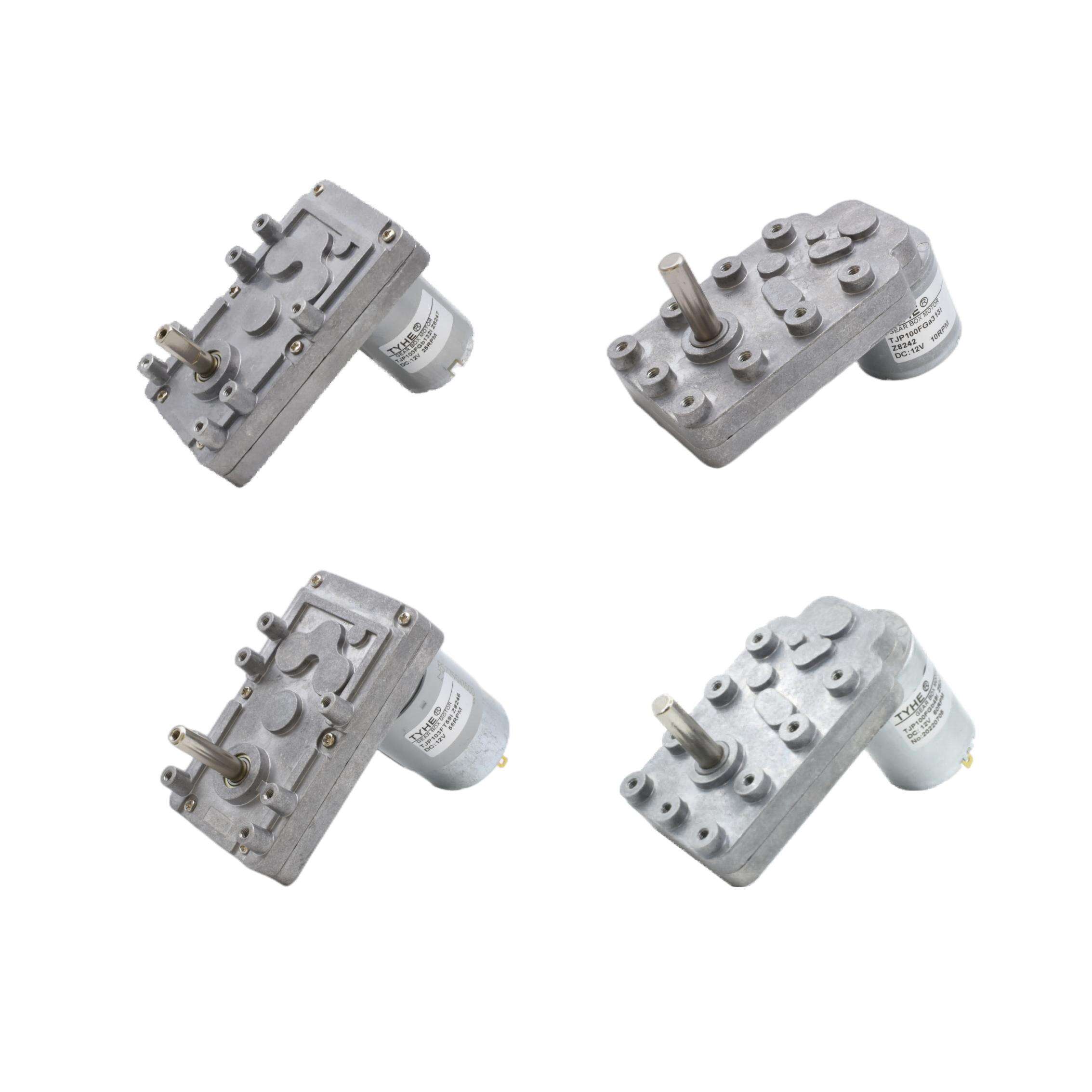
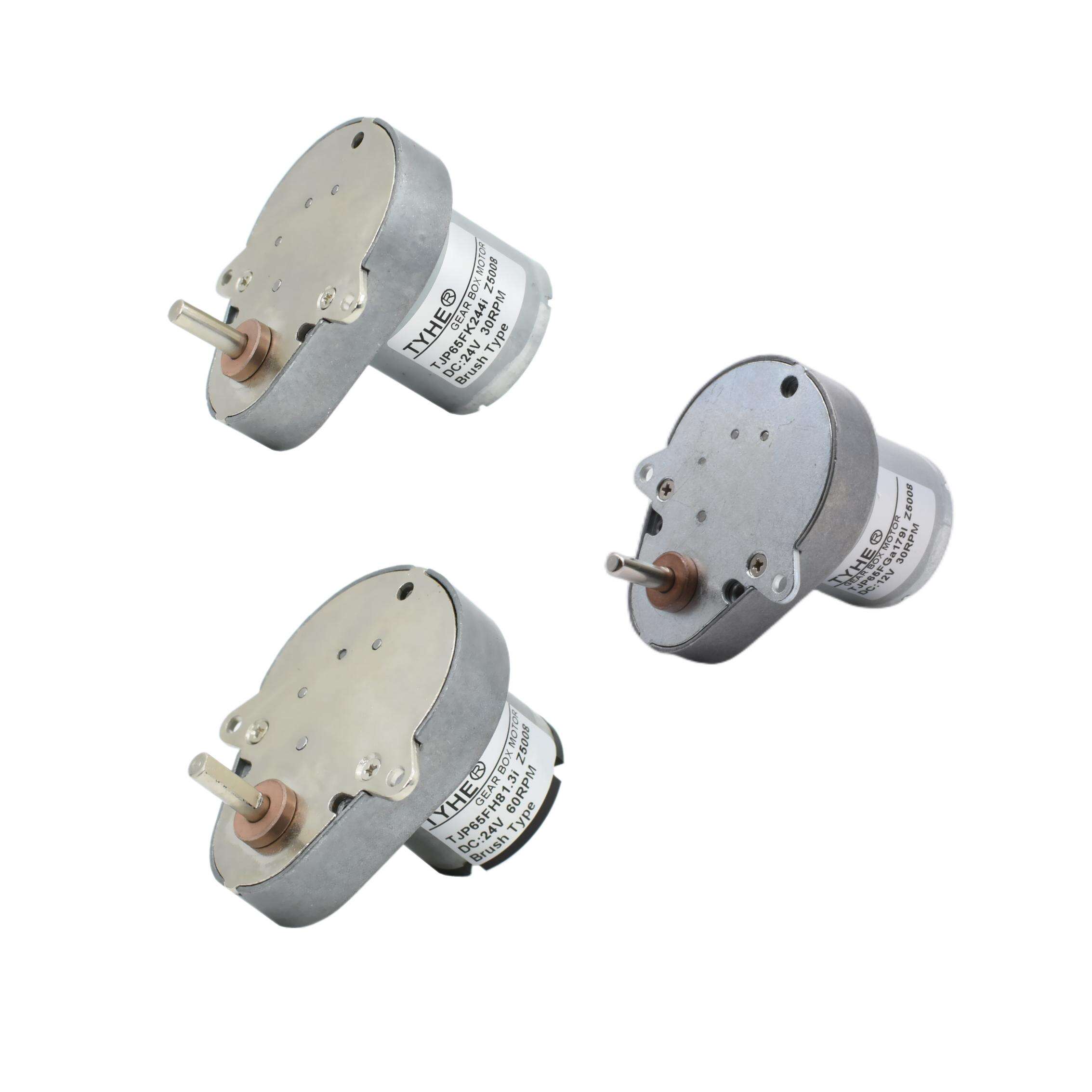
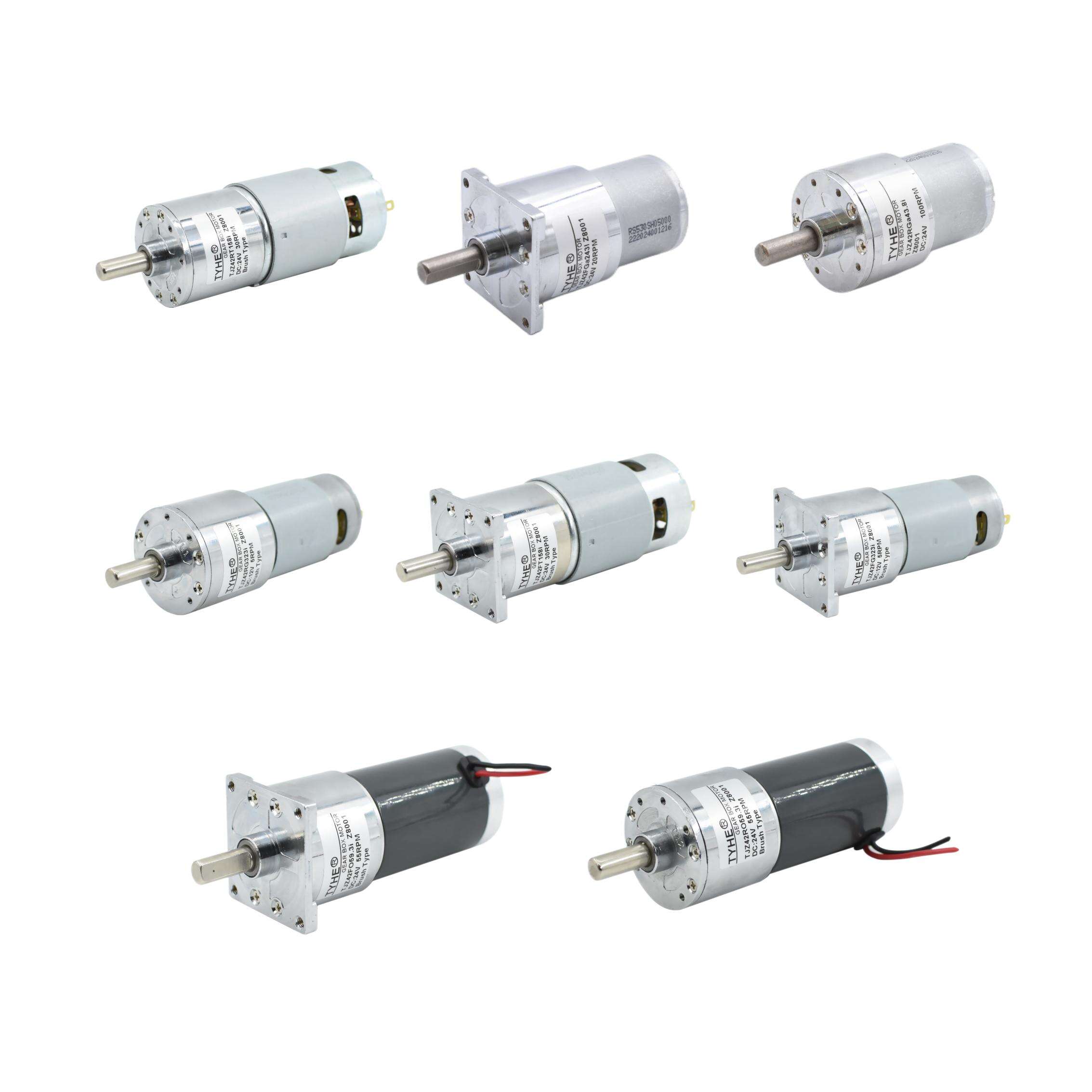
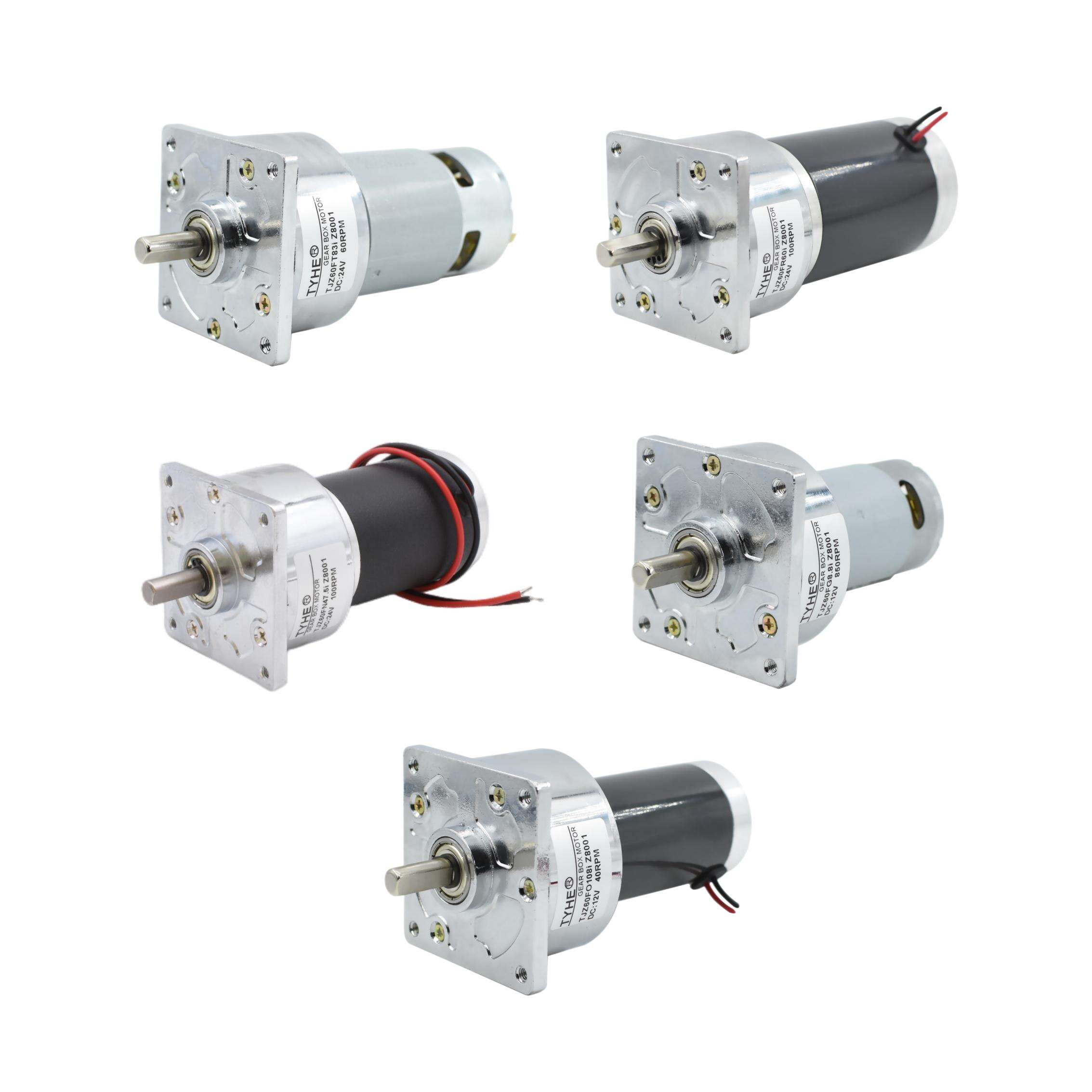
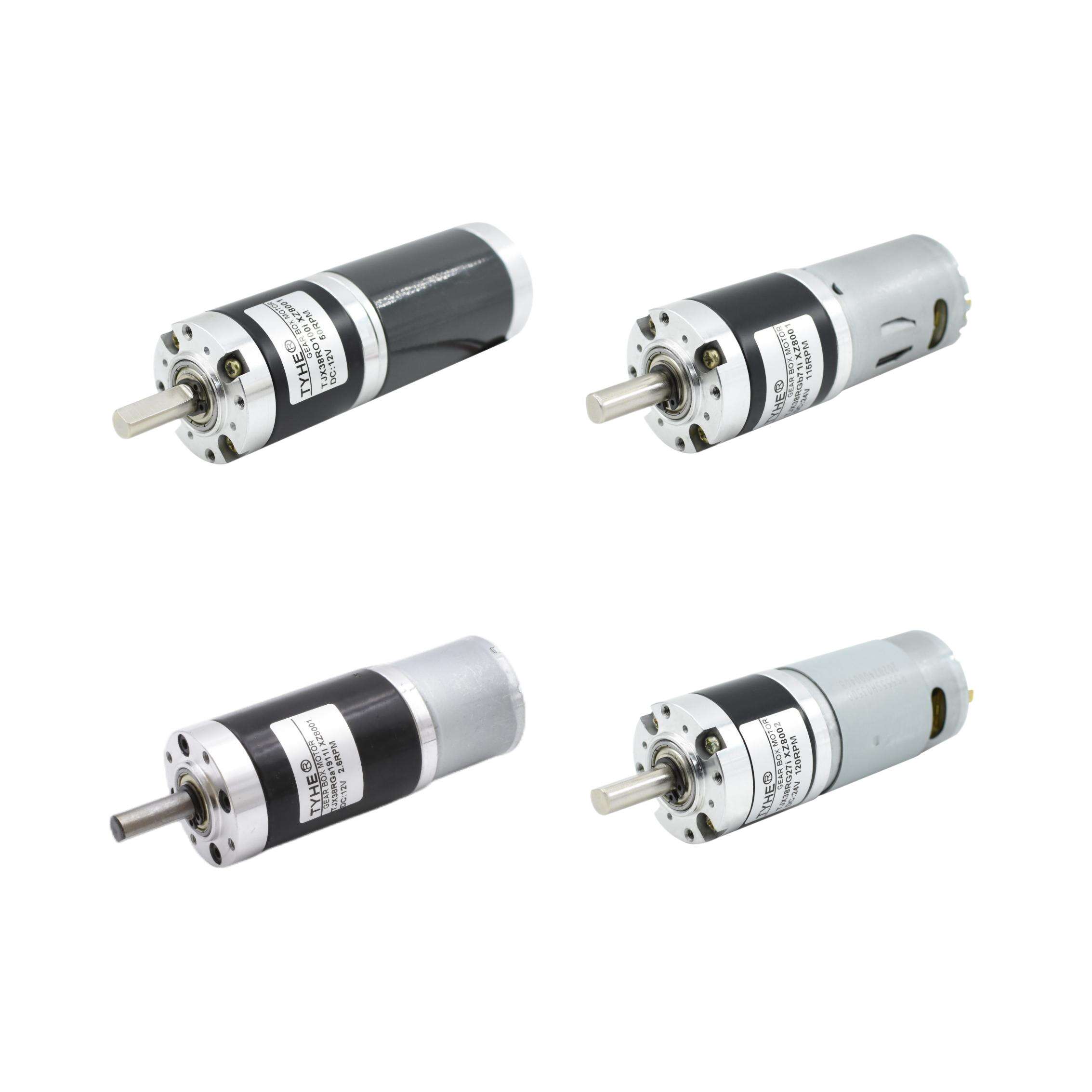
The permanent magnet brush dc motor represents a fundamental component in electrical engineering, combining simplicity with remarkable efficiency to deliver consistent power solutions across numerous industries. This motor type utilizes permanent magnets to create a stable magnetic field, eliminating the need for field windings that traditional motors require. The permanent magnet brush dc motor operates through electromagnetic interaction between the rotor's current-carrying conductors and the stationary permanent magnets, generating rotational motion with precise control characteristics. The brush system enables electrical connection between the stationary power supply and the rotating armature, ensuring continuous current flow during operation. These motors feature commutators that reverse current direction at appropriate intervals, maintaining consistent torque production throughout each rotation cycle. The permanent magnet brush dc motor demonstrates exceptional starting torque capabilities, making it ideal for applications requiring immediate power delivery. Speed control proves remarkably straightforward, as output velocity correlates directly with applied voltage, providing linear response characteristics that engineers appreciate. The permanent magnet configuration eliminates energy losses typically associated with field excitation, contributing to overall system efficiency. Manufacturing costs remain competitive due to simplified construction requirements, while maintenance procedures stay accessible through standard brush replacement protocols. The permanent magnet brush dc motor finds extensive applications in automotive systems, including window regulators, seat adjusters, and cooling fans. Industrial automation relies heavily on these motors for conveyor systems, positioning equipment, and robotic components. Consumer electronics incorporate permanent magnet brush dc motors in appliances, power tools, and recreational devices. Medical equipment utilizes these motors for pumps, diagnostic instruments, and therapeutic devices where reliable operation proves critical. The compact design allows integration into space-constrained environments while delivering substantial power output relative to size and weight considerations.

 EN
EN