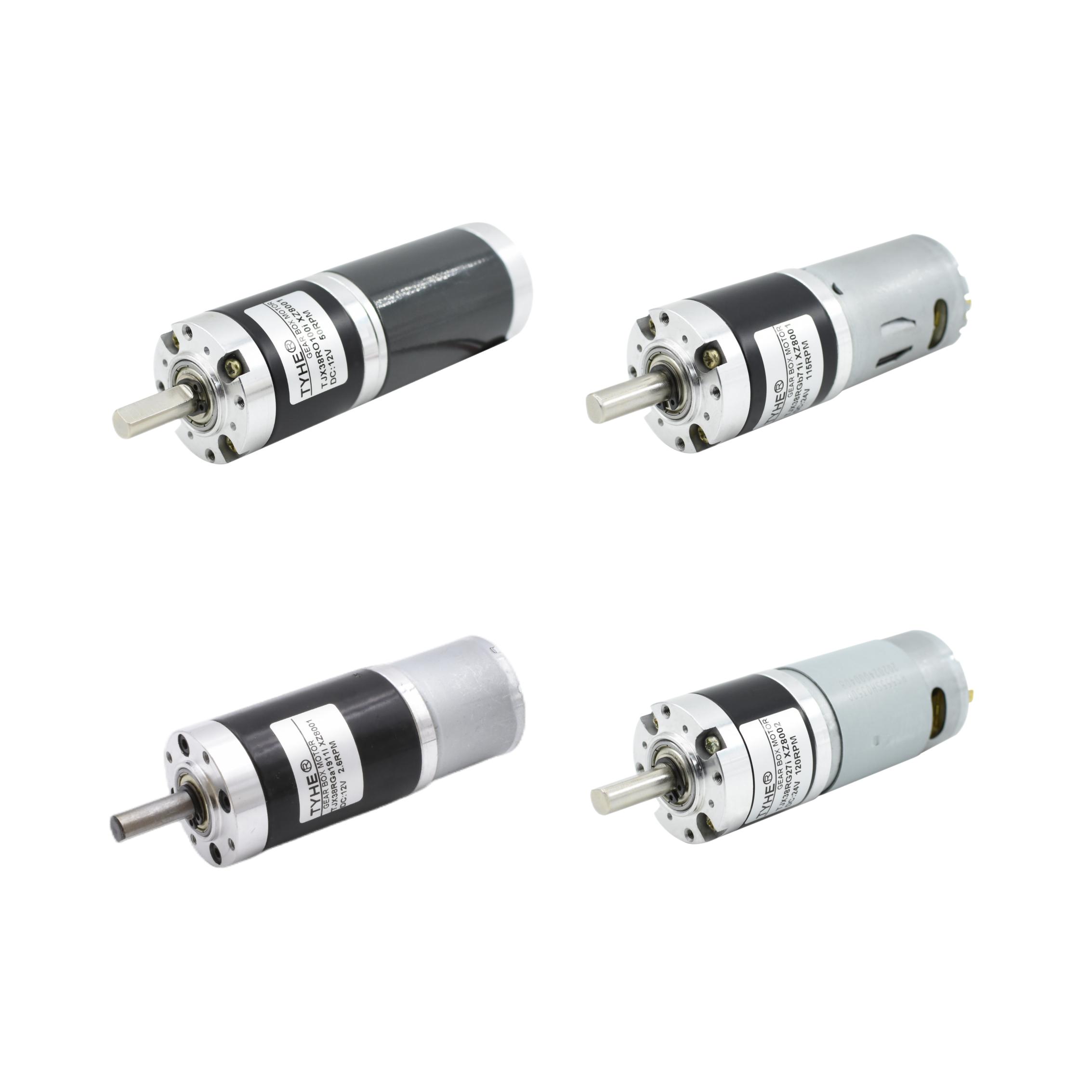
types of brushed dc motor
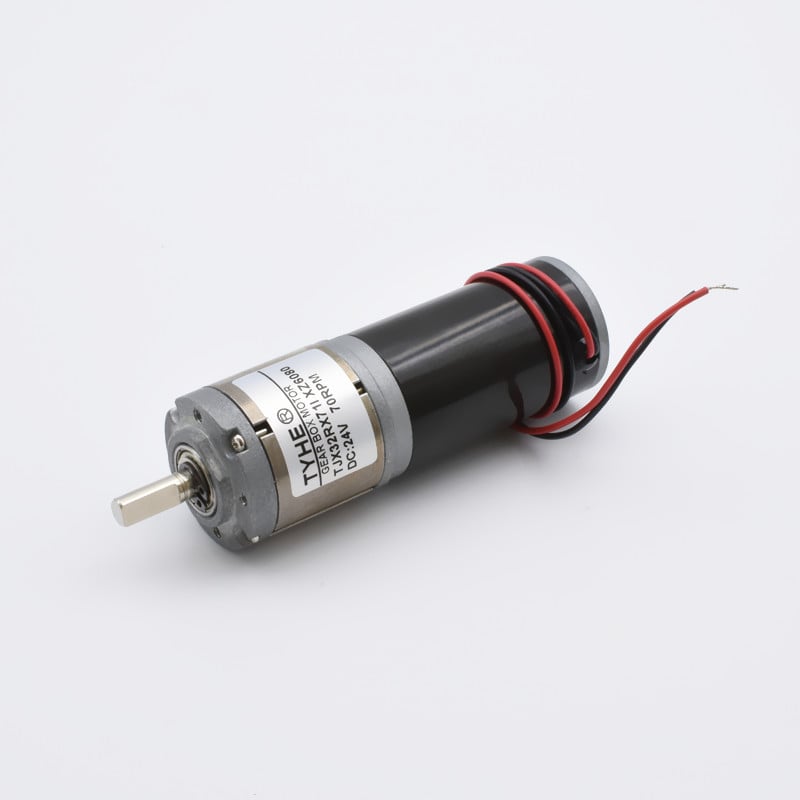
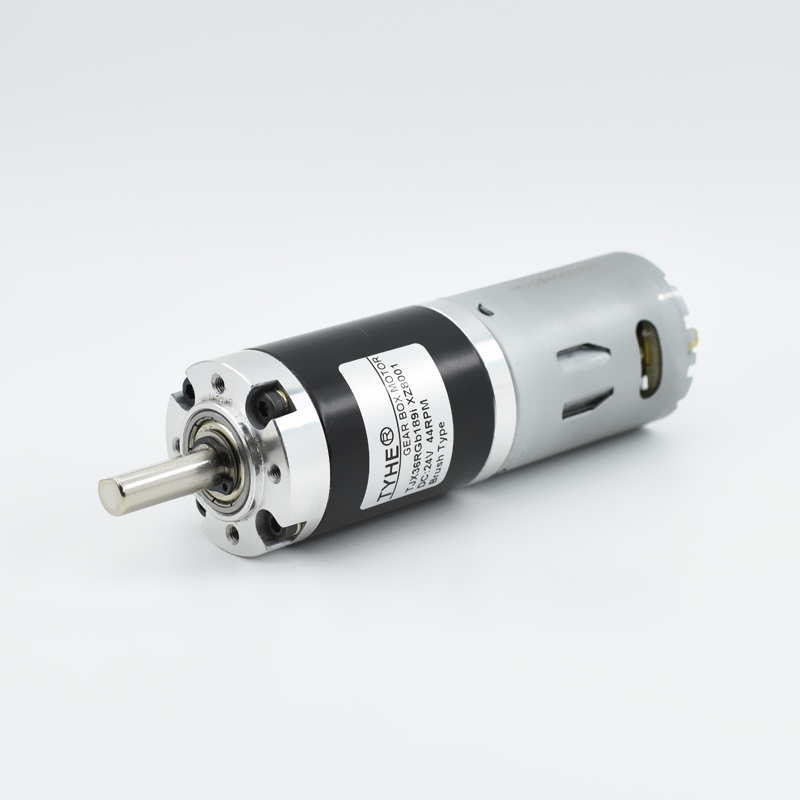
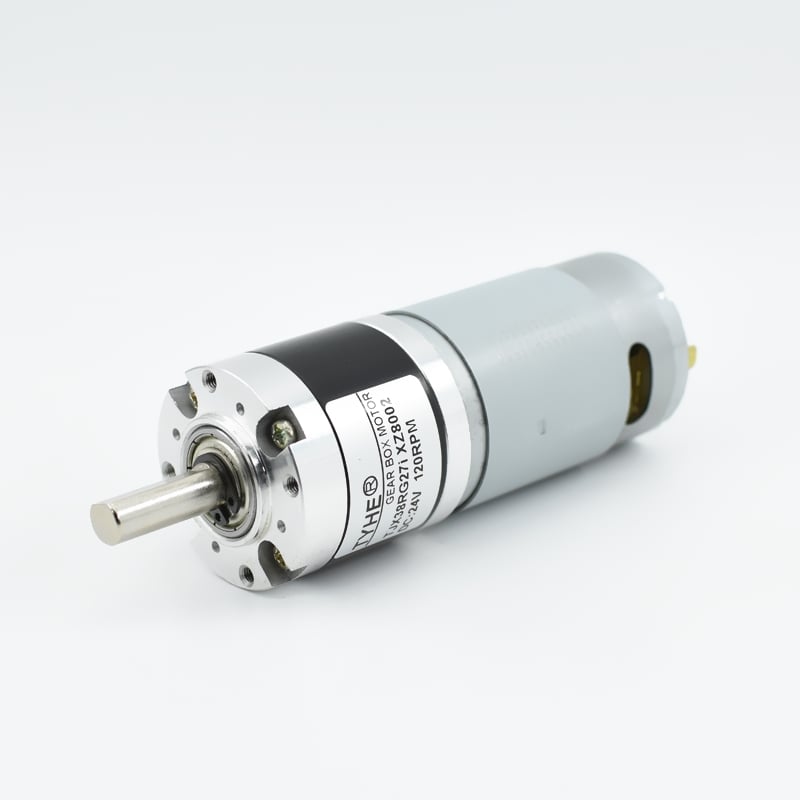
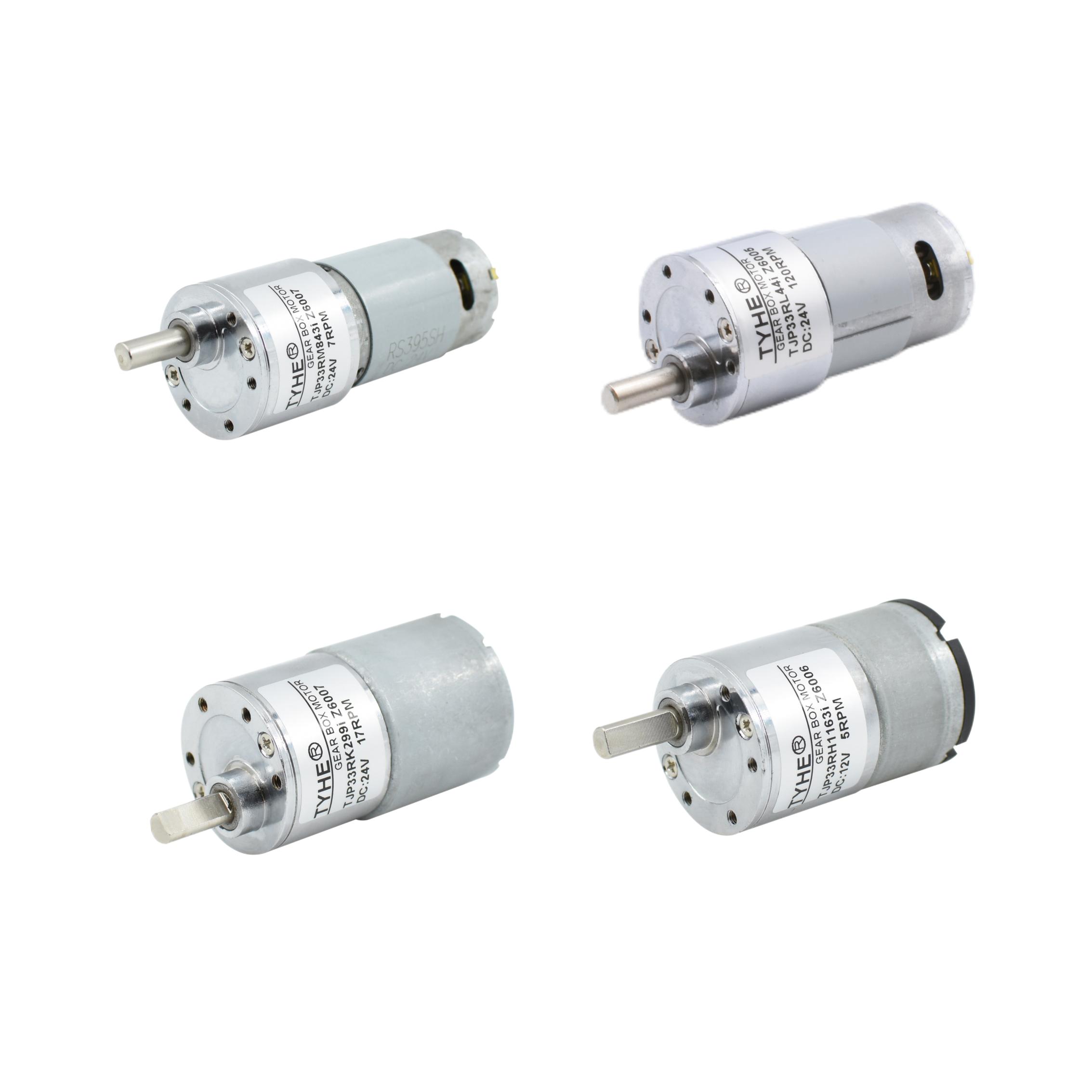
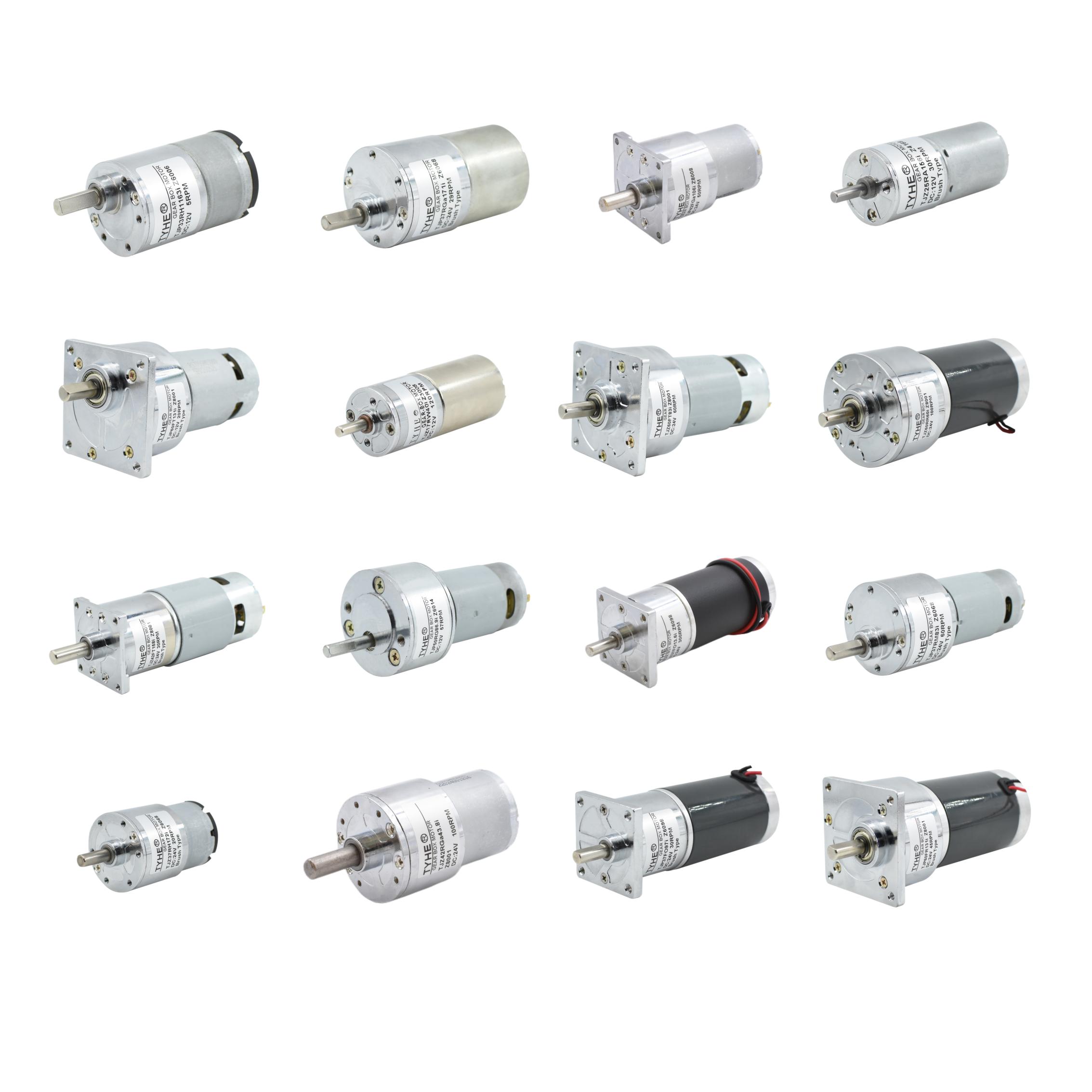
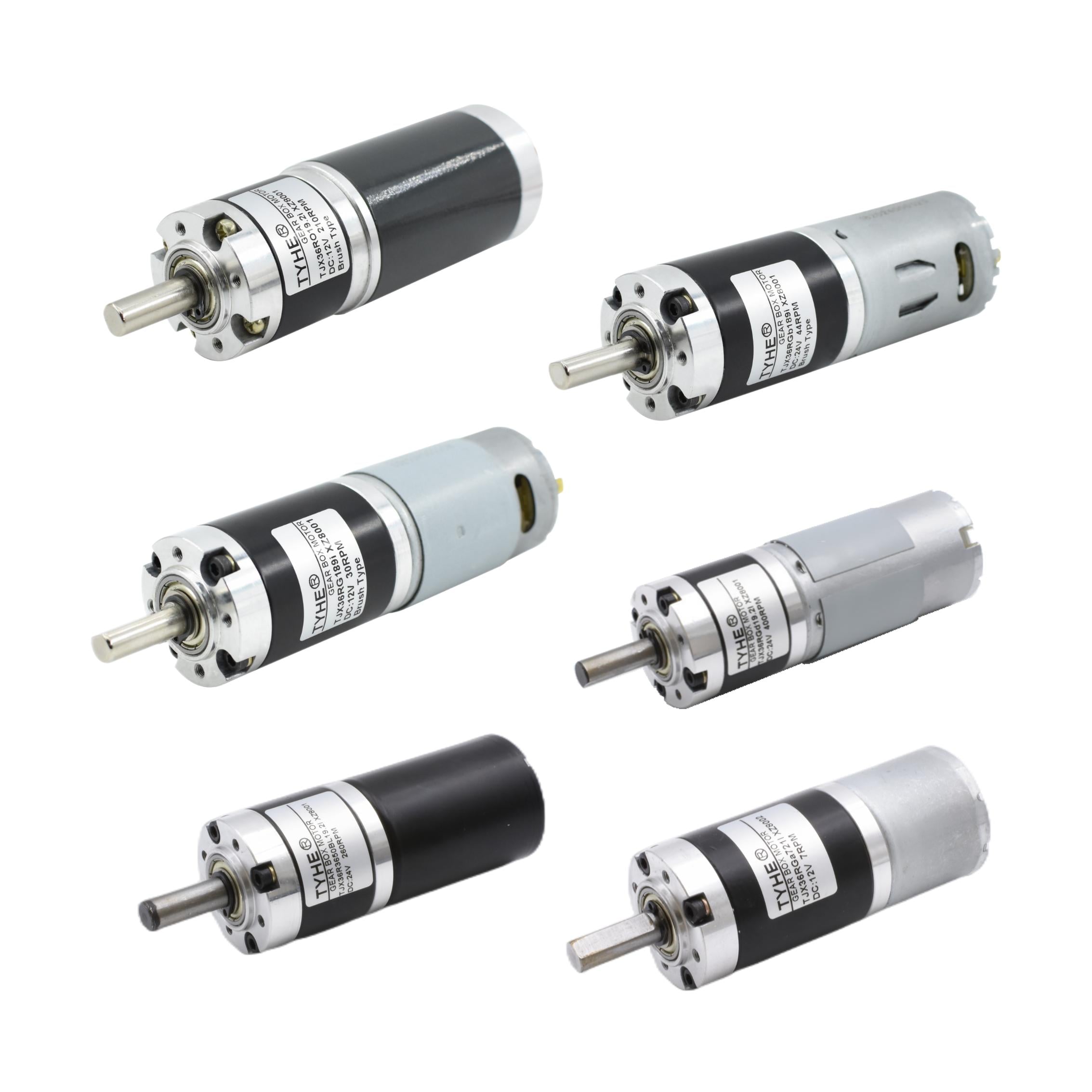
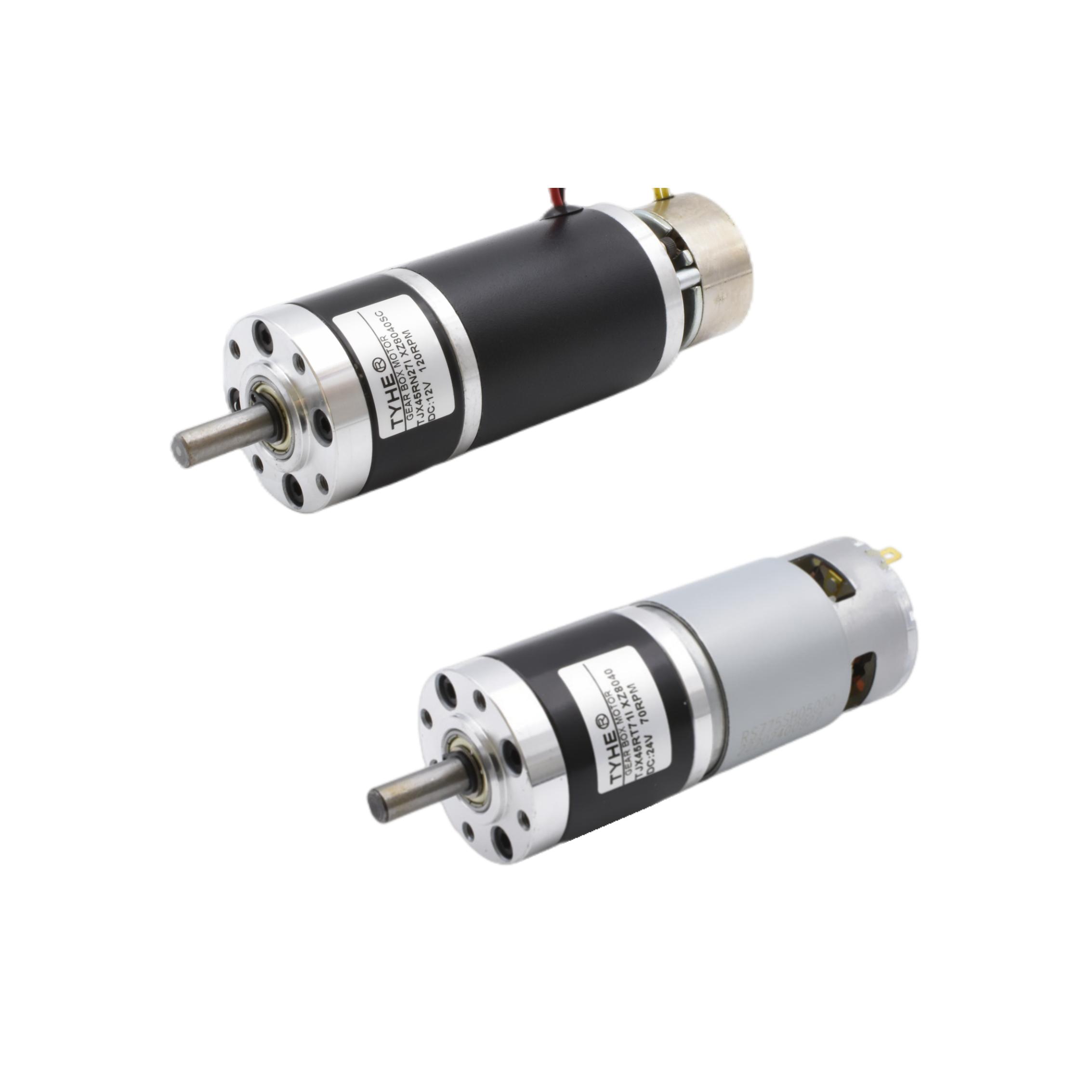
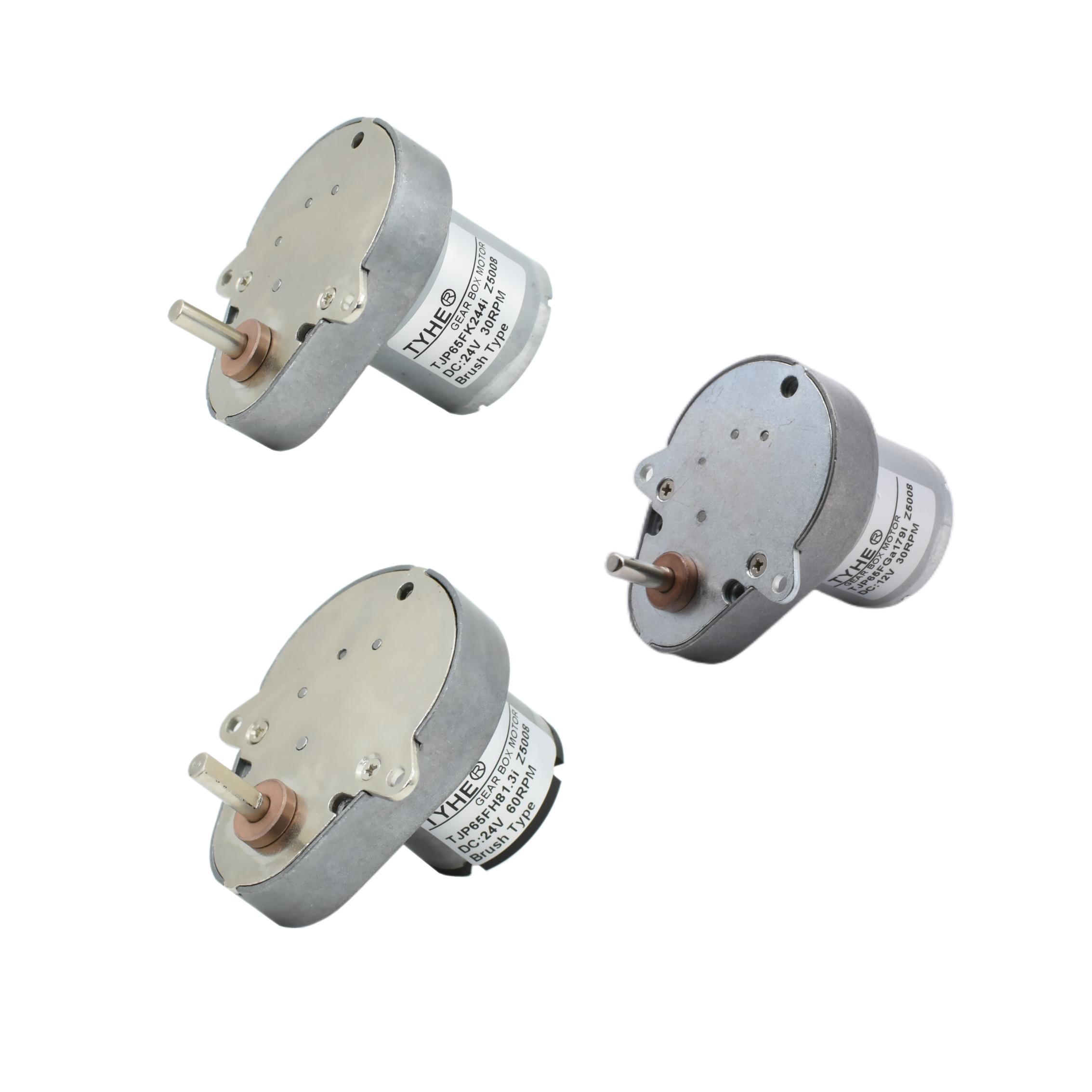
The types of brushed dc motor are grouped by construction, speed control, torque output, and the way they suit a working environment. All use a permanent magnet or wound field, an armature, a commutator, and carbon or metal brushes to convert direct current into rotary motion. The types of brushed dc motor most often selected include permanent-magnet motors, series-wound motors, shunt-wound motors, compound-wound motors, and gear motors. A permanent-magnet design offers a compact body, efficient operation, and stable performance for light and medium loads. Series-wound units deliver strong starting torque, making them suitable for lifting, traction, and demanding starts. Shunt-wound versions maintain steadier speed under changing loads, while compound-wound versions balance starting force with speed control. Gear motors combine a brushed motor with reduction gears to provide slower speed and higher output torque. Among the types of brushed dc motor, gear motor designs are especially useful where controlled movement matters more than high rotation speed. Key technical features include simple two-wire power, reversible direction, adjustable speed through voltage or pulse-width control, and easy integration with switches, controllers, or batteries. Engineers can also choose different shaft sizes, bearings, voltage ratings, thermal protections, and enclosure styles. The types of brushed dc motor support conveyors, pumps, fans, valves, tools, toys, office equipment, medical devices, and vehicle systems. Their main function is to deliver practical rotary power with straightforward control. Selection depends on load, starting demand, desired speed, duty cycle, noise limits, available space, and expected service life. This range gives buyers a clear path from basic motion to high-torque, geared movement.

 EN