
 EN
EN
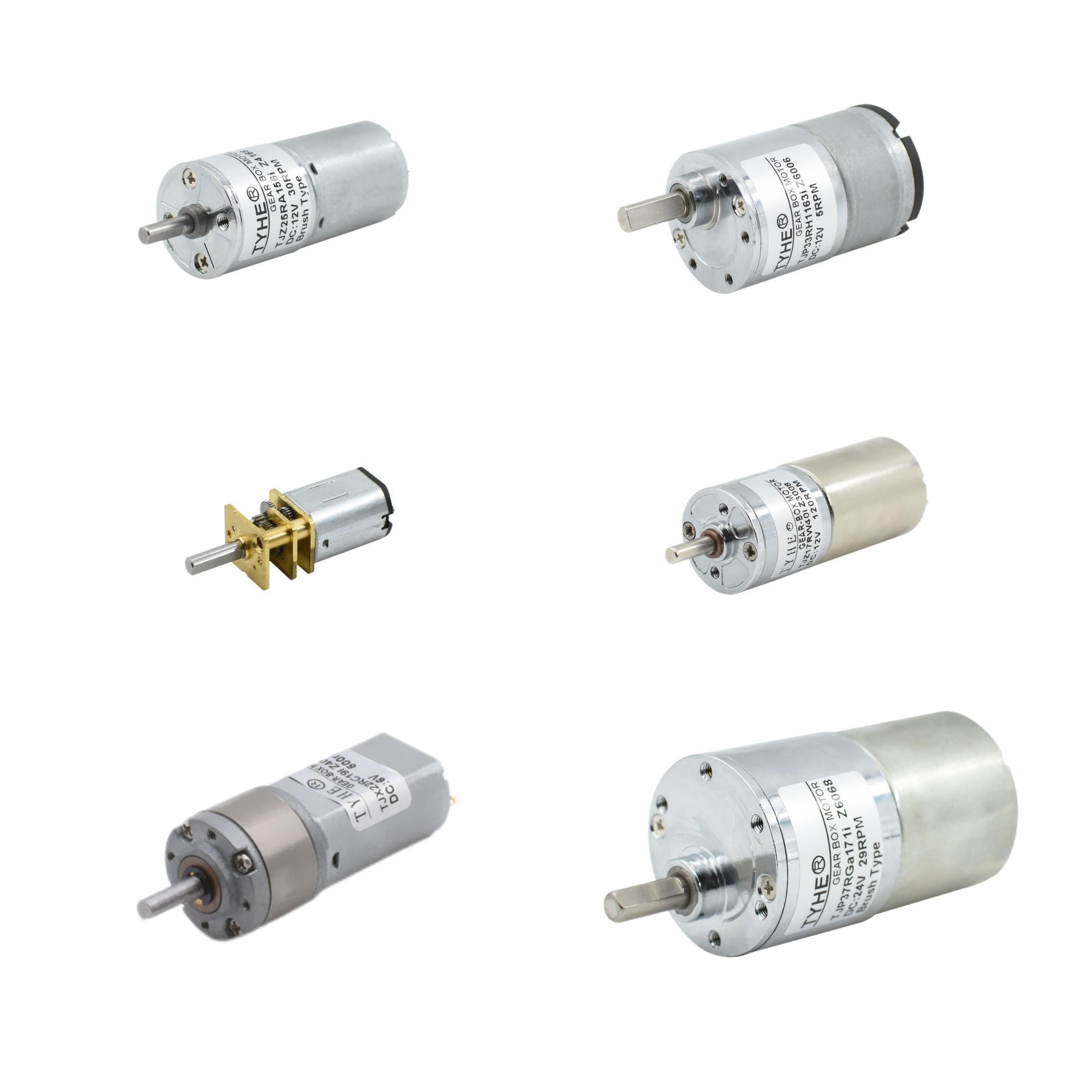
Selecting the right micro dc motor is critical for drone and unmanned aerial vehicle (UAV) performance, reliability, and flight duration. A micro dc motor serves as the foundation of any UAV propulsion system, directly influencing thrust generation, power efficiency, and overall aircraft responsiveness. Industrial designers and UAV engineers face the challenge of balancing weight, power output, and durability when choosing a micro dc motor for their specific application. The wrong micro dc motor selection can result in inadequate thrust, excessive power consumption, increased heat generation, and shortened flight times. Understanding the characteristics that define an effective micro dc motor solution enables engineers to make informed decisions that align with mission requirements and operational constraints.
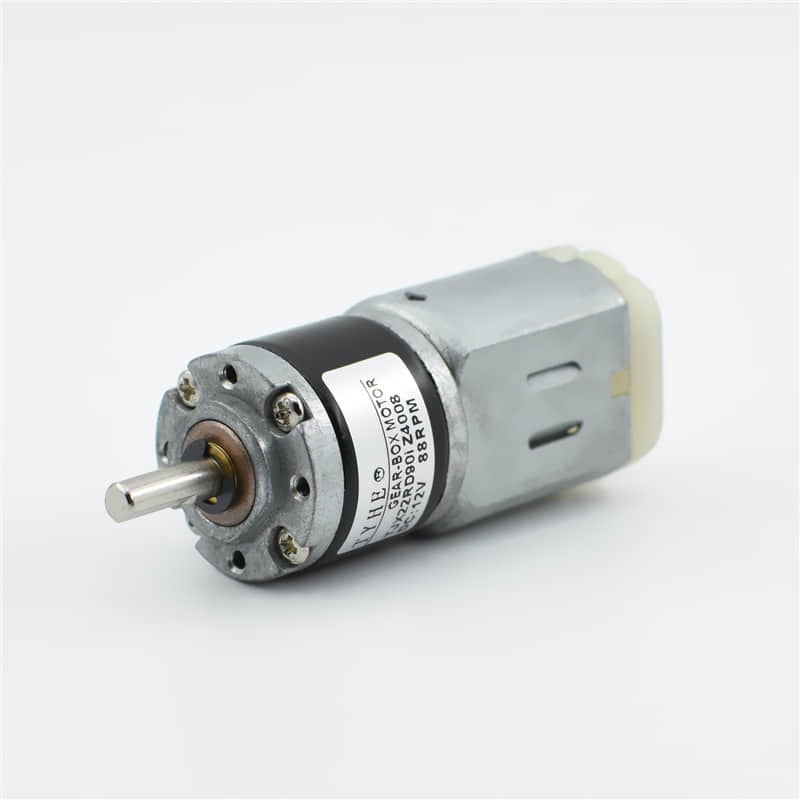
A high-quality micro dc motor delivers exceptional power-to-weight ratios and consistent performance across varying flight conditions. Modern micro dc motor technology has advanced significantly, with innovations in permanent magnet materials, brush design, and rotor engineering enabling improved efficiency and reduced electromagnetic noise. For UAV operators, choosing a micro dc motor that matches specific payload requirements, flight envelope specifications, and environmental operating conditions ensures optimal aircraft behavior and extended system lifespan. This comprehensive guide explores the essential criteria for evaluating and selecting the best micro dc motor solutions tailored to drone and UAV applications.
Core Performance Characteristics of Micro DC Motor Solutions
Power Output and Thrust Generation
The micro dc motor must generate sufficient power to lift payload weight while maintaining stable hovering and responsive control inputs. Power output in a micro dc motor is measured in watts and directly correlates to the voltage applied and current draw characteristics. A micro dc motor designed for commercial drones typically operates between 7.4V and 14.8V, producing thrust ranges from 500 grams to several kilograms depending on propeller size and motor configuration. Engineers must calculate precise thrust requirements before selecting a micro dc motor, accounting for aircraft mass, payload weight, and desired acceleration performance. Inadequate micro dc motor power results in sluggish response times and limited maneuverability, while oversized motors introduce unnecessary weight and power drain.
Efficiency and Energy Consumption
Efficiency metrics determine how effectively a micro dc motor converts electrical energy into mechanical thrust, directly impacting flight duration and range. An optimized micro dc motor operates with minimal internal losses, reducing heat dissipation and allowing extended mission times on limited battery capacity. The micro dc motor efficiency is influenced by winding resistance, bearing friction, brush resistance, and magnetic field strength. Premium micro dc motor designs achieve efficiency ratings above 85%, enabling longer endurance compared to standard alternatives. Battery runtime increases proportionally with micro dc motor efficiency improvements, making this specification critical for extended surveillance missions and long-distance operations.
Mechanical Design and Durability Considerations
Weight Optimization and Material Selection
Every gram of motor mass reduces payload capacity, making weight optimization essential in micro dc motor engineering. Modern micro dc motor construction employs lightweight aluminum housings, carbon fiber reinforced components, and minimalist bracket designs to achieve optimal mass distribution. The micro dc motor housing must balance structural rigidity with minimal weight, protecting internal components from impact and environmental contamination. Advanced micro dc motor designs integrate integrated bearing systems and direct-drive configurations that eliminate gearbox mass while maintaining torque delivery. Material selection in a micro dc motor directly affects thermal management, vibration characteristics, and long-term mechanical reliability under sustained operation.
Vibration Control and Noise Reduction
Vibration from unbalanced rotors degrades camera image quality, accelerates bearing wear, and reduces overall system stability. An advanced micro dc motor incorporates precision-balanced rotors and optimized bearing systems that minimize mechanical oscillation. The micro dc motor rotor assembly undergoes dynamic balancing during manufacturing to ensure smooth operation at maximum RPM. Noise generation in a micro dc motor stems from brush commutation, bearing friction, and aerodynamic blade interaction. UAV operators requiring high-quality aerial imagery benefit significantly from selecting a micro dc motor engineered for minimal vibration transmission to the airframe. Electronic speed controllers paired with appropriate micro dc motor configurations can further reduce noise and harmonic disturbances.
Environmental Operating Conditions and Application Suitability
Temperature Range and Thermal Management
A micro dc motor must maintain consistent performance across wide environmental temperature ranges, from arctic operations to high-altitude equatorial missions. The micro dc motor winding insulation and bearing lubricant become critical at temperature extremes, affecting electrical resistance and mechanical friction. High-altitude operations expose the micro dc motor to reduced air density, requiring careful thermal management design to prevent overheating. A properly designed micro dc motor incorporates heat dissipation pathways through the motor housing and magnetic structure, maintaining winding temperatures within safe limits during continuous operation. Thermal stress on a micro dc motor accelerates insulation breakdown and bearing degradation, ultimately reducing service life and reliability.
Environmental Protection and Durability
Marine operations, desert environments, and humid climates present distinct environmental challenges for micro dc motor systems. A robust micro dc motor design includes sealed bearing assemblies, corrosion-resistant materials, and conformal coating on electrical windings to resist moisture ingress and salt spray degradation. The micro dc motor connector interfaces require protective sealing and material selection that prevents oxidation and electrical degradation. Extended storage conditions may necessitate micro dc motor preparation procedures, including moisture removal and lubrication checks. Industrial-grade micro dc motor specifications often exceed consumer-level durability requirements, providing enhanced reliability for mission-critical UAV applications and demanding operational environments.
Integration and System-Level Performance
Control Interface and Speed Regulation
The micro dc motor control architecture must support rapid speed changes while maintaining smooth thrust delivery and preventing mechanical shock. Electronic speed controllers optimized for micro dc motor operation provide proportional control through pulse-width modulation, enabling precise thrust management across the entire RPM range. A responsive micro dc motor with appropriate controller tuning delivers the agility required for autonomous flight algorithms and obstacle avoidance systems. The micro dc motor speed range typically spans from idle thrust below 1000 RPM to maximum RPM exceeding 10,000 depending on motor design and voltage rating. Compatibility between micro dc motor characteristics and electronic speed controller capabilities ensures stable closed-loop control and predictable aircraft behavior.
Propeller Compatibility and Power Matching
Propeller selection directly influences the overall efficiency and thrust characteristics of the micro dc motor system. A micro dc motor paired with an appropriately sized propeller operates at optimal efficiency, balancing torque and rotational speed to maximize thrust-to-power ratio. The micro dc motor torque curve determines propeller load capacity, while speed characteristics influence blade pitch and aerodynamic efficiency. Mismatched propeller-to-motor combinations result in excessive current draw, increased heat generation, and reduced flight duration from the micro dc motor system. Engineers must verify that the micro dc motor torque curve remains within battery voltage operating window while maintaining adequate speed headroom for control responsiveness.
FAQ
What specifications should I prioritize when selecting a micro dc motor for my drone?
Prioritize the micro dc motor power output relative to your total aircraft mass, the micro dc motor efficiency rating for extended flight time, and thermal characteristics appropriate for your operational environment. Verify that the micro dc motor voltage rating matches your battery system and that bearing quality ensures extended service life under continuous operation. Finally, confirm that the micro dc motor mechanical design minimizes vibration transmission to camera systems or sensor payloads.
How does micro dc motor efficiency affect UAV flight duration?
A higher-efficiency micro dc motor converts more electrical energy into mechanical thrust, reducing wasted heat and power draw from the battery. For every percentage increase in micro dc motor efficiency, the aircraft achieves proportionally longer flight duration on identical battery capacity. This relationship makes micro dc motor efficiency one of the most impactful factors for missions requiring extended endurance or limited battery replacement opportunities.
Can a standard micro dc motor operate in high-altitude environments?
Standard micro dc motor designs may experience reduced cooling efficiency and aerodynamic performance at high altitude due to lower air density. A micro dc motor specifically engineered for high-altitude operation incorporates enhanced thermal management, sealed bearing protection, and materials optimized for low-pressure environments. Always verify that your selected micro dc motor specifications accommodate the maximum altitude and temperature conditions of your intended missions.
