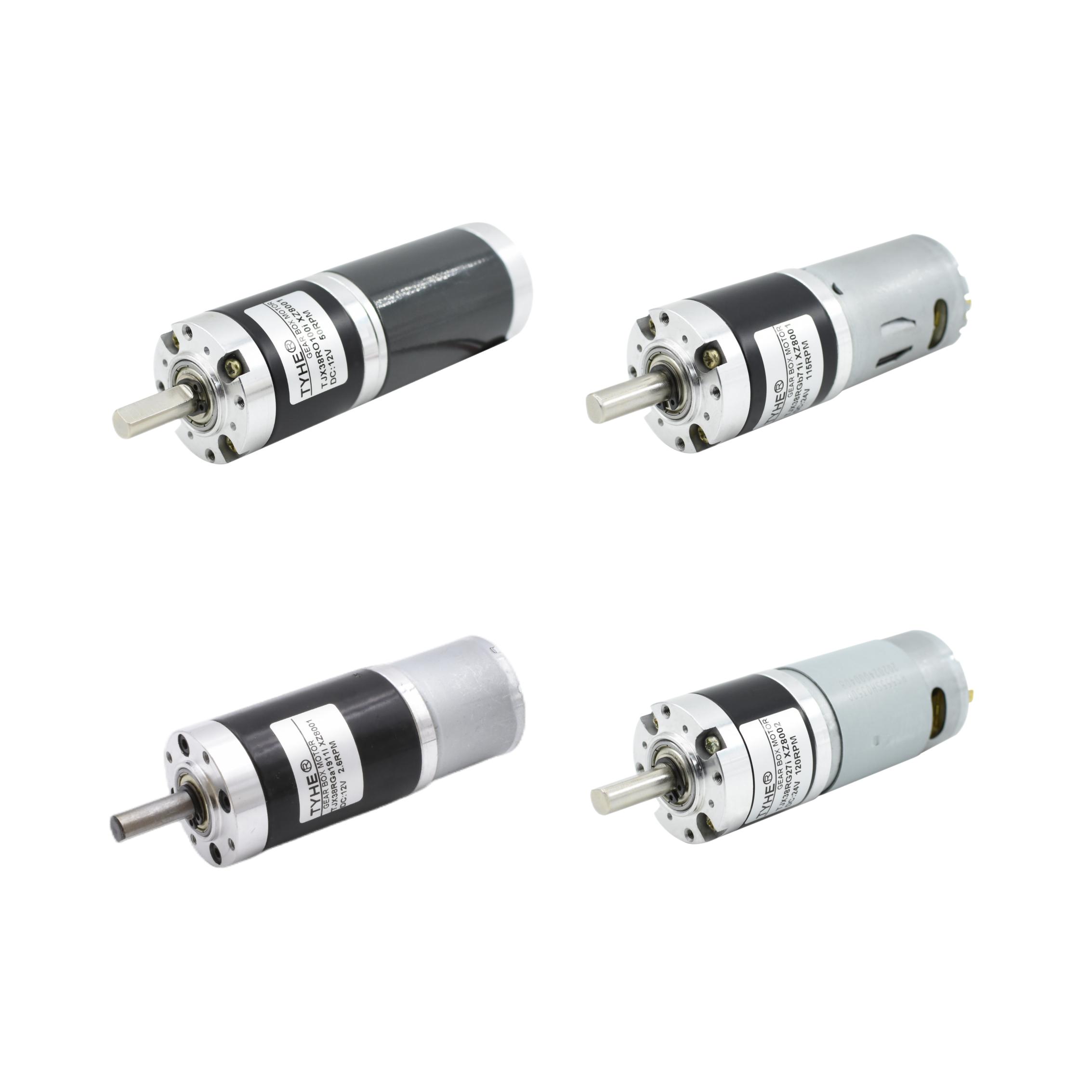
dc brushed motor
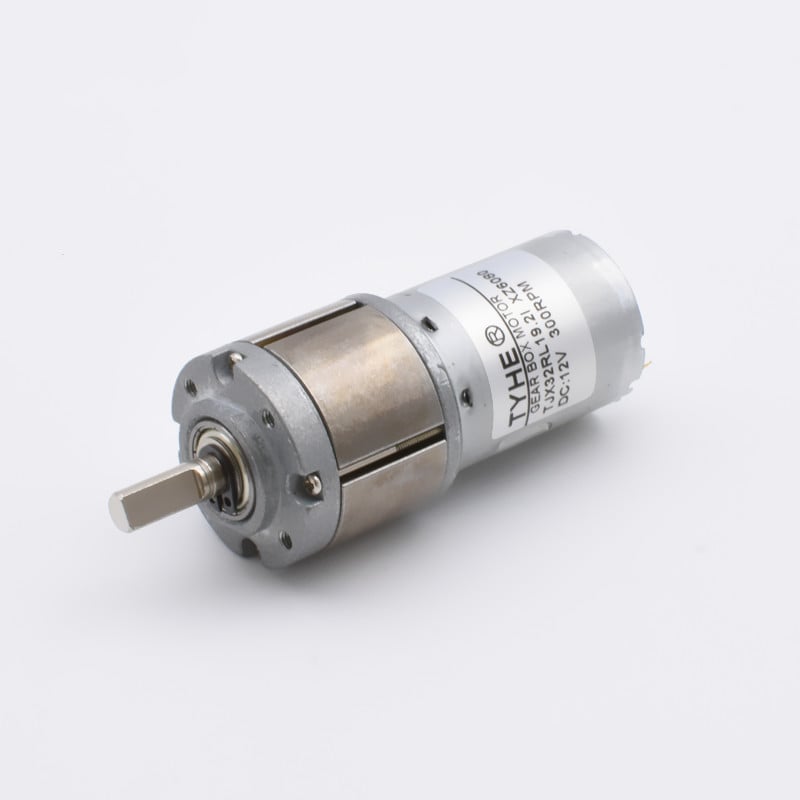
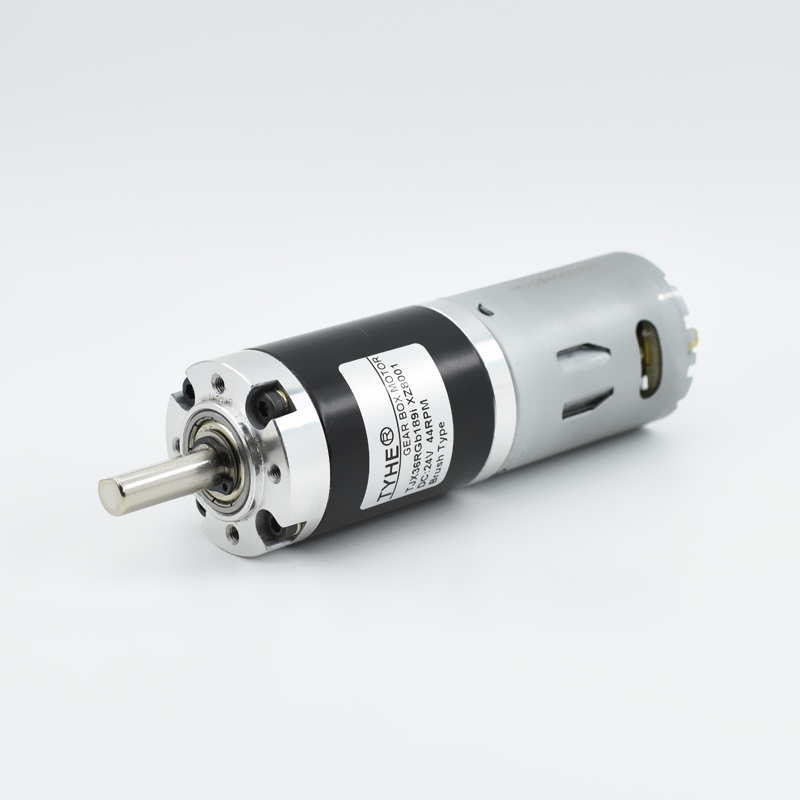
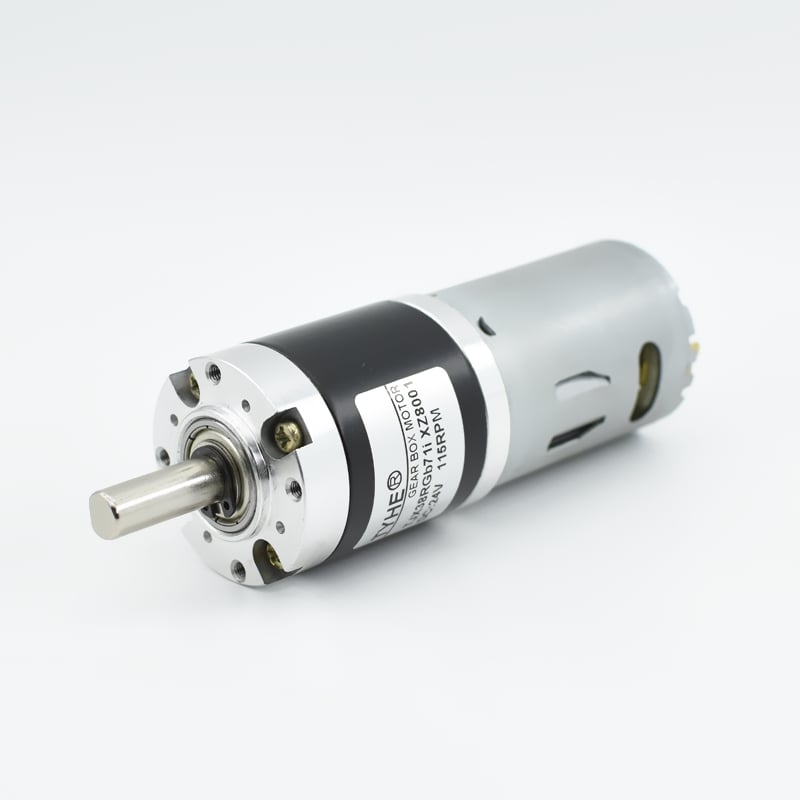
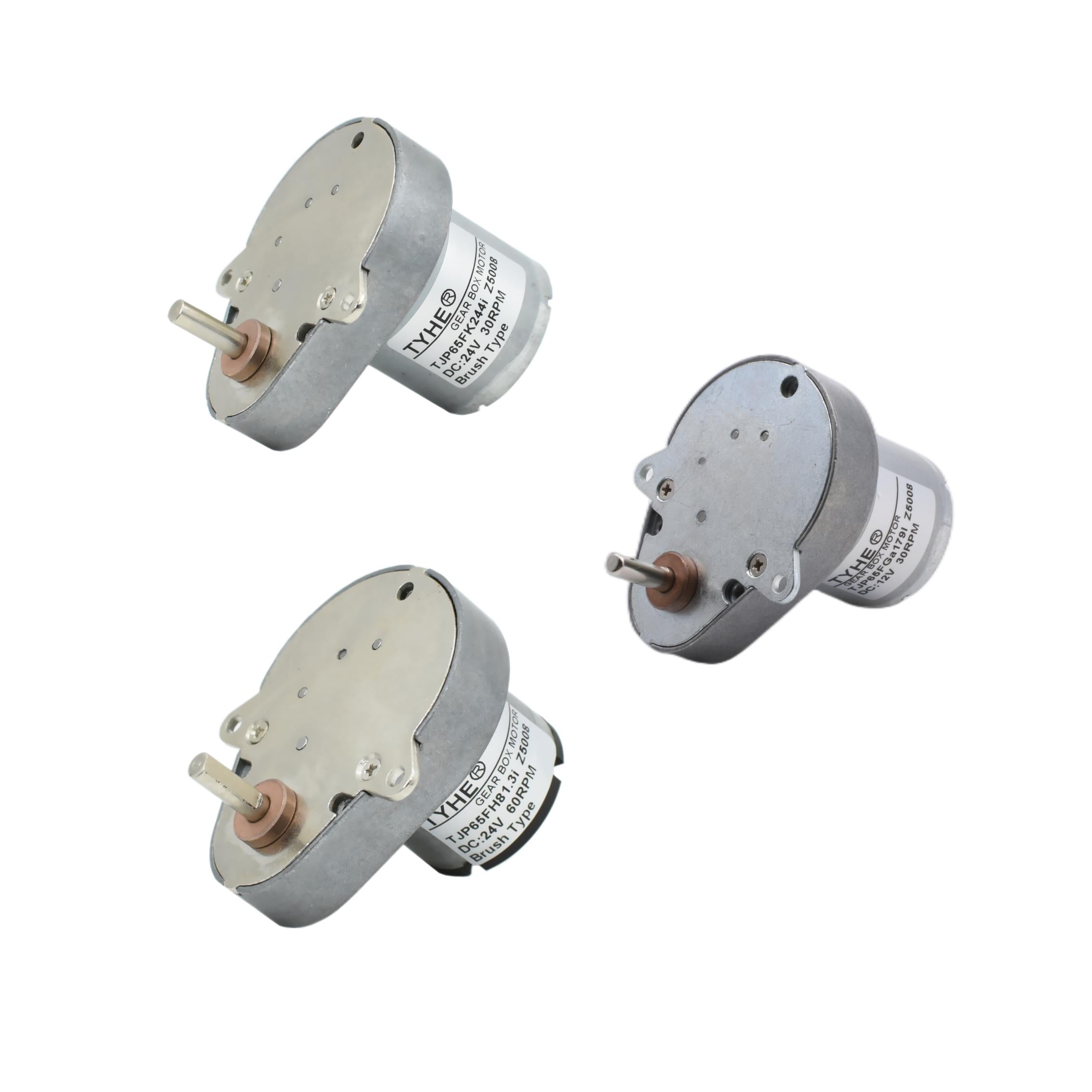
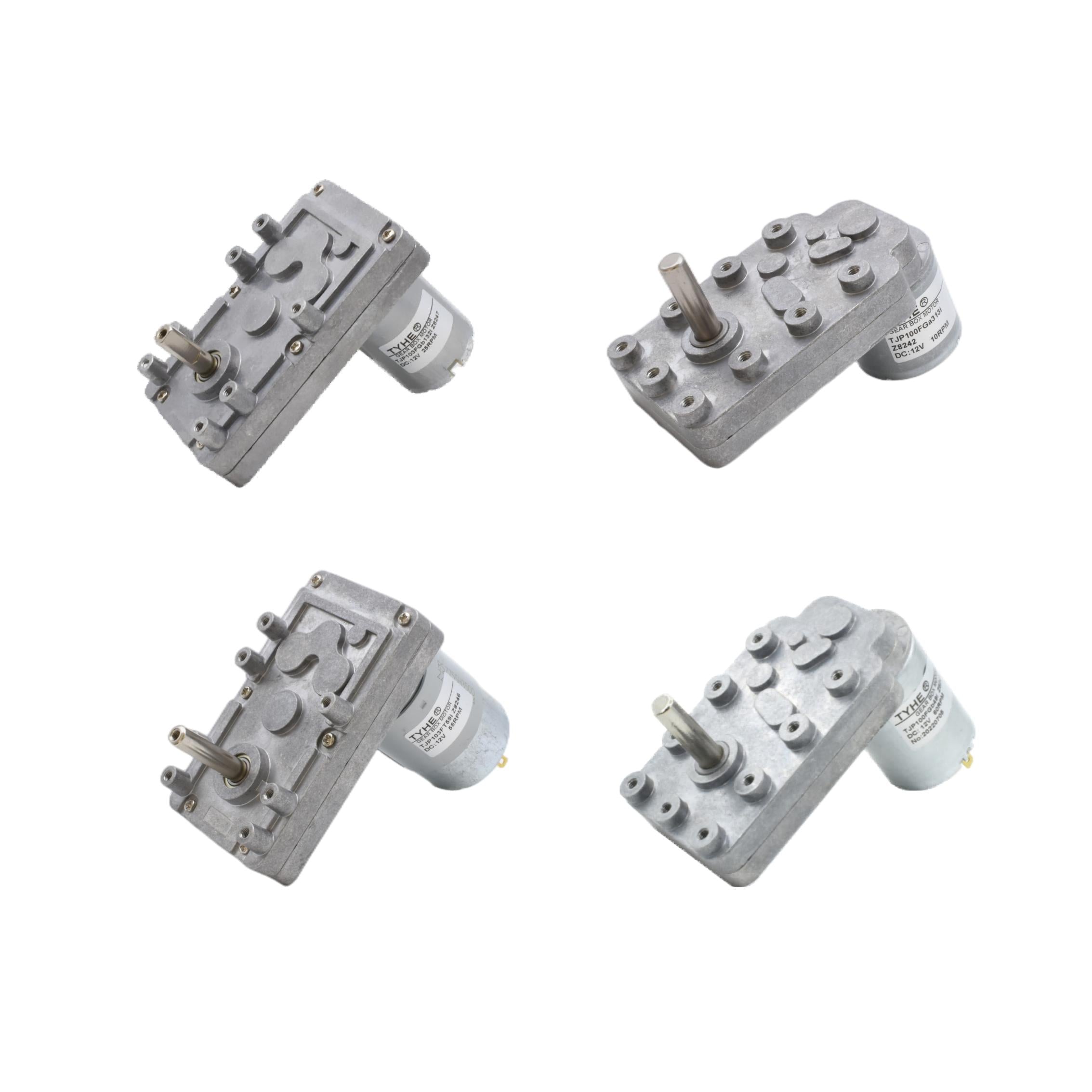
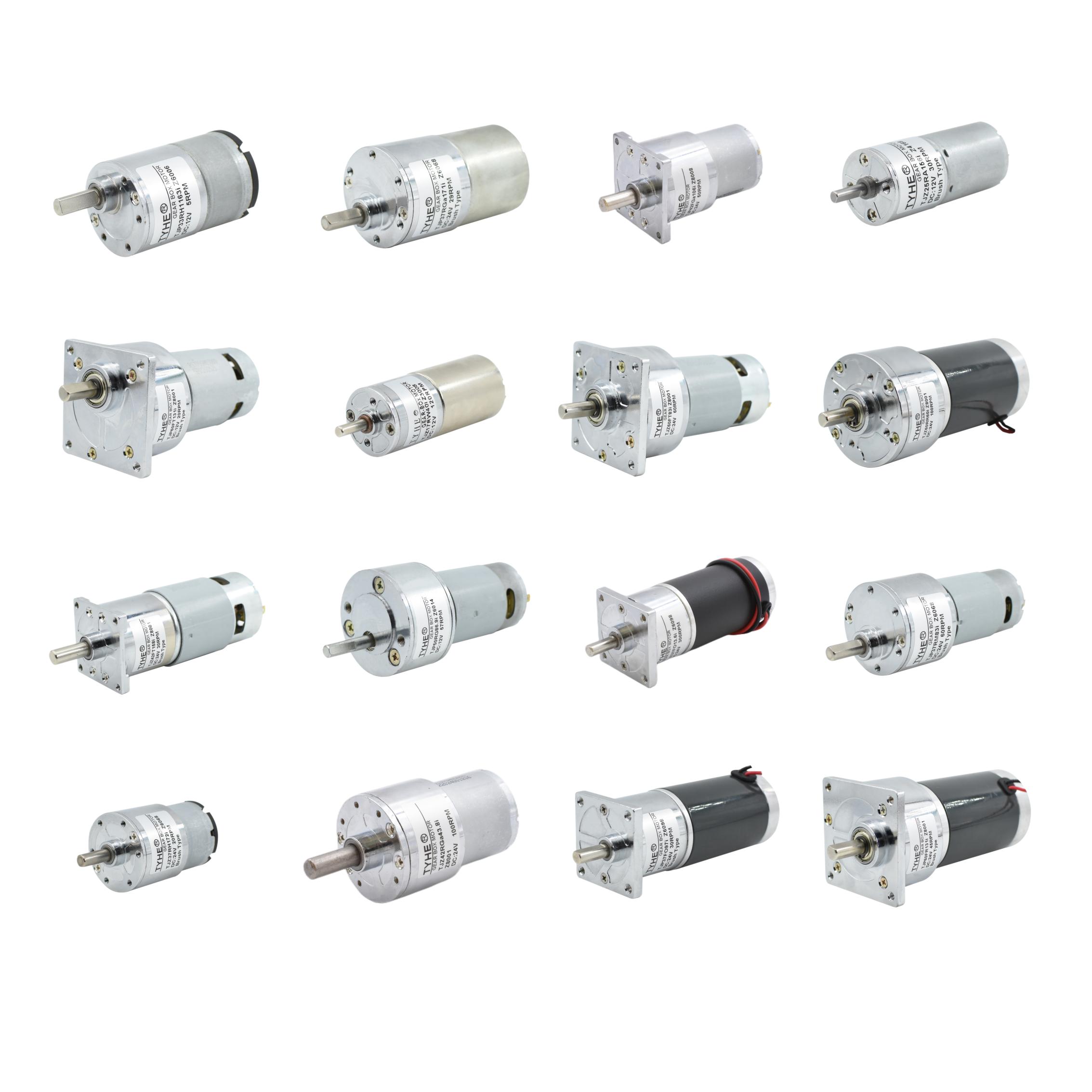
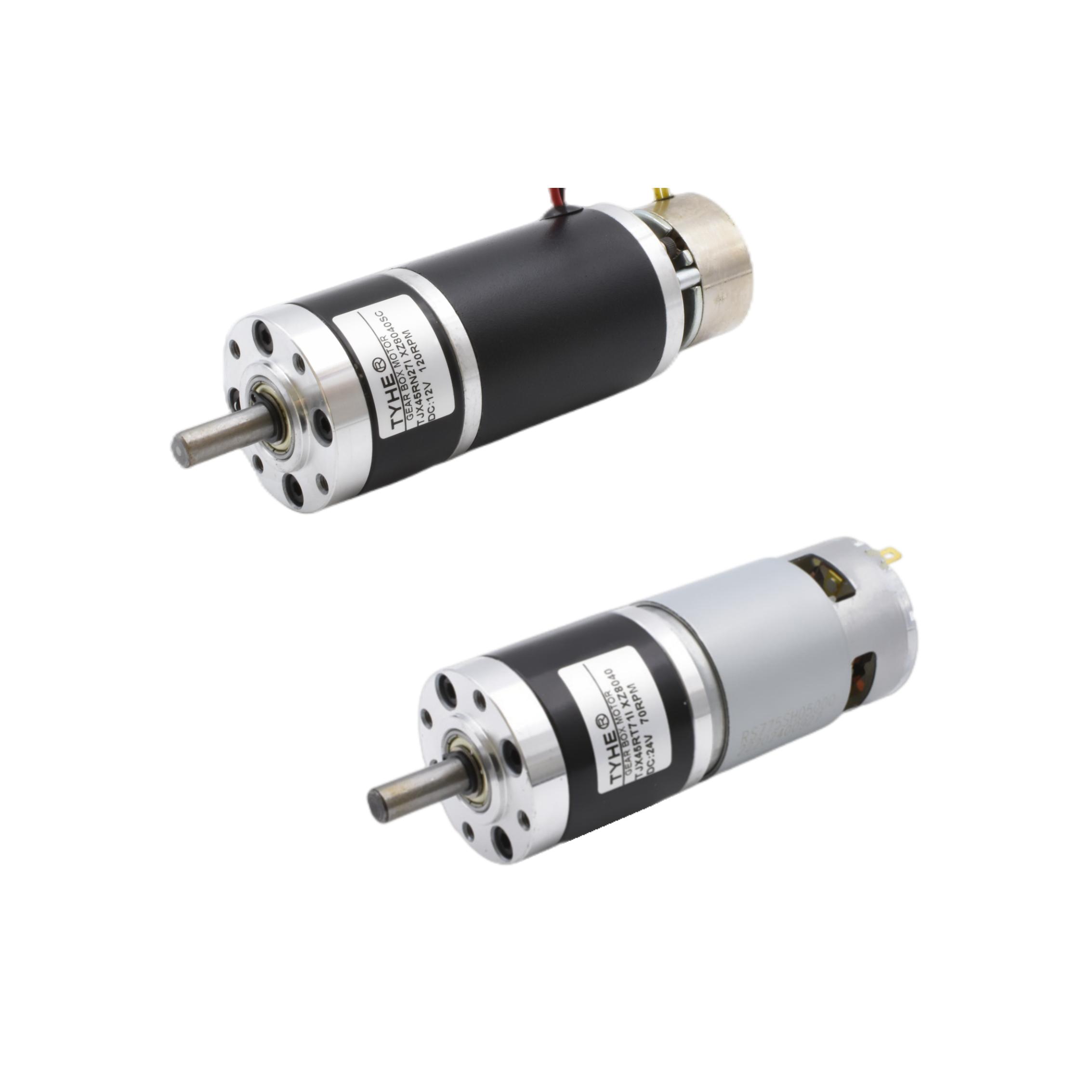
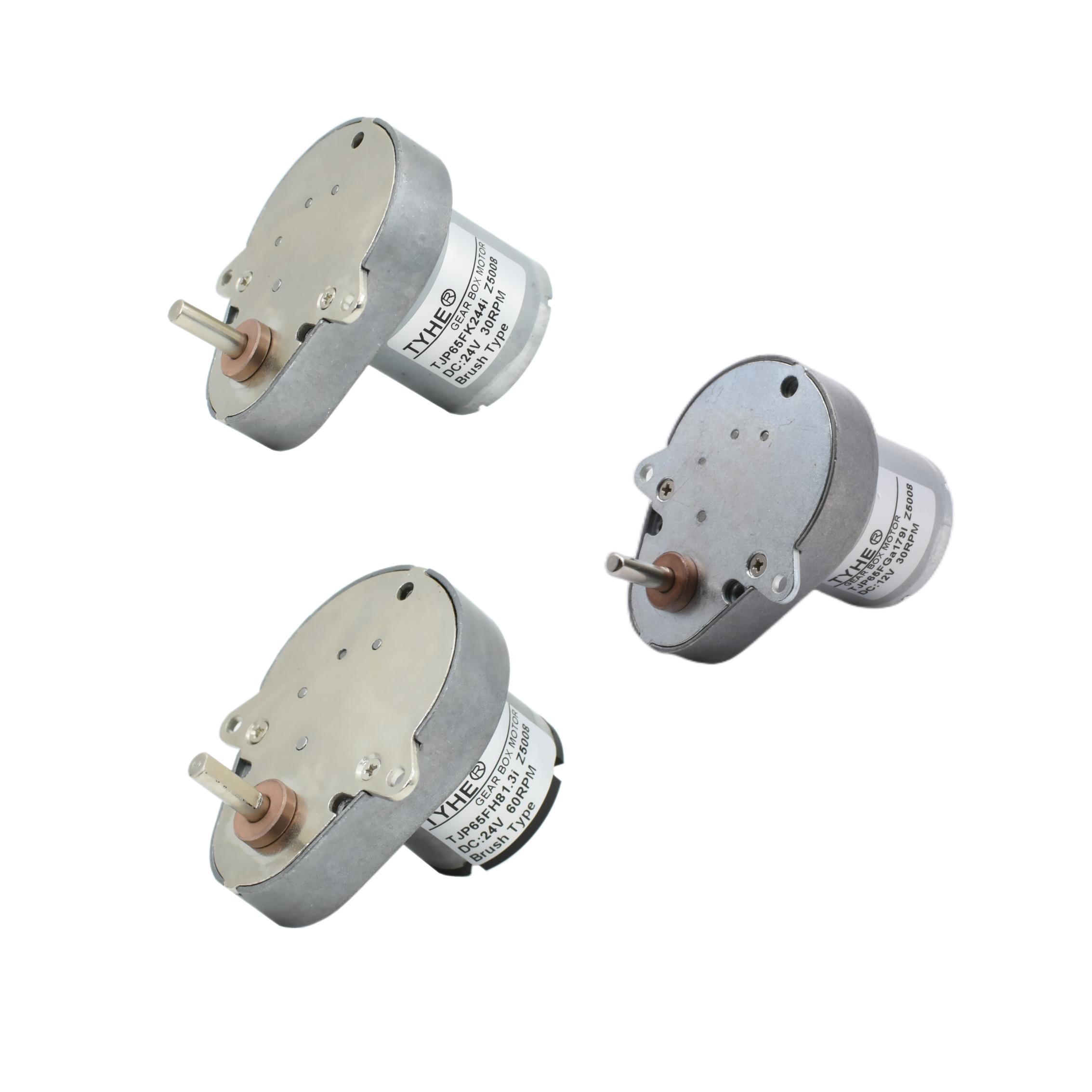
A dc brushed motor converts direct current into mechanical rotation for equipment that needs controlled, dependable movement. In a dc brushed motor, electrical power passes through stationary magnets and a rotating armature. Carbon brushes touch a segmented commutator, switching current as the shaft turns. This simple arrangement lets a dc brushed motor produce useful starting torque, adjustable speed, and steady rotation at a practical cost. Users can change speed by varying voltage, while reversing the power direction reverses shaft rotation. A dc brushed motor can also deliver strong torque from a compact frame, making it suitable for battery-powered and low-voltage products. Core components include the housing, permanent magnets or field windings, armature, commutator, brushes, bearings, and output shaft. Manufacturers can select different shaft sizes, winding designs, gearboxes, and mounting patterns to match a specific machine. A dc brushed motor works with basic controllers, switches, pulse-width speed controls, and simple drivers, so integration is usually fast. Typical uses include small pumps, fans, toys, office equipment, valves, locks, medical devices, power tools, automotive actuators, and factory mechanisms. The technology offers direct feedback through speed and load behavior, although brush wear creates a finite service life. A dc brushed motor therefore suits designs that value low purchase cost, easy control, strong startup performance, and straightforward replacement. Buyers should compare rated voltage, operating current, speed, torque, duty cycle, noise, brush life, shaft load, and environmental protection before choosing a dc brushed motor. With the right specifications, this proven drive provides reliable motion without complex electronics or difficult maintenance procedures.

 EN