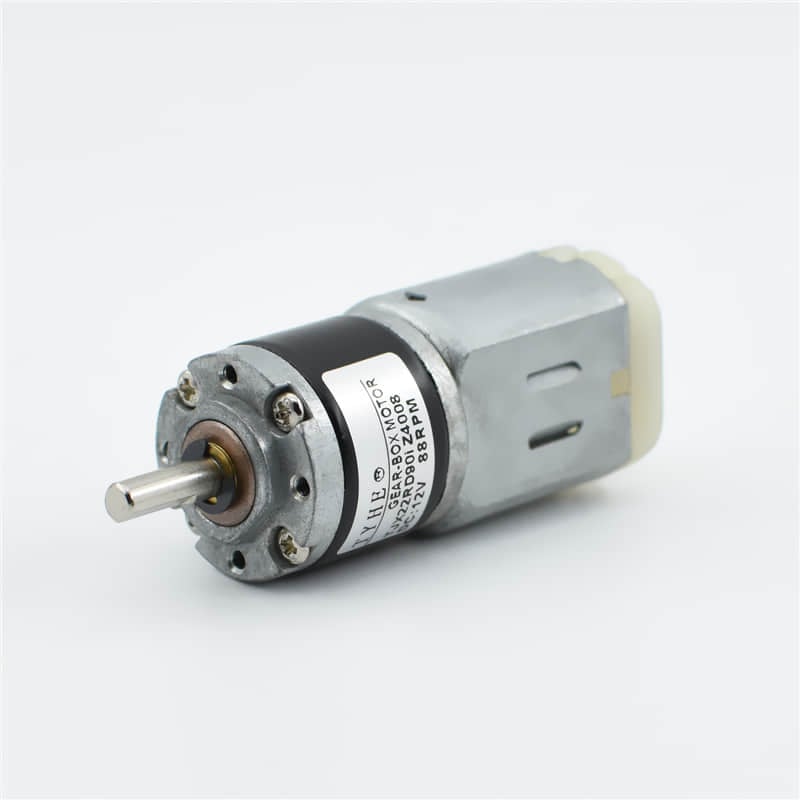
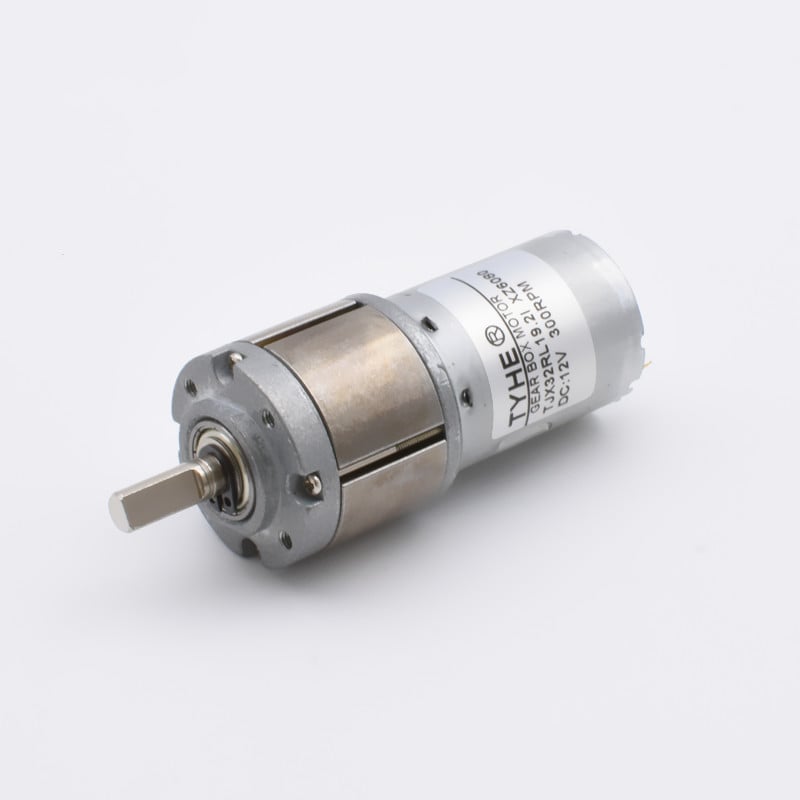
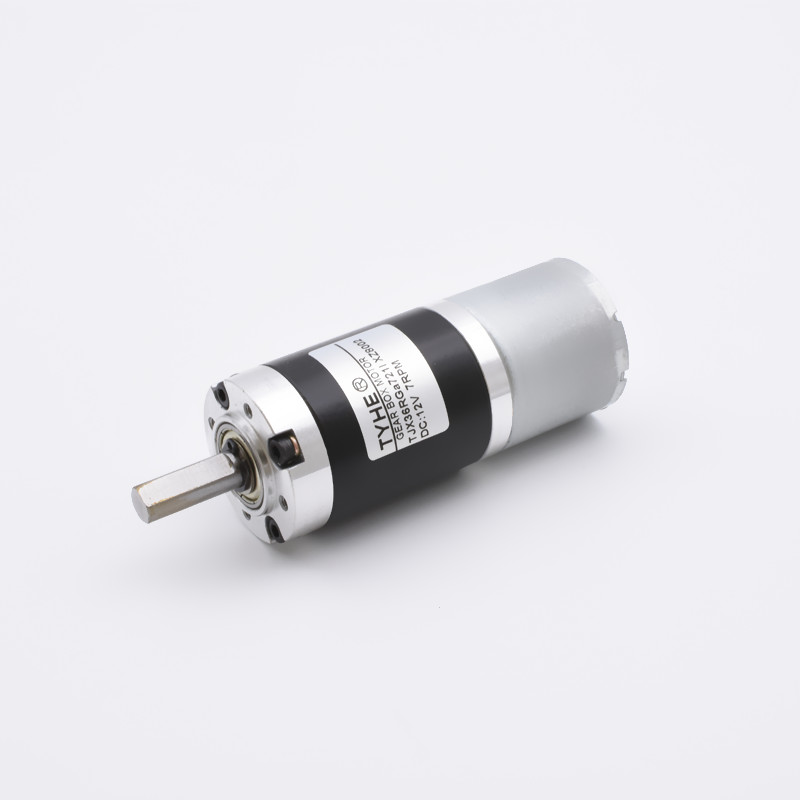
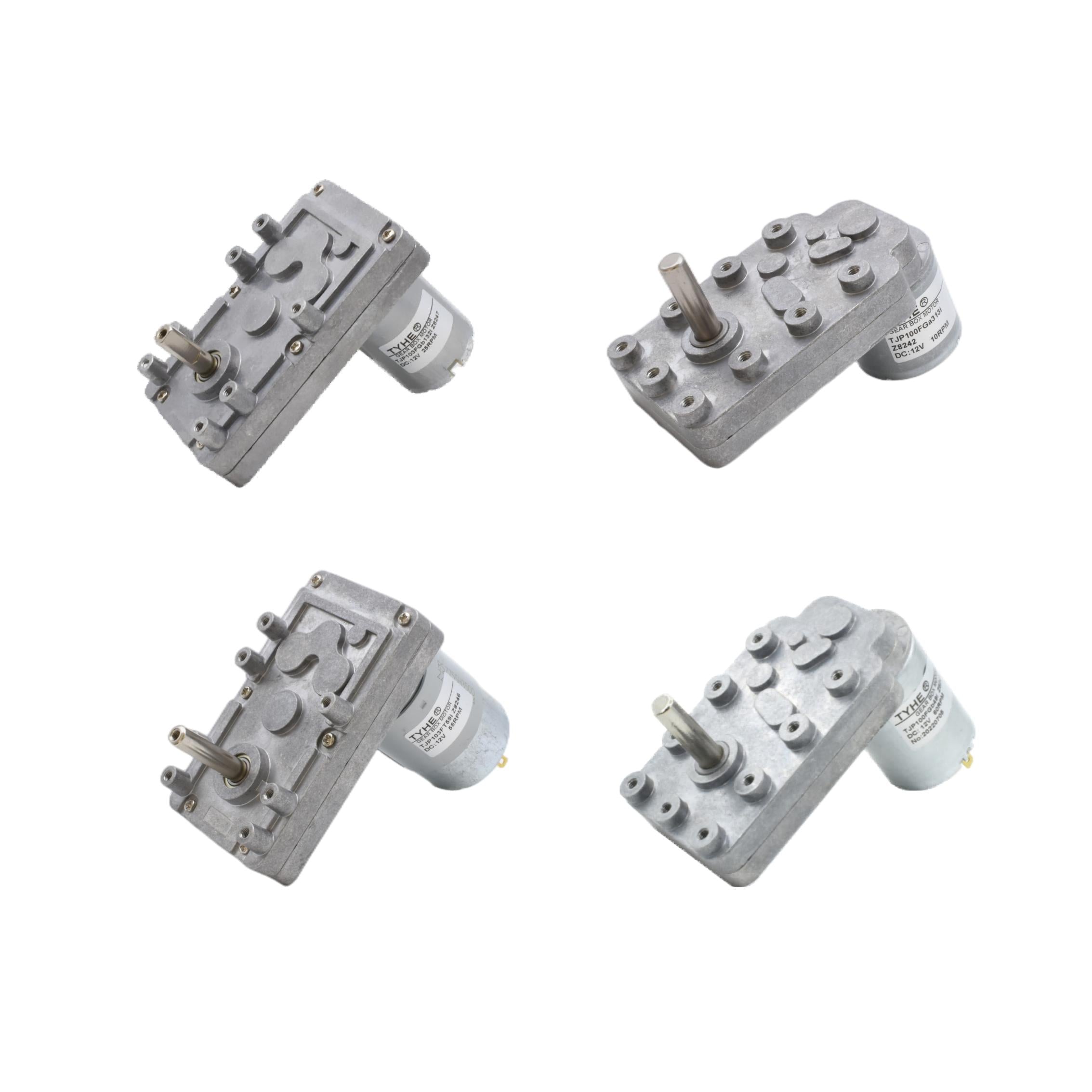
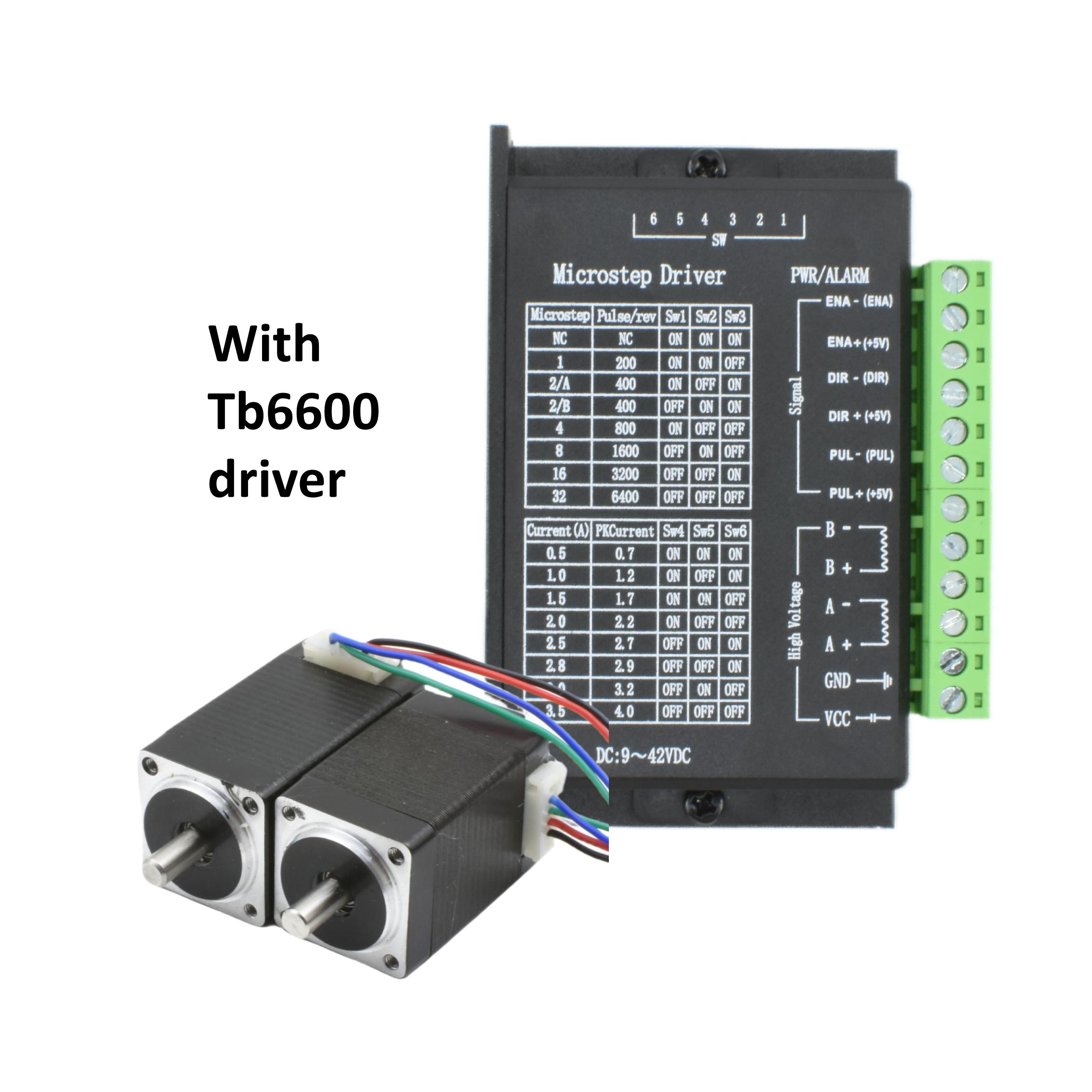
low price stepper motor
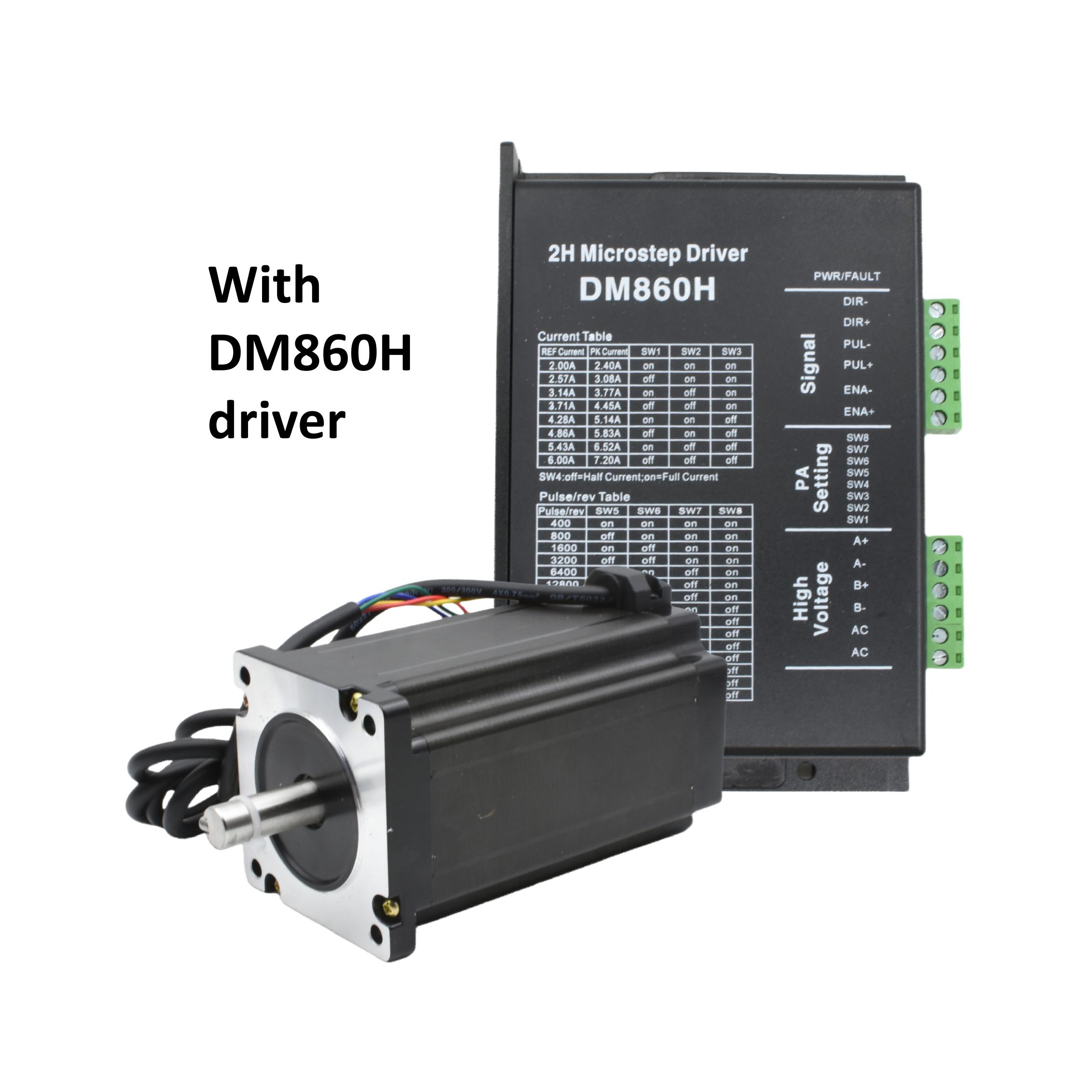
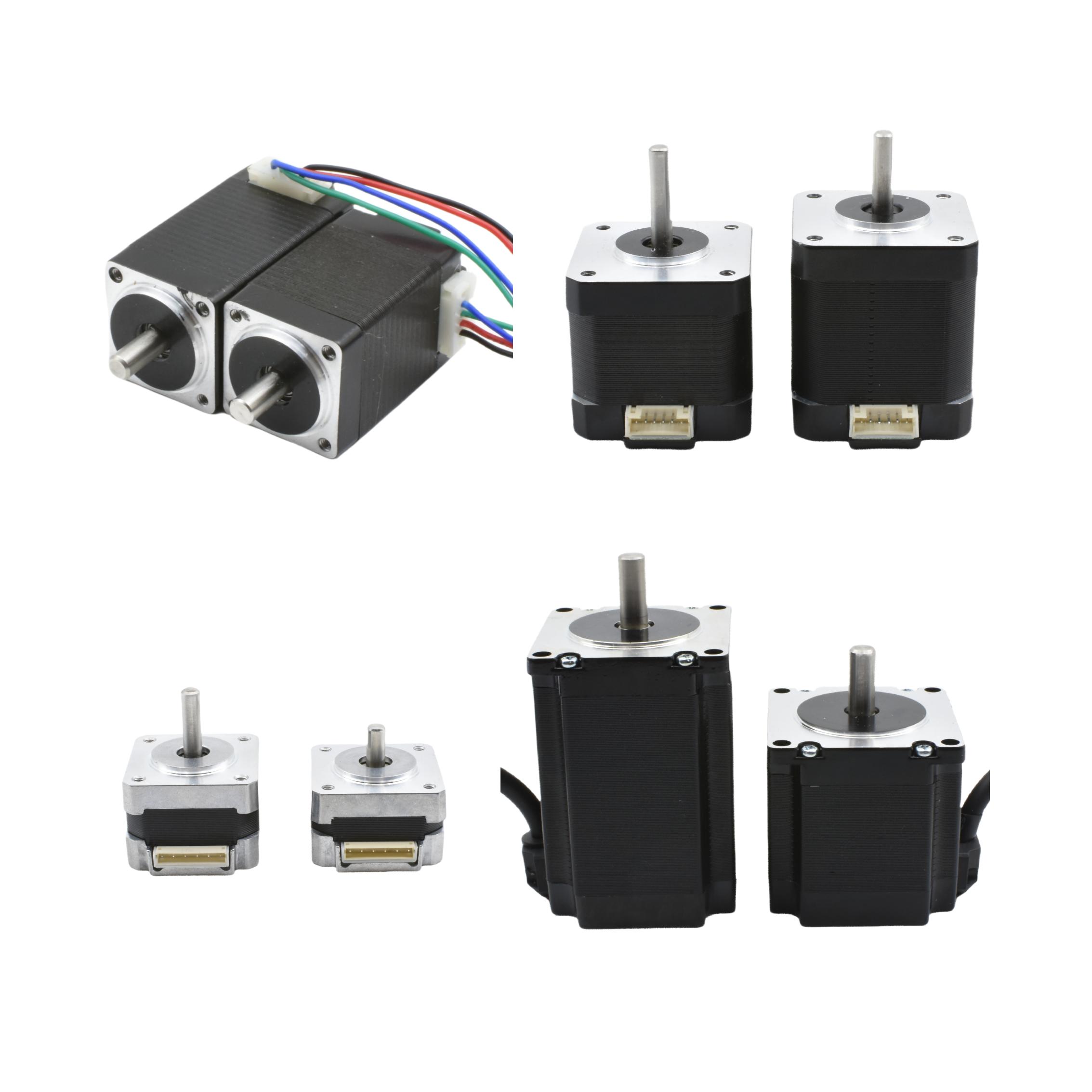
A low price stepper motor is an economical electric motor designed to move a shaft in accurate, measured steps. Unlike a standard motor that spins continuously, a low price stepper motor receives digital pulses and turns a set angle for each pulse. This makes the low price stepper motor useful when equipment needs controlled position, steady speed, or repeatable movement without an expensive servo system. Its main functions include starting, stopping, reversing, indexing, and holding a load at a selected position. A low price stepper motor can also support speed control through a compatible driver and controller. Most models use a two-phase or four-phase winding design, permanent magnets, and a toothed rotor to create controlled magnetic movement. Common technology features include high holding torque, compact construction, low-voltage operation, and support for microstepping. Microstepping helps a low price stepper motor move more smoothly and reduce vibration during operation. Many units work with common pulse and direction signals, allowing simple connection to PLCs, motion boards, CNC controllers, or development platforms. The low price stepper motor fits printers, scanners, small conveyors, labeling machines, camera sliders, laboratory equipment, valve controls, and light automation. Buyers can select a low price stepper motor by checking frame size, rated current, step angle, torque, shaft style, and operating voltage. With the correct driver, a low price stepper motor delivers dependable motion for projects that need practical control at a manageable purchase cost.

 EN