
 EN
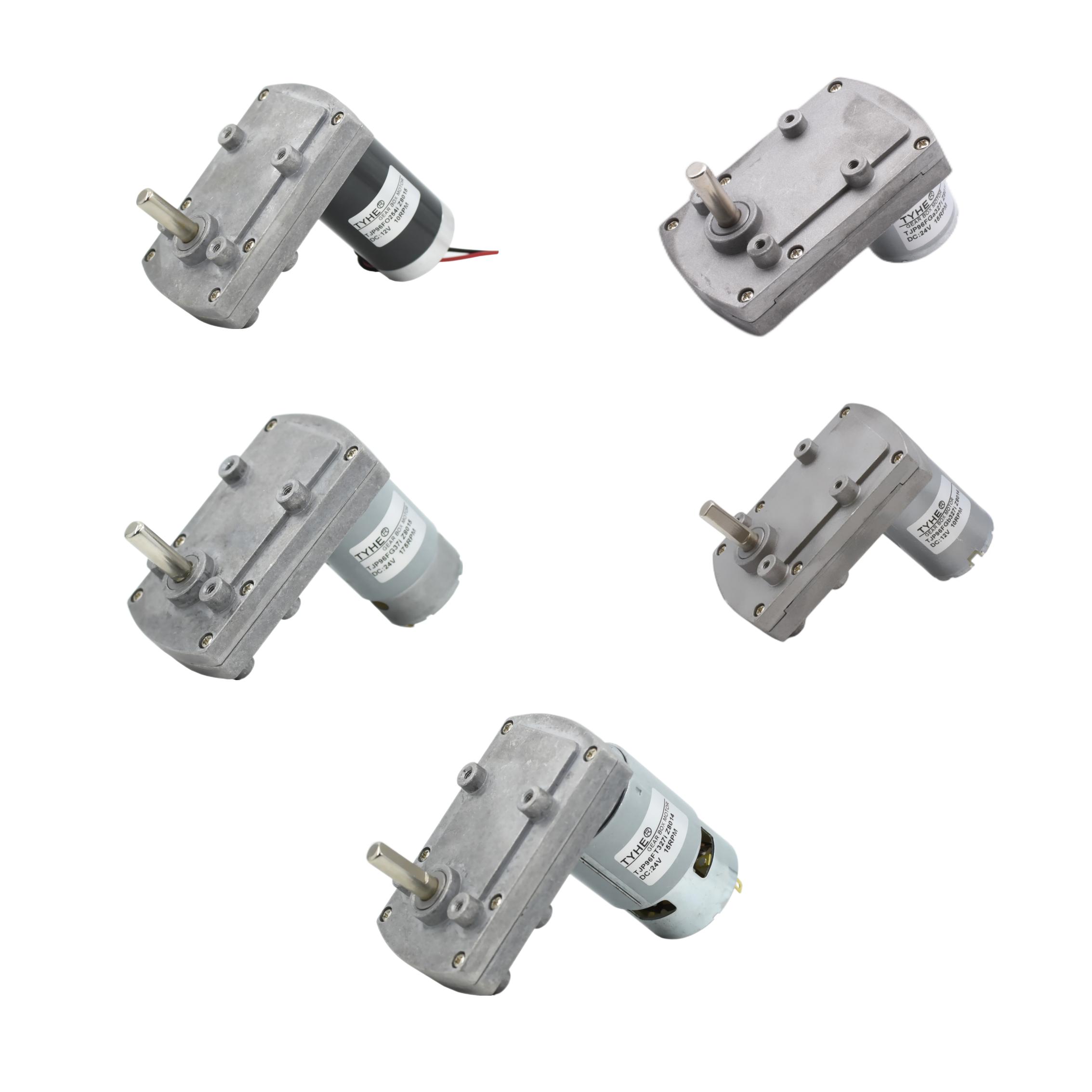
Integrating a micro dc motor into a minimalist product is a packaging exercise as much as a mechanical one. With limited room for controls, wiring, and structural support, the motor must serve the product’s function without dictating its appearance. A micro dc motor can fit a restrained design when teams plan its operating needs, interfaces, and installation early.
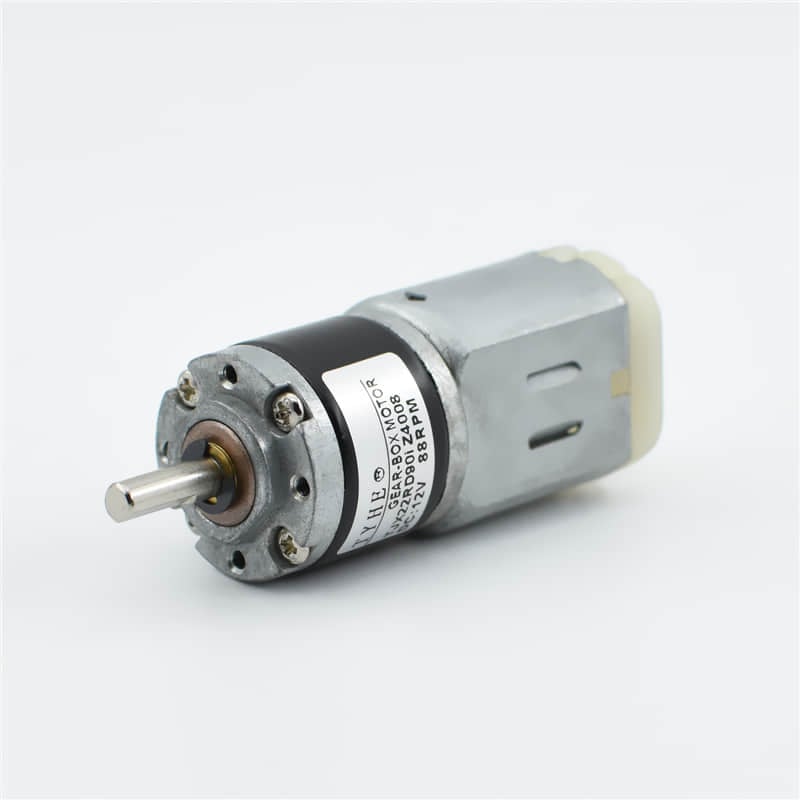
The practical goal is not simply to make the motor smaller. Designers need to preserve useful output, keep movement predictable, and make assembly repeatable while the housing remains clean and compact. Choosing a micro dc motor therefore involves checking the full drive system, including the load, transmission, power source, mounting features, and user interaction.
Define the design envelope before choosing a motor
Translate the product function into motion requirements
Begin with the movement the product must deliver: rotation, oscillation, positioning, or a short linear stroke. Describe speed, direction, duty cycle, and expected load in measurable terms. A micro dc motor selected around these requirements is less likely to force late changes to the enclosure or mechanism.
Separate peak demand from normal operation. A small actuator may encounter higher resistance at startup or when a mechanism reaches an end position. The micro dc motor should be assessed with the real load and intended operating cycle, rather than with an unloaded demonstration alone. This makes the initial envelope more useful for engineering decisions.
Reserve space for the complete drive assembly
The motor body is only one part of the package. Include connectors, leads, a gearbox if required, fasteners, insulation, and clearance for moving components in the available volume. A micro dc motor that fits on a drawing may still be difficult to install when hands, tools, or cable bends need access.
Build tolerance into the layout rather than treating every internal surface as available space. Account for housing variation, component movement, and assembly alignment, then verify clearances in a three-dimensional model or physical mock-up. Place the micro dc motor where its shaft can connect directly to the mechanism without adding avoidable offsets.
Match mechanical and electrical interfaces
Design the mount, shaft, and load path together
A stable mounting arrangement controls vibration and keeps the output aligned with the driven part. Define how the motor is retained, how installation forces are applied, and how the structure reacts to operating torque. The micro dc motor should not depend on a thin cosmetic panel for support unless that panel is designed for the load.
Check shaft dimensions, coupling geometry, and allowable side loading against the mechanism. Misalignment can create friction, noise, or premature wear, even when the micro dc motor itself is correctly specified. If space requires a compact linkage, assess its clearances across the full movement range, not only at its resting position.
Plan power, control, and heat management
Voltage, current, switching, and control behavior influence both the circuit and the enclosure. Confirm that the power source can support startup demand and that the control method suits the required speed or direction changes. A micro dc motor integrated into a small device may need a simple driver, protection, or wiring route that was absent from the first concept.
Although a compact design limits open space, heat still needs a path away from sensitive parts. Review operating duration, enclosure material, nearby electronics, and ventilation constraints under realistic use. Measure temperatures during a representative test instead of assuming that a micro dc motor will remain cool because its housing is small.
Validate integration for assembly and product use
Prototype the actual arrangement
A bench test can confirm basic motion, but it cannot expose every issue created by a finished housing. Prototype the motor, transmission, wiring, and surrounding structure together. This reveals whether the micro dc motor starts reliably under load, whether fasteners remain accessible, and whether the package creates unwanted contact or resonance.
Test more than one operating condition, including startup, repeated cycles, expected pauses, and the product’s likely load variation. Record current, speed, sound, and temperature where relevant. These observations help distinguish a motor-selection problem from friction, alignment, or control issues elsewhere in the assembly.
Preserve repairability without compromising the exterior
Minimalist styling should not make routine assembly unnecessarily delicate. Choose a clear installation sequence, protect wires from sharp edges, and avoid fasteners that require awkward tool angles. A micro dc motor can remain hidden while still being reachable if the internal architecture separates the service path from visible surfaces.
Before release, review tolerances and repeatability with the people responsible for production and service. Confirm that connectors cannot be reversed accidentally, that the motor is retained consistently, and that replacement does not damage adjacent parts. The micro dc motor integration is successful when the design works as intended across assembly, use, and maintenance.
FAQ
When should a micro dc motor be selected?
Select a micro dc motor after defining the required motion, load, duty cycle, and available envelope. Early evaluation helps align the motor and mechanism before the housing design is difficult to change.
Can a micro dc motor fit a very small enclosure?
Often, but fit depends on the complete assembly rather than the motor dimensions alone. Include wiring, mounting, transmission, clearances, and access when checking whether the micro dc motor suits the enclosure.
How can designers reduce integration problems?
Prototype the micro dc motor in the intended mechanism and housing, then test realistic loads and operating cycles. Check alignment, heat, noise, cable routing, and assembly access before finalizing the product layout.
