variable speed dc motor
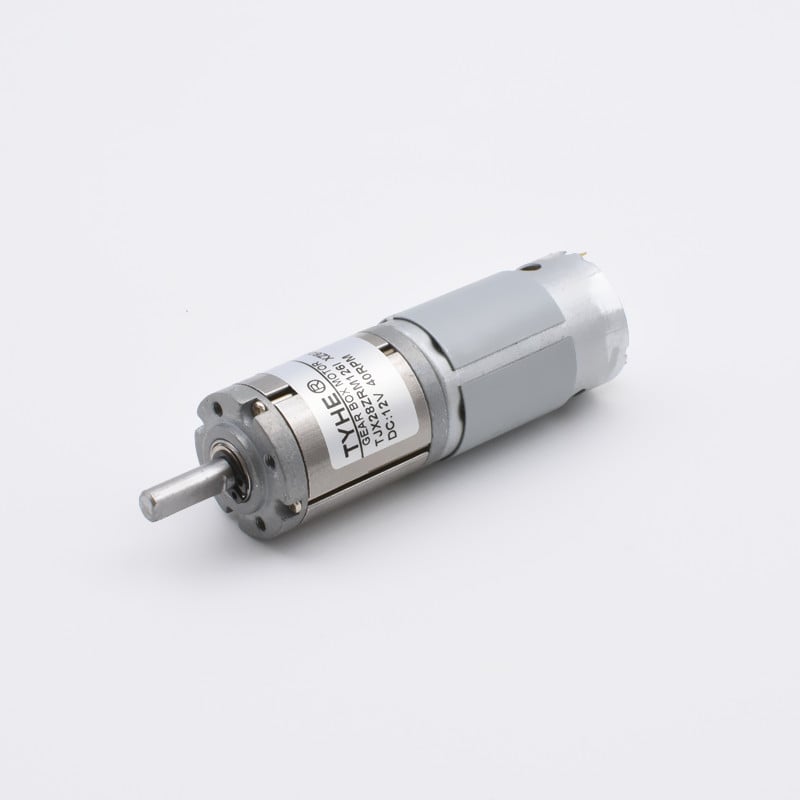
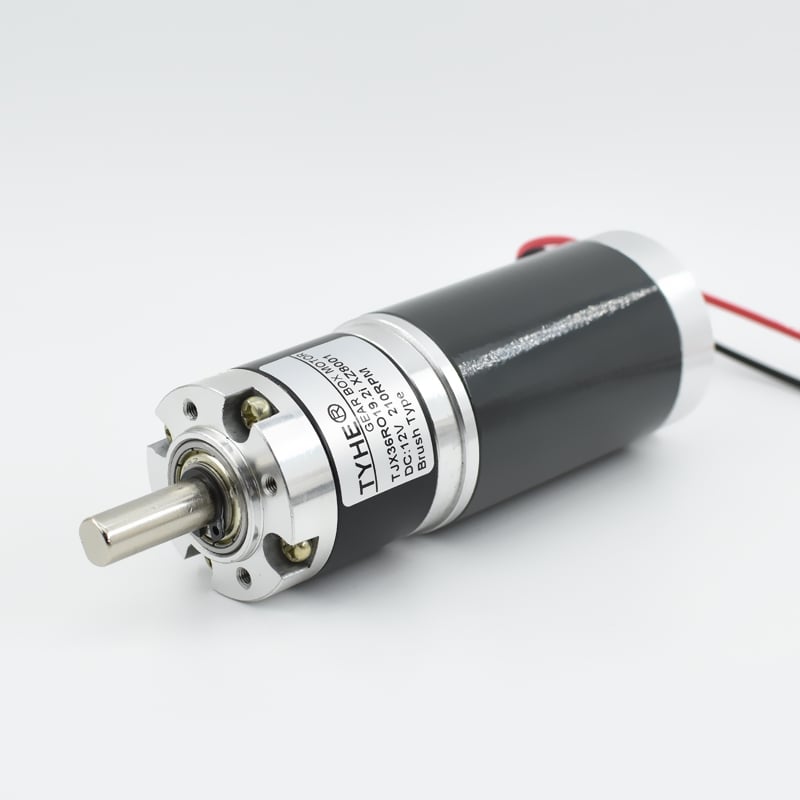
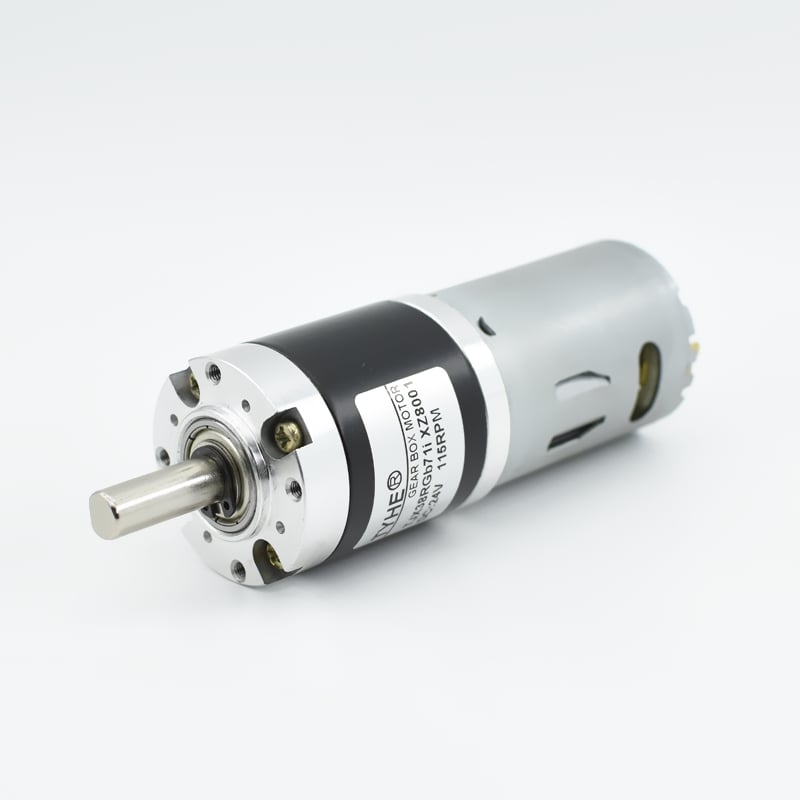
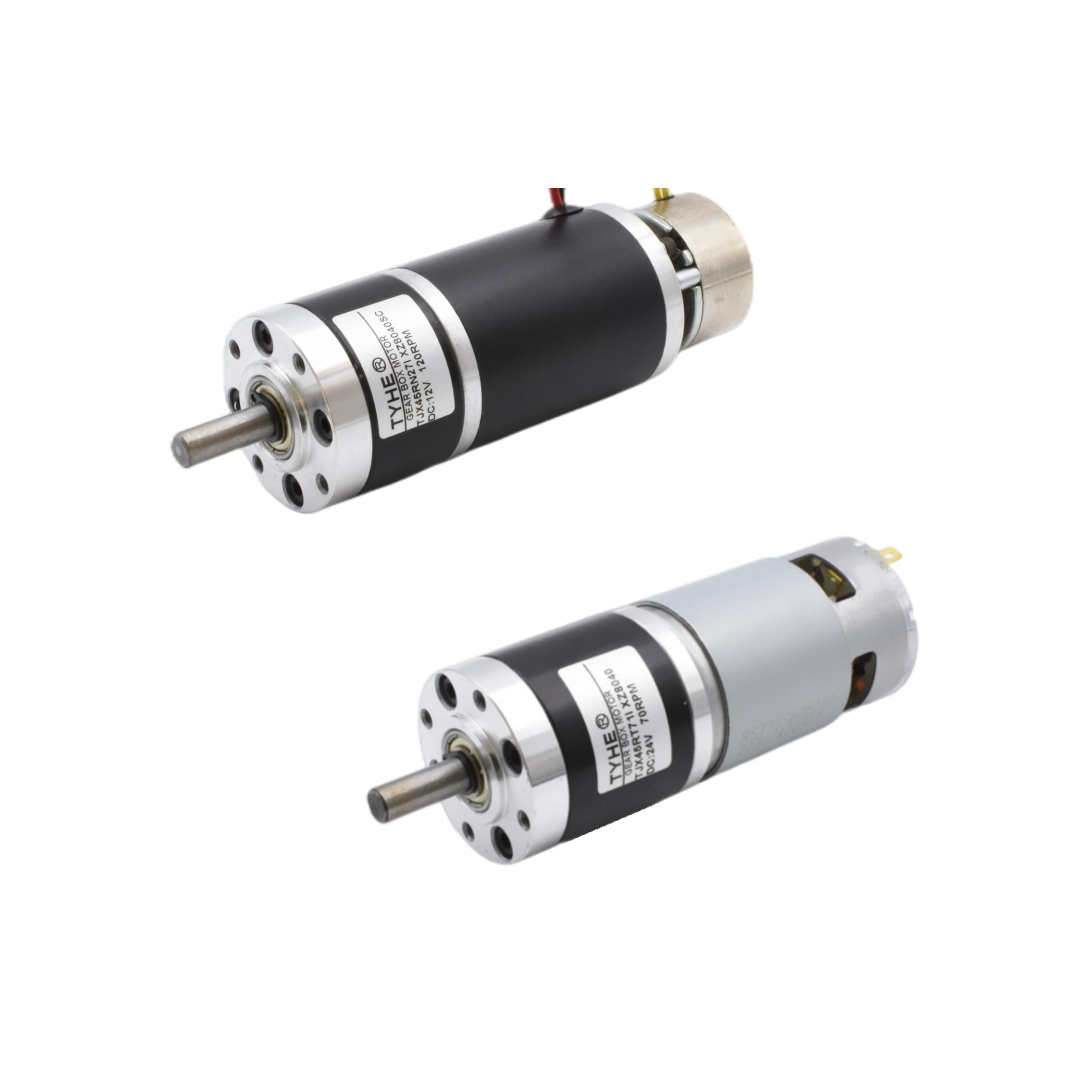
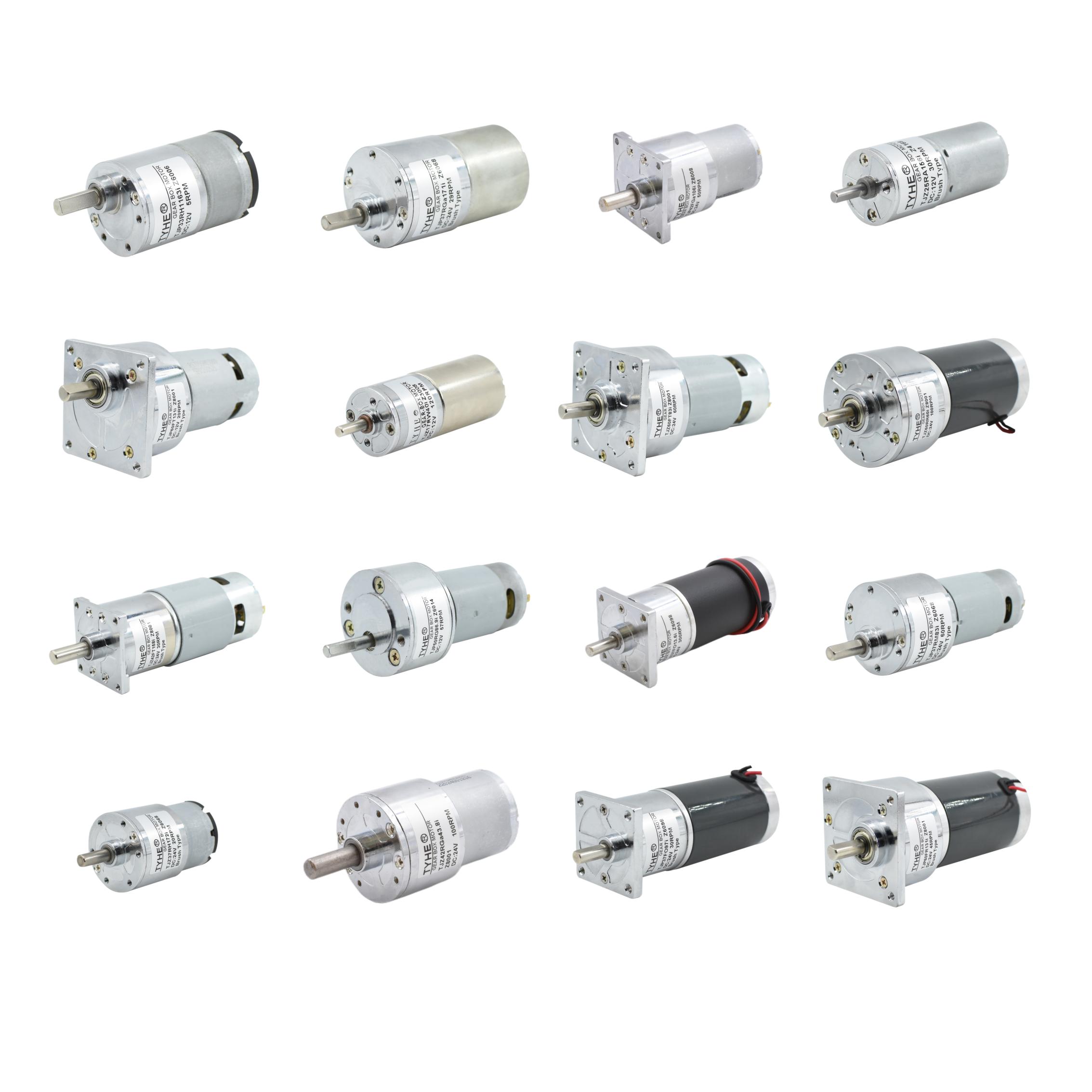
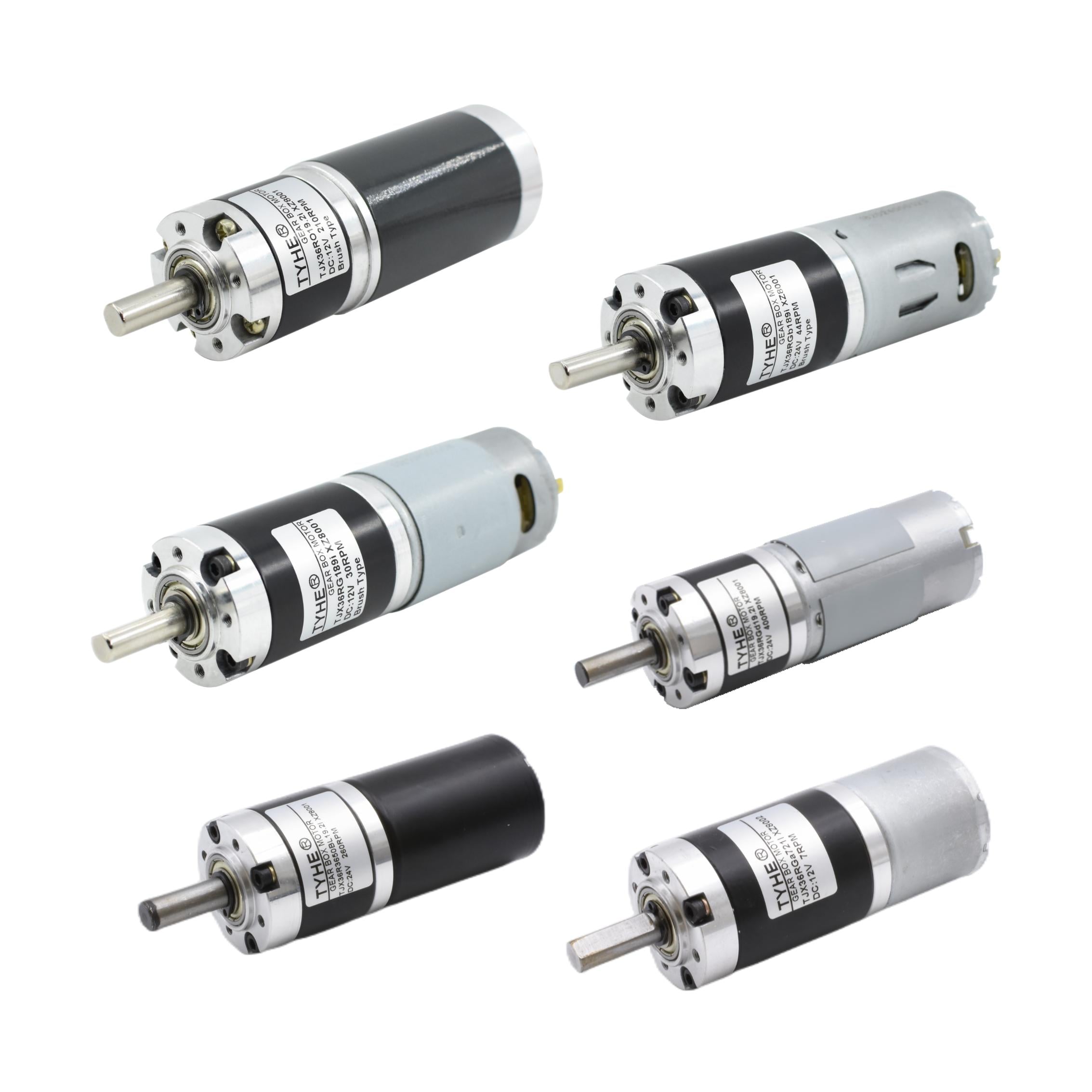
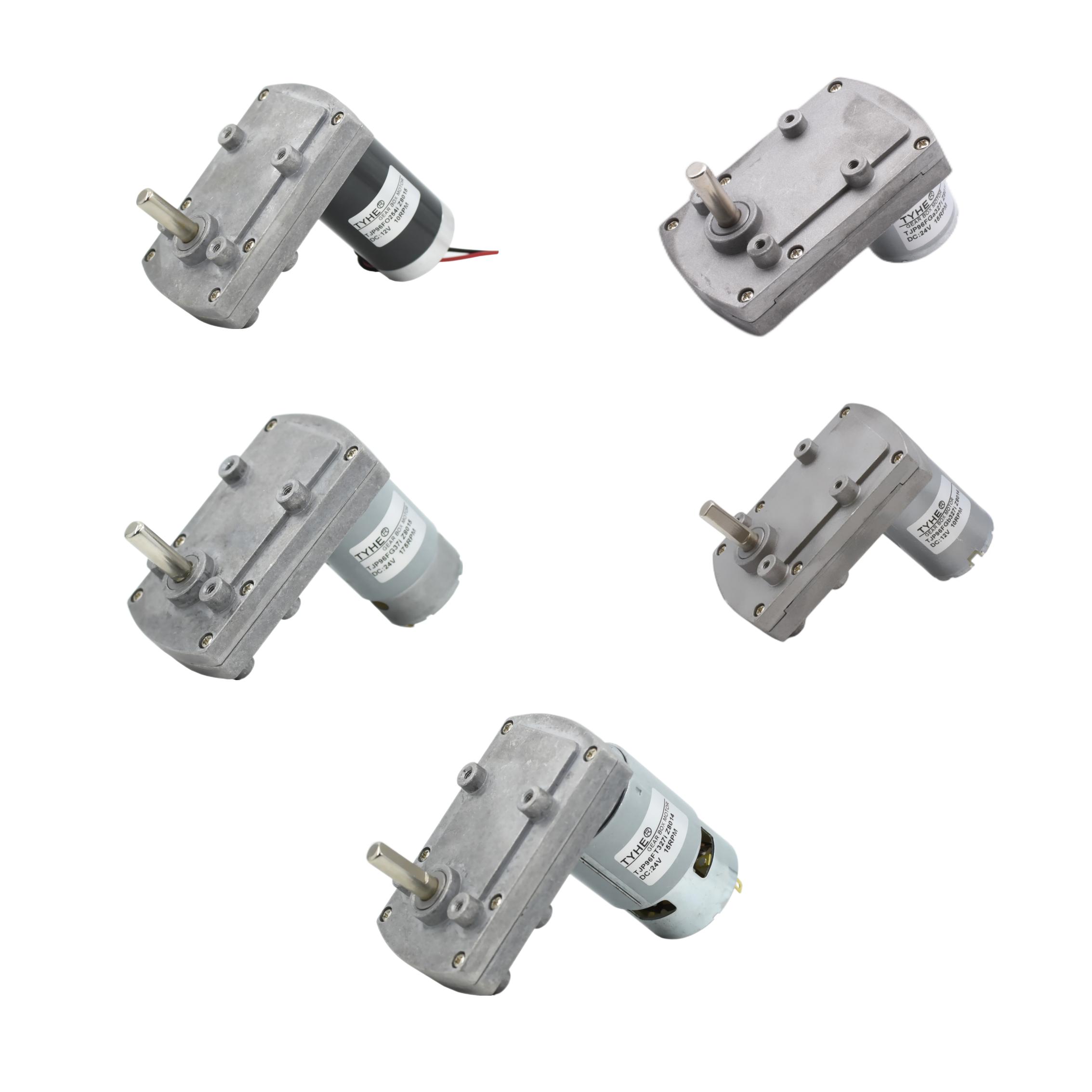
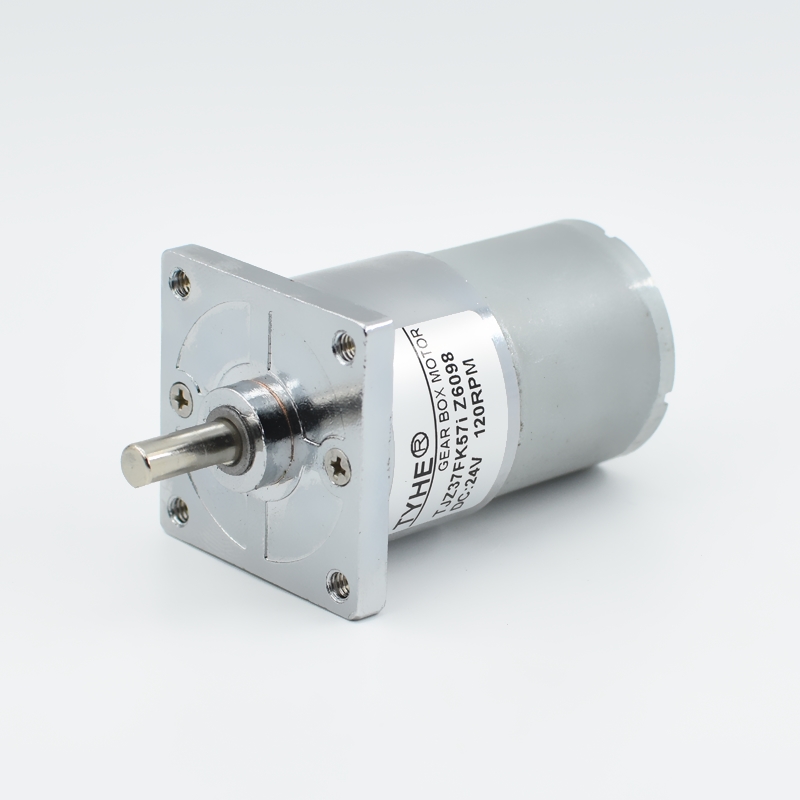
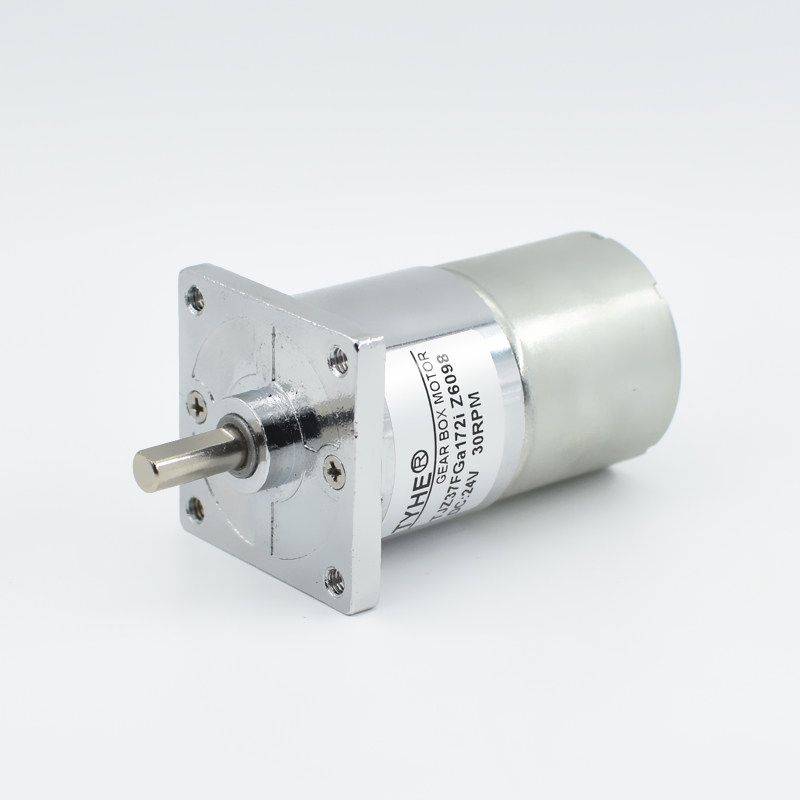
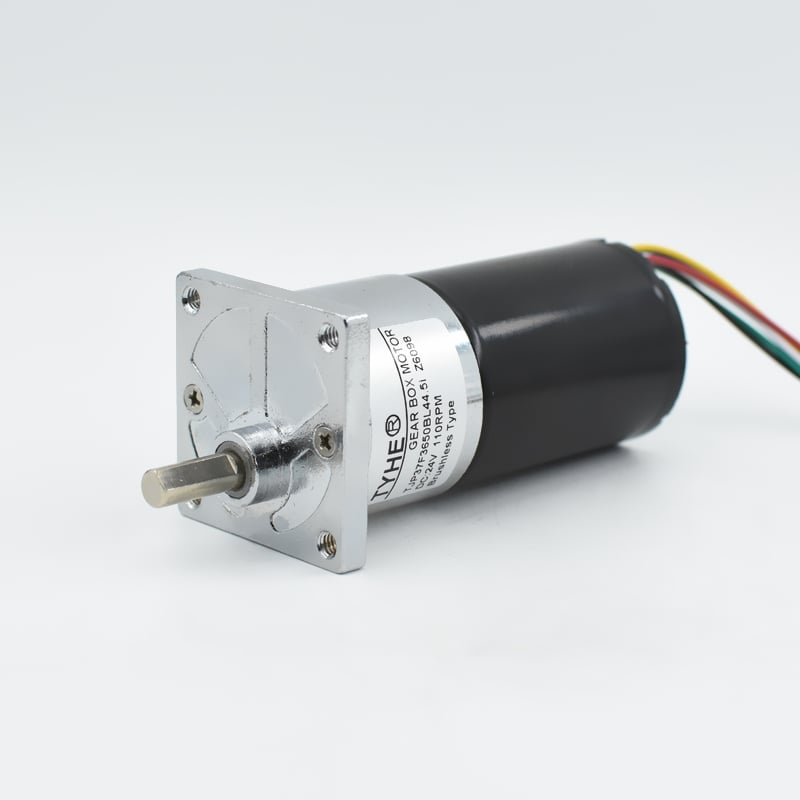
A variable speed dc motor is an electric motor that lets users adjust shaft speed to match the task. Instead of running at one fixed rate, a variable speed dc motor changes its rotation through controlled voltage, current, or an electronic drive. This makes the motor suitable for equipment that needs gentle starting, accurate movement, or different operating speeds. A variable speed dc motor typically includes permanent magnets or field windings, an armature, brushes and a commutator, or an electronic brushless design. Modern controllers regulate power and provide smooth speed adjustment, while feedback sensors can improve accuracy and maintain a steady output under changing loads. A variable speed dc motor can also provide useful torque at low speed, which supports controlled movement and safer operation. Depending on the design, a variable speed dc motor may include overload protection, thermal monitoring, braking, reverse rotation, and programmable speed settings. Compact models fit portable tools, conveyors, medical equipment, and small machines. Larger units support pumps, fans, production lines, elevators, and material handling systems. A variable speed dc motor is often selected when precise control matters more than simple on-off operation. It can reduce mechanical shock during startup and help equipment run at the speed required for each production step. For buyers, the right variable speed dc motor depends on voltage, rated power, torque, duty cycle, speed range, mounting style, control method, and environmental conditions. Choosing a variable speed dc motor with matching specifications helps deliver dependable performance, simpler control, and longer service life.

 EN