Car Stepper Motor: Precision Automotive Control Solutions for Enhanced Vehicle Performance

All Categories

car stepper motor

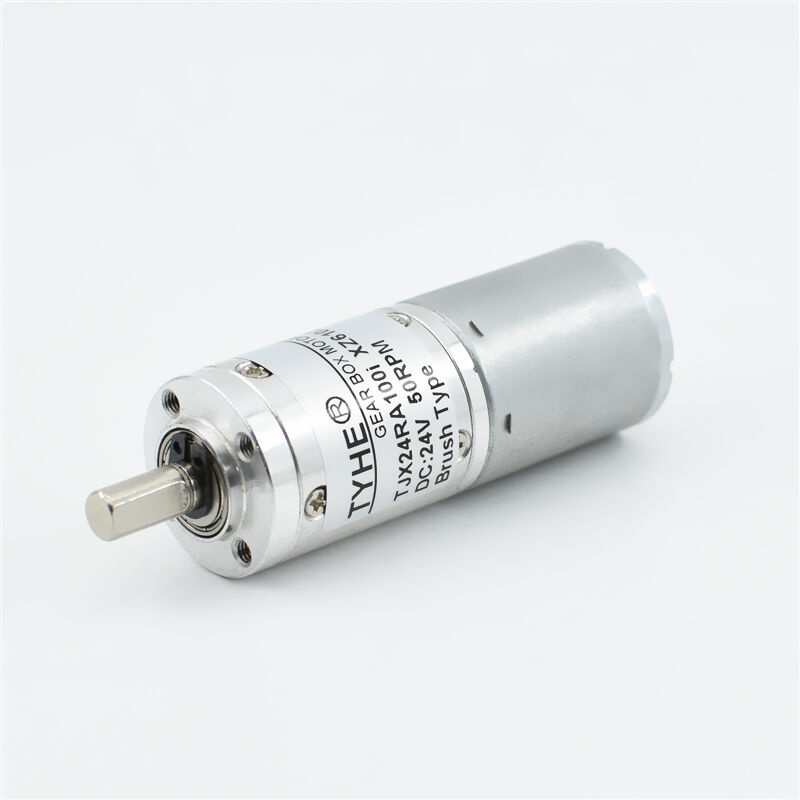
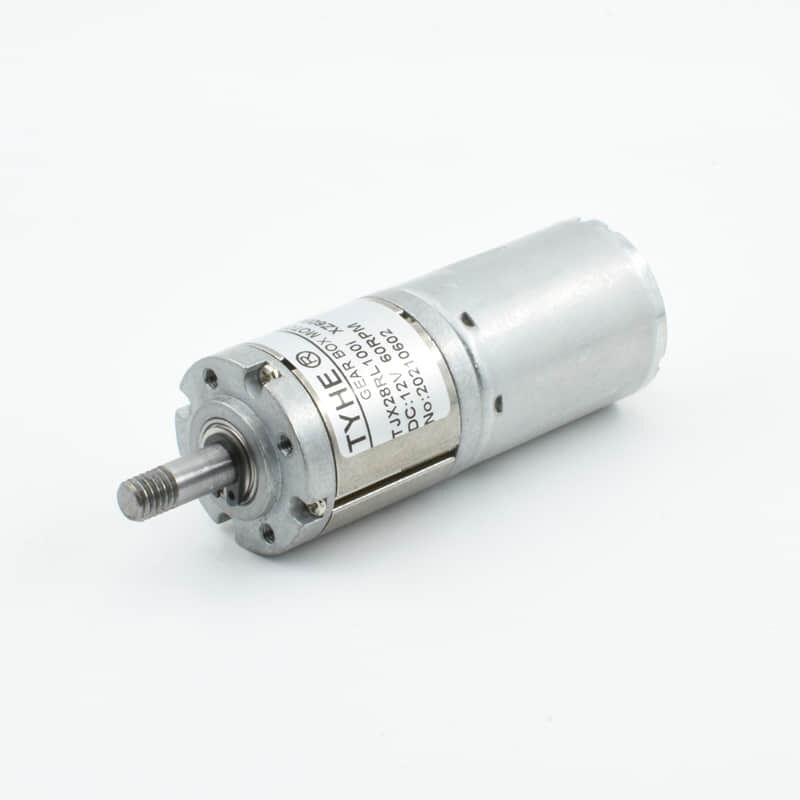
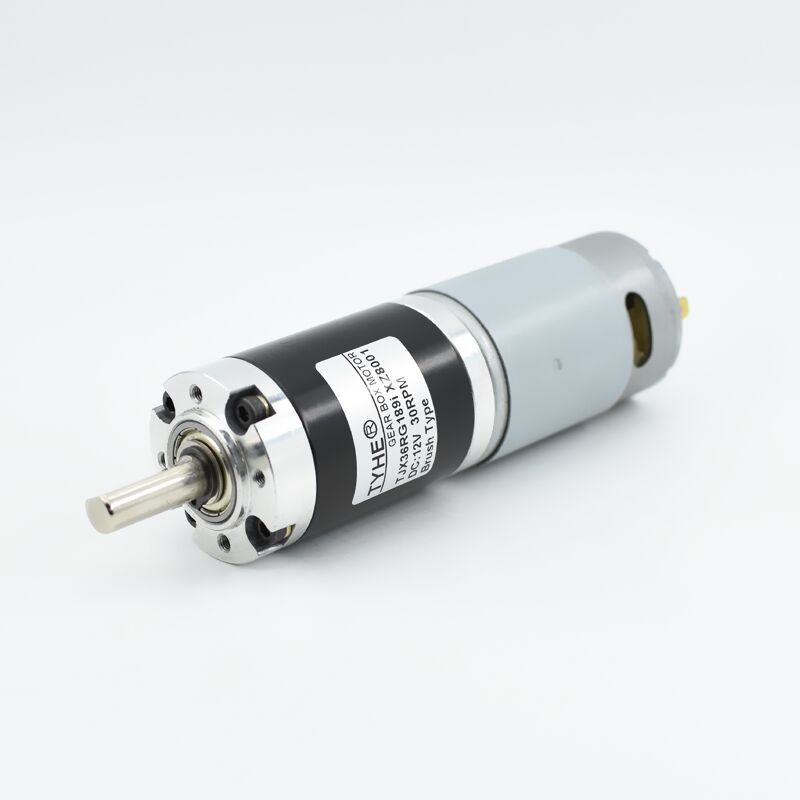
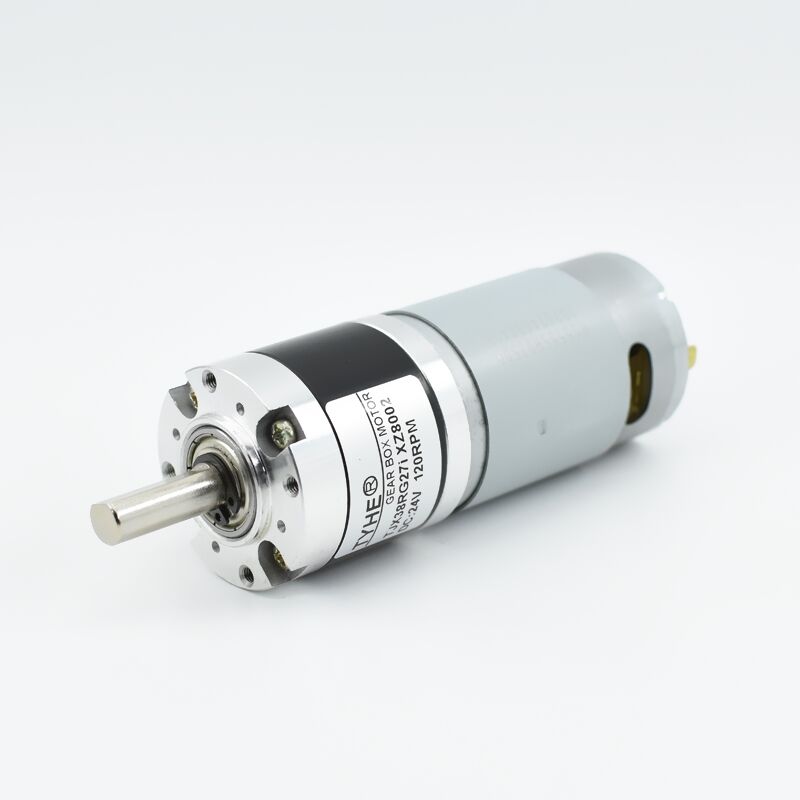
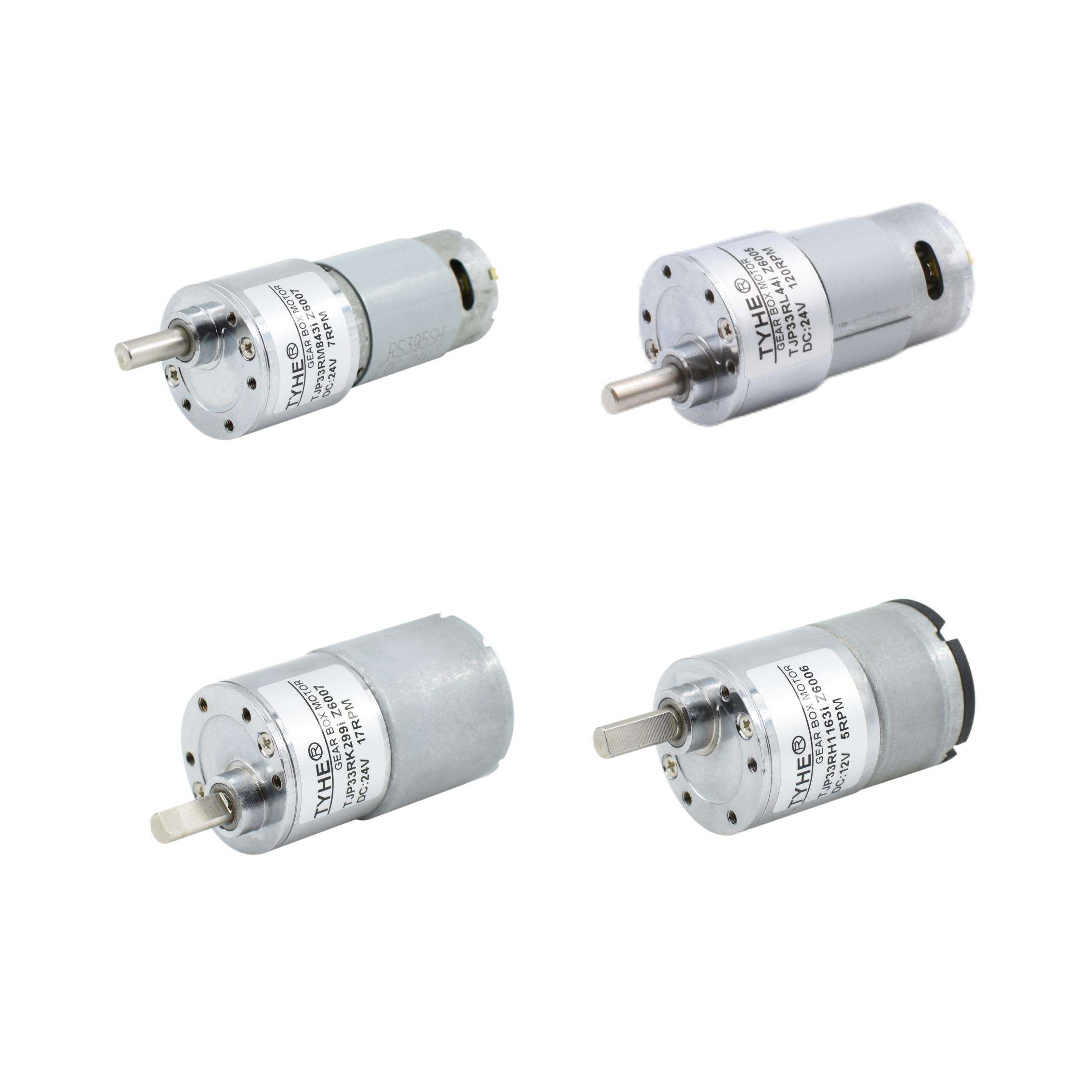
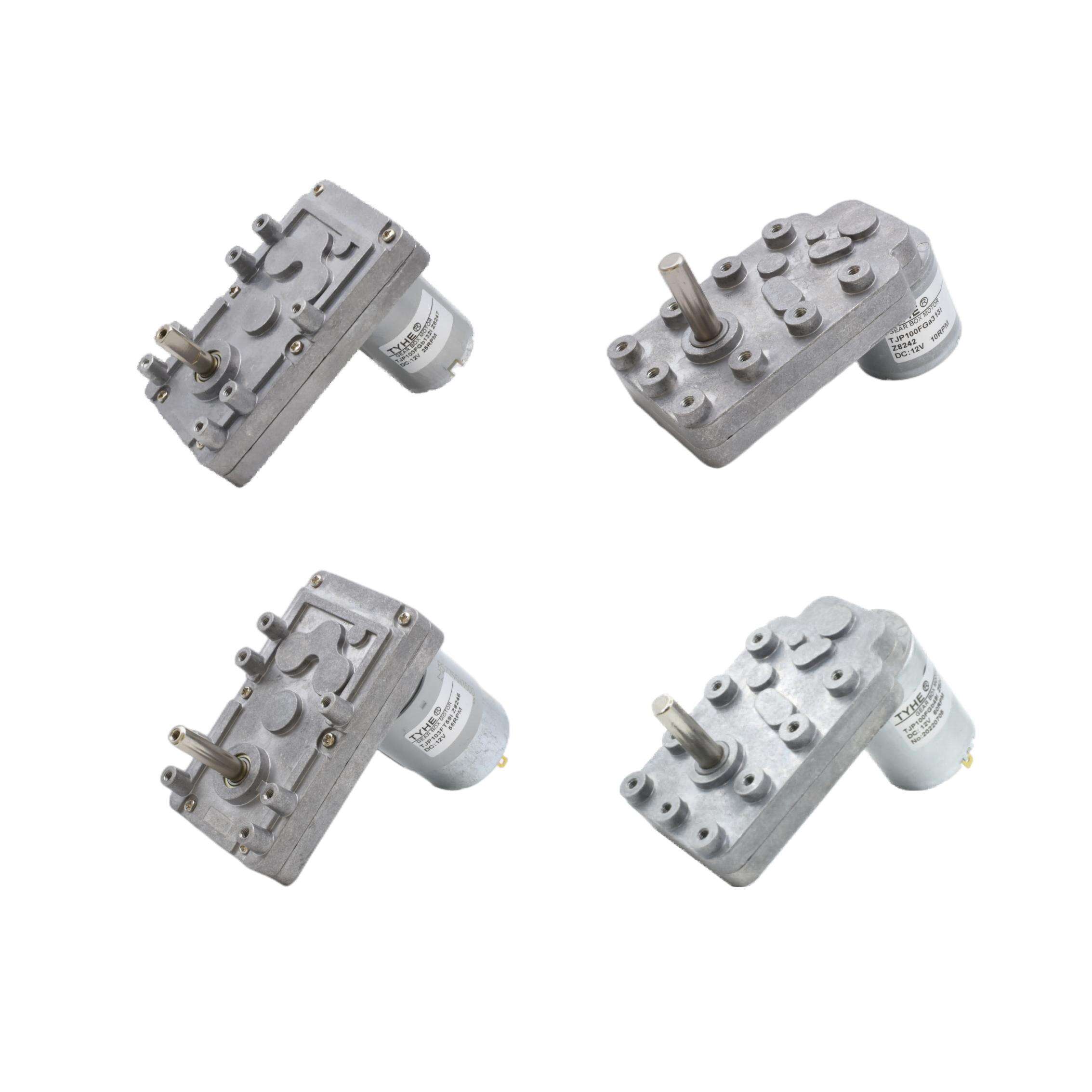
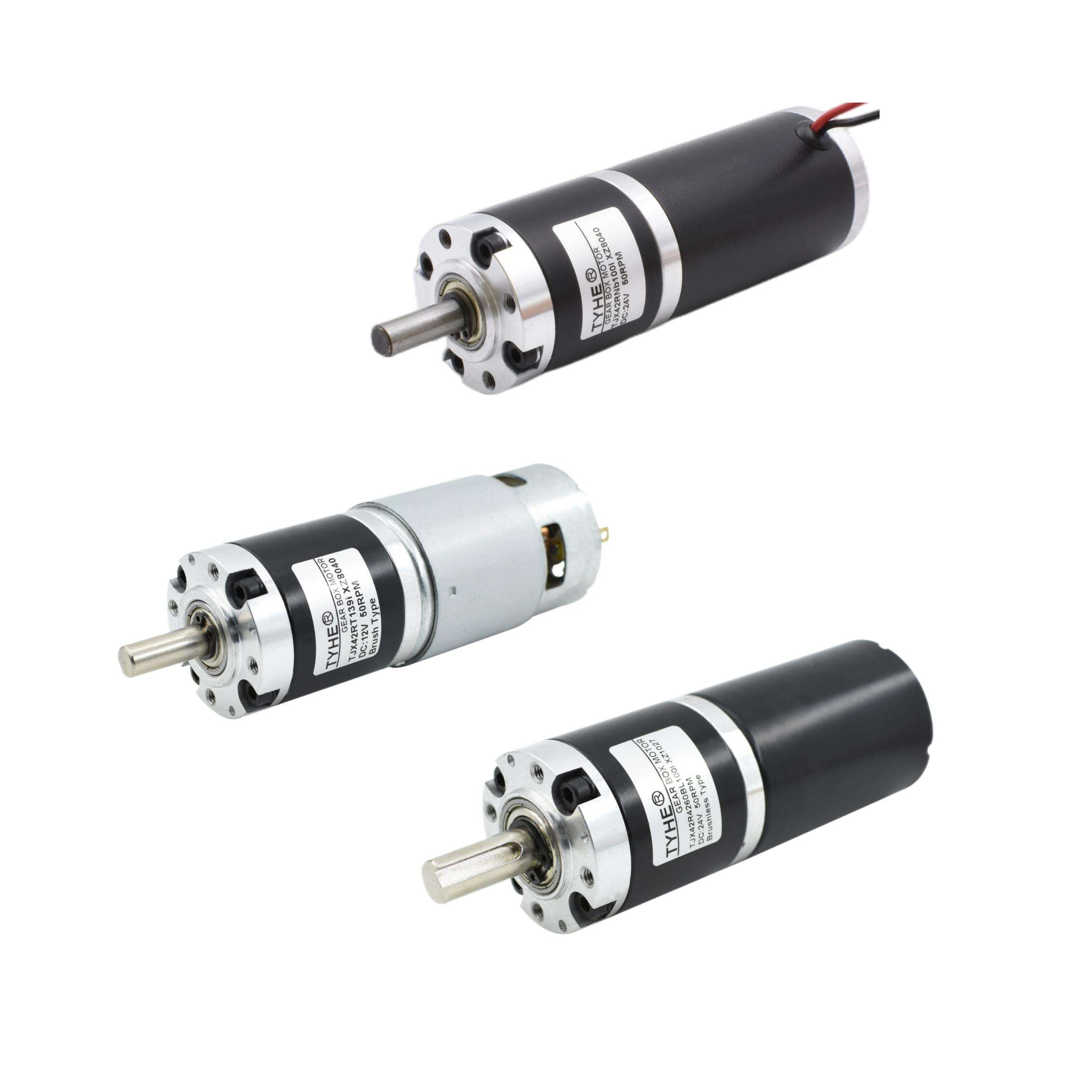
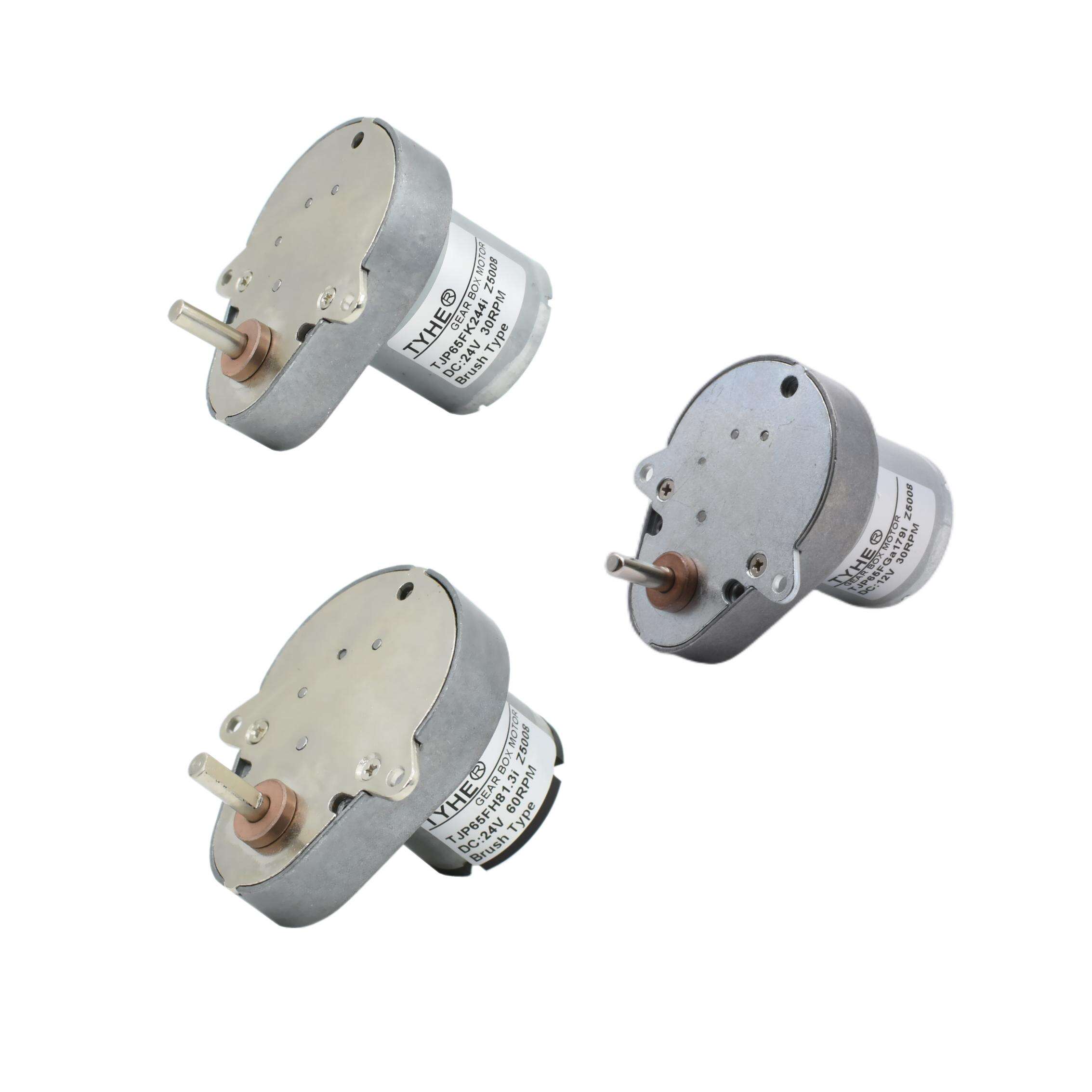
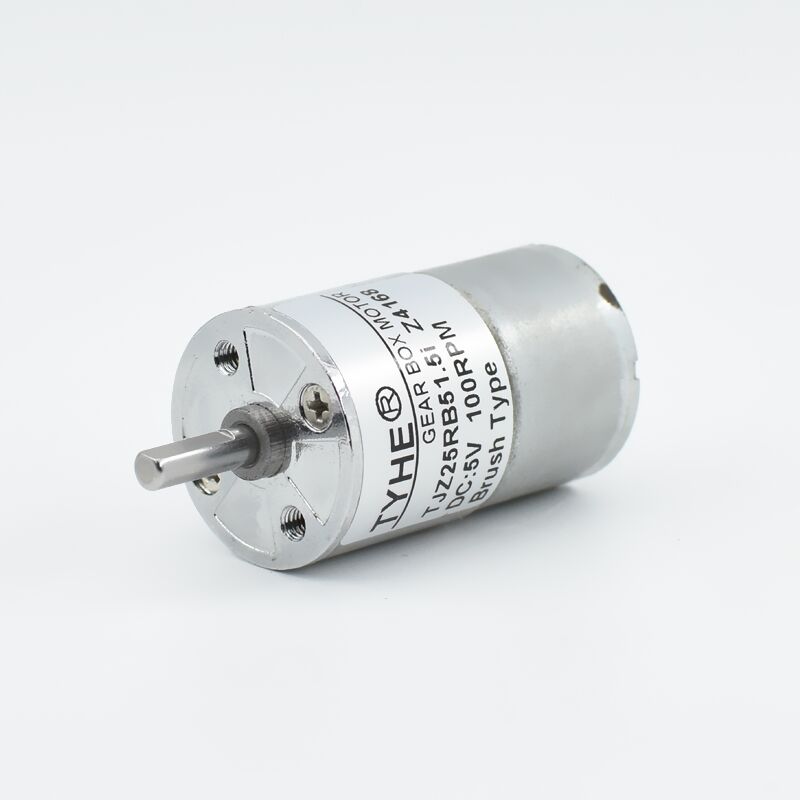
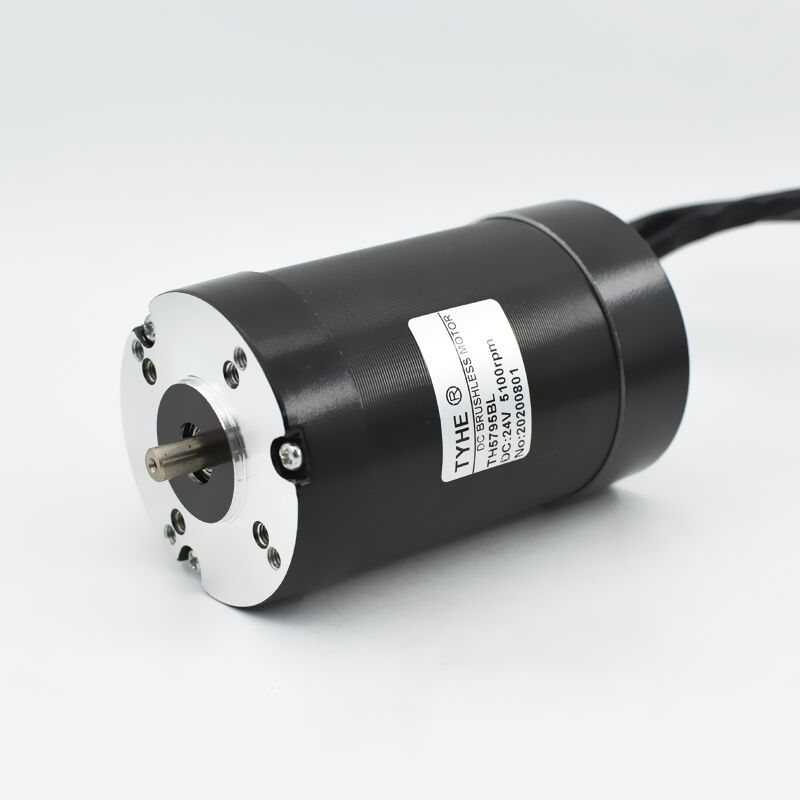
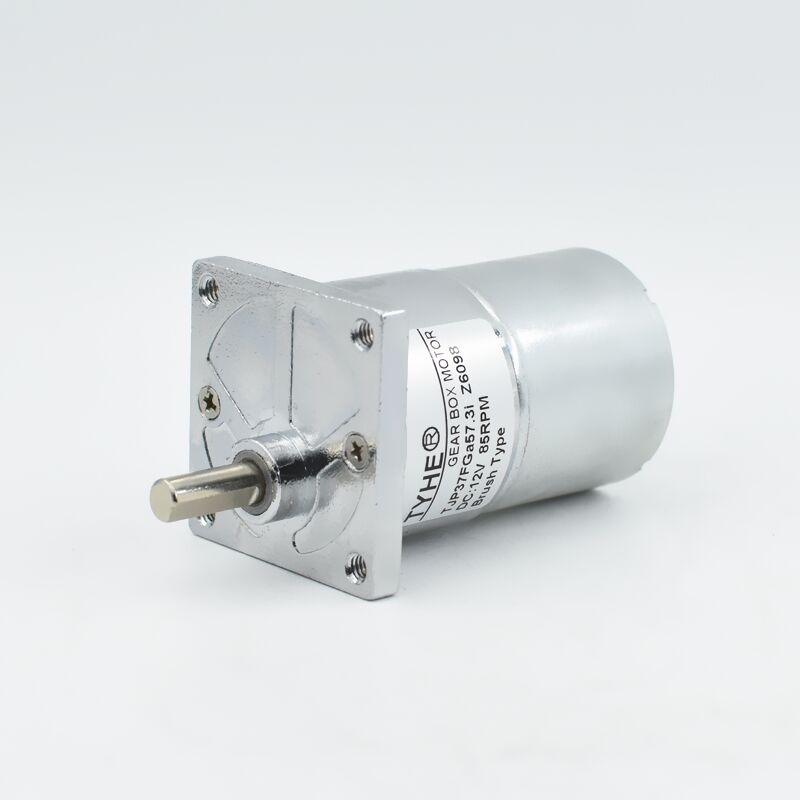
A car stepper motor represents a specialized type of electric motor that operates through precise digital pulses, making it an essential component in modern automotive systems. Unlike traditional DC motors that rotate continuously, the car stepper motor moves in discrete steps, typically ranging from 1.8 to 15 degrees per step, providing exceptional positioning accuracy and control. This automotive-grade stepper motor features robust construction designed to withstand the harsh operating conditions found in vehicles, including temperature fluctuations, vibrations, and electromagnetic interference. The car stepper motor utilizes electromagnetic fields to create rotational movement through a series of electromagnets arranged around a central rotor. When electrical pulses are sent to these electromagnets in a specific sequence, the rotor moves in predetermined increments, allowing for precise positioning without requiring feedback sensors. Modern car stepper motor designs incorporate advanced materials such as rare earth magnets and high-temperature resistant windings to ensure reliable operation across automotive temperature ranges. The motor's ability to maintain holding torque when stationary makes it particularly valuable for applications requiring position retention without continuous power consumption. Car stepper motor technology has evolved significantly, with contemporary units featuring improved step resolution, enhanced torque characteristics, and reduced acoustic noise levels. These motors typically operate on 12V or 24V automotive electrical systems and can be controlled through various interfaces including CAN bus, LIN bus, or direct PWM signals. The compact form factor of the car stepper motor allows for integration into space-constrained automotive environments while maintaining high performance standards. Advanced car stepper motor variants include microstepping capabilities, which enable smoother operation and finer position resolution by dividing each full step into smaller increments. This technology proves particularly beneficial in applications requiring smooth, quiet operation such as dashboard instruments and climate control systems.

Popular Products

The car stepper motor delivers numerous practical benefits that make it superior to conventional automotive motors in many applications. First, the car stepper motor provides exceptional positioning accuracy without requiring expensive feedback systems like encoders or resolvers. This inherent precision eliminates the need for additional sensors, reducing system complexity and overall costs while improving reliability. The digital nature of car stepper motor control allows for seamless integration with modern automotive electronic control units, enabling sophisticated motion profiles and precise coordination with other vehicle systems. Energy efficiency represents another significant advantage of the car stepper motor, as it only consumes power during movement and can maintain positions without continuous energy input. This characteristic proves particularly valuable in battery-powered or hybrid vehicles where energy conservation directly impacts vehicle range and performance. The car stepper motor excels in applications requiring frequent starts, stops, and direction changes, as it can instantly respond to control signals without the acceleration delays associated with traditional motors. Maintenance requirements for car stepper motor systems are minimal due to their brushless design, which eliminates wear components and reduces the need for regular service intervals. The absence of brushes also means car stepper motor units generate less electromagnetic interference, making them compatible with sensitive automotive electronic systems. Temperature stability is another crucial advantage, as car stepper motor designs can operate reliably across the wide temperature range encountered in automotive environments, from sub-zero winter conditions to extreme engine bay temperatures. The quiet operation of car stepper motor systems enhances passenger comfort by minimizing noise in cabin applications such as HVAC controls and seat adjustments. Speed control flexibility allows the car stepper motor to operate at variable speeds without compromising torque output, making it suitable for applications ranging from slow precision movements to moderate-speed actuations. Cost-effectiveness emerges from the car stepper motor's simplified control requirements and elimination of feedback components, resulting in lower total system costs compared to servo motor alternatives. Reliability in harsh automotive environments makes the car stepper motor an ideal choice for critical applications where failure could impact vehicle safety or performance.

Practical Tips

2026 Guide: How to Choose the Best Micro DC Motor

14

Jan

2026 Guide: How to Choose the Best Micro DC Motor

Selecting the right micro dc motor for your application is crucial for achieving optimal performance and reliability in today's competitive landscape. These compact powerhouses have become essential components in countless industries, from automotive...
View More
Understanding Micro DC Motor Specifications

14

Jan

Understanding Micro DC Motor Specifications

The evolution of modern technology has created an unprecedented demand for compact, efficient power solutions across diverse applications. In today's miniaturized world, engineers and designers constantly seek reliable components that deliver maximum...
View More
DC Gear Motor vs Stepper Motor: Which to Choose?

04

Feb

DC Gear Motor vs Stepper Motor: Which to Choose?

When selecting a motor for industrial applications, engineers often face the critical decision between a dc gear motor and a stepper motor. Both motor types offer distinct advantages and serve different purposes in automation systems, robotics, and p...
View More
Top 10 Applications of 12V DC Motors in Industry

04

Mar

Top 10 Applications of 12V DC Motors in Industry

Industrial automation and manufacturing processes rely heavily on reliable motor solutions that deliver consistent performance across diverse applications. The 12v dc motor has emerged as a cornerstone technology in modern industrial operations, prov...
View More

Get a Free Quote

Our representative will contact you soon.
Email
Name
Company Name
Message
0/1000

car stepper motor

Precise Position Control Without Feedback Systems

Precise Position Control Without Feedback Systems

The car stepper motor's most distinctive advantage lies in its ability to achieve precise positioning without requiring external feedback devices, making it a cost-effective solution for automotive applications demanding accuracy. Traditional motor systems typically require encoders, potentiometers, or other position sensing devices to maintain accurate positioning, adding complexity, cost, and potential failure points to the system. However, the car stepper motor operates on an open-loop control principle, where the motor's position is directly correlated to the number of control pulses received. This inherent position control capability stems from the motor's fundamental design, where each electrical pulse corresponds to a specific angular movement, typically 1.8 degrees per step in standard configurations. Advanced car stepper motor designs can achieve even finer resolution through microstepping technology, dividing each full step into multiple smaller increments for smoother operation and enhanced precision. The elimination of feedback sensors significantly reduces system complexity and improves reliability, as there are fewer components that can fail or require calibration. This characteristic makes the car stepper motor particularly valuable in automotive applications such as throttle position control, where precise valve positioning directly impacts engine performance and emissions. The predictable nature of car stepper motor positioning allows engineers to develop sophisticated control algorithms that can compensate for various operating conditions without requiring real-time position feedback. In dashboard instrument applications, the car stepper motor provides accurate needle positioning for gauges and displays, ensuring precise indication of vehicle parameters such as speed, fuel level, and engine temperature. Climate control systems benefit from the car stepper motor's positioning accuracy for air distribution dampers and temperature control valves, enabling precise cabin comfort management. The repeatability of car stepper motor positioning ensures consistent performance over the motor's operational lifetime, maintaining accuracy even after millions of operational cycles. This reliability factor is crucial in automotive applications where positioning drift could affect vehicle performance or safety systems.
Superior Environmental Durability for Automotive Conditions

Superior Environmental Durability for Automotive Conditions

The car stepper motor demonstrates exceptional resilience in the challenging automotive environment, where components must withstand extreme temperatures, vibrations, moisture, and electromagnetic interference while maintaining consistent performance throughout the vehicle's operational lifetime. Automotive environments present unique challenges that differentiate them from typical industrial applications, requiring specialized motor designs that can operate reliably under these harsh conditions. The car stepper motor addresses these challenges through robust construction featuring high-temperature resistant materials, sealed enclosures, and advanced electromagnetic shielding. Temperature resistance is a critical factor, as car stepper motor units may be installed in engine compartments where temperatures can exceed 125°C, or in exterior locations subject to sub-zero winter conditions. Advanced car stepper motor designs incorporate high-temperature permanent magnets, such as samarium cobalt or neodymium iron boron with enhanced temperature stability, ensuring consistent magnetic properties across the automotive temperature range. The windings utilize specialized insulation materials rated for automotive temperature extremes, preventing degradation and maintaining electrical integrity over time. Vibration resistance is another crucial aspect, as car stepper motor systems must function properly despite constant engine vibrations, road shock, and acoustic resonances. The motor housing and internal components are designed to withstand automotive vibration standards, typically exceeding 10G acceleration levels across various frequency ranges. Moisture protection is achieved through sealed construction and conformal coatings that prevent corrosion and electrical failure in humid conditions. The car stepper motor's brushless design inherently provides better durability compared to brushed motors, as there are no wearing contact surfaces that could degrade over time. Electromagnetic compatibility ensures that car stepper motor operation does not interfere with sensitive automotive electronics such as engine management systems, infotainment units, or safety systems. The motor's control electronics incorporate filtering and shielding to minimize electromagnetic emissions while maintaining immunity to external interference sources. Quality standards for automotive car stepper motor applications exceed typical industrial requirements, with extensive testing protocols covering temperature cycling, vibration endurance, and accelerated aging to ensure reliable operation throughout the vehicle's expected service life.
Energy Efficient Operation with Smart Power Management

Energy Efficient Operation with Smart Power Management

The car stepper motor offers exceptional energy efficiency through intelligent power management characteristics that align perfectly with modern automotive requirements for reduced fuel consumption and extended battery life in electric and hybrid vehicles. Unlike conventional DC motors that consume continuous power to maintain speed and position, the car stepper motor operates on a demand-based power consumption model that significantly reduces energy waste. When holding a position, the car stepper motor can maintain its location with minimal or zero power consumption, depending on the load requirements and control strategy implemented. This holding capability without continuous power input makes the car stepper motor ideal for applications such as throttle positioning, where the motor must maintain a specific position for extended periods without draining the vehicle's electrical system. Advanced car stepper motor controllers incorporate intelligent power management algorithms that automatically adjust current levels based on load conditions and operational requirements. During low-load conditions, the controller reduces drive current while maintaining adequate holding torque, optimizing energy consumption without compromising performance. Microstepping control technology further enhances energy efficiency by providing smoother motion profiles that reduce mechanical stress and electromagnetic losses compared to full-step operation. The car stepper motor's digital control interface enables sophisticated energy management strategies, including sleep modes, current ramping, and load-adaptive control that respond dynamically to changing operational demands. In hybrid and electric vehicles, where every watt of energy consumption directly impacts driving range, the car stepper motor's efficiency advantages become particularly valuable. The motor's ability to provide precise control with minimal energy consumption makes it suitable for battery-powered auxiliary systems that must operate independently of the main propulsion system. Regenerative capabilities in some car stepper motor applications allow the motor to act as a generator during certain operational phases, recovering energy that would otherwise be lost as heat in resistive braking systems. The elimination of brush friction losses, which are inherent in traditional DC motors, further improves the car stepper motor's overall energy efficiency rating. Smart thermal management features in advanced car stepper motor designs monitor operating temperature and adjust control parameters to maintain optimal efficiency while preventing overheating. Integration with vehicle energy management systems allows the car stepper motor to participate in system-wide power optimization strategies, contributing to overall vehicle efficiency improvements and reduced environmental impact.
Car Stepper Motor: Precision Automotive Control Solutions for Enhanced Vehicle Performance

Get a Free Quote

Our representative will contact you soon.
Email
Name
Company Name
Message
0/1000
Car Stepper Motor: Precision Automotive Control Solutions for Enhanced Vehicle Performance