
 EN
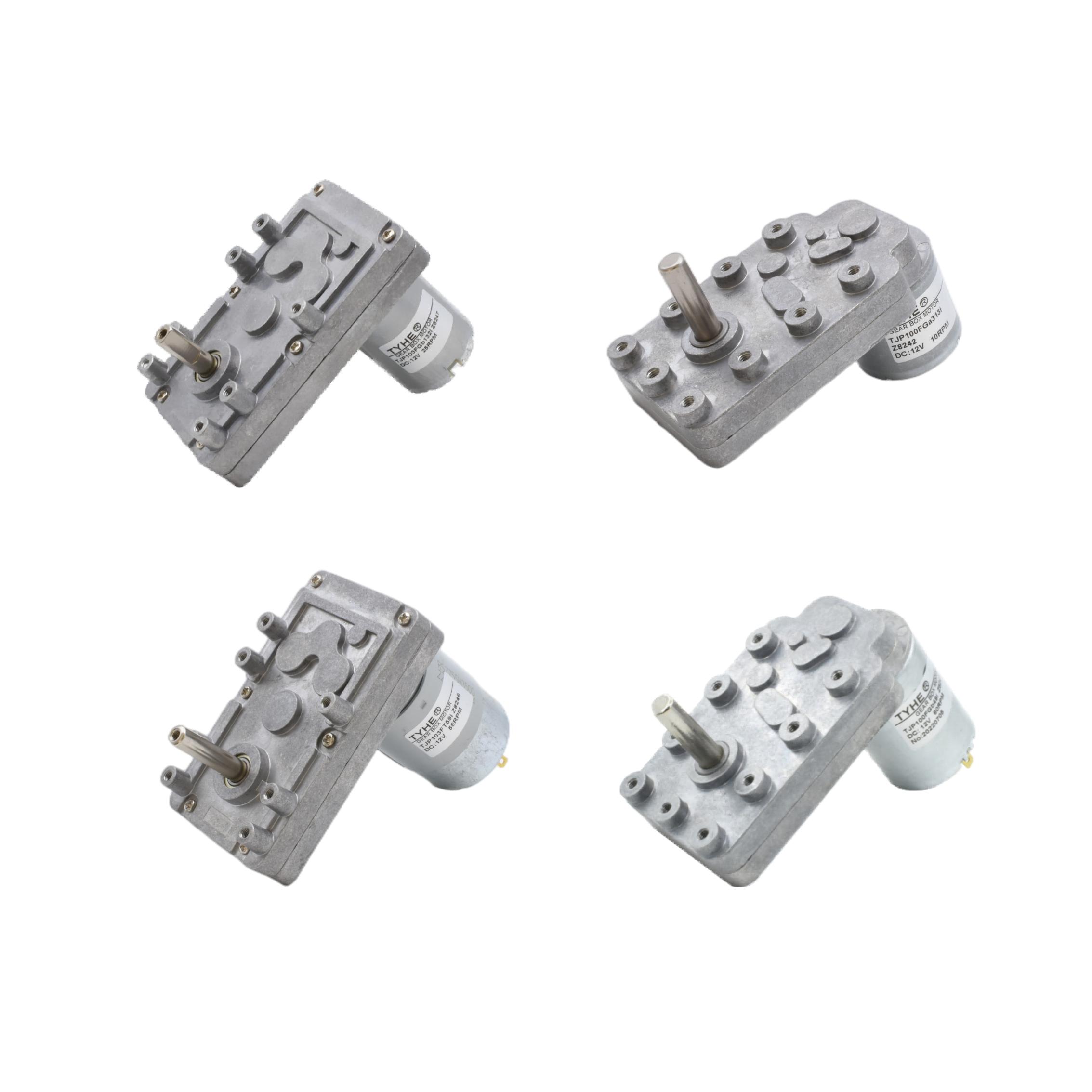
Micro dc motor manufacturing is a precision discipline in which small dimensional changes can affect fit, noise, current draw, and service life. Producing a dependable motor at tiny scale requires coordinated control of materials, tooling, assembly, and inspection. The central challenge is not simply reducing component size; it is maintaining consistent relationships between parts. A micro dc motor must perform within its intended operating conditions while remaining practical to build and verify.
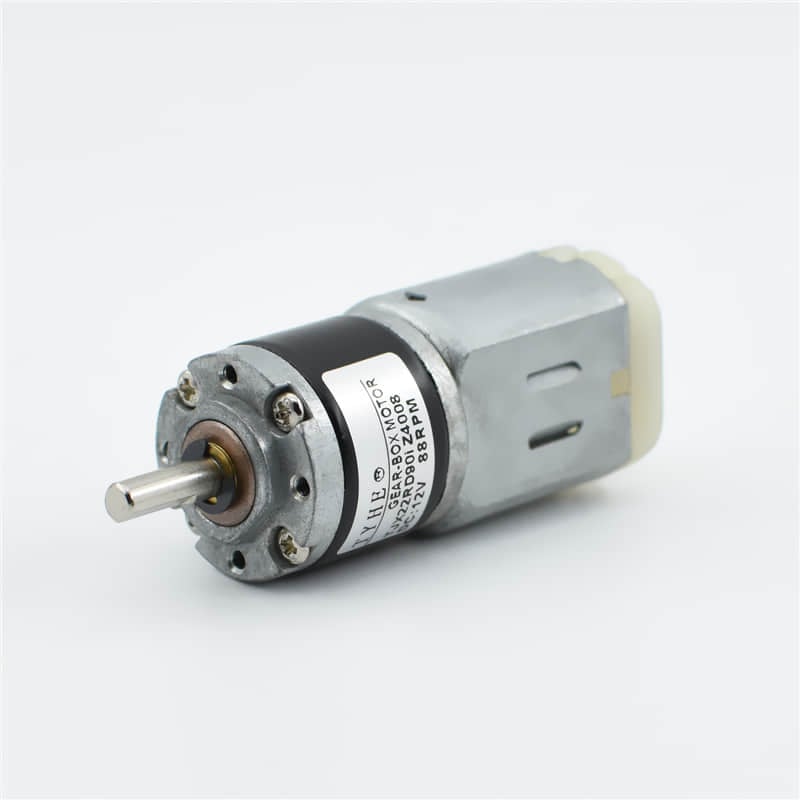
That makes manufacturing decisions interdependent. A micro dc motor design sets requirements for winding, magnets, shaft support, and connection points; the production process must then hold those requirements across repeated builds. For product engineers and purchasing teams, understanding this chain helps clarify why a micro dc motor needs purpose-built process controls. It also makes supplier discussions more useful, because questions can focus on measurable features and verification rather than size alone.
Designing components for repeatable production
Translate application needs into tolerances
The process begins with the application, not the assembly line. A micro dc motor intended for a compact instrument may face different speed, load, noise, and duty-cycle demands than one used in a small actuator. Engineers translate those conditions into limits for shaft dimensions, output behavior, mounting geometry, and electrical characteristics. For a micro dc motor, these requirements should be defined together, since a change to one feature can affect how the complete unit operates.
Tolerance selection must balance function with manufacturability. Extremely narrow limits can add inspection effort or reduce yield without improving performance in the real application. A micro dc motor drawing should distinguish critical interfaces from dimensions that can accept normal process variation. Clear datums, material specifications, and acceptance criteria give production teams a shared reference. This is especially important when a micro dc motor has to fit into a customer assembly with limited room for adjustment.
Choose materials and processes as a system
Magnets, conductive wire, housing materials, bearings, and shaft stock each bring different handling and processing needs. In micro dc motor manufacturing, component choices should account for magnetic behavior, electrical insulation, wear, heat exposure, and assembly compatibility. A material that works well in isolation may create difficulty during winding or bonding. Reviewing the complete process early helps ensure that each micro dc motor component can be produced, handled, and joined consistently.
Tooling also matters because small parts can be sensitive to alignment, clamping force, and surface damage. Fixtures for a micro dc motor should locate parts securely without distorting thin features or obstructing the next operation. Process engineers can use trial builds to identify handling risks before volume production. These reviews are useful for a micro dc motor because access is limited and seemingly minor errors, such as a bent lead or rough shaft surface, can complicate later assembly.
Controlling assembly at miniature scale
Manage winding, placement, and joining
Winding requires controlled tension, placement, and insulation management. In a micro dc motor, limited space leaves little room for misplaced turns or damaged wire, while the winding must still meet its electrical design. Defined machine settings and suitable guides help make the operation repeatable. Operators and automation systems both need clear limits for setup and changeover, so each micro dc motor receives consistent treatment rather than depending on individual judgment.
Assembly then brings the rotor, stator, shaft, supports, and connections into alignment. A micro dc motor may use small clearances where contact, excessive play, or off-center placement can change rotation behavior. Controlled insertion forces and stable fixtures reduce avoidable variation. Joining methods must also suit nearby materials and delicate components. When building a micro dc motor, teams should document the sequence and critical settings so that a process adjustment does not unintentionally affect another assembly step.
Reduce variation through process discipline
At miniature scale, cleanliness and handling are part of quality control. Dust, loose particles, or residue can interfere with a micro dc motor’s moving parts or electrical interfaces. Work instructions should specify appropriate handling, storage, and inspection practices for sensitive components. These controls are practical, not cosmetic: preventing contamination is usually easier than finding its source after a completed micro dc motor shows inconsistent operation.
Production monitoring helps distinguish a one-time defect from a process trend. Teams can review measurements and test results by operation, shift, or material lot, then investigate patterns before they affect more units. For a micro dc motor line, useful records connect component batches with assembly settings and final checks. That traceability supports focused corrective action. It also makes changes easier to evaluate, because the team can compare a micro dc motor build before and after an adjustment using the same criteria.
Verifying performance and production readiness
Match inspection to real operating conditions
Inspection should confirm features that matter in service. A micro dc motor may need dimensional checks for mounting and shaft interfaces, electrical checks for continuity or resistance, and functional checks under representative conditions. The exact plan depends on the design and application. A micro dc motor used in a product with frequent starts, for example, may warrant attention to behavior across repeated operating cycles rather than a single brief spin test.
Test limits should be traceable to requirements, with calibrated equipment and repeatable setups. Measuring a micro dc motor without controlling supply conditions, fixture alignment, or test duration can produce results that are difficult to compare. Teams should define how samples are selected and what happens when a result falls outside the agreed range. Consistent methods help engineering and production determine whether a micro dc motor issue comes from design, components, assembly, or the test itself.
Confirm readiness before increasing output
Before production expands, teams should review process capability, staffing, tooling condition, and inspection coverage. A micro dc motor process is ready when operators can follow documented methods, equipment settings are controlled, and critical results can be traced. Pilot builds provide an opportunity to expose bottlenecks and refine work instructions. They also show whether a micro dc motor can be made repeatedly with the planned resources, not only assembled successfully in a one-off engineering sample.
Changes after release deserve structured review. A supplier or internal team may adjust a material, fixture, winding parameter, or joining step to address a practical issue. For a micro dc motor, even a seemingly small revision can affect fit or functional behavior, so the change should be assessed against the original requirements. Documented approval, updated records, and appropriate revalidation help maintain consistency as production evolves without treating every change as automatically harmless.
FAQ
What makes micro dc motor manufacturing difficult?
The compact scale limits working space and makes alignment, winding, cleanliness, and handling more sensitive. Micro dc motor manufacturing therefore depends on well-defined tolerances and repeatable assembly methods. The specific challenges vary with design and application, so teams should focus controls on features that affect actual fit and operation.
Which checks are useful for a micro dc motor?
Useful checks can include dimensional inspection, electrical verification, and functional testing under relevant operating conditions. The plan for a micro dc motor should reflect its requirements rather than rely on a generic checklist. Clear limits and consistent test setups make results easier to interpret and act upon.
When should a micro dc motor process be reviewed?
Review the process during design transfer, after pilot builds, when defects or trends appear, and whenever a significant material or process change is proposed. A micro dc motor line also benefits from periodic checks of fixtures, instructions, and test methods. These reviews help keep production aligned with the product requirements.
