Gauge Stepper Motor: Features and Uses

All Categories

gauge stepper motor

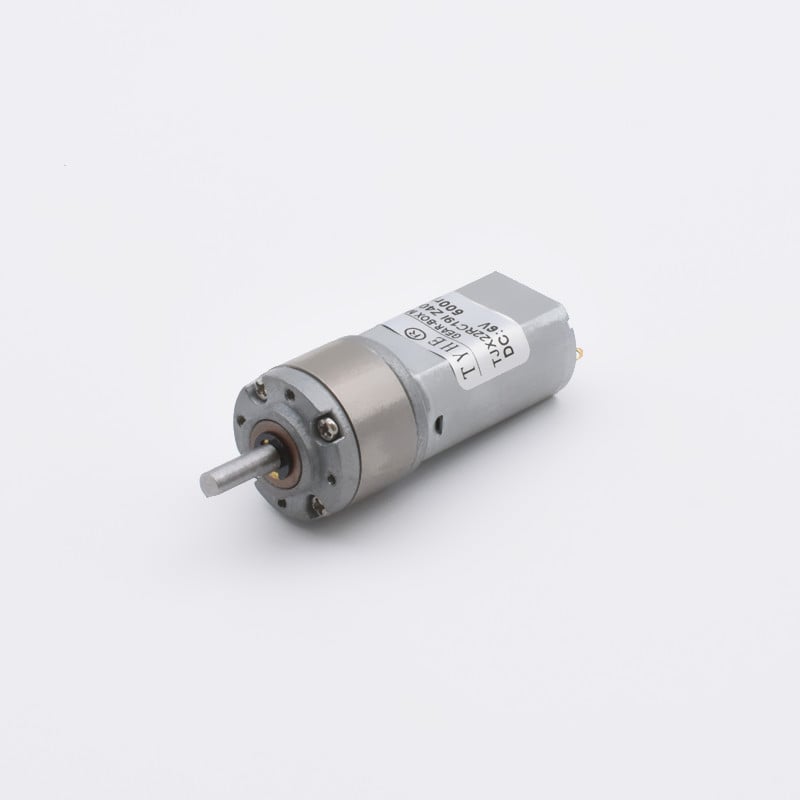
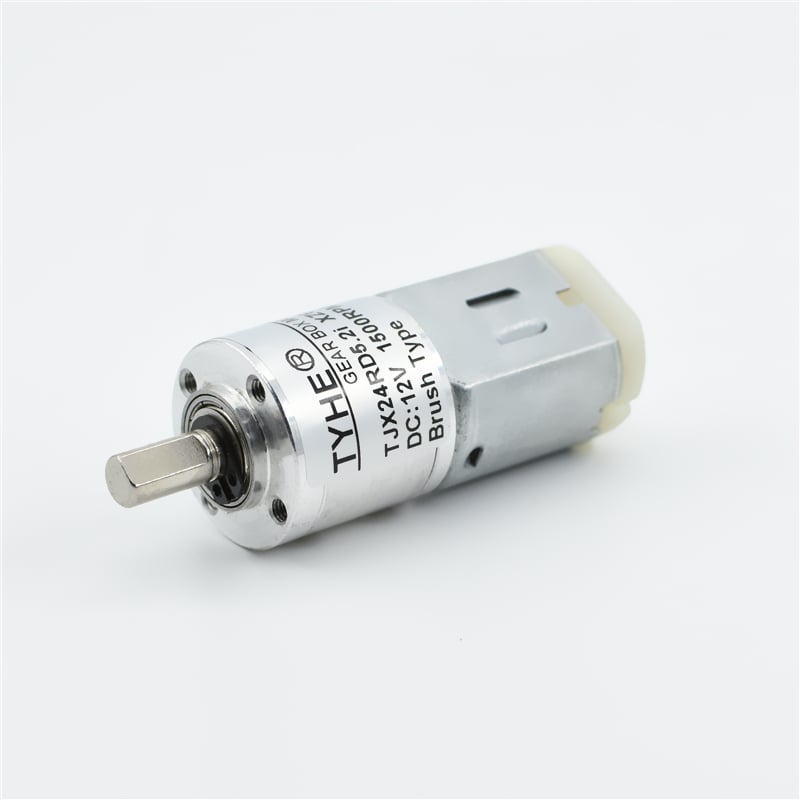
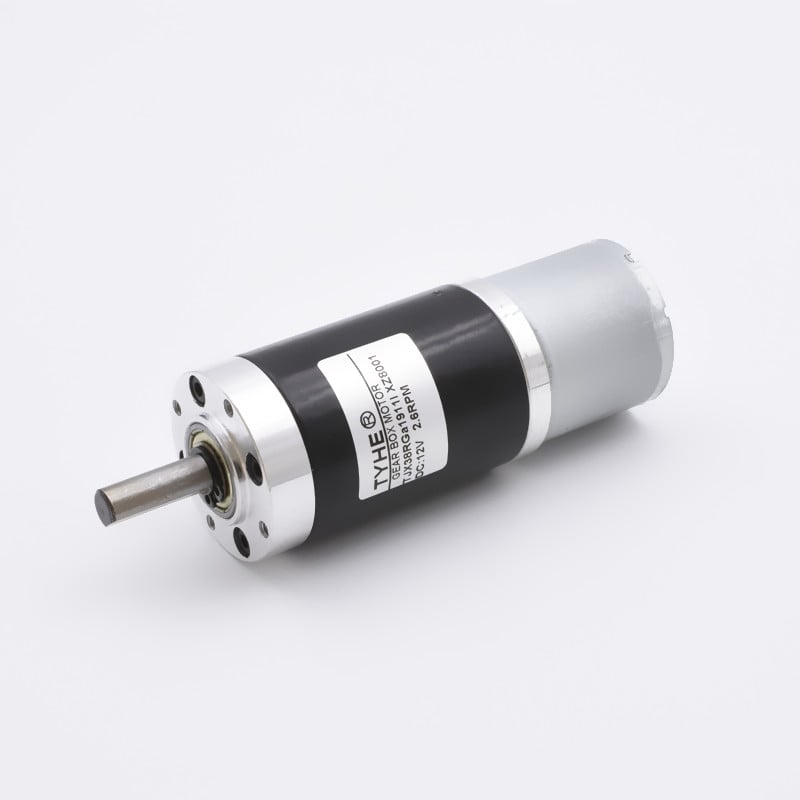
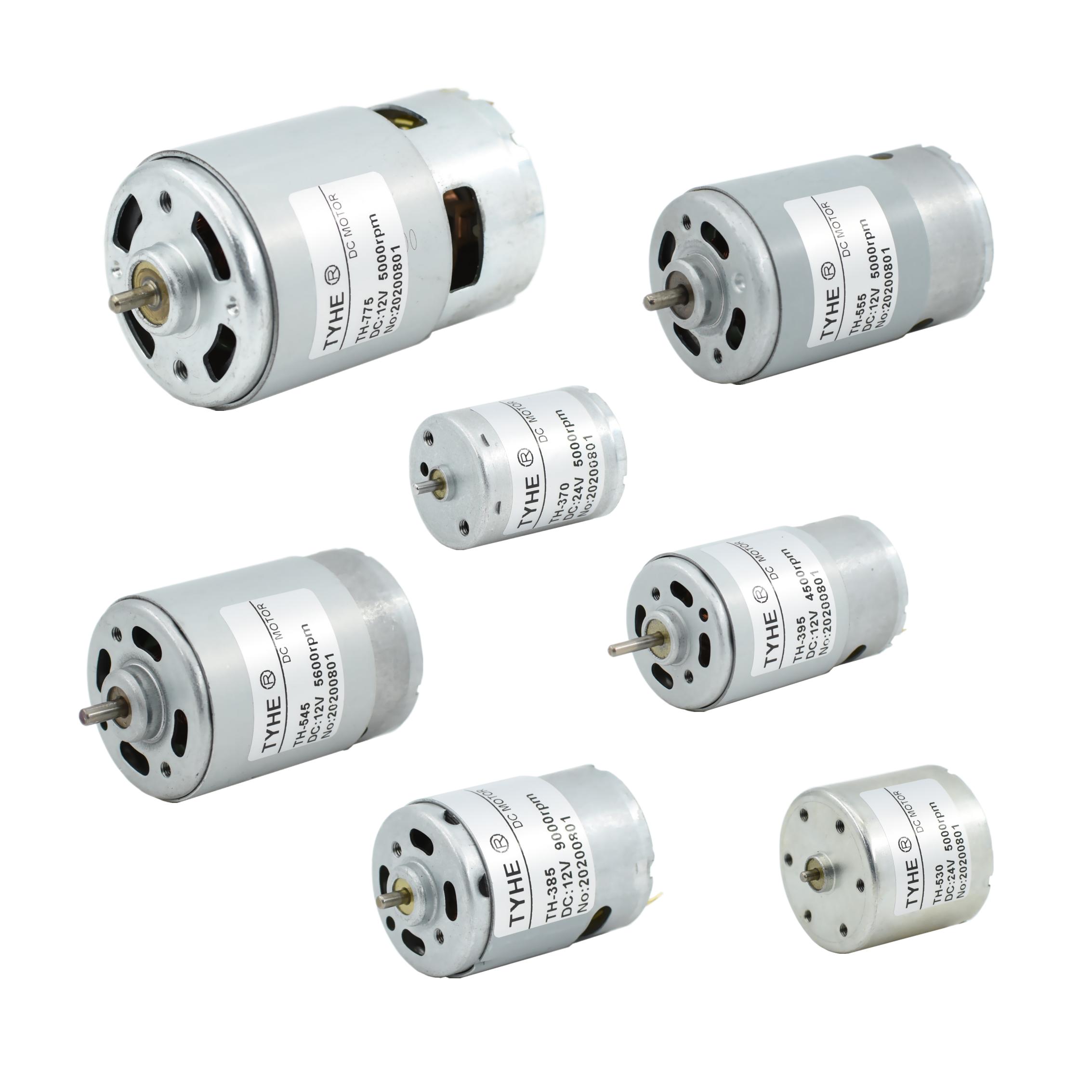
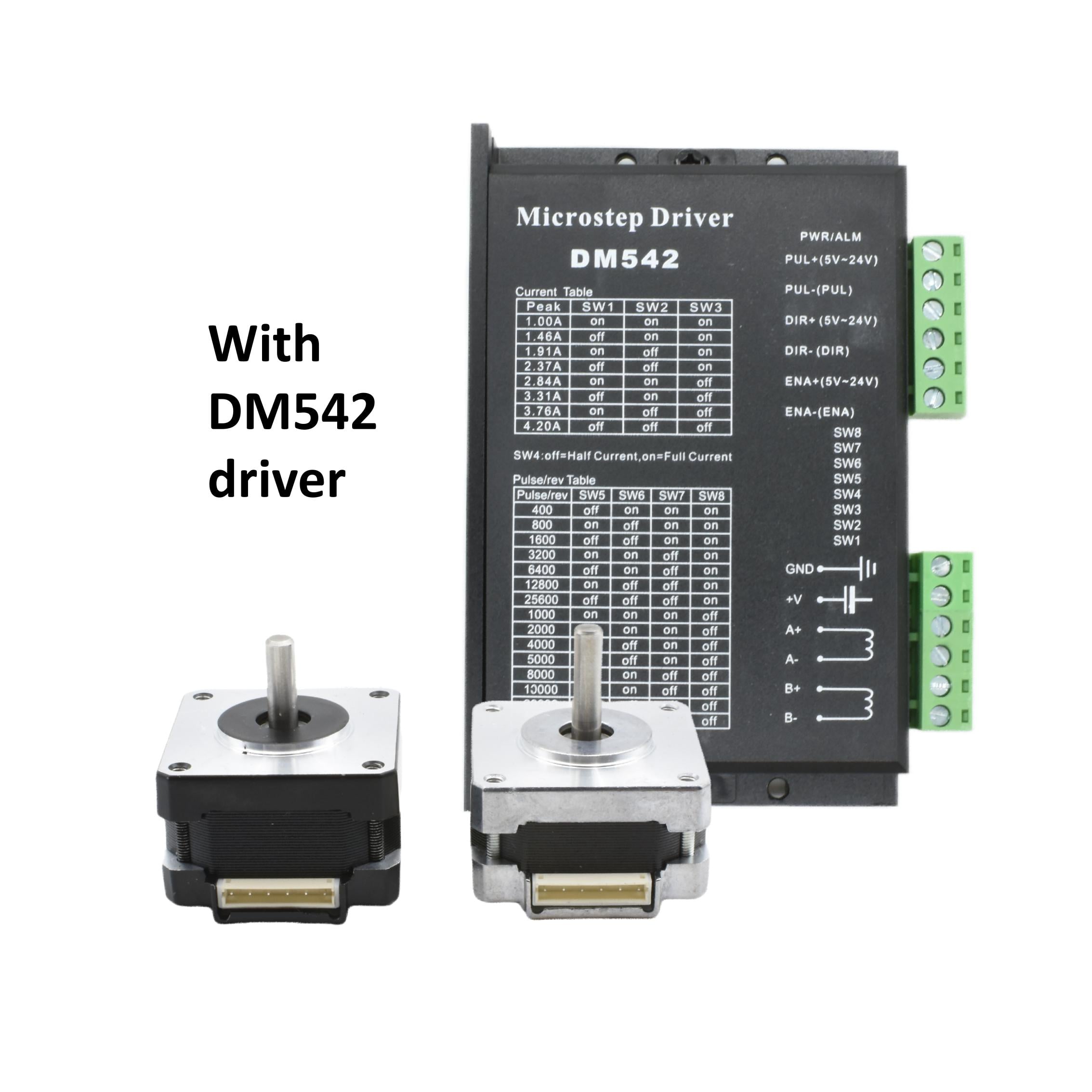
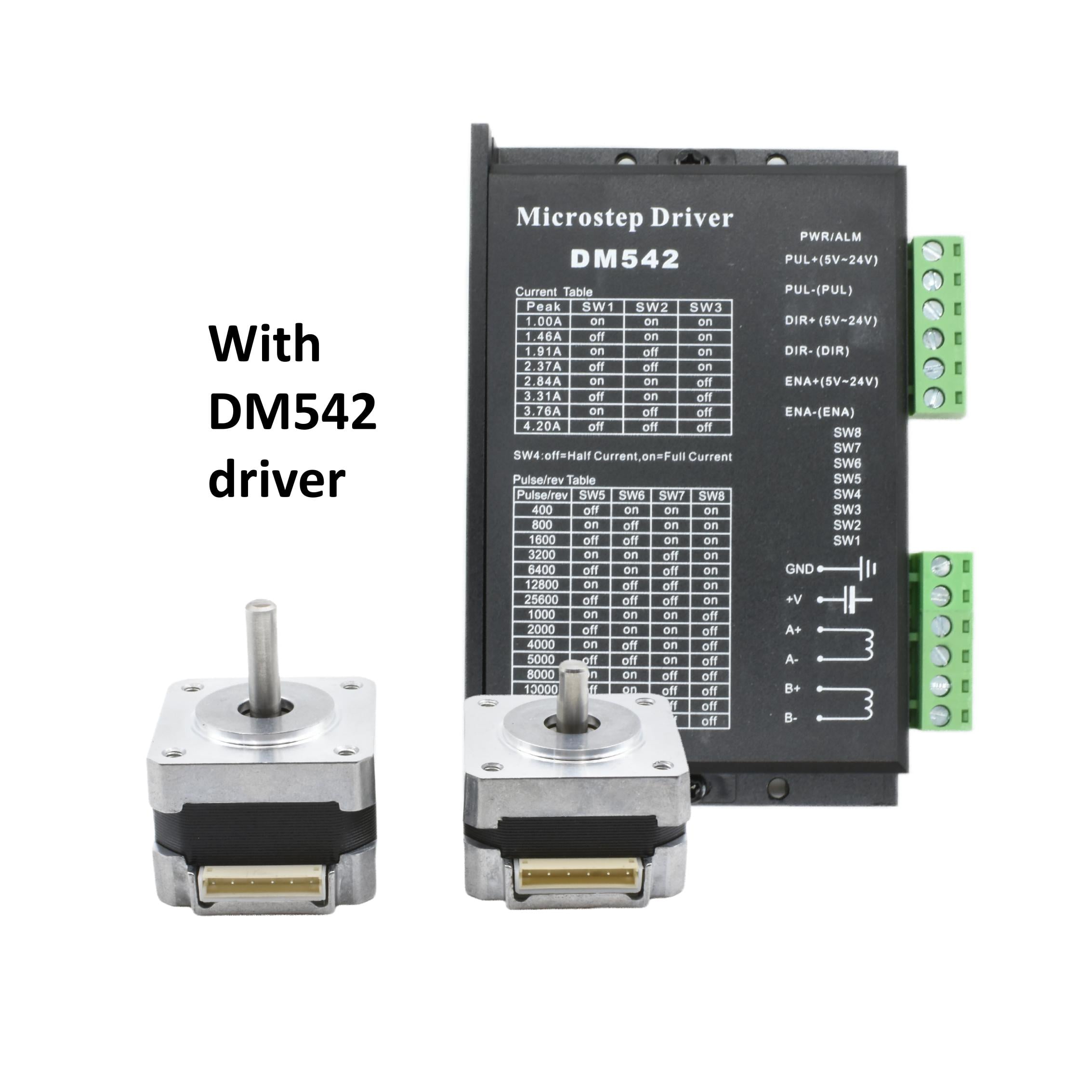
A gauge stepper motor is a compact electric drive that moves a needle, pointer, or small indicator through controlled steps. Unlike a basic continuous motor, the gauge stepper motor turns a set angle for each electrical pulse, allowing a controller to position the display accurately. This makes the gauge stepper motor useful when equipment must show pressure, temperature, speed, fuel level, voltage, or other measured values. The gauge stepper motor normally includes a permanent magnet rotor, energized coils, a shaft, and a control circuit. Its design lets the gauge stepper motor start, stop, and hold a position without complex mechanical feedback in many applications. A gauge stepper motor can also move in small increments, helping the pointer travel smoothly and settle quickly. The gauge stepper motor supports direct digital control, so a microcontroller can translate sensor data into a clear visual reading. Many versions offer low power use, compact dimensions, quiet operation, and dependable service over repeated cycles. A gauge stepper motor may use two-phase or multi-phase winding arrangements, depending on the required torque, resolution, and operating voltage. The gauge stepper motor can work with custom dials, instrument clusters, control panels, laboratory equipment, and industrial displays. Manufacturers can select shaft style, mounting pattern, pointer travel, step angle, and connector options for the product. Because the gauge stepper motor combines precise movement with simple electronic control, it provides a practical link between digital measurement systems and familiar analog displays. Its main function remains accurate, repeatable pointer positioning in a small and efficient package.

New Product Recommendations

Choosing a gauge stepper motor gives equipment designers a direct way to create readable, repeatable analog movement. The gauge stepper motor converts digital commands into measured pointer travel, which helps users understand a value at a glance. Compared with a general motor and added position hardware, the gauge stepper motor can reduce part count, wiring, and assembly effort. A gauge stepper motor also holds its position when the command stops, helping the display remain stable instead of drifting. This benefit improves confidence in dashboards, meters, and panel instruments. The gauge stepper motor uses controlled pulses, so software can set the direction, speed, and final position without a complicated drive system. For buyers, that means easier integration with common controllers and more flexibility during product development. The gauge stepper motor is suitable for repeated movement because its contact-free magnetic action reduces wear on internal drive parts. A gauge stepper motor can deliver useful accuracy while keeping power consumption modest, especially when the application needs movement only during an update. Its compact size helps designers save panel space and place several indicators close together. The gauge stepper motor can support different pointer ranges and dial layouts, allowing one platform to serve several product models. A gauge stepper motor also offers predictable motion, which simplifies calibration and makes production testing more consistent. In vehicles and portable instruments, the gauge stepper motor can help reduce weight and battery demand. In factory equipment, the gauge stepper motor provides a clear local reading even when users cannot access a digital screen. Buyers should match the gauge stepper motor to load, speed, step resolution, supply voltage, noise limits, and environmental conditions. Selecting the gauge stepper motor with the right shaft, connector, and mounting features prevents costly redesign. Overall, the gauge stepper motor delivers practical control, stable indication, compact installation, and reliable value for visual measurement products.

Practical Tips

Creative Uses for a Small DC Motor in Hobby Projects

02

Sep

Creative Uses for a Small DC Motor in Hobby Projects

A small dc motor has become an essential component for hobbyists and makers looking to bring their creative ideas to life. Whether you're building your first robot, designing an automated mechanism, or powering a miniature vehicle, a small dc motor o...
View More
Wiring a 12V DC Motor: A Step-by-Step Tutorial

21

Aug

Wiring a 12V DC Motor: A Step-by-Step Tutorial

Wiring a 12v dc motor correctly is one of the most fundamental skills for anyone working in robotics, automation, DIY electronics, or small machinery. Whether you are connecting a 12v dc motor for the first time or troubleshooting an existing setup, ...
View More
The Best Micro DC Motor Solutions for Drones and UAVs

21

Aug

The Best Micro DC Motor Solutions for Drones and UAVs

Selecting the right micro dc motor is critical for drone and unmanned aerial vehicle (UAV) performance, reliability, and flight duration. A micro dc motor serves as the foundation of any UAV propulsion system, directly influencing thrust generation, ...
View More
How to Build a Mini Fan Using a Small DC Motor

02

Sep

How to Build a Mini Fan Using a Small DC Motor

Building a mini fan using a small DC motor is an accessible and rewarding DIY project that combines electrical fundamentals with practical craftsmanship. Whether you're interested in learning about motor mechanics, creating a portable cooling solutio...
View More

Get a Free Quote

Our representative will contact you soon.
Email
Mobile/WhatsApp
Name
Company Name
Message
0/1000

gauge stepper motor

Accurate Pointer Positioning

Accurate Pointer Positioning

The key strength of a gauge stepper motor is controlled pointer movement. Each input pulse tells the gauge stepper motor to advance by a defined amount, so the controller can map sensor information to a clear dial position. This approach gives the gauge stepper motor repeatable travel across the full display range. It also allows the gauge stepper motor to move slowly for smooth updates or quickly when a reading changes sharply. A gauge stepper motor can hold a commanded position, helping the needle resist unwanted movement caused by small electrical changes or vibration. For the customer, this means easier reading and greater trust in the instrument. The gauge stepper motor works well with software calibration, enabling manufacturers to correct dial differences without changing the complete mechanism. Engineers can select a gauge stepper motor with a suitable step angle and gear arrangement to balance resolution, response time, and pointer motion. This feature is valuable in speedometers, temperature indicators, pressure displays, and other products where a stable, precise visual output matters.
Compact and Efficient Design

Compact and Efficient Design

A gauge stepper motor delivers useful movement from a small package, making it a strong option for crowded dashboards and portable instruments. The gauge stepper motor can fit behind a narrow dial while still providing enough torque for a pointer and light return mechanism. Its efficient operating method lets the gauge stepper motor use energy mainly when the display changes, which can support lower power demand in battery-powered equipment. The gauge stepper motor has no brushes that rub during normal movement, reducing one common source of wear and maintenance. This design helps the gauge stepper motor provide consistent performance over many display cycles. Buyers can use the gauge stepper motor to reduce assembly space, simplify mechanical connections, and create thinner finished products. A gauge stepper motor may also operate with modest heat generation when properly matched to the load and drive settings. Compact mounting options, flexible shaft designs, and low operating noise make the gauge stepper motor suitable for vehicle panels, handheld testers, appliances, and compact control equipment.
Flexible Integration and Reliable Service

Flexible Integration and Reliable Service

The gauge stepper motor connects naturally with digital control systems, giving product teams a simple way to combine sensor data with an analog display. A gauge stepper motor can receive pulse and direction commands from a microcontroller, while the software manages scaling, zeroing, and movement limits. This allows the gauge stepper motor to work with many sensors and communication platforms without requiring a separate position system. The gauge stepper motor can also support custom pointer angles, dial sizes, connectors, and mounting arrangements, helping manufacturers adapt one concept to several products. For buyers, this flexibility can shorten development time and make replacement planning easier. A gauge stepper motor provides repeatable operation in instruments that update readings thousands of times during service. When the correct voltage, load, and environmental rating are selected, the gauge stepper motor can perform reliably in vehicle interiors, factory panels, laboratory tools, and commercial equipment. The gauge stepper motor therefore offers a balanced solution for dependable indication, straightforward control, and long-term product value.
Gauge Stepper Motor: Features and Uses

Get a Free Quote

Our representative will contact you soon.
Email
Mobile/WhatsApp
Name
Company Name
Message
0/1000
Gauge Stepper Motor: Features and Uses