Custom Stepper Motor Solutions

All Categories

custom stepper motor

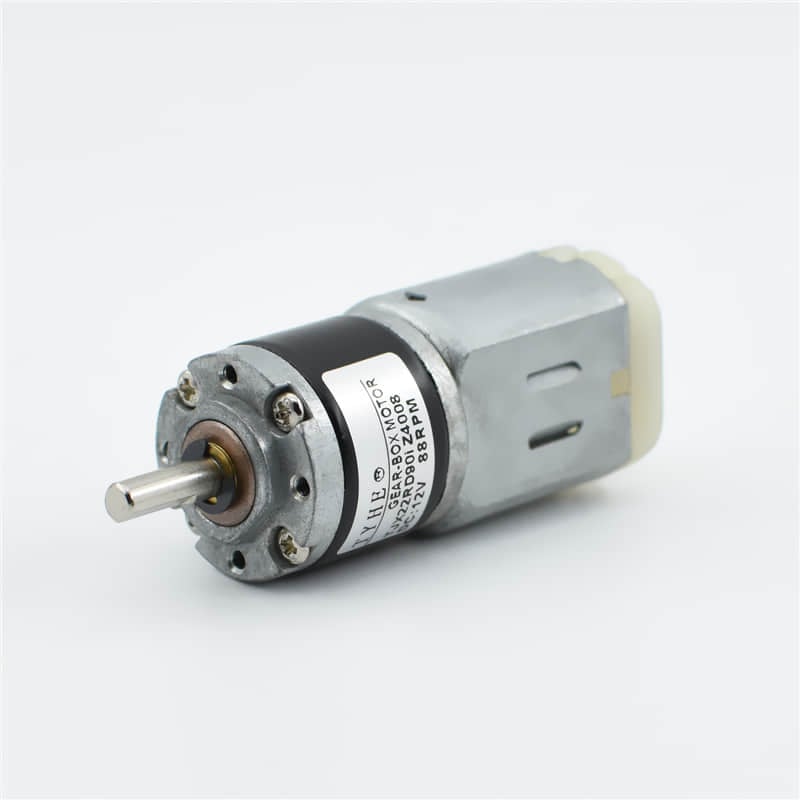
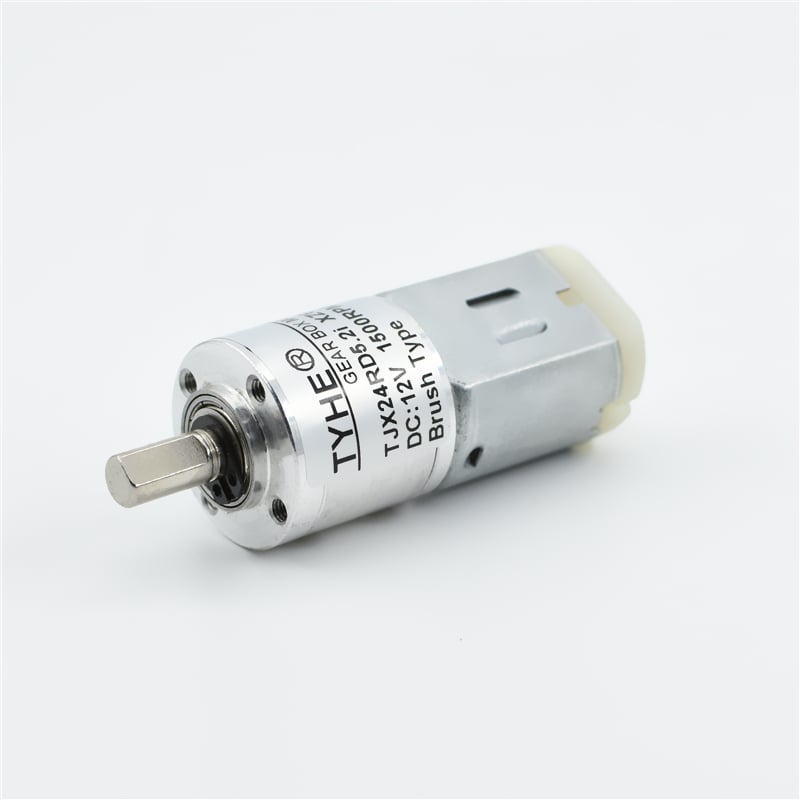
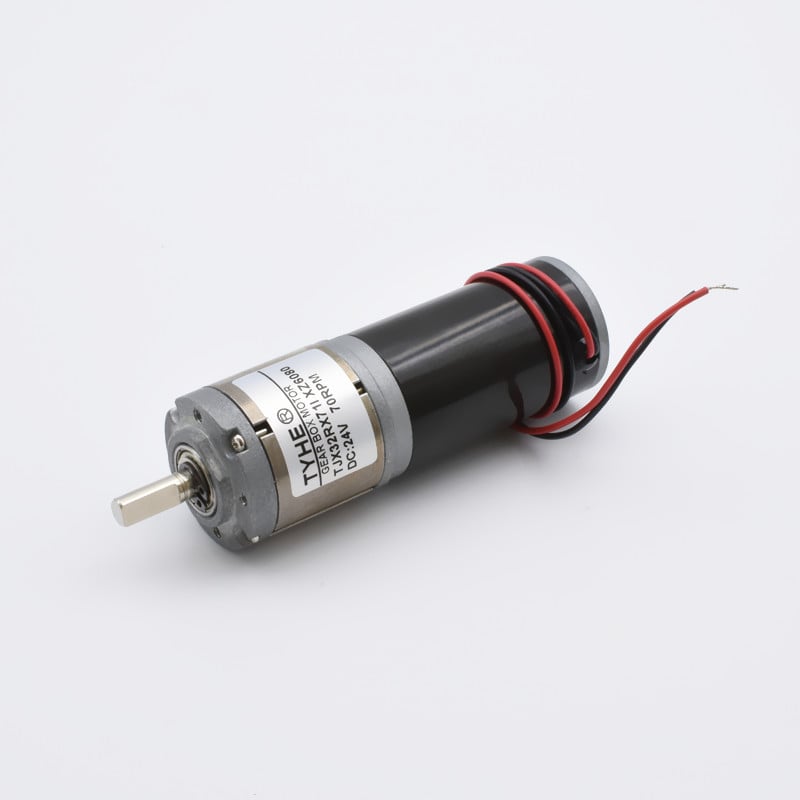
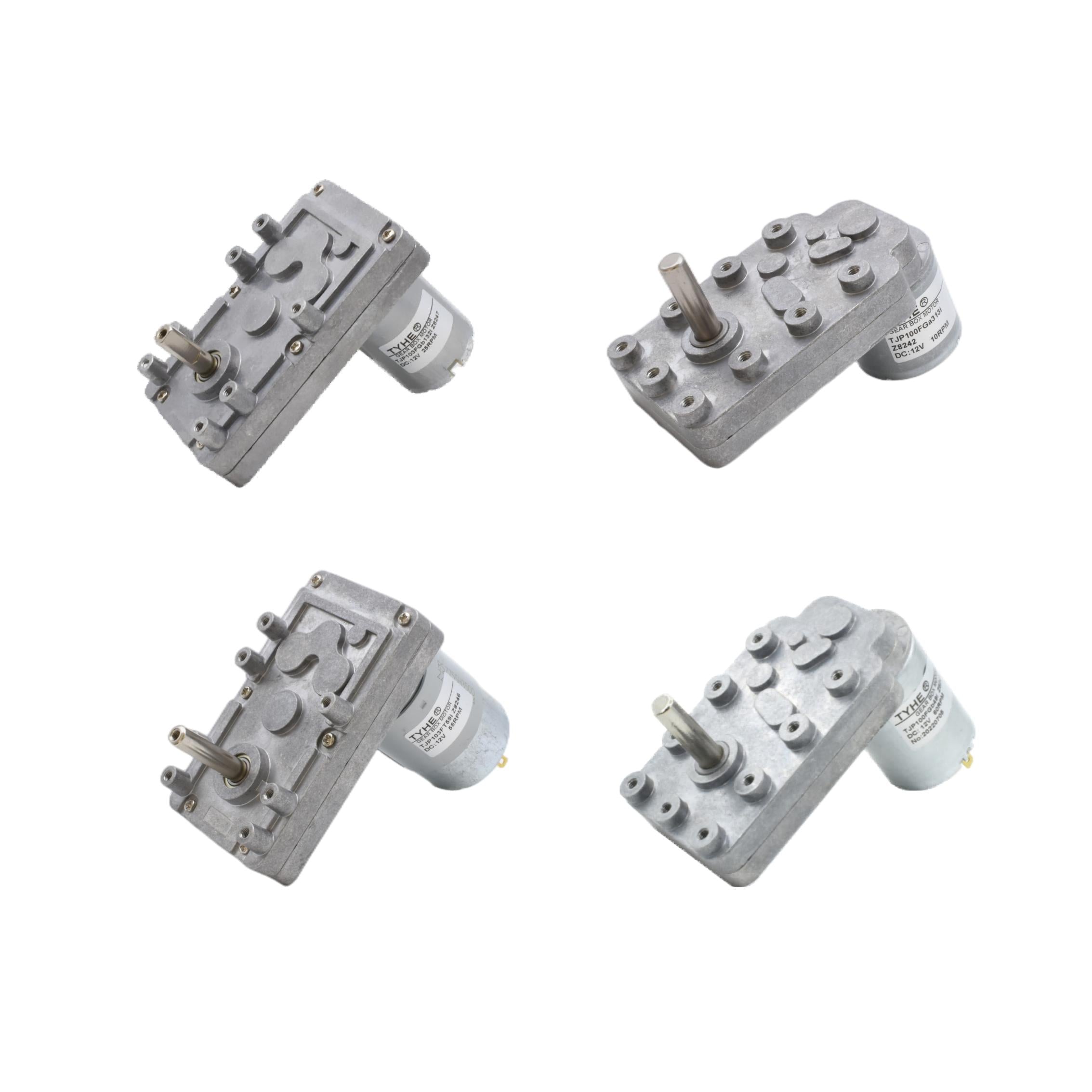
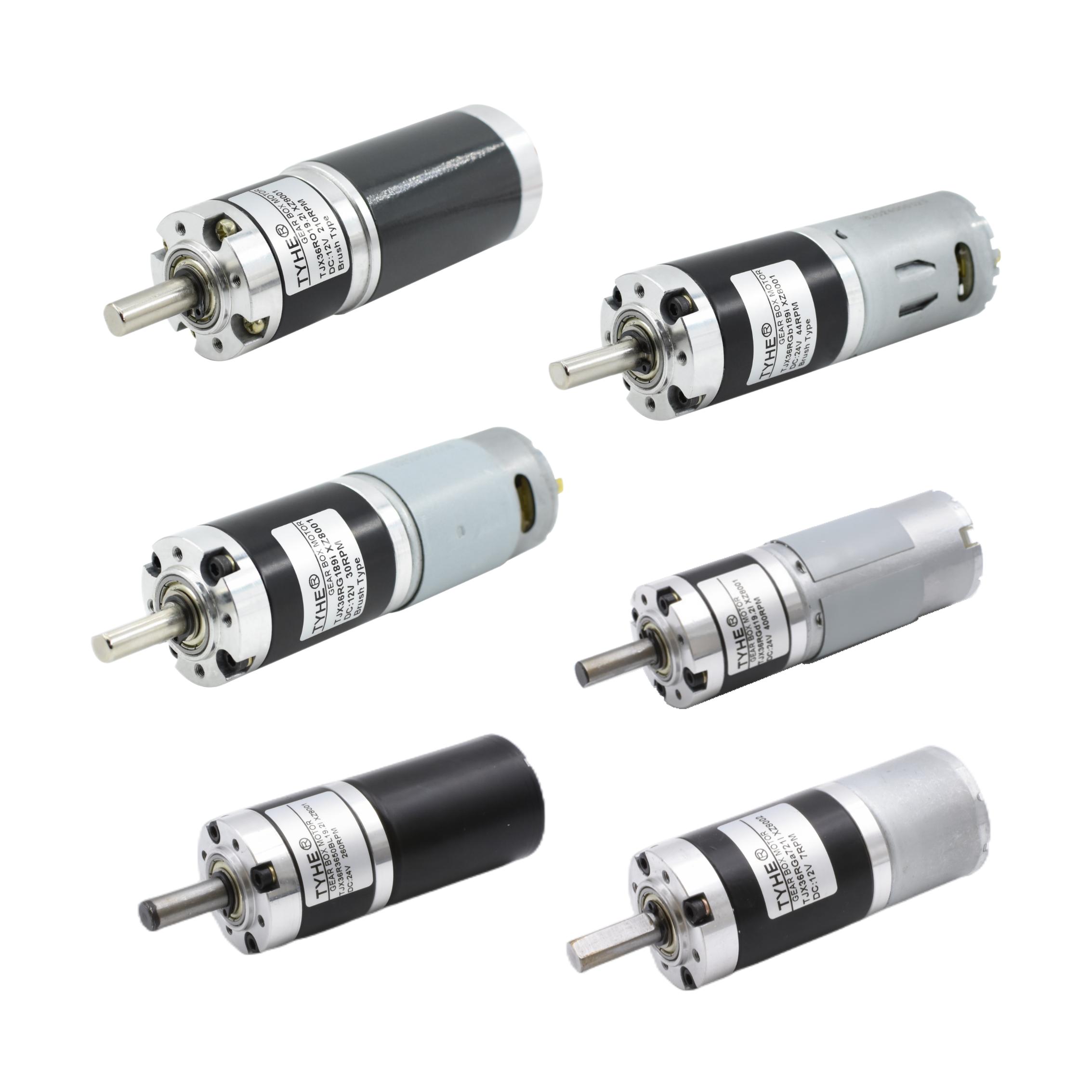
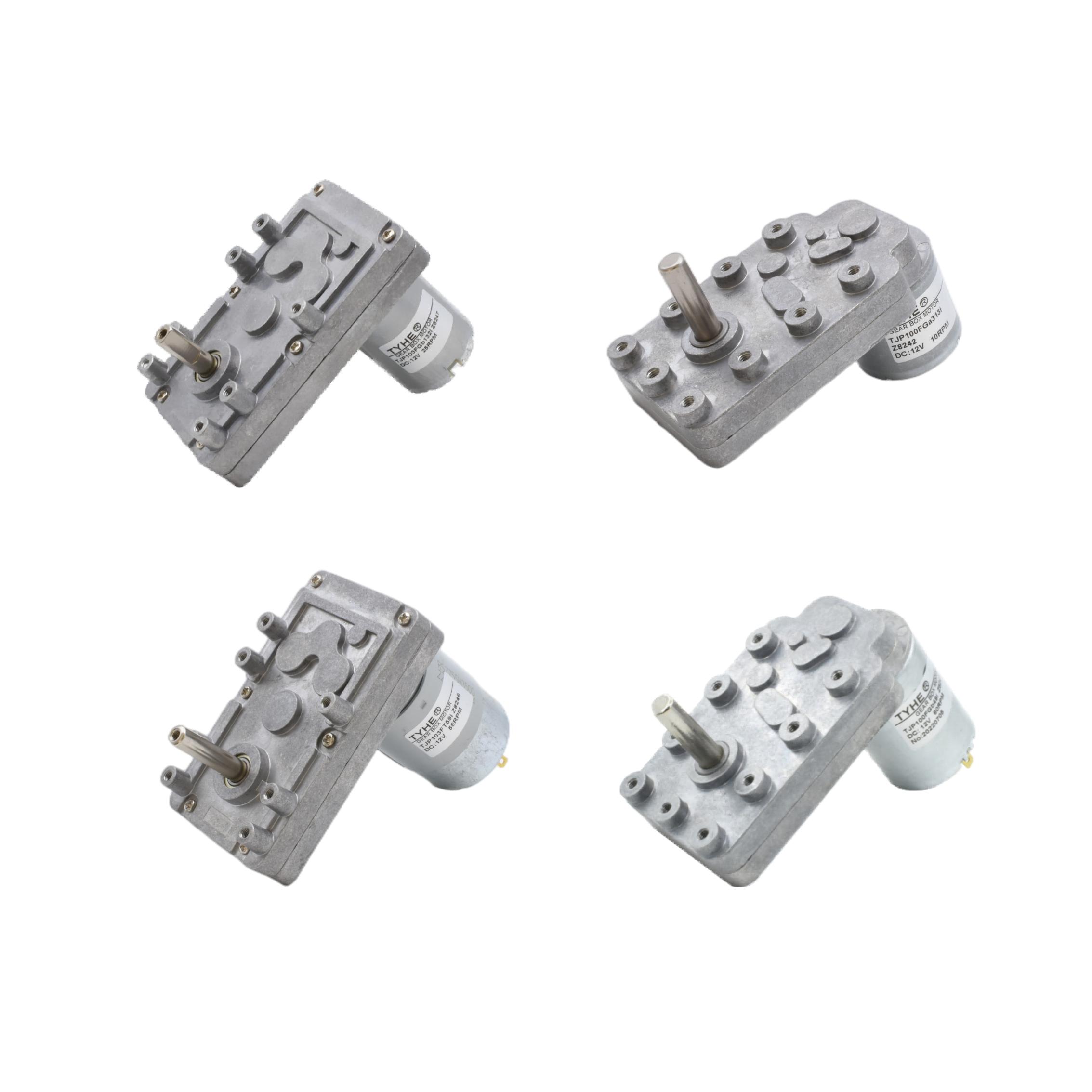
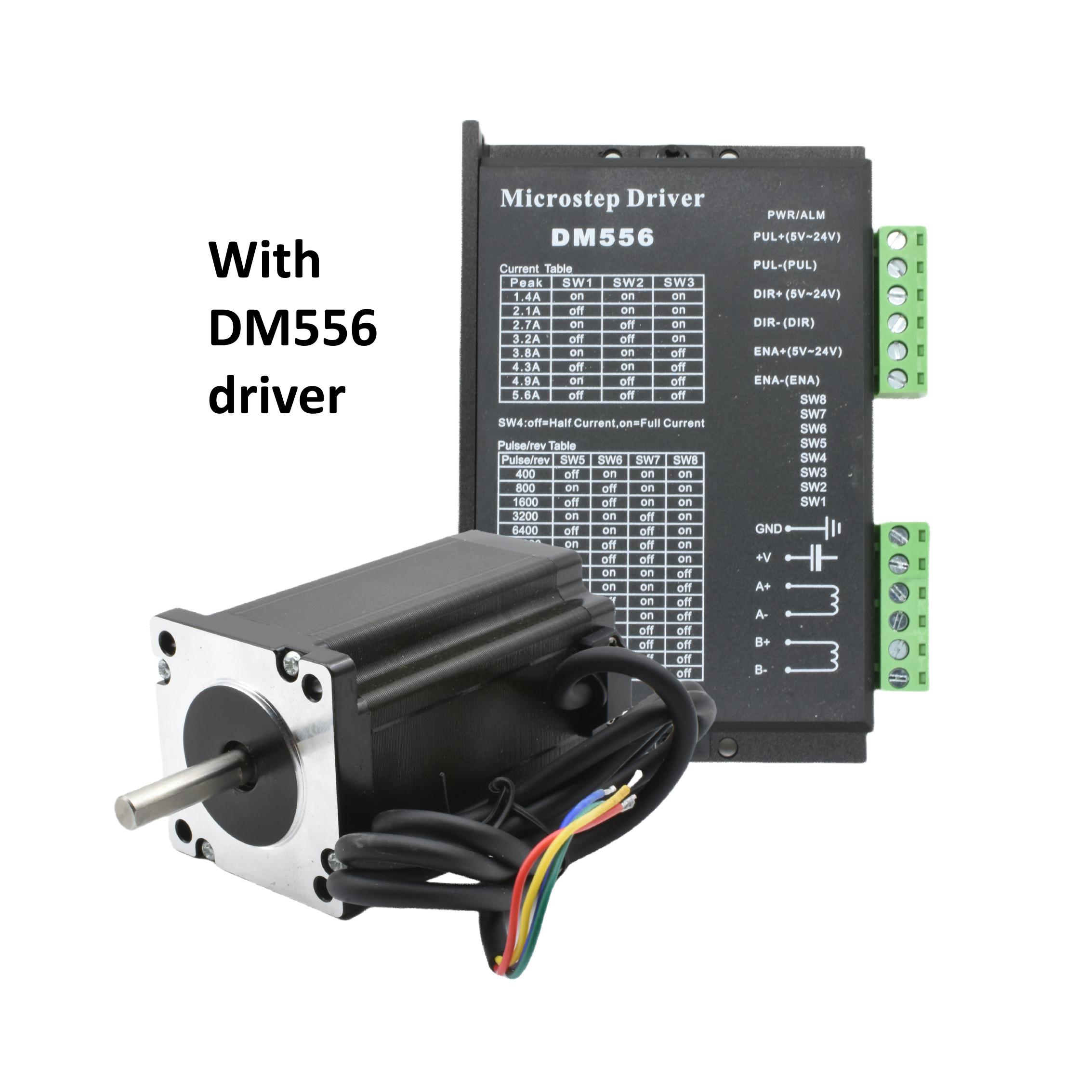
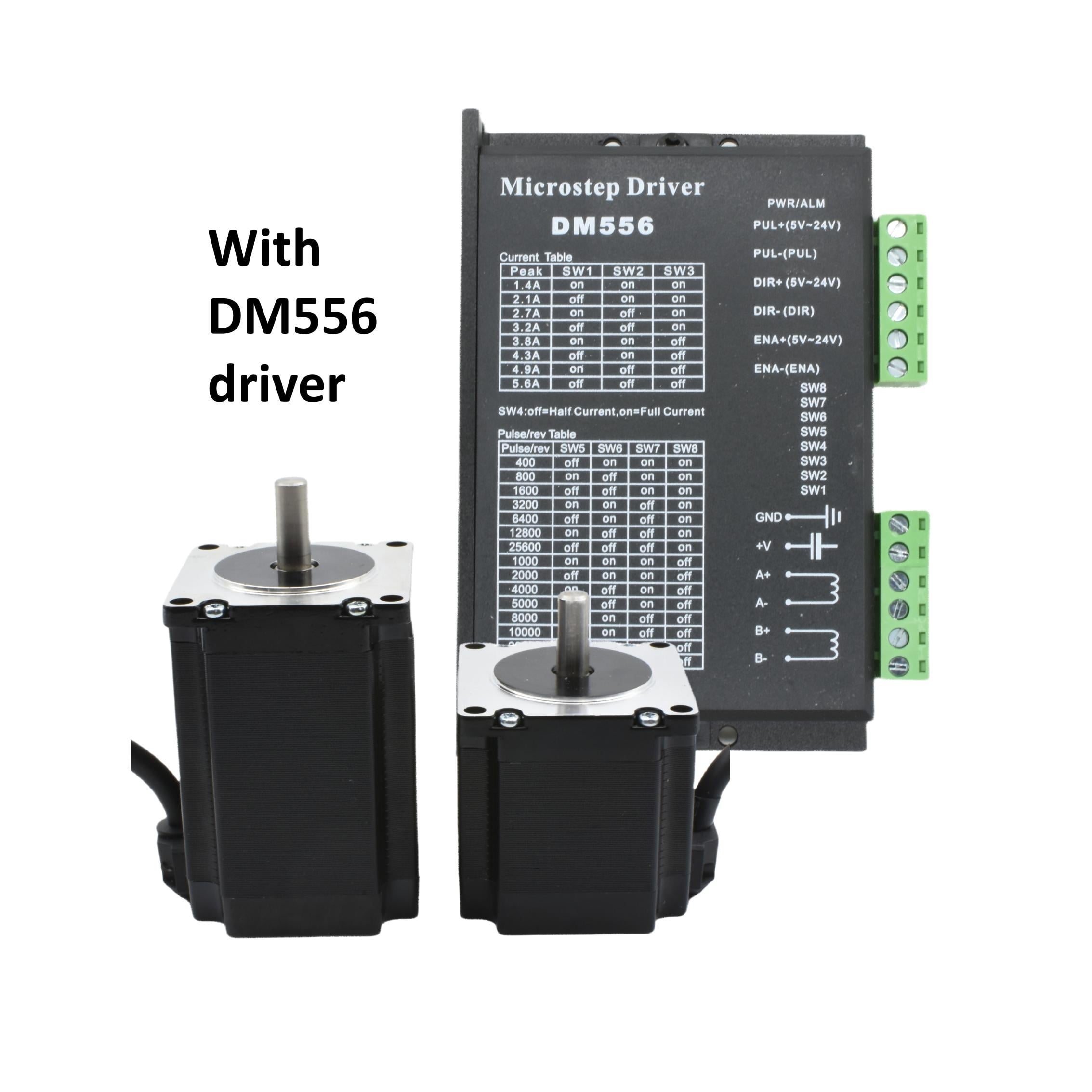
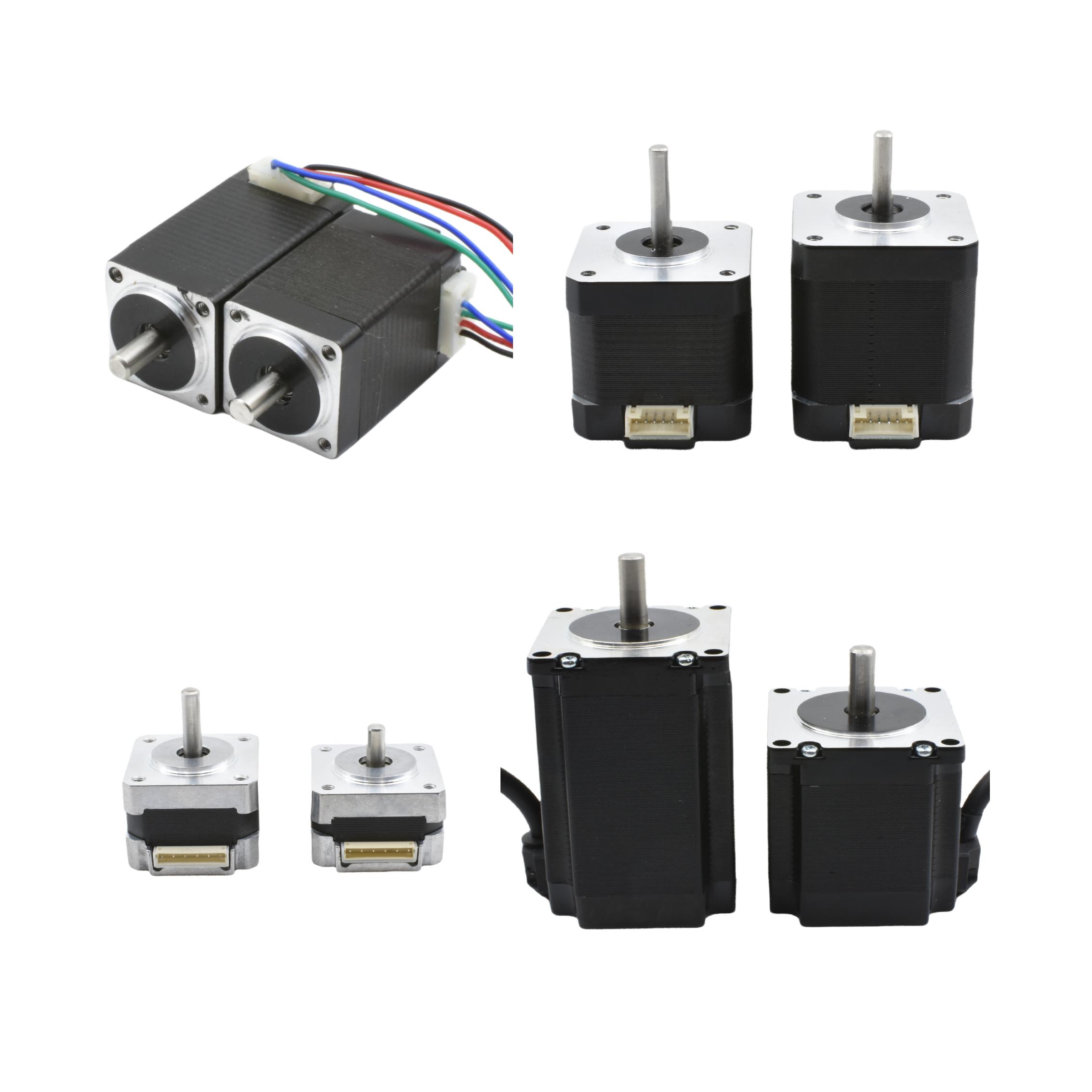
A custom stepper motor is an electric motor designed and built to meet the exact movement, space, torque, and control needs of a specific machine. Unlike a standard motor selected from a fixed catalog, a custom stepper motor can be adapted for shaft size, mounting pattern, winding design, voltage, current, speed, and operating environment. This flexibility helps equipment designers create a better fit without adding unnecessary parts or changing the overall machine layout. The main function of a custom stepper motor is to turn electrical pulses into controlled, repeatable steps. The control system can command the motor to start, stop, reverse, or move to a precise position without requiring a complex feedback system in many applications. A custom stepper motor can also provide strong holding force when stationary, which helps keep a load securely in place. Important technological features include fine step resolution, stable low-speed movement, multiple phase configurations, compact construction, and options for integrated gearboxes, encoders, brakes, or connectors. A custom stepper motor may use a high-temperature winding, sealed housing, special bearings, or enhanced insulation when the application faces heat, dust, vibration, or continuous operation. Engineers can also select a bipolar or unipolar design according to the available driver. This custom stepper motor suits equipment that needs reliable positioning rather than simple continuous rotation. Common applications include 3D printers, laboratory instruments, medical devices, camera systems, packaging machines, textile equipment, robotics, valves, and automated production tools. A custom stepper motor gives manufacturers a practical way to balance performance, size, cost, and service life. By matching the motor to the complete system, buyers can reduce wasted capacity and support dependable machine operation.

New Product Recommendations

The biggest advantage of a custom stepper motor is that it fits the application instead of forcing the application to fit a standard product. Buyers can specify the output shaft, body length, mounting holes, lead wires, connector position, and electrical rating. This approach can simplify installation and reduce the need for brackets, adapters, or redesigned assemblies. A custom stepper motor also helps product teams use available space more effectively, which matters in compact instruments and portable equipment. Precise movement is another practical benefit. The motor responds to control pulses in a predictable way, allowing a machine to position a platform, feeder, lens, valve, or tool with repeatable results. A custom stepper motor can deliver smooth movement at low speed and dependable holding force during pauses. These qualities support accurate work while reducing the risk of unwanted drift. In many systems, the design can operate without an added position sensor, which may lower wiring, software, and maintenance requirements. A custom stepper motor can also improve energy and operating efficiency when its torque and speed match the real load. Oversized motors may cost more and consume more power, while undersized motors can lose steps or overheat. Correct sizing gives the buyer a better balance between purchase price, output, heat, and service life. Optional gear reduction can increase output force or improve resolution, while a brake can hold a load safely when power is removed. Application suitability makes the custom stepper motor useful across many industries. Manufacturers can select protective materials and insulation for clean rooms, outdoor equipment, dusty areas, or high-temperature locations. Integrated feedback can support monitoring when the process demands added confidence. Custom winding choices can match a preferred driver and power supply, helping avoid expensive control changes. Before ordering, buyers should confirm load weight, travel speed, duty cycle, available voltage, ambient conditions, and mounting limits. This information helps suppliers recommend a custom stepper motor that performs reliably from the first production run.

Latest News

Wiring a 12V DC Motor: A Step-by-Step Tutorial

21

Aug

Wiring a 12V DC Motor: A Step-by-Step Tutorial

Wiring a 12v dc motor correctly is one of the most fundamental skills for anyone working in robotics, automation, DIY electronics, or small machinery. Whether you are connecting a 12v dc motor for the first time or troubleshooting an existing setup, ...
View More
The Impact of Backlash in Planetary Gear Motor Performance

21

Aug

The Impact of Backlash in Planetary Gear Motor Performance

Backlash represents one of the most critical performance variables in modern mechanical drive systems, and its impact on a planetary gear motor cannot be overstated. When backlash—the small gap between meshing gear teeth—exceeds design tolerances, a ...
View More
Micro DC Motor vs. Piezo Motors: A Comparison Guide

30

Oct

Micro DC Motor vs. Piezo Motors: A Comparison Guide

A micro dc motor and a piezo motor can both create controlled motion in compact equipment, but they work in fundamentally different ways. Comparing a micro dc motor with a piezo actuator means looking beyond size: one produces rotation, while the oth...
View More
Micro DC Motor Manufacturing: Precision on a Tiny Scale

30

Oct

Micro DC Motor Manufacturing: Precision on a Tiny Scale

Micro dc motor manufacturing is a precision discipline in which small dimensional changes can affect fit, noise, current draw, and service life. Producing a dependable motor at tiny scale requires coordinated control of materials, tooling, assembly, ...
View More

Get a Free Quote

Our representative will contact you soon.
Email
Mobile/WhatsApp
Name
Company Name
Message
0/1000

custom stepper motor

Exact Mechanical and Electrical Fit

Exact Mechanical and Electrical Fit

A major selling point of a custom stepper motor is the ability to match the motor closely to the machine design. Buyers can define the frame size, shaft length, shaft shape, mounting face, bolt pattern, cable exit, and overall body length. They can also request winding characteristics that suit the available voltage, current limit, and driver. This level of control helps the custom stepper motor fit inside tight equipment without forcing changes to covers, supports, or moving parts. The practical value is clear during both development and production. Engineers can reduce adapter plates and avoid awkward couplings that add weight or introduce alignment problems. A close mechanical fit can shorten assembly time and make replacement easier for service teams. A close electrical fit can reduce the need for new control hardware. For buyers, the custom stepper motor provides a more direct path from prototype to repeatable production, especially when the machine has unusual dimensions or limited installation space.
Reliable Positioning With Controlled Motion

Reliable Positioning With Controlled Motion

The custom stepper motor turns digital commands into measured movement, making it well suited to systems that must place a part, move a tool, or adjust a mechanism accurately. Its step-based operation provides predictable travel, while its holding torque helps keep the load in position when motion stops. Designers can choose a finer step angle, a suitable winding, or a gearbox when the application needs smoother movement, greater force, or more detailed control. This feature gives customers useful operating confidence. A printer can feed material evenly, a medical instrument can move a sample carefully, and a packaging machine can align products consistently. The custom stepper motor can maintain useful control at low speed, where some ordinary motors may behave less predictably. In suitable applications, the system may not need an encoder, reducing wiring and programming work. If process monitoring or higher protection against missed motion is important, an encoder can be added without abandoning the core motor design.
Built for Demanding Environments

Built for Demanding Environments

A custom stepper motor can be prepared for the conditions in which the equipment will actually operate. Suppliers may adapt insulation, winding materials, bearing selection, housing protection, connectors, and cable construction for heat, dust, moisture, vibration, or long duty cycles. This design flexibility matters because a motor that works well in a clean laboratory may not provide the same service in a factory, outdoor unit, or compact enclosure with limited cooling. For customers, environmental preparation can improve uptime and protect the wider machine. A suitable housing can limit contamination, while a high-temperature design can reduce the risk of winding damage. Stronger bearings and balanced construction can support repeated movement and reduce premature wear. The custom stepper motor can also include a brake, gearbox, or feedback device when the load or safety requirements call for it. By specifying real operating conditions early, buyers can select a motor that supports dependable performance, easier maintenance, and a longer equipment life instead of relying on an unsuitable standard model.
Custom Stepper Motor Solutions

Get a Free Quote

Our representative will contact you soon.
Email
Mobile/WhatsApp
Name
Company Name
Message
0/1000
Custom Stepper Motor Solutions