Closed Loop Stepper Motor: Complete Guide

All Categories

closed loop stepper motor

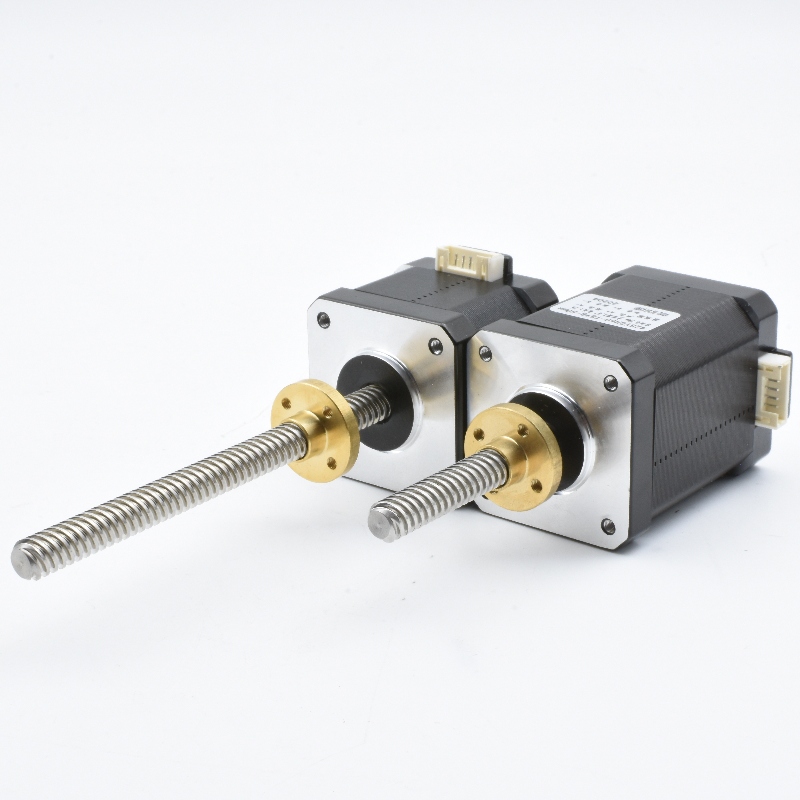
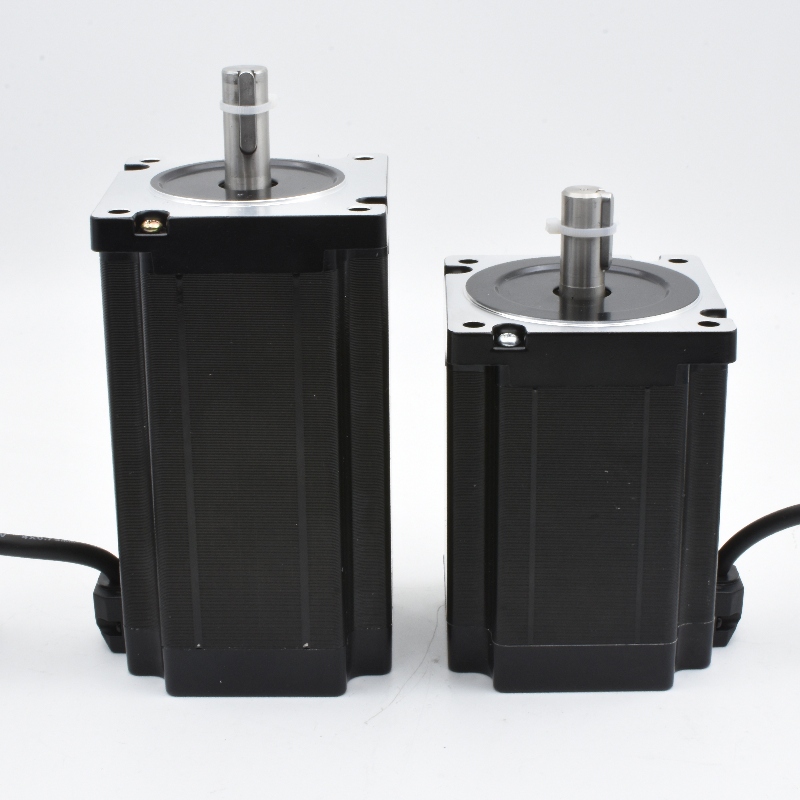
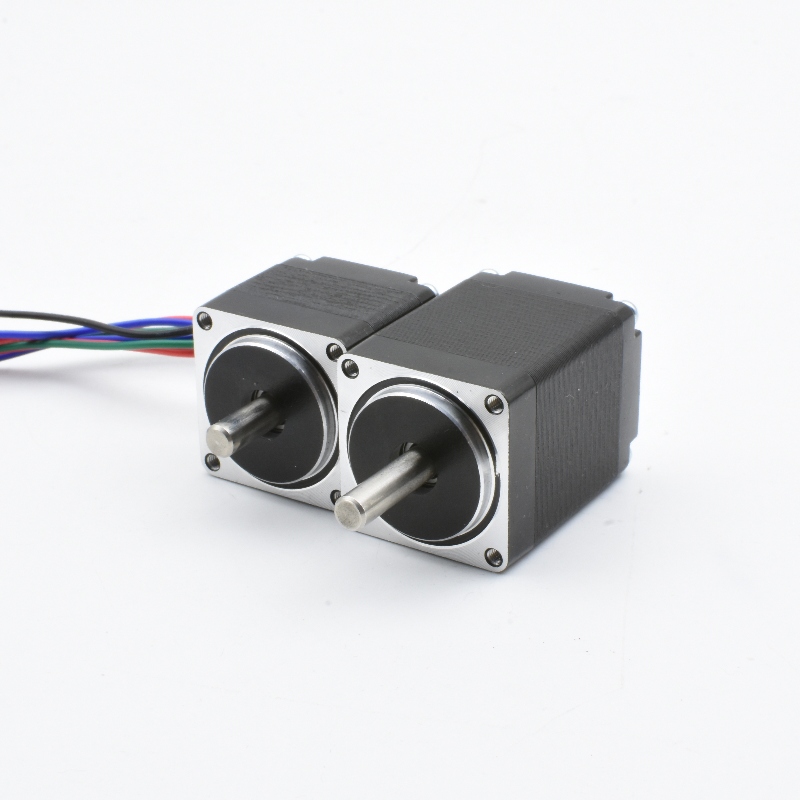
A closed loop stepper motor is a precision motion device that combines the simple control of a stepper motor with position feedback. The closed loop stepper motor uses an encoder to track the shaft position and sends real-time data to its driver. If the shaft falls behind the commanded position, the system corrects the error automatically. This makes the closed loop stepper motor more reliable than a standard open-loop design in demanding motion tasks. Its main functions include accurate positioning, controlled speed, steady torque, direction changes, and automatic error correction. A closed loop stepper motor can hold a target position, follow a programmed path, and respond to changing loads without losing synchronization. The encoder, digital driver, controller, and motor work together as one motion system. Most models support smooth microstepping, adjustable acceleration, current control, and protection against overload, overheating, and position errors. Because the closed loop stepper motor only supplies the power needed for the load, it can reduce heat and energy waste during operation. The feedback system also helps users avoid missed steps, sudden stalls, and repeated production errors. A closed loop stepper motor suits equipment that needs dependable movement but does not require the cost or complexity of a full servo system. Common uses include CNC machines, 3D printers, labeling equipment, packaging lines, pick-and-place systems, textile machines, medical devices, and laboratory automation. Buyers can select single-axis or multi-axis systems, different frame sizes, shaft styles, torque ratings, communication options, and control modes to match the machine design.

Popular Products

The main advantage of a closed loop stepper motor is dependable positioning. A standard stepper motor can lose steps when a load changes, but a closed loop stepper motor checks its actual position and corrects movement when needed. This gives customers more consistent parts, fewer rejected products, and less time spent resetting equipment. The closed loop stepper motor also gives practical protection against stalls. When resistance increases, the feedback signal alerts the driver, which can add current or adjust the motion before a serious error occurs. This feature helps a closed loop stepper motor maintain production flow in machines that start, stop, or change direction often. Another benefit is efficient operation. A closed loop stepper motor can lower current when the load is light or the axis is holding position. Lower current can reduce motor heat, improve component life, and reduce cooling needs inside a cabinet. The system also provides strong low-speed torque and stable holding force, so it works well for conveyors, slides, feeders, and vertical axes. Customers can often use a closed loop stepper motor without adding a separate position sensor, which simplifies installation and saves space. Many drivers accept common pulse and direction signals, making the closed loop stepper motor easy to connect with existing controllers. Compared with a servo system, it usually offers a simpler setup, lower purchase cost, and easier maintenance. Compared with an open-loop stepper, it provides better error control and load response. Buyers should still compare torque, speed, encoder resolution, voltage, duty cycle, noise, and driver compatibility. The best closed loop stepper motor matches the load, travel speed, acceleration, mounting space, and control platform rather than relying on motor size alone.

Practical Tips

The Future of Miniaturized DC Planetary Gear Motor Tech

21

Aug

The Future of Miniaturized DC Planetary Gear Motor Tech

The industrial landscape is undergoing a profound transformation driven by advances in miniaturized dc planetary gear motor technology. As manufacturers and engineers face mounting pressure to reduce equipment footprint while maintaining performance,...
View More
Wiring a 12V DC Motor: A Step-by-Step Tutorial

21

Aug

Wiring a 12V DC Motor: A Step-by-Step Tutorial

Wiring a 12v dc motor correctly is one of the most fundamental skills for anyone working in robotics, automation, DIY electronics, or small machinery. Whether you are connecting a 12v dc motor for the first time or troubleshooting an existing setup, ...
View More
How to Build a Mini Fan Using a Small DC Motor

02

Sep

How to Build a Mini Fan Using a Small DC Motor

Building a mini fan using a small DC motor is an accessible and rewarding DIY project that combines electrical fundamentals with practical craftsmanship. Whether you're interested in learning about motor mechanics, creating a portable cooling solutio...
View More
Finding the Most Powerful Small DC Motor for Its Size

02

Sep

Finding the Most Powerful Small DC Motor for Its Size

Selecting the right small dc motor for your application requires more than just checking power specifications. Engineers and product designers frequently face the challenge of finding a small dc motor that delivers maximum performance within severe s...
View More

Get a Free Quote

Our representative will contact you soon.
Email
Mobile/WhatsApp
Name
Company Name
Message
0/1000

closed loop stepper motor

Real-Time Position Feedback

Real-Time Position Feedback

Position feedback gives the closed loop stepper motor a clear view of what the shaft is actually doing. An encoder measures movement and reports the result to the driver several times during operation. If the load causes a delay or position shift, the closed loop stepper motor can adjust its output instead of continuing with an unnoticed error. This feature matters when a small positioning mistake could damage a part, waste material, or interrupt a production cycle. The closed loop stepper motor therefore gives operators stronger confidence in repeatable travel, especially on compact linear stages, cutting tools, dispensers, and inspection equipment. Feedback also makes troubleshooting easier because the controller can identify an error condition and stop or alert the user. Buyers gain a practical balance between accuracy and cost without needing a complicated servo package. When selecting a closed loop stepper motor, check encoder resolution, response time, alarm functions, and the driver communication method to ensure the feedback system fits the machine.
Lower Heat and Efficient Power Use

Lower Heat and Efficient Power Use

A closed loop stepper motor can manage current according to the real load instead of drawing maximum power all the time. The driver receives position information and supplies enough energy to keep the shaft on track. This makes the closed loop stepper motor more efficient during holding, light-load travel, and repeated short movements. Lower heat can protect bearings, wiring, nearby sensors, and cabinet components. It may also reduce the need for fans or oversized cooling equipment, which helps manufacturers save space and operating cost. The closed loop stepper motor remains useful for applications that need strong low-speed torque, such as screw drives, indexing tables, feeders, and vertical lifts. Efficient current control can support longer duty cycles and make machine performance more stable over a full shift. Customers should consider rated current, peak torque, holding conditions, ambient temperature, and duty pattern when comparing models. A properly selected closed loop stepper motor can deliver practical energy savings without giving up controlled motion.
Simple Integration for Automation

Simple Integration for Automation

The closed loop stepper motor offers a straightforward path to improved machine control. Many systems use familiar pulse and direction commands, so the closed loop stepper motor can connect with a PLC, motion card, CNC controller, or embedded control board. This reduces the need to redesign the complete electrical system when upgrading from an open-loop motor. Built-in alarms can report overloads, tracking errors, encoder faults, and overheating, giving maintenance teams useful information before a failure becomes expensive. The closed loop stepper motor also supports common mounting formats and shaft options, allowing engineers to select a model that fits existing brackets, couplings, and gear systems. Its control software may provide settings for acceleration, current, microstepping, position tolerance, and alarm response. This flexibility helps the closed loop stepper motor serve both new machines and retrofit projects. Buyers should confirm input voltage, connector type, communication support, cable length, software access, and replacement availability. Good integration reduces installation time, simplifies training, and improves long-term serviceability.
Closed Loop Stepper Motor: Complete Guide

Get a Free Quote

Our representative will contact you soon.
Email
Mobile/WhatsApp
Name
Company Name
Message
0/1000
Closed Loop Stepper Motor: Complete Guide