
 EN
EN
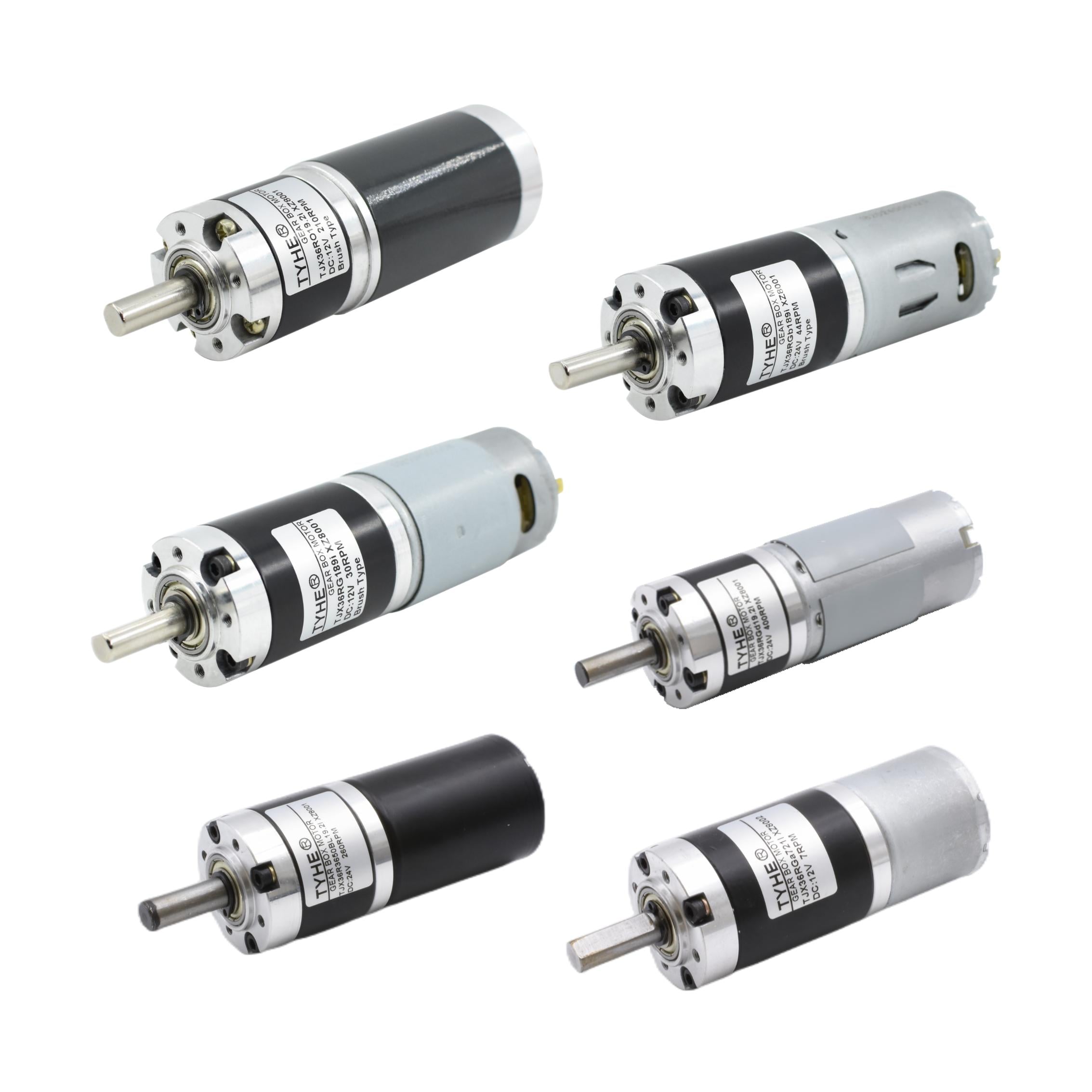
When engineers and product designers search for the ideal drive component in compact applications, the 12v dc motor consistently emerges as a top-tier choice. Its voltage range aligns perfectly with battery-powered and USB-compatible power supplies, making it an exceptionally practical solution for handheld tools, wearable devices, and portable medical equipment. Whether you are designing a consumer gadget or an industrial handheld instrument, the 12v dc motor delivers the balance of torque, speed, and efficiency that demanding applications require.
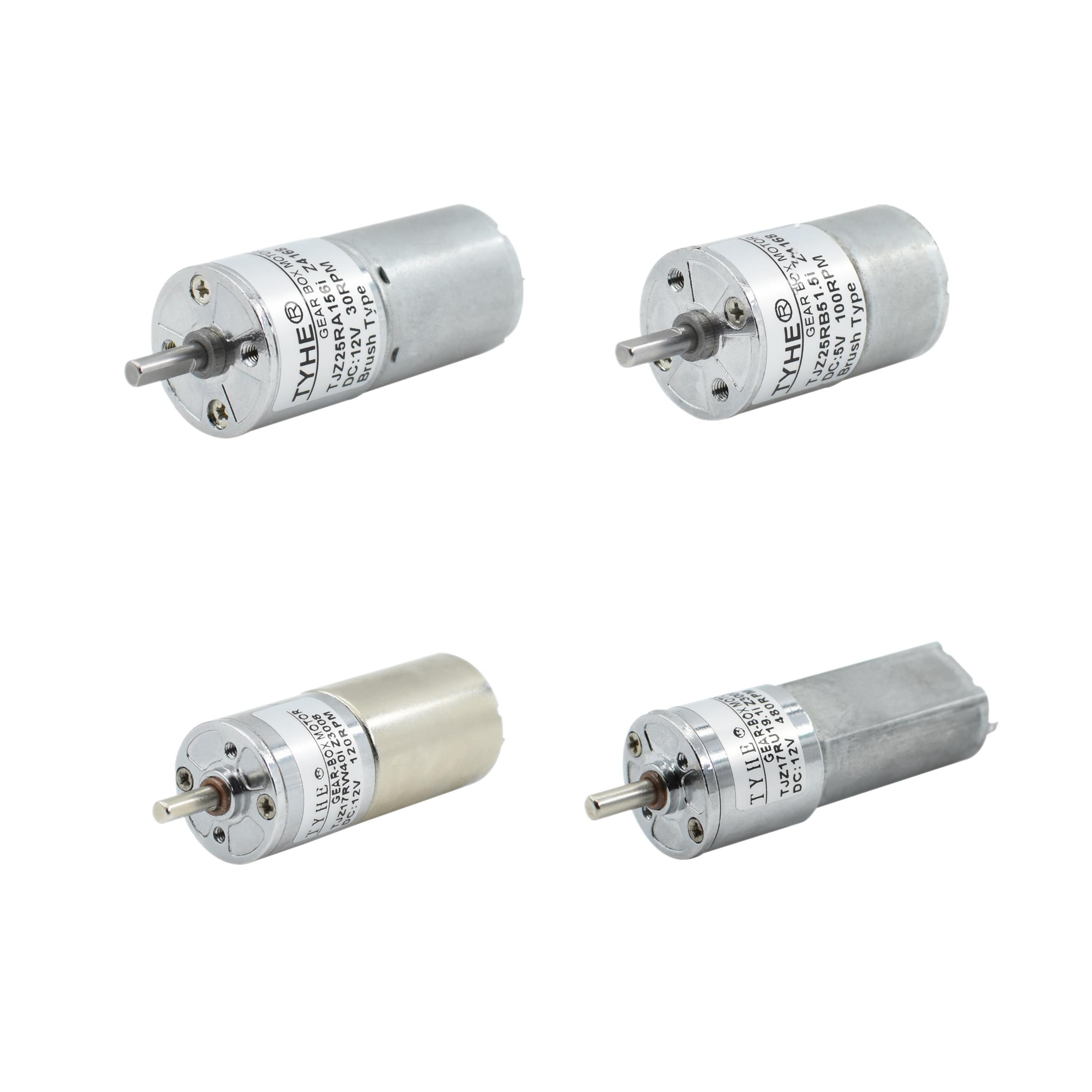
The growing demand for portable and battery-operated products has made the 12v dc motor more relevant than ever. Manufacturers across industries are integrating this motor type into devices where size, weight, and power consumption are critical design constraints. Understanding what makes a 12v dc motor the right fit for portable applications helps engineers make smarter component decisions from the very beginning of the design cycle.
Why the 12V DC Motor Fits Portable Device Design
Voltage Compatibility With Portable Power Sources
One of the most compelling reasons to use a 12v dc motor in portable devices is its natural compatibility with standard battery configurations. Lithium-ion battery packs commonly deliver voltages in the 10V to 12.6V range, which means a 12v dc motor can operate near its rated capacity without requiring complex voltage conversion circuits. This compatibility reduces component count, simplifies PCB design, and ultimately lowers both cost and weight. For portable product development, fewer conversion stages mean fewer failure points and a more reliable end product.
A 12v dc motor also works well with common rechargeable battery formats such as 3S lithium packs and sealed lead-acid batteries used in portable medical devices and test instruments. This flexibility gives design teams the freedom to choose power sources based on budget and performance targets rather than being constrained by motor voltage requirements. The 12v dc motor essentially bridges the gap between commercially available power solutions and functional motion output.
Size and Weight Advantages in Compact Builds
Modern 12v dc motor designs are available in remarkably small form factors, including micro brushed motors, coreless motors, and brushless variants that fit within diameters as small as 6mm. These miniaturized versions of the 12v dc motor allow product designers to integrate rotational drive into spaces that once seemed too small for motorized components. Handheld massagers, compact power drills, miniature pumps, and portable cooling fans all benefit from the availability of sub-20mm 12v dc motor options.
Weight is equally important in portable device engineering. A well-selected 12v dc motor adds minimal mass while delivering sufficient torque for most light-to-medium duty portable applications. Coreless 12v dc motor variants, in particular, eliminate the iron core found in traditional brushed motors, significantly reducing rotor mass and improving acceleration response. This makes the 12v dc motor an ideal choice where quick start-stop cycles and low inertia are design priorities.
Performance Characteristics That Matter for Portable Use
Efficiency and Battery Life Impact
Efficiency is the most critical performance factor when deploying a 12v dc motor in a battery-powered product. A high-efficiency 12v dc motor converts more electrical energy into mechanical work, leaving less energy wasted as heat. This directly translates to longer runtimes per charge cycle, which is a key differentiator in consumer portable products. Brushless versions of the 12v dc motor typically achieve efficiency ratings above 85%, making them the preferred choice when battery endurance is a top priority.
Thermal management is another consideration tied to efficiency. A less efficient 12v dc motor generates more heat in a compact enclosure, which can degrade both motor performance and surrounding electronics over time. Selecting a 12v dc motor with appropriate thermal ratings and adequate winding insulation ensures stable operation across the expected duty cycle of the portable device. Engineers should always review the thermal derating curve when selecting a 12v dc motor for continuous-run portable applications.
Speed Control and Torque Precision
Portable devices often require variable speed output, and the 12v dc motor supports precise speed control through pulse-width modulation, commonly referred to as PWM. By adjusting the duty cycle of the PWM signal, a microcontroller can regulate a 12v dc motor's speed with fine granularity, enabling responsive user-controlled performance in devices like portable blenders, handheld fans, and medical infusion pumps. This level of control is difficult to achieve at the same cost with AC motor alternatives.
Torque characteristics of the 12v dc motor are also well suited to portable applications. Many compact 12v dc motor designs offer high starting torque relative to their physical size, allowing devices to accelerate loads quickly even with limited battery current. Gear-reduced 12v dc motor assemblies extend this capability further, enabling low-speed, high-torque output in tools and actuators that must handle resistive loads without stalling.
Selecting the Right 12V DC Motor for Your Application
Key Specification Criteria to Evaluate
Choosing the correct 12v dc motor begins with defining the load profile clearly. Engineers must establish the required output torque, operating speed, duty cycle, and acceptable no-load current draw. A 12v dc motor that is oversized will consume excess battery capacity, while an undersized 12v dc motor risks overheating and premature failure. Matching motor specifications tightly to the real operational load is the foundation of a reliable portable device design.
Additional parameters worth evaluating include the motor's back-EMF constant, mechanical time constant, and bearing type. Sintered bronze bearings in a 12v dc motor offer a good balance of low cost and acceptable lifespan in intermittent-use portable products, while ball-bearing versions of the 12v dc motor provide longer service life and lower friction, which is important for continuous-duty applications. Matching bearing type to the expected use pattern helps maximize the service life of the 12v dc motor without inflating component costs.
Brushed Versus Brushless Considerations
The choice between brushed and brushless 12v dc motor configurations is a fundamental decision. Brushed 12v dc motor designs are simpler, lower in cost, and easier to drive with basic circuitry, making them suitable for cost-sensitive portable consumer products with moderate lifecycle requirements. A brushless 12v dc motor, on the other hand, eliminates mechanical wear at the commutation stage, dramatically extending operational life and reducing electromagnetic noise — both important factors in medical and precision portable instruments.
Each format of the 12v dc motor serves a different market segment. The decision should be driven by production volume, target price point, required lifespan, and the sophistication of the motor drive electronics available in the product platform. For high-volume consumer products, a brushed 12v dc motor often delivers the best overall value. For professional-grade portable tools and clinical devices, a brushless 12v dc motor justifies its higher cost through reliability and performance consistency.
FAQ
What is the typical lifespan of a 12v dc motor in a portable device?
The lifespan of a 12v dc motor depends heavily on the motor type and duty cycle. Brushed versions typically last between 500 and 3000 hours of operation depending on brush material and load conditions, while brushless versions of the 12v dc motor can exceed 10,000 hours under normal operating conditions. Proper thermal management and load matching significantly extend the working life of any 12v dc motor.
Can a 12v dc motor run on slightly lower voltages in portable applications?
Yes, a 12v dc motor can typically operate at voltages ranging from approximately 9V to 12V without damage, though output speed and torque will decrease proportionally as voltage drops. This makes the 12v dc motor well suited for lithium-ion battery packs that discharge from 12.6V down to around 9V over their usable range. Designers should verify the minimum voltage threshold for acceptable performance in their specific 12v dc motor selection.
How do I control the speed of a 12v dc motor in a battery-powered product?
Speed control of a 12v dc motor in portable devices is most commonly achieved through PWM signals generated by a microcontroller or dedicated motor driver IC. By varying the PWM duty cycle, the effective voltage delivered to the 12v dc motor changes, which adjusts rotational speed smoothly and efficiently. This approach minimizes energy waste compared to resistive speed control methods, making PWM the standard technique for 12v dc motor speed regulation in battery-operated designs.
