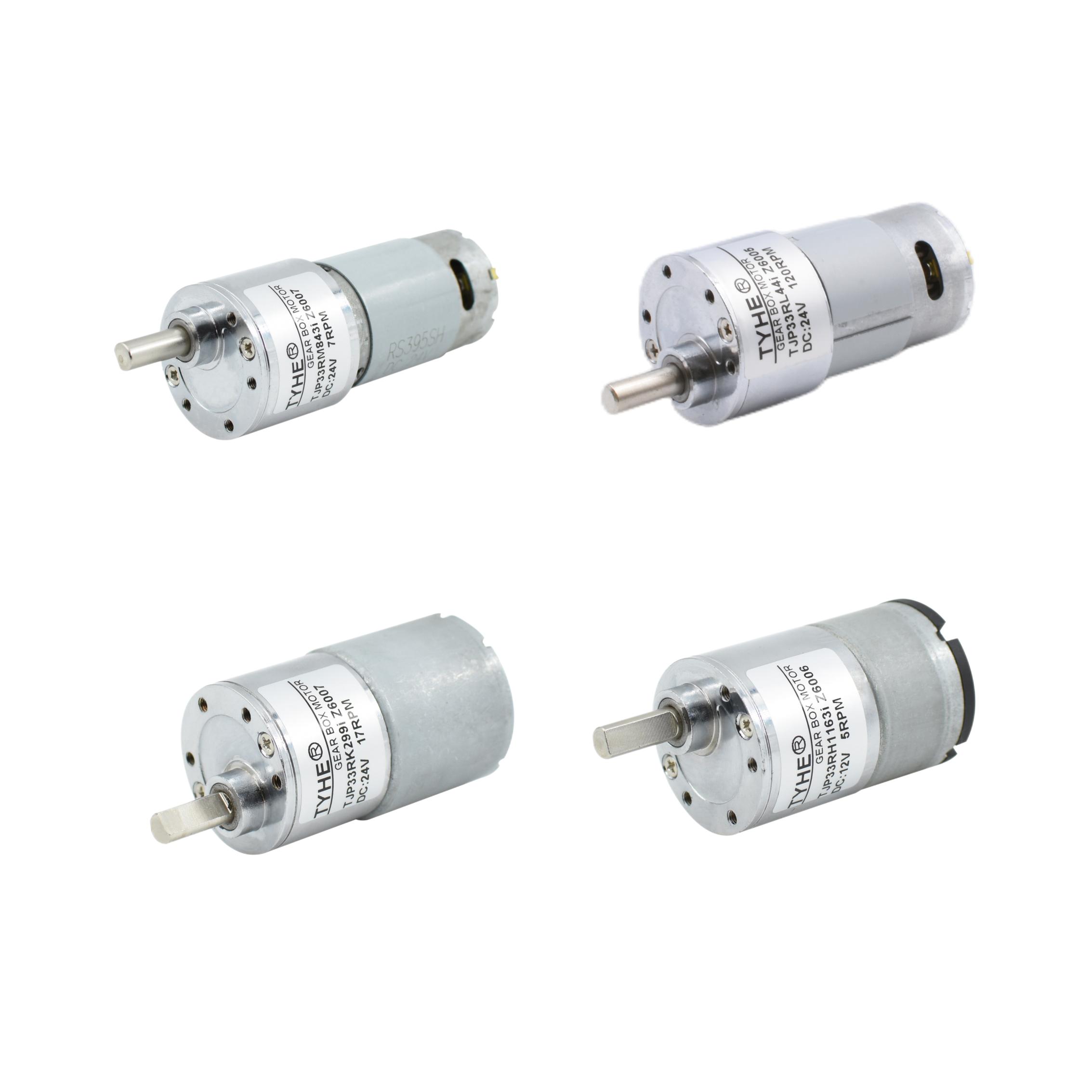
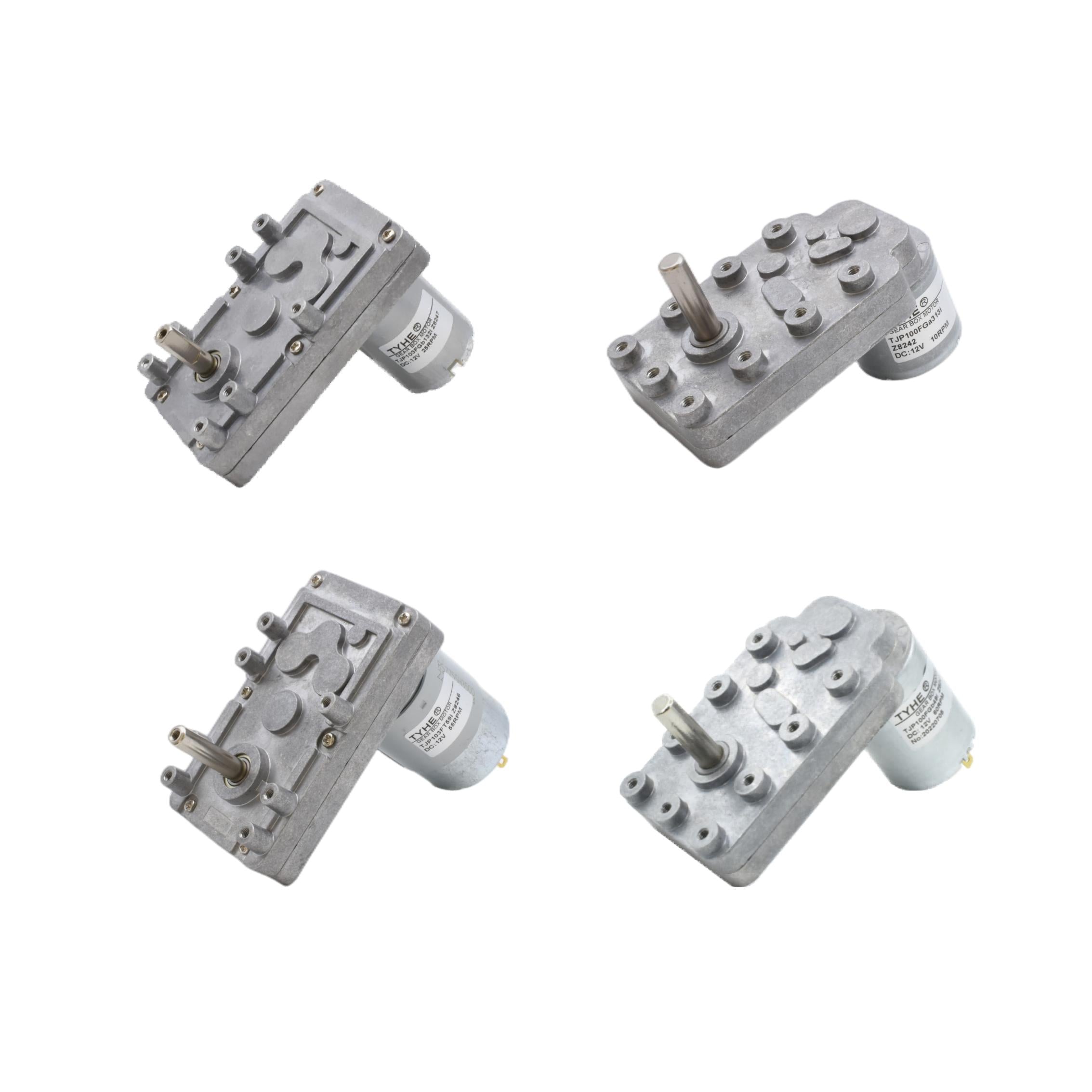
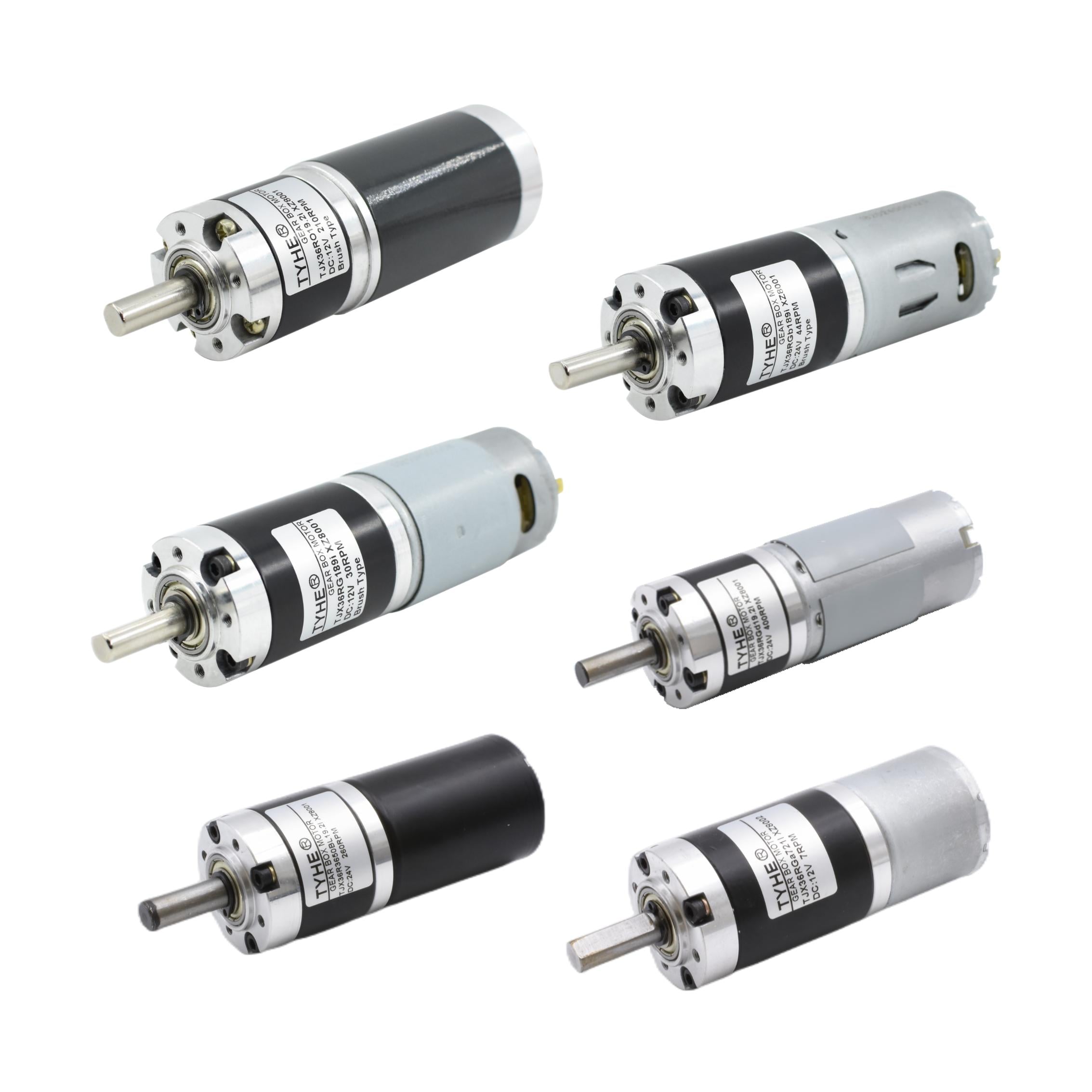
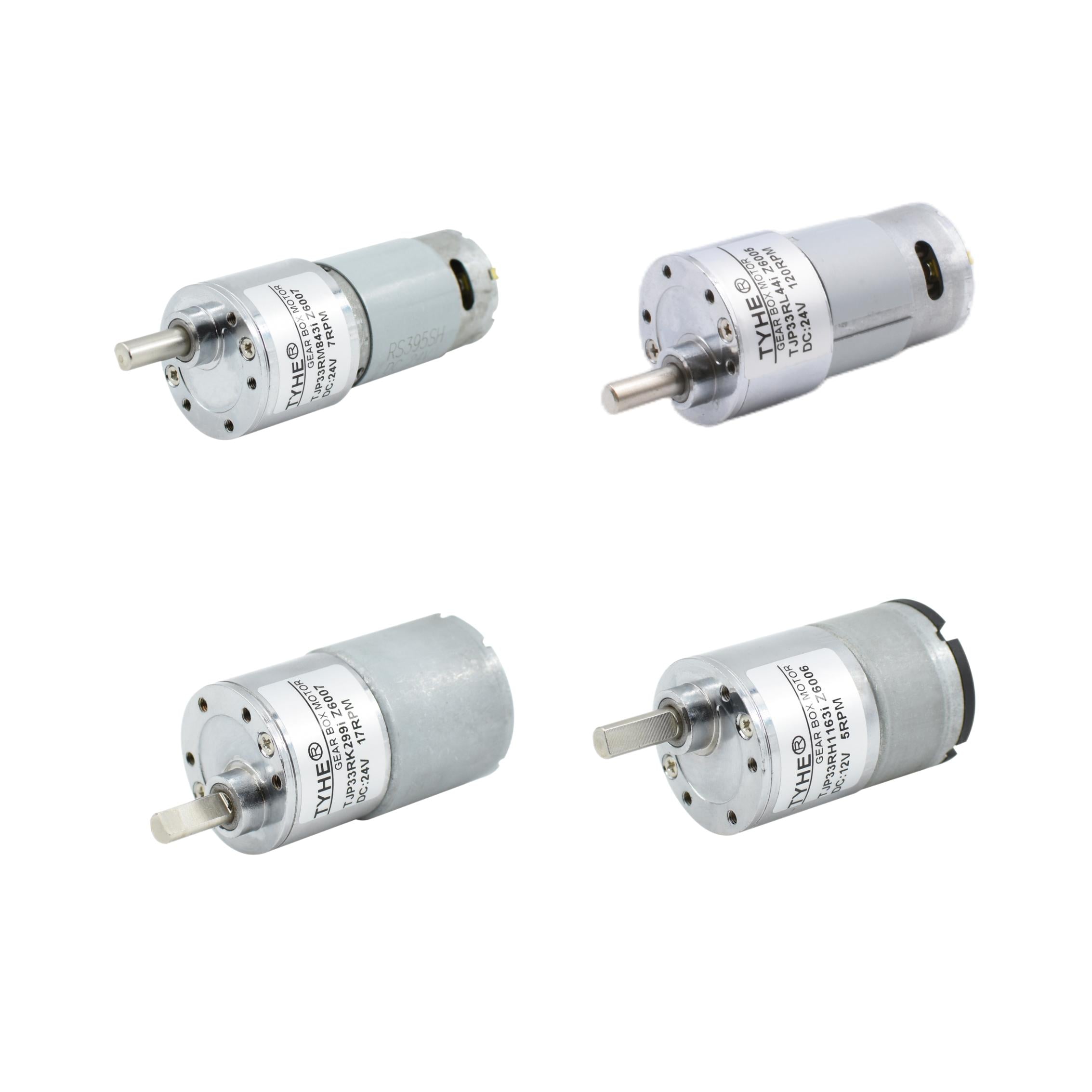
Precise Stepper Motor for Accurate Motion

All Categories

precise stepper motor

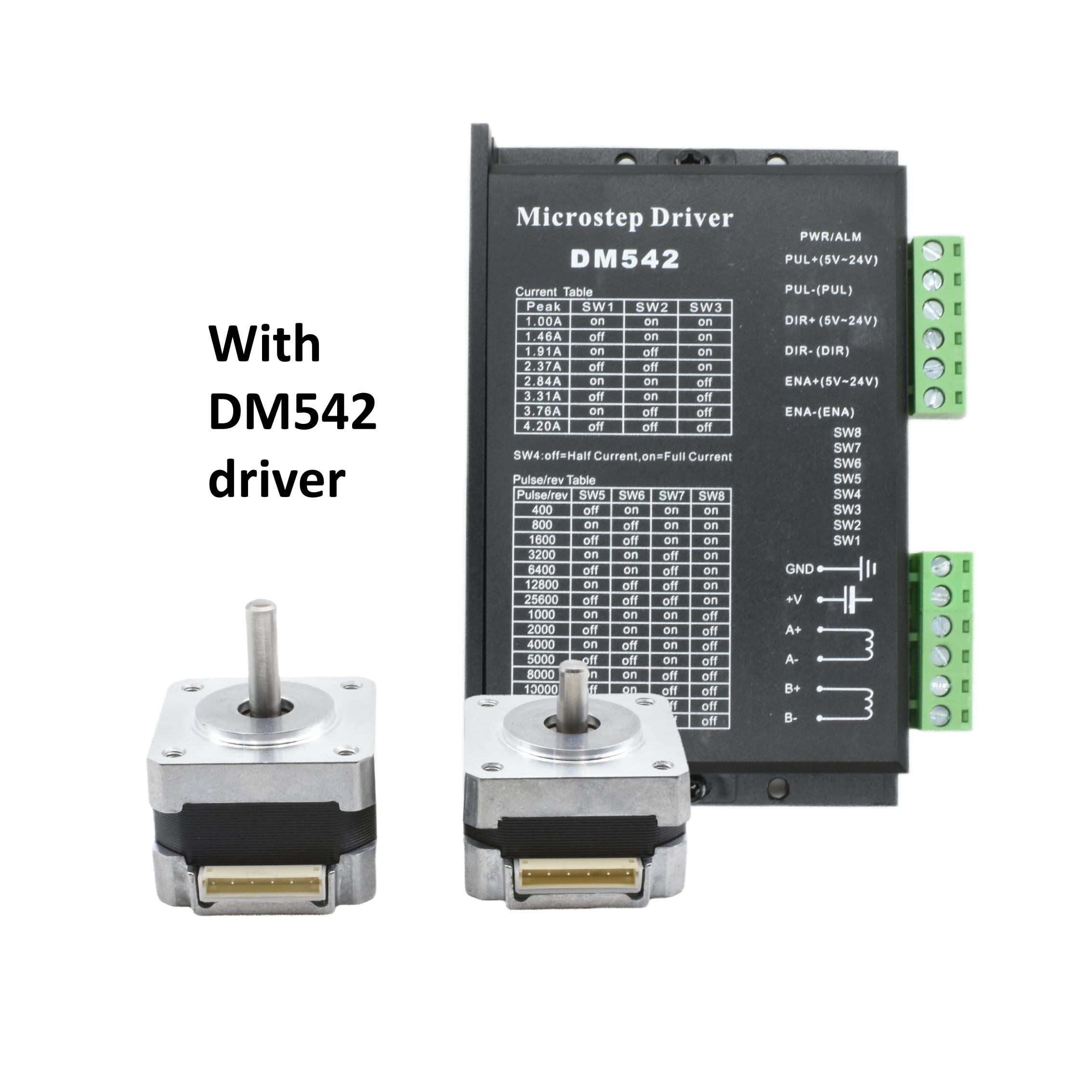
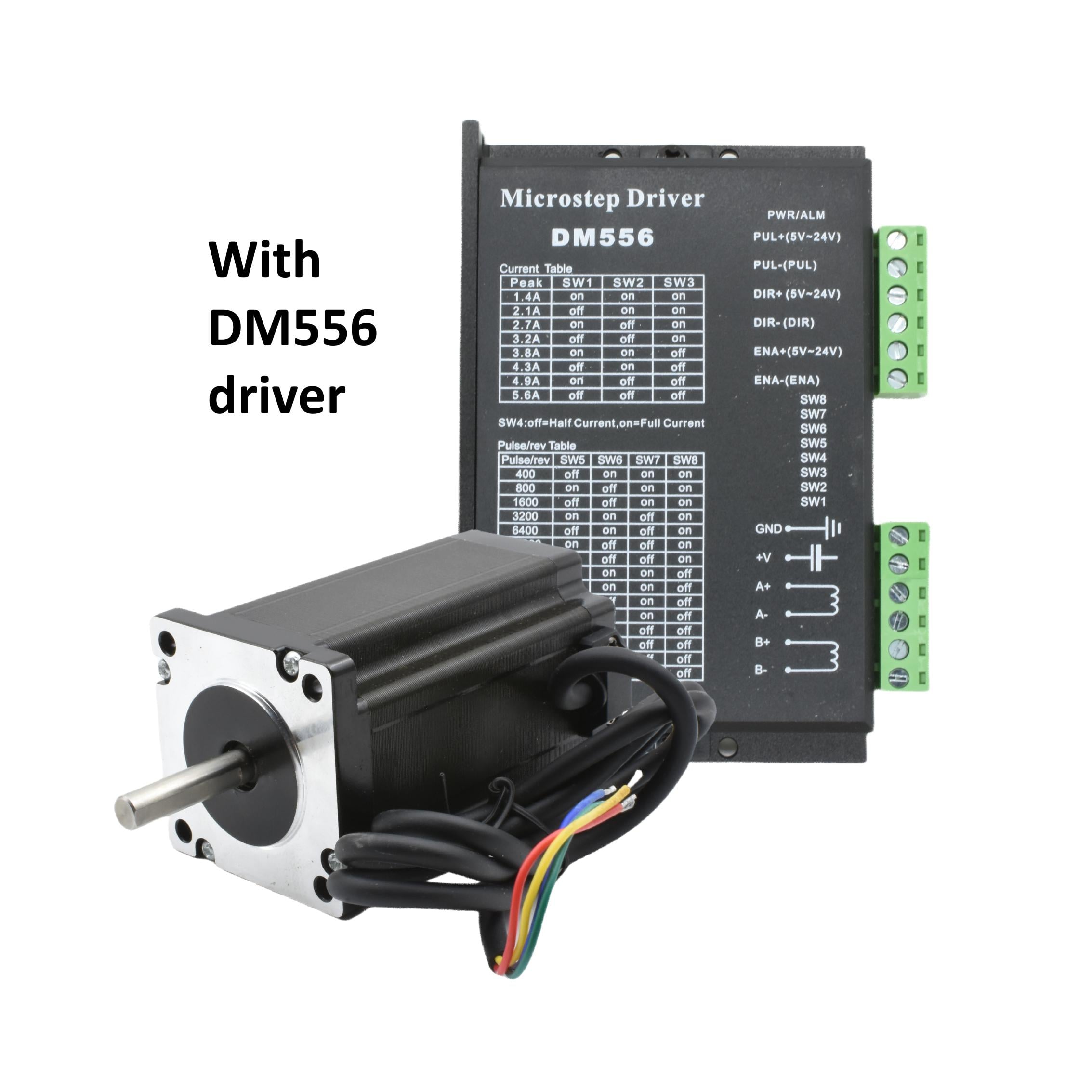
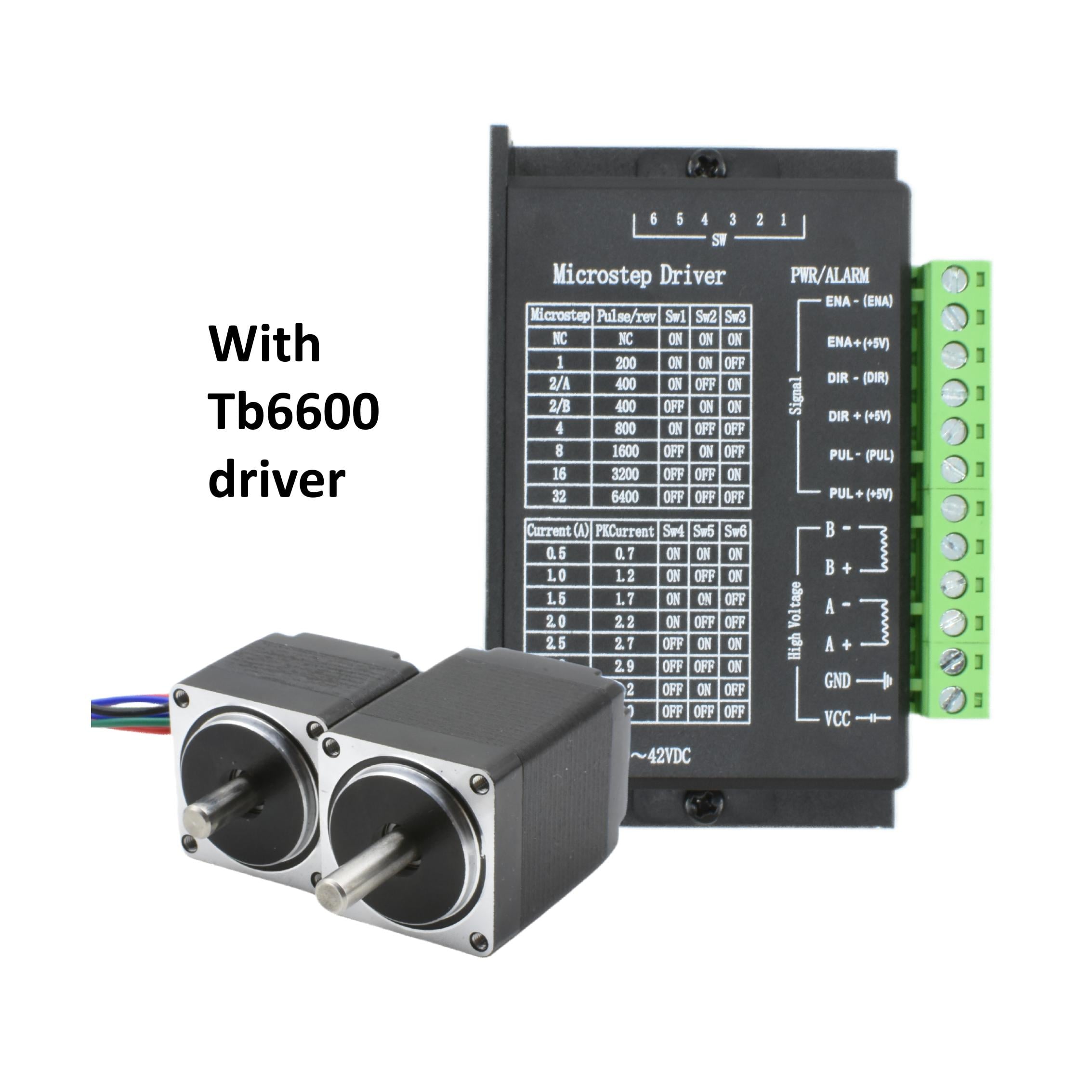
A precise stepper motor is an electric motor that converts digital control signals into measured mechanical movement. It turns its shaft through a defined number of steps, allowing equipment to control position, speed, and direction without relying on a separate position sensor in many applications. A precise stepper motor supports repeatable movement, making it useful wherever a machine must place a tool, platform, feeder, or camera accurately. Unlike a standard motor, this design moves in controlled increments rather than simply running continuously. A precise stepper motor normally includes a permanent magnet or hybrid rotor, a toothed stator, and multiple coil phases. The driver energizes these phases in sequence to create magnetic fields that guide the rotor. Microstepping technology divides each full step into smaller movements, which improves motion smoothness and reduces vibration. A precise stepper motor can also provide strong holding force when stationary, helping a mechanism remain in position under load. Typical control features include pulse and direction inputs, adjustable current, automatic protection, and compatibility with PLCs, motion controllers, and computer-based systems. A precise stepper motor suits equipment that needs affordable, reliable, and repeatable positioning. Common uses include 3D printers, CNC machines, laboratory instruments, packaging systems, textile equipment, camera sliders, medical devices, and automated assembly tools. The precise stepper motor is available in different frame sizes, torque ratings, shaft styles, and winding options. When selecting one, buyers should compare required load, travel speed, step angle, duty cycle, available voltage, and installation space. The precise stepper motor offers a practical balance between control, durability, and cost for many automated motion tasks.

New Product Recommendations

The main advantage of a precise stepper motor is predictable positioning. A controller sends a known number of pulses, and the shaft responds with a corresponding number of steps. This makes a precise stepper motor easy to integrate into machines that must move to repeatable locations. It can reduce the need for complex feedback hardware, lowering system cost and simplifying installation. A precise stepper motor also delivers useful holding torque when power remains applied. This helps keep a workpiece, carriage, valve, or tool in place without adding a mechanical brake. For buyers, that means fewer components, simpler maintenance, and a compact motion system. Another benefit is strong low-speed control. A precise stepper motor can start, stop, reverse, and move slowly with good control, which suits feeders, indexing tables, lens systems, and dosing equipment. Microstepping can make operation quieter and smoother, improving product quality and the working environment. The precise stepper motor also works well with common digital controllers, so manufacturers can adapt existing automation platforms rather than develop a new control architecture. Its brushless construction removes brush wear and supports dependable operation over long service periods. A precise stepper motor generally costs less than many servo systems, especially when the application does not require high-speed feedback correction. However, buyers should match the motor to the real load and speed. A precise stepper motor may lose position if it is overloaded, accelerated too quickly, or operated beyond its speed range. Proper sizing, current control, and acceleration settings improve reliability. The precise stepper motor is therefore a strong choice for moderate-speed applications that value repeatability, steady torque, simple control, and controlled purchasing costs. It is especially suitable for equipment builders who want dependable movement without unnecessary system complexity.

Latest News

12V DC Motor Speed Control: PWM Explained

02

Jul

12V DC Motor Speed Control: PWM Explained

Controlling the speed of a 12v dc motor is one of the most common requirements in industrial automation, robotics, and embedded systems design. Whether you are driving a conveyor belt, a cooling fan, or a precision positioning stage, the ability to v...
View More
Testing the Performance of Your New 12V DC Motor

02

Jul

Testing the Performance of Your New 12V DC Motor

When you receive a new 12v dc motor, the first step before deploying it in any system is to verify that it performs exactly as specified. A 12v dc motor may look perfect on the outside, yet still fall short of its rated speed, torque, or efficiency u...
View More
Compact 12V DC Motor Solutions for Portable Devices

02

Jul

Compact 12V DC Motor Solutions for Portable Devices

When engineers and product designers search for the ideal drive component in compact applications, the 12v dc motor consistently emerges as a top-tier choice. Its voltage range aligns perfectly with battery-powered and USB-compatible power supplies, ...
View More
Finding the Most Powerful Small DC Motor for Its Size

02

Sep

Finding the Most Powerful Small DC Motor for Its Size

Selecting the right small dc motor for your application requires more than just checking power specifications. Engineers and product designers frequently face the challenge of finding a small dc motor that delivers maximum performance within severe s...
View More

Get a Free Quote

Our representative will contact you soon.
Email
Mobile/WhatsApp
Name
Company Name
Message
0/1000

precise stepper motor

Repeatable Position Control

Repeatable Position Control

A precise stepper motor gives equipment builders direct control over movement. Each input pulse represents a defined shaft step, so the controller can command a measured distance without complicated programming. This feature helps a precise stepper motor place parts, position cutters, align sensors, or move platforms consistently from cycle to cycle. In many systems, the user can set a home position and then count pulses to reach working locations. That approach reduces hardware requirements and makes machine behavior easier to understand during setup and service. A precise stepper motor also supports microstepping, which divides normal steps into smaller increments. The result is finer movement, less visible vibration, and better handling of delicate tasks. For customers, repeatable control can improve product consistency and reduce material waste. It also simplifies troubleshooting because technicians can link a motion command directly to a mechanical response. The precise stepper motor is valuable when accurate indexing matters more than extreme speed or complex closed-loop correction.
Efficient, Flexible Integration

Efficient, Flexible Integration

A precise stepper motor connects easily with many control systems, including PLCs, embedded boards, and dedicated motion controllers. Standard pulse and direction signals let engineers use familiar hardware and software, which can shorten development time. A precise stepper motor is offered with different frame sizes, torque levels, connector arrangements, and shaft configurations. This flexibility helps machine designers select a suitable model rather than redesigning the whole mechanism. Adjustable driver current allows the system to balance torque, temperature, and energy use for its operating conditions. A precise stepper motor can also hold a position while stationary, supporting vertical axes, clamps, and indexing devices without a separate brake in suitable applications. Its brushless design reduces routine service because there are no brushes to replace. For buyers, these integration benefits can lower installation effort, spare-part variety, and long-term maintenance demands. The precise stepper motor gives equipment makers a practical route to reliable automation while preserving design freedom across compact machines, production lines, and custom instruments.
Strong Value for Automated Equipment

Strong Value for Automated Equipment

A precise stepper motor provides controlled motion at a cost that often suits small and medium automation projects. It combines a simple electrical design with useful torque, reliable starting, and repeatable positioning. This makes a precise stepper motor a practical option for printers, dispensers, inspection tools, and laboratory mechanisms that operate at moderate speeds. The motor can deliver steady low-speed movement, helping a machine feed material or adjust a setting without sudden jumps. Microstepping further improves movement quality, which can protect fragile products and create cleaner finished results. A precise stepper motor also has a compact form factor, allowing designers to fit controlled motion into limited spaces. Customers can benefit from predictable procurement because common sizes and driver options are widely available. The precise stepper motor is not the answer for every high-speed or constantly changing load, but it offers excellent value when the application needs simple, repeatable, and economical movement. Correct sizing protects performance and extends service life.
Precise Stepper Motor for Accurate Motion

Get a Free Quote

Our representative will contact you soon.
Email
Mobile/WhatsApp
Name
Company Name
Message
0/1000
Precise Stepper Motor for Accurate Motion