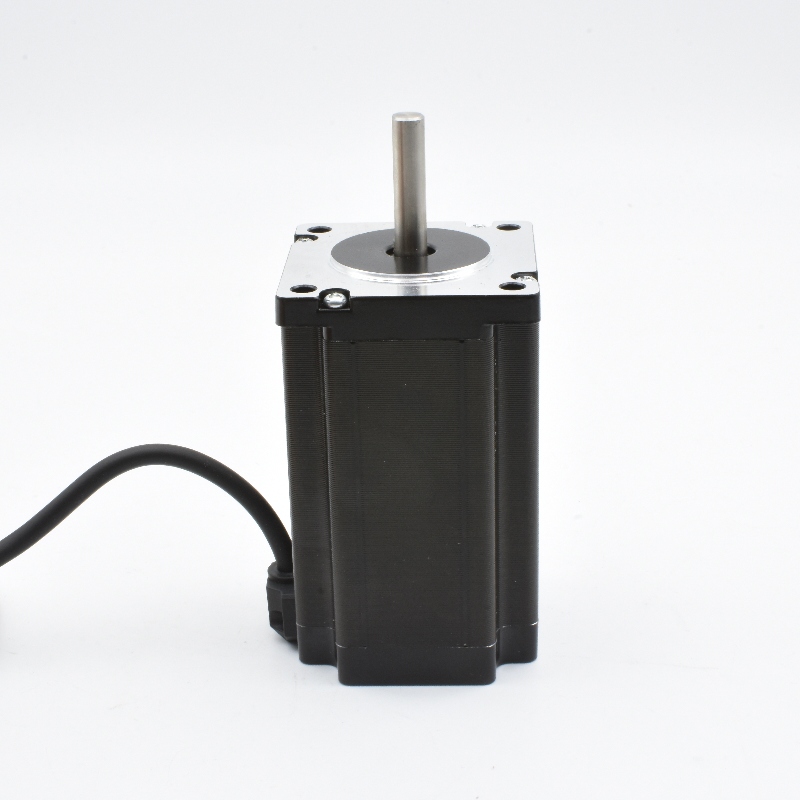
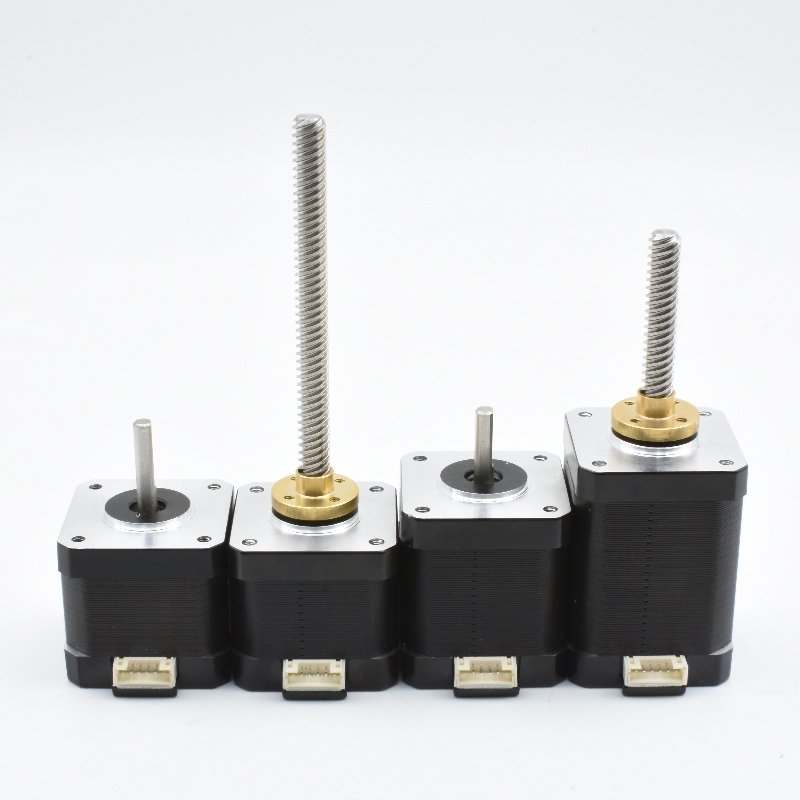
hybrid stepper motor
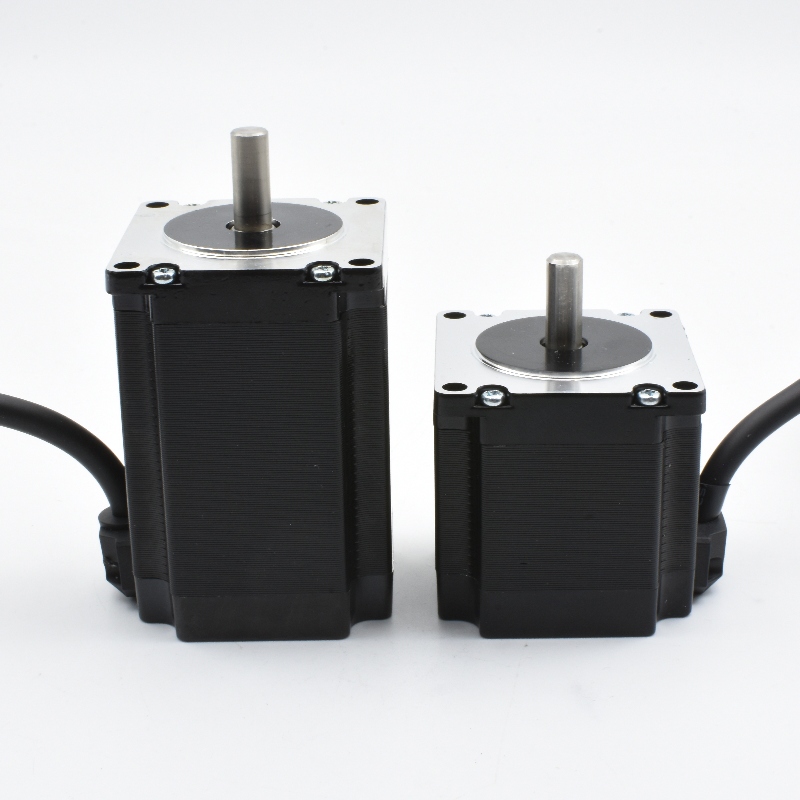
A hybrid stepper motor is an electric motor designed to move a shaft through precise, controlled steps. It combines the strong magnetic structure of a permanent magnet motor with the fine tooth arrangement of a variable reluctance motor. This design lets a hybrid stepper motor produce accurate positioning, useful holding force, and reliable low-speed movement without requiring a separate position sensor in many applications. The motor receives electrical pulses from a driver. Each pulse moves the rotor by a set angle, so a controller can manage position by counting pulses. A hybrid stepper motor can also run continuously when the controller sends a steady sequence of pulses. Its main functions include indexing, feeding, scanning, lifting, rotating, and holding a load in a fixed position. Common features include two-phase or three-phase windings, multiple rotor teeth, high torque, and selectable step angles. Microstepping drivers can divide each full step into smaller movements, helping the hybrid stepper motor operate more smoothly and quietly. Some models include a closed-loop encoder, brake, gearbox, or customized shaft for special equipment. The motor works well with digital controllers, PLC systems, motion cards, and embedded control boards. A hybrid stepper motor suits machines that need repeatable movement, simple control, and dependable torque at low or moderate speeds. Typical applications include 3D printers, CNC equipment, packaging machines, textile systems, medical instruments, camera mechanisms, robotics, and laboratory automation. Buyers can select frame size, torque rating, voltage, current, step angle, and mounting style to match the machine. With correct sizing and drive settings, a hybrid stepper motor provides a practical balance between cost, control, and mechanical performance.

 EN