Integrated Design Efficiency and Space Optimization
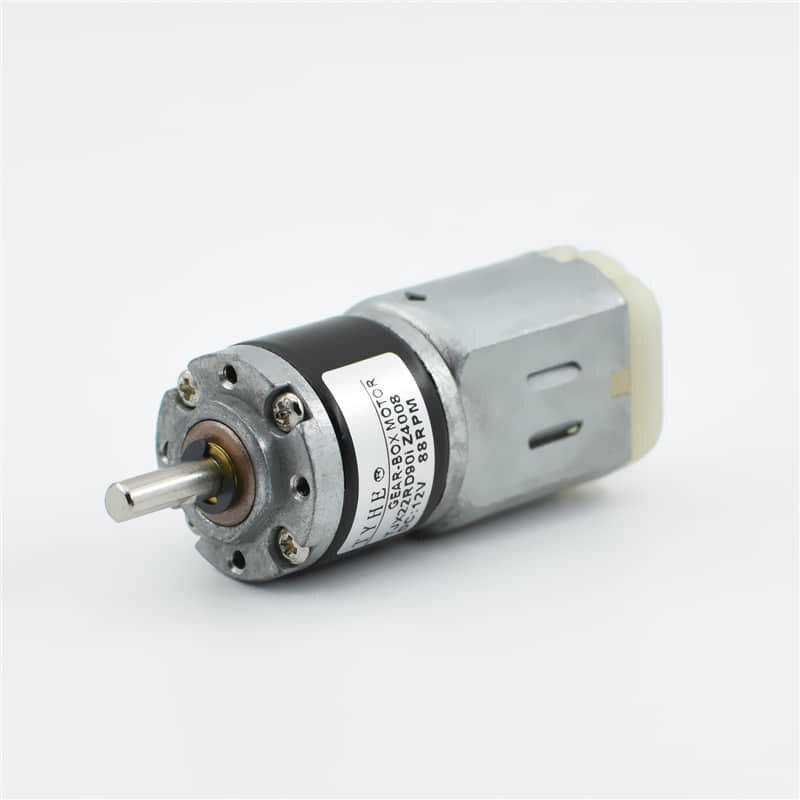
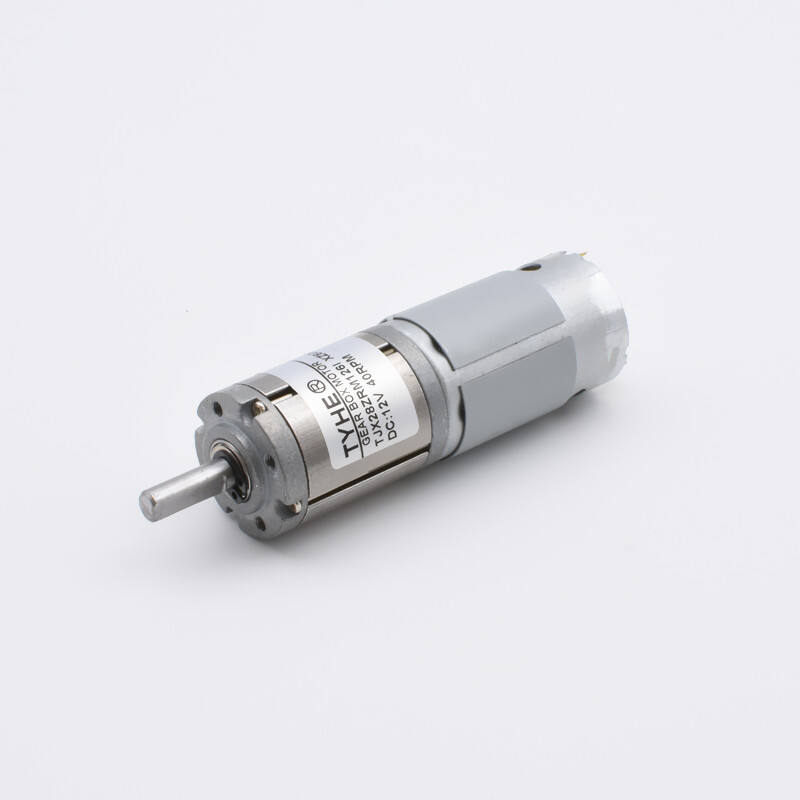
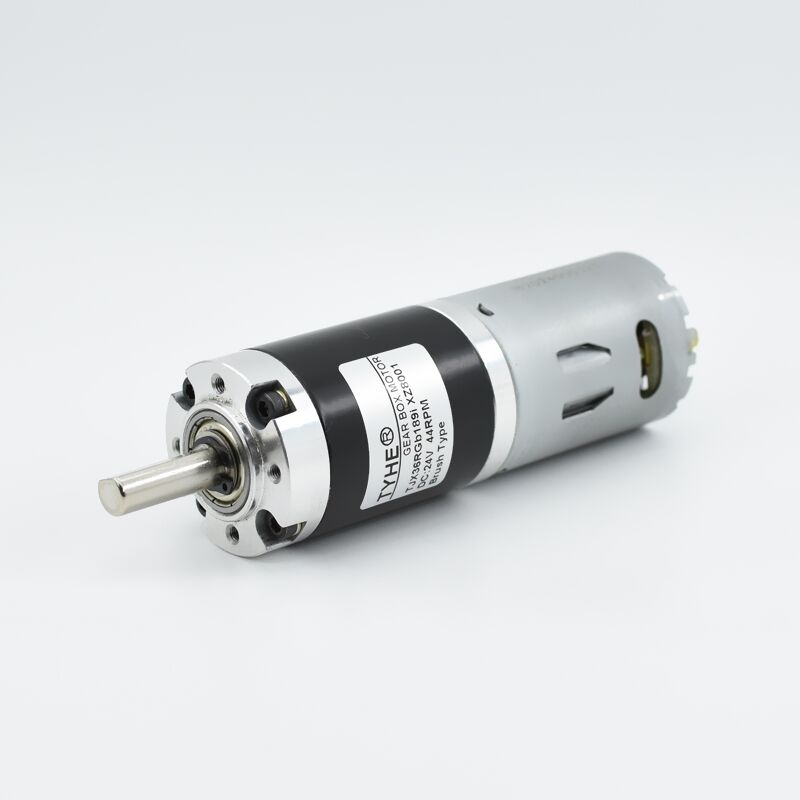
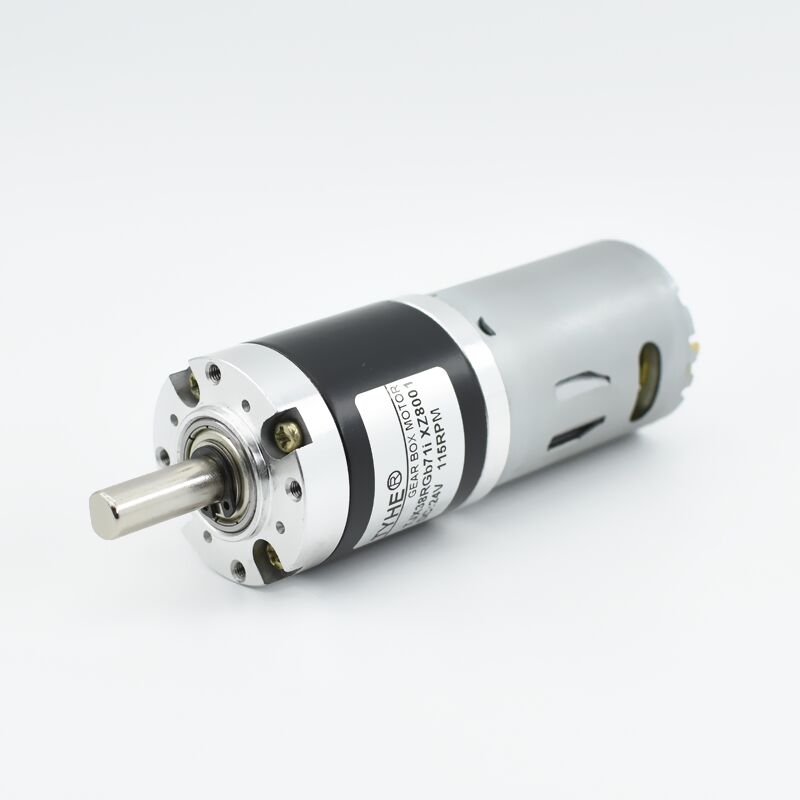
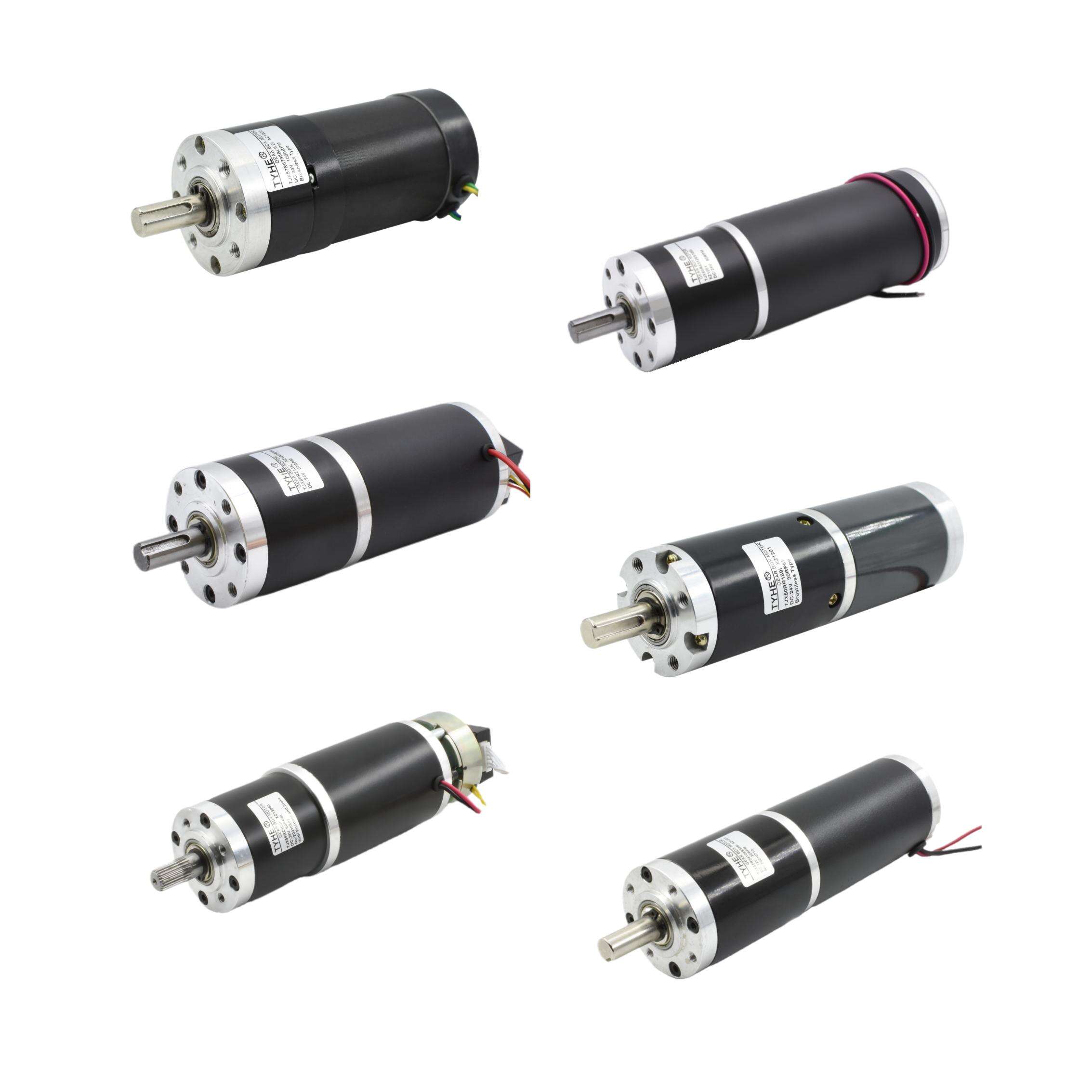
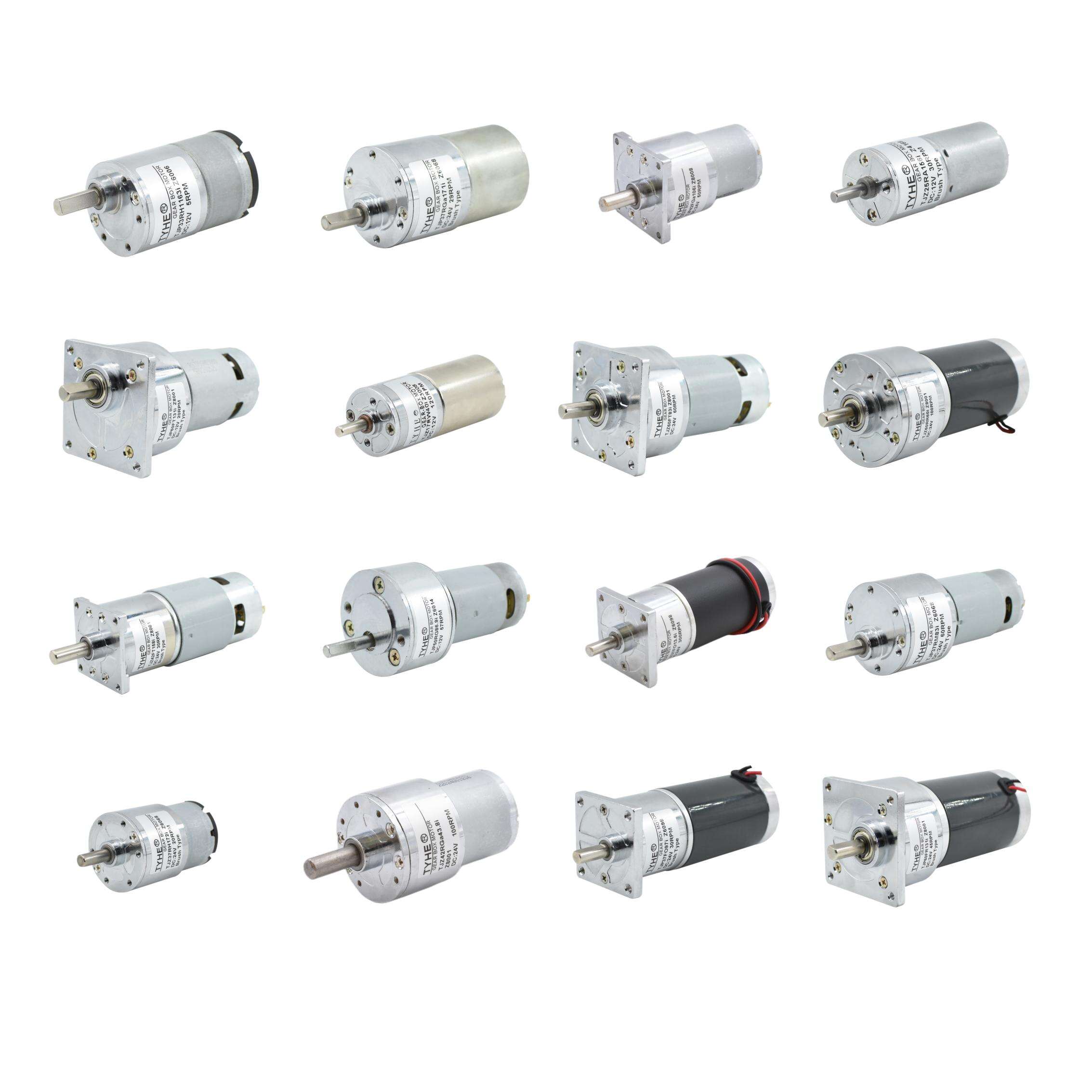
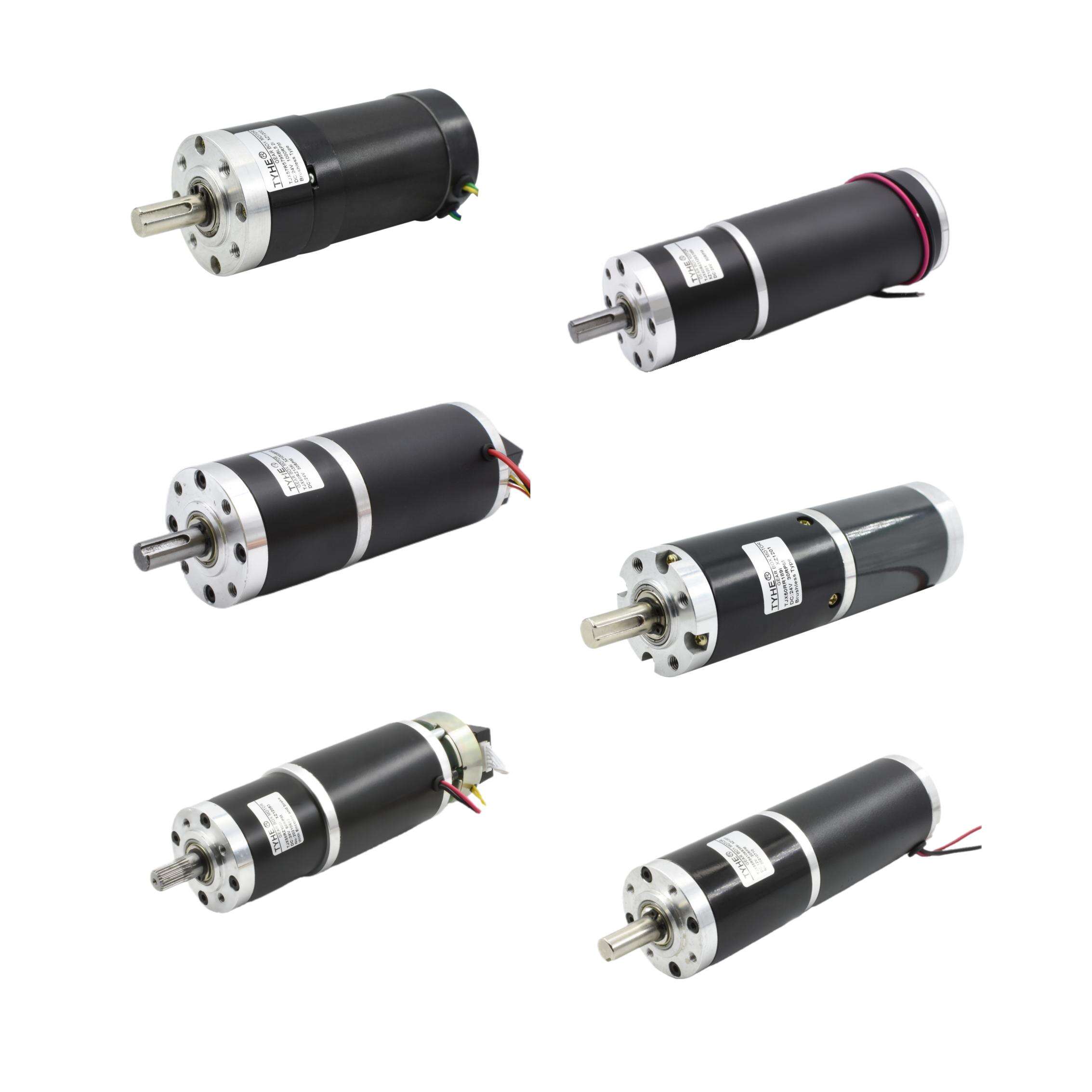
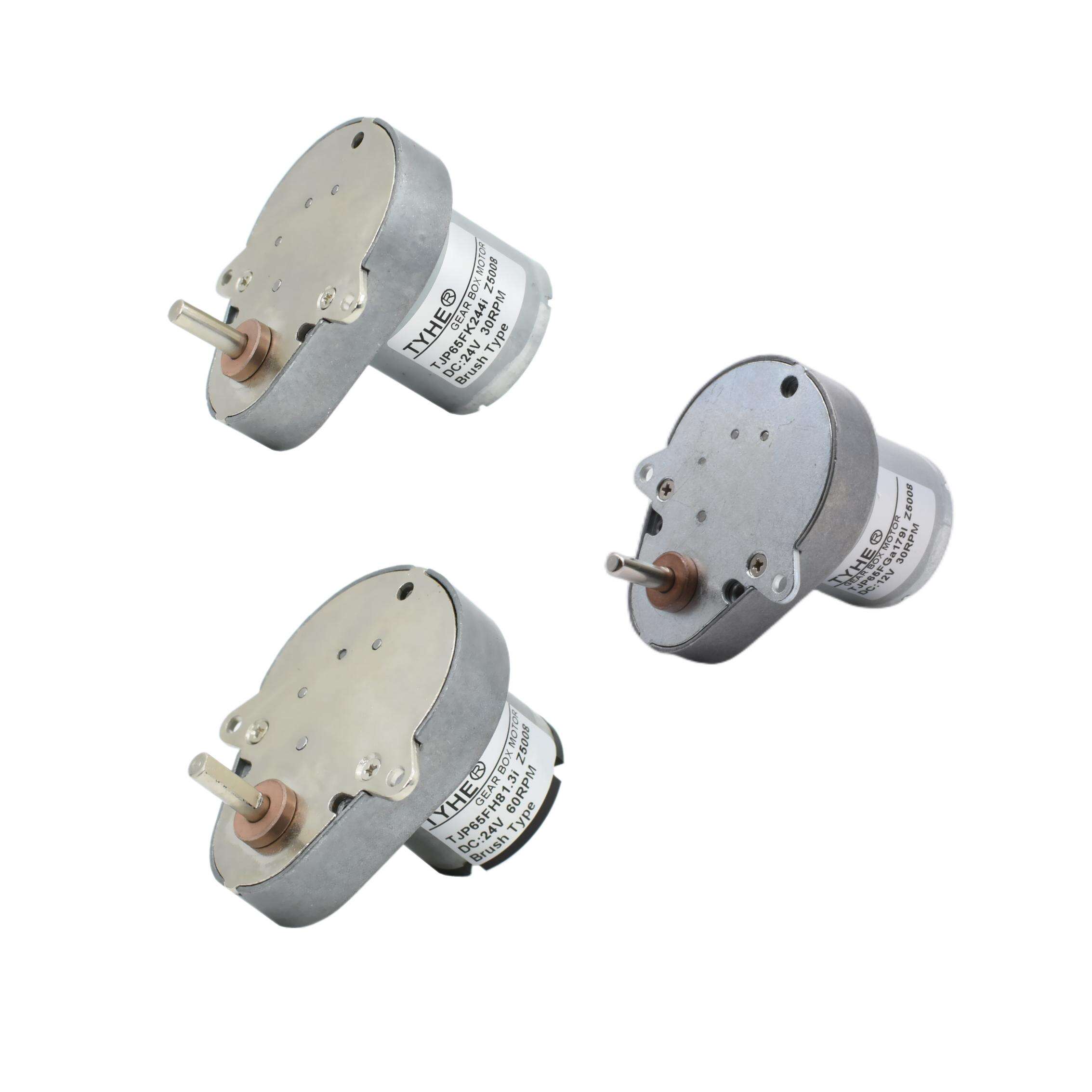
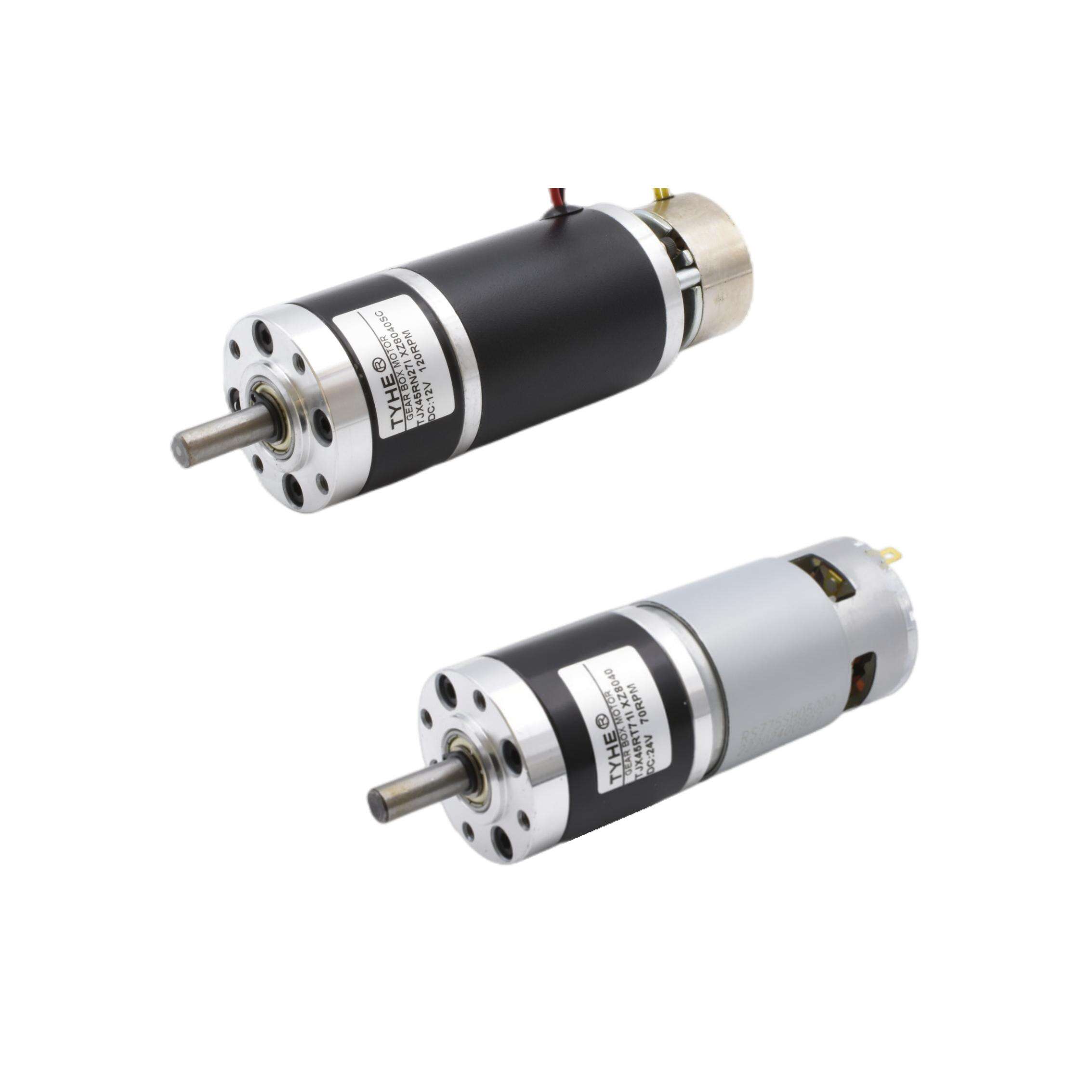
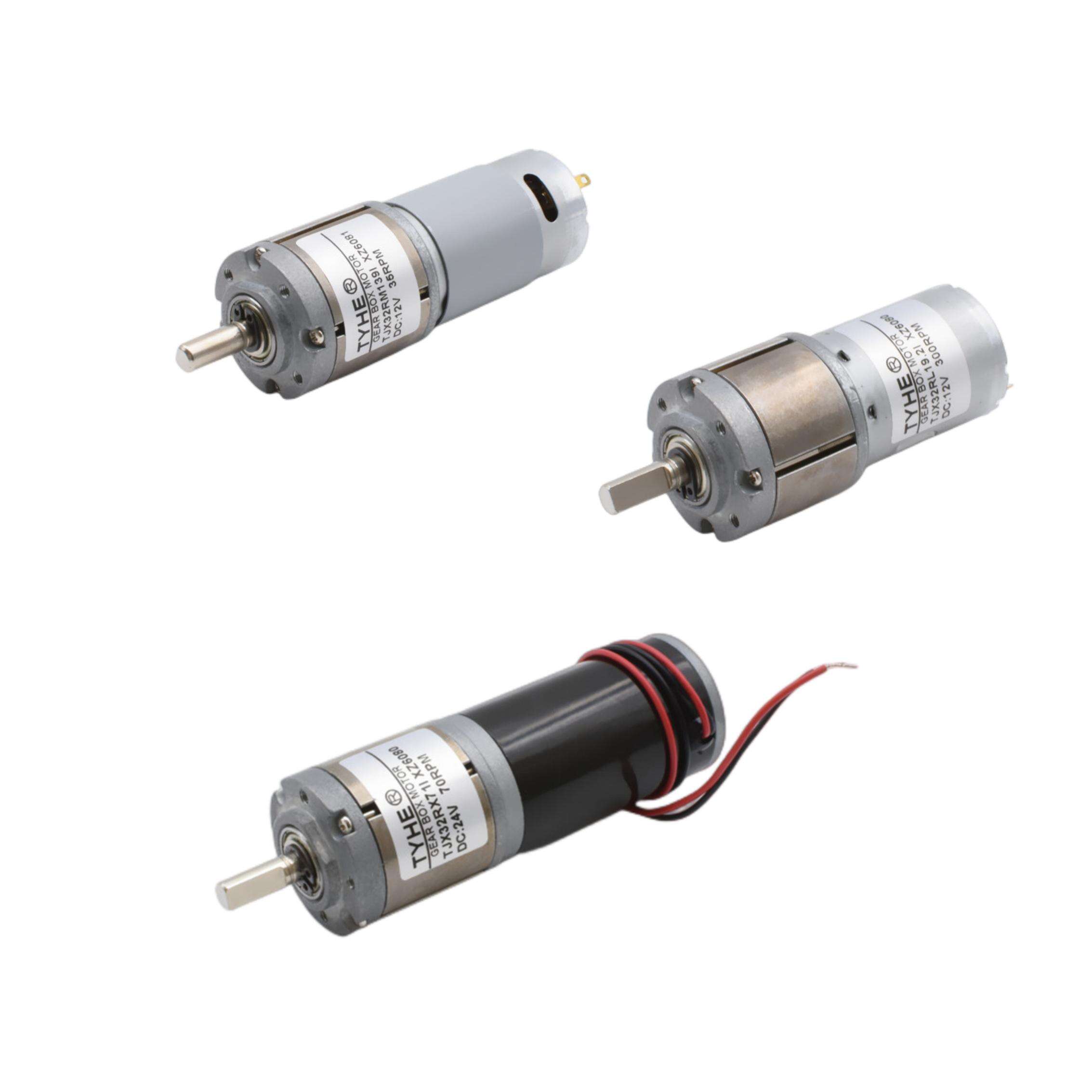
The worm gear stepper motor's integrated construction represents a revolutionary approach to motion control design, combining multiple mechanical functions into a single, compact unit that dramatically improves system efficiency and space utilization. Traditional motion control systems often require separate stepper motors, reduction gearboxes, mounting brackets, and coupling mechanisms, creating complex assemblies that consume significant space and introduce multiple potential failure points. The worm gear stepper motor eliminates these complications by incorporating precision gear reduction directly into the motor housing, creating a unified component that performs all necessary functions while occupying minimal space. This integrated approach reduces the total component count by up to 70 percent compared to equivalent separate motor and gearbox combinations, simplifying procurement, inventory management, and assembly processes. The space savings achieved through this integration are particularly valuable in compact equipment designs, portable devices, and applications where multiple positioning axes must be accommodated within limited space constraints. Manufacturing efficiency is enhanced through reduced assembly time, fewer interconnections, and simplified alignment procedures that eliminate the precision mounting requirements associated with separate motor and gearbox combinations. The integrated design also improves reliability by reducing the number of mechanical interfaces, eliminating coupling wear issues, and providing better protection for internal components through unified housing construction. Maintenance requirements are significantly reduced since the integrated unit requires no coupling adjustments, gear oil changes in separate gearboxes, or realignment procedures that are common with multi-component systems. The motor's compact form factor enables innovative machine designs that were previously impossible due to space constraints, opening new possibilities for portable equipment, medical devices, and automation systems requiring multiple positioning axes in confined spaces.

 EN
EN