ac stepper motor: Precise Motion Control

All Categories

ac stepper motor

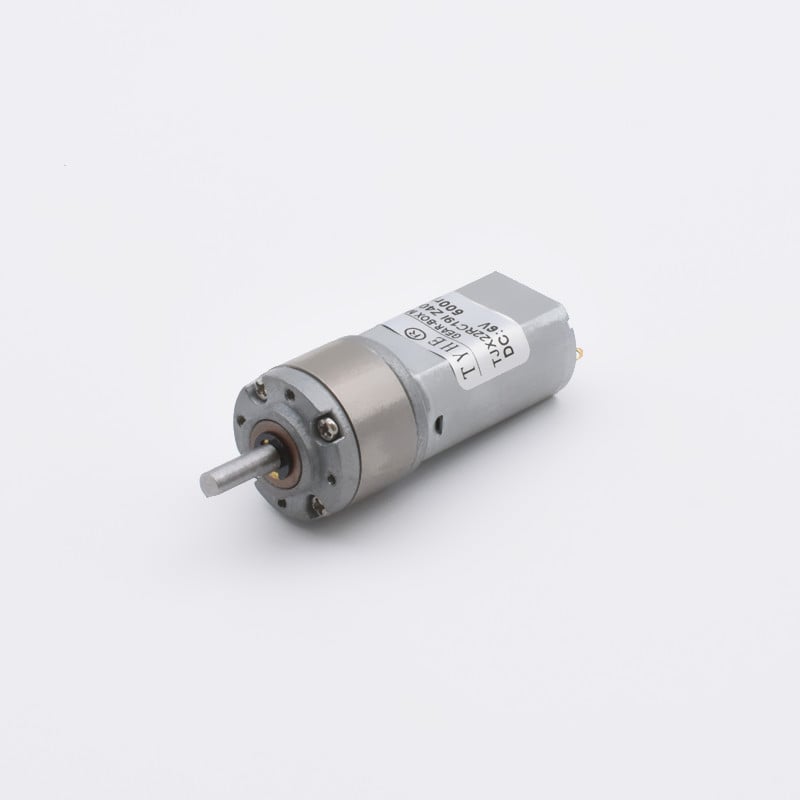
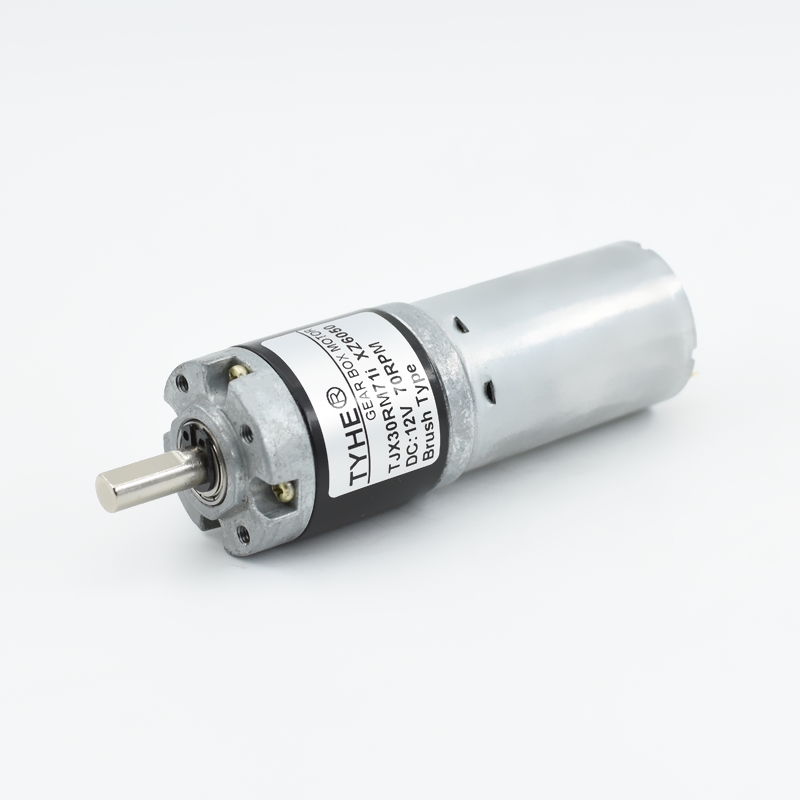
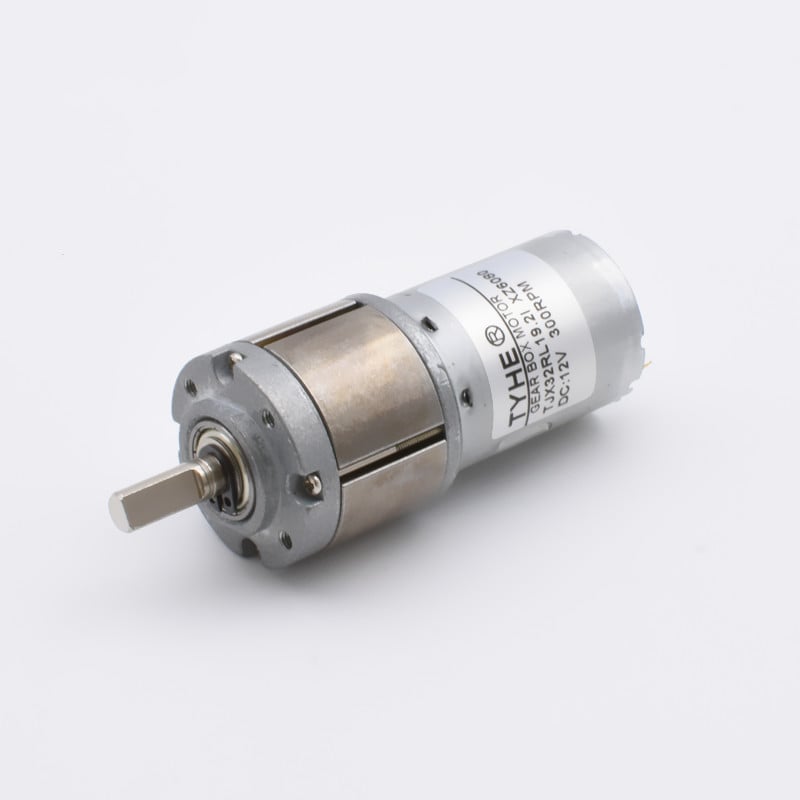
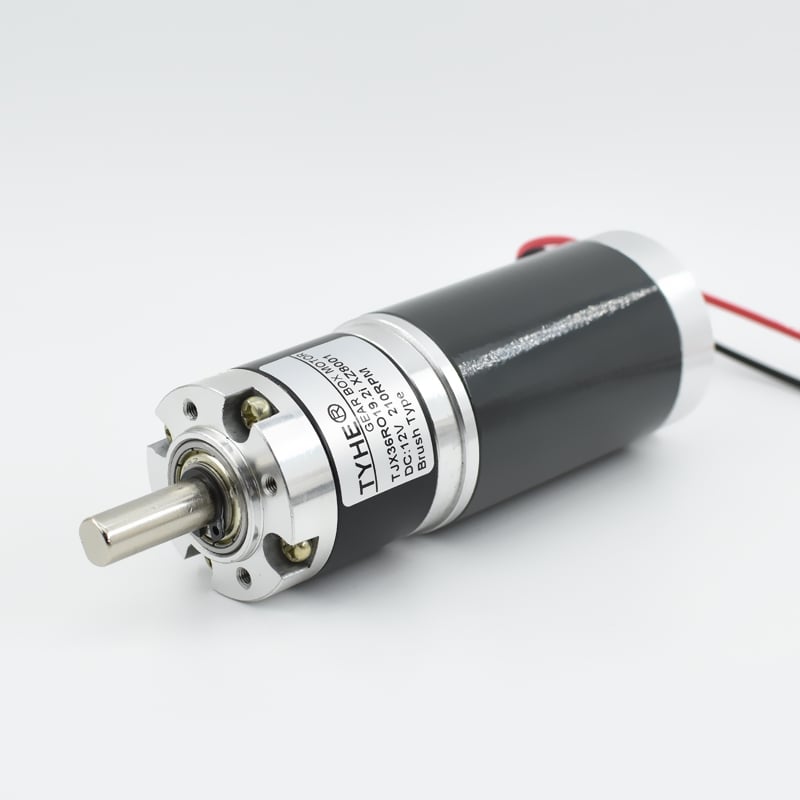
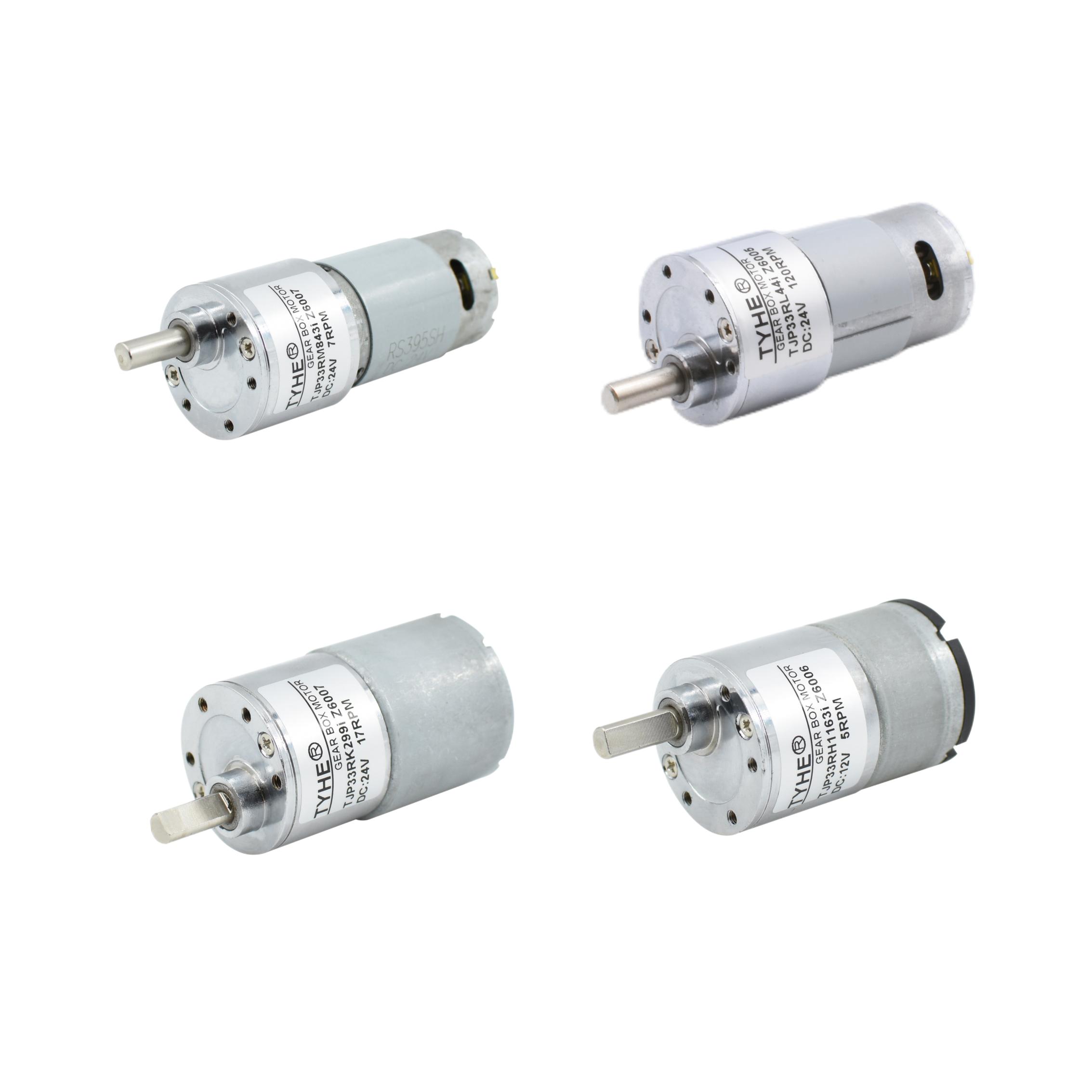
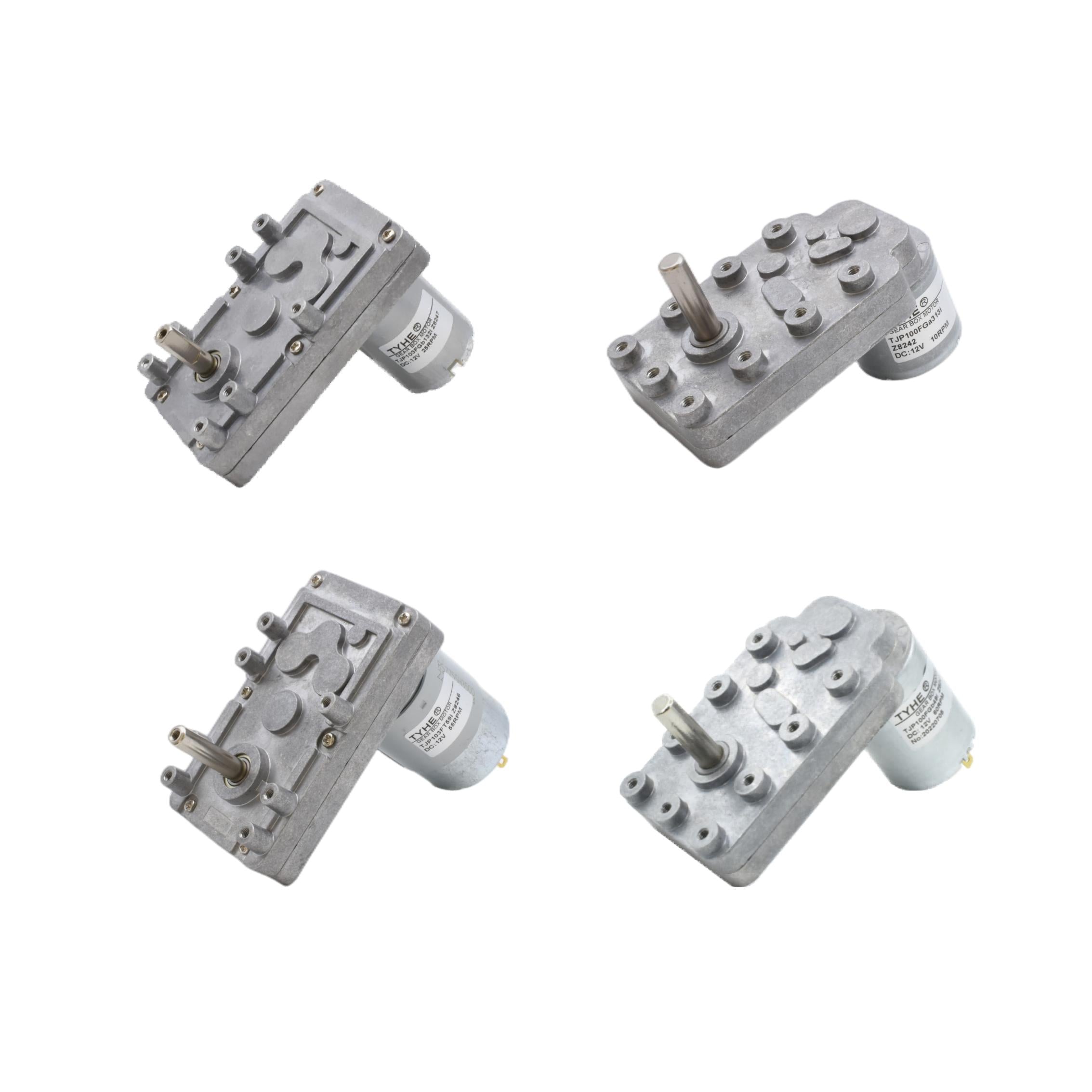
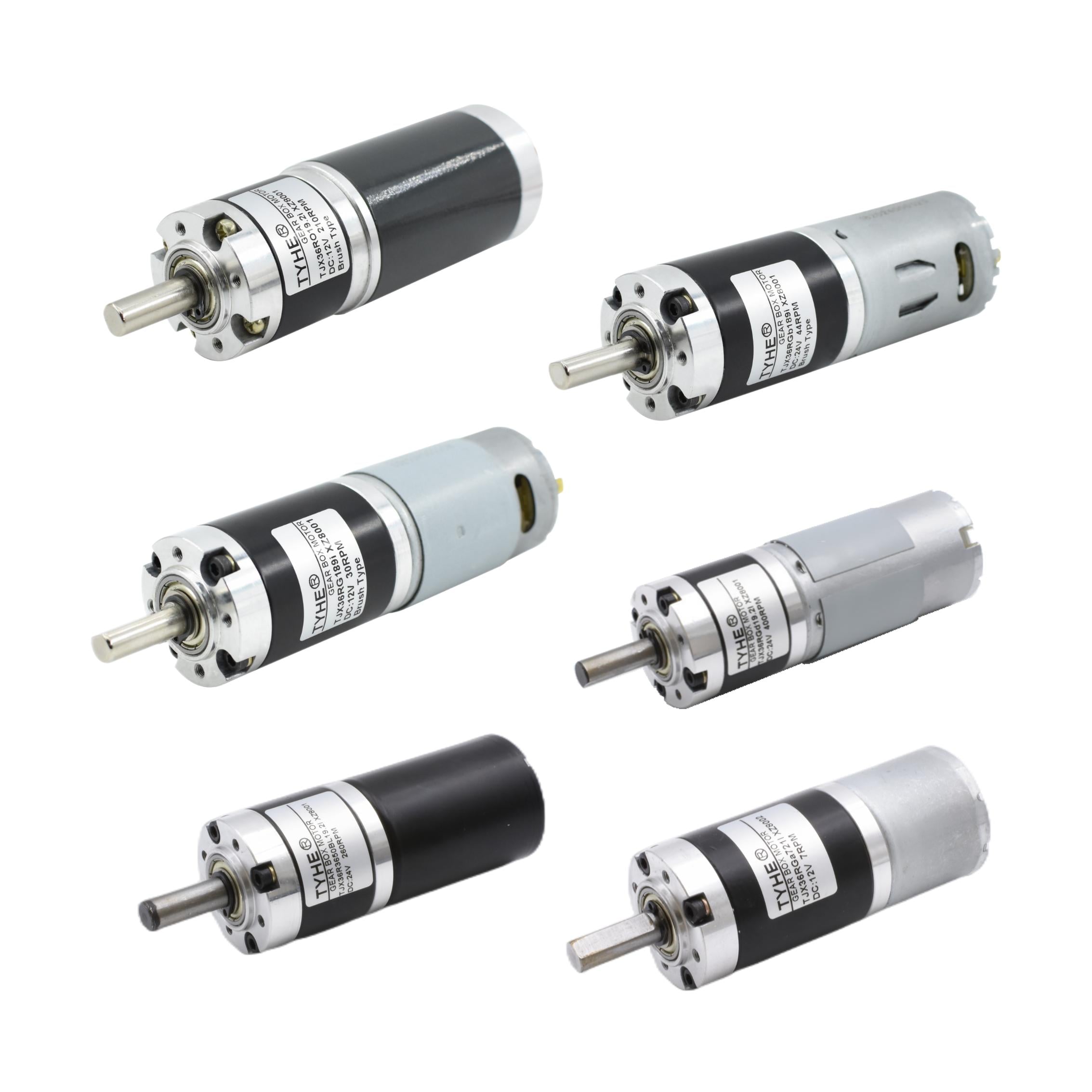
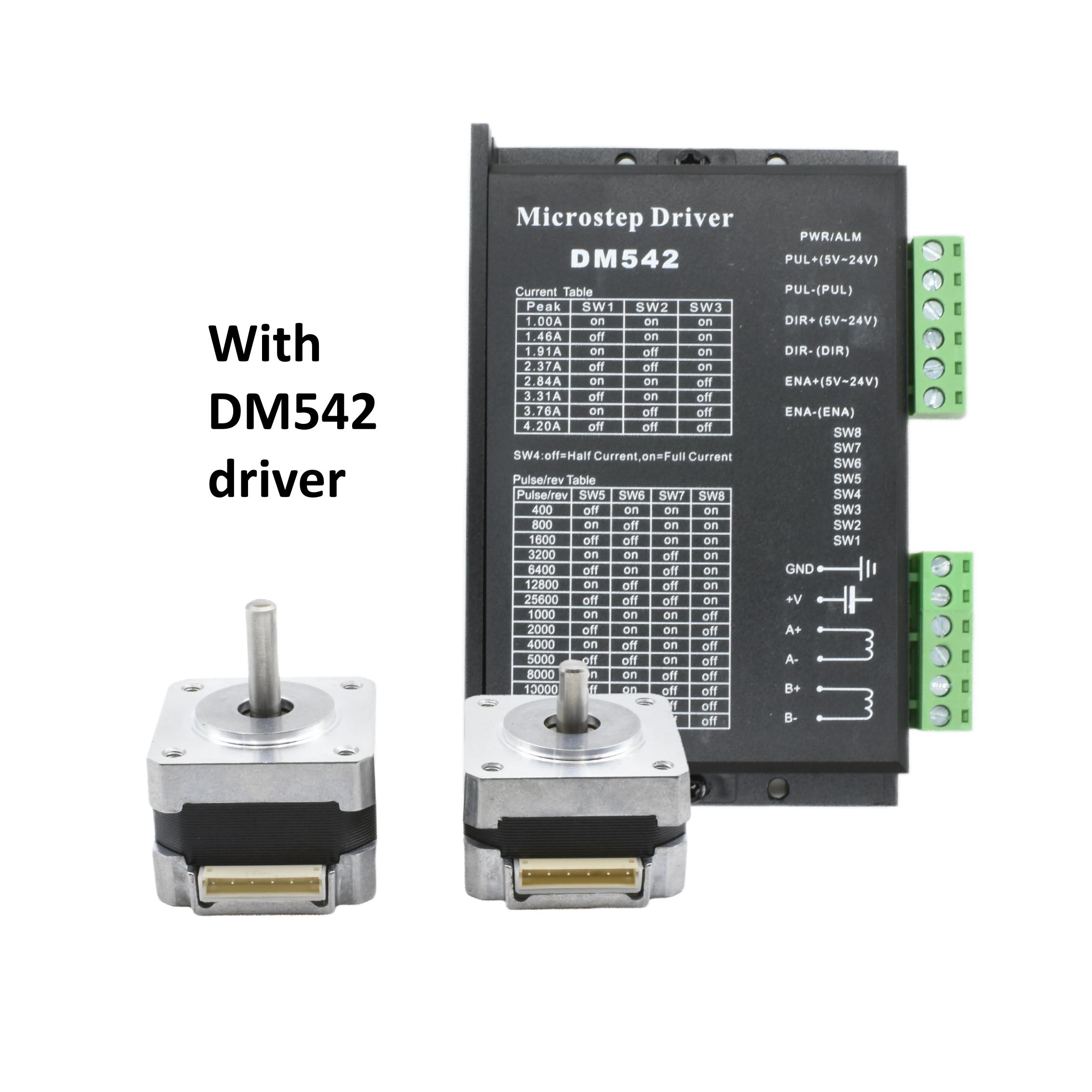
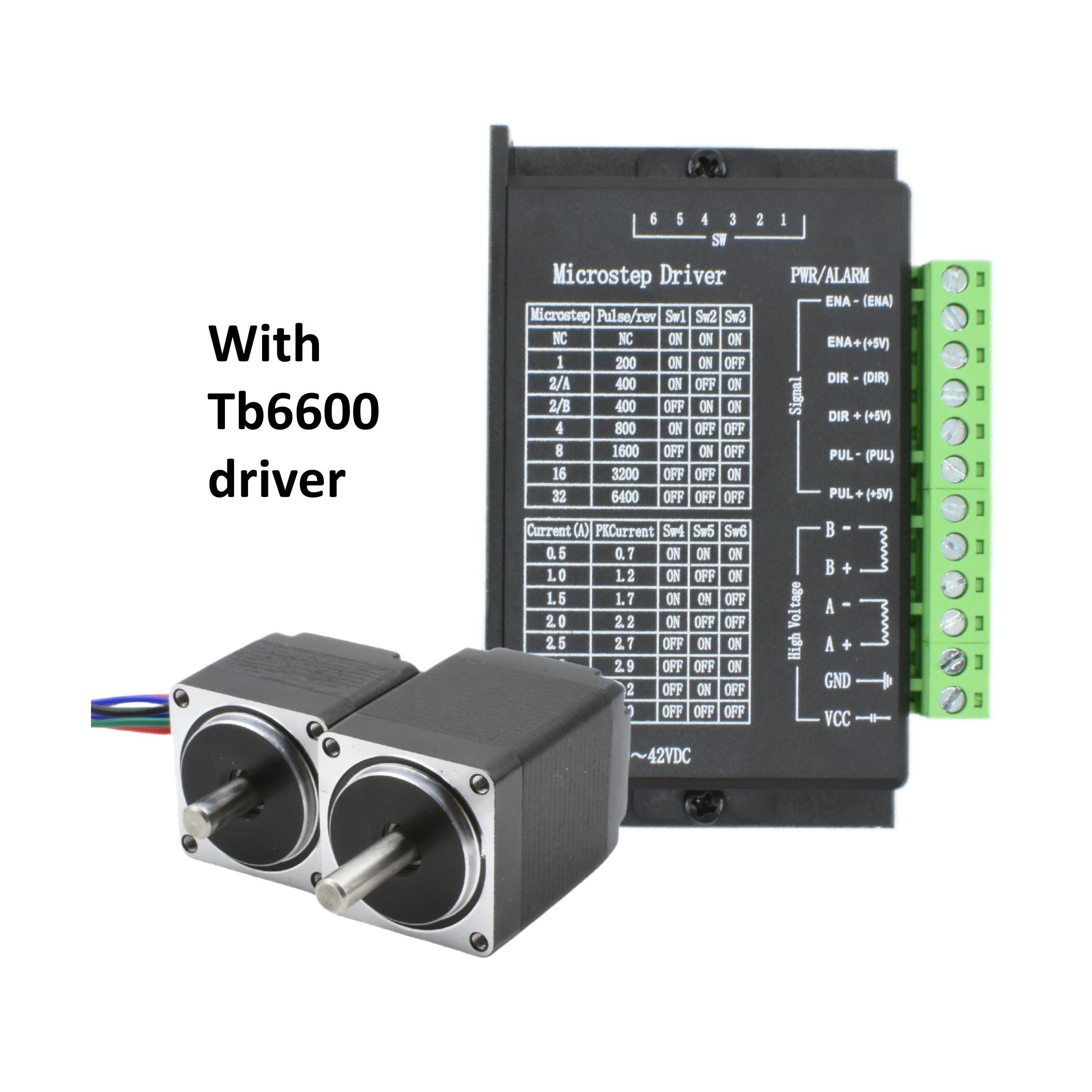
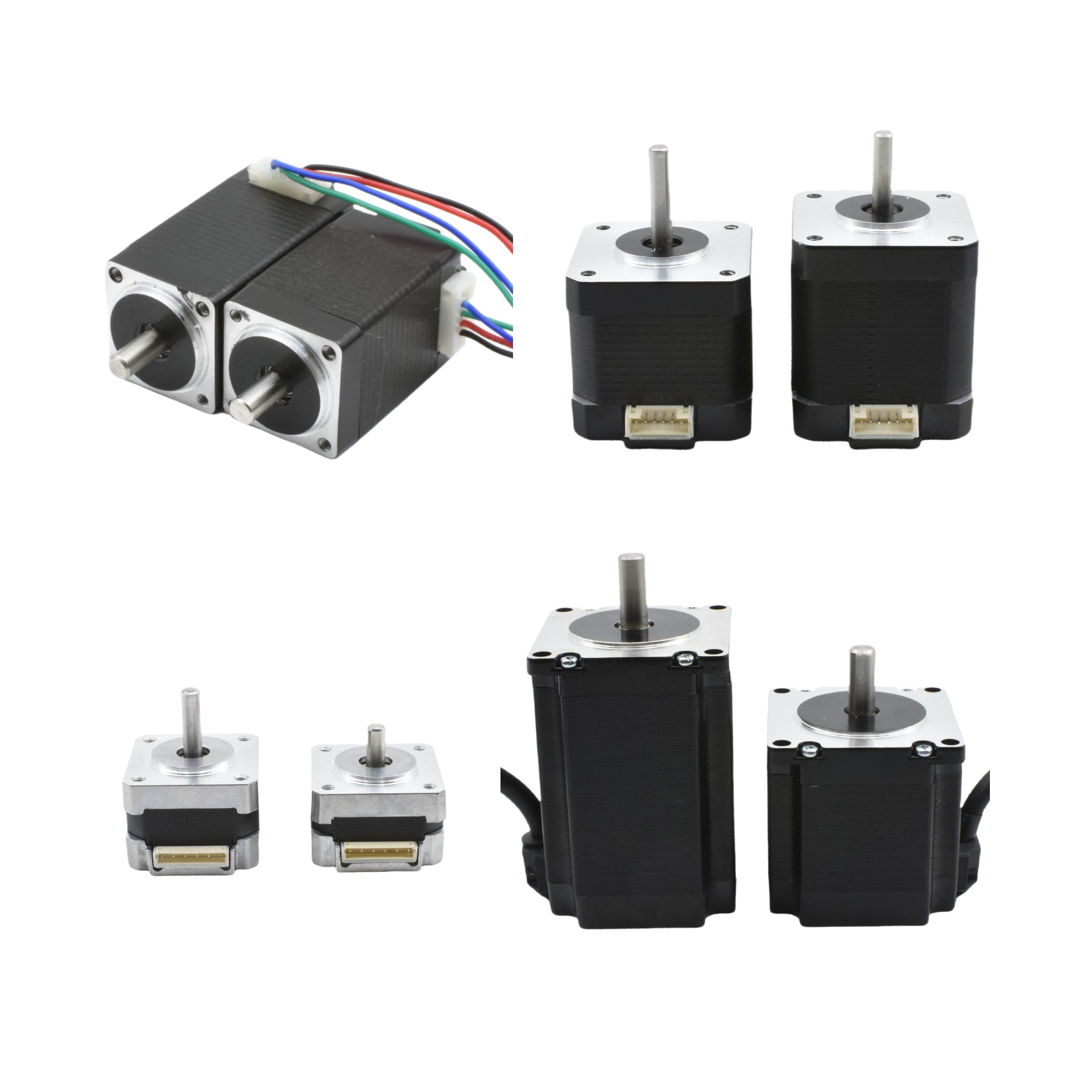
An ac stepper motor converts electrical pulses into controlled rotary movement. Unlike a standard motor that spins continuously when power is applied, an ac stepper motor moves through fixed angles, allowing a control system to manage position, speed, and direction. This makes an ac stepper motor useful when equipment must move accurately without relying on complex feedback devices. Each pulse advances the shaft by a known step, so the ac stepper motor can repeat a movement pattern with reliable results. A typical ac stepper motor includes a stator, rotor, coils, bearings, and a drive or controller. The controller energizes the coils in sequence, creating a rotating magnetic field that guides the rotor. Many ac stepper motor designs support microstepping, which divides each full step into smaller movements for smoother operation and lower vibration. An ac stepper motor may also include holding torque that keeps a load in position while the shaft is stopped. Depending on its construction, an ac stepper motor can provide high torque at low and medium speeds, quick starting, and dependable reversing. An ac stepper motor suits equipment that needs repeatable indexing rather than unrestricted rotation. Common applications include packaging machines, labelers, inspection systems, textile equipment, small robots, laboratory devices, camera platforms, and office machinery. The right ac stepper motor depends on load size, required travel, operating speed, duty cycle, available space, and controller compatibility. Buyers should also check voltage, current, shaft design, mounting dimensions, noise, heat, and environmental conditions. Selecting an ac stepper motor with suitable torque and control characteristics helps improve machine accuracy, uptime, and service life.

New Product Recommendations

The main advantage of an ac stepper motor is predictable movement. An ac stepper motor follows input pulses, so a machine can command a defined number of steps and reach a target position without a costly feedback system in many applications. This simplifies design and can reduce the number of components that buyers need to install and maintain. An ac stepper motor also delivers useful holding torque when stopped. That feature helps keep slides, rollers, valves, and positioning tables in place during pauses, reducing the need for a separate brake. Because an ac stepper motor can start, stop, and reverse quickly, it supports short production cycles and frequent indexing. Its precise low-speed control makes an ac stepper motor well suited to feeders, dispensers, cutters, camera mounts, and adjustment mechanisms. The motor can also support programmable speed profiles, allowing users to balance smooth motion with production time. A correctly sized ac stepper motor offers strong repeatability over many cycles, which helps reduce rejected parts and manual corrections. The simple open-loop control approach can make an ac stepper motor easier to integrate with a PLC, motion card, or dedicated driver. Buyers should still match the motor to the load because torque falls as speed rises, and excessive load can cause missed steps. An ac stepper motor may create more heat or audible noise than some alternatives, so cooling, acceleration settings, and enclosure space deserve attention. When selected correctly, an ac stepper motor provides an economical balance of control, durability, and installation simplicity. For applications that need moderate speed, frequent positioning, and dependable repeatability, an ac stepper motor can deliver practical value without the cost or complexity of a full servo package. This makes an ac stepper motor a sensible choice for equipment builders, replacement projects, and automated tools that prioritize accurate movement and manageable operating costs.

Practical Tips

12V DC Motor Speed Control: PWM Explained

02

Jul

12V DC Motor Speed Control: PWM Explained

Controlling the speed of a 12v dc motor is one of the most common requirements in industrial automation, robotics, and embedded systems design. Whether you are driving a conveyor belt, a cooling fan, or a precision positioning stage, the ability to v...
View More
Testing the Performance of Your New 12V DC Motor

02

Jul

Testing the Performance of Your New 12V DC Motor

When you receive a new 12v dc motor, the first step before deploying it in any system is to verify that it performs exactly as specified. A 12v dc motor may look perfect on the outside, yet still fall short of its rated speed, torque, or efficiency u...
View More
Compact 12V DC Motor Solutions for Portable Devices

02

Jul

Compact 12V DC Motor Solutions for Portable Devices

When engineers and product designers search for the ideal drive component in compact applications, the 12v dc motor consistently emerges as a top-tier choice. Its voltage range aligns perfectly with battery-powered and USB-compatible power supplies, ...
View More
Micro DC Motor vs. Piezo Motors: A Comparison Guide

30

Oct

Micro DC Motor vs. Piezo Motors: A Comparison Guide

A micro dc motor and a piezo motor can both create controlled motion in compact equipment, but they work in fundamentally different ways. Comparing a micro dc motor with a piezo actuator means looking beyond size: one produces rotation, while the oth...
View More

Get a Free Quote

Our representative will contact you soon.
Email
Mobile/WhatsApp
Name
Company Name
Message
0/1000

ac stepper motor

Accurate Positioning Without Complex Feedback

Accurate Positioning Without Complex Feedback

An ac stepper motor gives equipment designers a direct way to control position. The drive sends pulses, and each pulse represents a defined movement, making the ac stepper motor easy to coordinate with a PLC or digital controller. This arrangement helps reduce wiring, setup effort, and component cost in machines that do not need continuous position correction. An ac stepper motor can repeat the same travel pattern for thousands of cycles when the load remains within its rated limits. Operators benefit from consistent cuts, feeds, indexing points, and adjustments. Microstepping can further improve movement quality by dividing a full step into smaller commands. For buyers, this means a compact ac stepper motor can provide useful accuracy without requiring an encoder or advanced feedback software. The result is a straightforward motion system that is easier to specify, program, troubleshoot, and replace. It is especially valuable for repeatable tasks where reliable positioning matters more than very high speed or continuous torque.
Strong Low-Speed Control and Holding Force

Strong Low-Speed Control and Holding Force

An ac stepper motor produces useful torque at low and medium speeds, where many positioning machines perform their most important work. The ac stepper motor can move a load gradually, stop at a target, and hold that location while the equipment waits for the next command. This behavior helps prevent unwanted drift in slides, feeders, rotary tables, dampers, and adjustment assemblies. An ac stepper motor also handles frequent starts and reversals well when the control profile stays within its operating limits. Buyers can use this capability to create compact mechanisms with fewer brakes, clutches, or mechanical locks. Smooth acceleration and deceleration settings can lower shock, improve product handling, and reduce vibration. The practical value is better control during delicate or repetitive operations, plus simpler machine sequencing. For applications that need controlled force and steady indexing rather than maximum speed, an ac stepper motor offers a dependable and cost-conscious solution.
Flexible Integration Across Automated Equipment

Flexible Integration Across Automated Equipment

An ac stepper motor fits a wide range of automated equipment because manufacturers offer different frame sizes, shaft styles, torque ratings, and winding options. This flexibility allows an ac stepper motor to serve compact laboratory instruments as well as larger packaging or material-handling assemblies. A suitable driver can connect the ac stepper motor to common industrial control systems and translate commands into speed, direction, and position. Engineers can choose integrated or separate drive arrangements according to cabinet space, service access, and project budget. An ac stepper motor also supports scalable machine designs, so a builder can use similar control methods across several axes. For customers, this can simplify training, spare-part planning, and future upgrades. The motor's robust construction supports dependable operation in many indoor industrial settings, provided temperature, dust, moisture, and load limits are respected. This broad application range makes an ac stepper motor a practical option for new equipment and replacement projects.
ac stepper motor: Precise Motion Control

Get a Free Quote

Our representative will contact you soon.
Email
Mobile/WhatsApp
Name
Company Name
Message
0/1000
ac stepper motor: Precise Motion Control