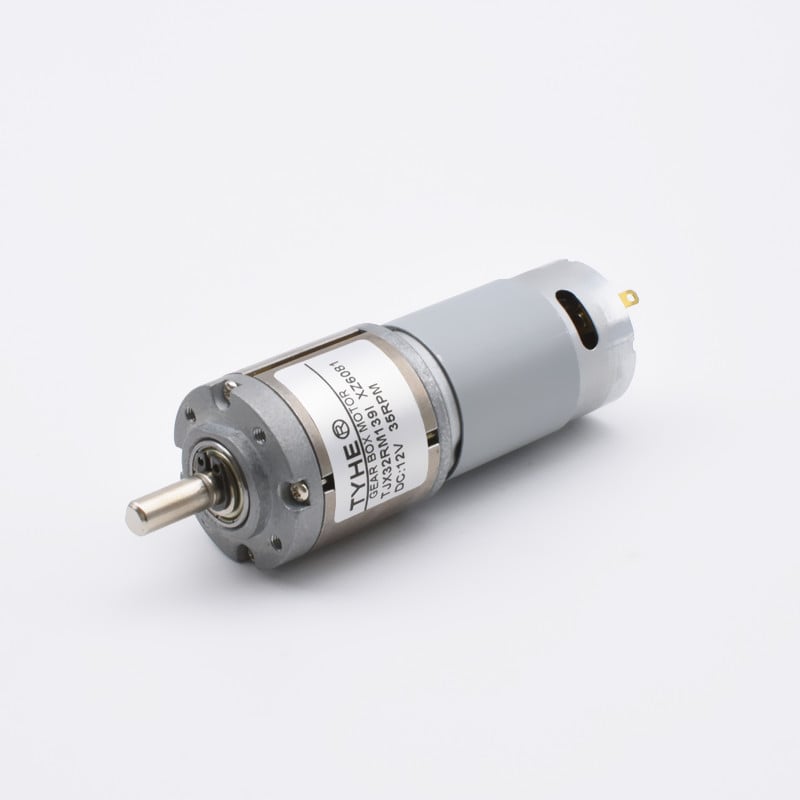
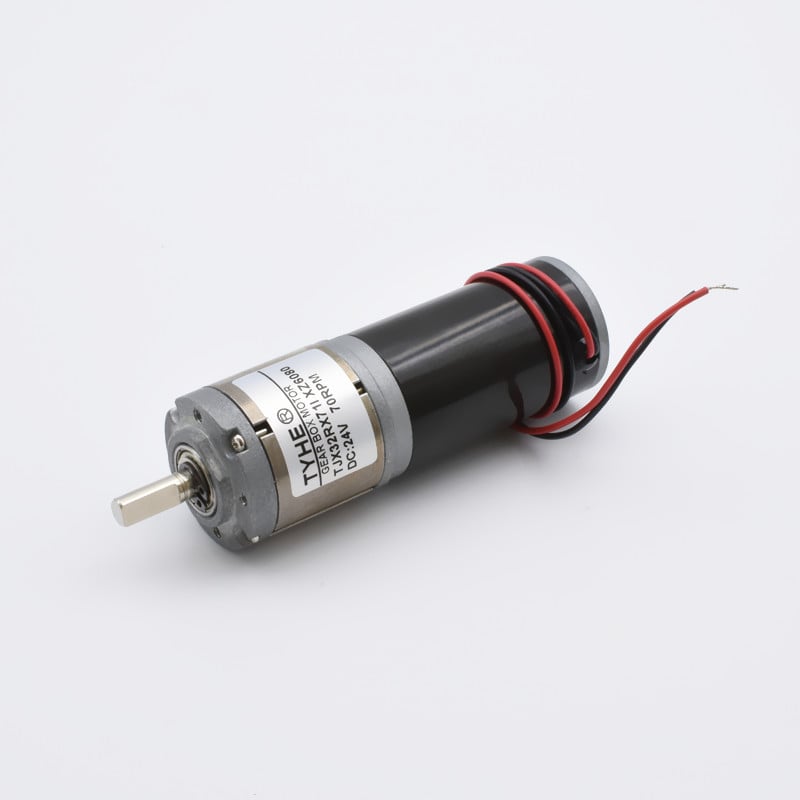
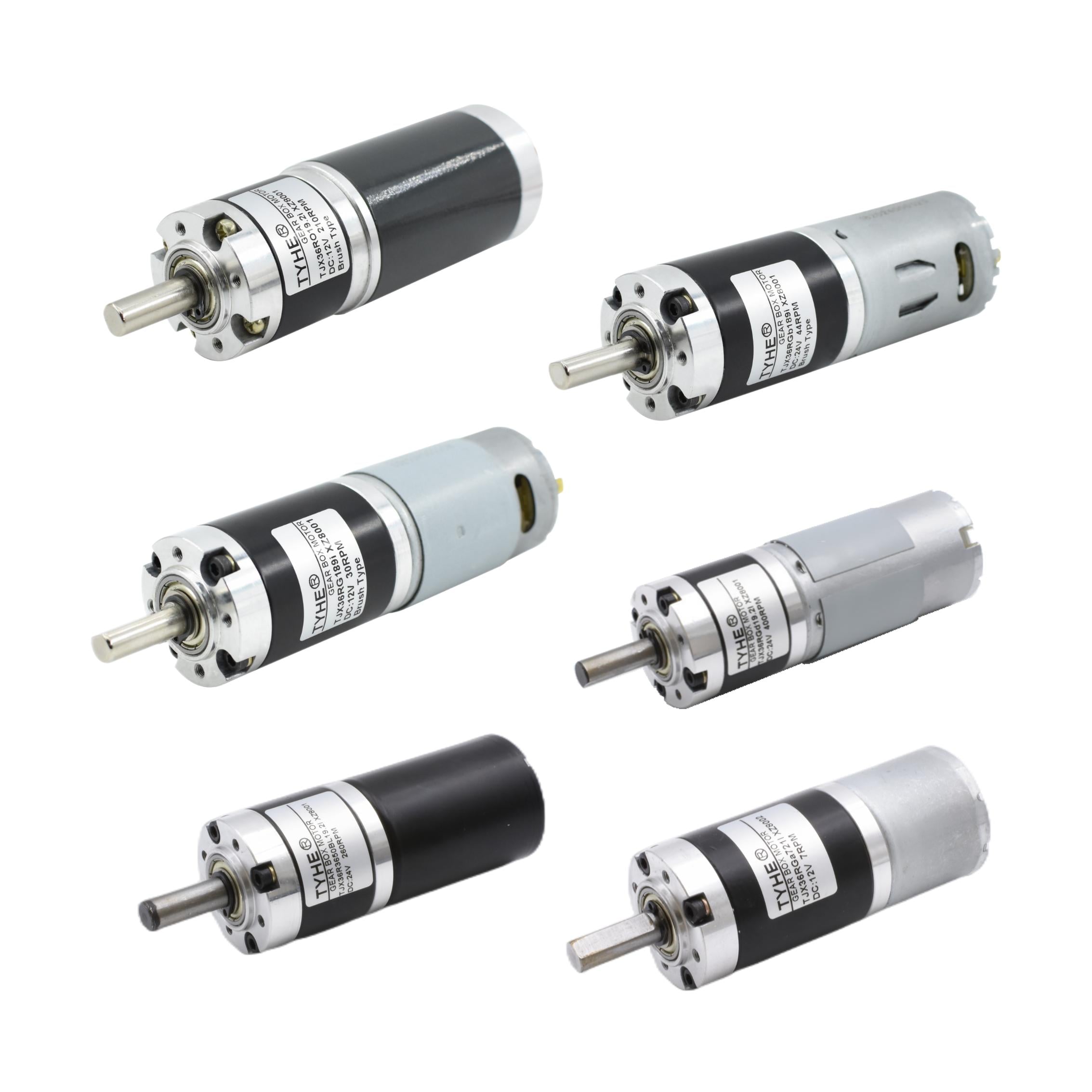
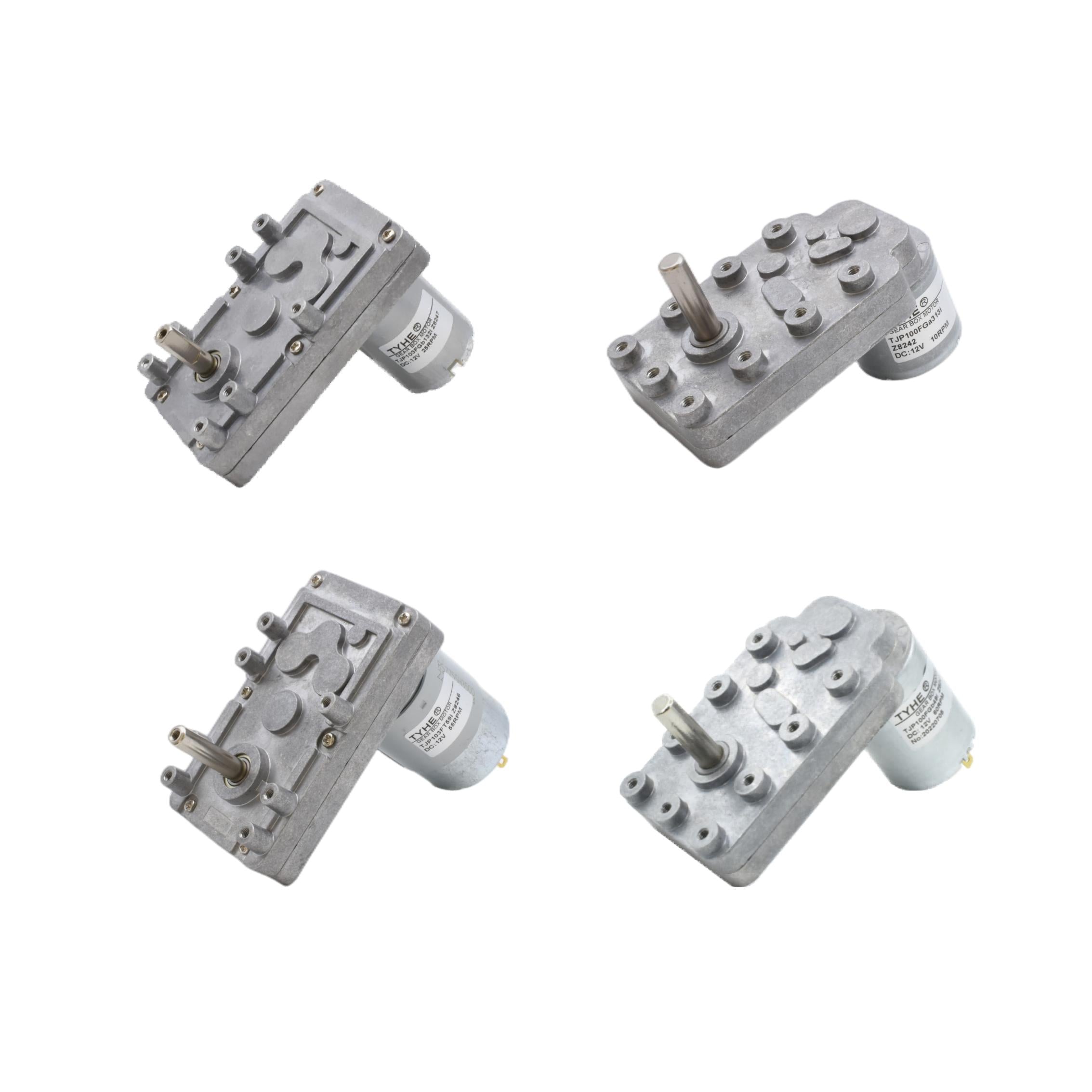
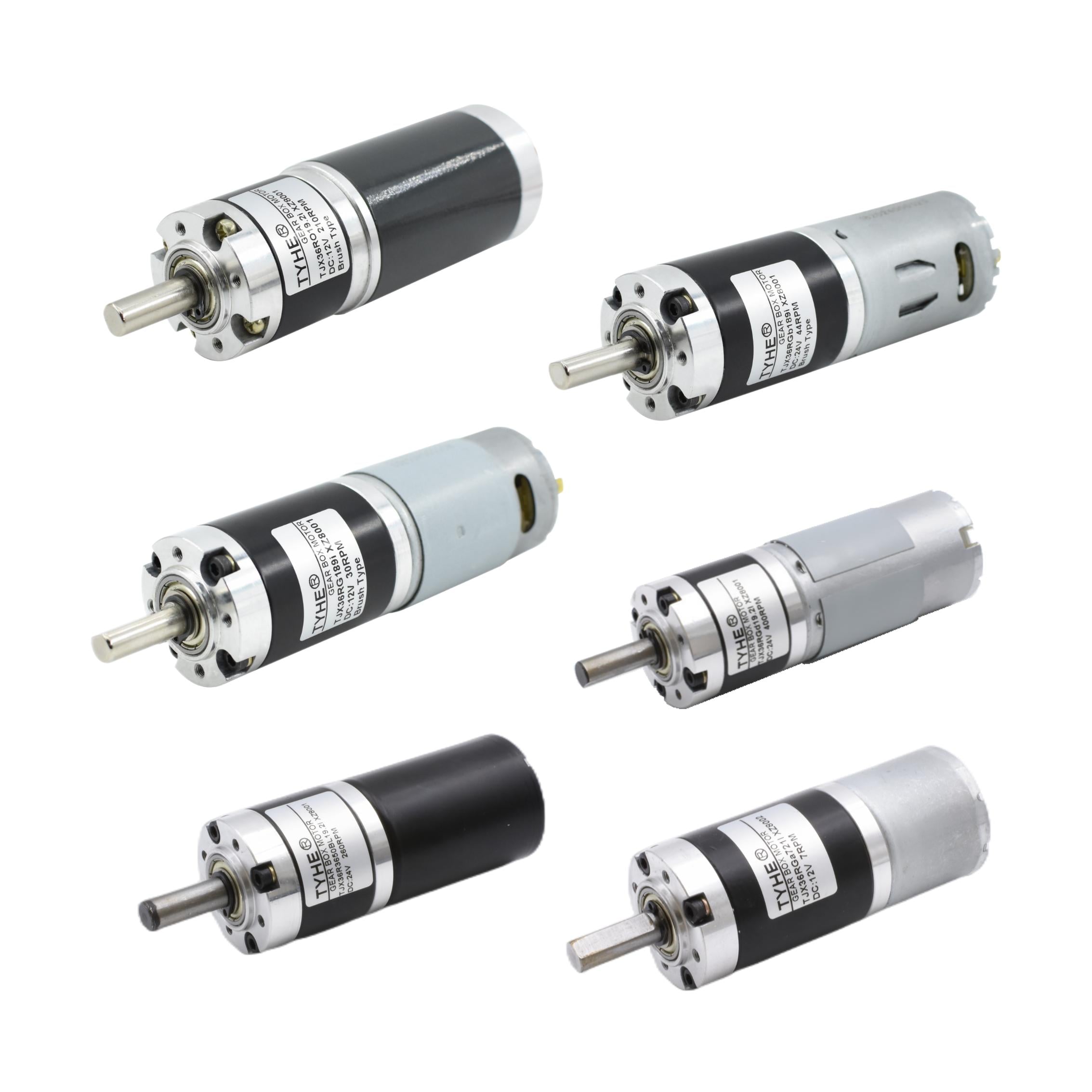
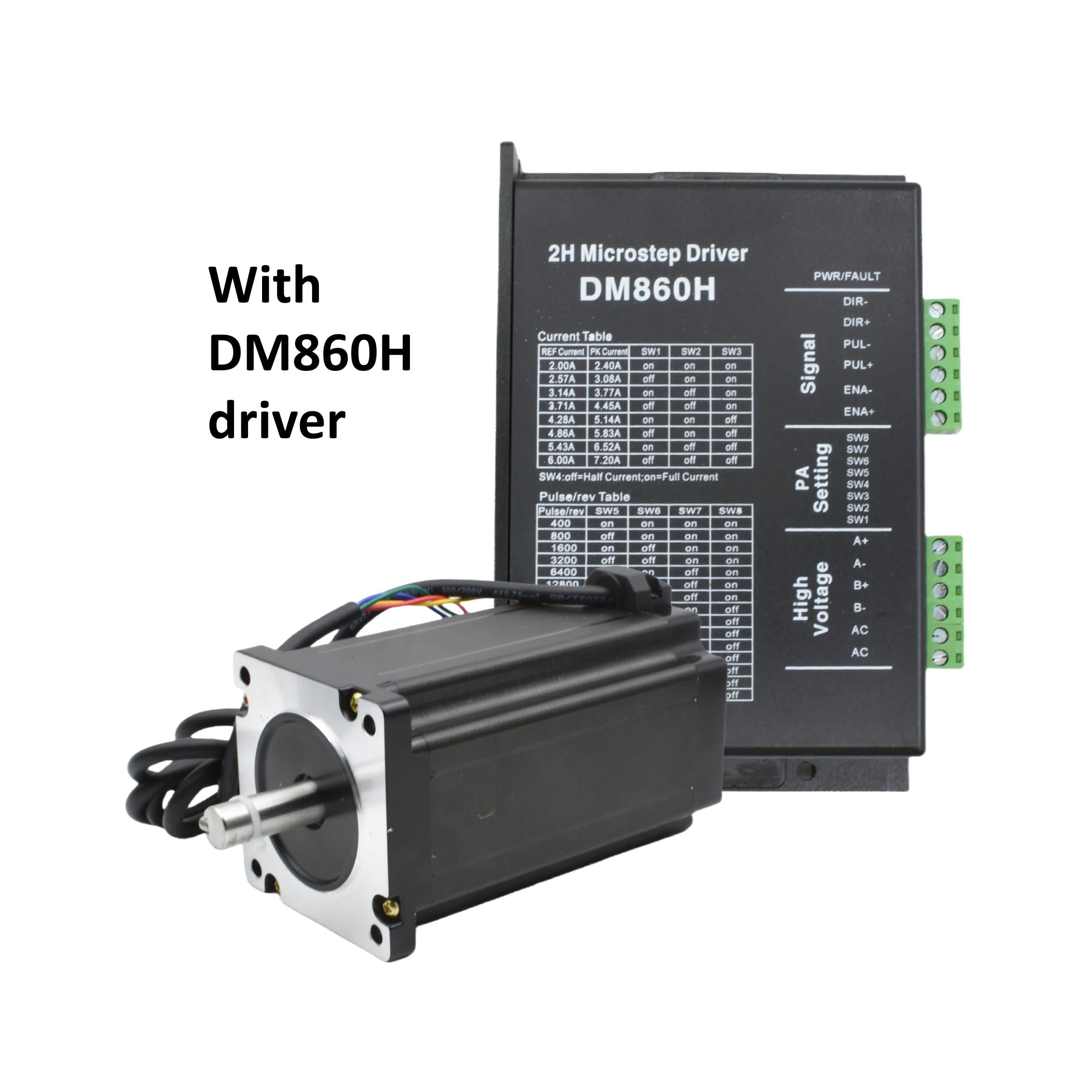
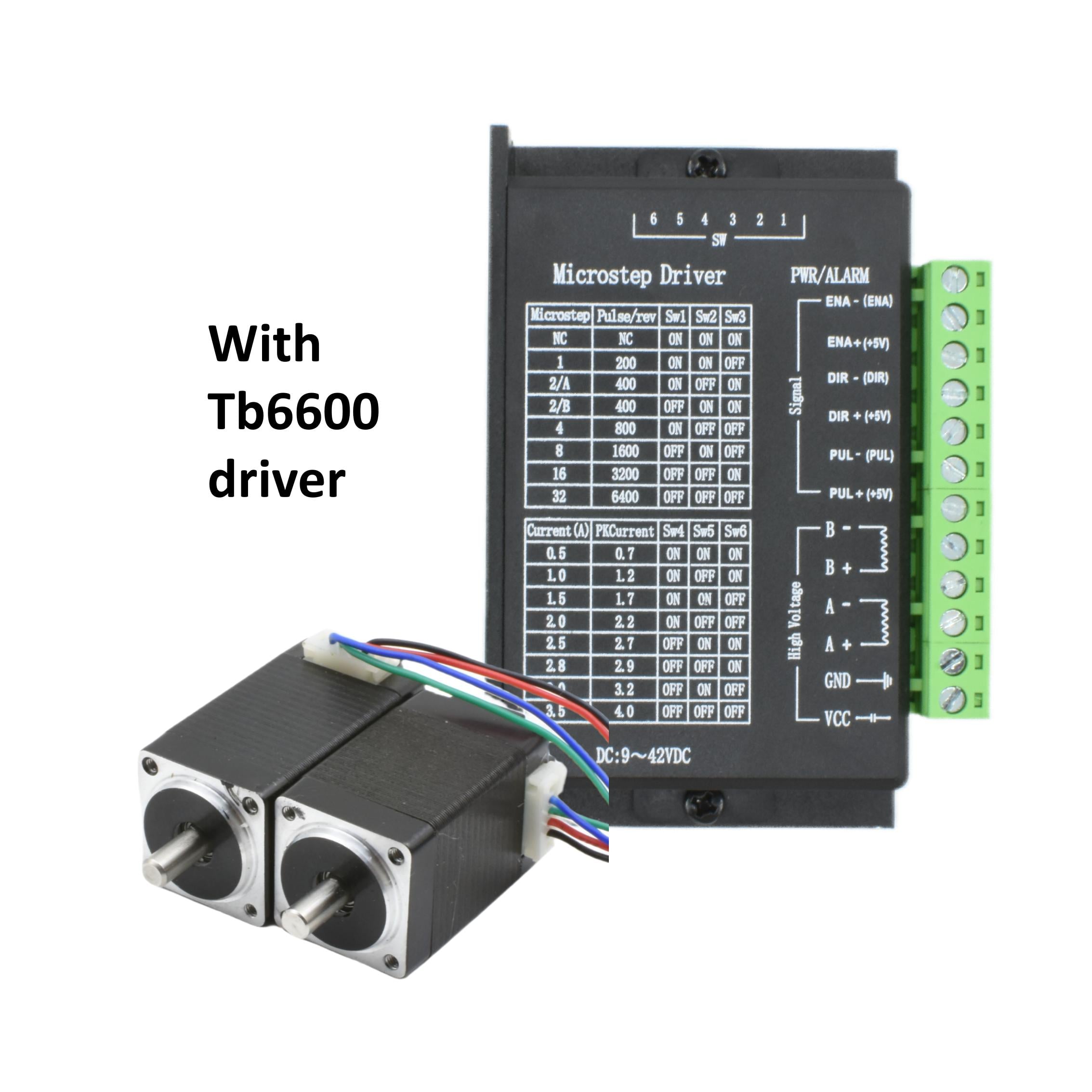
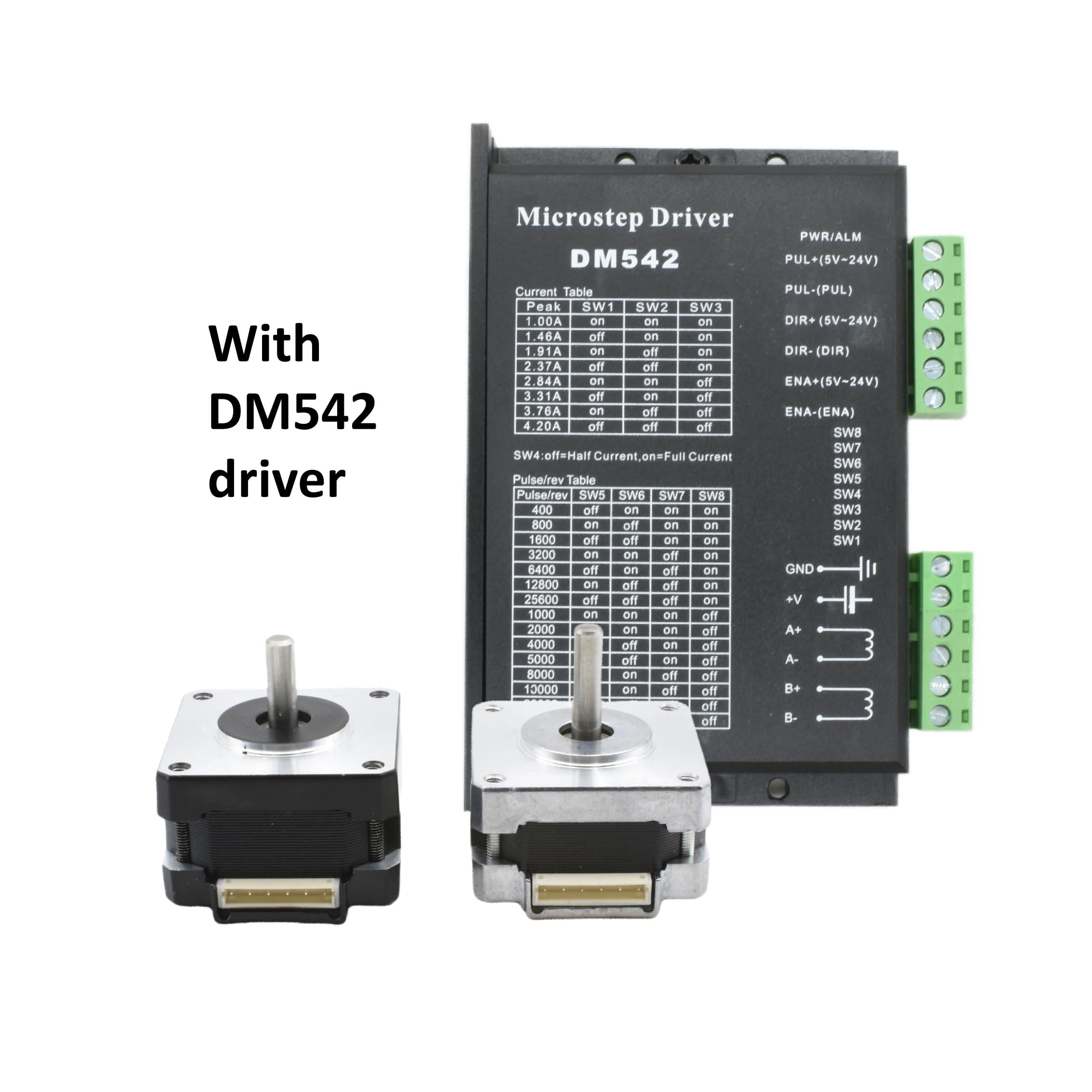
low cost stepper motor
A low cost stepper motor is an electric motor designed to move a shaft in precise, controlled steps. Unlike a standard motor that spins continuously, a low cost stepper motor turns through set angles when it receives electrical pulses. This makes it useful when equipment must position a tool, wheel, platform, valve, or feeder accurately without adding a costly feedback system. The low cost stepper motor offers dependable movement for many machines that need repeatable starting, stopping, and direction changes. Its main functions include speed control, position control, incremental rotation, and holding a load when power remains applied. A low cost stepper motor commonly uses two or more internal coil groups, a permanent magnet or toothed rotor, and a driver that controls the current sequence. The driver can support full-step, half-step, or microstep operation, allowing users to balance speed, smoothness, and torque. Many models support a wide supply range, compact mounting, and simple wiring. A low cost stepper motor may also include a metal body, ball bearings, thermal protection, and a standard shaft for easy connection to gears, belts, couplings, or lead screws. Applications include 3D printers, desktop CNC machines, labelers, camera sliders, laboratory equipment, pumps, dispensers, textile systems, and small automation projects. The low cost stepper motor is especially suitable for moderate loads and programmed movement where affordable, repeatable control matters more than high top speed. Buyers should compare frame size, holding torque, rated current, step angle, operating voltage, and duty cycle before selection. With the correct driver and load, a low cost stepper motor can provide stable motion at a practical purchase price.

 EN