reversible dc motor
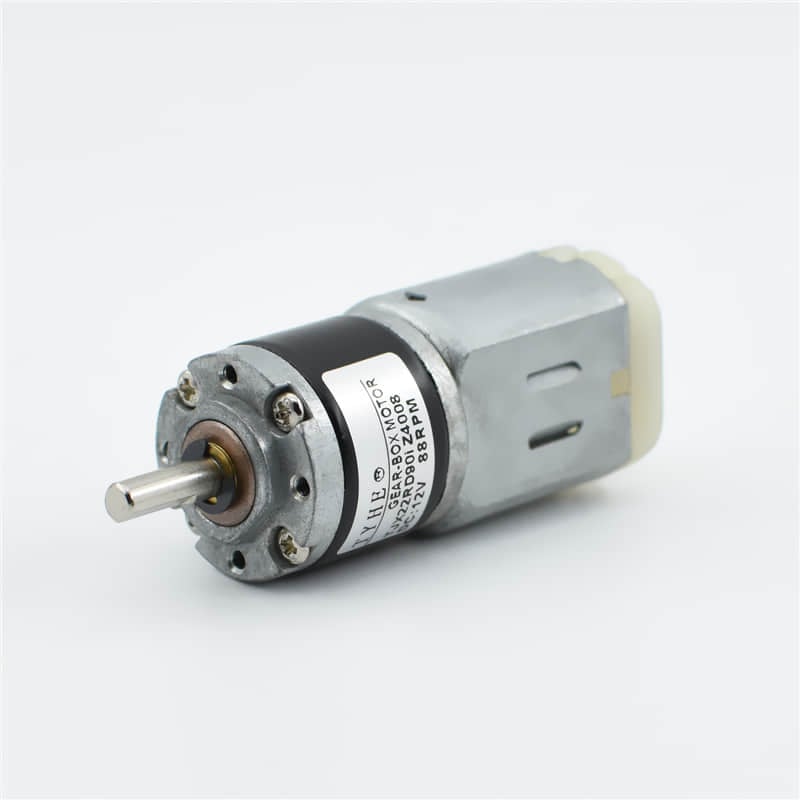
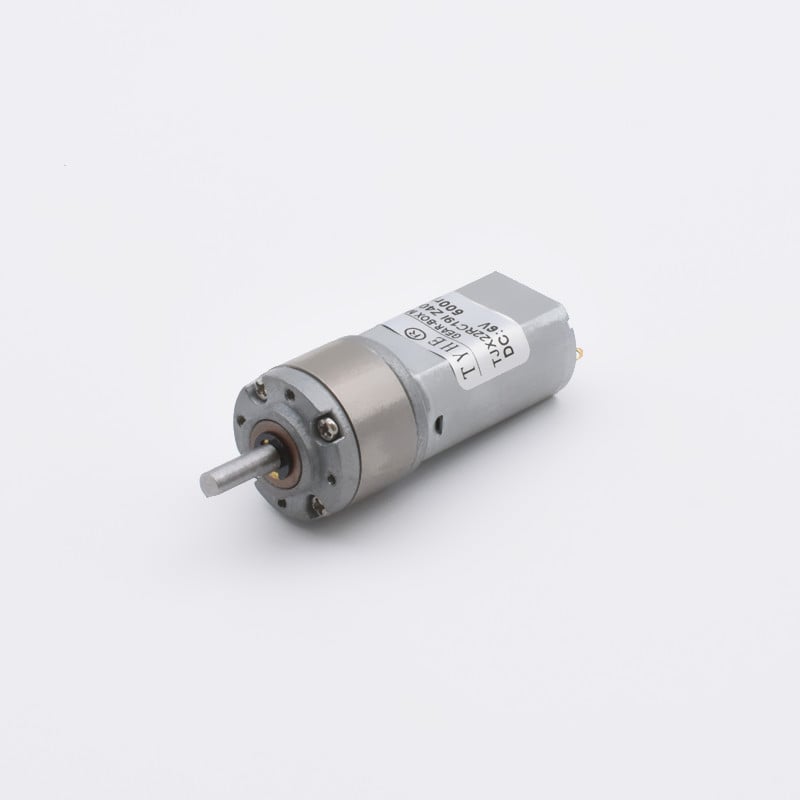
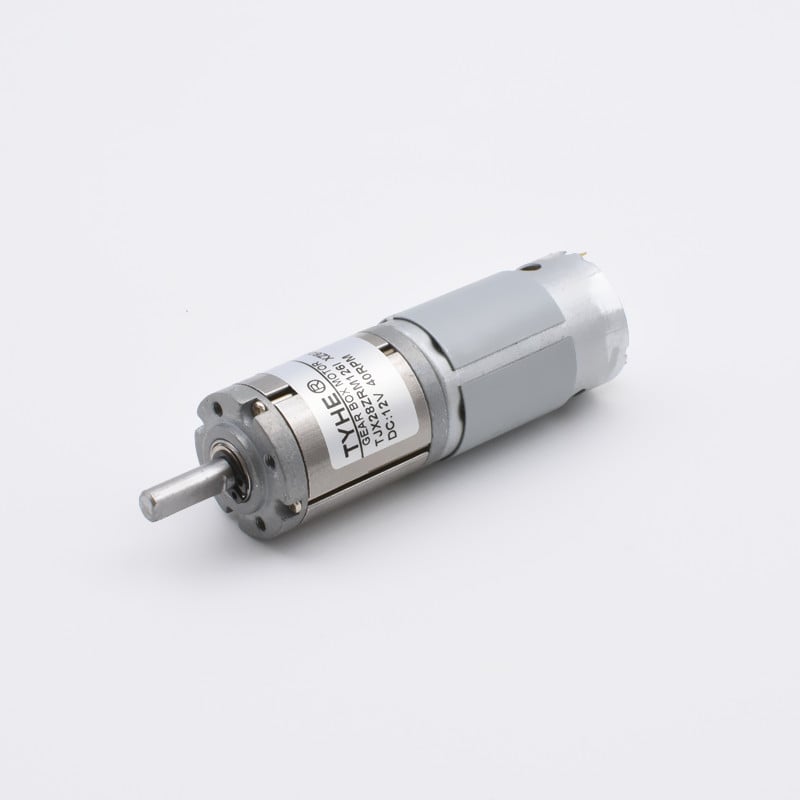
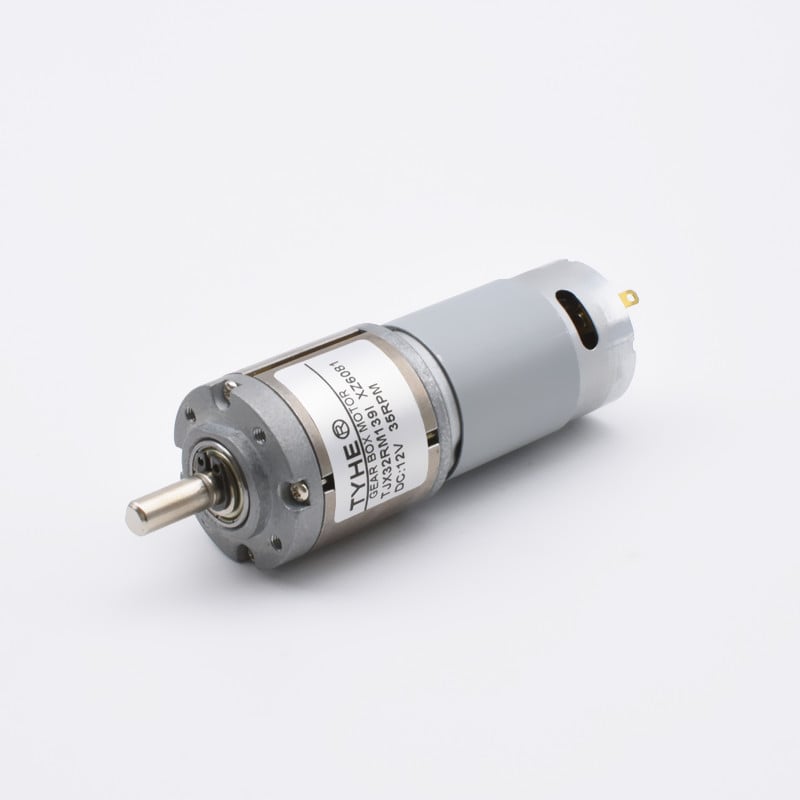
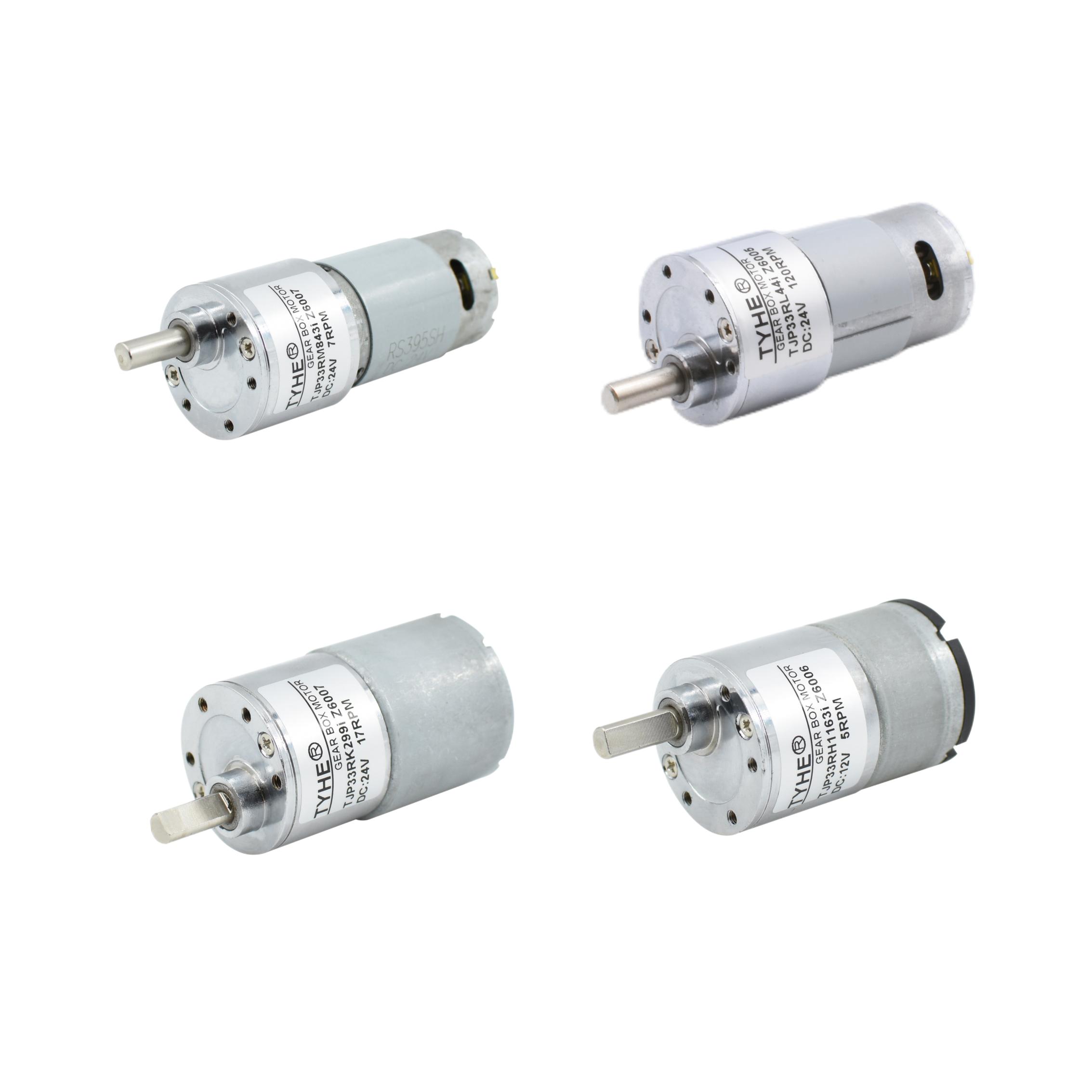
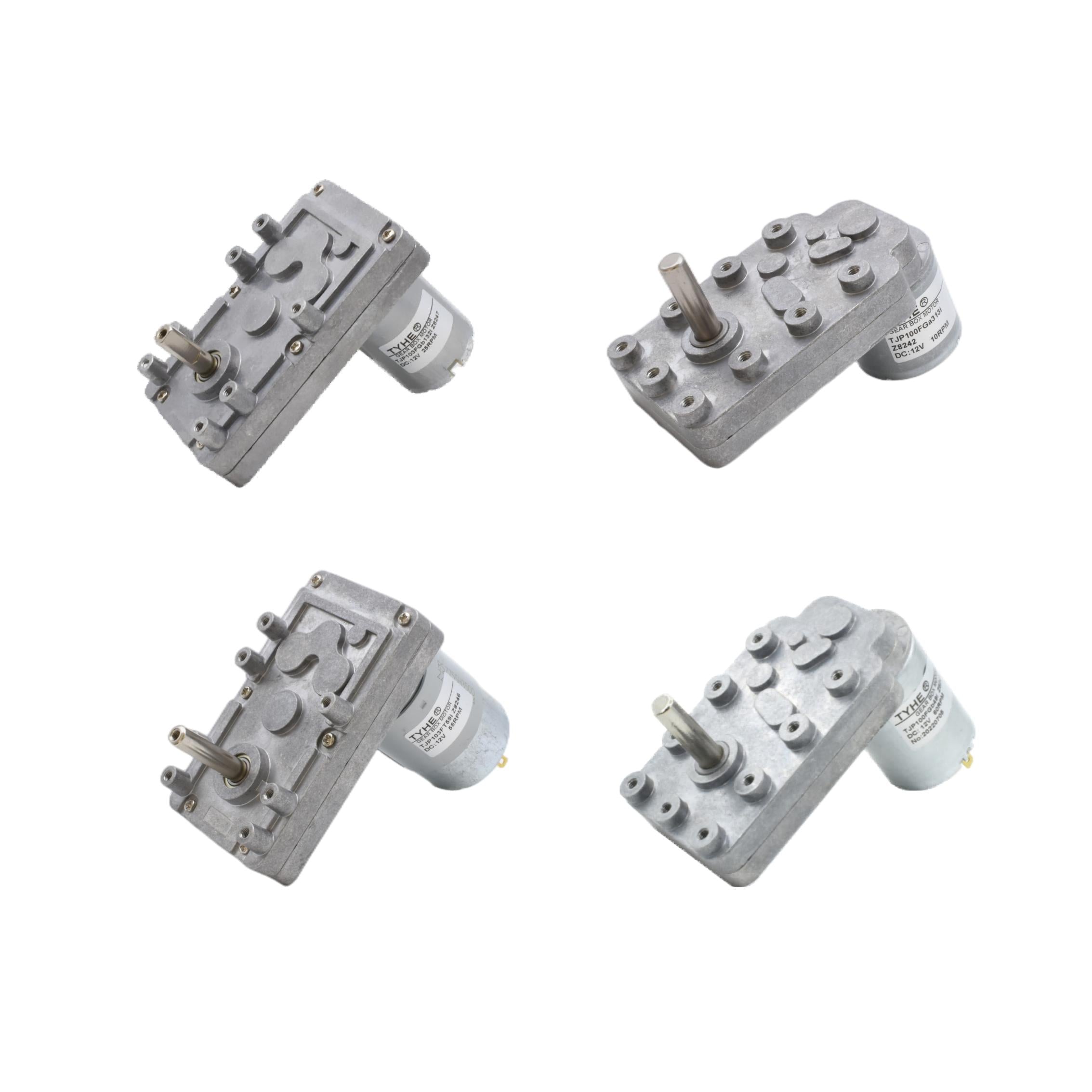
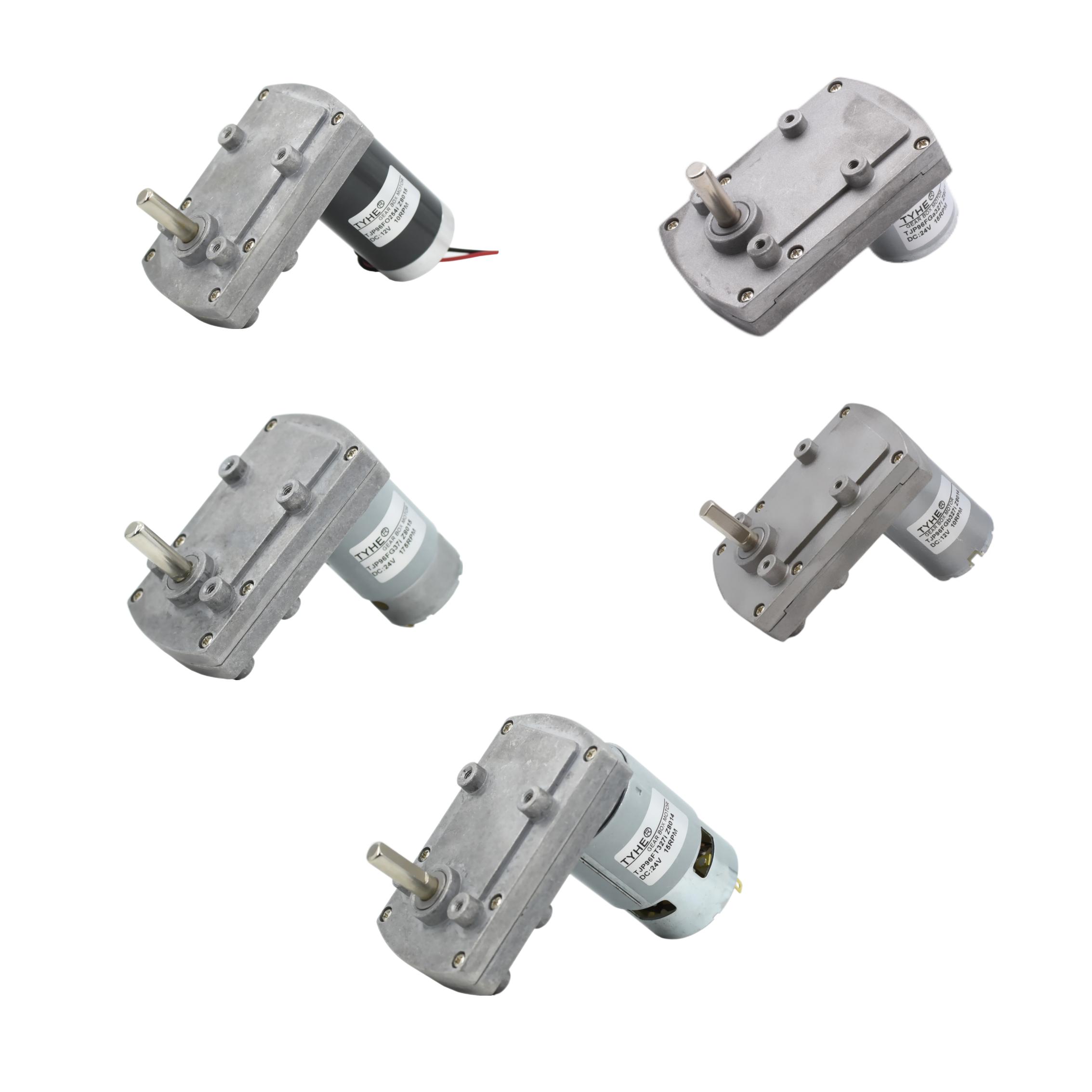
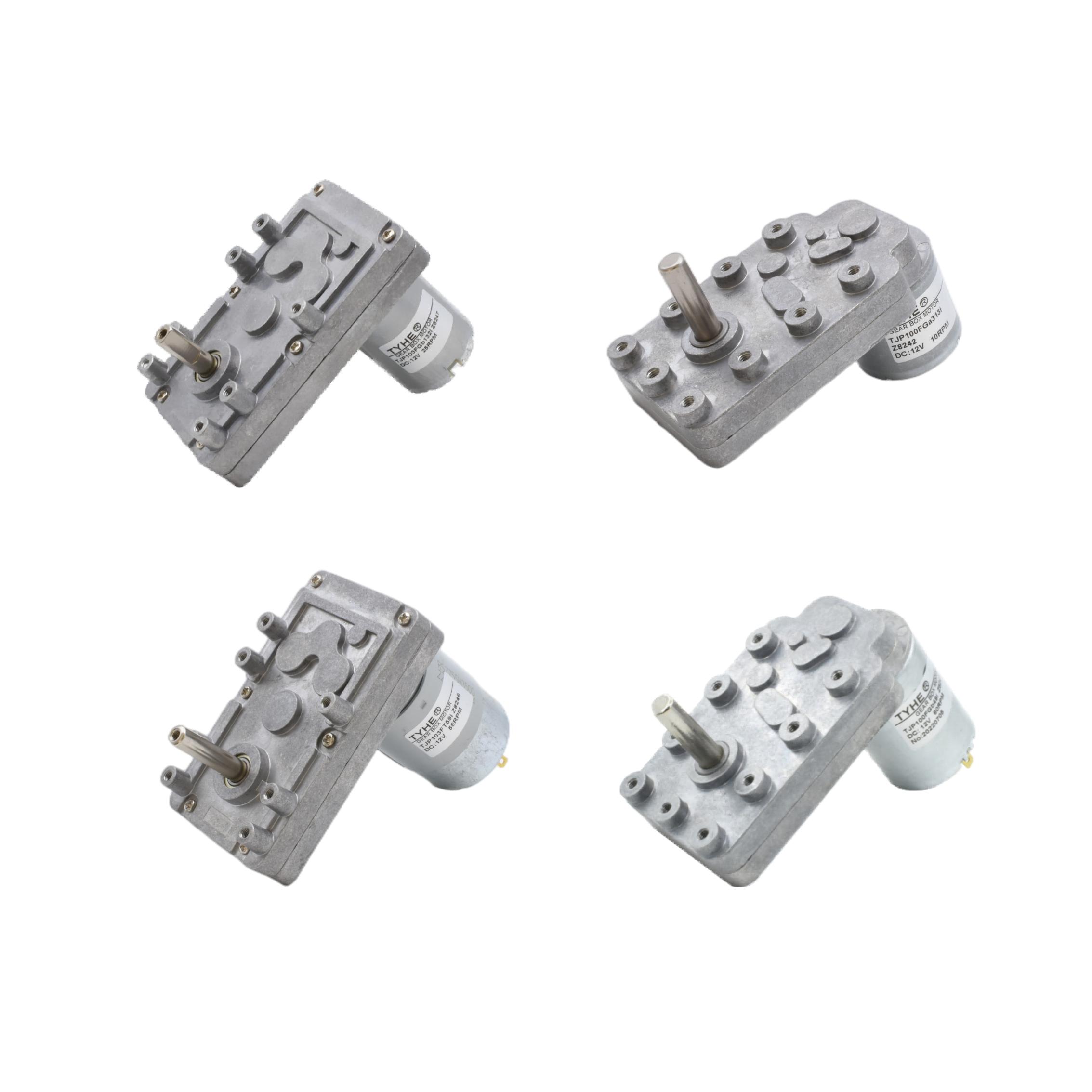
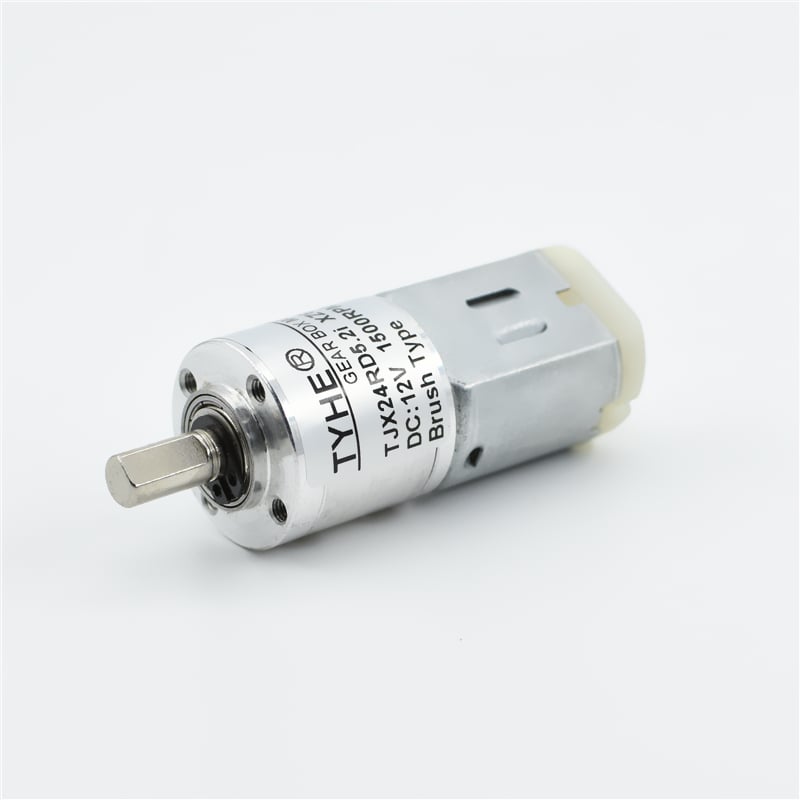
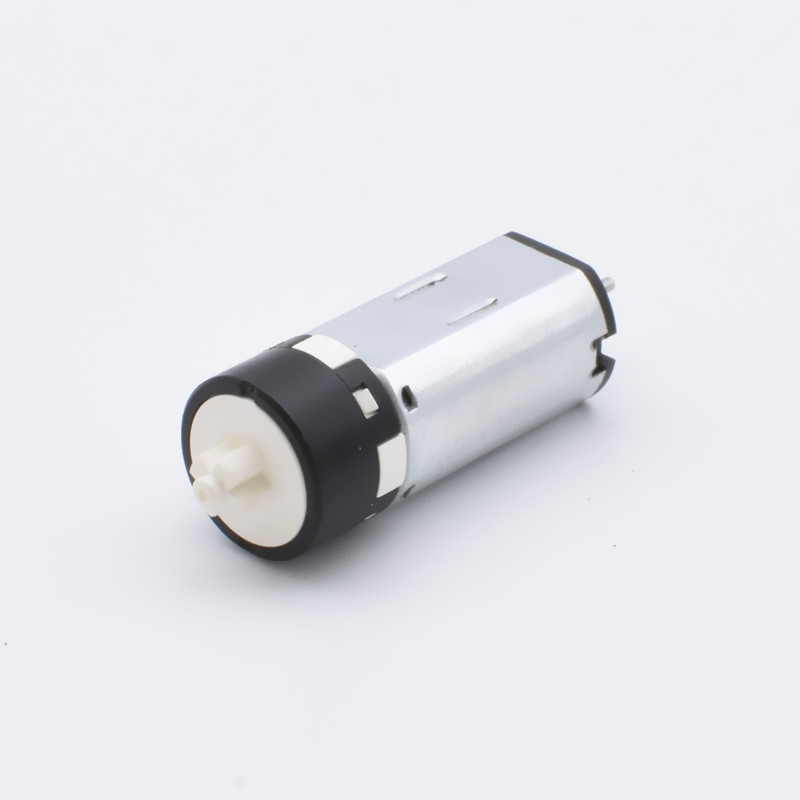
A reversible dc motor is an electric drive designed to rotate in both clockwise and counterclockwise directions. By changing the polarity of the voltage applied to the armature, a reversible dc motor changes its shaft direction quickly and predictably. This function suits equipment that must open and close, move forward and backward, lift and lower, or position parts accurately. A reversible dc motor usually includes a permanent magnet or wound field, armature, commutator, brushes, shaft, bearings, and protective housing. Electronic controllers can replace simple polarity switches and provide smoother starting, speed adjustment, braking, and direction control. Modern reversible dc motor designs may also use compact gearboxes, sealed bearings, thermal protection, and feedback sensors for dependable operation. A geared reversible dc motor increases torque while reducing output speed, which helps it handle loads that need controlled movement. A brushless reversible dc motor can reduce maintenance by removing brush wear, while brushed versions often provide a lower purchase price and simple control. The right reversible dc motor depends on voltage, torque, speed, duty cycle, mounting space, noise limits, and environmental conditions. Common uses include conveyors, valves, shutters, actuator systems, robotics, medical devices, office equipment, battery tools, and small automated machines. For buyers, the reversible dc motor offers a practical combination of compact size, responsive motion, flexible installation, and controllable performance. Its main purpose is not only rotation, but reliable two-way movement that supports efficient and repeatable machine operation.

 EN