
 EN
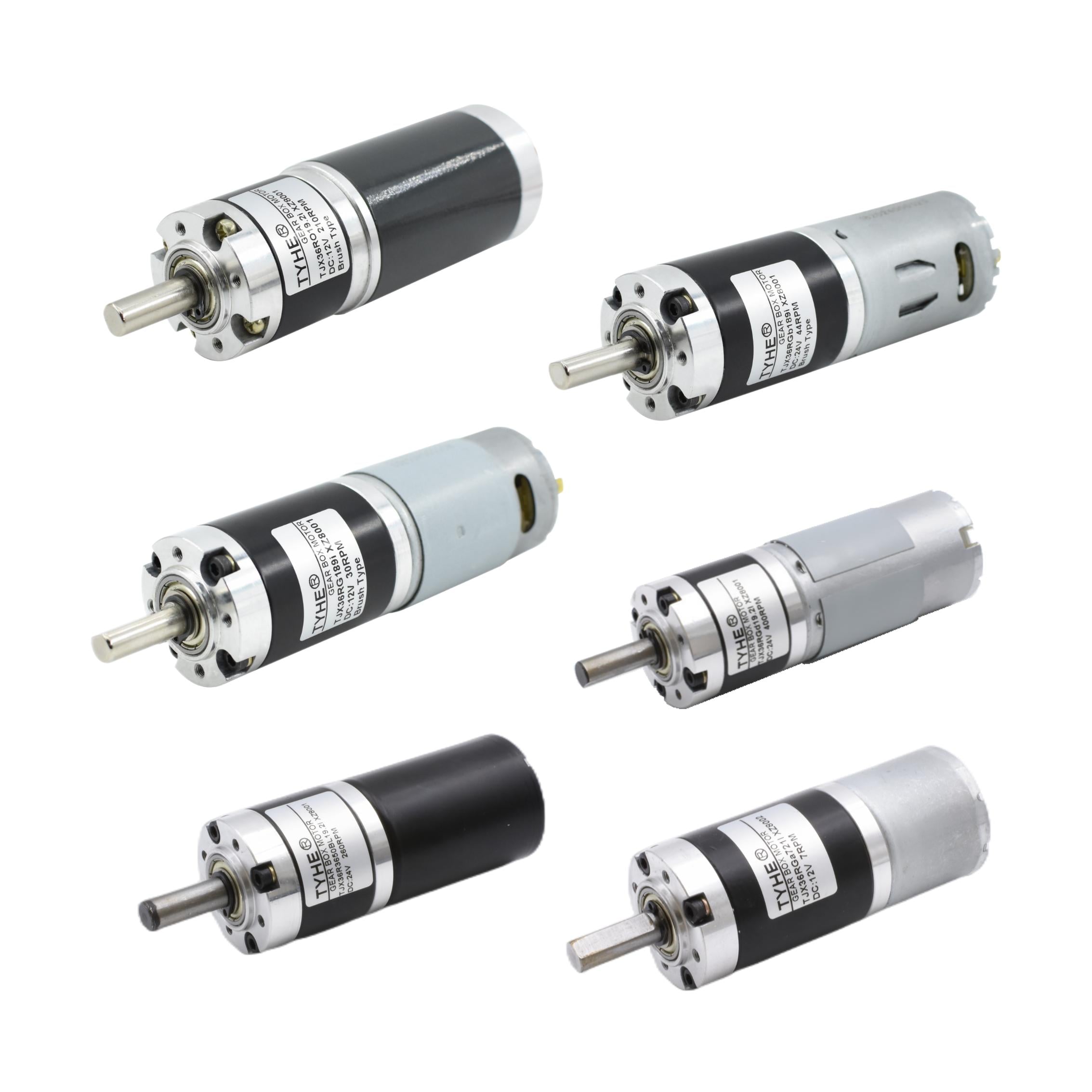
Custom designing a dc planetary gear motor for equipment starts with the job the motor must perform, not with a catalog size. Define the load, movement, duty cycle, and available space before choosing components. A well-specified dc planetary gear motor connects those operating needs to a practical design, helping engineers avoid mismatched speed, insufficient torque, or interfaces that complicate installation.
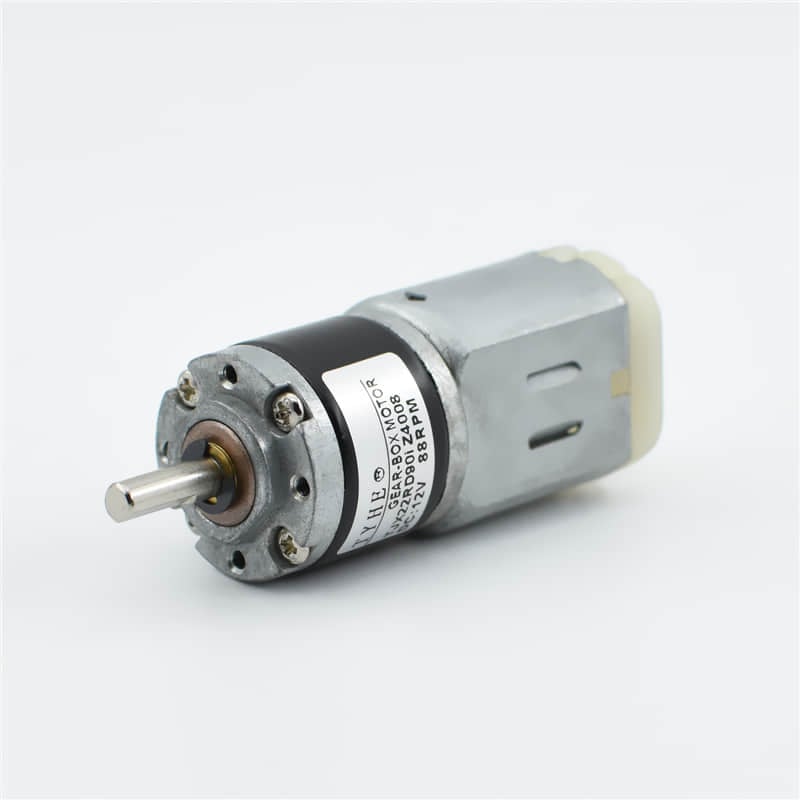
The design process is an engineering conversation between the equipment application and the motor assembly. A dc planetary gear motor may need to deliver controlled motion in a compact space, but the right solution depends on measurable requirements and constraints. This guide explains how to translate those requirements into motor, gearbox, and interface decisions, then verify that the proposed design suits real operating conditions.
Translate Equipment Needs into Design Requirements
Define motion, load, and duty
Begin by describing what the equipment does during a complete operating cycle. Record target output speed, acceleration, direction changes, operating hours, and the time spent running versus resting. For a dc planetary gear motor, these details shape the required torque and thermal capacity. A short startup load differs from a continuous load, so capture both normal operation and demanding events such as starting under load.
Estimate the load at the output shaft, including friction, inertia, and any force transferred through belts, wheels, or linkages. Identify whether the dc planetary gear motor must hold position when power is removed or simply drive motion. Clarify the acceptable speed range and variation as the load changes. These application facts give the design team a meaningful basis for motor sizing rather than relying on a single peak value.
Measure the installation envelope
Document the available length, diameter, mounting face, shaft position, and nearby obstacles. A dc planetary gear motor must fit the equipment without blocking service access, airflow, or adjacent components. Include the space needed for wiring and connectors, not just the motor body. If the assembly sits inside a guarded enclosure, note access limitations that could affect installation, adjustment, or replacement.
The mounting arrangement determines how loads enter the assembly. Specify shaft orientation, mounting holes, pilot features, and the supported load at the output. Discuss radial and axial forces with the designer, because external loads can affect bearing selection and service life. When a dc planetary gear motor connects to a custom bracket or driven part, share drawings and tolerances early to prevent avoidable interface changes.
Configure the Motor and Gearbox
Match motor speed and reduction ratio
Choose a reduction ratio by relating the motor operating speed to the required output speed, then check that the resulting torque supports the application. A dc planetary gear motor uses a compact gear arrangement, but the ratio affects more than speed: it also influences output torque, efficiency, backlash, and response. Evaluate the expected operating point, since designing only around a theoretical maximum can produce an unsuitable result.
Ask for the motor and gearbox operating data needed to assess the combination, including rated voltage, current, speed, torque, and duty limits. Consider startup current and the controller’s ability to supply it. A dc planetary gear motor should not be selected solely by matching its nominal output speed. Confirm that the motor can reach that operating point under the actual load and within the equipment’s electrical and thermal limits.
Specify electrical and mechanical interfaces
Define the available supply voltage, controller type, wiring route, and any feedback requirement. If the equipment needs position or speed information, state whether an encoder or another sensing method is required and how its signal will be processed. For a dc planetary gear motor, connector location and lead length can be as important to integration as the electrical rating, particularly when space or motion restricts cable routing.
Specify output shaft diameter, shape, length, material expectations, and any key, flat, or threaded feature required by the driven component. State mounting and alignment tolerances where they affect assembly. One possible starting point is this dc planetary gear motor product reference, which can support a focused discussion of configuration needs. Treat the selected design as a basis for confirming application fit, not as a substitute for requirements.
Validate the Custom Design in Equipment
Review performance and operating limits
Before approving a design, compare its documented operating characteristics with the equipment requirements. Check output speed and torque across the expected load range, startup behavior, direction changes, and running time. A dc planetary gear motor may behave differently under a real mechanism than on an unloaded bench. Review how the selected ratio, supply, controller, and load interact instead of treating each specification as independent.
Thermal conditions deserve particular attention when operation is frequent, enclosed, or near other heat-producing components. Confirm the intended duty cycle and ambient conditions, and ask how those factors affect the motor’s operating limits. Also consider noise, vibration, and backlash if they can influence product quality or user experience. A dc planetary gear motor design should be evaluated against application priorities, not an assumed universal performance target.
Prototype, test, and refine
Test a prototype in representative equipment using the intended power supply, controller, mounting, and load. Measure current, speed, temperature, and cycle behavior where practical, and observe startup, stopping, and reversal. A dc planetary gear motor that appears appropriate on paper may reveal a fit issue or an unexpected load during integration. Record test conditions so results can guide specific design adjustments.
Use test findings to refine the specification rather than changing components without a clear reason. If the unit runs hot, examine duty, load, ventilation, and control settings together. If speed or torque is unsuitable, revisit the operating point and ratio. Confirm that a revised dc planetary gear motor still fits the envelope and interfaces, then repeat relevant tests before freezing the design for equipment production.
FAQ
What information should I provide for a custom design?
Share the required output speed and torque, load profile, duty cycle, supply and controller details, installation envelope, mounting drawings, and shaft requirements. Include startup conditions and environmental constraints. This information helps a dc planetary gear motor designer assess the complete application instead of estimating from a general equipment description.
How do I choose the gearbox ratio?
Relate the motor speed to the target output speed, then confirm that torque, current, and operating limits remain suitable under load. Account for acceleration and changing resistance. The appropriate dc planetary gear motor ratio depends on the motion profile and system constraints, so validate the choice with operating data and representative testing.
When should I test a prototype?
Test after the initial motor, gearbox, and interface configuration is defined, but before committing to a production design. Use realistic loading and controls, then evaluate performance and fit. Prototype testing helps confirm that the dc planetary gear motor meets equipment needs and reveals adjustments while design changes are still manageable.
