
 EN
EN
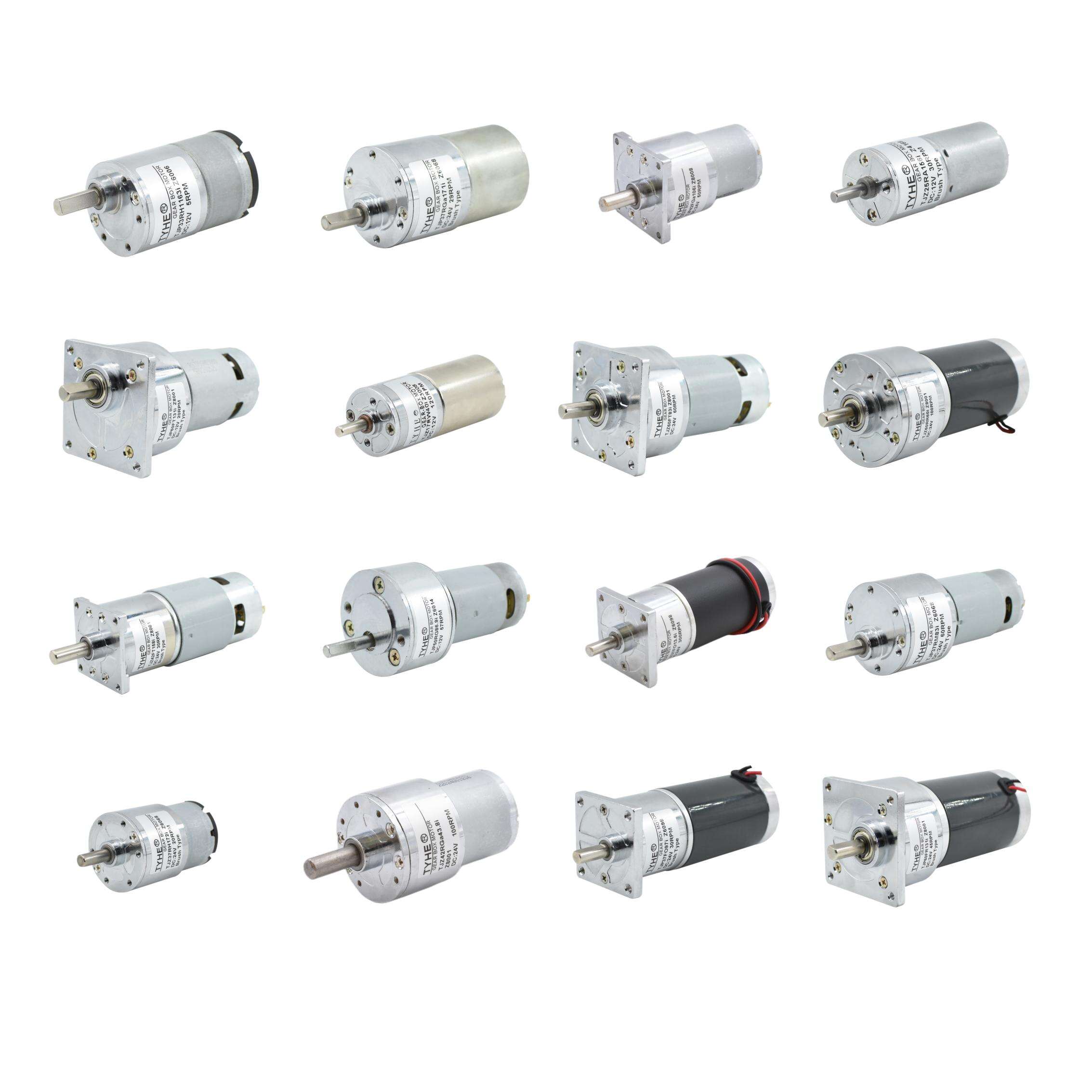
When your 24v dc motor begins experiencing operational issues, identifying the root cause quickly can save valuable time and prevent costly equipment downtime. These versatile power units are essential components in countless industrial applications, from automated manufacturing systems to robotic equipment. Understanding common failure modes and their solutions enables maintenance teams to restore optimal performance efficiently. Whether dealing with reduced torque output, overheating concerns, or complete motor failure, systematic troubleshooting approaches yield the most reliable results for 24v dc motor applications.
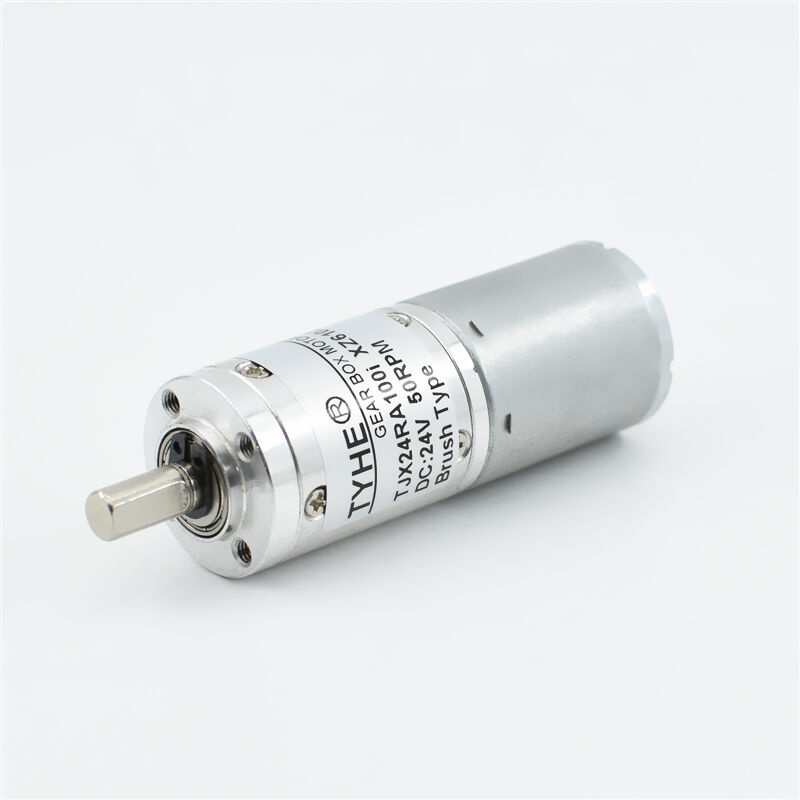
Understanding Common 24V DC Motor Failures
Electrical System Malfunctions
Electrical issues represent the most frequent category of problems encountered with 24v dc motor systems. Power supply inconsistencies often manifest as erratic motor behavior, including speed fluctuations and intermittent operation. Voltage drops below the rated 24V threshold can cause significant performance degradation, while excessive voltage may lead to component damage and shortened motor lifespan. Connection problems at terminal blocks, worn brushes in brushed motors, or damaged winding insulation frequently contribute to electrical failures.
Diagnostic procedures should begin with comprehensive voltage measurements across all connection points during both loaded and unloaded conditions. Multimeter readings help identify voltage drops, poor connections, or power supply inadequacies affecting 24v dc motor performance. Insulation resistance testing using a megohmmeter can reveal winding degradation before complete failure occurs. Regular electrical system maintenance prevents many common issues from developing into major problems requiring extensive repairs or motor replacement.
Mechanical Component Deterioration
Mechanical wear patterns in 24v dc motor assemblies typically develop gradually over extended operating periods. Bearing failure represents a primary concern, often preceded by increased noise levels, vibration, or elevated operating temperatures. Shaft misalignment, whether caused by improper installation or mechanical settling, creates uneven stress distribution across motor components. Gear reduction systems commonly integrated with these motors may experience wear, backlash, or lubrication breakdown affecting overall system performance.
Visual inspection protocols should include checking for unusual wear patterns, oil leaks, or component displacement. Vibration analysis using specialized equipment can detect bearing problems before catastrophic failure occurs. Proper alignment verification using dial indicators ensures optimal load distribution across all mechanical elements. Understanding these mechanical failure modes helps maintenance personnel implement preventive measures that extend 24v dc motor service life significantly.
Systematic Diagnostic Approaches
Initial Assessment Procedures
Effective troubleshooting begins with systematic data collection regarding the specific symptoms exhibited by the malfunctioning 24v dc motor. Documenting operational history, including recent maintenance activities, environmental conditions, and load changes, provides valuable context for diagnostic efforts. Temperature measurements at various motor locations help identify hotspots indicating electrical or mechanical problems. Current draw analysis under different load conditions reveals whether the motor is operating within normal parameters or experiencing internal issues.
Establishing baseline performance metrics enables comparison with current operational data to quantify performance degradation. Sound level measurements can detect abnormal noise patterns suggesting bearing wear or internal component damage. Recording these initial observations creates a foundation for focused diagnostic activities and helps prioritize investigation efforts based on symptom severity and potential safety implications.
Advanced Testing Methodologies
Comprehensive 24v dc motor evaluation requires specialized testing equipment and systematic measurement procedures. Oscilloscope analysis of motor current waveforms reveals commutation issues, brush contact problems, or winding irregularities not apparent through basic multimeter testing. Thermal imaging cameras identify temperature distribution patterns indicating electrical hotspots or mechanical friction points requiring immediate attention. Insulation testing at various voltage levels determines winding condition and predicts potential failure modes.
Motor performance testing under controlled load conditions provides quantitative data regarding torque output, speed regulation, and efficiency characteristics. Comparing these measurements with manufacturer specifications helps determine whether the 24v dc motor requires repair, adjustment, or replacement. Documentation of test results supports warranty claims and helps establish maintenance schedules for similar equipment throughout the facility.
Power Supply and Electrical Solutions
Voltage Regulation Issues
Power supply problems frequently affect 24v dc motor performance, particularly in applications with varying load demands or unstable electrical infrastructure. Voltage regulators may fail to maintain consistent output levels, causing motor speed variations and reduced torque capacity. Ripple voltage from inadequate filtering can create electromagnetic interference affecting motor efficiency and potentially damaging sensitive control electronics. Battery-powered applications face additional challenges from voltage sag as battery charge levels decrease during operation.
Implementing proper power conditioning equipment resolves many voltage-related issues affecting 24v dc motor systems. Line reactors, surge suppressors, and isolation transformers provide protection against electrical disturbances originating from other equipment or utility grid fluctuations. Uninterruptible power supplies ensure continuous operation during brief power outages while maintaining voltage stability. Regular power quality monitoring identifies developing problems before they impact motor performance or reliability.
Connection and Wiring Problems
Electrical connections represent critical failure points in 24v dc motor installations, particularly in industrial environments with vibration, temperature cycling, or corrosive atmospheres. Terminal block connections may loosen over time, creating resistance that generates heat and voltage drops. Wire gauge inadequacy for the current requirements can cause excessive voltage drop and power loss. Damaged insulation from mechanical abuse, chemical exposure, or ultraviolet degradation creates safety hazards and performance issues.
Proper installation techniques using appropriate torque specifications prevent connection loosening and ensure reliable electrical contact. Wire selection based on current carrying capacity, temperature rating, and environmental exposure requirements prevents premature failure. Regular inspection and maintenance of electrical connections, including thermal imaging surveys, identifies potential problems before they cause motor damage or safety hazards in 24v dc motor applications.
Mechanical Repair and Maintenance Strategies
Bearing Replacement Procedures
Bearing failure represents one of the most common mechanical issues affecting 24v dc motor reliability and performance. Proper bearing selection considering load capacity, speed requirements, and operating environment ensures optimal service life. Removal procedures must prevent damage to motor housing, shaft, or adjacent components during the replacement process. Specialized tools including bearing pullers, heating plates, and alignment devices facilitate professional-quality repairs that restore original performance specifications.
Installation techniques require precise alignment and proper lubrication to prevent premature bearing failure in rebuilt 24v dc motor assemblies. Clearance measurements ensure proper fit without excessive preload or looseness that could affect motor performance. Quality replacement bearings from reputable manufacturers provide reliability comparable to original equipment specifications. Documentation of bearing replacement procedures and maintenance schedules helps predict future service requirements and budget planning for motor maintenance programs.
Brush and Commutator Maintenance
Brushed 24v dc motor designs require regular maintenance of the brush and commutator assembly to maintain optimal electrical contact and prevent excessive wear. Carbon brush inspection reveals wear patterns indicating proper or improper motor operation. Commutator surface condition affects brush life and motor efficiency, with scoring, burning, or excessive wear requiring professional reconditioning. Spring tension adjustment ensures proper brush contact pressure without excessive friction that accelerates wear rates.
Brush replacement procedures require attention to proper grade selection, alignment, and break-in procedures to achieve maximum service life. Commutator resurfacing using precision machining equipment restores proper surface finish and dimensional accuracy. Regular cleaning removes carbon dust and debris that can cause tracking between commutator segments. Understanding these maintenance requirements helps extend 24v dc motor service life and maintain consistent performance throughout the operating lifecycle.
Performance Optimization Techniques
Load Analysis and Matching
Proper load matching ensures 24v dc motor applications operate within optimal efficiency ranges while maintaining adequate performance margins for varying operational demands. Oversized motors waste energy through reduced efficiency at light loads, while undersized units experience overheating and premature failure from excessive loading. Torque curve analysis helps determine whether the motor characteristics match application requirements across the entire operating range.
Load profiling techniques document actual operational requirements including starting torque, running loads, and duty cycle variations. This data enables proper motor selection for replacement applications or system upgrades. Variable frequency drives or pulse width modulation controllers can optimize 24v dc motor performance for applications with varying speed requirements. Understanding load characteristics helps implement control strategies that maximize efficiency while protecting motor components from damage.
Environmental Protection Measures
Environmental factors significantly impact 24v dc motor reliability and service life across diverse industrial applications. Temperature extremes affect winding insulation, bearing lubrication, and component thermal expansion rates. Moisture ingress can cause insulation breakdown, corrosion, and electrical tracking problems. Dust, chemical vapors, and vibration from adjacent equipment create additional challenges requiring protective measures and specialized motor designs.
Enclosure selection based on NEMA or IP ratings provides appropriate protection levels for specific environmental conditions. Ventilation requirements balance cooling needs with contamination protection to maintain optimal operating temperatures. Vibration isolation techniques prevent mechanical stress transmission from mounting surfaces to motor components. Regular environmental monitoring identifies changing conditions that may require additional protective measures or maintenance schedule adjustments for 24v dc motor installations.
Preventive Maintenance Programs
Scheduled Inspection Protocols
Comprehensive preventive maintenance programs significantly extend 24v dc motor service life while reducing unexpected failures and associated downtime costs. Regular inspection schedules should include visual examination of external components, electrical connections, and mounting hardware. Thermal monitoring using infrared thermography identifies developing problems before they cause catastrophic failure. Vibration analysis detects bearing wear, misalignment, or imbalance conditions requiring corrective action.
Documentation systems track inspection results, maintenance activities, and component replacement history to identify trends and optimize maintenance intervals. Lubrication schedules ensure proper bearing and gear reduction system protection throughout the service life. Current signature analysis techniques can detect developing electrical problems in 24v dc motor windings before insulation failure occurs. Implementing these proactive maintenance approaches reduces total cost of ownership while improving system reliability.
Condition Monitoring Technologies
Advanced condition monitoring systems provide continuous assessment of 24v dc motor health parameters, enabling predictive maintenance strategies that optimize reliability and cost effectiveness. Wireless sensor networks monitor temperature, vibration, and current consumption remotely, alerting maintenance personnel to developing problems. Data logging capabilities track performance trends over extended periods, supporting informed decisions about repair, rebuild, or replacement timing.
Integration with facility management systems enables automated reporting and work order generation when monitored parameters exceed predetermined thresholds. Machine learning algorithms can identify subtle pattern changes indicating incipient failures not apparent through traditional inspection methods. These technologies help maintenance teams transition from reactive repair strategies to proactive condition-based maintenance programs that maximize 24v dc motor availability while minimizing lifecycle costs.
FAQ
What are the most common signs that a 24v dc motor needs troubleshooting
The most obvious indicators include unusual noise levels such as grinding, squealing, or irregular operational sounds that suggest bearing problems or internal component wear. Temperature increases beyond normal operating ranges often indicate electrical issues, overloading, or inadequate ventilation. Speed variations or reduced torque output signal potential power supply problems, brush wear in brushed motors, or internal component degradation. Excessive vibration, sparking at brush assemblies, or complete failure to start represent serious conditions requiring immediate attention to prevent further damage.
How often should preventive maintenance be performed on 24v dc motors
Maintenance frequency depends heavily on operating environment, duty cycle, and application criticality, but general guidelines suggest quarterly visual inspections and annual comprehensive examinations for most industrial applications. High-duty cycle or harsh environment installations may require monthly inspections and semi-annual detailed maintenance. Brush replacement typically occurs every 1000-3000 operating hours depending on application demands. Bearing lubrication schedules vary from six months to two years based on bearing type, operating conditions, and manufacturer recommendations.
Can voltage fluctuations permanently damage a 24v dc motor
Yes, voltage variations outside the acceptable range can cause significant damage to motor components and reduce service life substantially. Sustained overvoltage conditions can cause insulation breakdown, winding damage, and accelerated brush wear in brushed designs. Undervoltage operation forces the motor to draw excessive current to maintain torque output, leading to overheating and potential winding failure. Voltage spikes from switching transients or lightning can cause immediate damage to electronic components and insulation systems, making proper power conditioning essential for reliable operation.
What tools are essential for basic 24v dc motor troubleshooting
Essential diagnostic tools include a quality digital multimeter for voltage, current, and resistance measurements across motor terminals and connections. An infrared thermometer or thermal imaging camera helps identify hot spots indicating electrical or mechanical problems. Basic hand tools including screwdrivers, wrenches, and bearing pullers enable disassembly and component inspection. A megohmmeter tests insulation integrity between windings and ground. Oscilloscopes provide advanced analysis capabilities for complex electrical problems, while vibration meters detect mechanical issues in rotating components.
