
 EN
EN
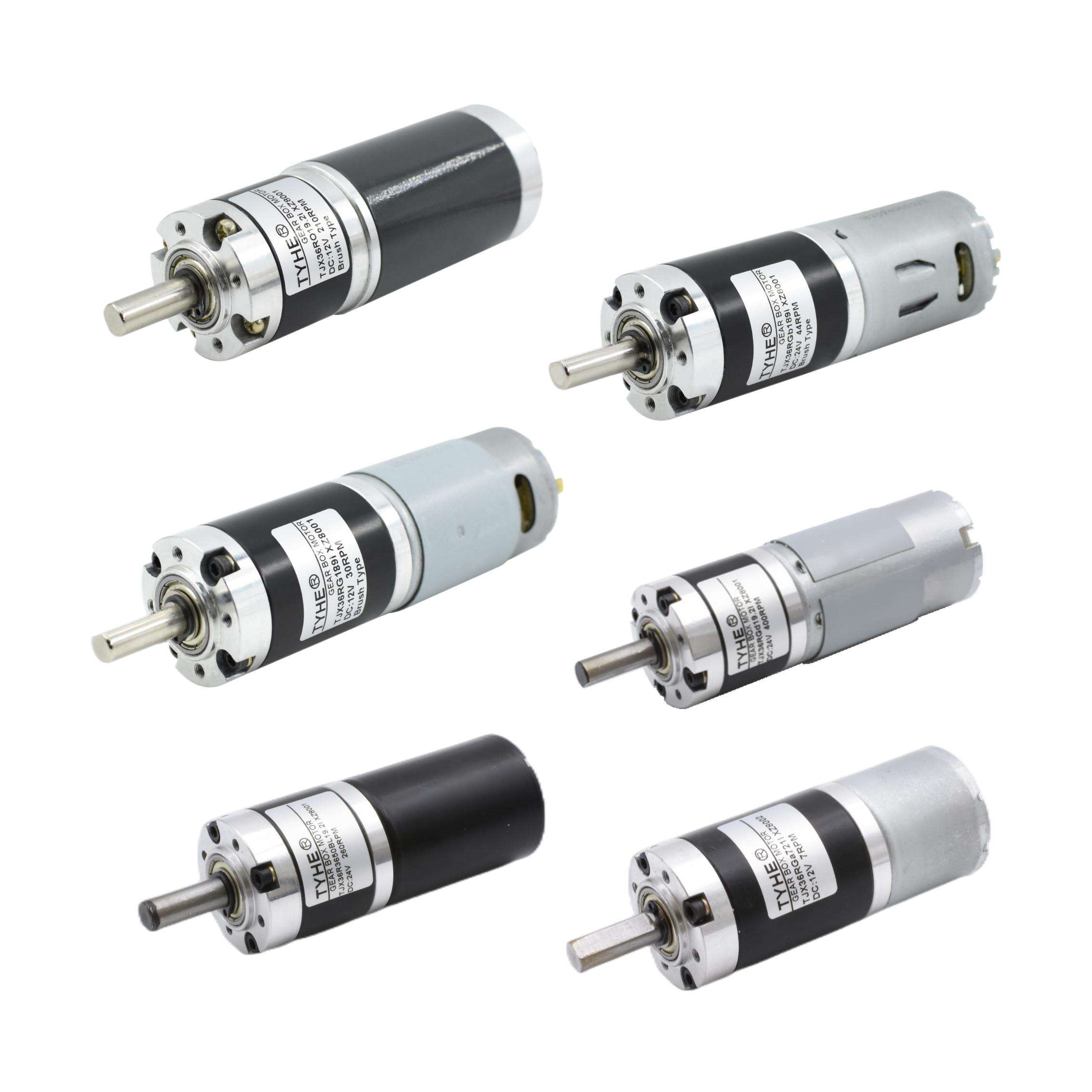
Modern industrial applications demand precision, reliability, and compact power transmission solutions that can withstand rigorous operational demands. A planetary gear motor represents the pinnacle of engineering excellence in power transmission technology, combining high torque output with remarkable efficiency in a surprisingly compact package. These sophisticated mechanical systems have revolutionized countless industries by delivering exceptional performance where space constraints and power requirements intersect. Understanding the fundamental principles and selection criteria for these advanced systems becomes crucial for engineers and procurement professionals seeking optimal solutions for their specific applications.
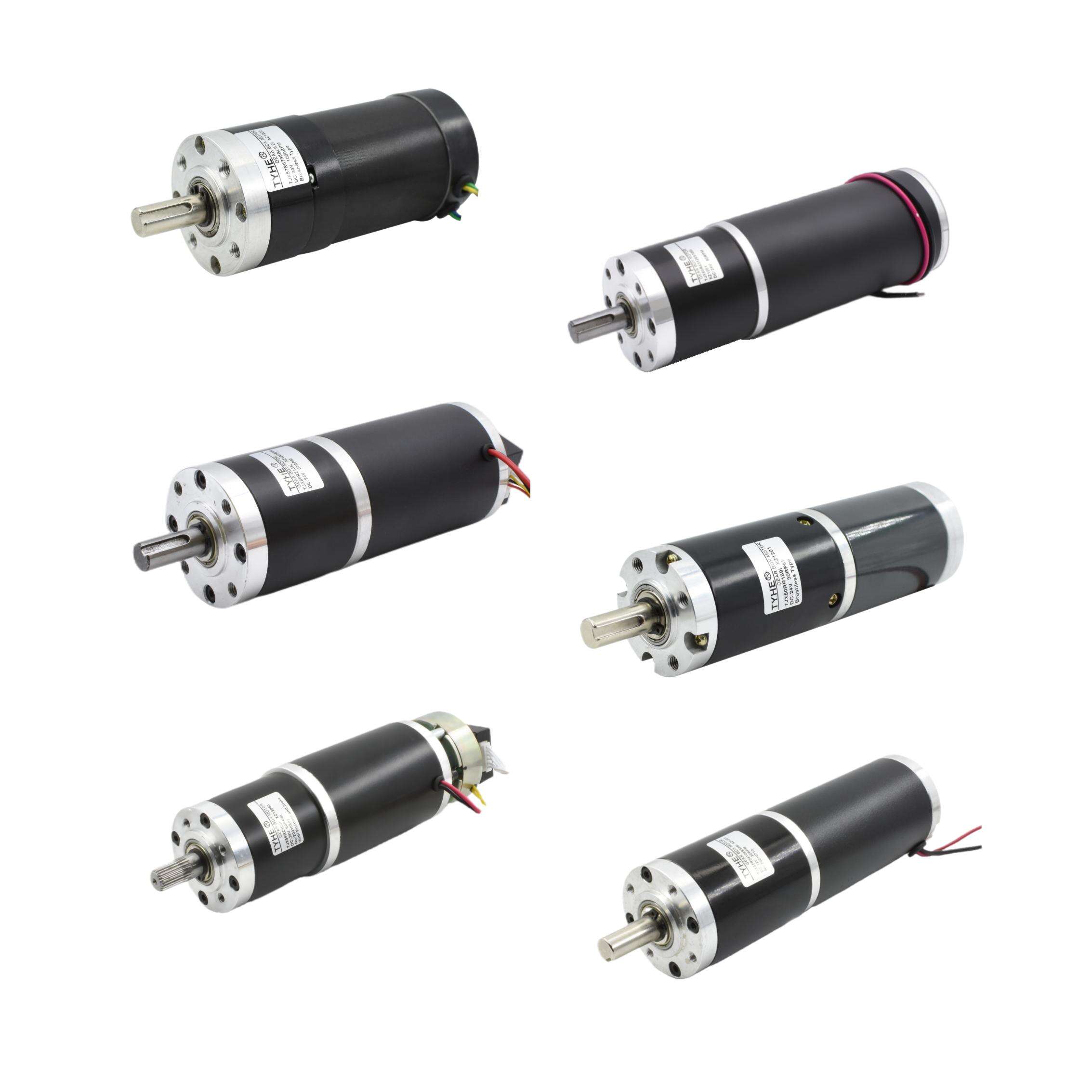
Understanding Planetary Gear Motor Technology
Core Design Principles
The planetary gear motor architecture derives its name from the solar system-like arrangement of its internal components. At the center lies the sun gear, surrounded by multiple planet gears that rotate around it while simultaneously orbiting within an outer ring gear. This ingenious configuration enables the system to achieve remarkable gear reduction ratios while maintaining structural integrity under high load conditions. The planet gears distribute load forces evenly across multiple contact points, significantly reducing stress concentrations that might cause premature failure in conventional gear systems.
The carrier assembly holds the planet gears in precise alignment, ensuring smooth operation and optimal load distribution throughout the transmission cycle. This arrangement allows for multiple stages of reduction within a single compact housing, making the planetary gear motor ideal for applications requiring substantial torque multiplication without sacrificing space efficiency. The inherent symmetry of the design also contributes to reduced vibration levels and improved operational smoothness compared to traditional gear configurations.
Operational Advantages
Planetary gear motors excel in applications where high torque density, precision positioning, and long-term reliability are paramount concerns. The multiple contact points between gears distribute mechanical loads more evenly than single-stage reduction systems, resulting in lower stress levels on individual components and extended service life. This load distribution characteristic enables these units to handle substantial overload conditions without catastrophic failure, providing an important safety margin in critical applications.
The coaxial input and output shaft arrangement simplifies mechanical integration and reduces the overall footprint required for installation. This configuration proves particularly valuable in robotic applications, conveyor systems, and precision positioning equipment where space constraints limit design options. Additionally, the inherent mechanical advantage provided by the planetary configuration results in excellent efficiency ratings, typically exceeding 95% in well-designed units.
Selection Criteria for Optimal Performance
Torque and Speed Requirements
Determining the appropriate torque specifications represents the foundation of proper planetary gear motor selection. Engineers must carefully analyze both continuous and peak torque requirements, considering factors such as acceleration profiles, load variations, and safety margins. The relationship between input speed, reduction ratio, and output torque directly influences the overall system performance and must align with application-specific demands.
Speed considerations extend beyond simple rotational velocity to encompass acceleration capabilities and positioning accuracy requirements. High-precision applications may require servo-grade planetary gear motors with minimal backlash characteristics, while industrial conveyor systems might prioritize robust construction over positioning precision. Understanding these trade-offs enables informed decisions that optimize both performance and cost-effectiveness for specific operating environments.
Environmental and Operational Factors
Operating environment conditions significantly impact the longevity and reliability of planetary gear motor installations. Temperature extremes, humidity levels, contamination exposure, and vibration conditions all influence material selection, lubrication requirements, and sealing specifications. Harsh industrial environments may necessitate specialized coatings, enhanced sealing systems, or alternative lubrication strategies to ensure reliable long-term operation.
Duty cycle characteristics also play a crucial role in system selection and sizing. Continuous operation applications require different thermal management considerations compared to intermittent duty applications. The cumulative effects of thermal cycling, load variations, and operational patterns must be evaluated to prevent premature wear or unexpected failures. Proper environmental assessment ensures that the selected planetary gear motor will deliver reliable performance throughout its intended service life.
Industrial Applications and Use Cases
Automation and Robotics
The robotics industry has embraced planetary gear motors as essential components for achieving precise motion control in articulated systems. Joint actuators in industrial robots require the high torque density and low backlash characteristics that planetary designs provide. The compact form factor allows multiple axes of motion within confined spaces while maintaining the structural rigidity necessary for accurate positioning under varying load conditions.
Automated manufacturing systems rely heavily on planetary gear motor technology for conveyor drives, pick-and-place mechanisms, and assembly line equipment. The ability to achieve high reduction ratios in compact packages enables designers to create more efficient layouts while maintaining the precision and reliability demanded by modern production requirements. The excellent speed regulation and torque characteristics of these systems contribute significantly to improved manufacturing consistency and quality control.
Material Handling Systems
Material handling applications present unique challenges that planetary gear motors address effectively through their robust construction and versatile mounting configurations. Conveyor systems, elevator drives, and crane mechanisms benefit from the high torque multiplication capabilities and excellent overload tolerance provided by planetary designs. The distributed load characteristics inherent in the planetary configuration enable these systems to handle shock loads and variable operating conditions commonly encountered in material handling environments.
Warehouse automation systems increasingly depend on planetary gear motor technology to achieve the precise positioning and rapid acceleration required for efficient operations. Automated storage and retrieval systems utilize these motors for both horizontal and vertical movement mechanisms, taking advantage of their compact size and reliable performance characteristics. The maintenance advantages provided by planetary designs contribute to improved system uptime and reduced operational costs in demanding logistics applications.
Maintenance and Longevity Considerations
Preventive Maintenance Strategies
Implementing comprehensive preventive maintenance programs significantly extends the operational life of planetary gear motor installations while minimizing unexpected downtime. Regular lubrication monitoring and replacement schedules form the cornerstone of effective maintenance strategies. The quality and condition of lubricants directly impact gear tooth wear rates, bearing performance, and overall system efficiency throughout the operational lifecycle.
Vibration monitoring and thermal analysis provide valuable insights into developing mechanical issues before they result in catastrophic failures. Modern condition monitoring systems can detect subtle changes in operational characteristics that indicate wear patterns, misalignment conditions, or lubrication degradation. Early detection of these conditions enables proactive maintenance interventions that prevent costly repairs and extended production interruptions.
Performance Optimization Techniques
Optimizing planetary gear motor performance requires attention to both mechanical and operational factors that influence efficiency and longevity. Proper alignment during installation eliminates unnecessary stress concentrations that can accelerate wear patterns and reduce operational smoothness. Temperature management through adequate ventilation and appropriate duty cycle management prevents thermal stress that can compromise lubrication effectiveness and material properties.
Load management strategies that avoid excessive shock loading and maintain operation within specified parameters contribute significantly to extended service life. Understanding the relationship between operating conditions and wear patterns enables operators to optimize performance parameters while maintaining reliability margins. Regular performance monitoring and trending analysis provide valuable feedback for continuous improvement of operational practices and maintenance procedures.
FAQ
What are the primary advantages of planetary gear motors over conventional gear systems
Planetary gear motors offer superior torque density, meaning they can deliver higher torque output in a more compact package compared to conventional gear systems. The multiple planet gears distribute loads evenly, reducing stress on individual components and extending service life. Additionally, the coaxial input and output configuration simplifies installation and reduces space requirements, while the inherent design provides excellent efficiency ratings typically exceeding 95%.
How do I determine the correct gear ratio for my application
The correct gear ratio depends on your input speed, desired output speed, and torque requirements. Calculate the ratio by dividing input speed by desired output speed. Consider that higher ratios provide more torque multiplication but reduce output speed proportionally. Factor in your load requirements, acceleration needs, and positioning accuracy demands when making the final selection. Consulting with application engineers can help optimize the ratio for your specific operational parameters.
What maintenance intervals are recommended for planetary gear motors
Maintenance intervals vary based on operating conditions, duty cycle, and environmental factors. Generally, lubrication should be checked every 2000-4000 operating hours, with complete lubricant replacement every 8000-12000 hours under normal conditions. Harsh environments or continuous operation may require more frequent intervals. Regular vibration monitoring and temperature checks should be performed monthly, with detailed inspections conducted annually or according to manufacturer recommendations.
Can planetary gear motors handle variable speed applications
Yes, planetary gear motors are well-suited for variable speed applications when paired with appropriate motor control systems. Their robust construction handles the thermal and mechanical stresses associated with frequent speed changes effectively. The excellent torque characteristics across the speed range make them ideal for servo applications and variable frequency drive installations. Proper sizing and thermal management become crucial factors when implementing variable speed operation to ensure reliable long-term performance.
