
 EN
EN
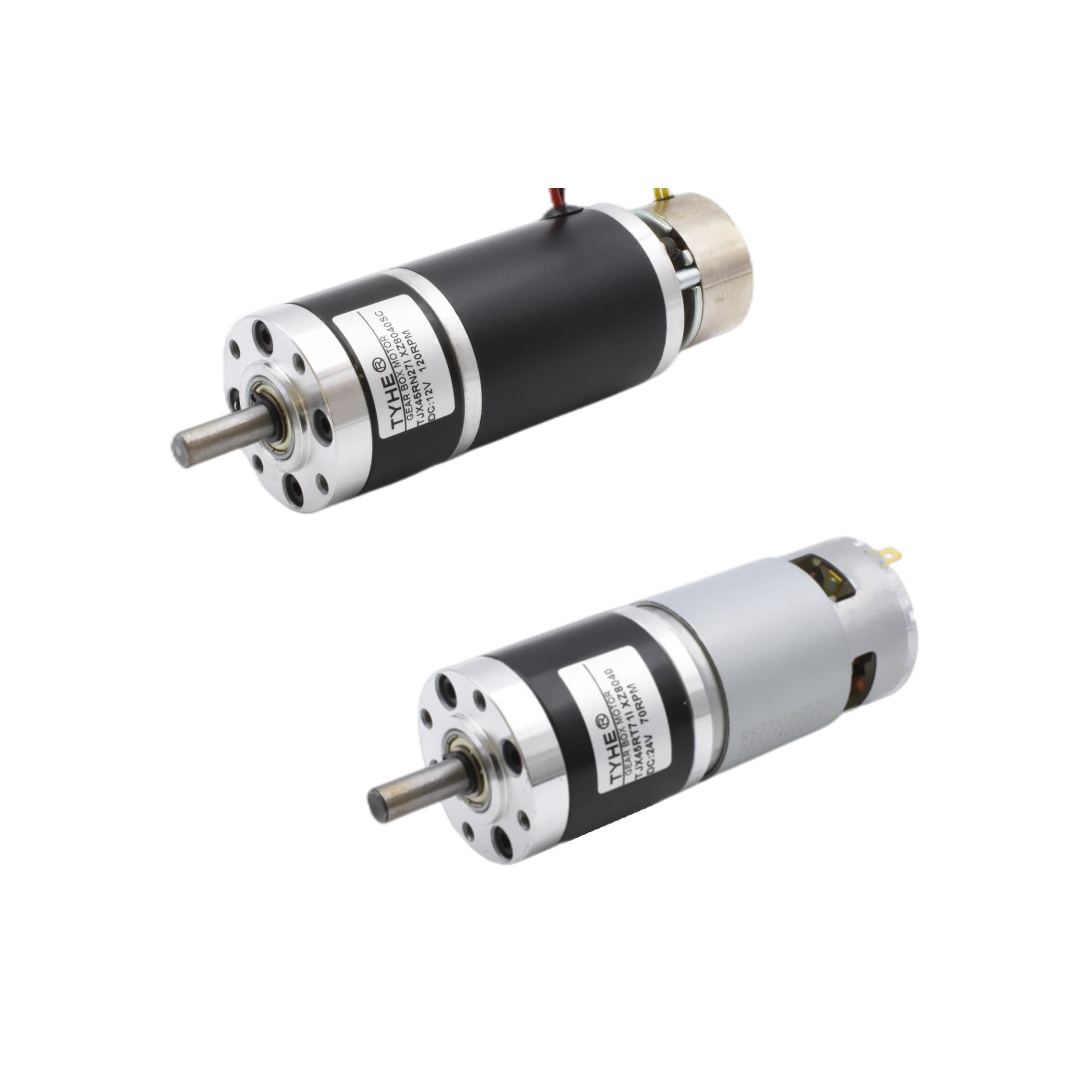
The industrial landscape is undergoing a profound transformation driven by advances in miniaturized dc planetary gear motor technology. As manufacturers and engineers face mounting pressure to reduce equipment footprint while maintaining performance, the dc planetary gear motor has emerged as a critical enabling technology. These compact yet powerful units deliver precise torque, reliability, and efficiency in applications where space is premium and failure is not an option. The evolution of the dc planetary gear motor represents more than incremental improvement; it signals a fundamental shift in how engineers approach motion control and automation design.
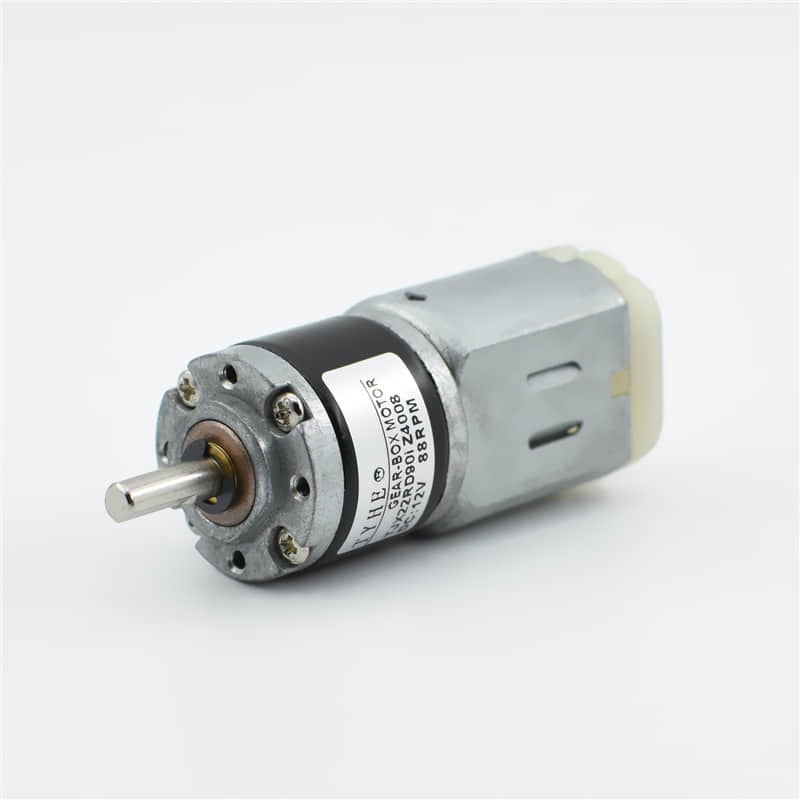
Understanding the trajectory of miniaturized dc planetary gear motor development requires examining both the technological drivers and real-world applications reshaping the industry. Modern robotics, medical devices, aerospace systems, and precision automation all depend on ultra-compact motor solutions that deliver consistent performance in confined spaces. The dc planetary gear motor achieves this through sophisticated engineering of gear geometry, motor winding optimization, and thermal management. As miniaturization accelerates, the dc planetary gear motor continues to set new standards for power density and operational reliability.
Technological Innovations Redefining the DC Planetary Gear Motor Landscape
Advanced Gear Geometry and Material Science
The core innovation in modern dc planetary gear motor design centers on precision gear manufacturing and material selection. Engineers now employ advanced high-strength alloys, hardening processes, and computer-optimized gear profiles to maximize torque transmission in minimal space. A dc planetary gear motor achieves its characteristic efficiency through the planetary arrangement, where multiple pinion gears orbit around a central sun gear within a ring gear, distributing load and enabling higher reduction ratios without bulk. This configuration allows the dc planetary gear motor to deliver substantial torque multiplication using significantly fewer components than traditional spur or helical designs.
Material innovations have been equally transformative. Specialized surface treatments and precision heat-treatment protocols ensure that miniaturized dc planetary gear motor components withstand repeated cycling at high speeds without premature wear. The reduction in gear size demands proportionally higher precision in manufacturing tolerances. Modern dc planetary gear motor producers employ multi-axis CNC machining, precision grinding, and rigorous quality control to maintain tolerances measured in microns, ensuring that every dc planetary gear motor unit meets performance specifications across varying environmental conditions.
Thermal Management and Energy Efficiency
Compacting motor and gearbox functionality into smaller volumes creates inherent thermal challenges that engineers must overcome. The latest dc planetary gear motor designs integrate advanced thermal pathways, heat-dissipating materials, and optimized winding configurations to maintain safe operating temperatures even under sustained high-torque conditions. Efficient heat transfer is particularly critical because the dc planetary gear motor operates within confined geometries where thermal gradients can accelerate bearing degradation and reduce motor longevity.
Energy efficiency represents another frontier in dc planetary gear motor technology development. Precision-engineered gears with optimized surface finishes reduce friction losses, while advanced motor winding patterns and magnetic circuit designs maximize electromagnetic efficiency. A well-designed dc planetary gear motor minimizes energy waste as heat, extending battery life in portable applications and reducing operational costs in continuous-duty industrial systems. This efficiency advantage compounds over product lifespans spanning years or decades.
Real-World Applications Driving DC Planetary Gear Motor Evolution
Robotics and Autonomous Systems
Collaborative robots, autonomous mobile platforms, and surgical robotic systems all depend critically on high-performance miniaturized actuation. The dc planetary gear motor powers joint articulation, gripper actuation, and drive mechanisms where precise speed and torque control directly determine system capability and safety. Roboticists select the dc planetary gear motor because these units provide predictable, repeatable performance within the severe space constraints of robot limbs and end-effectors. The compact form factor of a dc planetary gear motor enables more degrees of freedom and more sophisticated motion profiles than bulkier alternatives.
As robotic applications expand into delicate manipulation tasks, surgical procedures, and hazardous environments, the demands on dc planetary gear motor technology intensify. Manufacturers now develop dc planetary gear motor variants with enhanced position feedback, integrated sensor mounting, and specialized control interfaces that enable sophisticated motion algorithms. The reliability of a dc planetary gear motor directly impacts mission success and operator safety.
Medical and Aerospace Precision Applications
Medical device manufacturers specify the dc planetary gear motor for infusion pumps, ventilator controls, surgical tool drives, and diagnostic equipment where reliability margins are non-negotiable. The repeatable precision of a dc planetary gear motor ensures consistent dosing and procedural outcomes. Aerospace systems similarly depend on miniaturized motor technology for actuation, positioning, and control applications where failure could compromise safety or mission completion. A dc planetary gear motor must function reliably across extreme temperature ranges, vibration environments, and extended operational intervals.
These demanding industries drive continuous innovation in dc planetary gear motor design, accelerating the introduction of lighter materials, more robust component tolerances, and enhanced environmental sealing. The dc planetary gear motor specifications developed for aerospace or medical applications often find adoption across broader industrial markets, creating a trickle-down effect that raises overall technology standards.
Future Trajectory and Strategic Implications for the DC Planetary Gear Motor Market
Miniaturization Limits and Engineering Responses
As miniaturization continues, engineers encounter fundamental physical limits that demand creative solutions. The dc planetary gear motor industry is responding through innovative approaches including rare-earth permanent magnet designs, advanced composite materials for housing, and integrated electronics that move control functions directly into motor housings. These developments compress functionality previously distributed across multiple discrete components into a unified dc planetary gear motor assembly. Looking forward, the dc planetary gear motor will likely incorporate smart features such as condition monitoring, predictive failure diagnostics, and adaptive control algorithms embedded within the motor itself.
The convergence of mechanical miniaturization and electronics integration suggests that future dc planetary gear motor products will function not merely as motion actuators but as intelligent system nodes capable of communicating operational status, performing self-diagnostics, and optimizing performance in real time. This transformation expands the value proposition of the dc planetary gear motor well beyond torque and speed specifications into the realm of system-level intelligence and reliability enhancement.
Market Expansion and Emerging Applications
Emerging technologies including exoskeleton systems, advanced manufacturing automation, and micro-mobility platforms are generating new demand vectors for miniaturized dc planetary gear motor solutions. Each application category imposes unique requirements that push dc planetary gear motor engineering capabilities further. The transition toward electrification across transportation, industrial automation, and consumer products amplifies the strategic importance of efficient, compact motor technology. Manufacturers investing in dc planetary gear motor innovation today position themselves to capture growth opportunities as these emerging markets scale.
The dc planetary gear motor represents a cornerstone technology enabling the broader shift toward electrification, automation, and miniaturized intelligent systems. Organizations that master dc planetary gear motor design, manufacturing quality, and application integration will lead their respective industries through the next decade of technological transformation.
FAQ
What advantages does a dc planetary gear motor offer over traditional spur gear motors?
A dc planetary gear motor delivers significantly higher torque density, lower backlash, and smoother operation than comparable spur gear designs. The planetary arrangement distributes load across multiple pinion gears, enabling higher reduction ratios within compact volumes. A dc planetary gear motor also generates less vibration and noise, making it ideal for precision applications and environments where acoustic considerations matter. The dc planetary gear motor architecture inherently provides superior mechanical efficiency and more consistent performance across varying loads and environmental conditions.
How does miniaturization of dc planetary gear motor technology impact cost and supply chains?
Miniaturization of the dc planetary gear motor demands precision manufacturing capabilities and specialized materials that increase component costs, yet higher production volumes and manufacturing automation continue reducing per-unit pricing. The dc planetary gear motor supply chain remains relatively concentrated among specialized manufacturers with advanced capabilities. As demand grows, particularly from robotics and medical sectors, additional manufacturers enter the market, potentially increasing competition and improving supply chain resilience. Organizations specifying a dc planetary gear motor should develop relationships with multiple qualified suppliers to mitigate supply risks.
What thermal management considerations should engineers address when integrating a dc planetary gear motor?
Thermal management is critical when integrating a dc planetary gear motor into compact systems. Engineers must ensure adequate heat dissipation pathways, appropriate thermal interface materials between motor housing and mounting surfaces, and potentially active cooling solutions depending on duty cycles. A dc planetary gear motor operating at high speed and torque continuously generates heat that, if poorly managed, degrades bearing life and winding insulation integrity. Detailed thermal analysis, consideration of ambient operating temperatures, and proper thermal design ensure that each dc planetary gear motor installation operates within safe temperature windows and achieves designed service life.
