Micro Stepper: Precision Motion Made Simple

All Categories

micro stepper

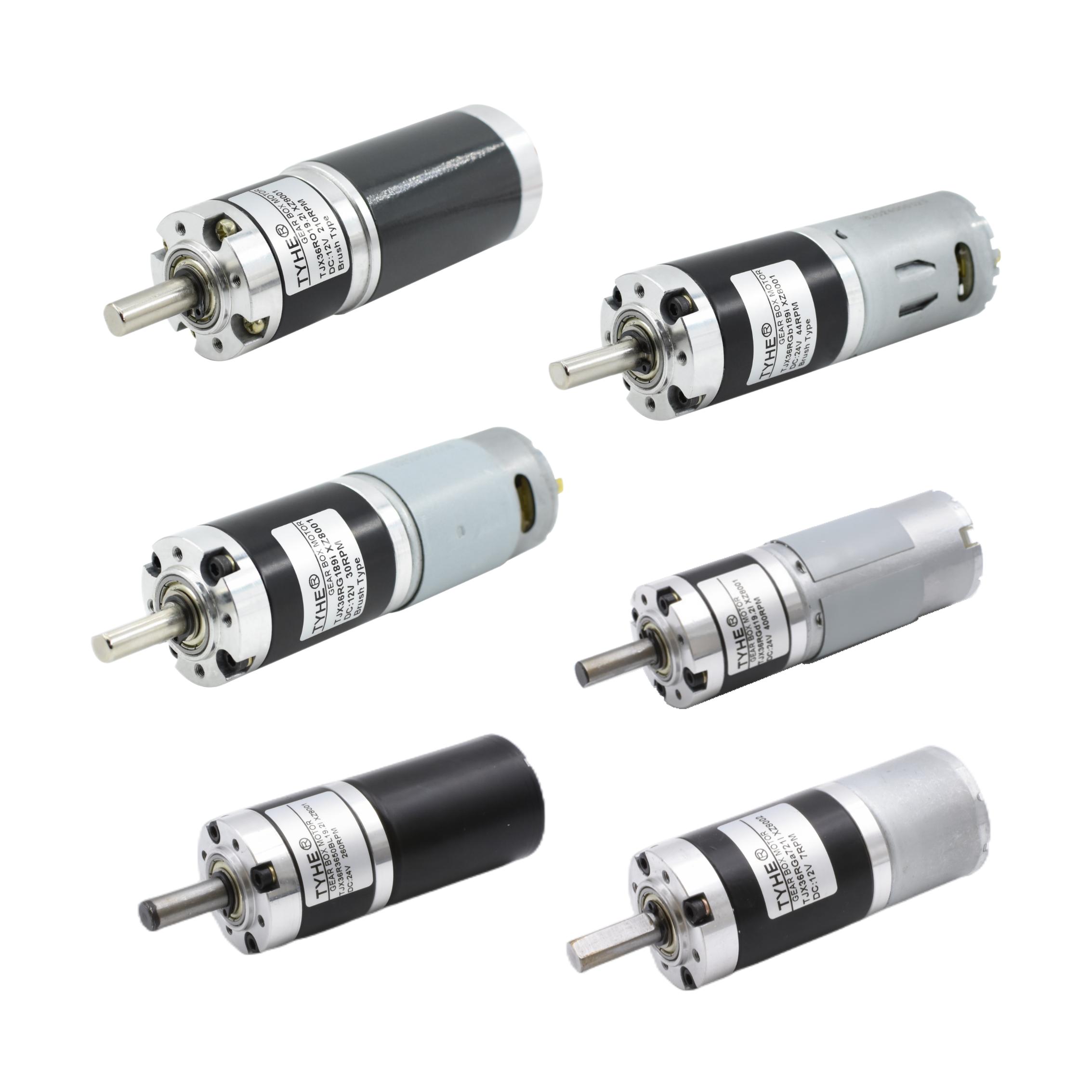
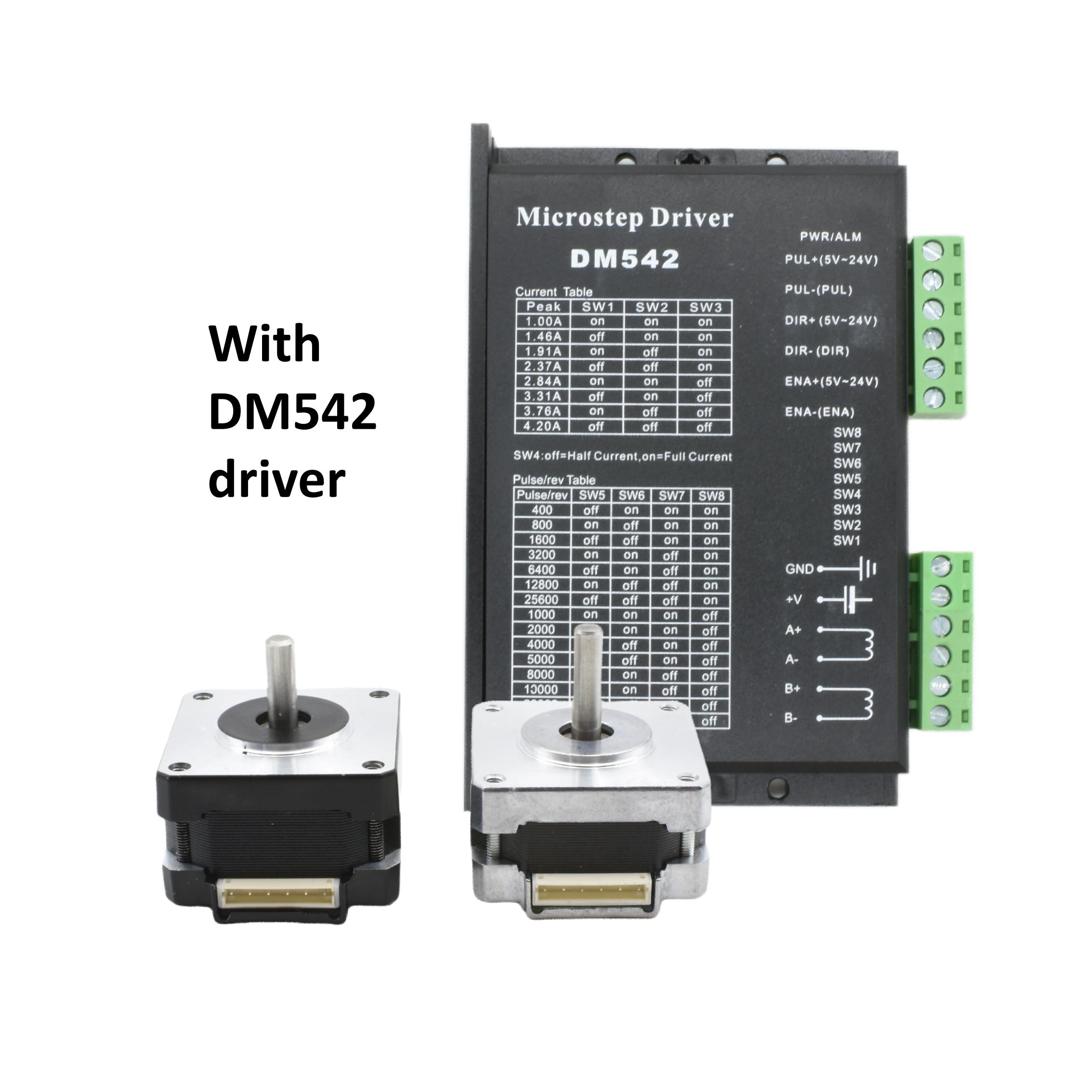
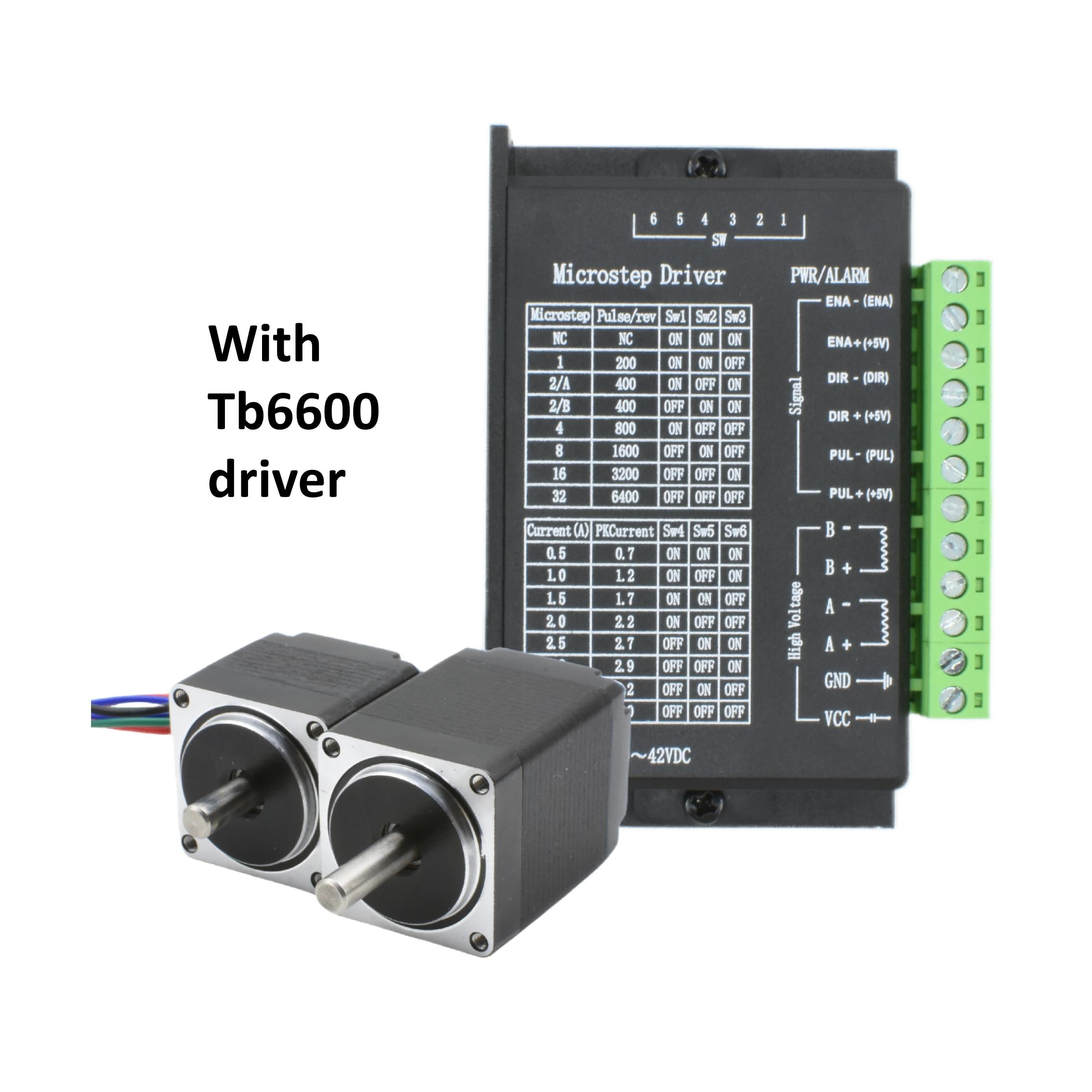
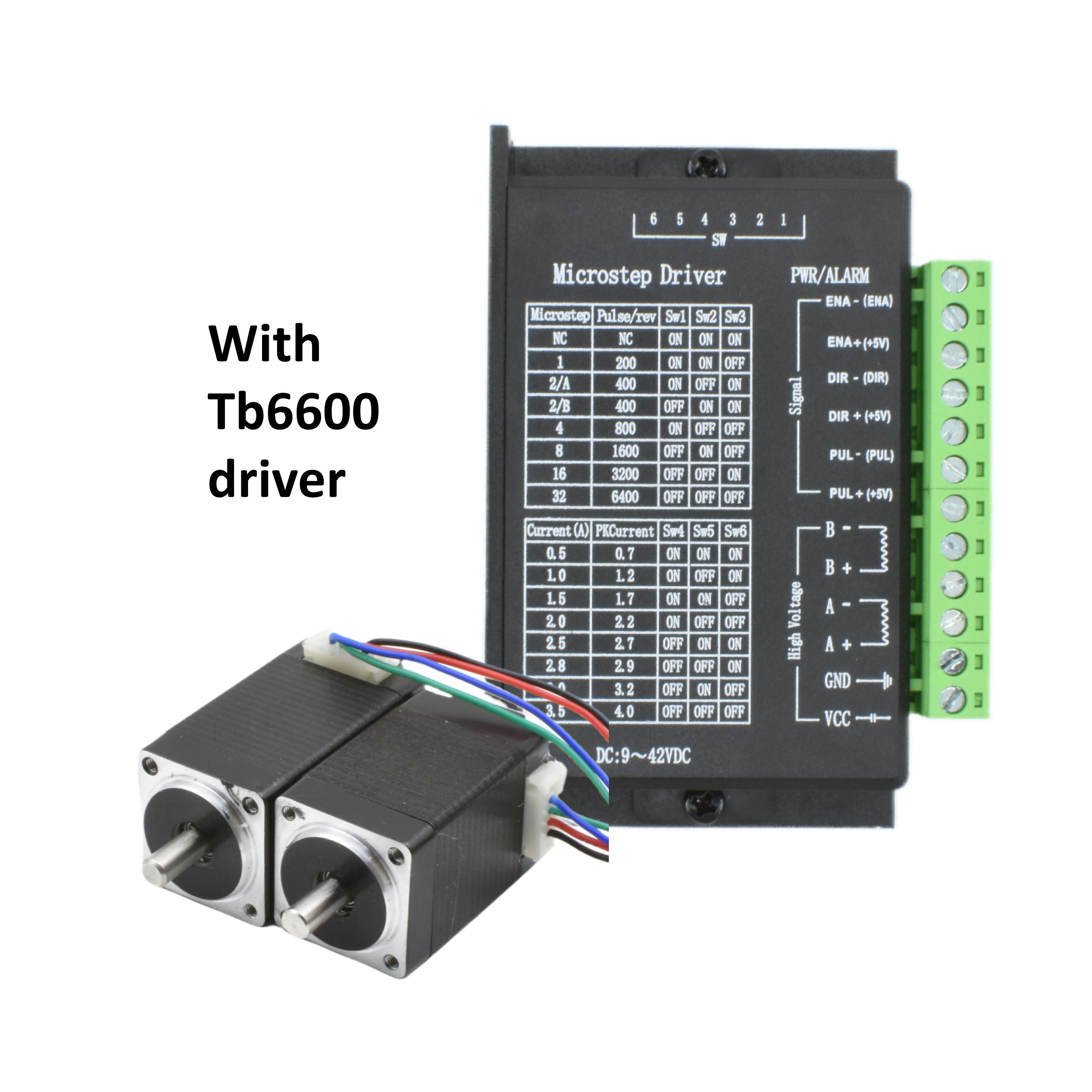
The micro stepper is a compact motion device that moves a load in controlled, repeatable increments. Unlike a basic motor that turns continuously, the micro stepper divides each revolution into many small steps. This allows accurate positioning, smooth travel, and dependable speed control without requiring a complex mechanical system. A micro stepper usually combines a stepper motor, drive electronics, and control software or pulse signals. The controller sends timed commands, while the motor converts those commands into measured rotary or linear movement. With the right lead screw, belt, gear, or coupling, a micro stepper can position a platform, valve, camera, sensor, or tool. Key technological features include programmable step resolution, strong holding force, low-speed control, compact construction, and compatibility with common digital controllers. Many models also provide current adjustment, over-temperature protection, quiet operating modes, and automatic fault monitoring. These features help protect the motor and simplify system design. The micro stepper suits equipment that needs repeatable movement but has limited space or moderate load demands. Typical applications include desktop 3D printers, label machines, medical instruments, laboratory devices, inspection equipment, small robots, camera sliders, and automated dispensers. A micro stepper can support either open-loop operation or feedback-based control, depending on the required accuracy and risk level. Buyers should match the micro stepper to load weight, travel speed, duty cycle, available voltage, and required resolution. When correctly selected, the micro stepper delivers precise motion in a small, practical package.

New Product Recommendations

The main advantage of a micro stepper is controlled movement at a practical cost. The micro stepper follows digital commands, so equipment designers can set position, direction, and speed through a controller rather than adding a separate positioning system. This makes the micro stepper useful for machines that repeat the same movement many times each day. A micro stepper also holds its position when power remains applied. That benefit helps keep a nozzle, tray, lens, cutter, or sensor in place during a process. For buyers, this can reduce the need for brakes, complex gearboxes, or extra locking parts. The micro stepper provides smooth low-speed travel when the controller uses finer step settings. Smoother movement can improve product quality, reduce vibration, and make equipment feel more refined to operators. Compact dimensions create another clear benefit. A micro stepper fits inside small housings and leaves more room for wiring, cooling, or other components. Its simple control method also supports faster integration with common automation boards and industrial controllers. In many applications, the micro stepper offers repeatable performance without the purchase and maintenance burden of a full servo system. This makes it a sensible choice for moderate loads, short travel ranges, and predictable operating conditions. A micro stepper can also lower service needs because it has few wear parts inside the motor itself. However, buyers should assess acceleration, heat, noise, load changes, and missed-step risk before choosing a model. The best micro stepper is not simply the smallest or cheapest option; it matches the required torque, resolution, speed, and working environment. Selecting correctly improves uptime, simplifies installation, and protects long-term operating value.

Latest News

High Torque 12V DC Motor Options for Heavy Lifting

02

Jul

High Torque 12V DC Motor Options for Heavy Lifting

When a heavy lifting application demands reliable rotational force, choosing the right 12v dc motor becomes one of the most critical engineering decisions in the design process. A 12v dc motor that delivers high torque at manageable speeds can power ...
View More
The Impact of Backlash in Planetary Gear Motor Performance

21

Aug

The Impact of Backlash in Planetary Gear Motor Performance

Backlash represents one of the most critical performance variables in modern mechanical drive systems, and its impact on a planetary gear motor cannot be overstated. When backlash—the small gap between meshing gear teeth—exceeds design tolerances, a ...
View More
Micro DC Motor vs. Piezo Motors: A Comparison Guide

30

Oct

Micro DC Motor vs. Piezo Motors: A Comparison Guide

A micro dc motor and a piezo motor can both create controlled motion in compact equipment, but they work in fundamentally different ways. Comparing a micro dc motor with a piezo actuator means looking beyond size: one produces rotation, while the oth...
View More
How to Custom Design a DC Planetary Gear Motor for Equipment

30

Oct

How to Custom Design a DC Planetary Gear Motor for Equipment

Custom designing a dc planetary gear motor for equipment starts with the job the motor must perform, not with a catalog size. Define the load, movement, duty cycle, and available space before choosing components. A well-specified dc planetary gear mo...
View More

Get a Free Quote

Our representative will contact you soon.
Email
Mobile/WhatsApp
Name
Company Name
Message
0/1000

micro stepper

Fine Position Control in a Compact Format

Fine Position Control in a Compact Format

The micro stepper creates small, measured movements that help a machine place parts, tools, or materials accurately. Its fine step settings divide motor rotation into smaller commands, allowing designers to tune movement for the task instead of accepting one fixed motion rate. This feature matters when a platform must align with a sensor, a print head must follow a pattern, or a dispensing nozzle must release a consistent amount. A micro stepper can improve repeatability while keeping the drive system relatively simple. Its compact body also supports smaller equipment designs, which benefits manufacturers seeking lighter products or tighter layouts. Compared with a larger positioning assembly, the micro stepper can reduce space use and simplify mounting. Buyers should still confirm actual accuracy under load, because resolution does not always equal final positioning accuracy. When the motor, controller, and mechanical transmission work together correctly, the micro stepper delivers useful precision without unnecessary system complexity.
Simple Digital Control and Easy Integration

Simple Digital Control and Easy Integration

The micro stepper responds to widely used pulse and direction signals, making it easy to connect with automation controllers, embedded boards, and motion software. A controller can define how far the motor moves, how quickly it travels, and when it reverses. This straightforward approach helps engineering teams develop prototypes quickly and allows production equipment to use familiar control architecture. The micro stepper can also support adjustable current, selectable step modes, and acceleration profiles through a suitable driver. These settings help users balance speed, smoothness, sound, and motor temperature. For buyers, easy integration can shorten installation time and reduce training requirements for maintenance staff. Standard control also makes replacement or future upgrades more manageable. The micro stepper is especially suitable for machines that repeat planned movements rather than respond to unpredictable force changes. Before purchase, users should check driver compatibility, supply voltage, connector type, communication method, and software support. Those checks help ensure that the micro stepper performs reliably from the first installation.
Reliable Motion for Diverse Light-Duty Equipment

Reliable Motion for Diverse Light-Duty Equipment

The micro stepper supports a wide range of practical equipment, from desktop printers and laboratory instruments to inspection tools, dispensers, and compact robots. It can drive a lead screw for linear travel, a belt for faster movement, or a small gear system for controlled rotation. This flexibility lets manufacturers use one motion concept across several product designs. The micro stepper holds position while energized, which can help maintain alignment during cutting, scanning, filling, or testing. Its limited internal wear components may also support dependable operation when the motor receives suitable cooling and load protection. For customers, this means a useful balance between purchase cost, capability, and service simplicity. The micro stepper works best with moderate loads and predictable motion profiles, so it may not replace a feedback servo in high-speed or high-force applications. Choosing the correct torque margin and driver settings prevents overheating and missed steps. Used within its limits, the micro stepper provides durable, repeatable movement for many compact automated systems.
Micro Stepper: Precision Motion Made Simple

Get a Free Quote

Our representative will contact you soon.
Email
Mobile/WhatsApp
Name
Company Name
Message
0/1000
Micro Stepper: Precision Motion Made Simple