 EN
EN
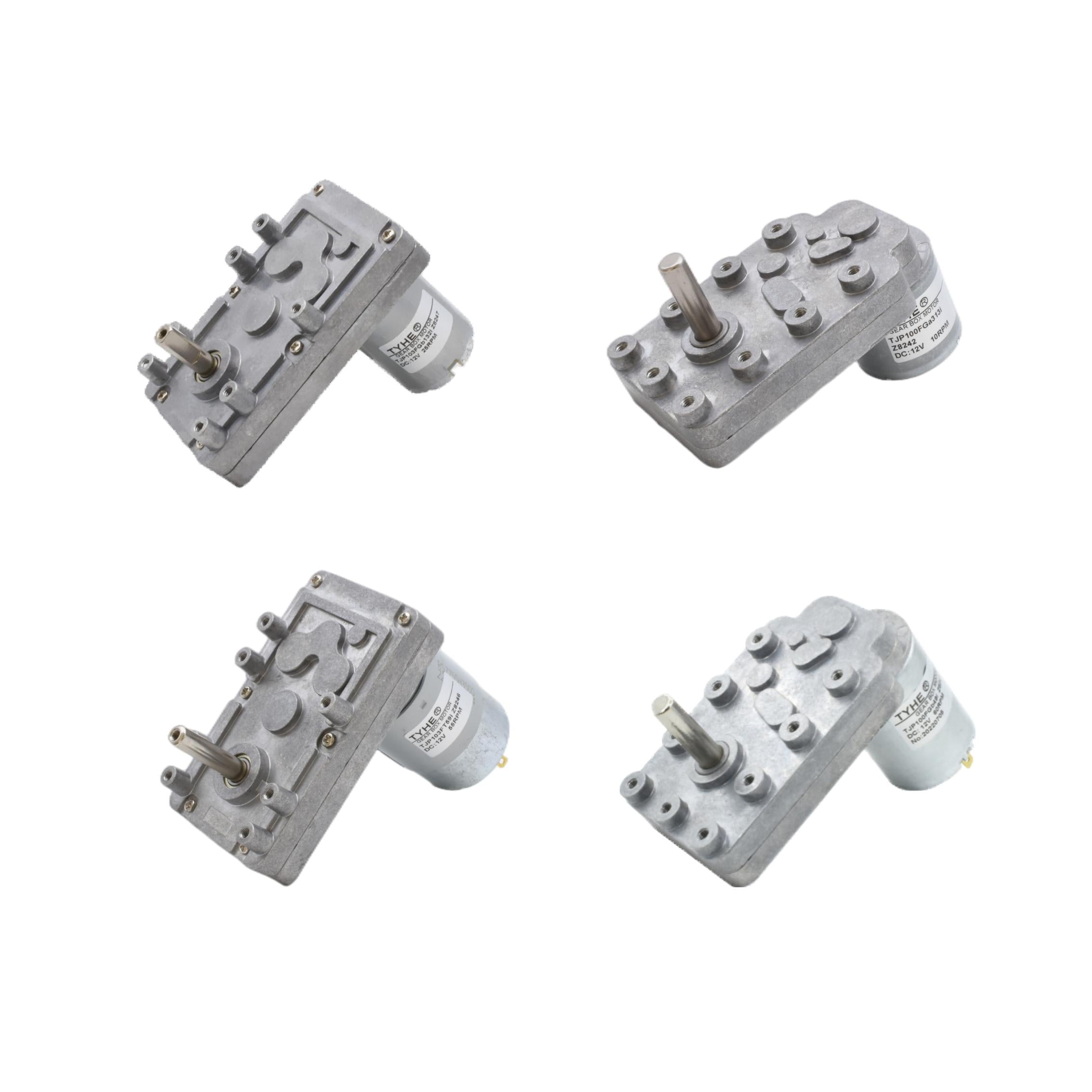
When a heavy lifting application demands reliable rotational force, choosing the right 12v dc motor becomes one of the most critical engineering decisions in the design process. A 12v dc motor that delivers high torque at manageable speeds can power conveyor systems, robotic arms, hoists, and actuators without requiring a complex power infrastructure. The 12-volt standard is widely accessible, making the 12v dc motor a practical and cost-efficient choice for both industrial and mobile heavy-duty applications.
Not every 12v dc motor is built to handle heavy lifting. The difference between a standard-duty 12v dc motor and a high-torque 12v dc motor lies in the winding configuration, magnetic flux density, rotor geometry, and thermal management capability. Understanding these factors helps engineers and procurement teams select a 12v dc motor that will perform reliably under continuous load without premature failure or performance degradation. This guide breaks down the key options and specifications you need to evaluate.
Why Torque Output Matters in a 12V DC Motor
Torque as the Core Performance Metric
For heavy lifting tasks, torque — not speed — is the most important performance metric of a 12v dc motor. Torque measures the rotational force that the 12v dc motor can apply to a shaft or gearbox, and it directly determines whether the motor can move, hold, or lift a given load. A 12v dc motor with insufficient torque will stall under load, draw excessive current, and heat up rapidly. Selecting a 12v dc motor with the right torque rating ensures the motor operates within its thermal and electrical limits even during sustained lifting cycles.
Rated Torque Versus Stall Torque
When reviewing specifications for a 12v dc motor, engineers often encounter two torque figures: rated torque and stall torque. Rated torque is the continuous torque the 12v dc motor delivers at its nominal operating point, while stall torque is the maximum torque achievable when the shaft is completely stopped. For lifting applications, the 12v dc motor must handle peak loads during startup and maintain rated torque throughout the lift cycle. Choosing a 12v dc motor with a stall torque well above your actual load provides a meaningful safety margin and extends operational lifespan.
Key Types of High Torque 12V DC Motor Configurations
Brushed High Torque 12V DC Motor
The brushed 12v dc motor remains one of the most widely used configurations for high-torque heavy lifting applications. This type of 12v dc motor achieves high torque through its commutator and brush mechanism, which allows direct control of current to the rotor windings. Brushed 12v dc motor designs are cost-effective, easy to control with simple PWM drivers, and capable of delivering strong low-speed torque without complex electronics. The trade-off is brush wear over time, which means a brushed 12v dc motor used in continuous lifting applications requires periodic maintenance. Despite this, the brushed 12v dc motor remains the default choice for many budget-conscious industrial designs.
Brushless High Torque 12V DC Motor
A brushless 12v dc motor eliminates mechanical brushes by using electronic commutation, resulting in longer service life, lower maintenance needs, and higher efficiency under heavy load conditions. The brushless 12v dc motor is particularly well-suited for lifting applications that run continuously or demand precise torque control. Because a brushless 12v dc motor generates less internal heat under sustained loads, it can deliver consistent torque output over longer operating cycles. The initial cost of a brushless 12v dc motor is higher, but its durability and efficiency typically make it the preferred 12v dc motor choice for professional-grade lifting equipment. Many industrial actuator designs now specify a brushless 12v dc motor as the baseline configuration.
Geared 12V DC Motor for Mechanical Torque Multiplication
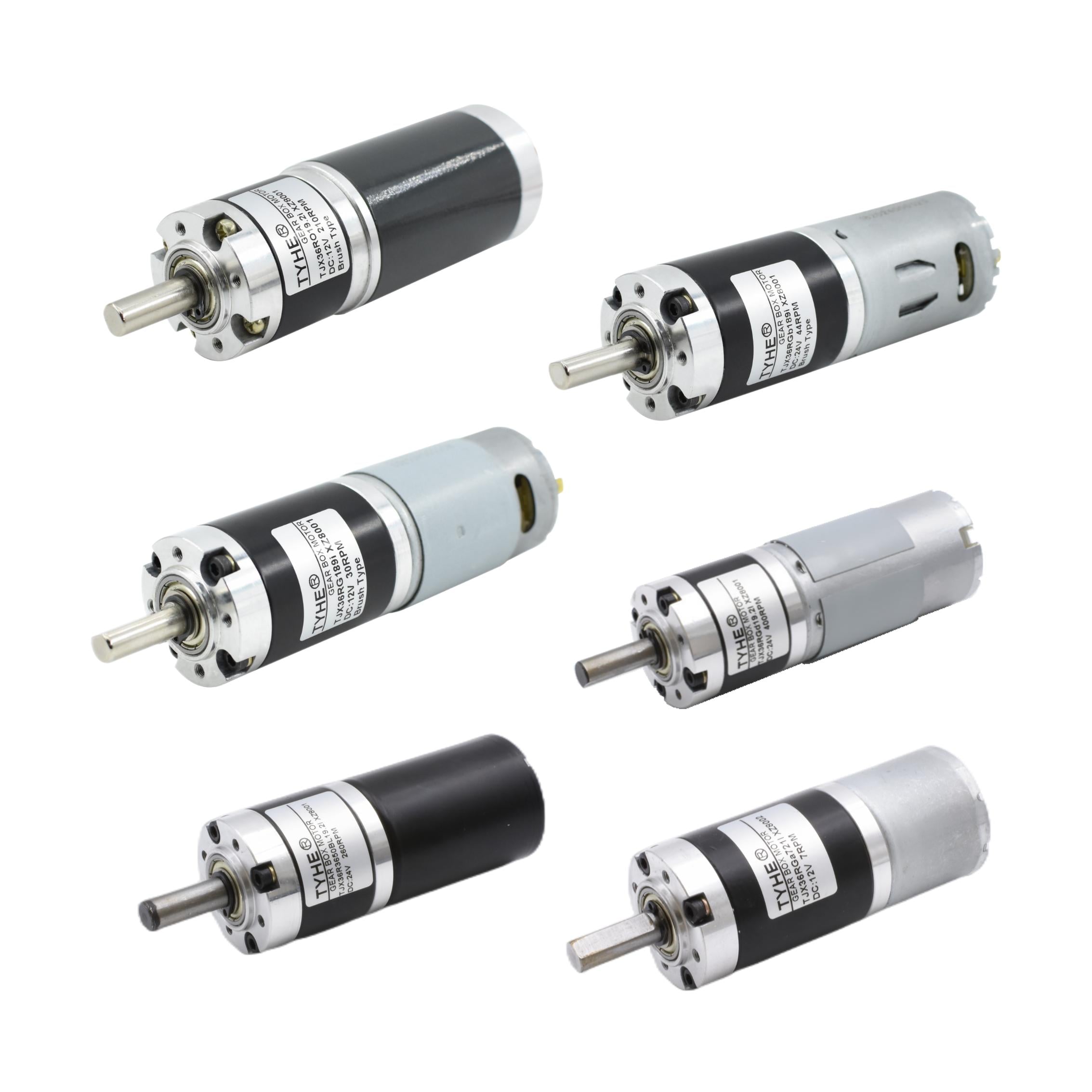
A geared 12v dc motor combines a standard 12v dc motor with an integrated gearbox to multiply output torque mechanically. By reducing output speed and increasing torque proportionally, a geared 12v dc motor can achieve the rotational force needed for lifting heavy loads without requiring a larger motor frame. Planetary gearboxes are commonly paired with a 12v dc motor in heavy lifting designs because they distribute load across multiple gear contact points, improving durability. Choosing a geared 12v dc motor with the right gear ratio allows the system to balance speed and torque according to the specific lifting requirement. This configuration makes the geared 12v dc motor one of the most versatile options in high-torque 12-volt applications.
Critical Specifications to Evaluate When Selecting a 12V DC Motor
Current Draw and Thermal Limits
A high-torque 12v dc motor naturally draws more current than a standard-duty motor, and this has direct implications for the power supply, wiring, and thermal management in the overall system. When selecting a 12v dc motor for lifting, always check the rated current draw at full load and ensure the power source can sustain that draw continuously. A 12v dc motor operating at or near its thermal limits will experience insulation degradation, reduced magnet strength, and eventual failure. Look for a 12v dc motor with a high IP rating or integrated thermal protection if the application involves frequent duty cycles or elevated ambient temperatures. Proper thermal management extends 12v dc motor life significantly in heavy lifting systems.
Shaft Load Capacity and Mounting Design
Beyond electrical specifications, the physical design of a 12v dc motor matters greatly in heavy lifting contexts. The shaft of the 12v dc motor must be rated to handle axial and radial loads that occur when lifting or holding weight. A 12v dc motor with an undersized shaft or inadequate bearing support will develop mechanical play, vibration, and ultimately shaft failure under repeated lifting stress. Evaluate the mounting flange, shaft diameter, and bearing type when comparing 12v dc motor options. A robust mechanical design in the 12v dc motor body ensures that the motor performs reliably even when subjected to shock loads at the start or end of each lifting cycle.
FAQ
What torque range should I expect from a high torque 12v dc motor?
A high torque 12v dc motor typically delivers rated torque ranging from 0.5 Nm to over 50 Nm depending on the motor size and gearbox ratio. For most light industrial lifting tasks, a geared 12v dc motor in the 5 Nm to 20 Nm range covers the majority of load requirements. Always select a 12v dc motor with a torque rating at least 20 percent above your calculated load torque to account for startup peaks and load variations.
Can a single 12v dc motor handle continuous duty lifting cycles?
Yes, a properly specified 12v dc motor can handle continuous duty lifting if it is rated for continuous operation and has adequate thermal management. A brushless 12v dc motor or a brushed 12v dc motor with a duty cycle rating above the application requirement will perform reliably under sustained lifting loads. Always verify the duty cycle specification of the 12v dc motor before deploying it in a continuous or high-frequency lifting environment.
What is the best way to control torque in a 12v dc motor for lifting?
The most effective method for controlling torque in a 12v dc motor used for lifting is pulse-width modulation, commonly called PWM. A PWM controller adjusts the average voltage delivered to the 12v dc motor, which in turn controls current and therefore torque output. For applications requiring precise torque control at low speeds, a brushless 12v dc motor paired with a dedicated motor controller offers the most accurate and stable performance. Closed-loop current control further improves torque consistency in demanding heavy lifting scenarios.
