Industrial Stepper Motors: Precision Control Solutions for Modern Automation Systems

All Categories

industrial stepper motor

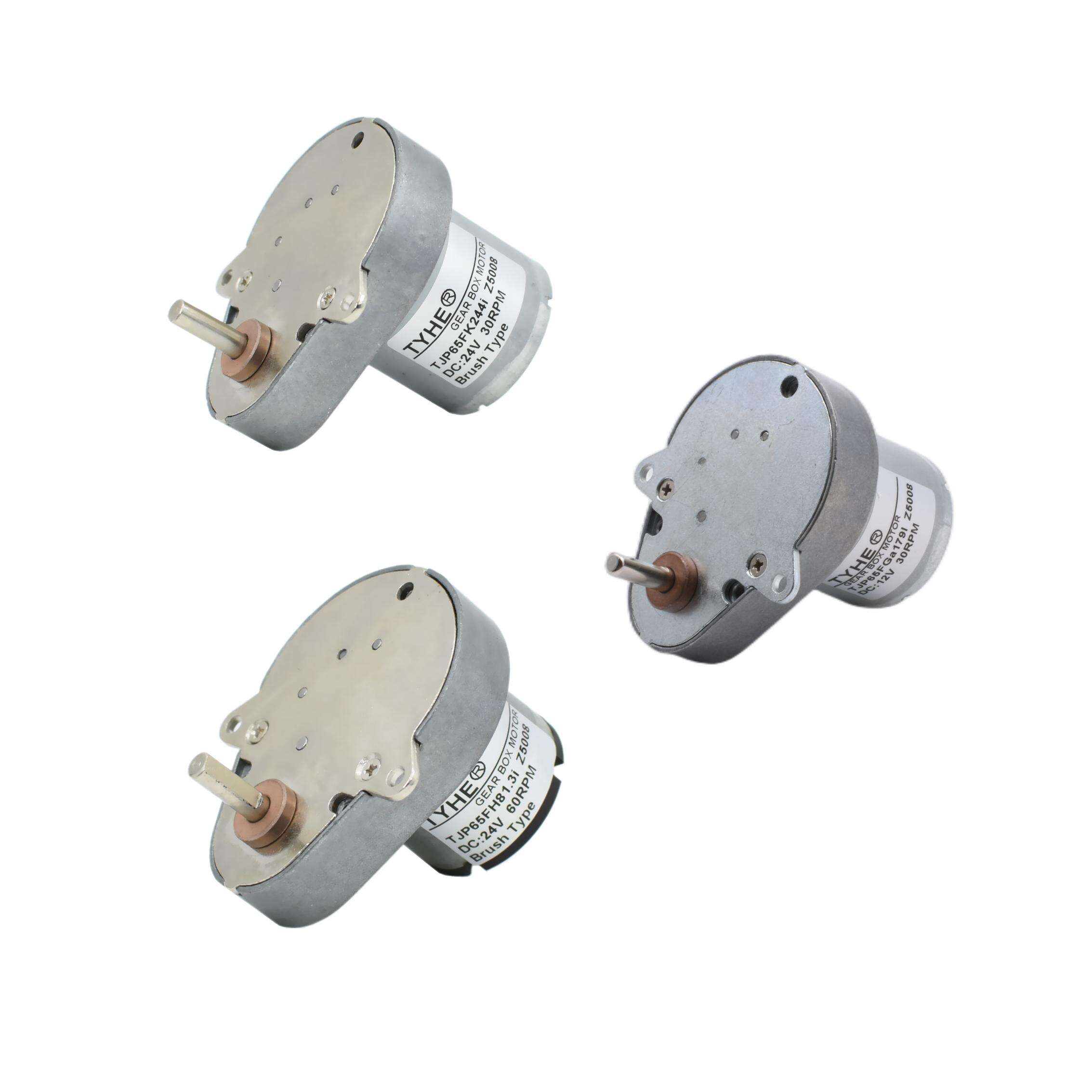
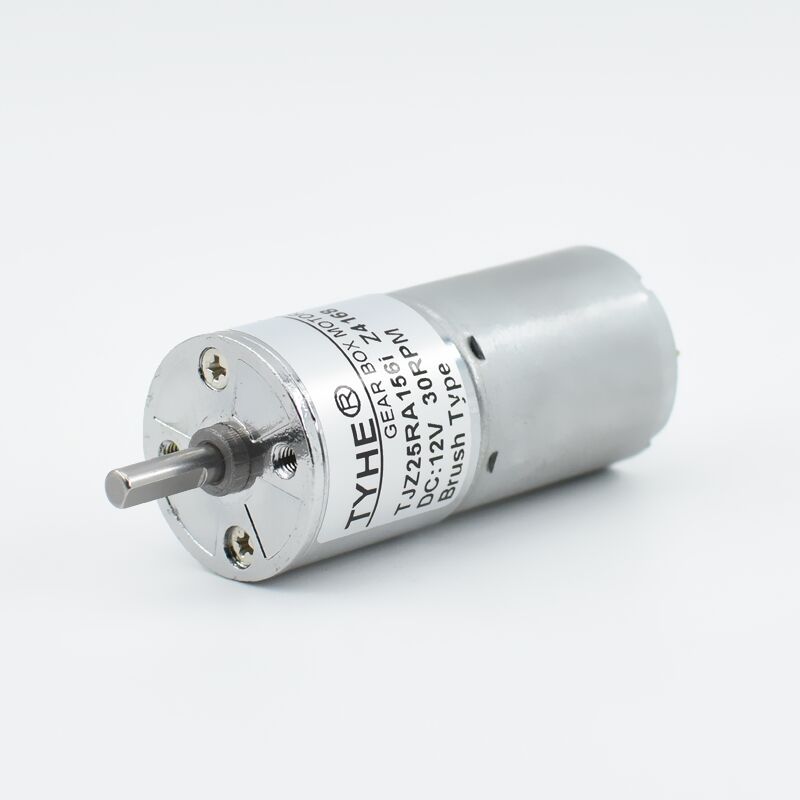
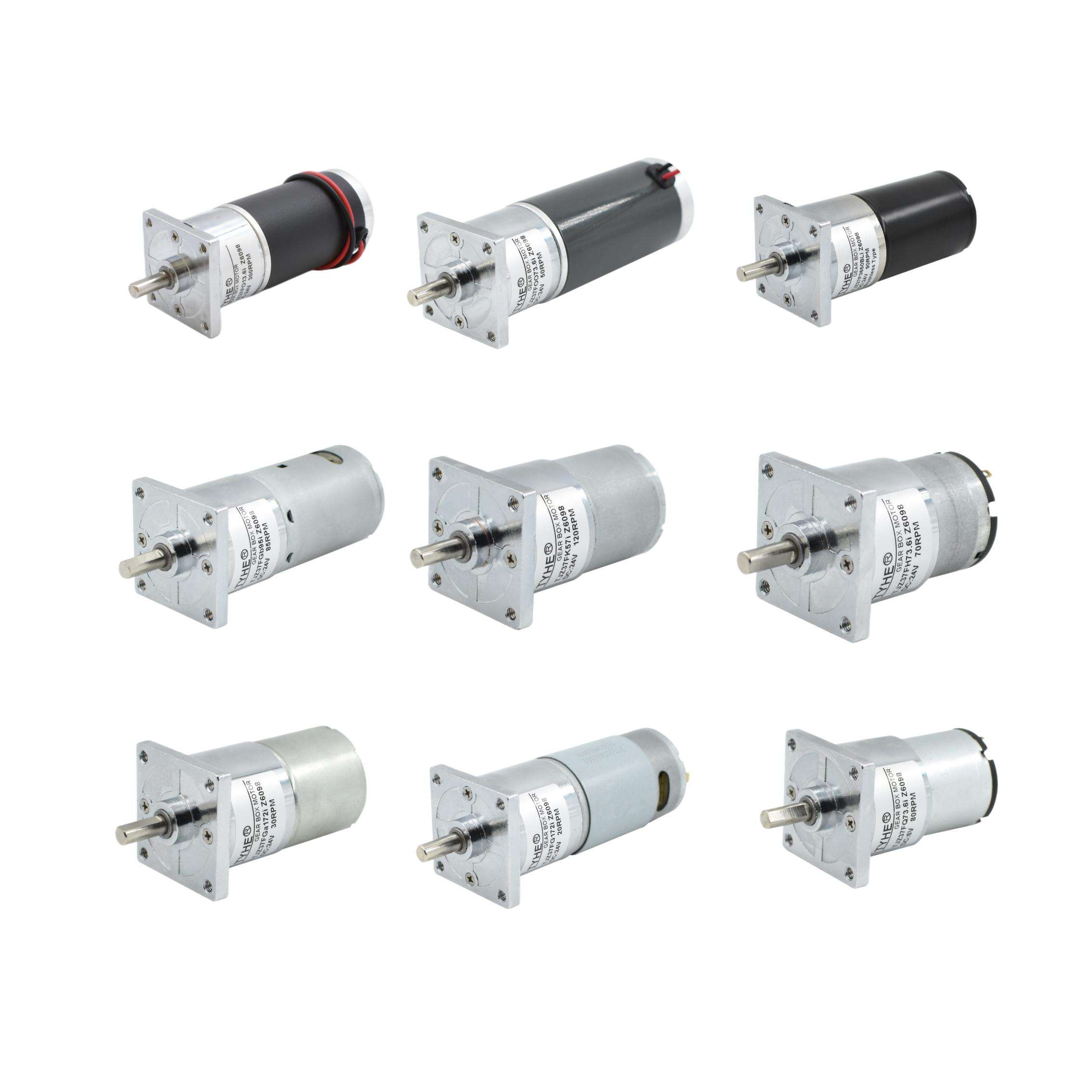
The industrial stepper motor represents a cornerstone technology in modern automation and precision control systems. This electromechanical device converts electrical pulses into discrete mechanical movements, delivering exceptional positioning accuracy and repeatability that manufacturing processes demand. Unlike conventional motors that rotate continuously, the industrial stepper motor moves in precise angular increments, typically ranging from 0.9 to 1.8 degrees per step, enabling exact positioning without feedback sensors. The motor operates through electromagnetic fields that sequentially energize stator windings, causing the rotor to advance one step at a time. This fundamental design principle makes the industrial stepper motor inherently stable and predictable in its operation. The technology features multiple phase configurations, with two-phase, three-phase, and five-phase variants available to suit different application requirements. Each configuration offers distinct torque characteristics and resolution capabilities, allowing engineers to select optimal solutions for specific tasks. The industrial stepper motor excels in applications requiring precise positioning, controlled speed profiles, and reliable operation in harsh environments. Its robust construction typically includes sealed bearings, reinforced housings, and temperature-resistant components that withstand demanding industrial conditions. The motor integrates seamlessly with digital control systems, accepting step and direction signals from programmable logic controllers, motion controllers, and computer interfaces. This digital compatibility eliminates the need for complex analog control circuits, simplifying system design and reducing maintenance requirements. The industrial stepper motor finds extensive use in CNC machinery, 3D printers, automated assembly lines, packaging equipment, and robotic systems where precise motion control is paramount.


Popular Products

The industrial stepper motor delivers numerous practical benefits that make it an ideal choice for precision applications across various industries. First and foremost, these motors provide exceptional positioning accuracy without requiring expensive feedback systems like encoders or resolvers. This open-loop capability significantly reduces system complexity and cost while maintaining reliable performance. The inherent step-by-step operation ensures that position errors do not accumulate over time, providing consistent accuracy throughout extended operation periods. The industrial stepper motor offers superior holding torque when stationary, maintaining position against external forces without continuous power consumption adjustments. This characteristic proves invaluable in vertical applications or situations where loads must remain precisely positioned during idle periods. The motor responds instantly to control signals, enabling rapid acceleration and deceleration profiles that enhance overall system productivity. Unlike servo motors that require tuning and adjustment, the industrial stepper motor operates reliably with minimal setup requirements, reducing installation time and technical expertise needed for deployment. The technology provides excellent low-speed torque characteristics, delivering full torque at zero speed and maintaining strong performance across the entire speed range. This feature eliminates the need for gear reduction in many applications, simplifying mechanical design and reducing maintenance points. The industrial stepper motor operates quietly compared to other motor technologies, making it suitable for applications in noise-sensitive environments like medical equipment or office automation. The motor exhibits predictable thermal characteristics, allowing engineers to calculate heat dissipation accurately and design appropriate cooling solutions. Digital control compatibility enables easy integration with modern automation systems, supporting various communication protocols and control interfaces. The technology offers exceptional reliability with minimal maintenance requirements, as the brushless design eliminates wear components that typically require replacement in other motor types. Cost-effectiveness represents another significant advantage, as the industrial stepper motor provides precision performance at a lower total system cost compared to servo alternatives, especially in applications not requiring extremely high speeds or complex motion profiles.

Latest News

What maintenance schedule extends brush life in a standard dc motor?

12

Mar

What maintenance schedule extends brush life in a standard dc motor?

Understanding proper dc motor brush maintenance is essential for maximizing the operational lifespan of direct current motors across industrial applications. Brushes serve as the critical interface between stationary and rotating components, transfer...
View More
Maintenance Tips for Your Planetary Gear Motor

15

Dec

Maintenance Tips for Your Planetary Gear Motor

Industrial applications across manufacturing, automation, and robotics rely heavily on efficient power transmission systems. Among the most critical components in these systems is the planetary gear motor, which combines compact design with exception...
View More
Understanding Micro DC Motor Specifications

14

Jan

Understanding Micro DC Motor Specifications

The evolution of modern technology has created an unprecedented demand for compact, efficient power solutions across diverse applications. In today's miniaturized world, engineers and designers constantly seek reliable components that deliver maximum...
View More
Comparing Different Types of 12V DC Motors

04

Mar

Comparing Different Types of 12V DC Motors

Understanding the various types of 12V DC motors available in today's market is essential for engineers, designers, and manufacturers seeking optimal performance in their applications. The 12v dc motor represents a versatile power solution that bridg...
View More

Get a Free Quote

Our representative will contact you soon.
Email
Name
Company Name
Message
0/1000

industrial stepper motor

Precision Positioning Without Feedback Systems

Precision Positioning Without Feedback Systems

The industrial stepper motor achieves remarkable positioning accuracy through its inherent open-loop design, eliminating the need for costly encoder feedback systems while maintaining exceptional precision. This fundamental advantage stems from the motor's step-by-step operation principle, where each electrical pulse corresponds to a precise angular movement of the rotor. The typical industrial stepper motor provides resolution ranging from 200 to 400 steps per revolution, translating to positioning accuracy of 1.8 to 0.9 degrees per step. Advanced microstepping drive technologies can further enhance this resolution to thousands of microsteps per revolution, achieving positioning precision measured in arc-seconds. This level of accuracy proves sufficient for most industrial applications, including CNC machining, automated assembly, and precision instrumentation. The absence of feedback sensors not only reduces system cost but also eliminates potential failure points that could compromise reliability. Traditional servo systems require encoders, resolvers, or other feedback devices that add complexity, increase costs, and introduce additional maintenance requirements. The industrial stepper motor's self-synchronizing operation ensures that commanded positions are achieved consistently without drift or accumulation of positioning errors. This reliability makes the technology particularly valuable in applications where position verification through external sensors is impractical or impossible. The motor maintains its position reference even after power cycling, resuming operation from its last known position without requiring recalibration or homing procedures. This characteristic significantly reduces downtime and simplifies system restart procedures in automated manufacturing environments. The predictable nature of stepper motor positioning enables engineers to design systems with confidence, knowing that mechanical tolerances and positioning requirements will be met consistently throughout the equipment's operational life.
Superior Holding Torque and Load Management

Superior Holding Torque and Load Management

The industrial stepper motor demonstrates exceptional holding torque capabilities that surpass most other motor technologies, providing secure load retention without continuous motion or complex control algorithms. When energized but stationary, the industrial stepper motor generates maximum holding torque by maintaining electromagnetic fields that lock the rotor in position against external forces. This static torque typically exceeds the motor's dynamic running torque, ensuring reliable load holding even under challenging conditions. The holding torque characteristic proves particularly valuable in vertical axis applications where gravity constantly acts on the load, such as vertical machining centers, automated storage systems, and robotic arm joints. Unlike servo motors that require active control loops to maintain position against disturbing forces, the industrial stepper motor naturally resists movement through its electromagnetic detent torque. This passive holding capability operates even when drive power is reduced or temporarily interrupted, providing an additional safety factor in critical applications. The motor's ability to generate full torque at zero speed enables smooth operation during start-stop cycles and low-speed positioning moves without the torque fade experienced by other motor types. This characteristic eliminates the need for mechanical brakes or clutches in many applications, simplifying system design and reducing mechanical complexity. The industrial stepper motor maintains consistent torque output across its entire speed range until reaching its maximum operating velocity, where torque begins to decrease due to electromagnetic limitations. This predictable torque curve enables engineers to size motors accurately for specific applications and calculate performance margins with confidence. The technology's inherent detent torque provides residual holding force even when power is completely removed, offering basic position retention during emergency shutdowns or maintenance procedures. This feature enhances system safety and reduces the risk of load movement during servicing operations.
Digital Control Integration and System Simplicity

Digital Control Integration and System Simplicity

The industrial stepper motor seamlessly integrates with modern digital control systems, offering unparalleled compatibility with programmable logic controllers, motion controllers, and computer-based automation platforms. This digital-native design philosophy eliminates the complex analog control circuits required by other motor technologies, significantly simplifying system architecture and reducing engineering development time. The motor accepts simple step and direction signals, where each pulse commands one incremental movement and the direction signal determines rotational orientation. This straightforward interface enables direct connection to digital outputs from control systems without requiring digital-to-analog converters or complex signal conditioning circuits. The industrial stepper motor supports various control protocols and communication standards, including pulse-train control, Ethernet-based motion control, and fieldbus interfaces that integrate seamlessly with factory automation networks. Advanced drive electronics for industrial stepper motors incorporate sophisticated algorithms that optimize performance while maintaining the simplicity of the basic step-and-direction interface. These drives offer features such as microstepping for enhanced resolution, current control for optimal efficiency, and anti-resonance algorithms that eliminate unwanted vibrations at specific operating frequencies. The technology's deterministic operation enables precise timing control, allowing multiple motors to operate in perfect synchronization without complex coordination algorithms. This capability proves essential in applications requiring coordinated multi-axis motion, such as gantry systems, pick-and-place machines, and conveyor synchronization. The industrial stepper motor's digital control compatibility extends to modern Industry 4.0 initiatives, supporting diagnostic data collection, predictive maintenance monitoring, and remote system optimization. The standardized control interfaces and communication protocols ensure long-term compatibility and system scalability, protecting investments in automation infrastructure while enabling future upgrades and expansions without major system redesign requirements.
Industrial Stepper Motors: Precision Control Solutions for Modern Automation Systems

Get a Free Quote

Our representative will contact you soon.
Email
Name
Company Name
Message
0/1000
Industrial Stepper Motors: Precision Control Solutions for Modern Automation Systems