
 EN
EN
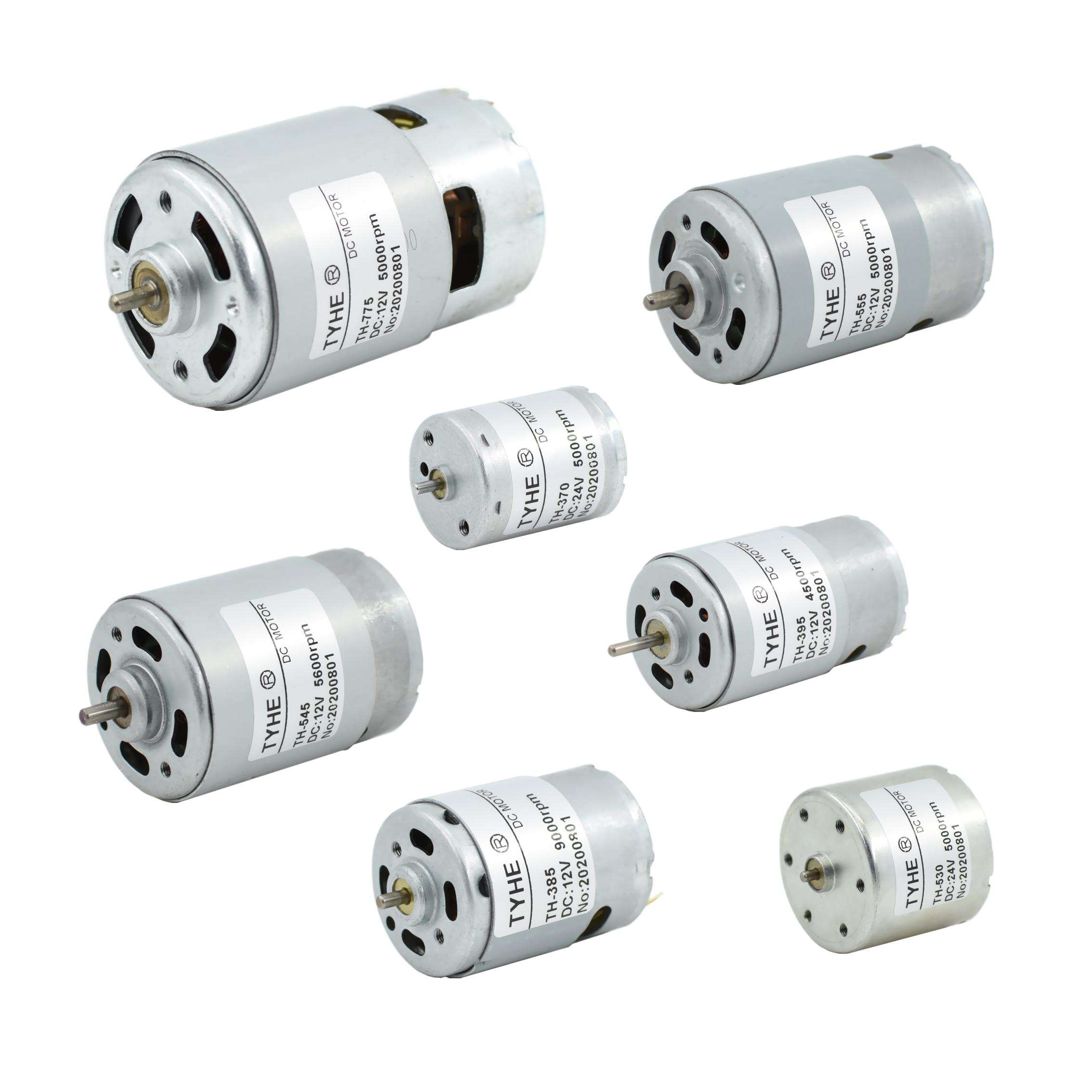
Understanding proper dc motor brush maintenance is essential for maximizing the operational lifespan of direct current motors across industrial applications. Brushes serve as the critical interface between stationary and rotating components, transferring electrical current to the commutator while maintaining consistent motor performance. Without adequate maintenance protocols, brush wear accelerates dramatically, leading to motor inefficiency, increased downtime, and costly premature replacement cycles. Establishing a comprehensive maintenance schedule requires analyzing operating conditions, environmental factors, and application-specific demands that influence brush degradation rates.
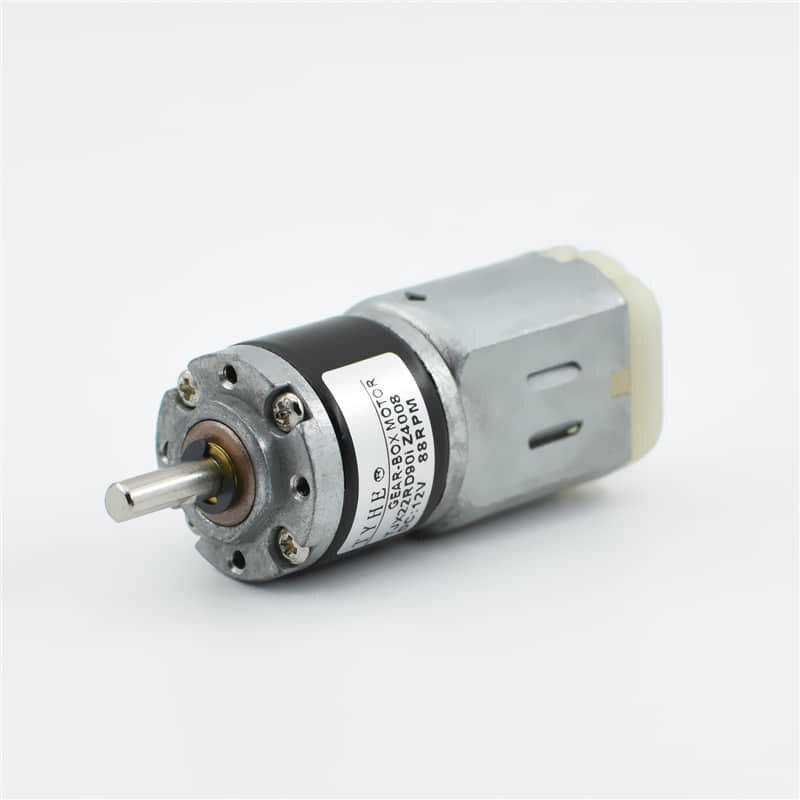
Fundamentals of DC Motor Brush Systems
Brush Construction and Material Properties
DC motor brushes are manufactured from various carbon-based compounds, each designed for specific operating characteristics and environmental conditions. Carbon brushes contain graphite particles bound with resin or pitch, creating a conductive yet self-lubricating material that minimizes friction against the commutator surface. The porosity and hardness of brush materials directly influence wear rates, with softer brushes providing better commutation at the expense of shorter service life. Understanding these material properties enables maintenance teams to select appropriate replacement brushes and establish realistic maintenance intervals based on expected wear patterns.
The physical design of brushes includes features such as beveled edges, embedded copper wire reinforcement, and specific geometric configurations tailored to motor applications. These design elements affect current distribution, heat dissipation, and mechanical stability during operation. Proper dc motor brush maintenance begins with recognizing how brush construction influences performance characteristics and wear mechanisms. Regular inspection of brush condition reveals valuable information about motor operating conditions and helps identify potential issues before they result in catastrophic failure.
Commutation Process and Electrical Contact
The commutation process relies on precise electrical contact between brushes and commutator segments to maintain continuous current flow through motor windings. During operation, brushes must maintain optimal pressure against the commutator while accommodating thermal expansion, vibration, and normal wear progression. Inadequate brush pressure results in arcing and accelerated wear, while excessive pressure increases friction and heat generation. Effective dc motor brush maintenance requires monitoring brush pressure and adjusting spring tension according to manufacturer specifications.
Electrical contact quality depends on maintaining clean commutator surfaces free from carbon dust, oxidation, and contamination. The formation of a thin carbon film on the commutator surface actually improves conductivity and reduces wear when properly maintained. However, excessive carbon buildup or uneven film distribution creates resistance variations that generate heat and accelerate brush degradation. Regular cleaning procedures and inspection protocols form the foundation of successful maintenance programs designed to extend brush service life.
Environmental Factors Affecting Brush Wear
Temperature and Humidity Considerations
Operating temperature significantly influences brush wear rates and service intervals in dc motor brush maintenance programs. Elevated temperatures accelerate chemical degradation of carbon compounds while reducing brush material density and mechanical strength. High-temperature environments require more frequent inspection cycles and may necessitate upgrading to specialized high-temperature brush grades designed for extended service life. Temperature monitoring should include both ambient conditions and localized heating at the brush-commutator interface to identify potential hot spots that accelerate wear.
Humidity levels affect brush performance through moisture absorption and surface oxidation processes that alter electrical contact characteristics. Low humidity environments increase static electricity buildup and may cause brush chattering or unstable contact pressure. Conversely, high humidity conditions promote corrosion and contamination accumulation that degrades commutator surfaces. Effective maintenance schedules account for seasonal humidity variations and include appropriate protective measures such as dehumidification systems or moisture-resistant brush compounds for critical applications.
Contamination and Particle Infiltration
Airborne contaminants pose significant challenges to maintaining optimal brush performance in industrial environments. Dust, metal particles, and chemical vapors can infiltrate motor housings and accumulate on commutator surfaces, creating abrasive conditions that accelerate brush wear. Regular inspection and cleaning procedures must address both external contamination sources and internally generated carbon dust from normal brush operation. Implementing proper filtration systems and enclosure sealing reduces contamination exposure while extending maintenance intervals.
Particle size and composition determine the severity of contamination effects on dc motor brush maintenance requirements. Fine particles may embed in brush material or create insulating films on commutator segments, while larger particles cause mechanical scoring and surface damage. Maintenance protocols should include contamination assessment procedures that identify particle sources and implement corrective measures to minimize exposure. Environmental monitoring helps establish appropriate maintenance frequencies based on actual contamination levels rather than generic time-based schedules.
Maintenance Schedule Development Strategies
Operating Hour-Based Intervals
Developing effective maintenance schedules requires establishing inspection intervals based on cumulative operating hours rather than calendar time alone. Motors operating continuously require more frequent attention than intermittent-duty applications, even when total runtime remains constant. Hour-based scheduling accounts for actual motor utilization and provides more accurate predictions of brush condition deterioration. Maintenance teams should track operating hours using integrated meters or monitoring systems that provide reliable data for scheduling decisions.
Initial inspection intervals typically range from 500 to 2000 operating hours, depending on motor size, application demands, and environmental conditions. These baseline intervals should be adjusted based on actual brush wear observations and performance trending data collected during routine inspections. DC motor brush maintenance programs benefit from documenting wear patterns and correlating them with operating conditions to optimize future maintenance timing. Consistent data collection enables predictive maintenance approaches that minimize unexpected failures while avoiding unnecessary interventions.
Condition-Based Monitoring Approaches
Advanced maintenance strategies incorporate condition monitoring techniques that assess brush performance in real-time rather than relying solely on predetermined intervals. Vibration analysis, current signature analysis, and thermal monitoring provide early warning indicators of brush-related problems before they affect motor performance. These monitoring technologies enable maintenance teams to extend brush service life by identifying optimal replacement timing based on actual condition rather than conservative time-based estimates.
Condition-based dc motor brush maintenance requires establishing baseline measurements during commissioning and tracking performance trends over time. Key indicators include brush wear rates, commutator surface condition, electrical resistance variations, and thermal signatures at the brush-commutator interface. Automated monitoring systems can alert maintenance personnel when predetermined thresholds are exceeded, enabling proactive intervention that prevents catastrophic failures and minimizes downtime.
Inspection Procedures and Performance Assessment
Visual Inspection Techniques
Comprehensive visual inspection forms the cornerstone of effective dc motor brush maintenance programs, providing immediate feedback on brush condition and wear patterns. Trained technicians should examine brush length, surface condition, and contact area to assess remaining service life and identify potential problems. Uneven wear patterns, chipping, or excessive carbon dust accumulation indicate operating issues that require immediate attention. Regular photographic documentation creates a historical record that helps identify trends and optimize maintenance intervals.
Inspection procedures should include assessment of brush holder condition, spring tension, and alignment with commutator segments. Misalignment or inadequate pressure results in poor electrical contact and accelerated wear that compromises motor performance. Visual inspection also reveals contamination buildup, moisture infiltration, or mechanical damage that affects brush operation. Systematic inspection protocols ensure consistent evaluation standards and help maintenance teams develop expertise in recognizing early warning signs of brush degradation.
Electrical Testing and Performance Monitoring
Electrical testing provides quantitative data that complements visual inspection findings in comprehensive dc motor brush maintenance programs. Resistance measurements between brushes and ground detect insulation deterioration or contamination that affects motor safety and performance. Current distribution testing identifies imbalanced loading that accelerates wear on individual brushes and may indicate commutator problems or winding issues. Regular electrical testing establishes baseline values for comparison during future inspections.
Performance monitoring includes tracking motor current consumption, speed stability, and torque output to identify brush-related performance degradation. Increasing current draw or speed variations often indicate poor commutation caused by brush wear or contamination. Thermal imaging during operation reveals hot spots at the brush-commutator interface that indicate inadequate contact or excessive friction. Comprehensive performance assessment enables maintenance teams to correlate brush condition with motor operation and optimize replacement timing.
Replacement Procedures and Best Practices
Proper Installation Techniques
Successful brush replacement requires careful attention to installation procedures that ensure optimal performance and maximum service life. New brushes must be properly seated and aligned with commutator segments to establish uniform contact pressure and current distribution. Breaking-in procedures allow brush surfaces to conform to commutator contours while establishing the protective carbon film essential for proper commutation. Rushed installation or inadequate break-in periods significantly reduce brush life and compromise motor performance.
Installation procedures for dc motor brush maintenance include verifying correct brush grade selection, spring tension adjustment, and holder condition before installation. Contaminated or damaged brush holders require cleaning or replacement to prevent premature brush failure. Proper torque specifications for mounting hardware ensure secure installation without over-stressing brush components. Documentation of installation dates, brush specifications, and operating conditions provides valuable data for future maintenance planning and troubleshooting.
Quality Control and Documentation
Quality control measures ensure consistent brush replacement results and help identify potential installation problems before they affect motor operation. Post-installation testing should verify proper current distribution, adequate commutation, and acceptable temperature rise during initial operation. Visual inspection after the break-in period confirms proper brush seating and contact area development. Any irregularities discovered during quality control procedures require immediate correction to prevent accelerated wear or motor damage.
Comprehensive documentation supports continuous improvement in dc motor brush maintenance programs by tracking replacement history, performance trends, and cost analysis. Detailed records enable maintenance teams to identify optimal brush grades, refine maintenance intervals, and justify program investments through documented reliability improvements. Standardized documentation formats facilitate data analysis and support predictive maintenance initiatives that maximize brush service life while minimizing total ownership costs.
Cost Optimization and Performance Enhancement
Economic Analysis of Maintenance Strategies
Economic analysis of maintenance strategies helps organizations optimize dc motor brush maintenance programs by balancing replacement costs against reliability benefits and productivity impacts. Premature brush replacement wastes material costs and labor resources, while delayed replacement risks catastrophic failure and extended downtime. Life cycle cost analysis considers brush purchase prices, labor expenses, downtime costs, and secondary damage risks to identify optimal replacement timing that minimizes total ownership expenses.
Maintenance cost optimization requires tracking historical data on brush service life, replacement frequency, and associated downtime to establish baseline performance metrics. Comparative analysis of different brush grades, maintenance intervals, and monitoring technologies helps identify the most cost-effective approaches for specific applications. Regular review of maintenance costs and performance outcomes enables continuous improvement and adaptation to changing operating conditions or economic factors.
Technology Integration and Automation
Modern technology integration enhances dc motor brush maintenance effectiveness through automated monitoring systems, predictive analytics, and remote diagnostics capabilities. Wireless sensors can continuously monitor brush condition parameters and transmit data to maintenance management systems for analysis and trending. Machine learning algorithms analyze historical performance data to predict optimal replacement timing and identify anomalous conditions that require immediate attention.
Automation technologies reduce manual inspection requirements while providing more consistent and comprehensive monitoring coverage. Integrated maintenance management systems schedule inspections, track parts inventory, and generate work orders based on predetermined criteria and real-time condition data. Technology integration supports transition from reactive maintenance approaches to predictive strategies that maximize brush service life while minimizing unexpected failures and associated costs.
FAQ
How often should DC motor brushes be inspected
Inspection frequency for dc motor brush maintenance depends on operating conditions, motor size, and application demands. Typical intervals range from 500 to 2000 operating hours for initial assessments, with adjustments based on actual wear observations. Continuous-duty motors require more frequent attention than intermittent applications, while harsh environments necessitate shorter intervals. Condition monitoring systems can extend inspection periods by providing real-time performance data that indicates when intervention is needed.
What are the signs that brushes need replacement
Key indicators for brush replacement include excessive wear reducing brush length below manufacturer specifications, uneven wear patterns, chipping or cracking of brush material, and increased sparking during operation. Performance symptoms such as reduced motor efficiency, speed instability, or increased current consumption also suggest brush problems requiring attention. Visual inspection revealing contamination buildup, poor contact areas, or spring tension loss indicates immediate replacement needs.
Can different brush grades extend service life
Selecting appropriate brush grades significantly impacts service life in dc motor brush maintenance applications. Harder brush compounds typically last longer but may provide poorer commutation, while softer grades offer better electrical contact at the expense of increased wear rates. High-temperature applications benefit from specialized brush materials designed for elevated operating conditions. Consultation with brush manufacturers helps identify optimal grades for specific motor applications and operating environments.
What maintenance tasks prevent premature brush failure
Preventive maintenance tasks include regular cleaning of commutator surfaces, proper brush pressure adjustment, contamination control measures, and environmental monitoring. Maintaining adequate lubrication of bearing systems reduces vibration that accelerates brush wear, while ensuring proper motor alignment prevents uneven loading. Temperature control, humidity management, and filtration systems protect against environmental factors that degrade brush performance and reduce service life in dc motor brush maintenance programs.
