
 EN
EN
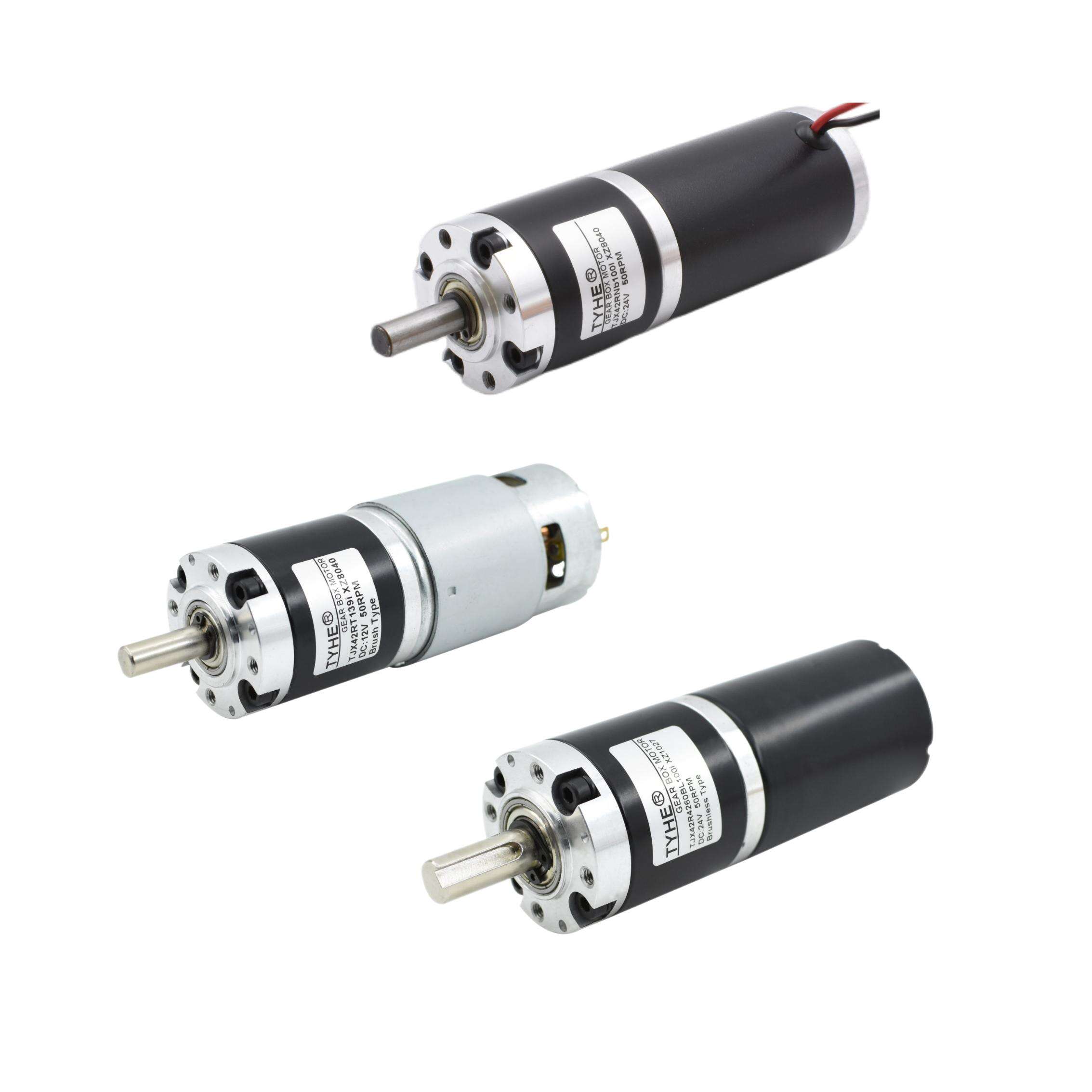
Industrial applications across manufacturing, automation, and robotics rely heavily on efficient power transmission systems. Among the most critical components in these systems is the planetary gear motor, which combines compact design with exceptional torque capabilities. Proper maintenance of these sophisticated mechanical devices ensures optimal performance, extends operational lifespan, and prevents costly downtime in production environments.
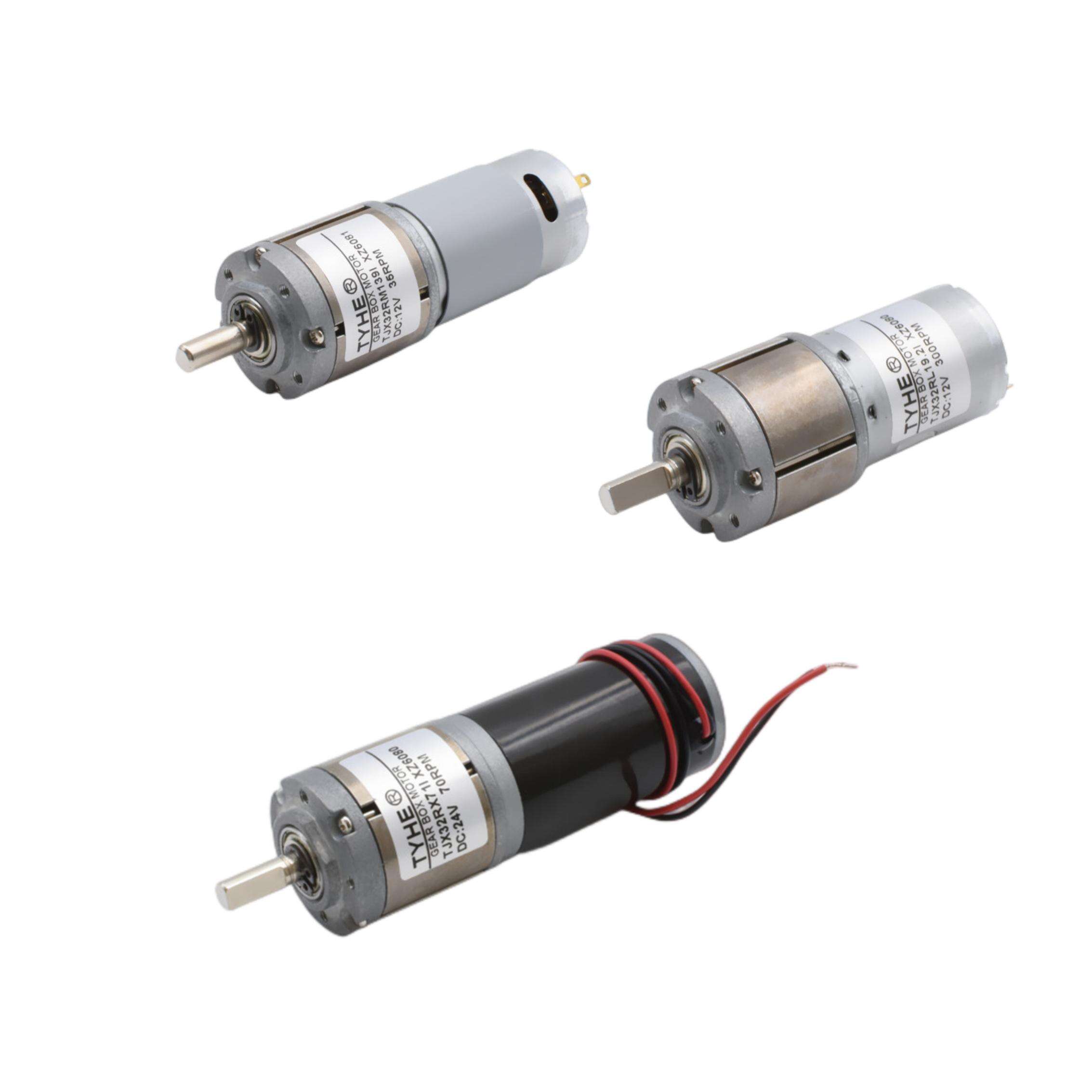
Understanding the fundamental principles behind planetary gear motor operation enables maintenance teams to develop effective preventive care strategies. These motors utilize a central sun gear surrounded by multiple planet gears, which rotate around the sun gear while orbiting within an outer ring gear. This configuration delivers high torque multiplication in a compact package, making regular maintenance essential for sustained performance.
Understanding Planetary Gear Motor Components
Essential Internal Components
The internal architecture of a planetary gear motor consists of several precision-engineered components that work in synchronized harmony. The sun gear serves as the primary input element, receiving power from the motor shaft and distributing it throughout the system. Planet gears, typically numbering three or four, mesh simultaneously with both the sun gear and the ring gear, creating multiple contact points that distribute load effectively.
The planet carrier assembly maintains precise positioning of the planet gears while serving as the output mechanism in most configurations. Ring gear housing provides the outer boundary and often remains stationary, though some applications utilize it as an additional input or output element. Each component requires specific maintenance attention to ensure proper alignment, lubrication, and wear monitoring.
Critical Bearing Systems
Bearing assemblies within planetary gear motors support rotating elements while minimizing friction and wear. Input shaft bearings handle radial and axial loads from the motor connection, requiring regular inspection for proper clearances and lubrication condition. Planet gear bearings experience complex loading patterns due to their orbital motion, making them particularly susceptible to premature wear without adequate maintenance.
Output shaft bearings must withstand significant torque loads while maintaining precise positioning for optimal gear mesh contact. These bearings often incorporate special sealing systems to prevent contamination ingress, which maintenance personnel must inspect regularly. Temperature monitoring of bearing assemblies provides early warning indicators of potential lubrication breakdown or excessive loading conditions.
Preventive Maintenance Scheduling
Daily Inspection Routines
Implementing comprehensive daily inspection protocols helps identify potential issues before they escalate into major failures. Visual examination of the planetary gear motor housing should focus on detecting oil leaks, unusual vibrations, or abnormal operating temperatures. Operating personnel should listen for changes in sound patterns that might indicate developing gear wear or bearing deterioration.
Temperature measurements using infrared thermometers or permanently installed sensors provide valuable baseline data for trending analysis. Vibration monitoring through handheld analyzers or continuous monitoring systems can detect early signs of imbalance, misalignment, or component wear. Recording these measurements in maintenance logs enables tracking of gradual changes that might otherwise go unnoticed.
Weekly Maintenance Tasks
Weekly maintenance activities should include thorough lubrication system checks, focusing on oil levels, condition, and circulation effectiveness. Magnetic drain plugs should be inspected for metal particles that indicate internal wear patterns. Breather caps and seals require examination to ensure proper ventilation while preventing contamination ingress.
Coupling alignment verification becomes critical during weekly inspections, as misalignment significantly impacts planetary gear motor longevity. Foundation bolt torque should be checked to prevent loosening that could lead to vibration issues. Electrical connections and motor windings should undergo basic continuity testing to identify developing insulation problems.
Lubrication Management Strategies
Oil Selection Criteria
Selecting appropriate lubricants for planetary gear motors requires careful consideration of operating conditions, temperature ranges, and load characteristics. Synthetic gear oils typically provide superior performance in extreme temperature environments while offering extended drain intervals. Viscosity selection must balance adequate film strength for gear protection with low enough viscosity for efficient operation and heat dissipation.
Additive packages in modern gear oils include anti-wear compounds, corrosion inhibitors, and foam suppressants specifically formulated for planetary gear applications. Load-carrying capacity becomes particularly important in high-torque applications where contact pressures exceed conventional limits. Compatibility with sealing materials must be verified to prevent premature seal degradation and subsequent oil leakage.
Contamination Control Methods
Implementing effective contamination control measures significantly extends planetary gear motor service life while reducing maintenance costs. Filtration systems, whether offline or integrated, should target particle sizes that could damage gear tooth surfaces or bearing races. Desiccant breathers prevent moisture ingress while allowing thermal expansion and contraction of internal air volumes.
Oil analysis programs provide detailed insights into wear patterns, contamination levels, and additive depletion rates. Regular sampling and laboratory analysis can identify developing problems months before they become apparent through conventional monitoring methods. Particle counting, wear metal analysis, and additive level monitoring form the foundation of condition-based maintenance strategies.
Troubleshooting Common Issues
Vibration Analysis Techniques
Systematic vibration analysis helps maintenance teams identify specific failure modes within planetary gear motor systems. Gear mesh frequencies appear as distinct spectral peaks that can indicate tooth wear, misalignment, or load distribution problems. Bearing frequencies provide diagnostic information about race damage, ball or roller wear, and cage deterioration.
Time-domain analysis reveals impacting conditions that might not be apparent in frequency-domain data alone. Trending analysis comparing current measurements with baseline data enables early detection of developing problems. Advanced techniques such as envelope analysis can isolate bearing signals from the complex frequency spectrum typical of planetary gear systems.
Temperature Management Solutions
Excessive operating temperatures represent one of the most common challenges in planetary gear motor maintenance. Inadequate lubrication, whether due to low oil levels or degraded lubricant properties, typically causes rapid temperature increases. Overloading conditions stress internal components while generating heat that exceeds design dissipation capabilities.
Cooling system effectiveness depends on proper heat exchanger maintenance, adequate airflow around motor housings, and appropriate ventilation design. Thermal imaging surveys can identify hot spots that indicate internal problems or external heat buildup. Continuous temperature monitoring with alarm capabilities enables immediate response to developing thermal issues before damage occurs.
Advanced Diagnostic Methods
Acoustic Emission Monitoring
Acoustic emission technology provides early warning capabilities for planetary gear motor failures by detecting high-frequency stress waves generated during crack initiation and propagation. These ultrasonic signals often appear weeks or months before conventional vibration analysis reveals developing problems. Proper sensor placement and signal processing techniques enable differentiation between normal operational sounds and failure-related emissions.
Signal analysis focuses on identifying characteristic patterns associated with specific failure modes such as gear tooth cracking, bearing race spalling, or lubrication breakdown. Trending capabilities allow maintenance teams to schedule repairs during planned outages rather than responding to emergency failures. Integration with existing monitoring systems provides comprehensive condition assessment capabilities.
Thermographic Analysis Applications
Infrared thermography offers non-intrusive assessment of planetary gear motor internal conditions through external temperature pattern analysis. Localized hot spots often indicate developing problems such as bearing deterioration, inadequate lubrication, or excessive loading conditions. Comparative analysis between similar units operating under identical conditions helps identify abnormal thermal signatures.
Thermal pattern interpretation requires understanding of normal heat distribution characteristics for specific motor designs and operating conditions. Seasonal variations and ambient temperature effects must be considered when establishing baseline thermal profiles. Regular thermographic surveys should be conducted under consistent operating conditions to ensure meaningful comparative data.
FAQ
How often should planetary gear motor oil be changed
Oil change intervals for planetary gear motors depend on operating conditions, lubricant type, and manufacturer recommendations, typically ranging from 2,000 to 8,000 operating hours. Severe service conditions including high temperatures, heavy loads, or contaminated environments may require more frequent changes. Oil analysis results provide the most accurate guidance for establishing optimal drain intervals based on actual lubricant condition rather than arbitrary time schedules.
What are the signs of planetary gear motor bearing failure
Bearing failure symptoms include increased vibration levels, elevated operating temperatures, unusual noise patterns, and metallic particles in the lubricant. Early stages may present as slight increases in background vibration or minor temperature elevation that gradually worsen over time. Advanced failure conditions typically involve obvious grinding noises, severe vibration, and rapid temperature increases that require immediate shutdown to prevent catastrophic damage.
Can planetary gear motors be rebuilt instead of replaced
Most planetary gear motors can be successfully rebuilt when proper procedures and quality replacement components are used. Rebuilding typically costs 50-70% of new unit prices while providing performance equivalent to original specifications. Critical factors include housing condition, gear wear assessment, and availability of precision components that meet original manufacturing tolerances. Professional rebuilding services often provide warranties comparable to new equipment.
What causes premature planetary gear motor failure
Premature failure typically results from inadequate maintenance, improper installation, or operating conditions exceeding design specifications. Common causes include contaminated lubrication, misalignment between connected equipment, overloading beyond rated capacity, and inadequate cooling. Environmental factors such as extreme temperatures, moisture ingress, or corrosive atmospheres also contribute to accelerated wear and component deterioration when not properly addressed through preventive maintenance programs.
