
 EN
EN
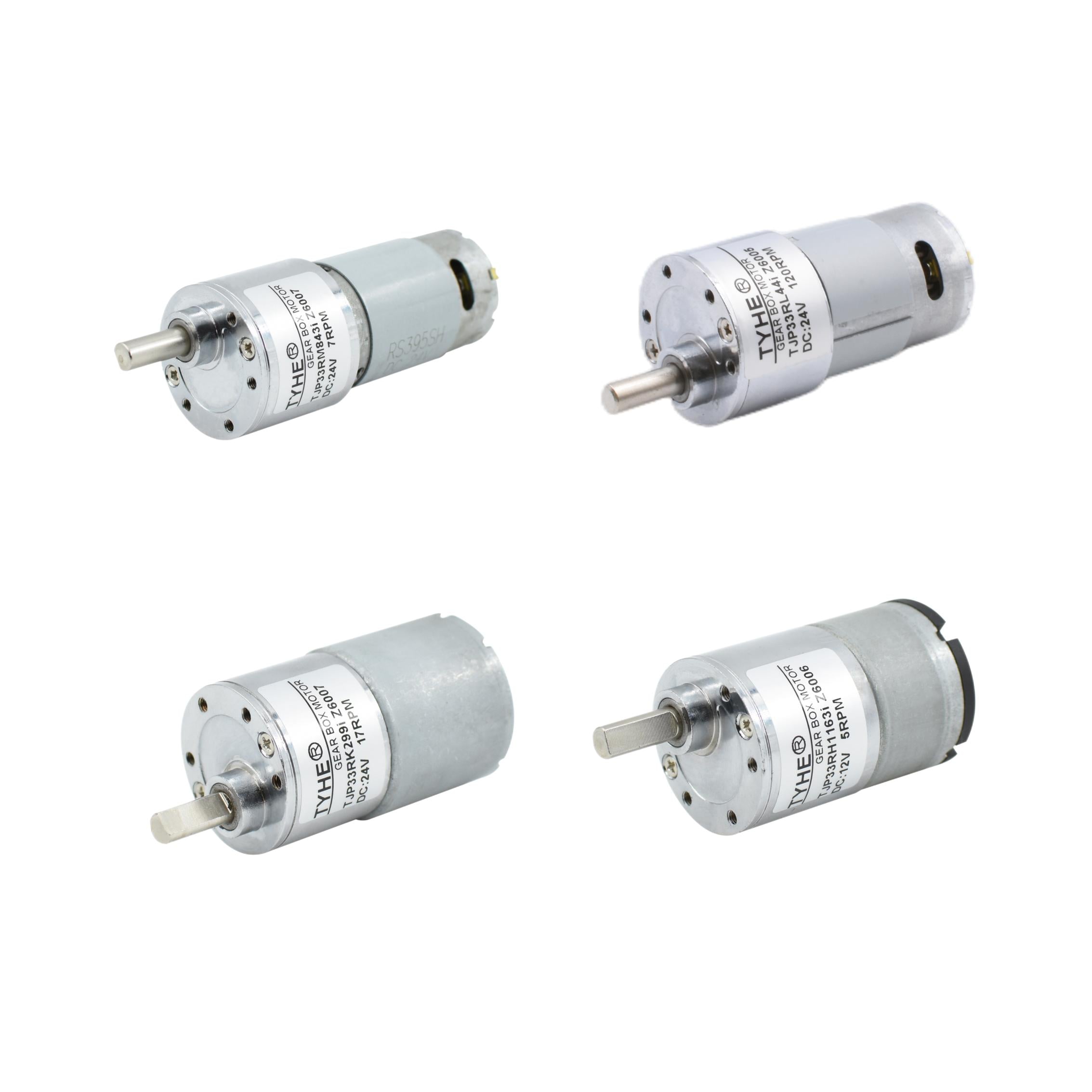
Controlling the speed of a small DC motor is one of the most practical and valuable skills in industrial automation, robotics, and equipment maintenance. Whether you operate conveyor systems, robotic arms, automated packaging equipment, or precision tools, understanding how to adjust a small DC motor's speed directly impacts productivity, energy efficiency, and equipment lifespan. A small DC motor's speed can be modified through several straightforward methods, each suited to different operational contexts and performance requirements. This tutorial provides a clear, step-by-step guide to mastering small DC motor speed adjustment, from fundamental theory to real-world implementation strategies that optimize your machinery's performance.
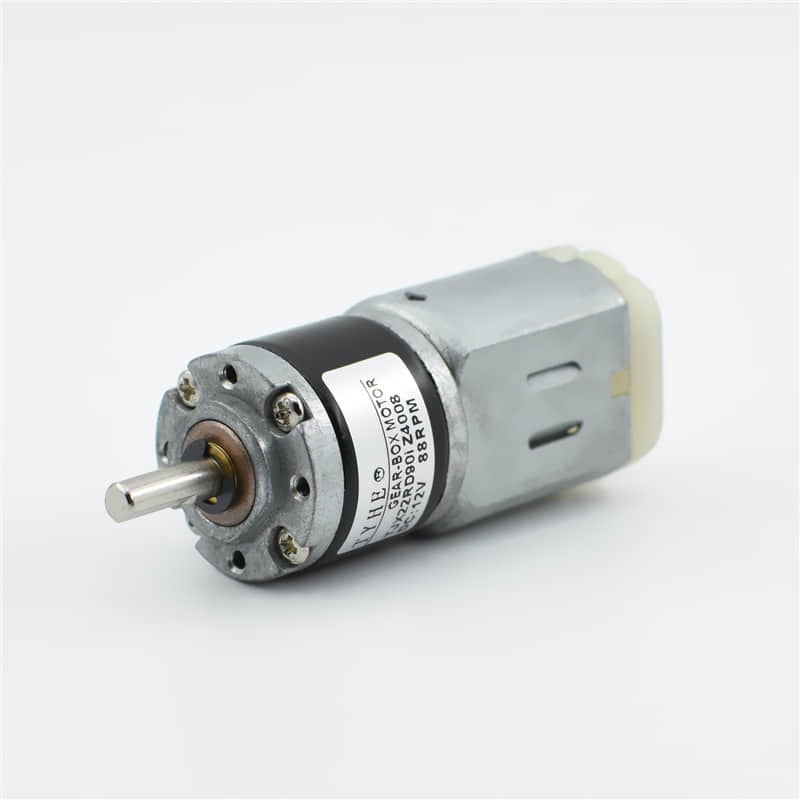
A small DC motor responds predictably to voltage and current changes, making speed control accessible to technicians at all experience levels. The fundamental principle is simple: reducing voltage to a small DC motor decreases rotational speed, while increasing voltage increases speed. However, effective speed adjustment requires understanding the relationship between electrical input, mechanical load, and operational stability. This tutorial walks you through the most reliable methods for controlling a small DC motor's speed, including voltage regulation techniques, PWM control systems, and load management strategies that ensure smooth, consistent performance under varying industrial conditions.
Understanding Small DC Motor Speed Control Fundamentals
The Basic Relationship Between Voltage and Speed
The speed of a small DC motor is directly proportional to the applied voltage, provided the motor operates within its designed parameters. When you supply full rated voltage to a small DC motor, it reaches maximum speed. Reducing the voltage proportionally reduces the motor's rotational speed. For example, supplying 50 percent of the rated voltage to a small DC motor typically produces approximately 50 percent of maximum speed. This linear relationship makes a small DC motor ideal for applications requiring variable speed control without complex mechanical systems. Understanding this principle is essential before selecting speed adjustment methods, as it forms the foundation for all electrical control strategies.
Why Load Conditions Affect Small DC Motor Speed Adjustment
A small DC motor's actual speed depends not only on applied voltage but also on the mechanical load it drives. Increased load creates greater resistance, causing a small DC motor to slow down even when voltage remains constant. Conversely, reducing load allows a small DC motor to accelerate. This load-speed relationship is critical for maintaining consistent speed in industrial environments where loads fluctuate. Effective speed adjustment of a small DC motor requires monitoring load conditions and compensating voltage or current accordingly. Understanding load dynamics prevents speed drift, reduces motor strain, and extends the operational life of your equipment.
Essential Methods for Adjusting Small DC Motor Speed
Voltage Regulation Method
The voltage regulation method is the most straightforward approach to controlling a small DC motor's speed. By adjusting the voltage supplied to the motor terminals, you directly modify rotational speed. A rheostat or variable power supply provides manual control over voltage, allowing operators to adjust a small DC motor's speed in real time. This method works well for applications requiring manual operator control, such as laboratory equipment, testing machinery, or equipment with variable production demands. To implement this method, connect a variable voltage supply between the small DC motor's positive and negative terminals, then adjust the voltage dial to achieve desired speed. The simplicity of this approach makes it popular in workshops and educational settings.
Pulse Width Modulation (PWM) Control
PWM is a sophisticated yet highly efficient method for controlling a small DC motor's speed electronically. PWM controllers rapidly switch the full voltage on and off, with the ratio of on-time to total cycle time determining effective voltage and thus motor speed. A small DC motor receiving PWM pulses at 80 percent duty cycle effectively receives 80 percent of supplied voltage, resulting in proportional speed reduction. PWM control offers superior energy efficiency compared to voltage regulation, because no energy is wasted as heat in resistive components. Modern PWM controllers for a small DC motor include digital displays, preset speed levels, and sometimes temperature monitoring, making them ideal for automated manufacturing environments where precise, repeatable speed adjustment is essential.
Field Weakening and Current Limiting
For more advanced speed control applications, field weakening adjusts the magnetic field strength within a small DC motor, allowing speed adjustment even at constant voltage. By reducing current to the field windings of a small DC motor, the magnetic field weakens, enabling higher rotational speeds. Conversely, increasing field current strengthens the magnetic field and reduces speed. Current limiting protects a small DC motor by restricting maximum current draw, preventing damage from sudden load spikes or stalling conditions. These techniques require deeper technical understanding and are most commonly used in industrial environments where equipment operators have specialized training. Combining current limiting with voltage adjustment on a small DC motor provides comprehensive speed control with built-in protection mechanisms.
Practical Implementation and Optimization Strategies
Selecting the Right Speed Adjustment Method for Your Application
Choosing the appropriate speed adjustment technique for your small DC motor depends on several factors: required precision, load variability, power efficiency demands, and operator skill level. Manual voltage regulation suits low-production environments and applications with infrequent speed changes. PWM control delivers superior performance for automated systems requiring consistent, repeatable speed adjustment. For a small DC motor operating in harsh industrial environments with significant load fluctuations, combining PWM control with current limiting and thermal monitoring provides optimal reliability. Evaluate your application's specific demands before implementing any speed adjustment method on your small DC motor. Consulting equipment documentation and working with experienced technicians helps ensure you select methods compatible with your motor's design specifications.
Ensuring Stable Speed During Load Changes
Maintaining consistent speed as loads change is critical for process quality and equipment longevity. A small DC motor subjected to sudden load increases may slow unexpectedly, disrupting production. Implementing closed-loop control systems that monitor a small DC motor's actual speed and automatically adjust voltage or PWM duty cycle compensates for load variations. Tachometer feedback sensors measure rotational speed in real time, sending signals to a small DC motor controller that adjusts electrical input to maintain target speed. This active compensation approach eliminates speed drift and ensures a small DC motor delivers consistent performance regardless of load fluctuations. Installing such systems on critical equipment significantly improves product quality and operational reliability.
Maintenance and Performance Optimization
Proper maintenance maximizes the effectiveness and longevity of speed adjustment systems on a small DC motor. Regular brushes and commutator inspection prevent electrical resistance issues that compromise speed control precision. Keeping motor bearings properly lubricated reduces friction, ensuring a small DC motor responds accurately to speed adjustments across its full operating range. Periodic voltage or current calibration verifies that speed controllers accurately deliver intended adjustments to your small DC motor. Documenting baseline performance and monitoring deviations helps identify degradation early, enabling preventive maintenance before failures occur. Establishing systematic maintenance routines extends the operational life of a small DC motor and ensures speed adjustment systems remain reliable.
FAQ
Can I safely use a simple rheostat to control small DC motor speed indefinitely?
Rheostats work effectively for temporary small DC motor speed adjustment but generate considerable heat during extended operation at reduced speeds. For applications requiring continuous operation at variable speeds, PWM controllers or dedicated motor control systems are preferable. A simple rheostat can damage itself or create fire hazards if used continuously for a small DC motor operating at significantly reduced voltage. Professional industrial applications almost always employ PWM or solid-state controllers rather than rheostats for reliable, safe, long-term speed adjustment of a small DC motor.
What happens to small DC motor efficiency when I reduce speed through voltage control?
A small DC motor's efficiency decreases at reduced speeds when using simple voltage control methods, because resistive losses become more significant relative to useful mechanical output. PWM control preserves efficiency better because the small dc motor receives full voltage during on-periods, minimizing resistive heating. At very low speeds, any speed control method reduces overall system efficiency. If your application requires extended operation at reduced speeds, PWM control combined with appropriate motor selection delivers superior energy performance compared to traditional voltage regulation approaches.
How often should I recalibrate small DC motor speed controllers?
Recalibration frequency depends on application demands, environmental conditions, and controller quality. For critical manufacturing applications, recalibrating a small DC motor speed controller quarterly or semi-annually ensures accuracy. High-temperature, vibration-intensive, or chemically harsh environments require more frequent recalibration. Modern digital controllers for a small DC motor often include automatic calibration functions that maintain accuracy with minimal technician intervention. Establishing a maintenance schedule appropriate for your specific environment and application criticality maximizes reliable speed adjustment performance throughout a small DC motor's operational life.
