Automotive Brake Motor for Safer Vehicle Control

All Categories

automotive brake motor

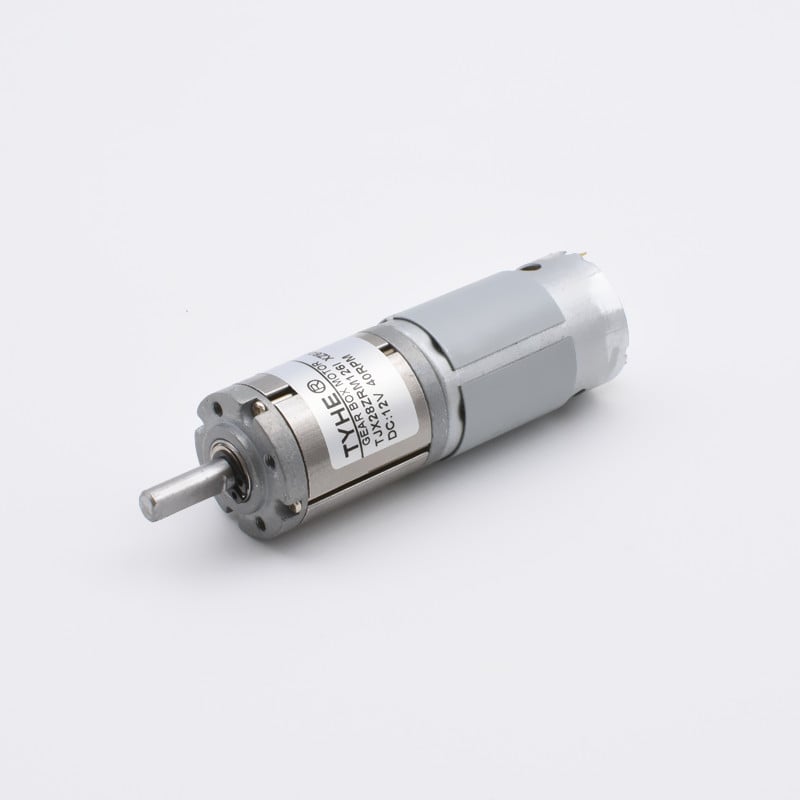
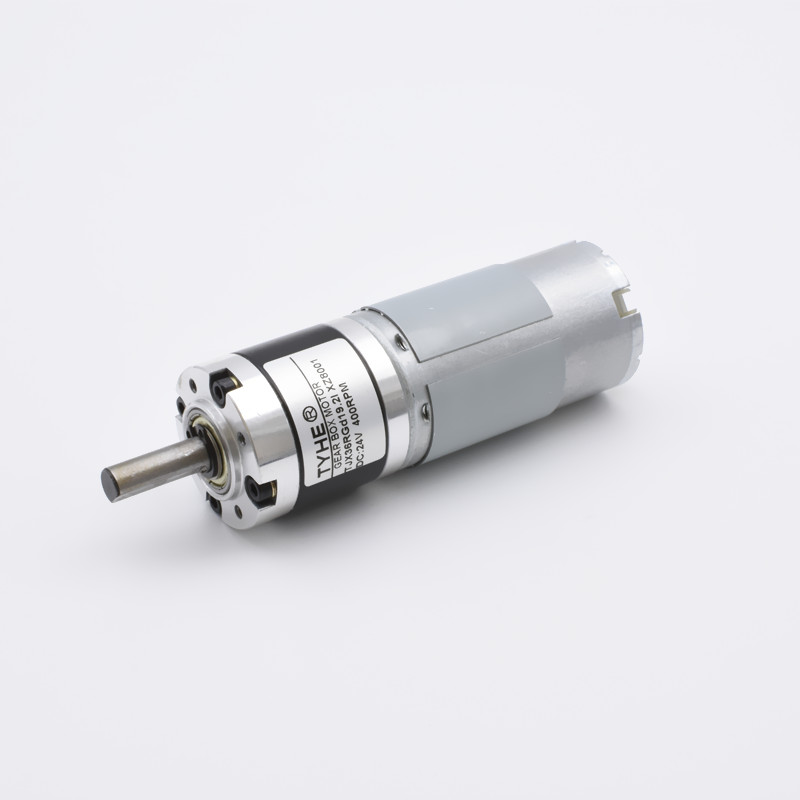
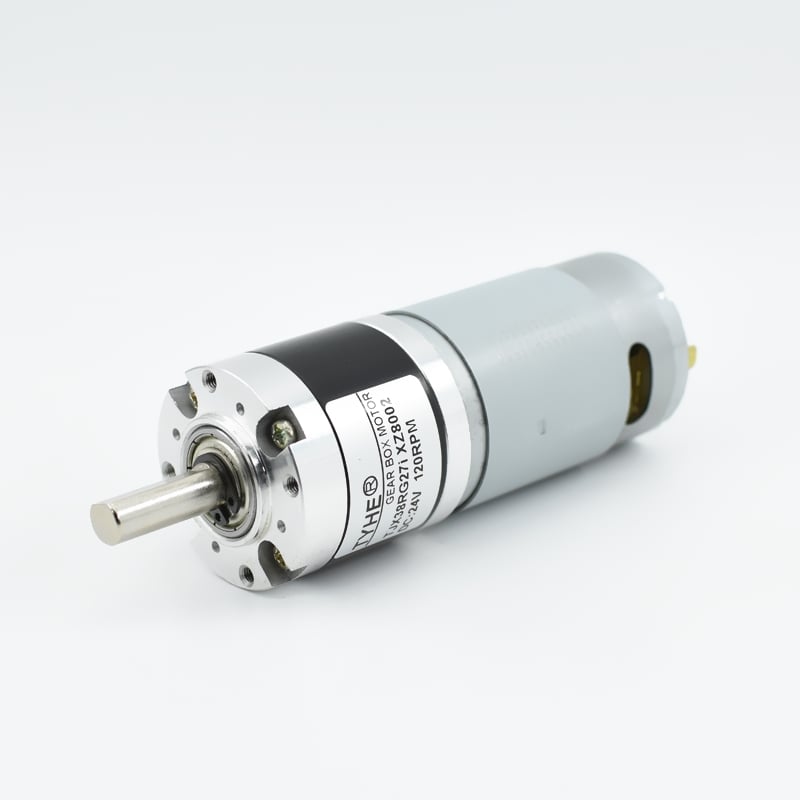
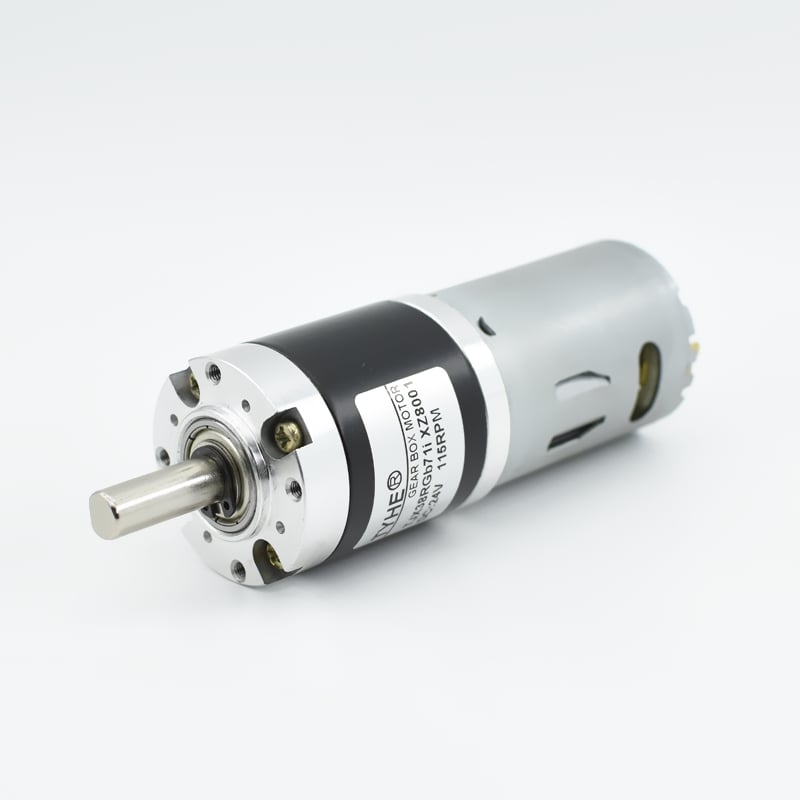
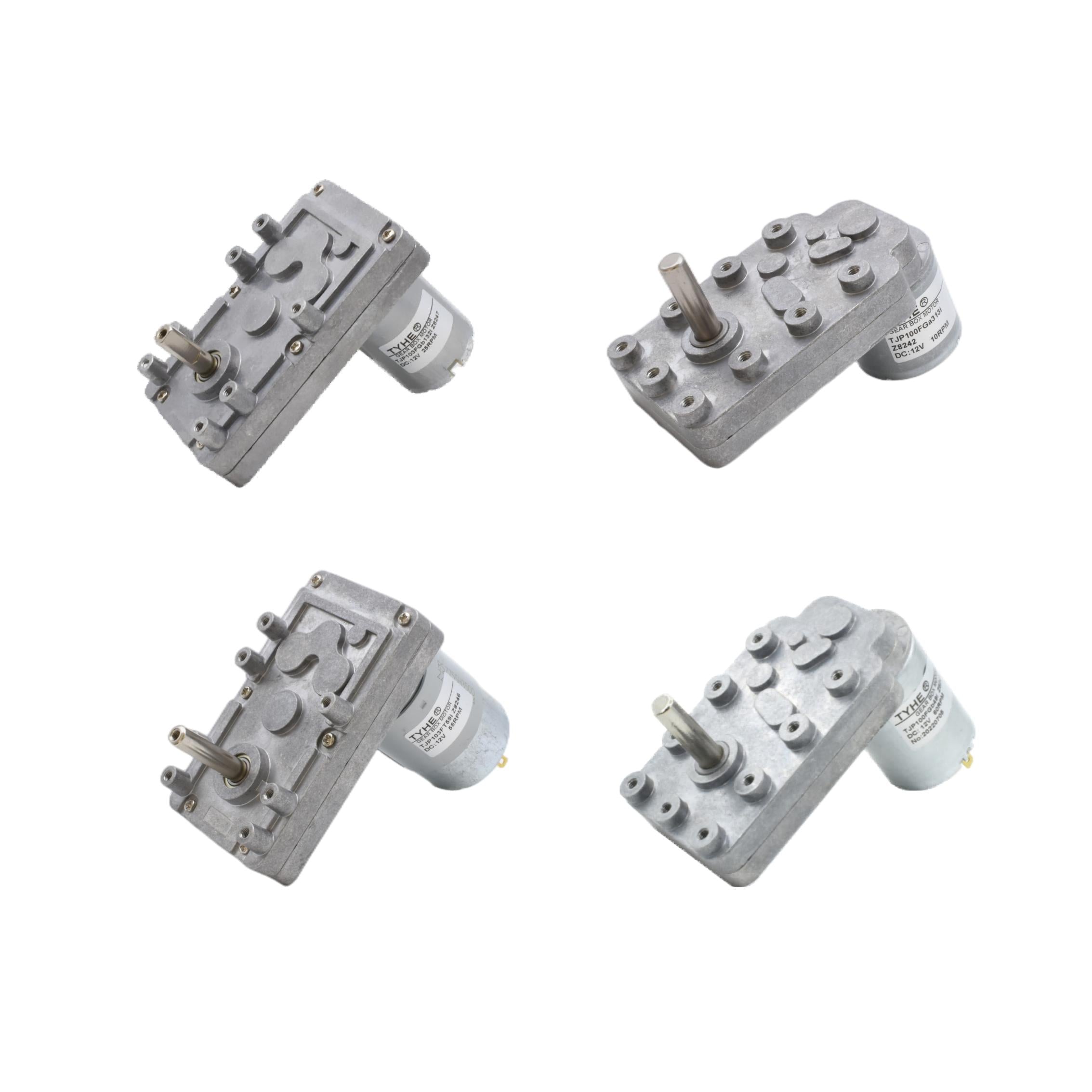
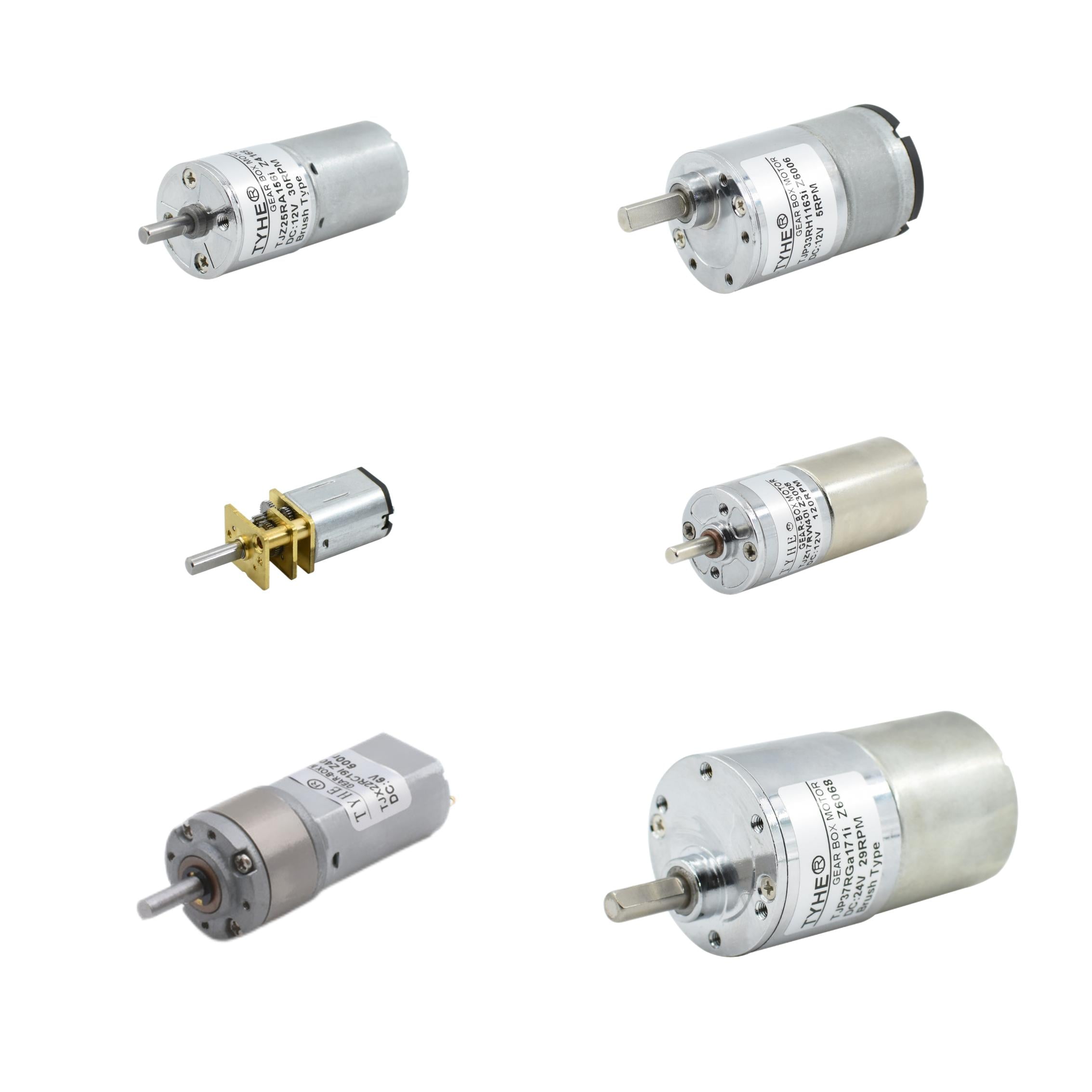
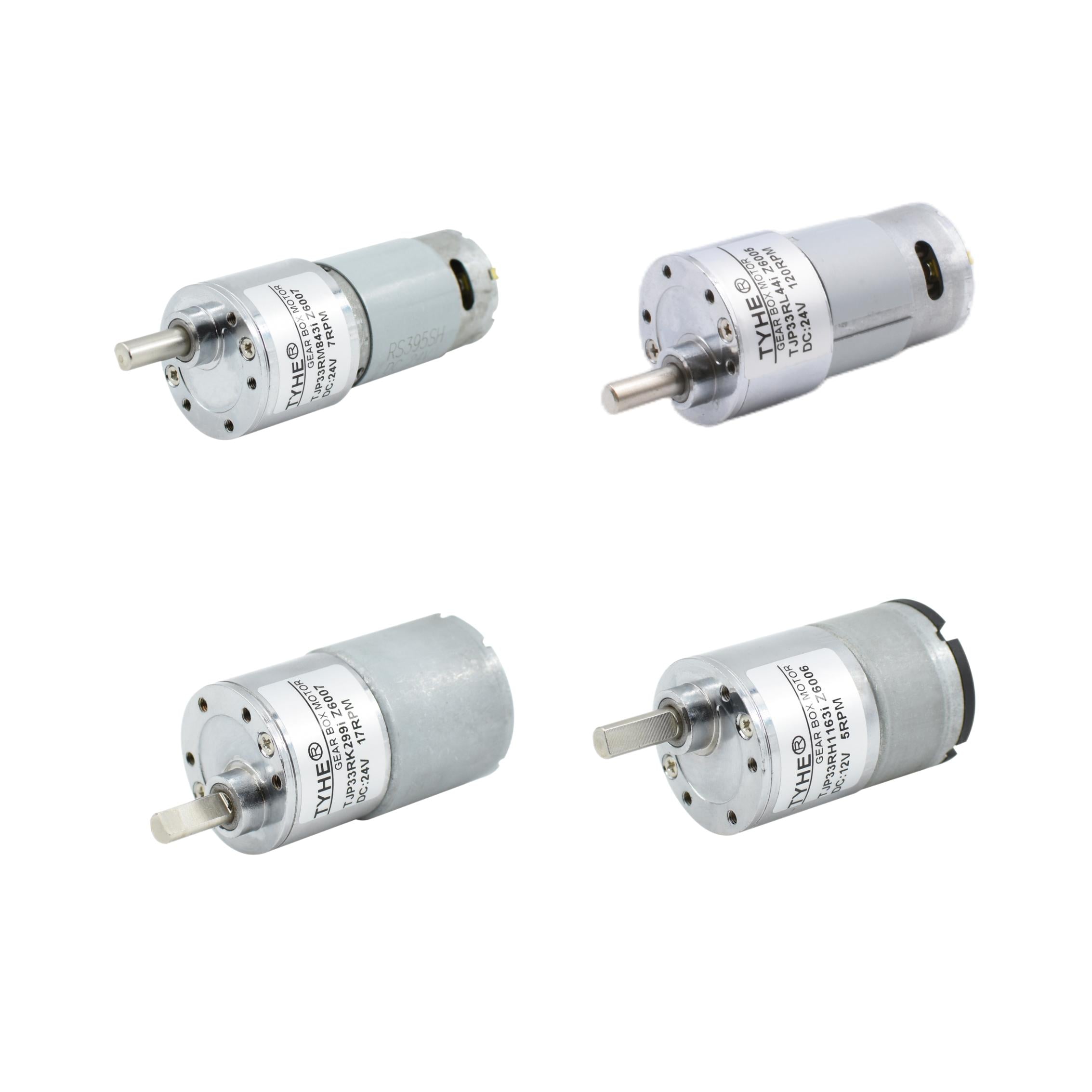
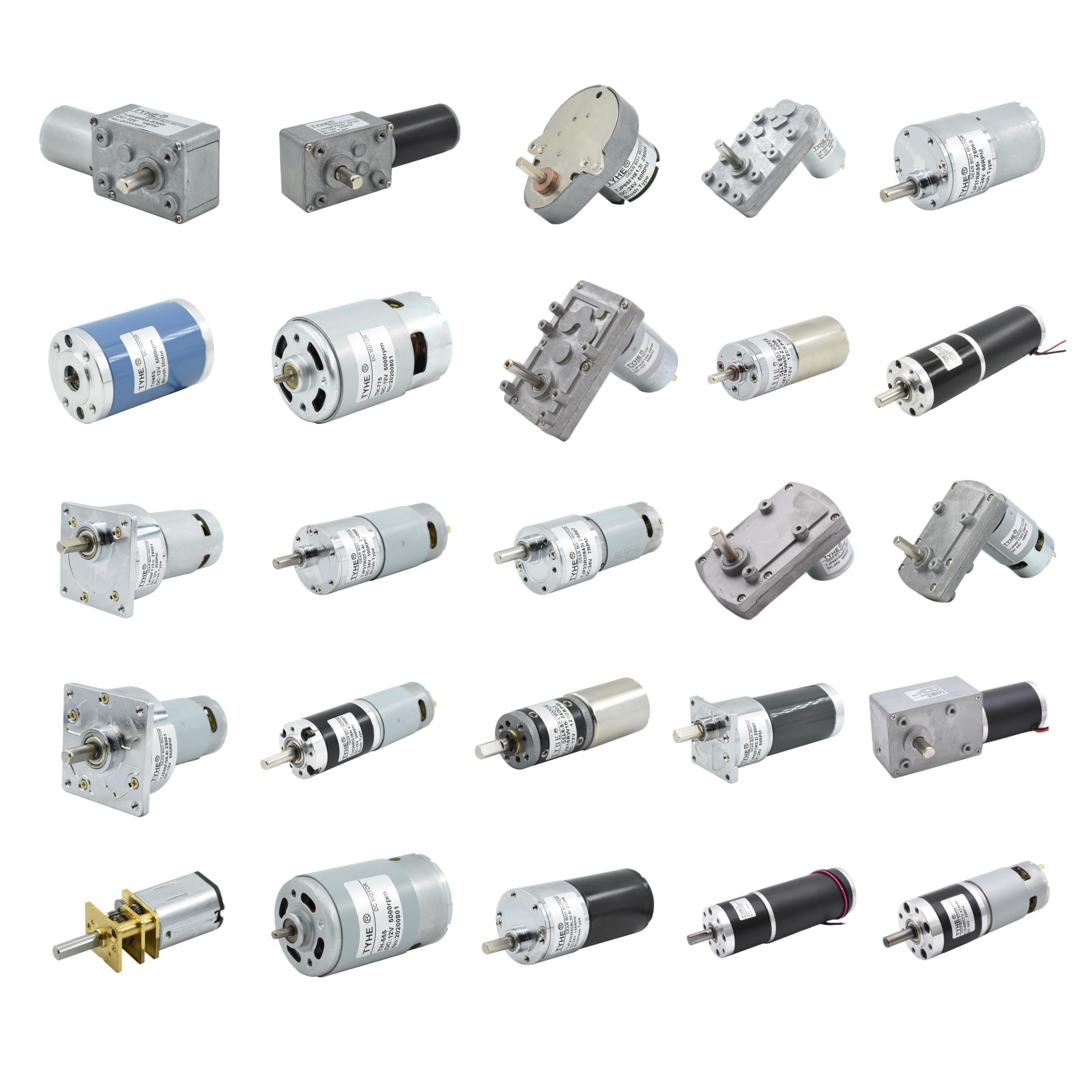
The automotive brake motor is an electromechanical unit that helps a vehicle create, control, or release braking force. It combines an electric motor with a brake actuator, gear set, control circuit, and position feedback. In many vehicle designs, the automotive brake motor converts electrical energy into precise mechanical movement, reducing the need for direct hydraulic or mechanical control. An automotive brake motor can operate the parking brake, support service braking, or assist an integrated brake-by-wire system. The automotive brake motor receives commands from a switch, electronic control unit, or driver assistance system. It then moves a caliper, screw, pad, or actuator to apply pressure with controlled speed and force. The automotive brake motor can also monitor travel, load, temperature, and operating status to improve response and system protection. Key technology features include compact construction, sealed housings, efficient permanent-magnet motors, low-noise gears, and durable connectors. Some designs use redundant sensors and self-diagnostic functions for added confidence. The automotive brake motor supports fast engagement, controlled release, and repeatable positioning in changing conditions. Automotive brake motor designs may include overload protection, current management, and software-based calibration. These features help the automotive brake motor deliver stable performance across vibration, moisture, dust, and temperature changes. Typical applications include electric parking brakes, rear axle brake modules, automated braking systems, commercial vehicles, passenger cars, and new energy vehicles. For manufacturers and system integrators, the automotive brake motor offers a practical route to smaller, smarter, and more responsive braking systems.

New Products

The main advantage of an automotive brake motor is simpler and more accurate brake control. Instead of relying only on a hand lever or a long mechanical cable, the system responds to an electrical command and moves the brake mechanism directly. This makes the automotive brake motor useful for push-button parking brakes, automatic hold functions, and driver assistance features. A vehicle maker can also place the automotive brake motor close to the wheel, which reduces installation space and removes bulky linkages. That layout can make assembly faster and give designers more freedom around the cabin and chassis. For buyers, an automotive brake motor can improve daily convenience. The driver can apply or release the parking brake with one touch, while the vehicle can engage it automatically when parked or switched off. Controlled movement also helps reduce harsh engagement, unwanted noise, and uneven wear. The automotive brake motor supports consistent performance because its control unit can measure position and adjust output. This repeatability helps the brake system work similarly across many vehicles and operating cycles. Another practical benefit is reduced maintenance. A sealed automotive brake motor protects internal parts from water, dust, and road debris, while electronic diagnosis can identify faults before they become difficult to locate. Compact construction may lower system weight and simplify routing, which can support better fuel economy or electric driving range. An automotive brake motor suits passenger cars, sport utility vehicles, light commercial models, and electric vehicles. When selecting one, buyers should compare output force, travel, response time, voltage, noise level, sealing grade, sensor options, temperature range, and service life. The right automotive brake motor should match the brake design, control software, wheel load, and expected duty cycle. This product context helps customers balance purchase cost with dependable operation, easy integration, and long-term vehicle value.

Tips And Tricks

Testing the Performance of Your New 12V DC Motor

02

Jul

Testing the Performance of Your New 12V DC Motor

When you receive a new 12v dc motor, the first step before deploying it in any system is to verify that it performs exactly as specified. A 12v dc motor may look perfect on the outside, yet still fall short of its rated speed, torque, or efficiency u...
View More
Wiring a 12V DC Motor: A Step-by-Step Tutorial

21

Aug

Wiring a 12V DC Motor: A Step-by-Step Tutorial

Wiring a 12v dc motor correctly is one of the most fundamental skills for anyone working in robotics, automation, DIY electronics, or small machinery. Whether you are connecting a 12v dc motor for the first time or troubleshooting an existing setup, ...
View More
The Best Micro DC Motor Solutions for Drones and UAVs

21

Aug

The Best Micro DC Motor Solutions for Drones and UAVs

Selecting the right micro dc motor is critical for drone and unmanned aerial vehicle (UAV) performance, reliability, and flight duration. A micro dc motor serves as the foundation of any UAV propulsion system, directly influencing thrust generation, ...
View More
Finding the Most Powerful Small DC Motor for Its Size

02

Sep

Finding the Most Powerful Small DC Motor for Its Size

Selecting the right small dc motor for your application requires more than just checking power specifications. Engineers and product designers frequently face the challenge of finding a small dc motor that delivers maximum performance within severe s...
View More

Get a Free Quote

Our representative will contact you soon.
Email
Mobile/WhatsApp
Name
Company Name
Message
0/1000

automotive brake motor

Precise Electronic Control for Confident Braking

Precise Electronic Control for Confident Braking

A major selling point of the automotive brake motor is its ability to turn an electrical command into controlled, repeatable movement. The automotive brake motor can start, stop, and adjust actuator travel with greater accuracy than a basic cable mechanism. Position feedback tells the control unit where the actuator sits, helping it apply the needed force without excessive movement. This makes the automotive brake motor well suited to electronic parking brakes, automatic hold systems, and integrated vehicle controls. Drivers gain smooth engagement and easy one-touch operation, while manufacturers gain a component that works with modern software and sensor networks. The automotive brake motor can also support automatic release when conditions are met, such as when the driver selects a gear and presses the accelerator. Consistent movement helps reduce uneven pad pressure and unnecessary mechanical stress. For customers, this feature means a more predictable driving experience, simpler vehicle operation, and easier integration with safety and convenience functions.
Compact, Sealed Construction for Long Service

Compact, Sealed Construction for Long Service

The automotive brake motor uses a compact layout that can fit into limited wheel or axle space. By combining the motor, gearing, actuator, and feedback parts in one protected assembly, the automotive brake motor can reduce external cables, brackets, and connection points. Fewer separate parts can simplify vehicle assembly and reduce opportunities for adjustment errors. A sealed housing helps the automotive brake motor resist moisture, dust, salt, vibration, and temperature swings encountered on the road. Durable materials and protected electrical connections further support reliable operation over repeated parking and braking cycles. This construction is valuable for passenger vehicles, electric cars, delivery vans, and other platforms that need efficient use of space. The automotive brake motor may also lower system weight compared with larger mechanical arrangements, helping designers manage packaging and energy targets. Buyers benefit from a cleaner installation, less routine adjustment, and better protection against common environmental damage. The result is a practical component that supports dependable braking without taking unnecessary space.
Flexible Platform for Modern Vehicle Applications

Flexible Platform for Modern Vehicle Applications

The automotive brake motor gives vehicle designers a flexible way to add braking functions across different platforms. The same basic technology can be configured for rear parking brakes, automated hold systems, emergency support, or advanced brake-by-wire layouts. An automotive brake motor can operate from common vehicle electrical systems and communicate with electronic control units, making it suitable for conventional, hybrid, and fully electric vehicles. Manufacturers can choose different force levels, gear ratios, connector styles, sensor packages, and software settings to match each model. This flexibility helps reduce redesign work when a vehicle range includes several body types or powertrains. The automotive brake motor also supports future upgrades because electronic control can be refined through calibration and software changes. For buyers, a flexible automotive brake motor can reduce integration risk and support wider product coverage. It offers a practical foundation for modern vehicle features while maintaining familiar installation and service requirements. That combination can improve development efficiency, fleet consistency, and long-term platform value.
Automotive Brake Motor for Safer Vehicle Control

Get a Free Quote

Our representative will contact you soon.
Email
Mobile/WhatsApp
Name
Company Name
Message
0/1000
Automotive Brake Motor for Safer Vehicle Control