dc elektromotor
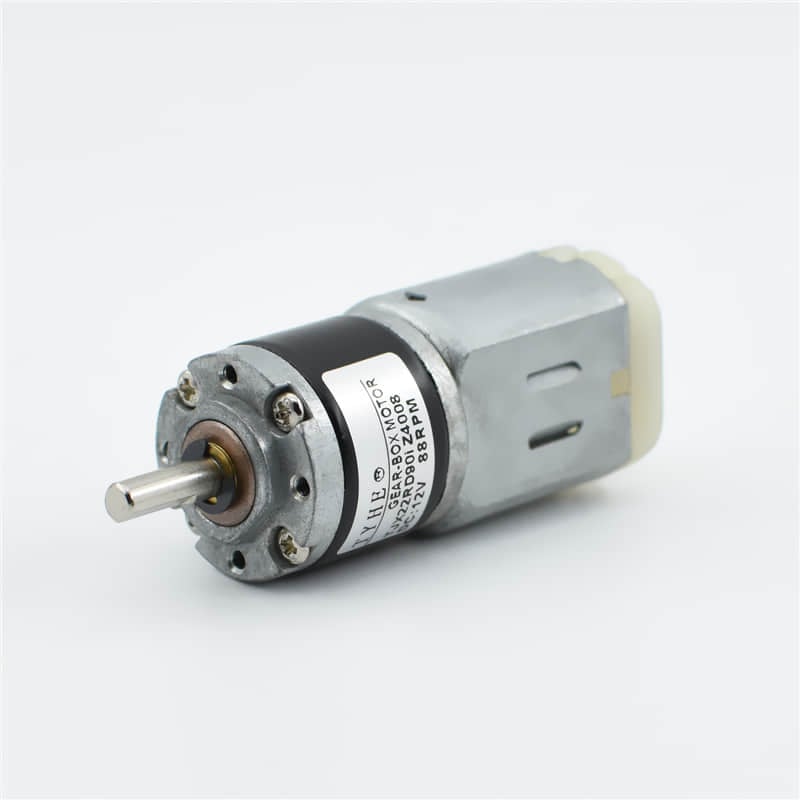
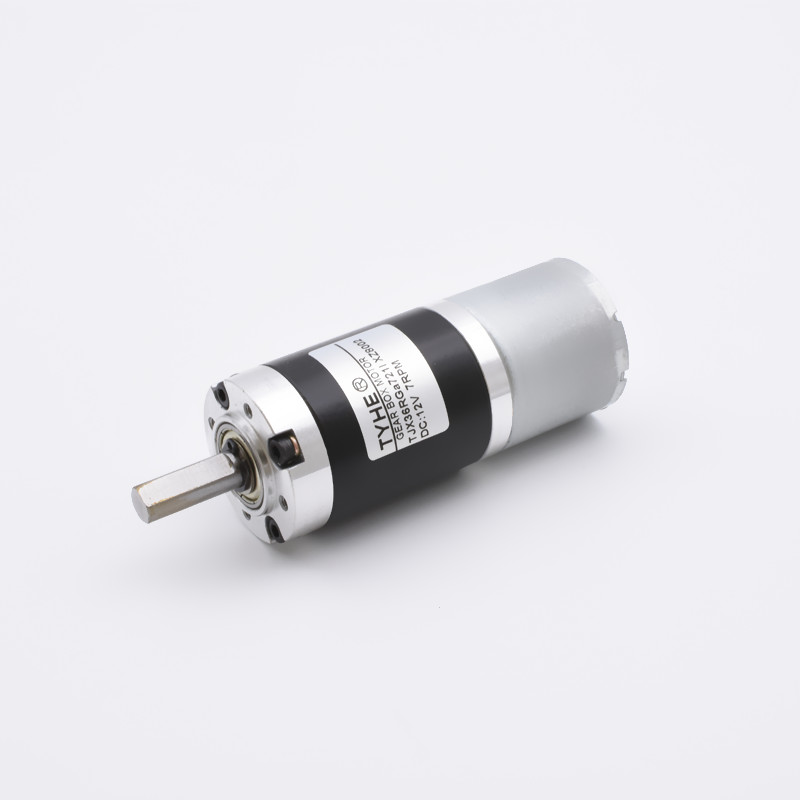
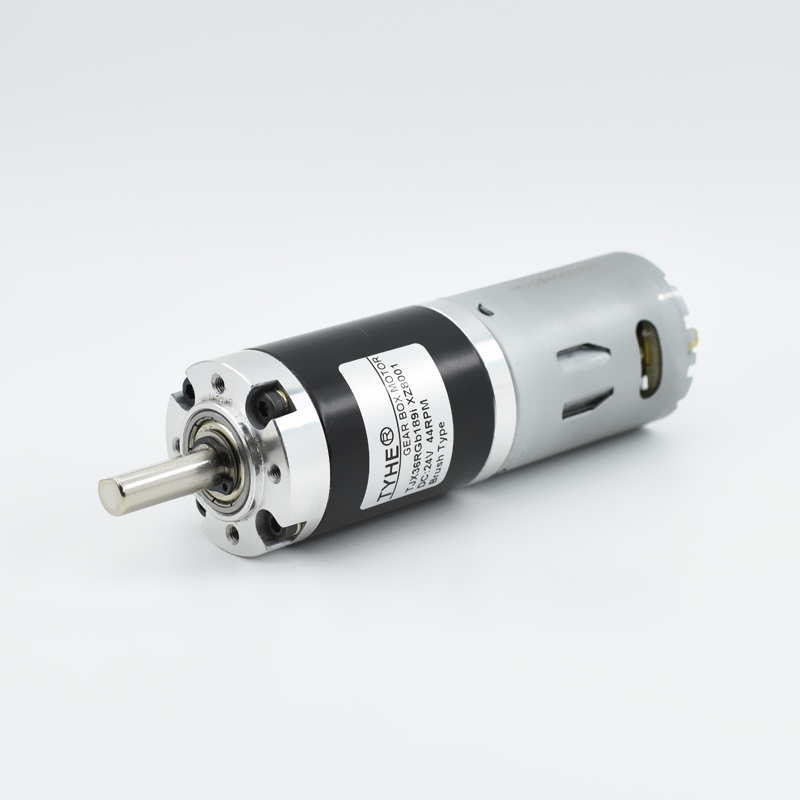
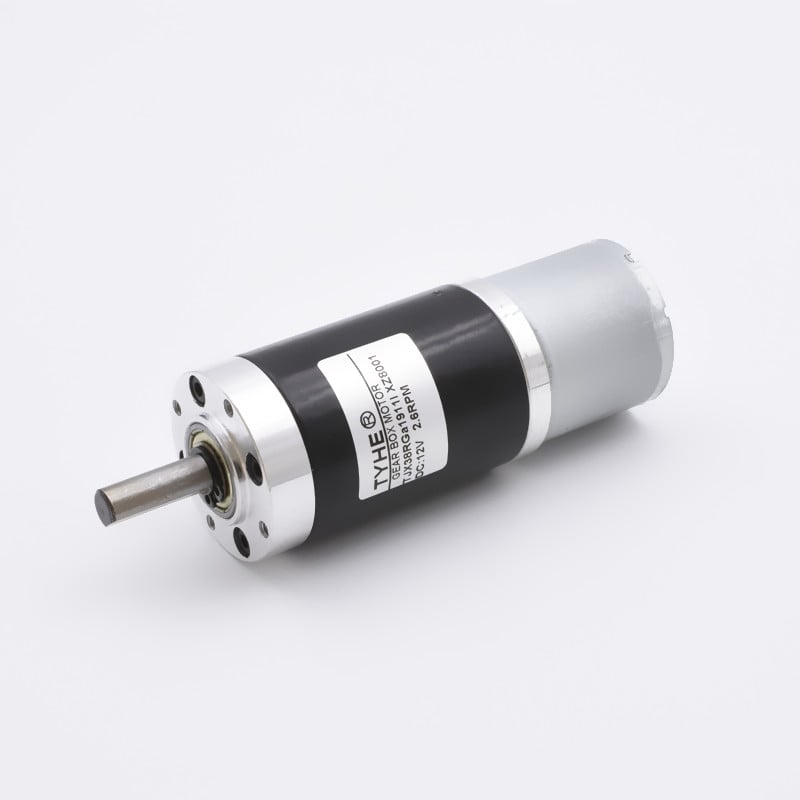
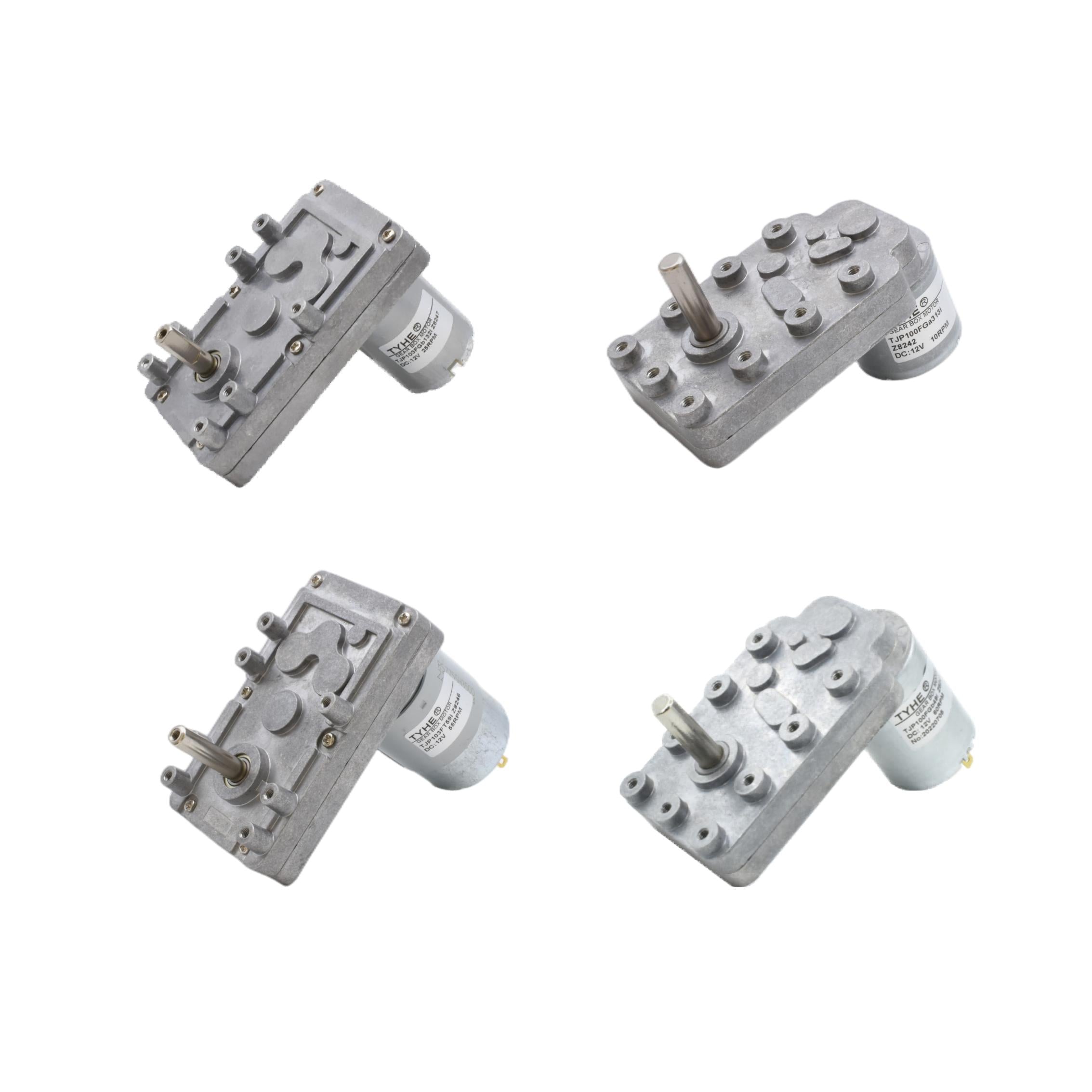
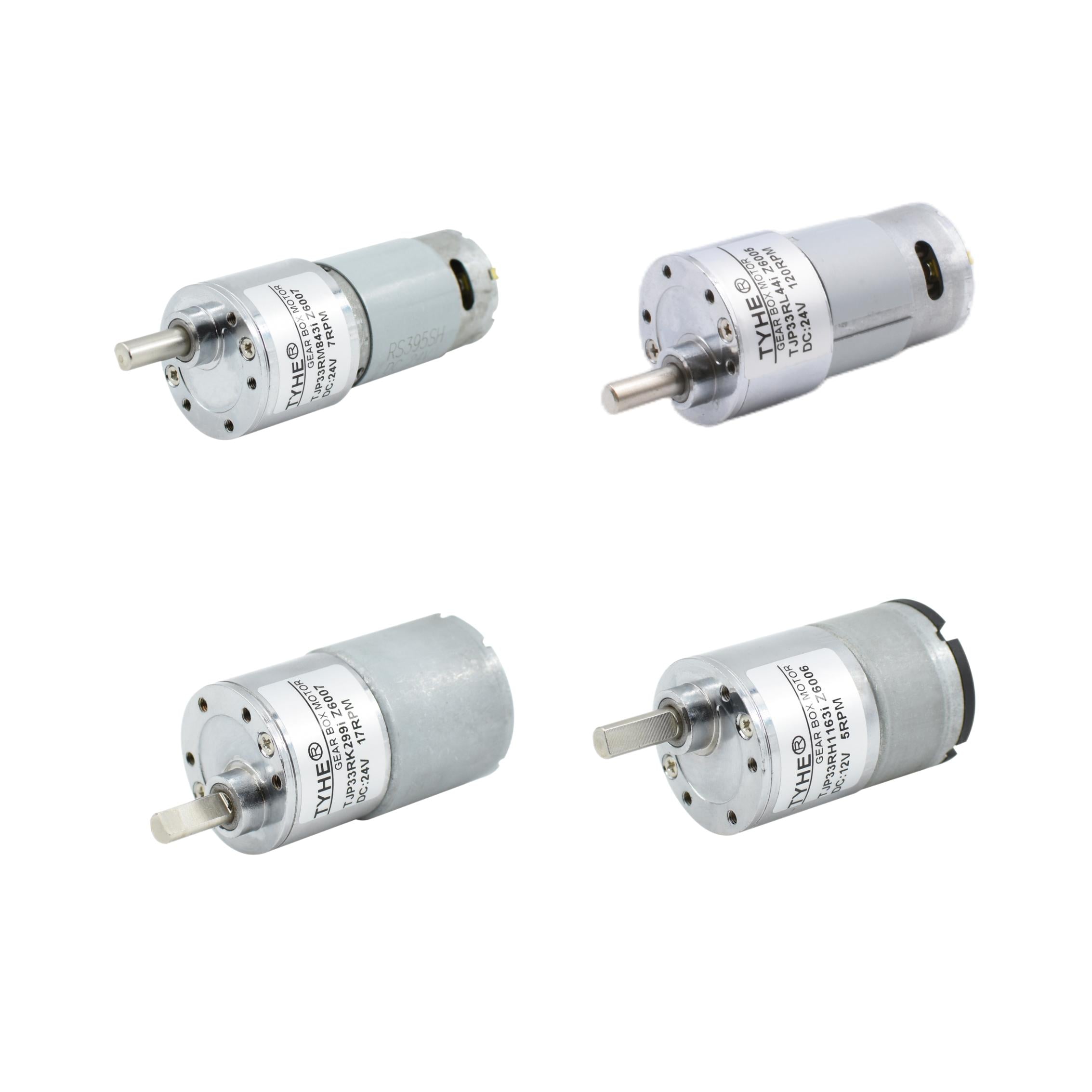
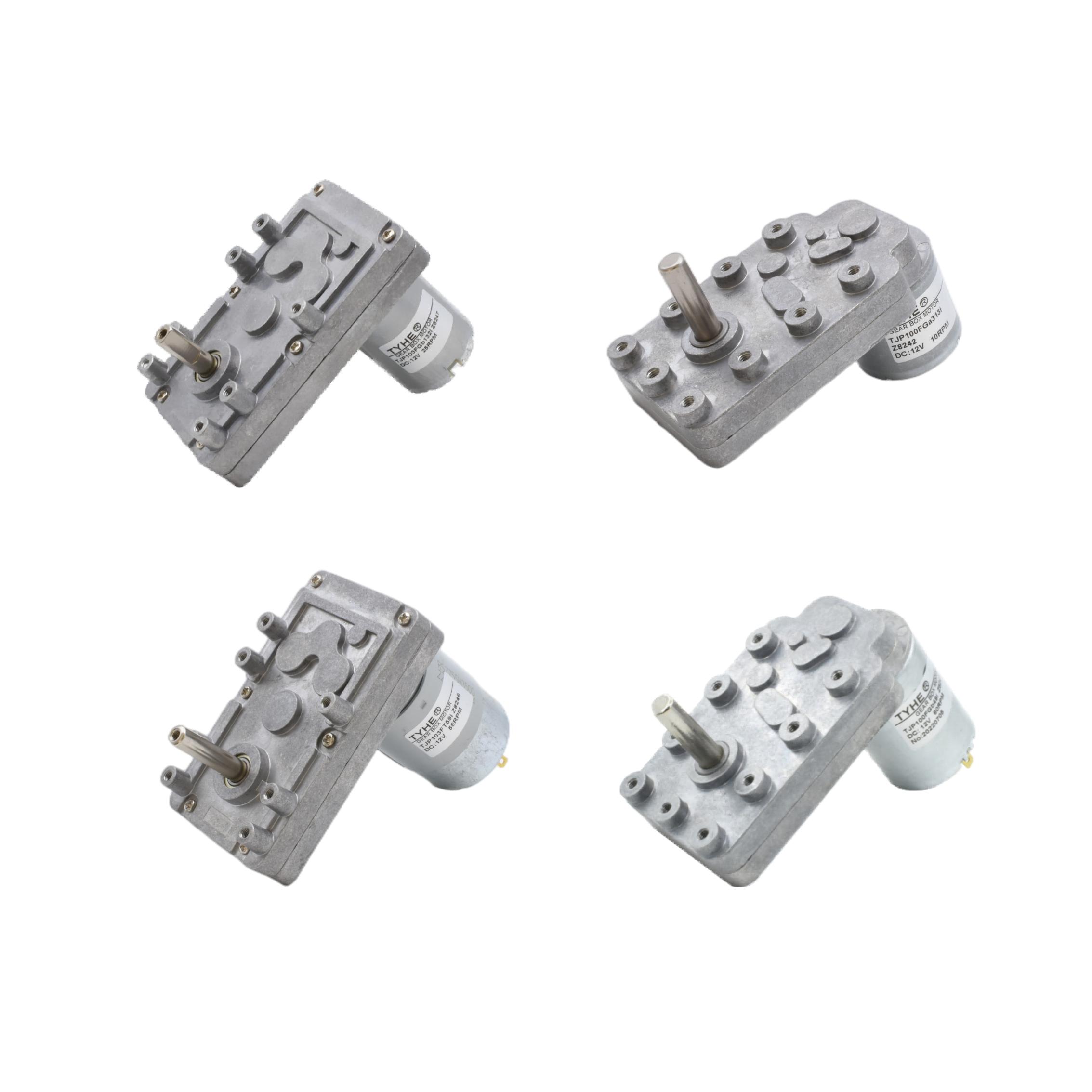
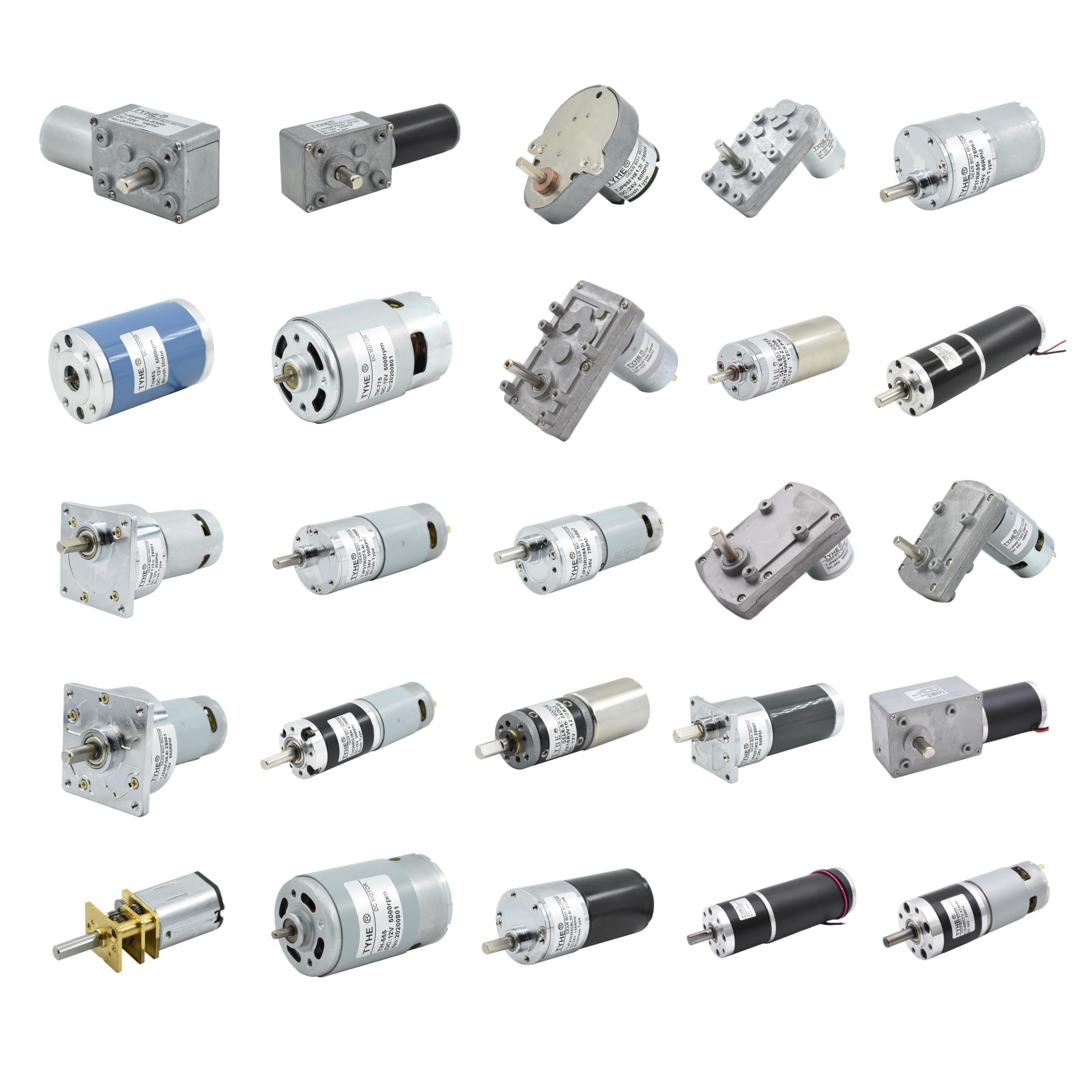
A dc elektromotor converts direct electrical power into controlled rotary motion. It uses magnetic forces inside a stator and rotor to create torque, allowing equipment to start, stop, reverse, or change speed with accurate control. This dc elektromotor design suits machines that need dependable movement from a compact power source. Depending on the model, a dc elektromotor may use permanent magnets, wound fields, brushes, or electronic commutation. Brushed versions offer a simple, cost-effective structure, while brushless versions reduce wear and support longer service life. A dc elektromotor can run from batteries, adapters, solar systems, or industrial power supplies, making it flexible across many operating environments. Speed control usually comes through voltage adjustment, pulse-width control, or a dedicated drive. Direction control is also straightforward, which helps automate lifting, feeding, positioning, and traction tasks. Modern dc elektromotor products can include thermal protection, sealed housings, feedback sensors, and overload safeguards. These features help protect the unit and improve operating consistency. When selecting a dc elektromotor, buyers should review voltage, rated power, torque, speed, duty cycle, shaft size, mounting style, noise level, and environmental protection. A dc elektromotor may serve a small fan, pump, actuator, conveyor, robot joint, medical device, or mobile machine. The right choice depends on load behavior and available power. Overall, the dc elektromotor combines practical control, efficient power use, and broad compatibility in one proven motion solution.

 EN