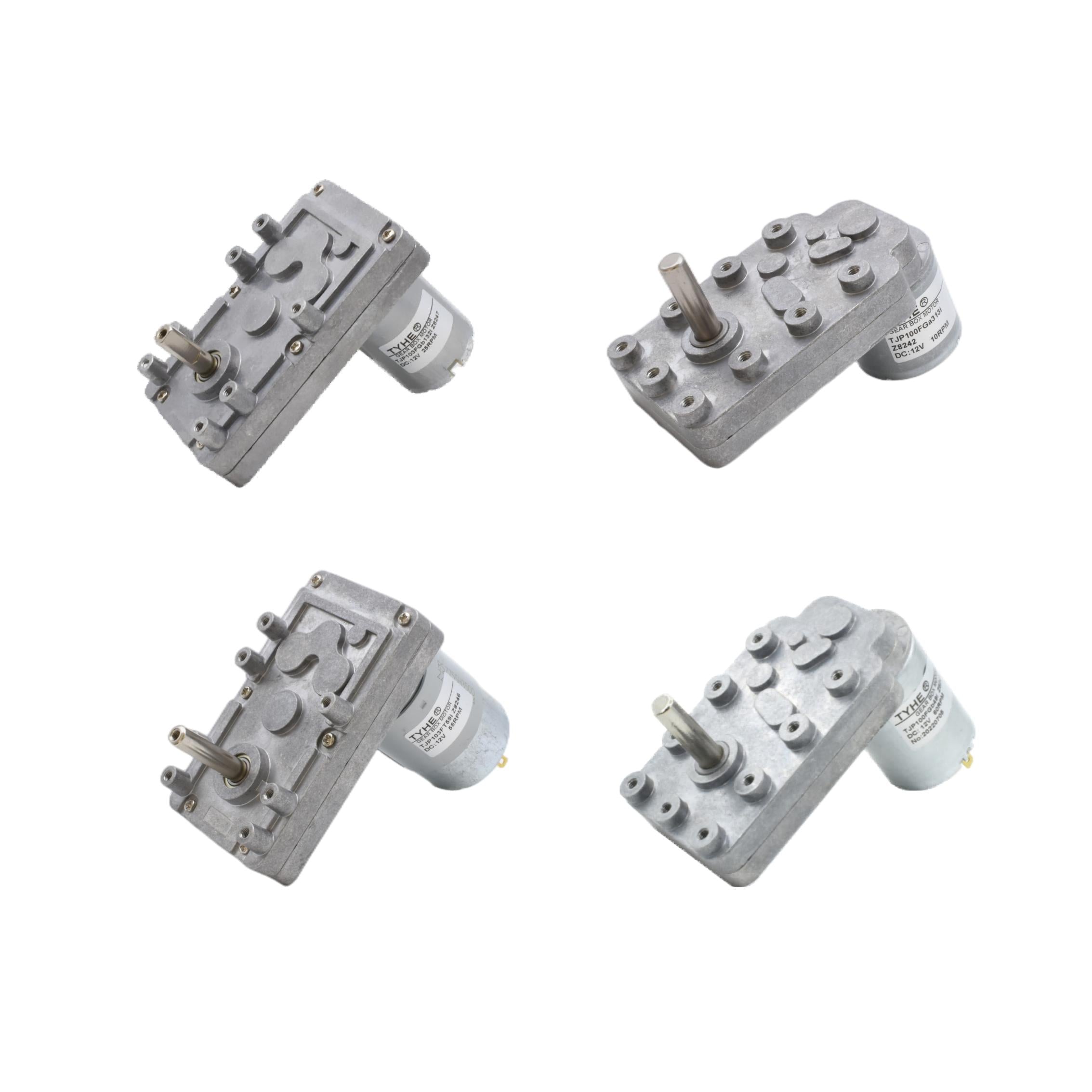
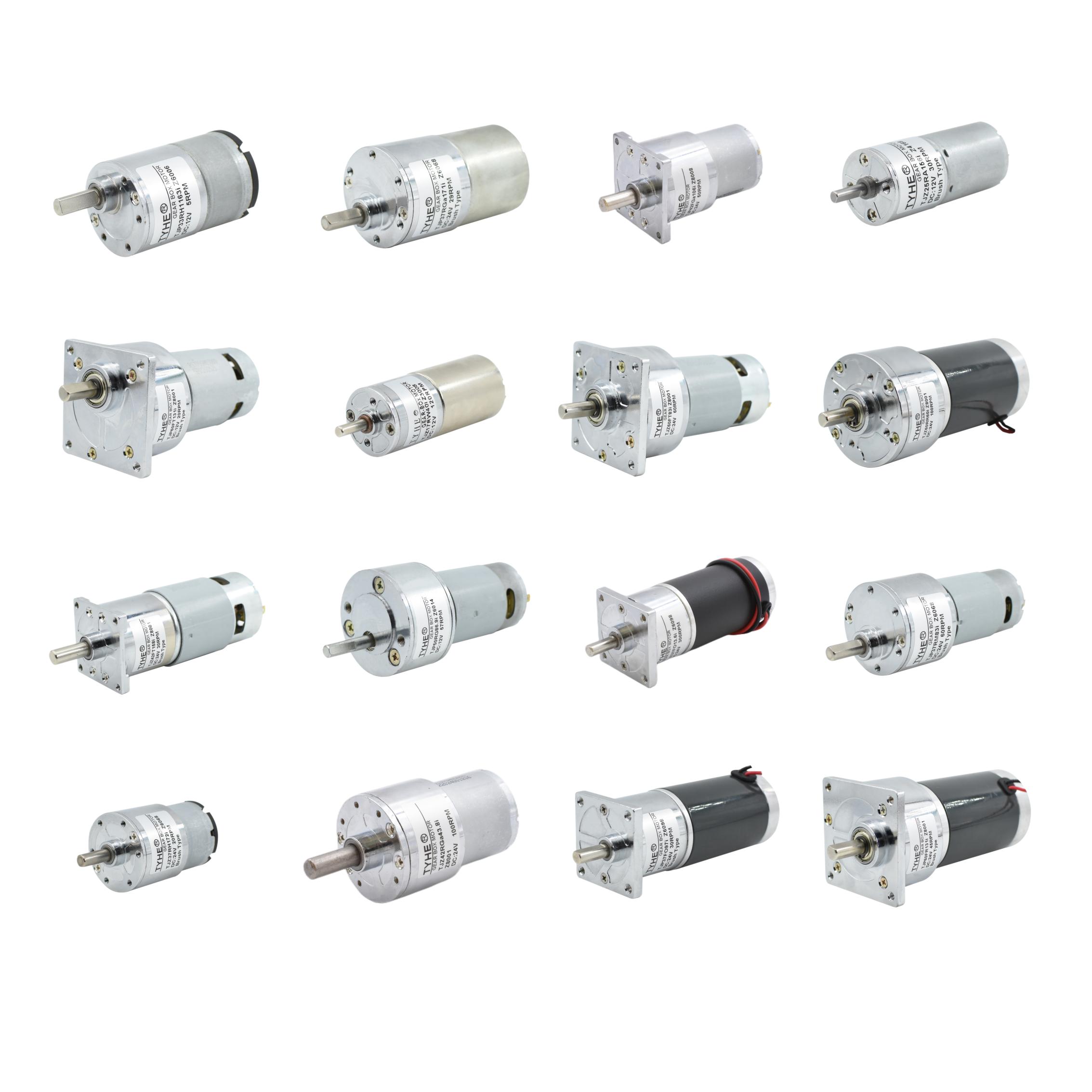
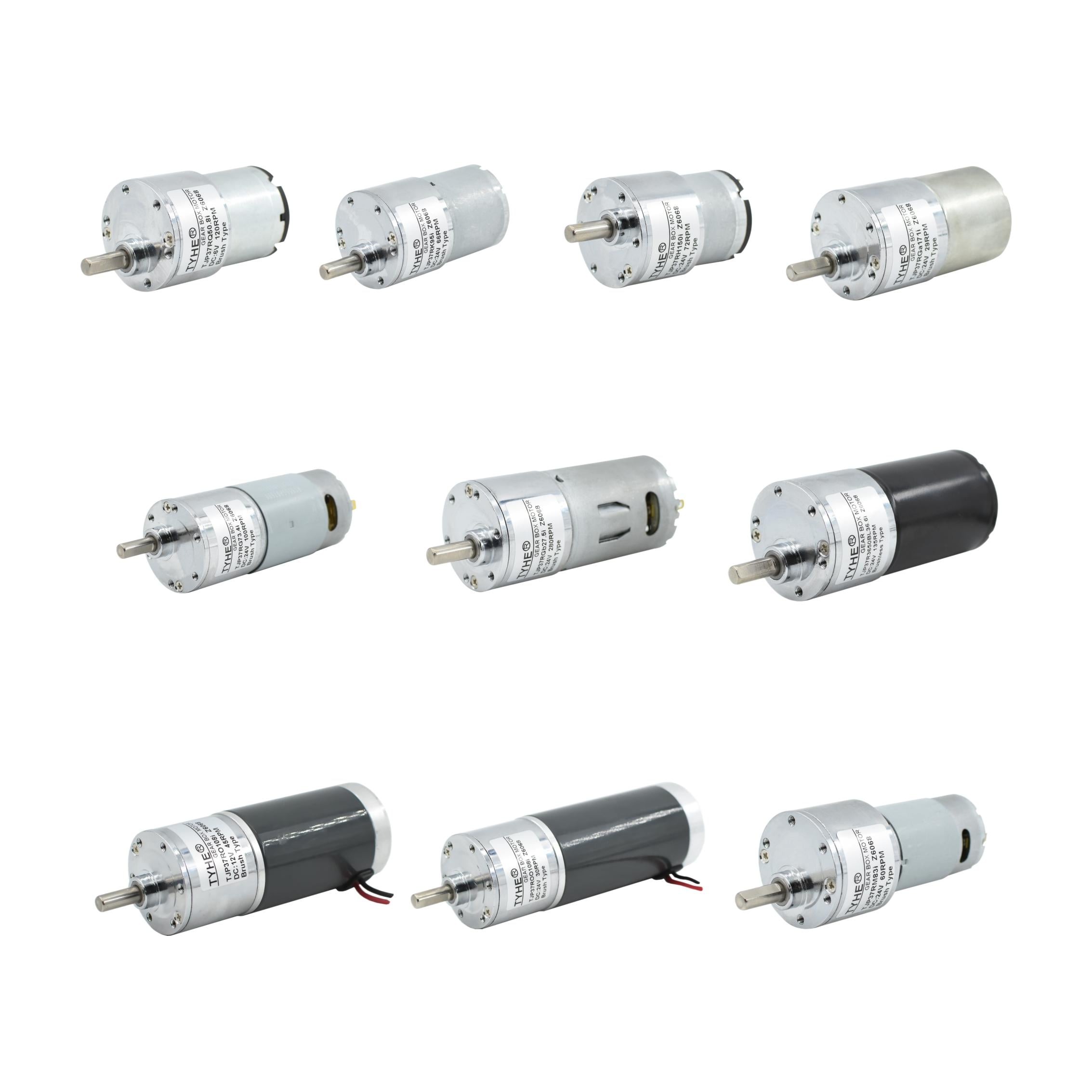
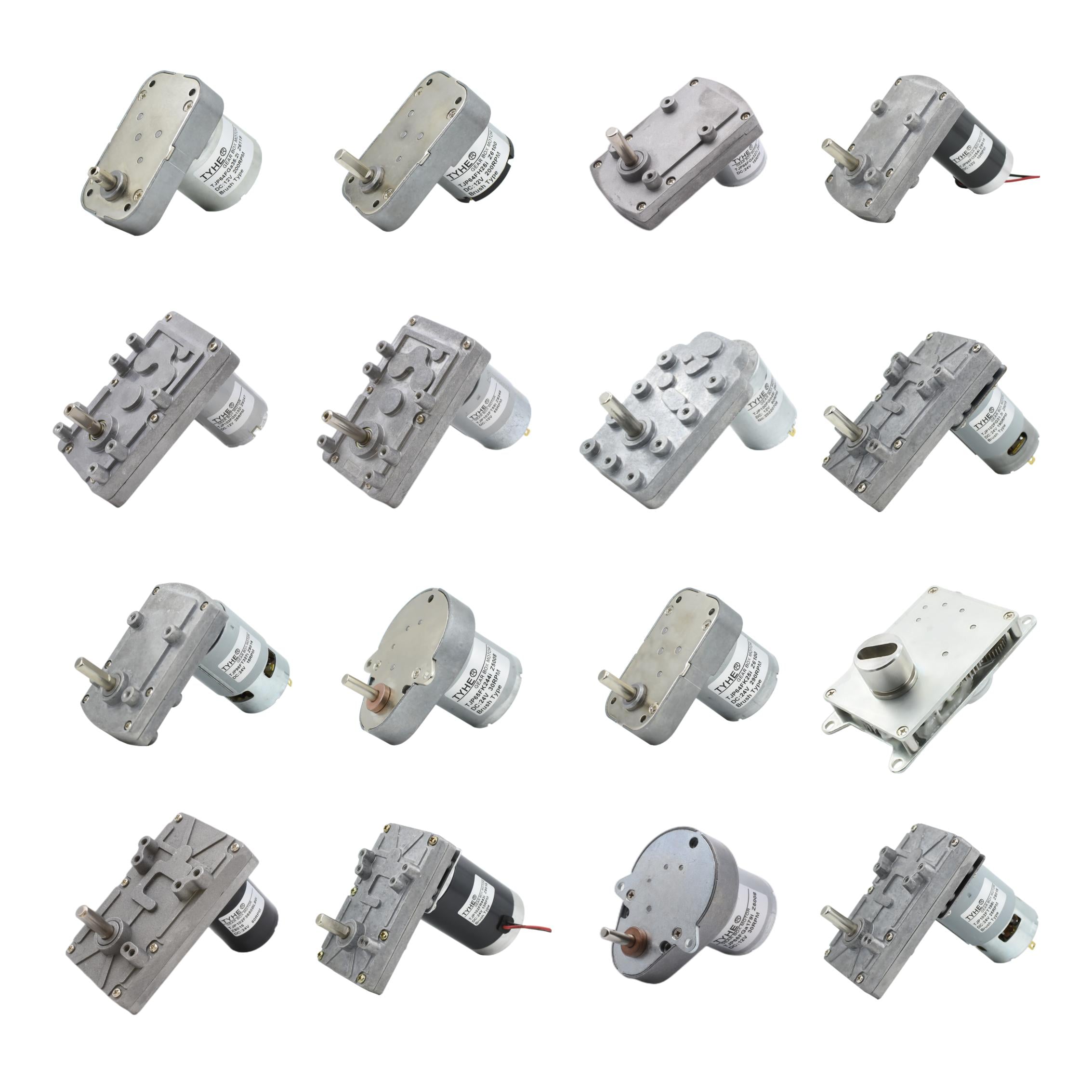
dc spur gear motor
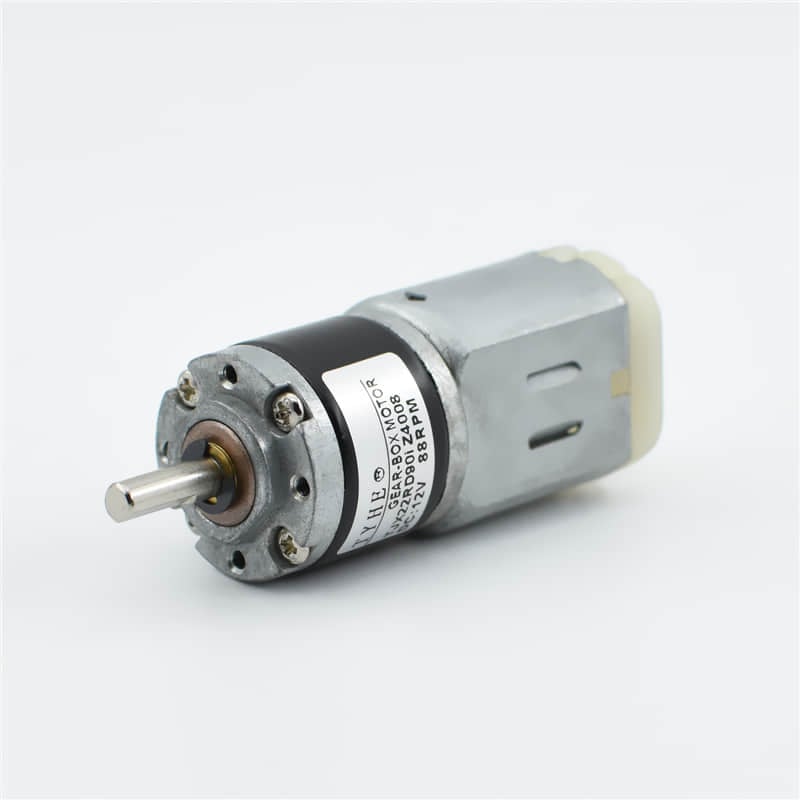
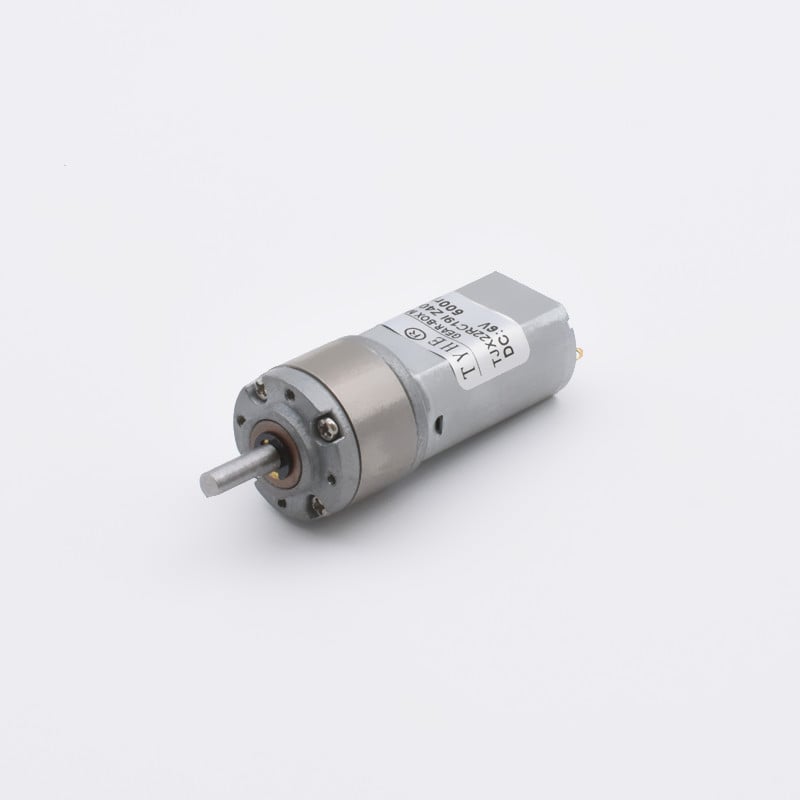
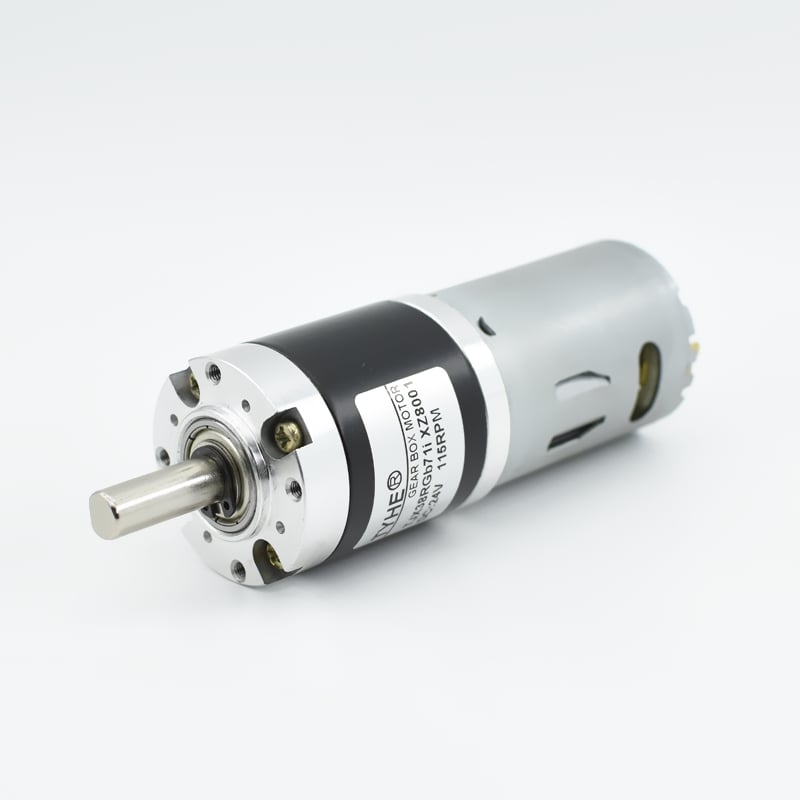
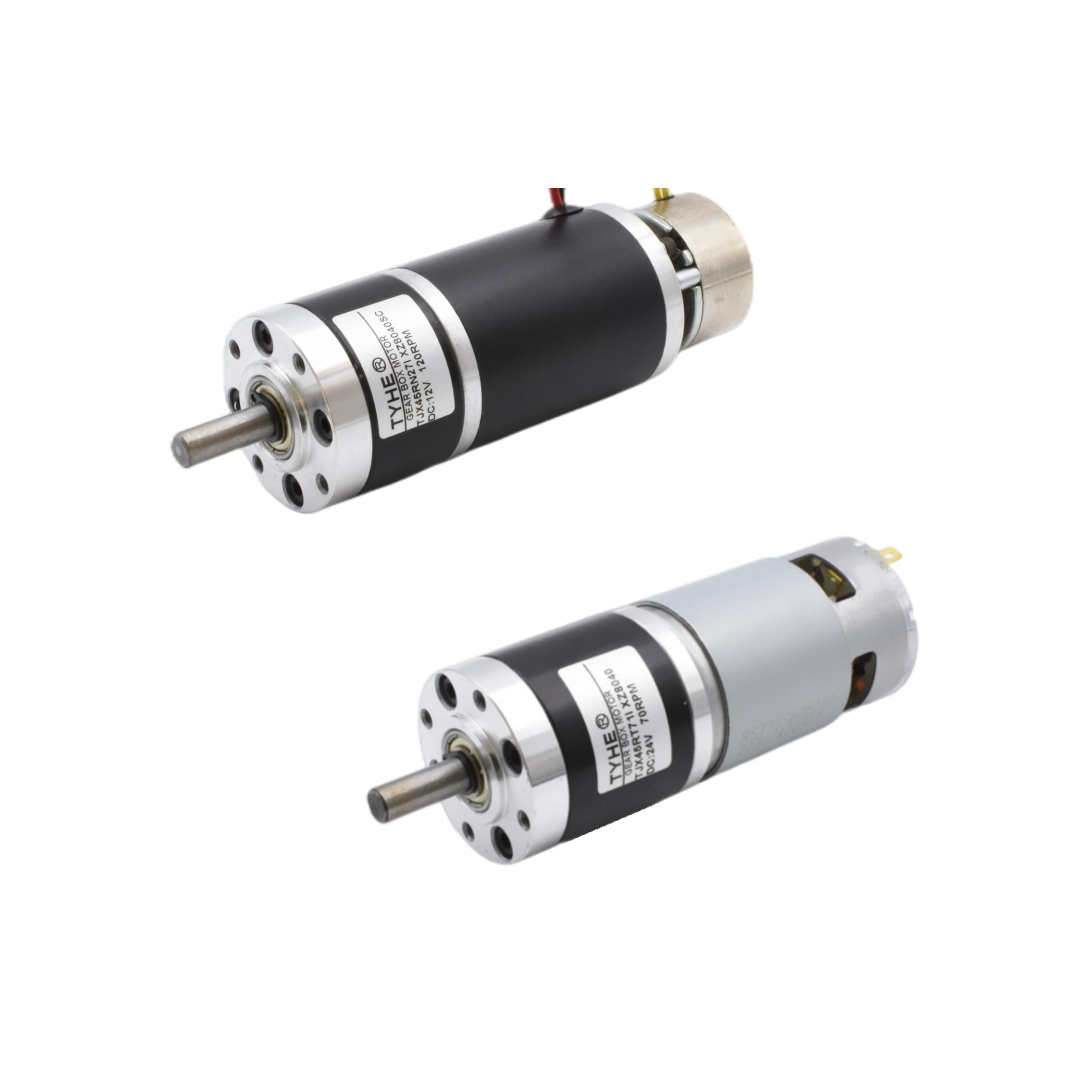
A dc spur gear motor combines a direct-current motor with a spur gear train to deliver controlled rotary motion at a useful output speed. The dc spur gear motor converts electrical energy into rotation, while its gears reduce speed and increase available torque. This makes the dc spur gear motor suitable when equipment needs steady movement, reliable starting, and simple speed control. A dc spur gear motor can run from common low-voltage power supplies, batteries, or regulated industrial sources. Reversing the supply polarity, when supported by the controller, allows the dc spur gear motor to turn in either direction. Typical models use permanent magnets, metal gears, sealed bearings, and a compact housing. Some versions include an encoder, brake, thermal protection, or an integrated controller. These features help the dc spur gear motor provide accurate positioning and safer operation. The gear ratio determines the balance between output speed and torque, so users can select a dc spur gear motor for fast adjustment or stronger load handling. Spur gears offer an economical design with efficient power transfer and easy integration. A dc spur gear motor may drive rollers, valves, locks, feeders, pumps, lifts, or small conveyor systems. Engineers value the dc spur gear motor because it offers predictable performance, straightforward wiring, and many mounting options. Before purchase, check voltage, rated current, output torque, speed, duty cycle, shaft size, noise level, and environmental protection. Choosing the right dc spur gear motor helps prevent overload, reduces maintenance, and supports dependable machine operation.

 EN