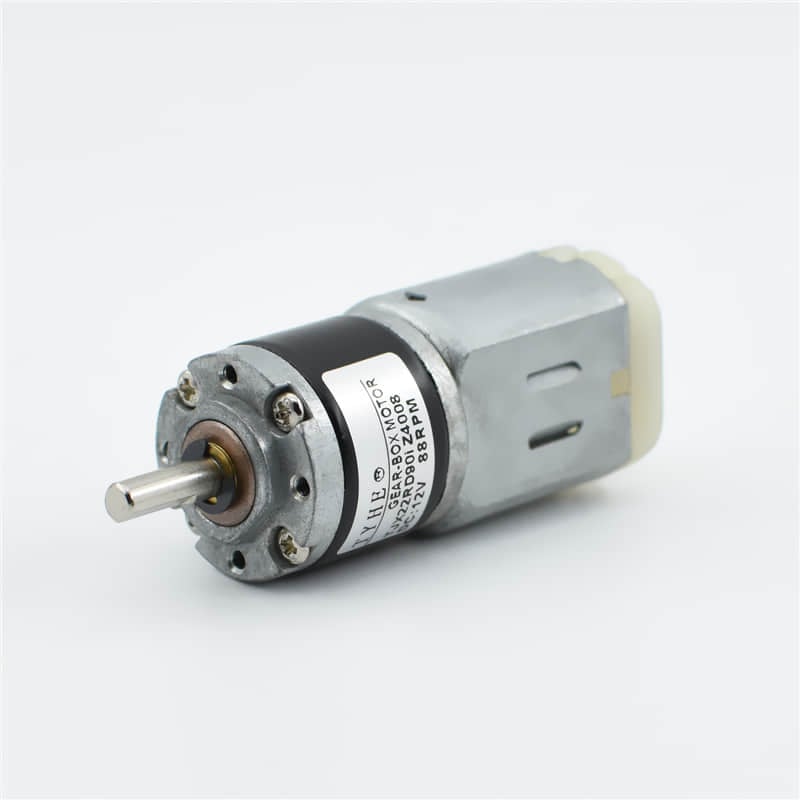
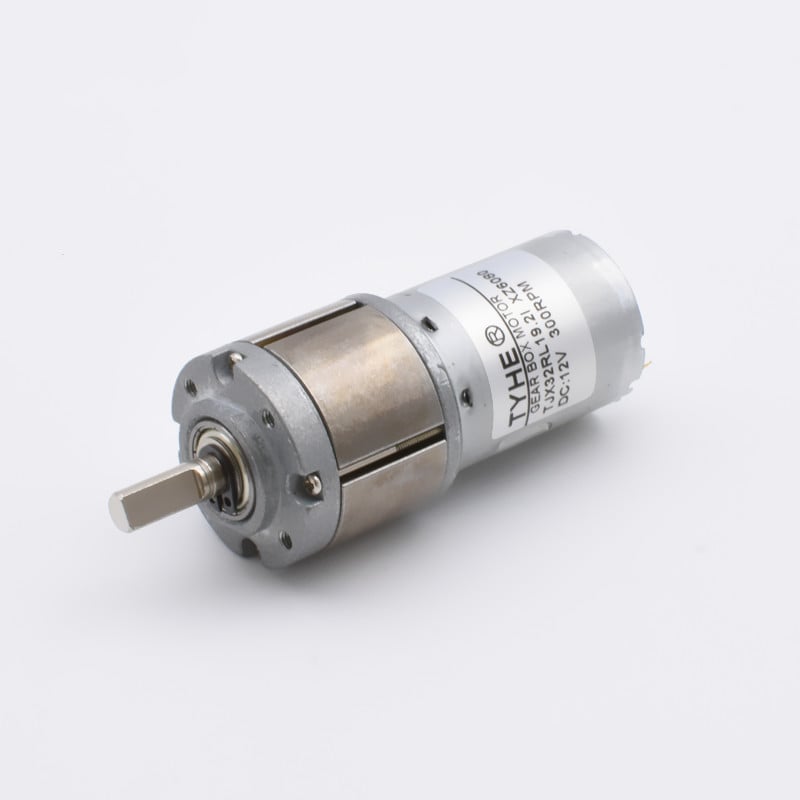
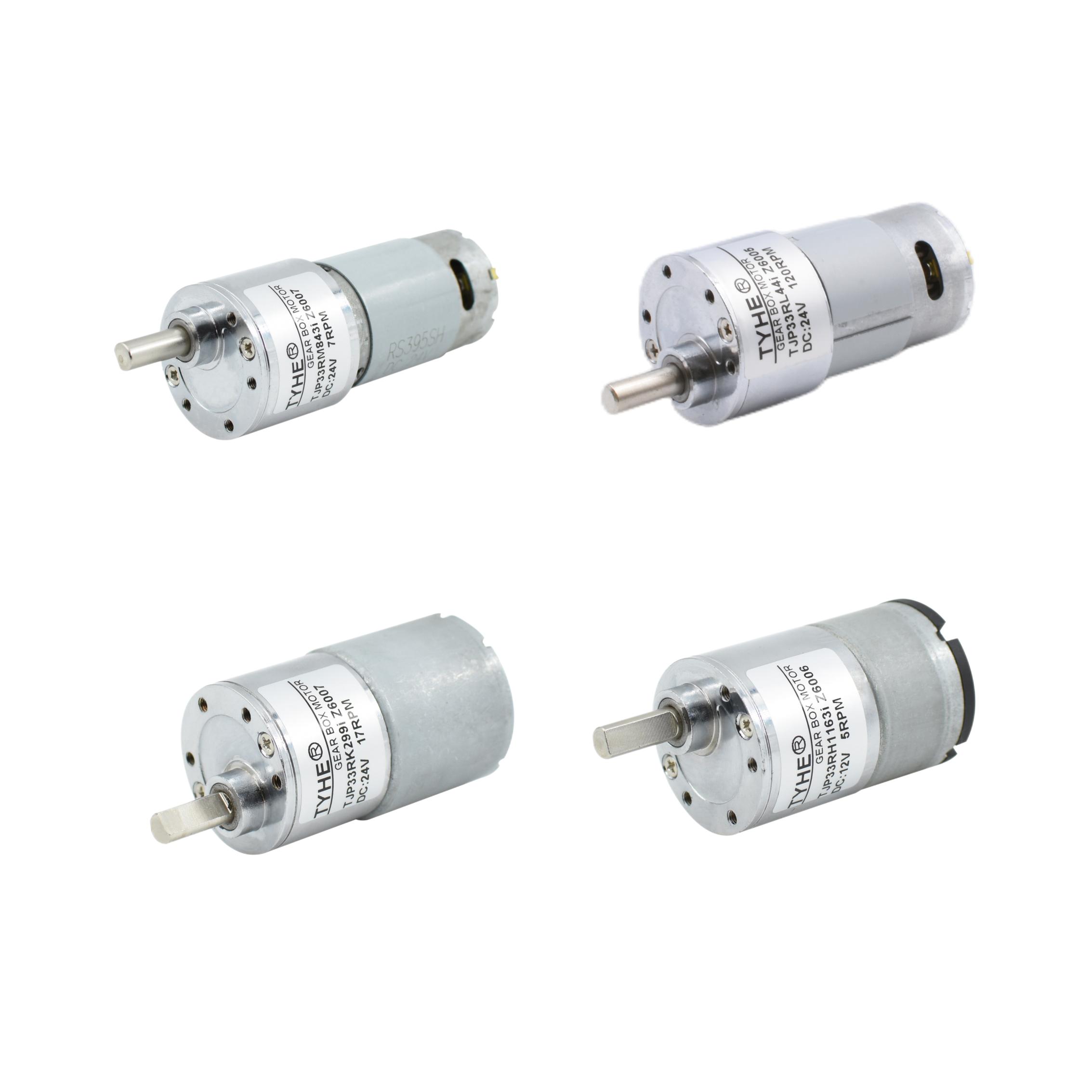
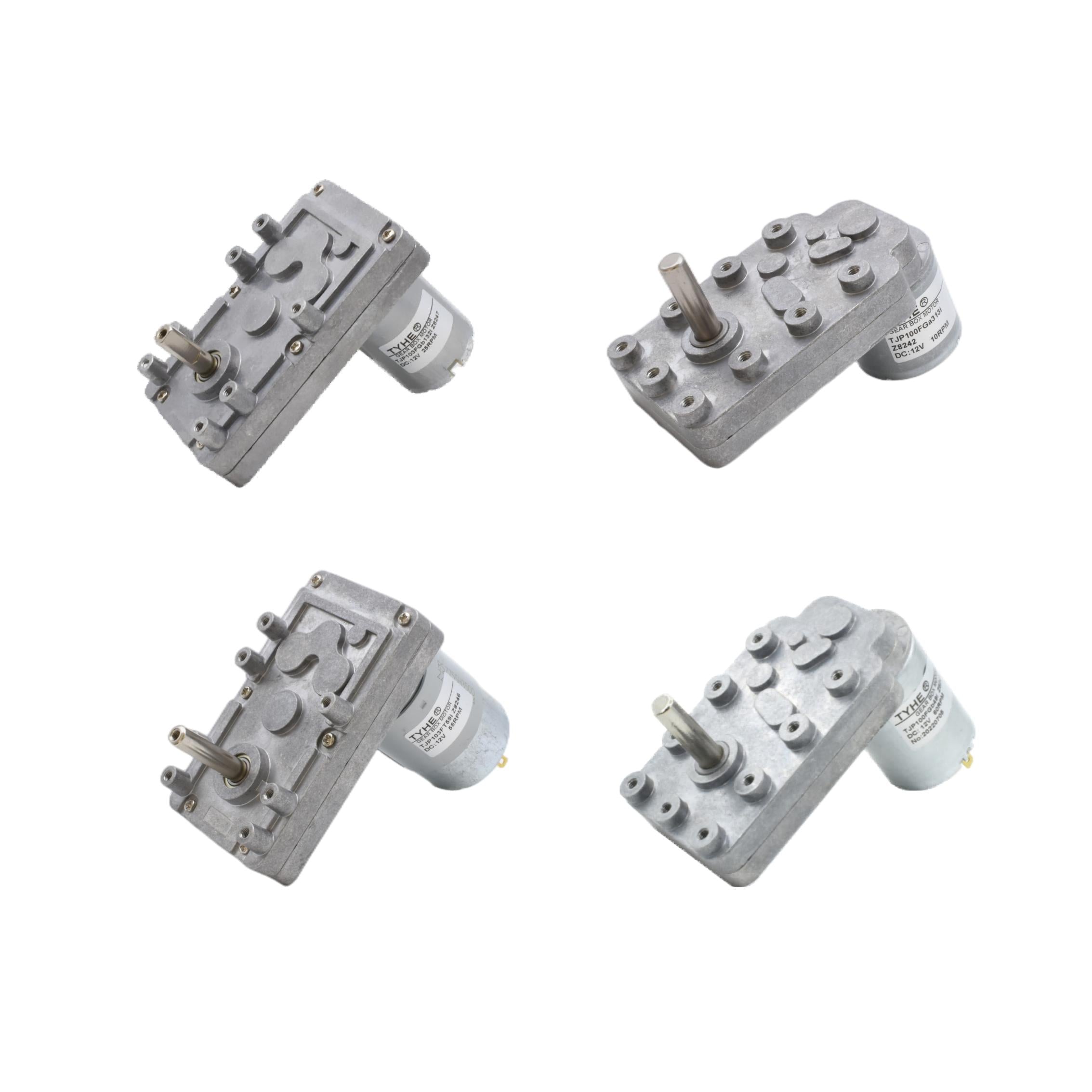
dc worm gear motor
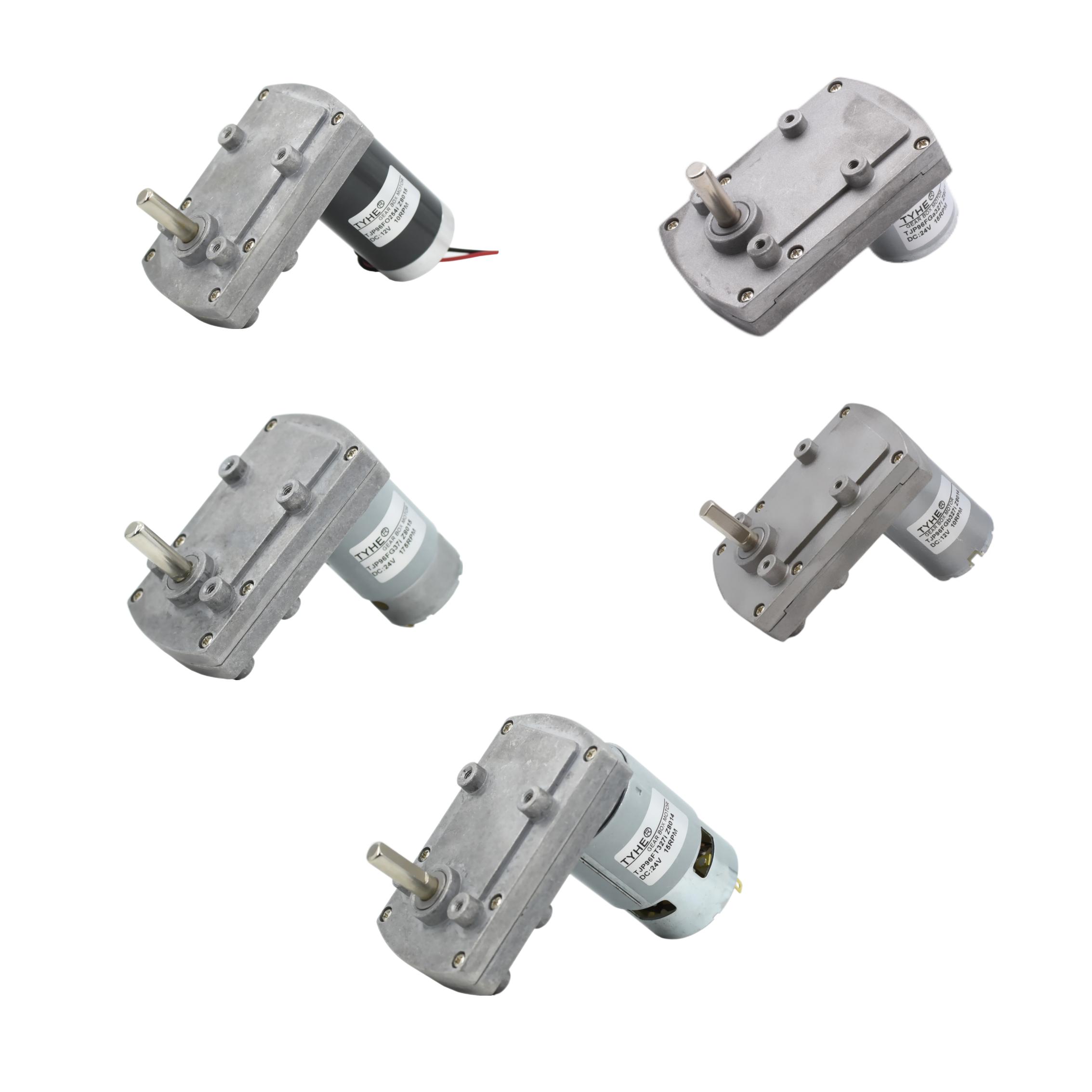
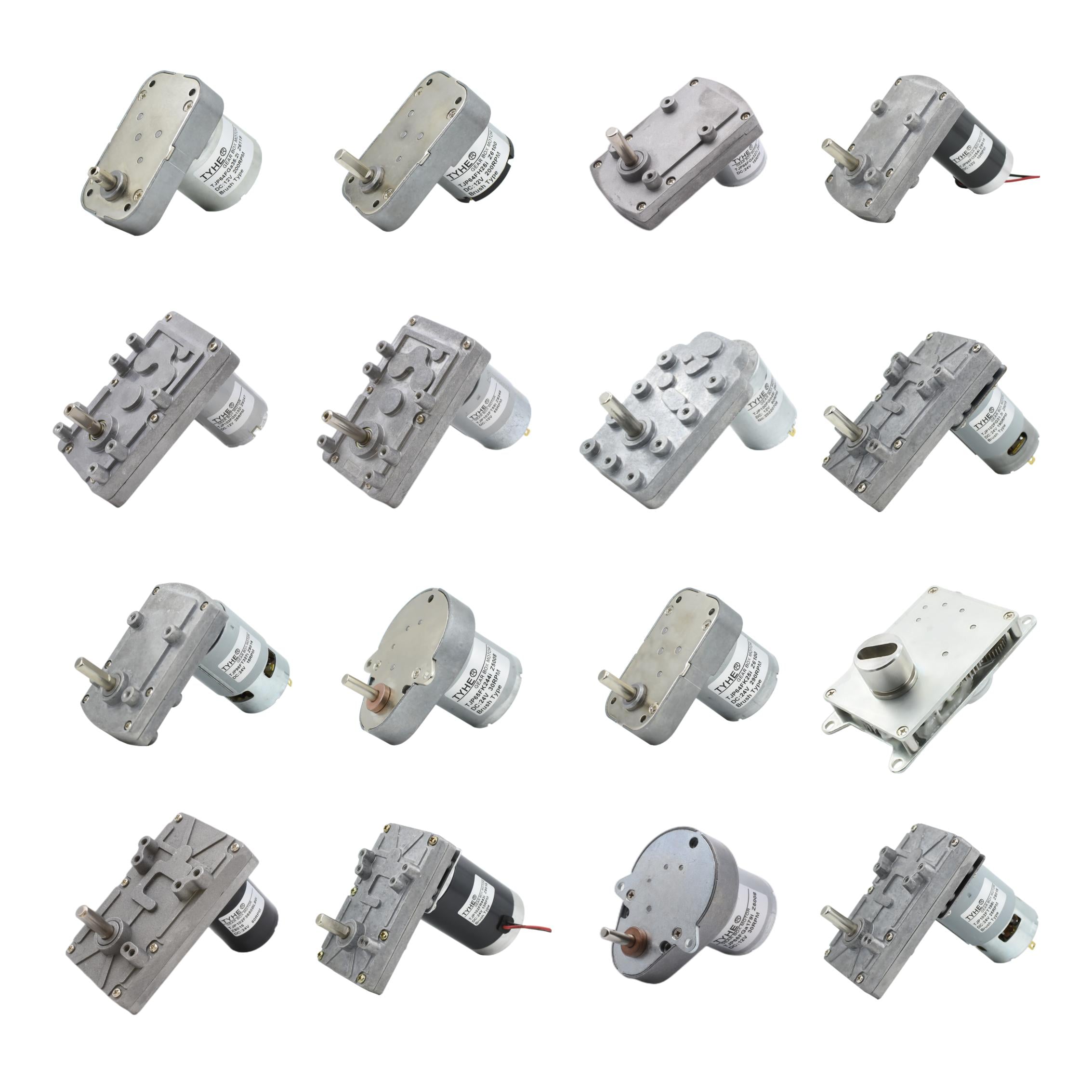
A dc worm gear motor combines a direct-current electric motor with a worm gearbox to deliver controlled, reliable rotary motion. The dc worm gear motor changes electrical energy into mechanical movement, while the gearbox reduces speed and increases useful torque. This design suits equipment that needs steady output, compact construction, and simple speed control. A dc worm gear motor can run from common low-voltage power supplies, making it practical for battery systems, control panels, mobile equipment, and automated machines. The motor section provides fast response and convenient forward or reverse operation. The worm section transfers motion through a screw-like gear and wheel, helping the dc worm gear motor achieve a high reduction ratio in a small space. Many models also provide a self-locking effect when the load cannot easily drive the gearbox backward. This feature can help hold a position without continuous electrical power, depending on the ratio, load, and design. Key technologies include permanent-magnet DC motors, metal or reinforced gear sets, sealed bearings, thermal protection, and optional encoders. Customers can choose brushed or brushless versions, different voltage ratings, shaft layouts, gear ratios, and mounting styles. A dc worm gear motor may support simple on-off control, pulse-width modulation, limit switches, or closed-loop feedback. Typical uses include conveyors, lifting devices, valves, gates, medical equipment, packaging machines, vending systems, and adjustable furniture. Before selecting a dc worm gear motor, buyers should compare rated torque, speed, duty cycle, current draw, noise level, backlash, environmental protection, and available space. The right match improves machine performance and reduces replacement risk.

 EN