
 EN
EN
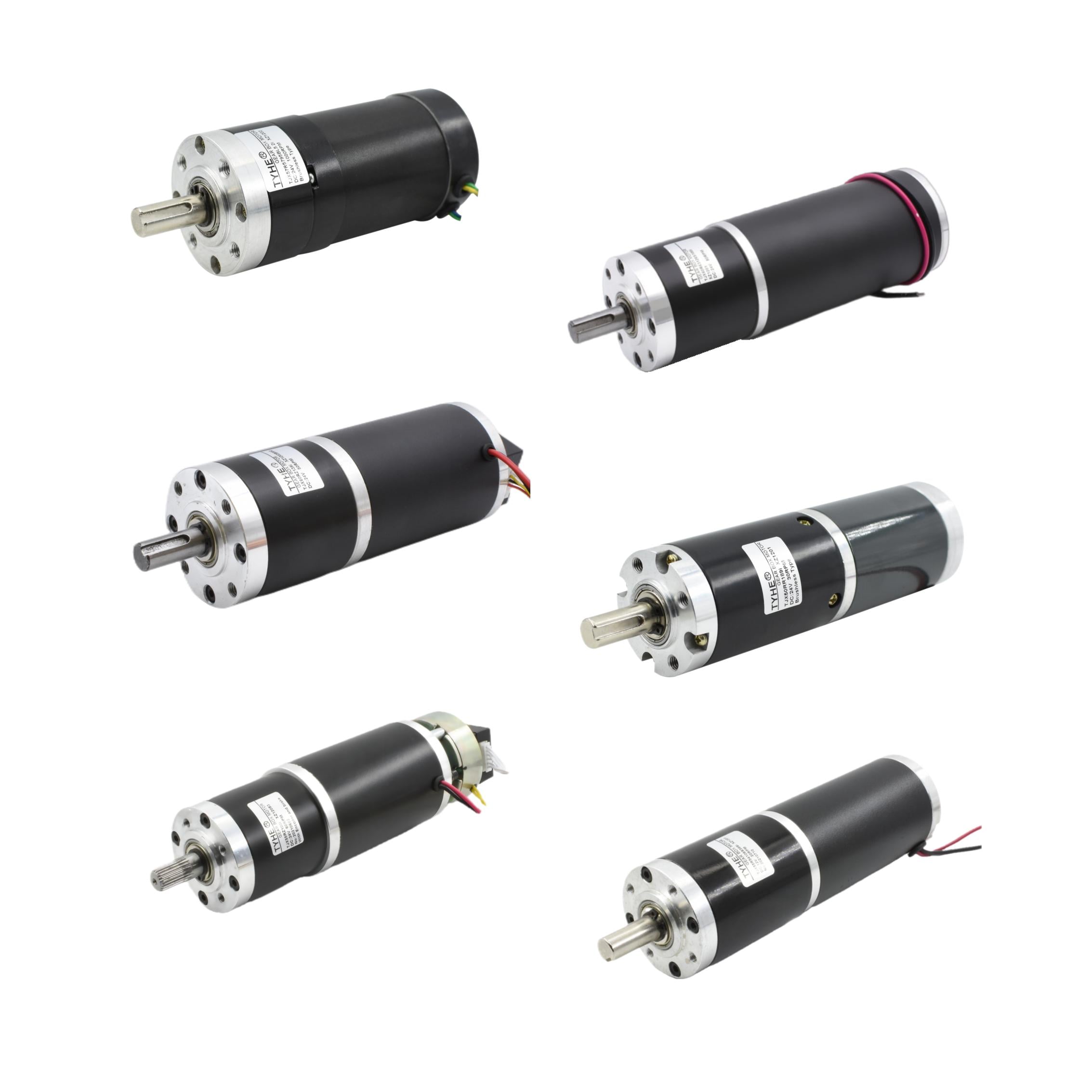
Industrial automation and precision machinery demand advanced power transmission solutions that deliver exceptional efficiency, reliability, and compact performance. The planetary gear motor has emerged as a critical component across diverse applications, from robotics and manufacturing equipment to renewable energy systems and automotive technologies. This sophisticated drivetrain system combines the precise control of servo motors with the mechanical advantage of planetary gearing, creating an optimal balance between power density and operational efficiency that modern industries require.
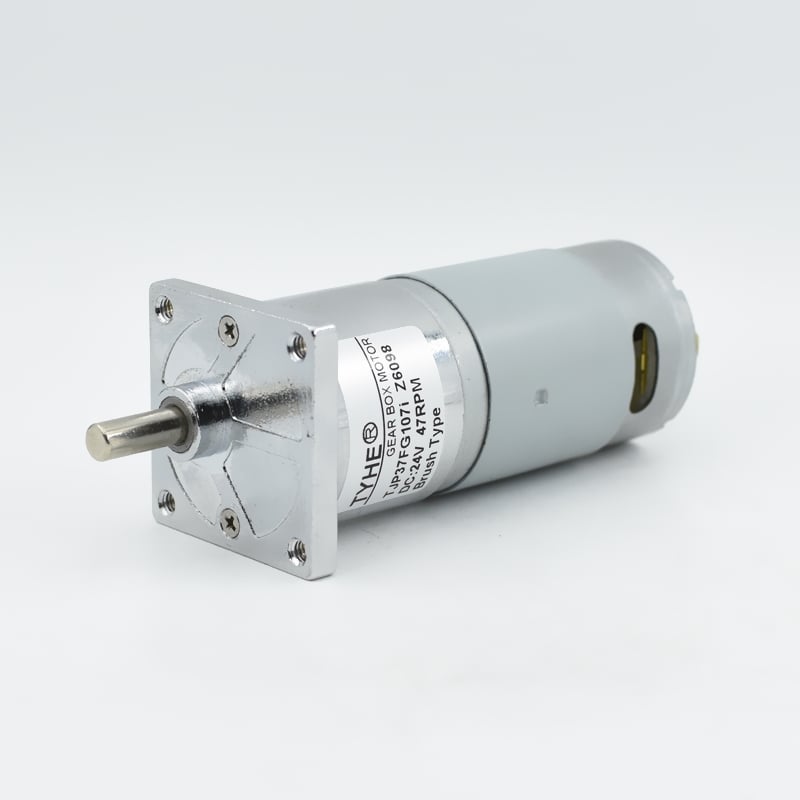
Understanding Planetary Gear Motor Architecture
Core Components and Design Principles
The planetary gear motor integrates multiple essential components that work together to achieve superior performance characteristics. The central sun gear receives input power from the motor, while multiple planet gears orbit around this central component, engaging with both the sun gear and an outer ring gear. This configuration creates multiple contact points that distribute load effectively, resulting in higher torque capacity and improved durability compared to traditional gear systems.
The housing assembly of a planetary gear motor incorporates precision-machined components that maintain exact gear alignment and minimize backlash. Advanced manufacturing techniques ensure that each planetary gear motor maintains consistent performance across extended operational periods. The carrier assembly holds the planet gears in precise positions, allowing for smooth rotation while maintaining optimal gear mesh characteristics that contribute to overall system efficiency.
Mechanical Advantage and Torque Multiplication
The unique geometry of planetary gearing enables significant torque multiplication while maintaining compact dimensions. When the sun gear rotates, it drives the planet gears, which in turn rotate around their own axes while orbiting the sun gear. This dual motion creates a mechanical advantage that allows a planetary gear motor to produce substantially higher output torque than the input torque from the motor alone.
Engineers can achieve various gear ratios by modifying the number of teeth on each gear component within the planetary gear motor system. Common ratios range from 3:1 to over 100:1, providing flexibility for different application requirements. The ability to achieve high reduction ratios in a single stage eliminates the need for multiple gear stages, reducing overall system complexity and improving reliability.
Efficiency Advantages in Modern Applications
Power Transmission Optimization
The efficiency benefits of planetary gear motor systems stem from their unique load distribution characteristics. Unlike traditional gear arrangements where power transmits through single contact points, planetary configurations distribute loads across multiple gear meshes simultaneously. This parallel power path approach reduces stress concentrations and minimizes energy losses due to friction and wear.
Modern planetary gear motor designs achieve efficiency ratings exceeding 95% in many applications. These high efficiency levels result from precision manufacturing techniques, advanced gear tooth profiles, and optimized lubrication systems. The reduced energy losses translate directly into lower operating costs and improved system performance across industrial applications.
Heat Dissipation and Thermal Management
Efficient heat dissipation represents another critical advantage of planetary gear motor systems. The distributed load arrangement generates less heat per gear contact compared to conventional gear systems. Additionally, the compact housing design provides effective heat transfer paths that maintain optimal operating temperatures even under demanding conditions.
Advanced planetary gear motor designs incorporate thermal management features such as cooling fins, heat sinks, and optimized airflow patterns. These thermal control measures ensure consistent performance and extend component life by preventing overheating conditions that could degrade lubricants or cause thermal expansion issues that affect gear mesh quality.
Industrial Applications and Performance Benefits
Robotics and Automation Systems
Robotics applications particularly benefit from planetary gear motor technology due to the precise positioning requirements and high-speed operation characteristics. Industrial robots require actuators that provide accurate motion control while maintaining consistent performance over millions of operational cycles. The low backlash characteristics of quality planetary gear motor systems enable precise positioning that meets the demanding requirements of modern automation systems.
Collaborative robots and articulated arm systems utilize planetary gear motor assemblies in joint actuators where space constraints demand compact solutions without compromising performance. The high power density achievable with planetary gearing allows robot designers to minimize actuator size while maintaining the torque capabilities necessary for payload handling and precise motion control.
Renewable Energy and Wind Power
Wind turbine applications represent one of the most demanding environments for planetary gear motor systems. The main gearbox in large wind turbines typically incorporates multiple planetary stages to achieve the speed increase necessary for efficient generator operation. These systems must operate reliably in harsh environmental conditions while handling variable loads and continuous operation cycles.
The efficiency characteristics of planetary gear motor systems directly impact the overall energy production of wind installations. Higher gearbox efficiency means more captured wind energy converts to electrical output, improving the economic viability of wind projects. Modern wind turbine gearboxes achieve efficiency levels above 97% through advanced planetary gear motor designs and precision manufacturing techniques.
Selection Criteria and Design Considerations
Load Characteristics and Duty Cycle Analysis
Proper selection of planetary gear motor systems requires careful analysis of application-specific load characteristics. Engineers must consider peak torque requirements, continuous duty ratings, and dynamic load conditions that affect system performance. The ability of planetary gear motor systems to handle both radial and axial loads provides advantages in applications where space constraints limit bearing support options.
Duty cycle considerations influence planetary gear motor selection, particularly in applications with frequent start-stop cycles or varying load conditions. The thermal mass of planetary gear motor assemblies provides thermal stability that helps maintain consistent performance during cyclic operations. This thermal stability contributes to extended service life and reduced maintenance requirements compared to alternative drive solutions.
Environmental and Mounting Requirements
Environmental factors significantly impact planetary gear motor performance and longevity. Sealed housing designs protect internal components from contaminants while specialized lubricants maintain performance across wide temperature ranges. Food-grade applications require planetary gear motor systems with appropriate sealing and lubricant compatibility for sanitary operations.
Mounting configurations affect both installation complexity and system performance. Planetary gear motor systems offer flexibility in mounting orientations while maintaining proper lubrication distribution. Flange-mounted and foot-mounted options accommodate different installation requirements, while hollow shaft configurations enable direct coupling to driven equipment without additional coupling hardware.
Maintenance and Reliability Considerations
Predictive Maintenance Strategies
Modern planetary gear motor systems incorporate condition monitoring capabilities that enable predictive maintenance programs. Vibration monitoring, temperature sensing, and lubricant analysis provide early warning indicators of potential issues before they result in system failures. These monitoring systems help optimize maintenance schedules and reduce unplanned downtime in critical applications.
The distributed load characteristics of planetary gear motor systems contribute to gradual wear patterns that provide warning signs before catastrophic failures occur. This graceful degradation characteristic allows maintenance teams to schedule repairs during planned downtime periods rather than responding to emergency failures that disrupt production schedules.
Lubrication Systems and Service Intervals
Proper lubrication plays a crucial role in planetary gear motor performance and longevity. Synthetic lubricants provide extended service intervals while maintaining consistent viscosity across wide temperature ranges. The enclosed nature of planetary gear motor systems protects lubricants from contamination while ensuring adequate lubrication reaches all critical gear mesh points.
Service interval optimization balances maintenance costs with reliability requirements. High-quality planetary gear motor systems can operate for thousands of hours between lubricant changes when properly specified for application conditions. Automatic lubrication systems further extend service intervals while ensuring consistent lubricant supply to critical components throughout operational cycles.
FAQ
What makes planetary gear motors more efficient than other gear systems
Planetary gear motors achieve higher efficiency through their unique load distribution design where multiple planet gears share the transmitted load simultaneously. This parallel power transmission approach reduces stress on individual components while minimizing friction losses. Additionally, the compact geometry requires fewer gear stages to achieve high reduction ratios, eliminating efficiency losses that occur in multi-stage conventional gear systems.
How do I determine the right gear ratio for my planetary gear motor application
Selecting the appropriate gear ratio requires analyzing your application's speed and torque requirements. Calculate the ratio by dividing the input speed by the desired output speed, then verify that the resulting output torque meets your load requirements. Consider factors such as starting torque, peak load conditions, and speed regulation requirements. Consulting with planetary gear motor manufacturers can help optimize the selection for specific application parameters.
What maintenance practices extend planetary gear motor service life
Regular lubricant monitoring and replacement according to manufacturer recommendations represents the most critical maintenance practice. Monitor operating temperatures and vibration levels to detect early signs of wear or misalignment. Ensure proper mounting and alignment during installation to prevent premature bearing wear. Keep housing seals in good condition to prevent contamination, and avoid overloading the system beyond rated capacity specifications.
Can planetary gear motors operate in harsh environmental conditions
Modern planetary gear motor systems can operate reliably in challenging environments when properly specified and protected. Sealed housing designs with appropriate IP ratings protect against dust and moisture ingress. Special lubricants maintain performance across extreme temperature ranges, while corrosion-resistant materials and coatings provide protection in chemical or marine environments. Proper environmental assessment ensures selection of appropriate protection levels for specific operating conditions.
