stepper motor and dc motor
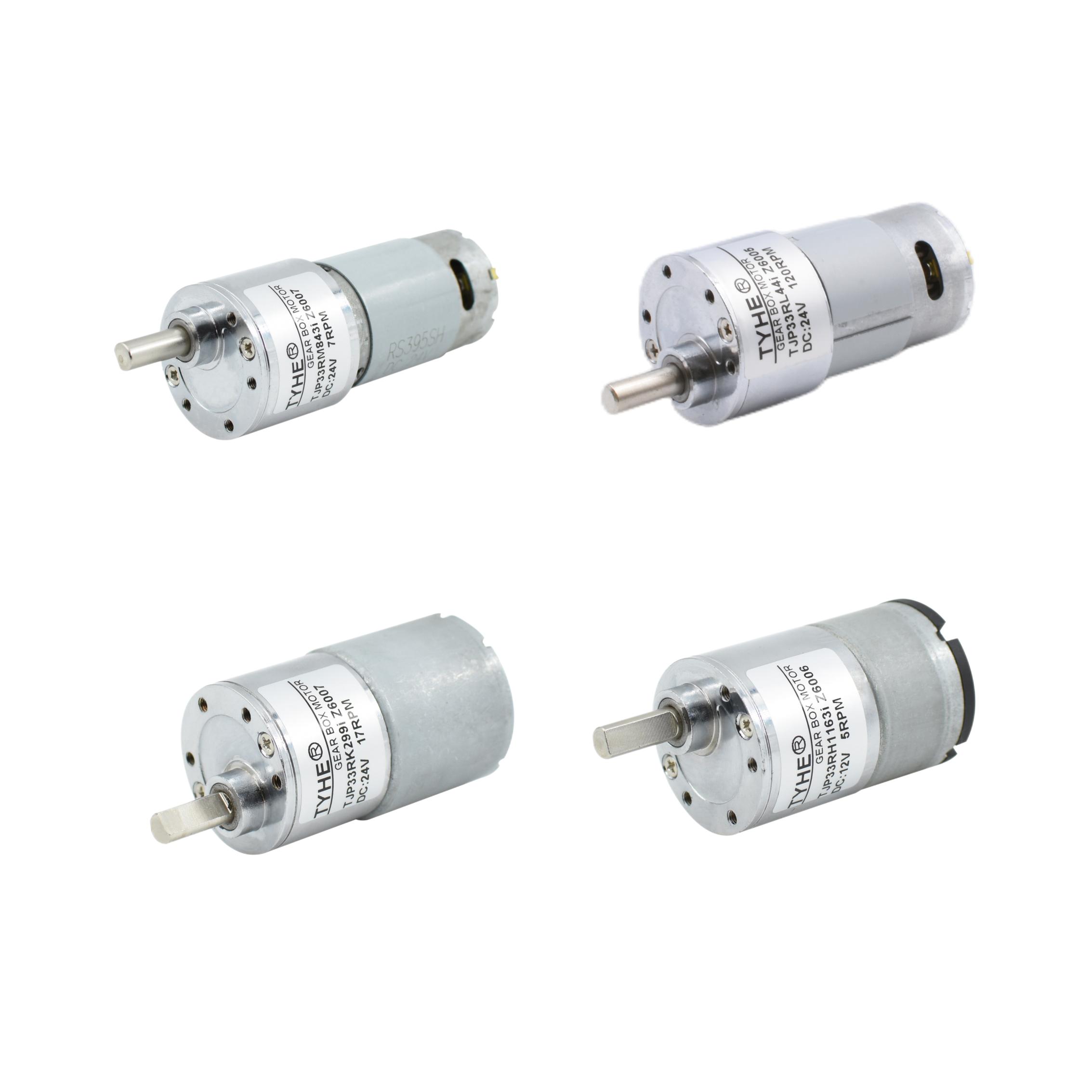
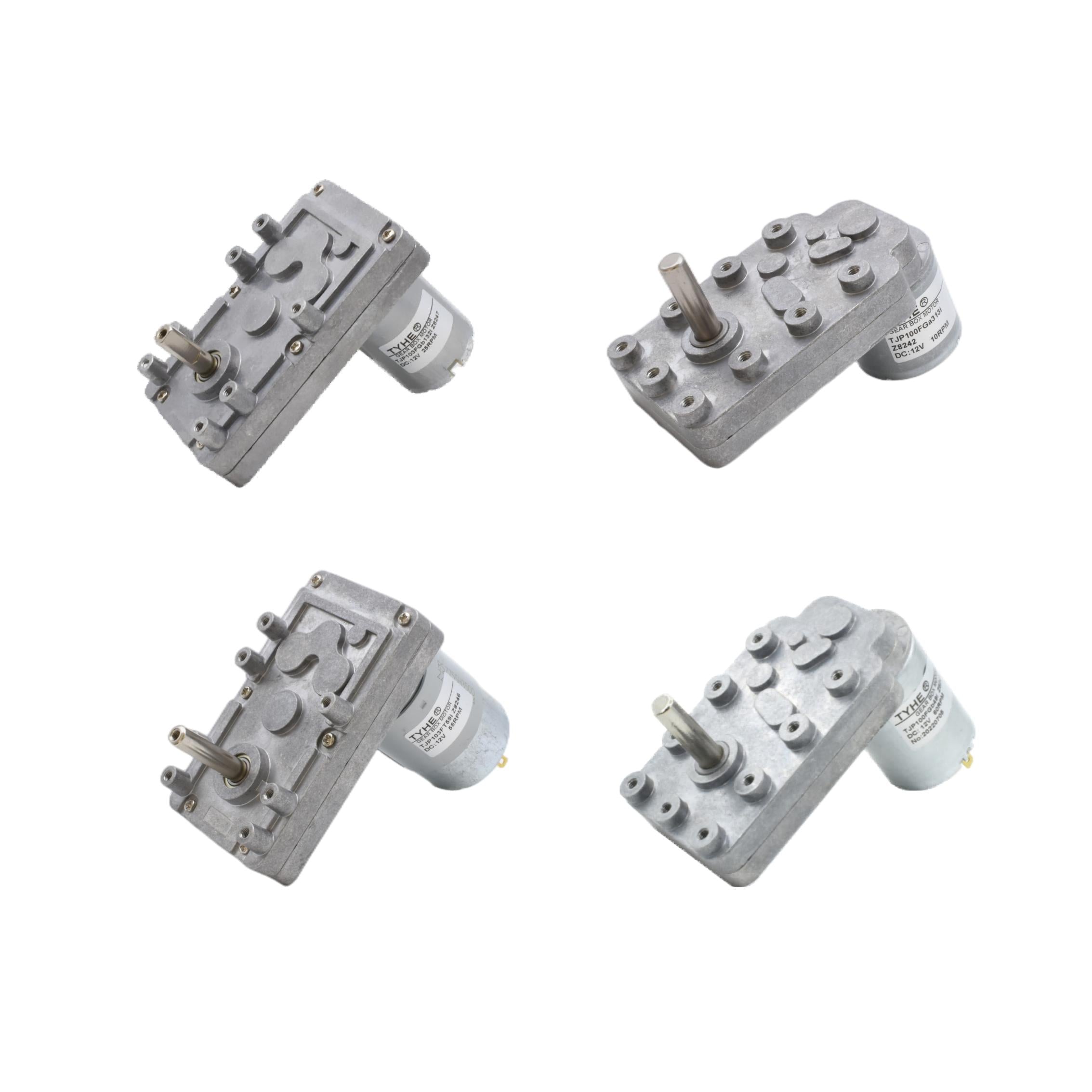
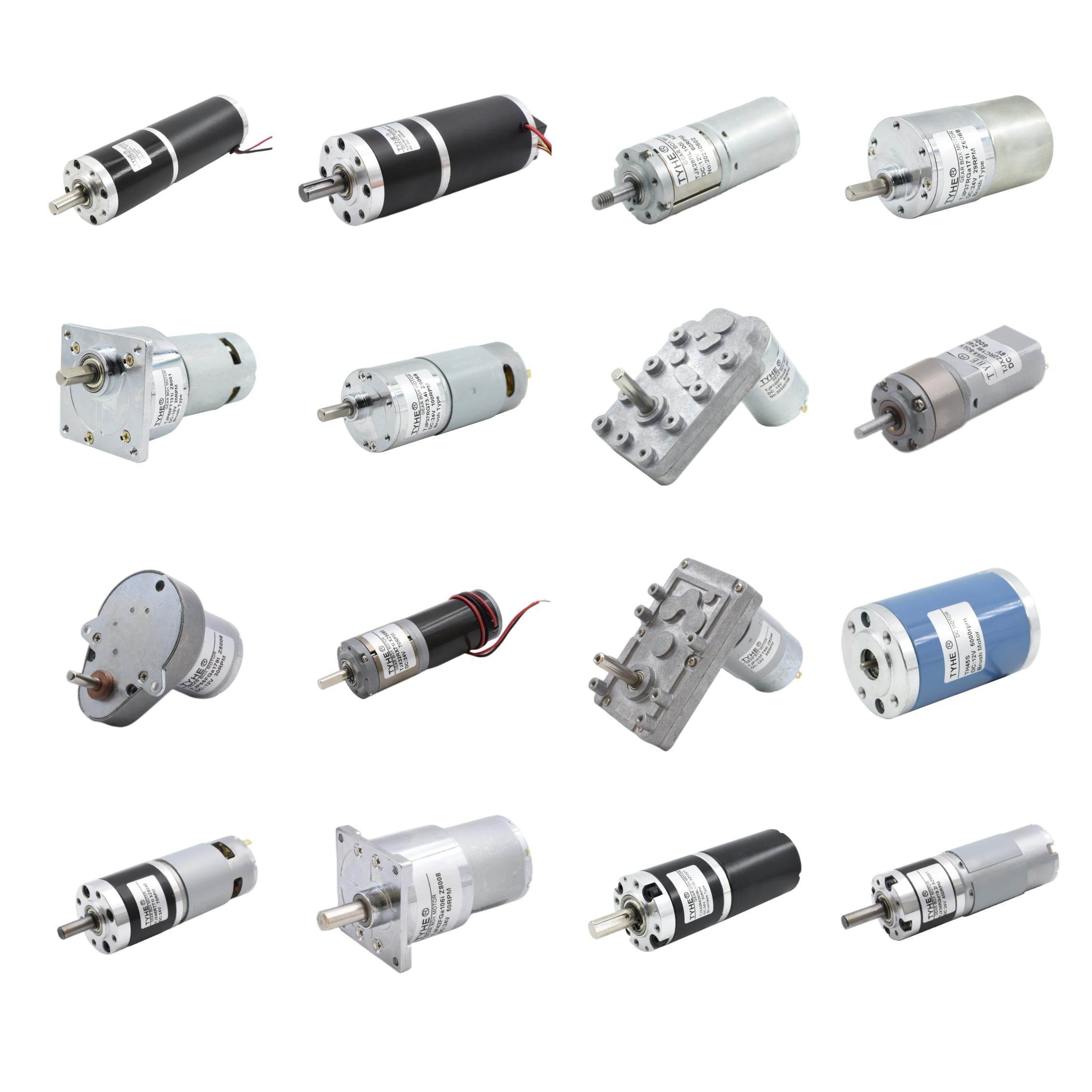
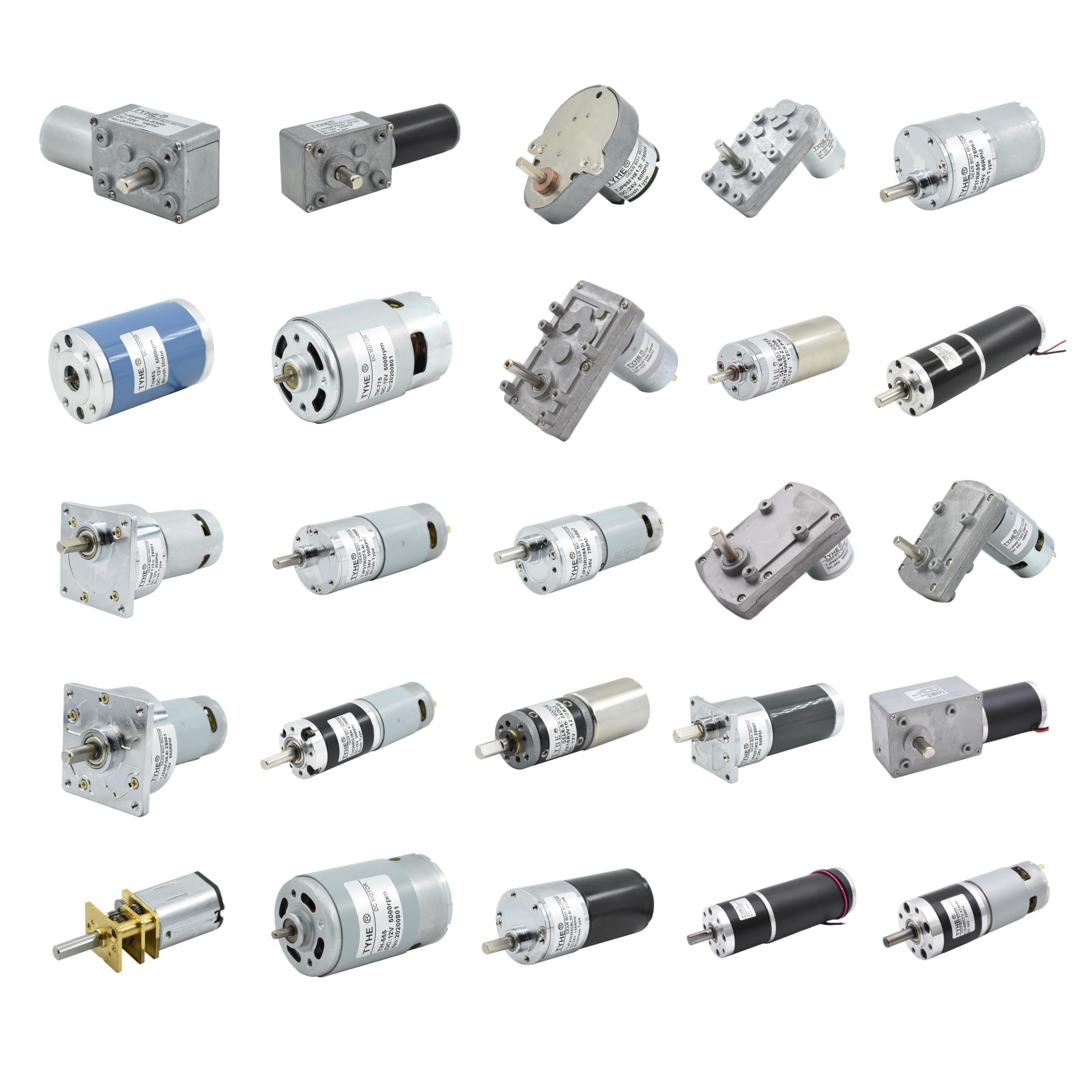
The stepper motor and dc motor are two practical electric drive choices for turning electrical energy into controlled mechanical motion. The stepper motor and dc motor suit different operating needs, so selecting between them starts with understanding how each one works. A stepper motor moves in measured angular steps, allowing a controller to position a shaft without requiring a separate feedback device in many systems. The stepper motor and dc motor can both provide rotation, but the stepper motor focuses on repeatable position while a dc motor focuses on smooth, continuous speed. The stepper motor and dc motor also differ in control method, torque behavior, and response to changing loads. A stepper motor commonly uses a driver to energize internal coils in a planned sequence. This design gives the stepper motor accurate movement at low and moderate speeds. A brushed dc motor uses direct current and usually needs a switch, controller, or speed regulator; a brushless dc design uses electronic switching for longer service life. The stepper motor and dc motor appear in printers, scanners, packaging machines, laboratory equipment, pumps, fans, conveyors, medical devices, and mobile products. The stepper motor and dc motor can be supplied in compact sizes or larger industrial formats, with options such as gearboxes, encoders, brakes, and custom shafts. The stepper motor and dc motor support automation by providing predictable motion, adjustable speed, and useful torque. In simple terms, choose a stepper motor when position and repeatability matter most; choose a dc motor when smooth rotation, higher speed, or efficient variable-speed operation matters more. The stepper motor and dc motor therefore cover a broad range of customer requirements.

 EN