Paper Feeder Motor for Reliable Printing

All Categories

paper feeder motor

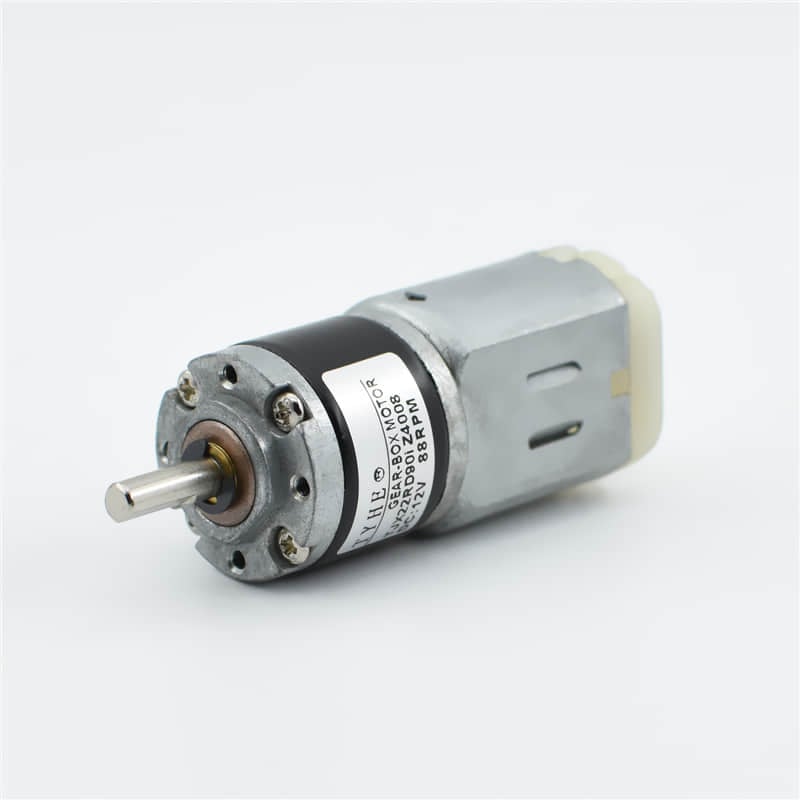
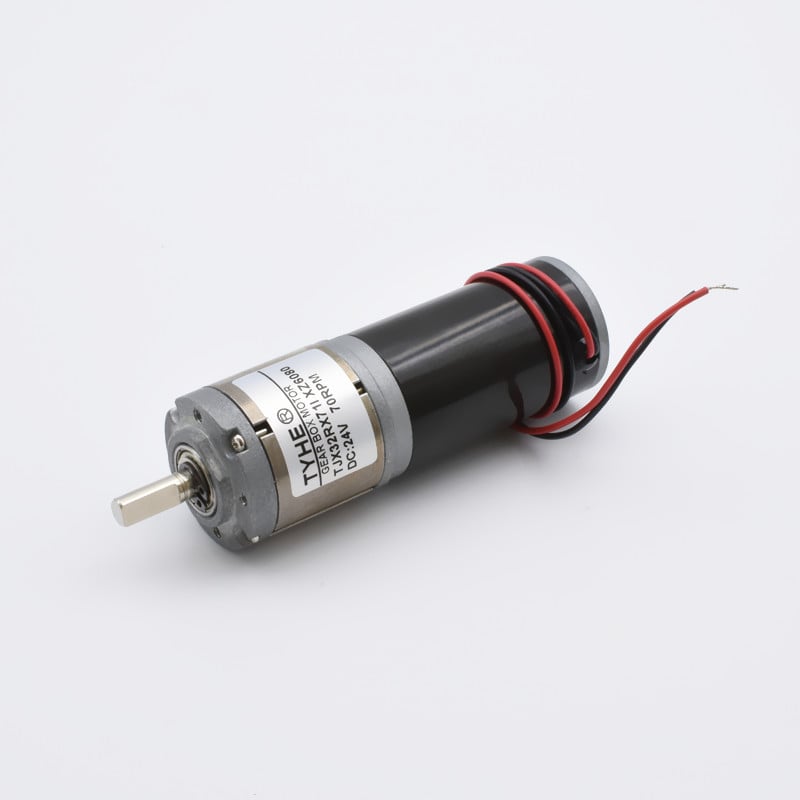
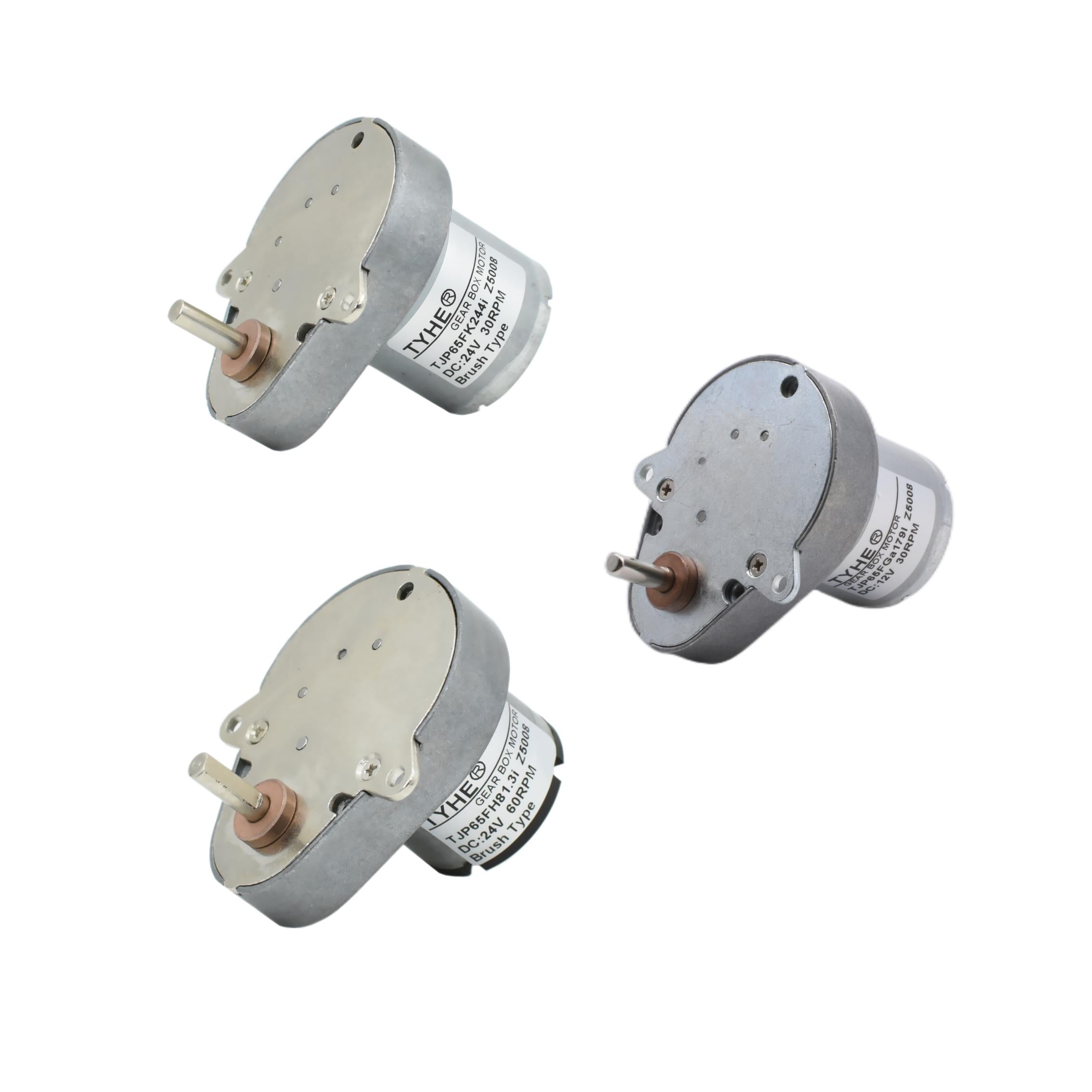
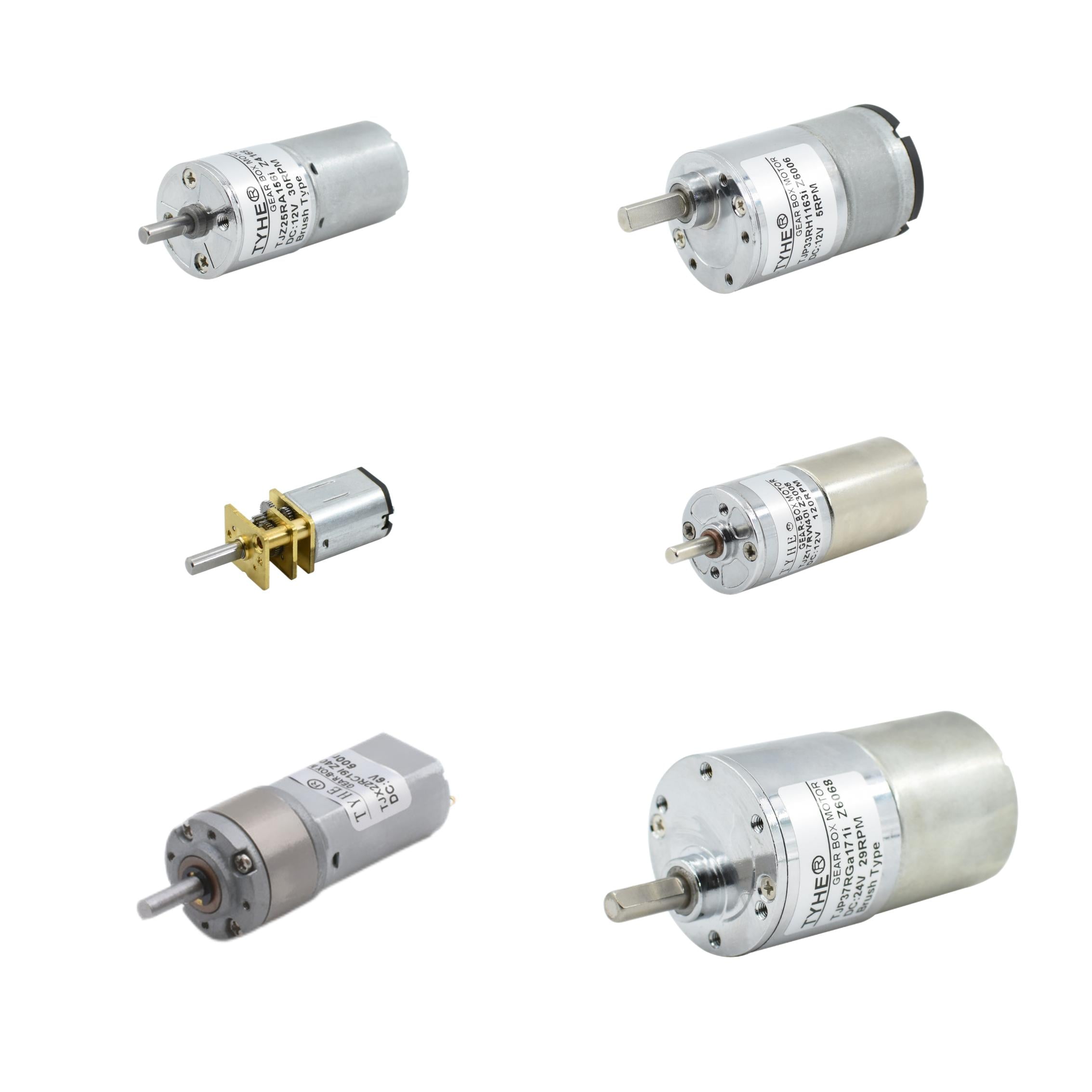
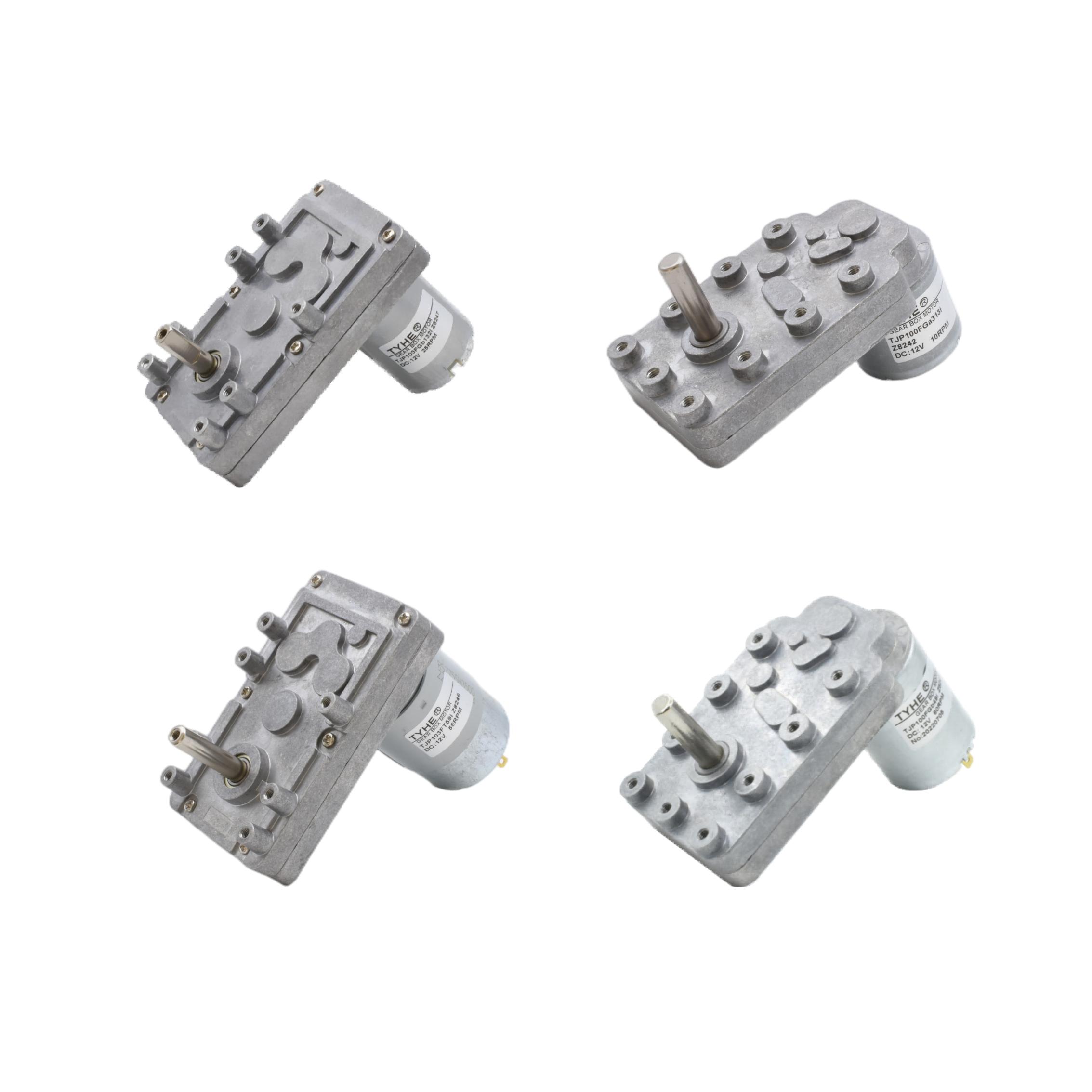
The paper feeder motor is the drive unit that moves sheets from a paper tray into a printer, copier, scanner, or multifunction machine. It controls the rollers that pick up, separate, and guide each sheet toward the printing path. At its core, the paper feeder motor converts electrical power into steady rotary motion, helping equipment handle paper at a controlled speed. A paper feeder motor supports accurate feeding by working with pickup rollers, separation pads, sensors, and control boards. The paper feeder motor can start, stop, reverse, and adjust speed according to commands from the machine controller. This paper feeder motor design helps reduce double feeds, skewed pages, paper jams, and missed sheets. Because the paper feeder motor works repeatedly during every print cycle, modern models use efficient magnetic systems, durable bearings, and heat-resistant materials. A modern paper feeder motor may include precise speed control, compact construction, low vibration, and quiet operation. A well-matched paper feeder motor also responds quickly to changing paper sizes, weights, and feed rates. Unlike a basic rotating device, the paper feeder motor must deliver consistent torque under changing loads. For equipment makers, the paper feeder motor offers a practical way to improve feed reliability without adding excessive size or power demand. For service teams, a paper feeder motor with stable output can simplify fault diagnosis and replacement. When selected correctly, the paper feeder motor supports smooth paper handling, longer machine life, and predictable daily performance. Its applications range from home printers and office copiers to commercial presses, label systems, digital duplicators, and automated document equipment.

New Product Releases

The main advantage of a paper feeder motor is reliable sheet movement. It gives the rollers enough controlled force to pick up paper cleanly, which helps users avoid repeated jams and interrupted jobs. A paper feeder motor also maintains a more even feed rate, so pages enter the print path in the correct position. This improves output quality and reduces wasted paper, ink, toner, and operator time. For buyers, a paper feeder motor can deliver value through fewer service calls and less downtime. The paper feeder motor supports automatic printing tasks, allowing staff to process larger batches without constant manual adjustment. Its compact size makes it suitable for equipment where space is limited, while efficient power use helps control energy consumption. A well-designed paper feeder motor produces low vibration and noise, making it comfortable for offices, schools, retail counters, and home work areas. The paper feeder motor can also support different tray designs and roller arrangements, so manufacturers can match it with standard, recycled, coated, or thicker media. When a machine needs frequent starts and stops, a responsive paper feeder motor helps maintain timing between sensors and feed rollers. Durable construction gives the paper feeder motor a longer working life, which can lower replacement frequency and ownership costs. Buyers should compare rated voltage, speed, torque, shaft size, mounting points, duty cycle, and operating temperature before choosing a model. These details determine whether the paper feeder motor will fit the machine and perform reliably under its expected workload. A model with suitable control compatibility can also reduce installation effort. For high-volume equipment, the paper feeder motor should withstand continuous operation without excessive heat. For compact devices, quiet running and low power draw may matter more than maximum torque. This decision context helps customers select performance that matches real use instead of paying for unnecessary capacity. Overall, the paper feeder motor improves productivity, protects printed materials, and supports dependable equipment operation.

Tips And Tricks

The Role of the 24V DC Motor in Modern CNC Machines

21

Aug

The Role of the 24V DC Motor in Modern CNC Machines

The 24V DC motor has become an essential component in modern CNC machine design, providing the precision and reliability required for high-performance manufacturing operations. As industries demand greater accuracy and faster production cycles, the 2...
View More
The Best Micro DC Motor Solutions for Drones and UAVs

21

Aug

The Best Micro DC Motor Solutions for Drones and UAVs

Selecting the right micro dc motor is critical for drone and unmanned aerial vehicle (UAV) performance, reliability, and flight duration. A micro dc motor serves as the foundation of any UAV propulsion system, directly influencing thrust generation, ...
View More
How to Build a Mini Fan Using a Small DC Motor

02

Sep

How to Build a Mini Fan Using a Small DC Motor

Building a mini fan using a small DC motor is an accessible and rewarding DIY project that combines electrical fundamentals with practical craftsmanship. Whether you're interested in learning about motor mechanics, creating a portable cooling solutio...
View More
Micro DC Motor vs. Piezo Motors: A Comparison Guide

30

Oct

Micro DC Motor vs. Piezo Motors: A Comparison Guide

A micro dc motor and a piezo motor can both create controlled motion in compact equipment, but they work in fundamentally different ways. Comparing a micro dc motor with a piezo actuator means looking beyond size: one produces rotation, while the oth...
View More

Get a Free Quote

Our representative will contact you soon.
Email
Mobile/WhatsApp
Name
Company Name
Message
0/1000

paper feeder motor

Stable Feeding for Cleaner Output

Stable Feeding for Cleaner Output

A key selling point of the paper feeder motor is its ability to maintain steady roller movement from the first sheet to the last. Consistent rotation helps each page enter the machine at the intended angle and speed. The paper feeder motor reduces the sudden starts, slips, and speed changes that can cause crooked pages or uneven spacing. This matters when users print reports, invoices, labels, forms, or multi-page documents where alignment affects the final result. The paper feeder motor also works well with sensors that detect sheet position, allowing the controller to coordinate pickup and transfer actions. For customers, this means fewer rejected pages and less time spent removing misfed paper. Stable operation supports both short office jobs and longer production runs. By choosing a paper feeder motor with suitable torque and speed control, equipment manufacturers can create a feeding system that delivers repeatable results across normal paper conditions and changing workloads.
Efficient, Quiet, and Compact Design

Efficient, Quiet, and Compact Design

The paper feeder motor combines useful output with a form that fits inside compact machines. Its efficient electrical design converts more input power into practical roller motion, helping reduce waste and unnecessary heat. Lower heat can protect nearby parts and support longer operating periods. The paper feeder motor also uses balanced moving parts to limit vibration, which helps create a quieter experience in shared offices, classrooms, libraries, and customer service areas. Small dimensions give designers more freedom when arranging trays, guides, sensors, and service access. The paper feeder motor can therefore support slim desktop printers as well as larger multifunction systems. For buyers, efficient operation may lower energy use, while quiet running improves workplace comfort. A compact paper feeder motor can also make replacement easier when the original component reaches the end of its service life. This combination of size, sound control, and power efficiency creates practical value without sacrificing dependable sheet movement.
Built for Flexible Equipment Use

Built for Flexible Equipment Use

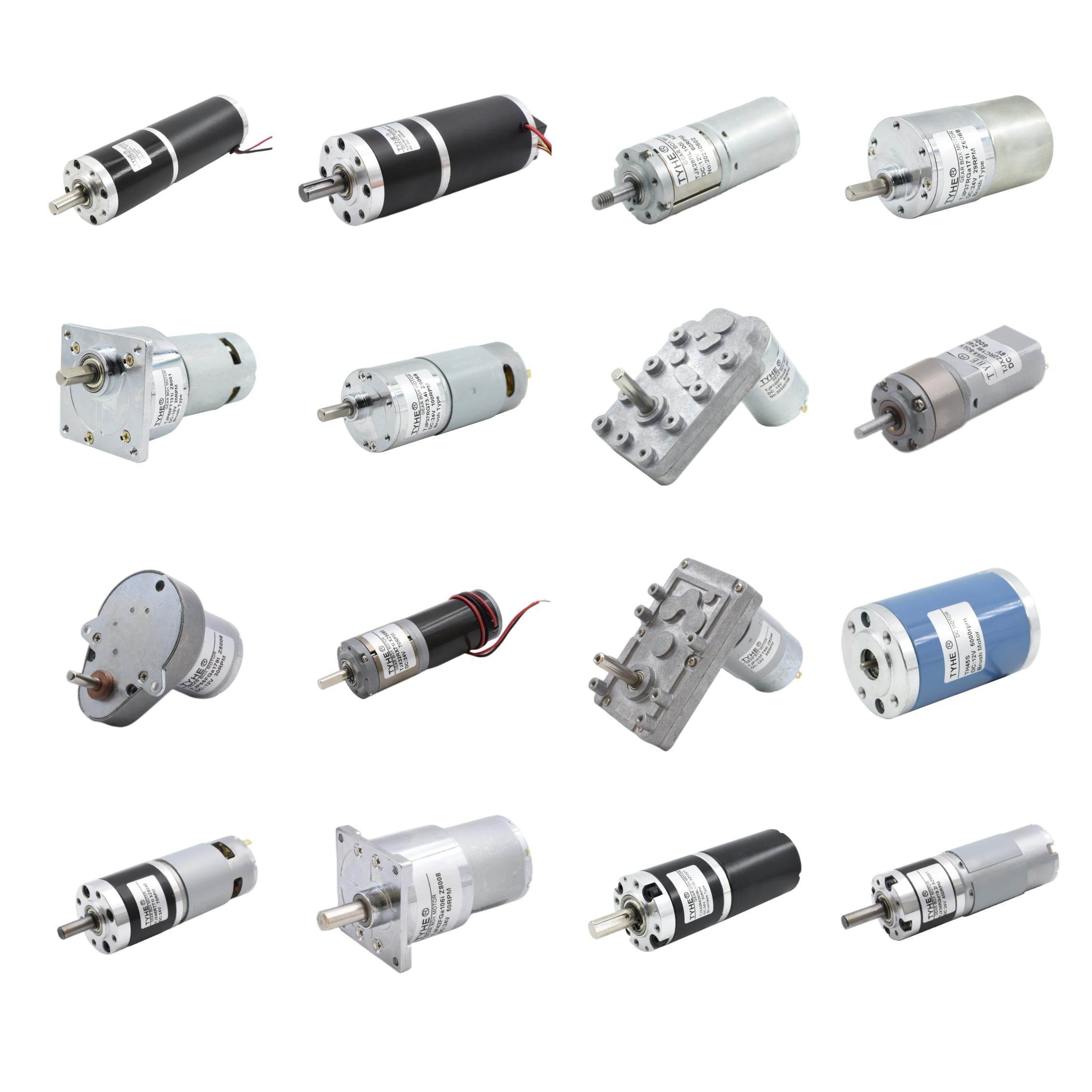
Another important benefit of the paper feeder motor is its suitability for many paper handling applications. Manufacturers can specify versions with different voltage ratings, shaft designs, mounting options, speeds, and torque levels. This flexibility helps the paper feeder motor serve home printers, office copiers, scanners, label printers, digital presses, and automated document systems. The paper feeder motor can be selected for intermittent tasks, frequent batch printing, or demanding repeated cycles. Matching the unit to the application helps prevent underperformance, overheating, and premature wear. Customers also gain a clearer replacement path because key physical and electrical specifications can guide model selection. The paper feeder motor works especially well when paired with compatible rollers, sensors, and control electronics. This supports smoother integration during new equipment development or repair. For original equipment manufacturers, flexible configuration can simplify product design. For distributors and maintenance teams, broad application suitability can reduce inventory complexity and improve the chance of finding a practical replacement quickly.
Paper Feeder Motor for Reliable Printing

Get a Free Quote

Our representative will contact you soon.
Email
Mobile/WhatsApp
Name
Company Name
Message
0/1000
Paper Feeder Motor for Reliable Printing