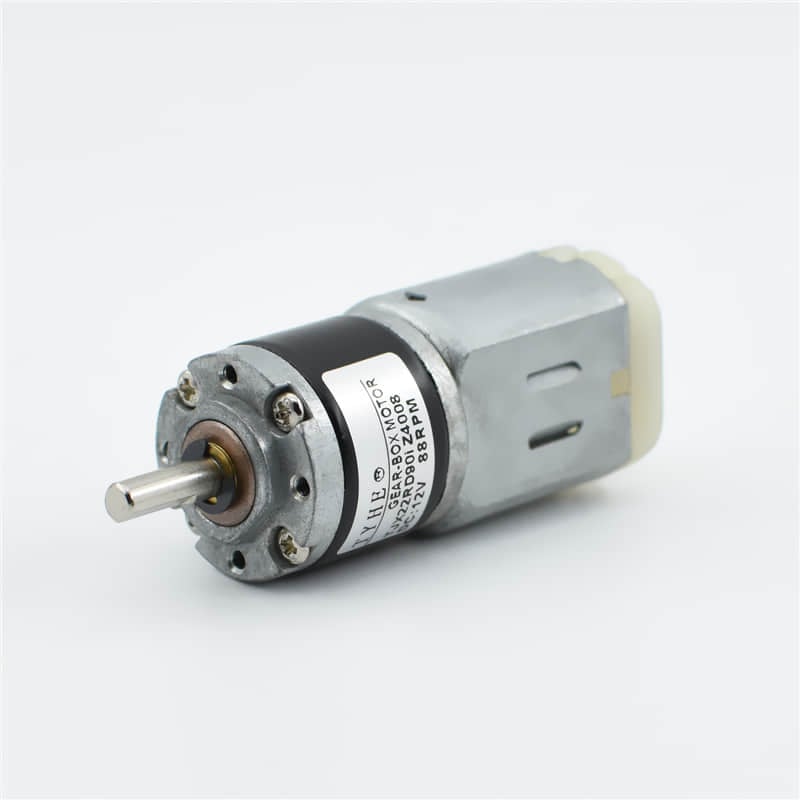
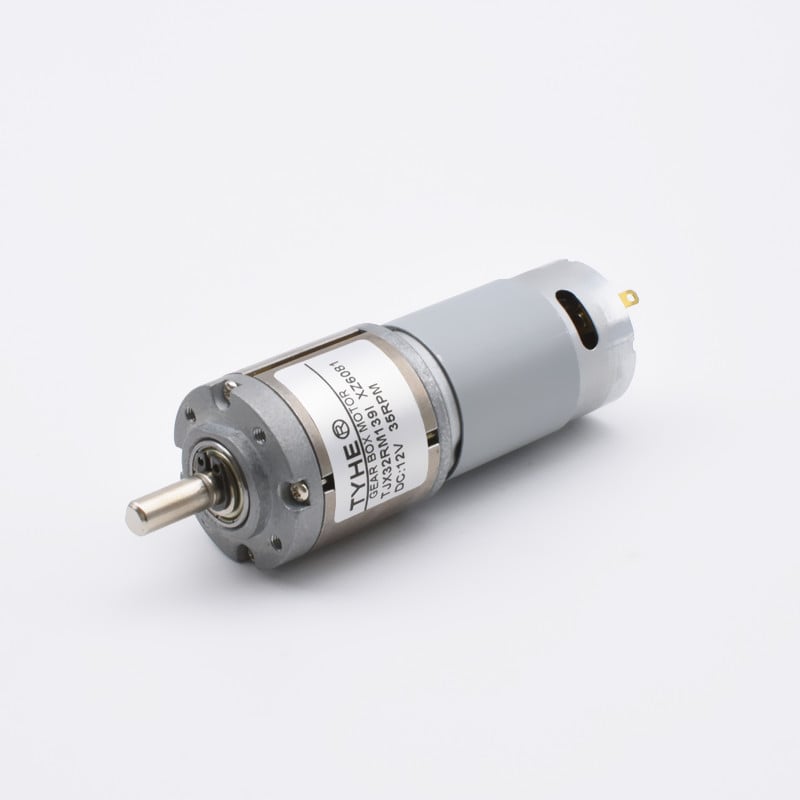
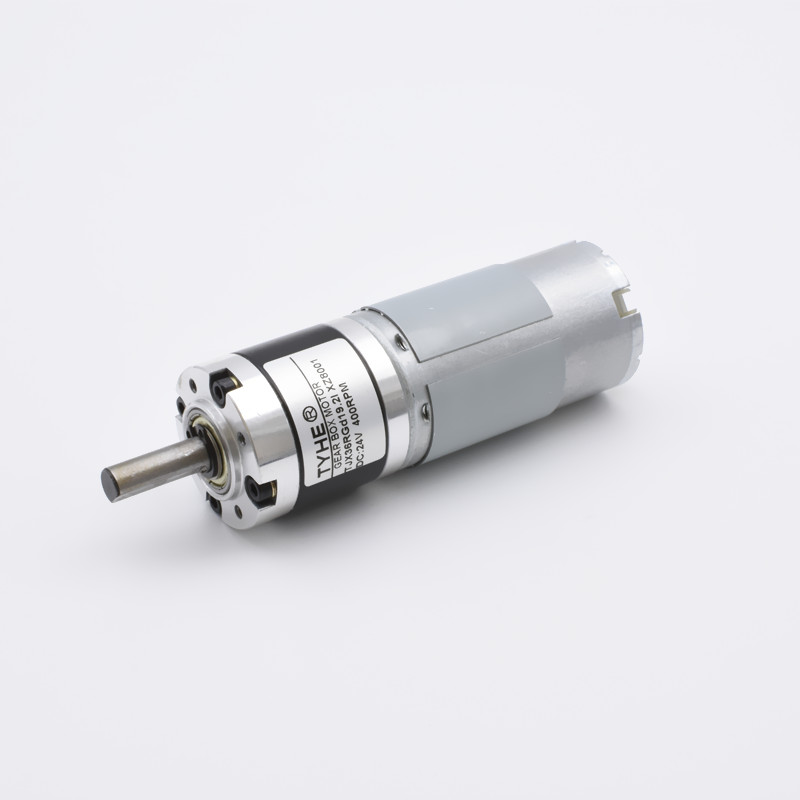
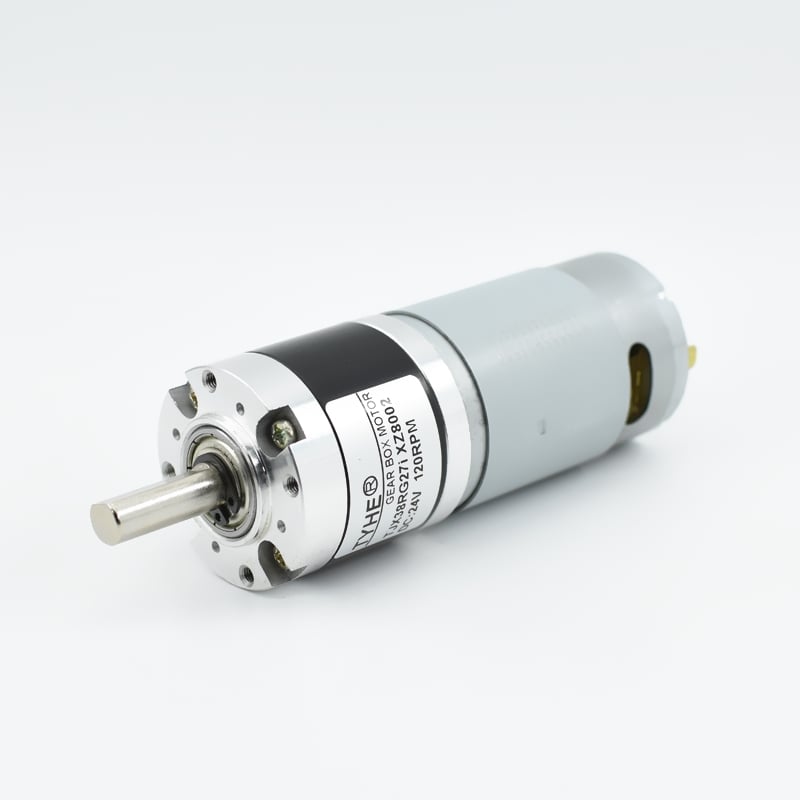
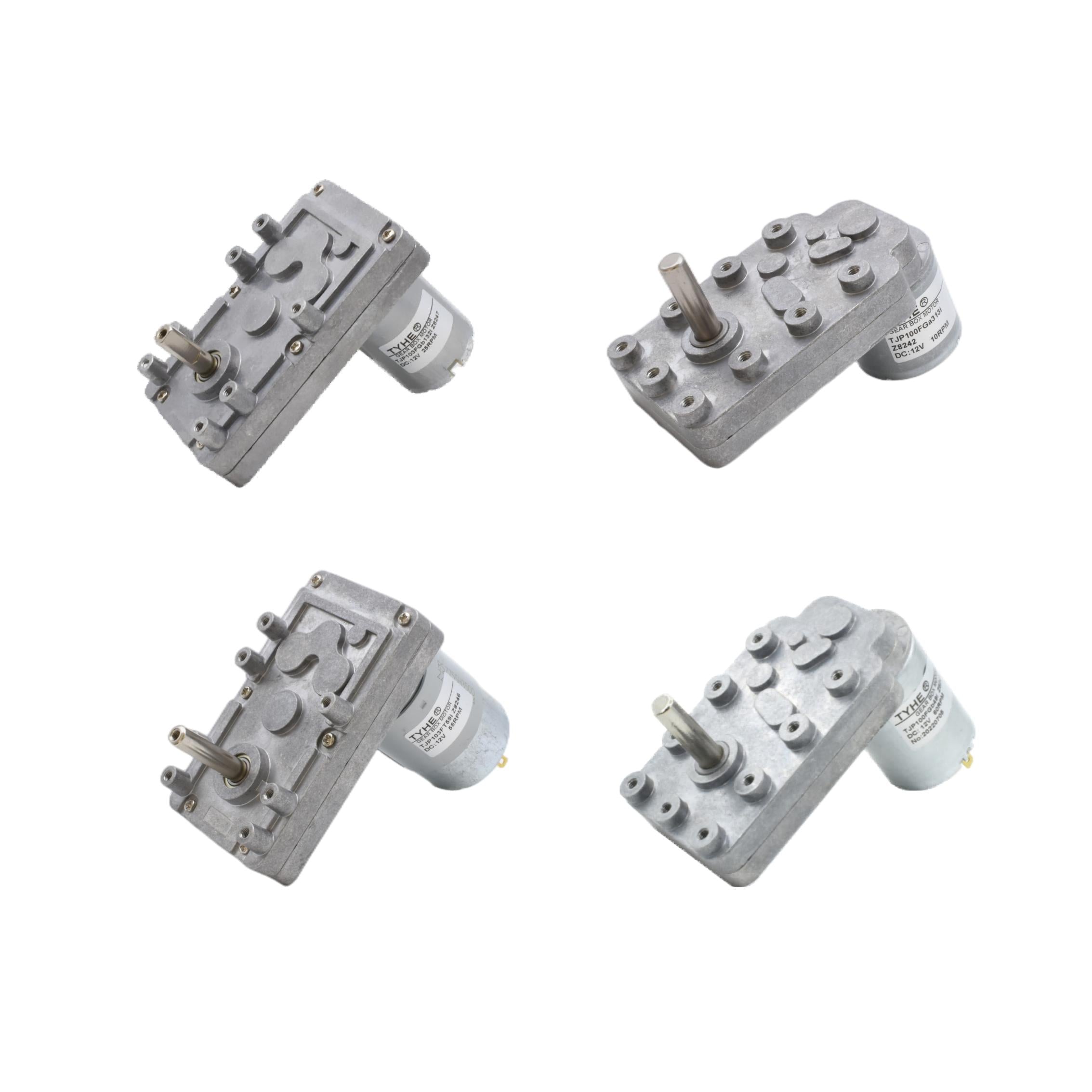
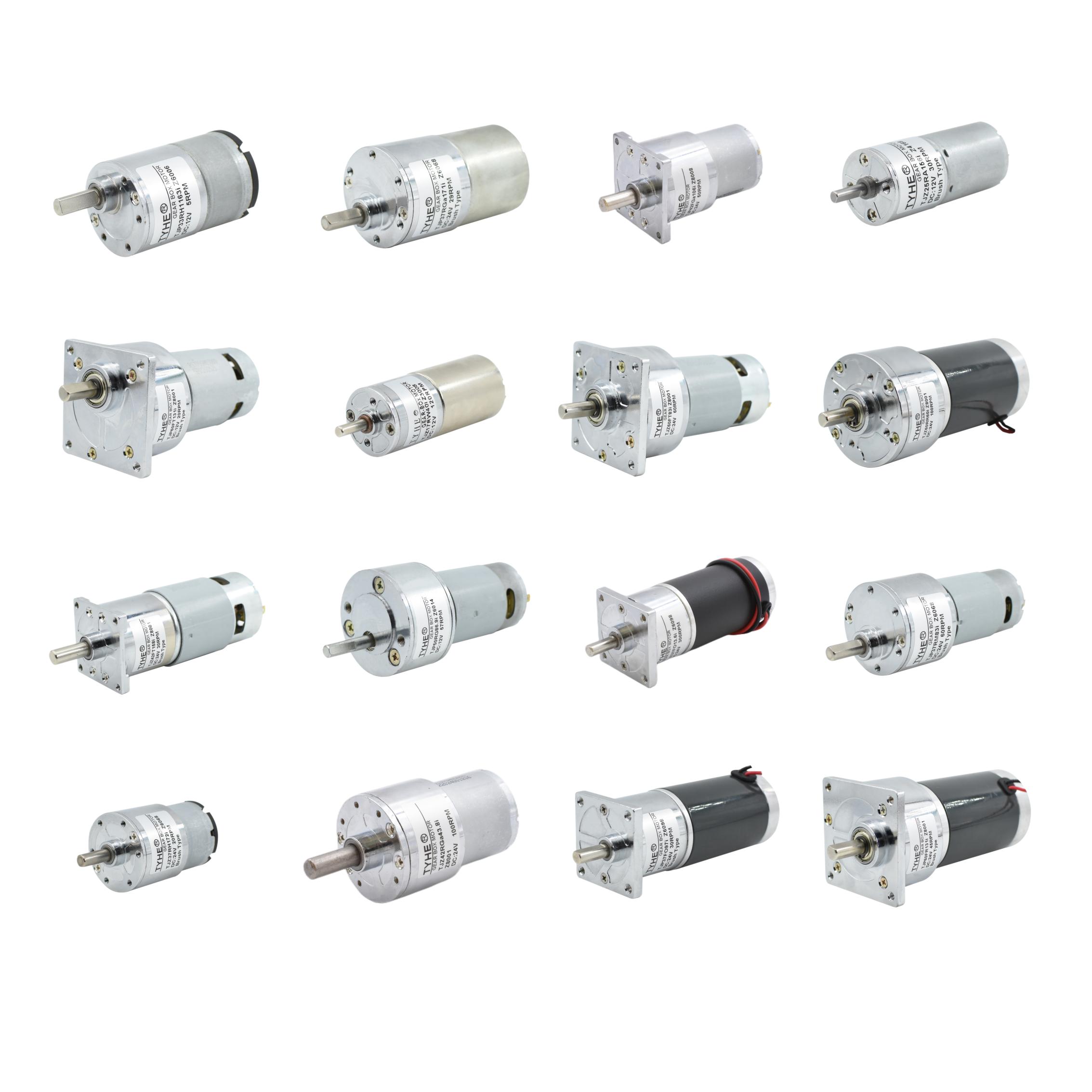
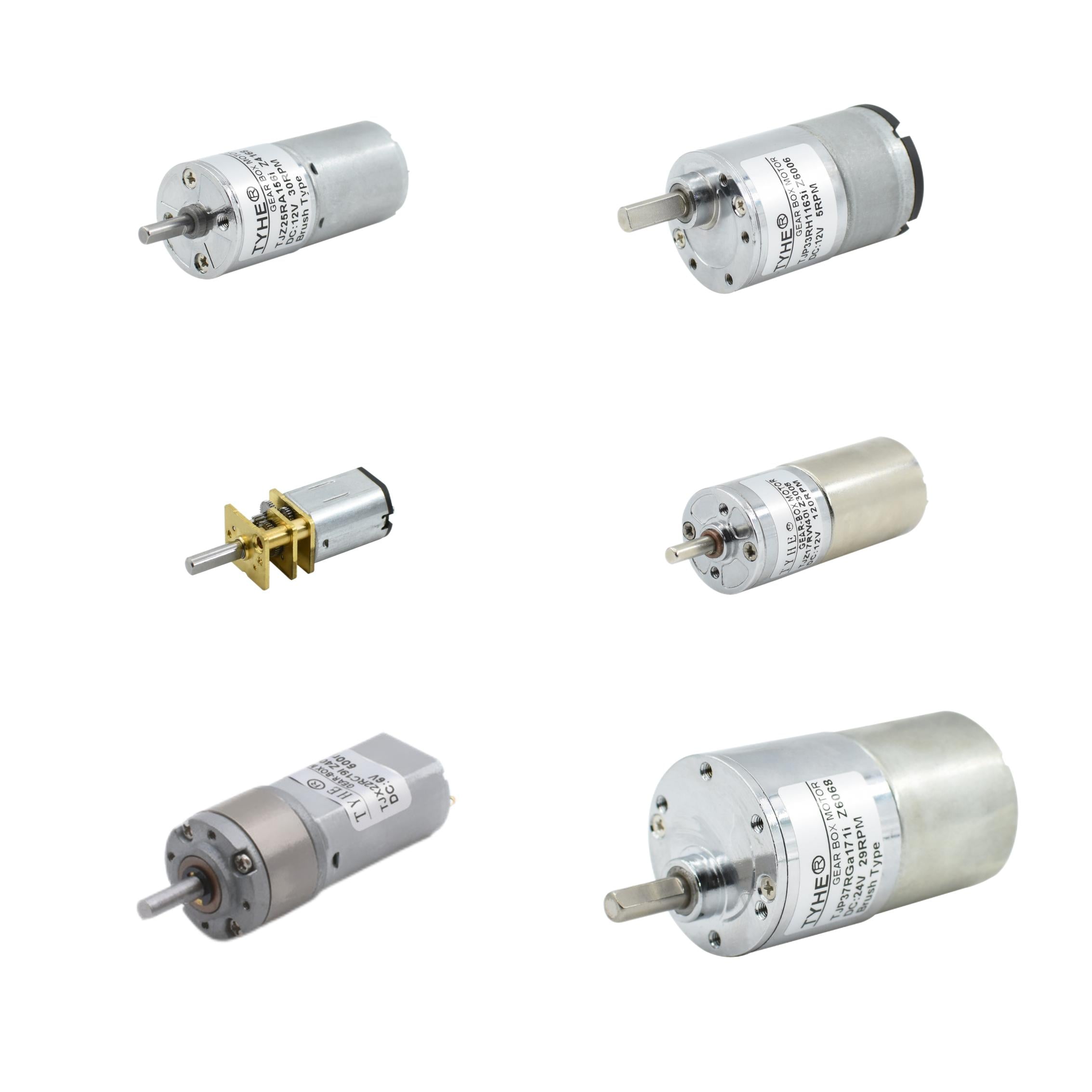
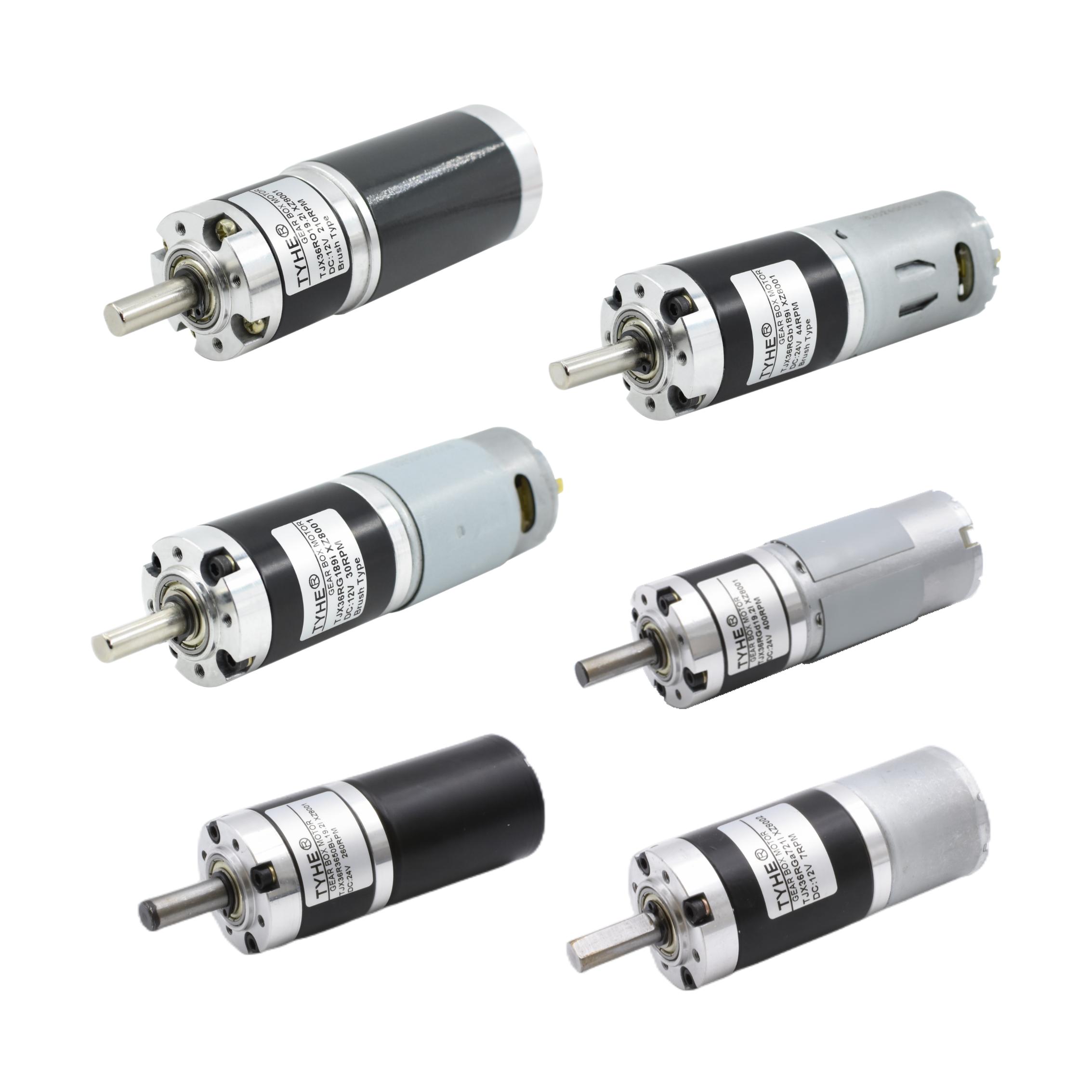
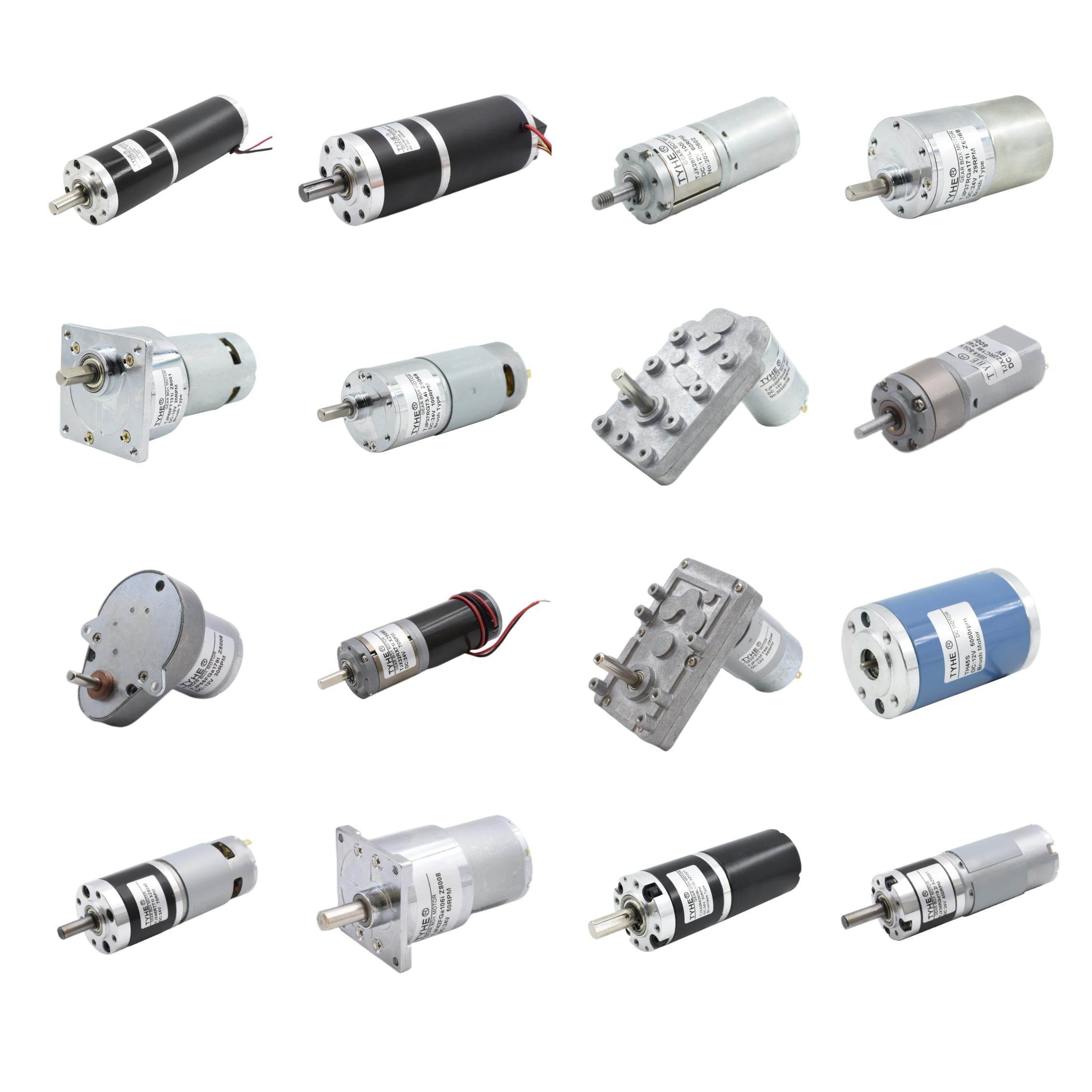
cycle dc motor
A cycle dc motor converts direct electrical power into controlled rotary motion for bicycles, e-bikes, scooters, and other light electric vehicles. It uses a magnetic field and an electric current to turn a shaft, which then drives a wheel, chain, belt, or gearbox. A cycle dc motor normally includes a rotor, stator magnets, brushes, a commutator, bearings, wiring, and a protective housing. Some models also include built-in speed sensors or sealed connections for easier installation. The main function of a cycle dc motor is to provide dependable assistance during starting, climbing, acceleration, and steady travel. A controller regulates the current reaching the motor, allowing the rider to adjust speed and power through a handlebar control, pedal sensor, or throttle. This setup gives a cycle dc motor responsive operation without requiring a complex mechanical system. Common options include brushed and brushless designs. Brushed units often cost less and offer simple servicing, while brushless units usually provide quieter running, longer service life, and improved efficiency. Voltage, rated power, torque, shaft size, mounting points, and operating speed are key specifications when choosing a cycle dc motor. Correct matching prevents overheating and supports smooth performance. The cycle dc motor can serve front-wheel, rear-wheel, or central drive layouts, depending on the vehicle design. It may operate from lithium-ion or lead-acid battery packs. For buyers, a cycle dc motor offers a practical route to electric mobility, whether the goal is commuting, delivery work, recreation, or accessibility support. Selecting a cycle dc motor with suitable power, protection, and dimensions helps create a safe, comfortable, and reliable ride.

 EN