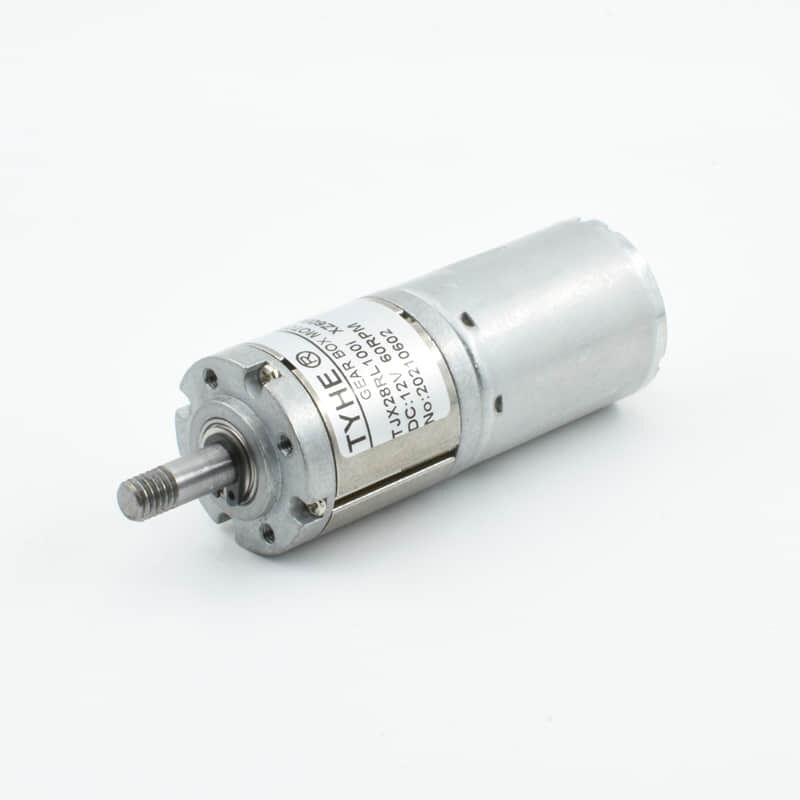
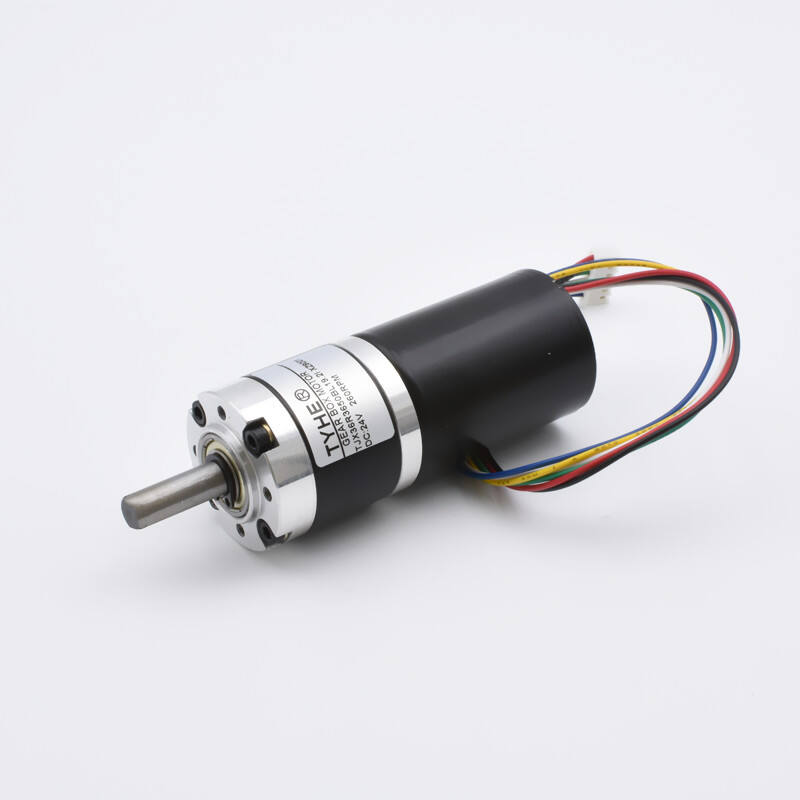
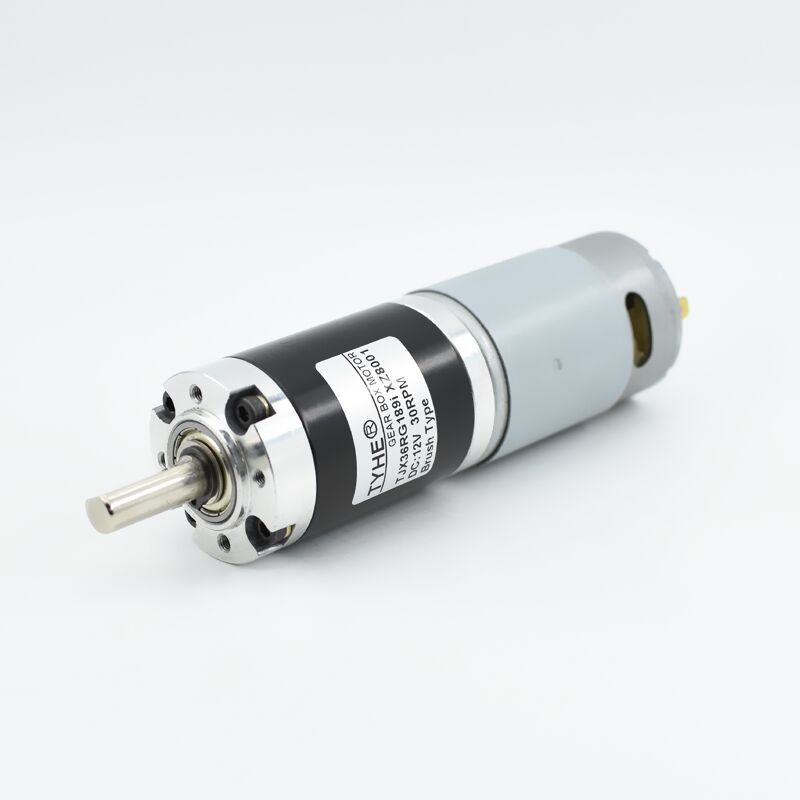
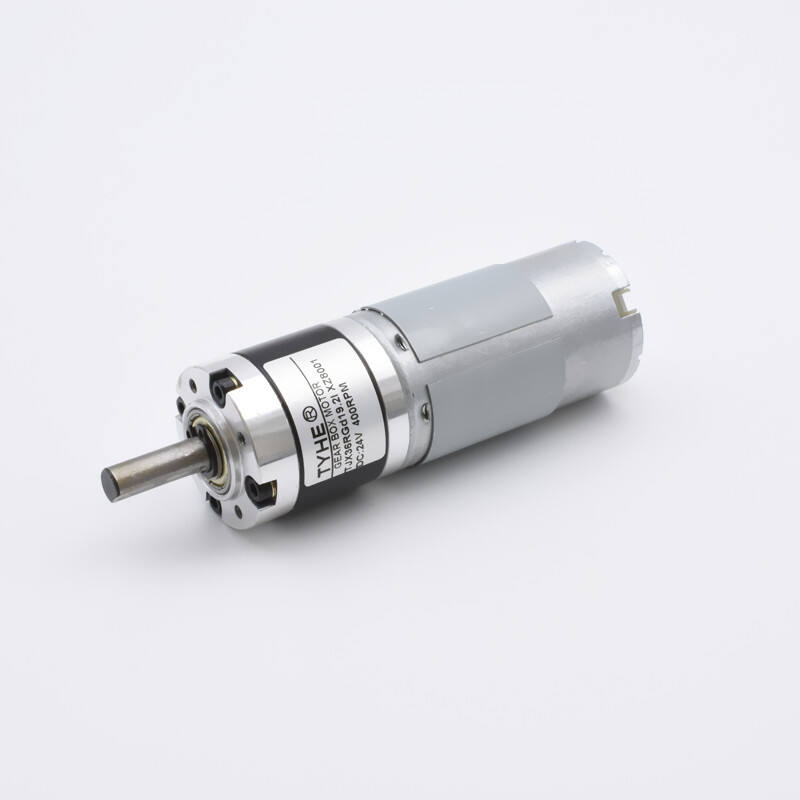
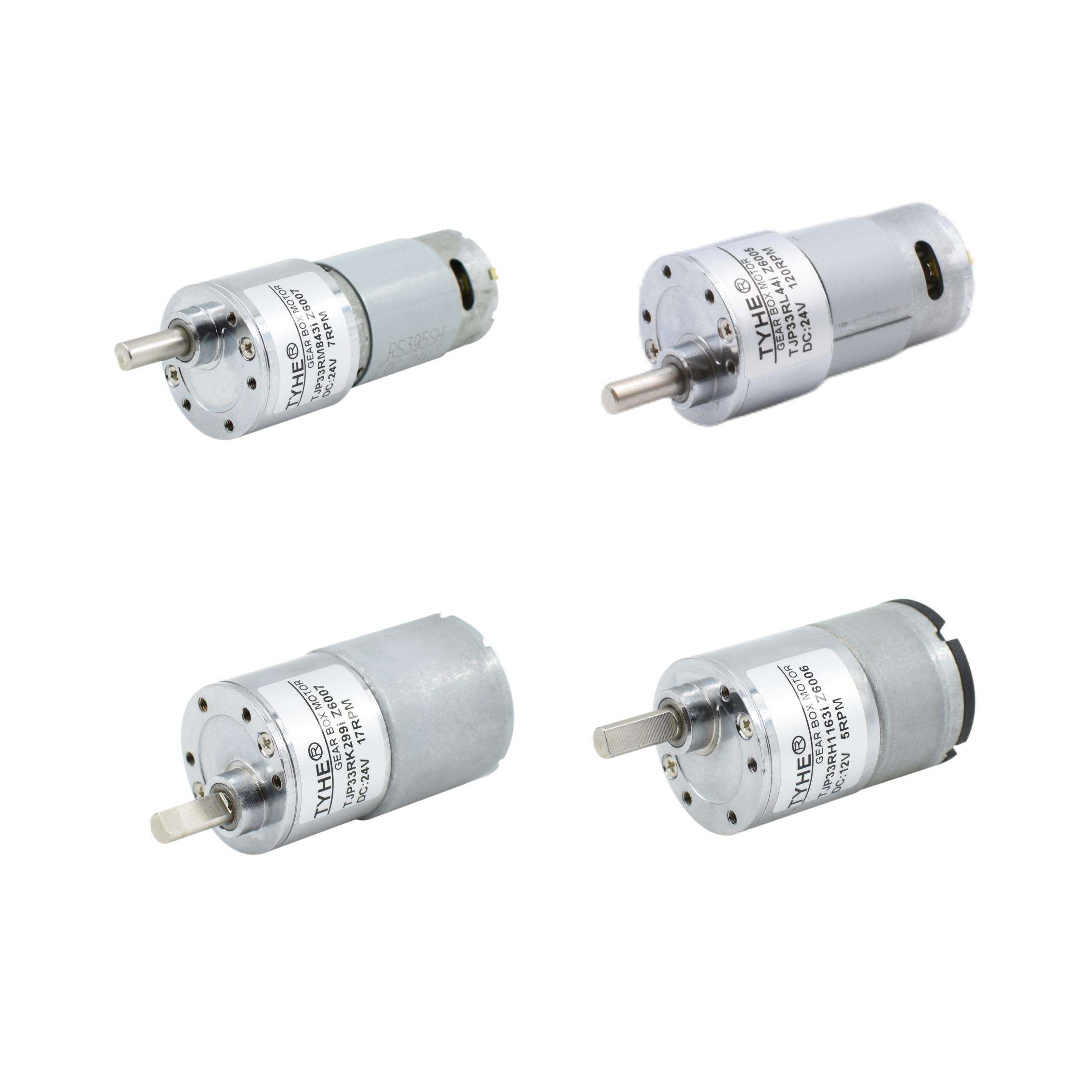
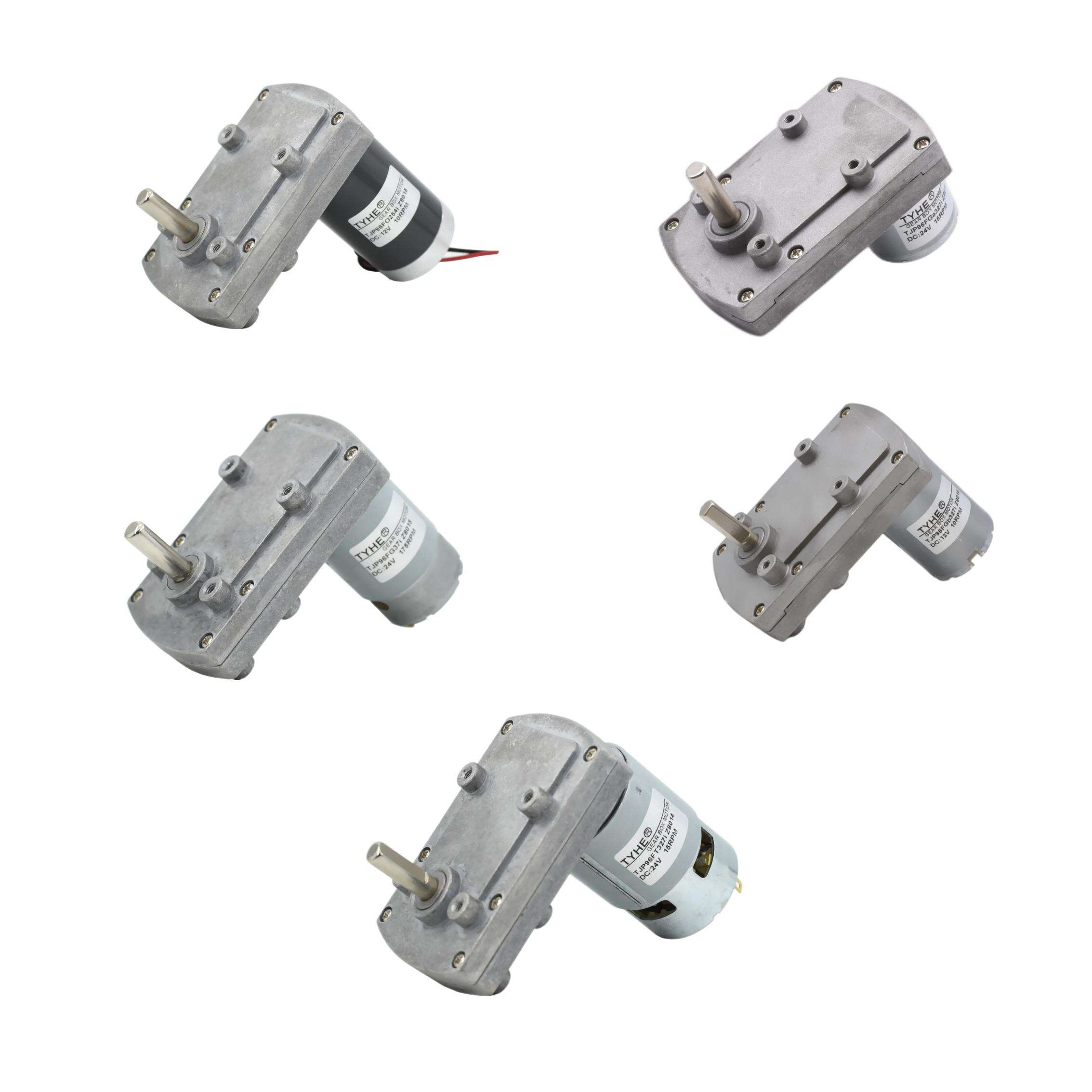
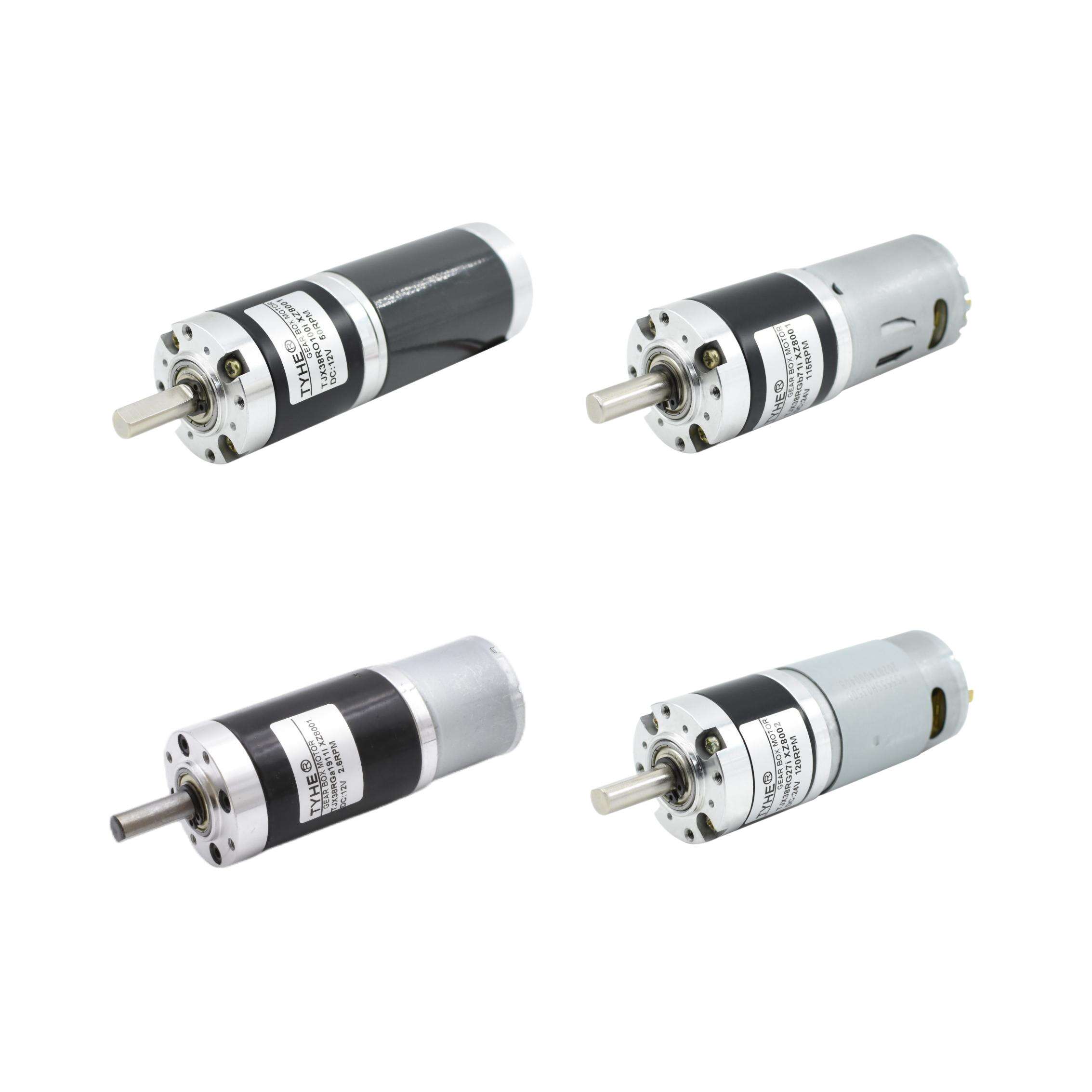
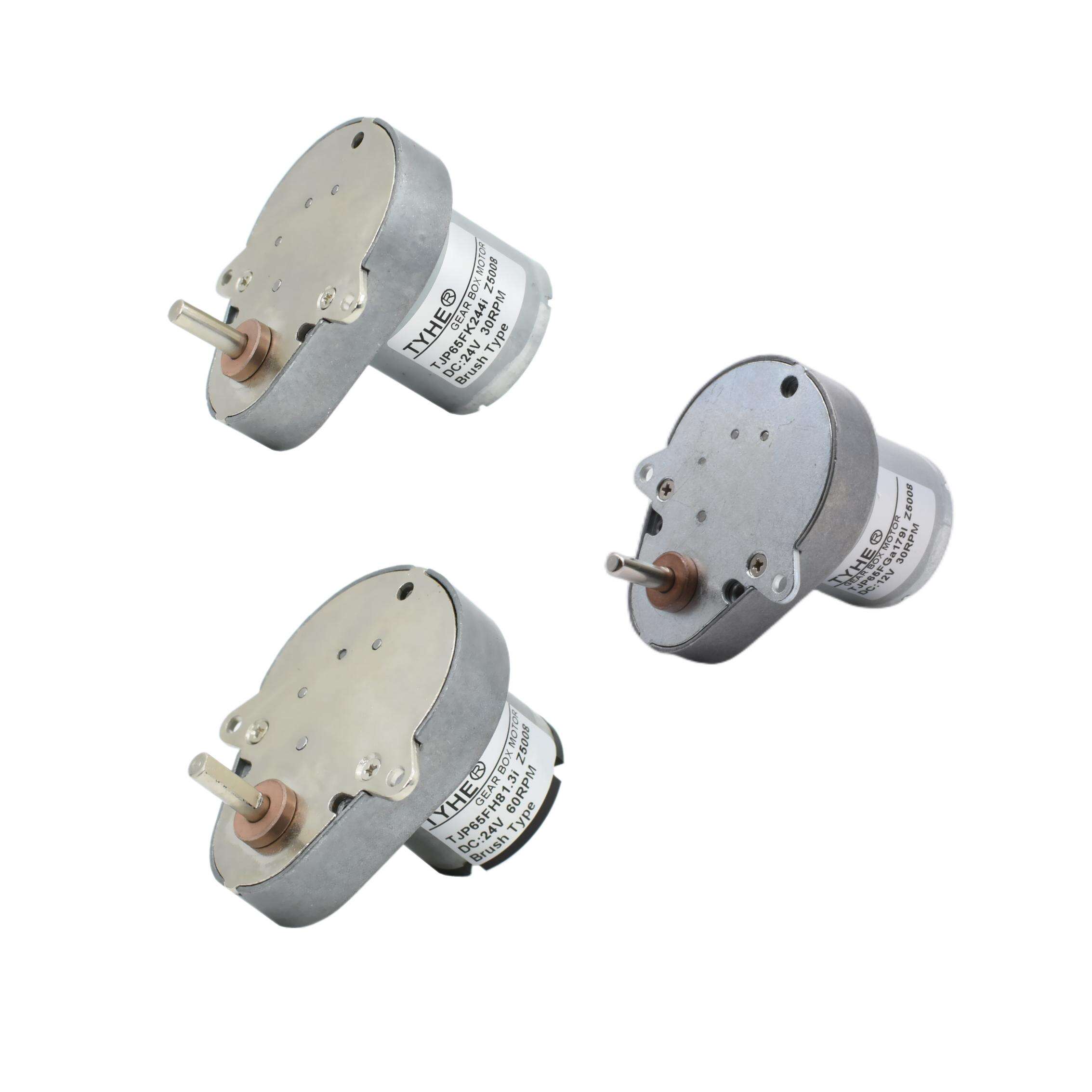
low speed high torque dc motor
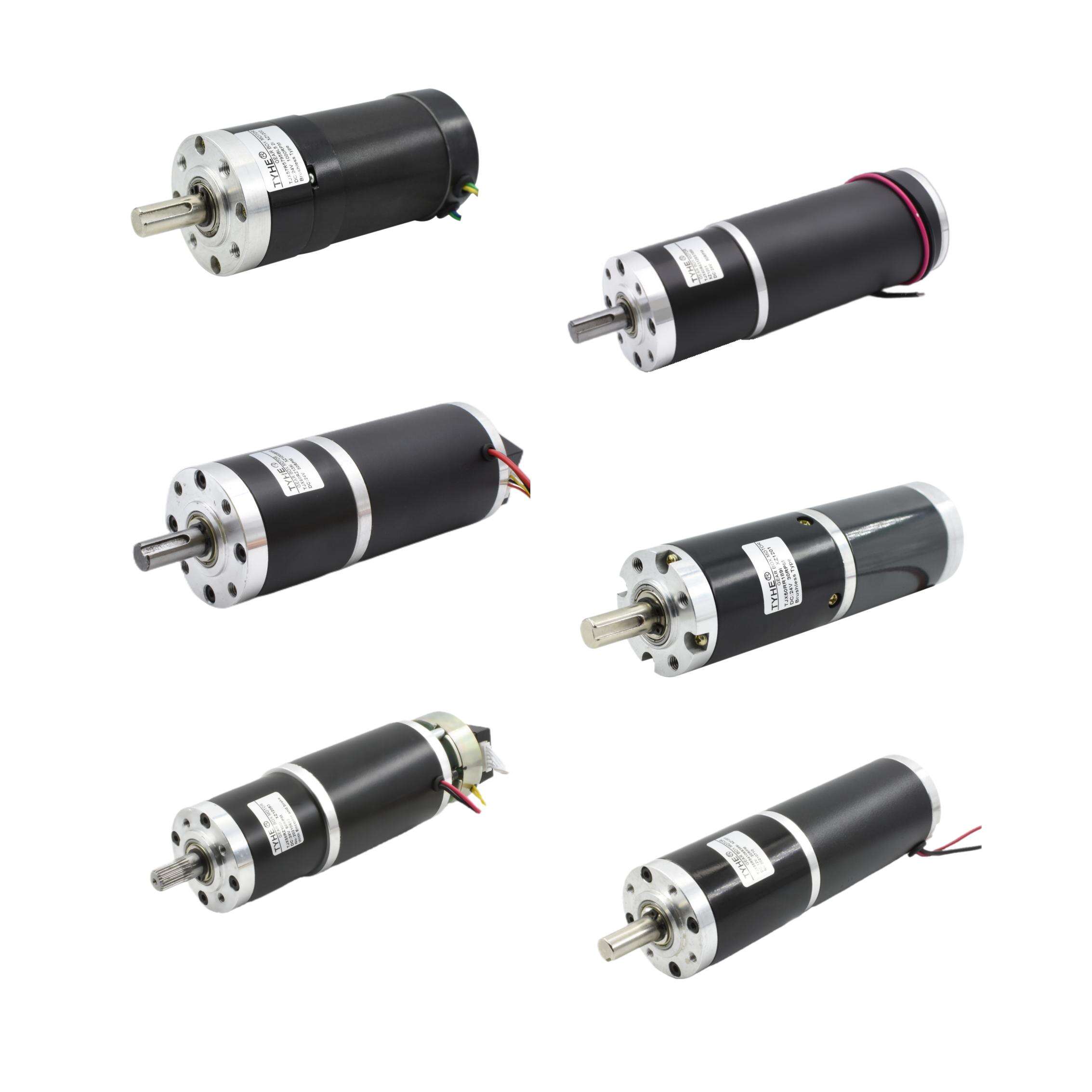
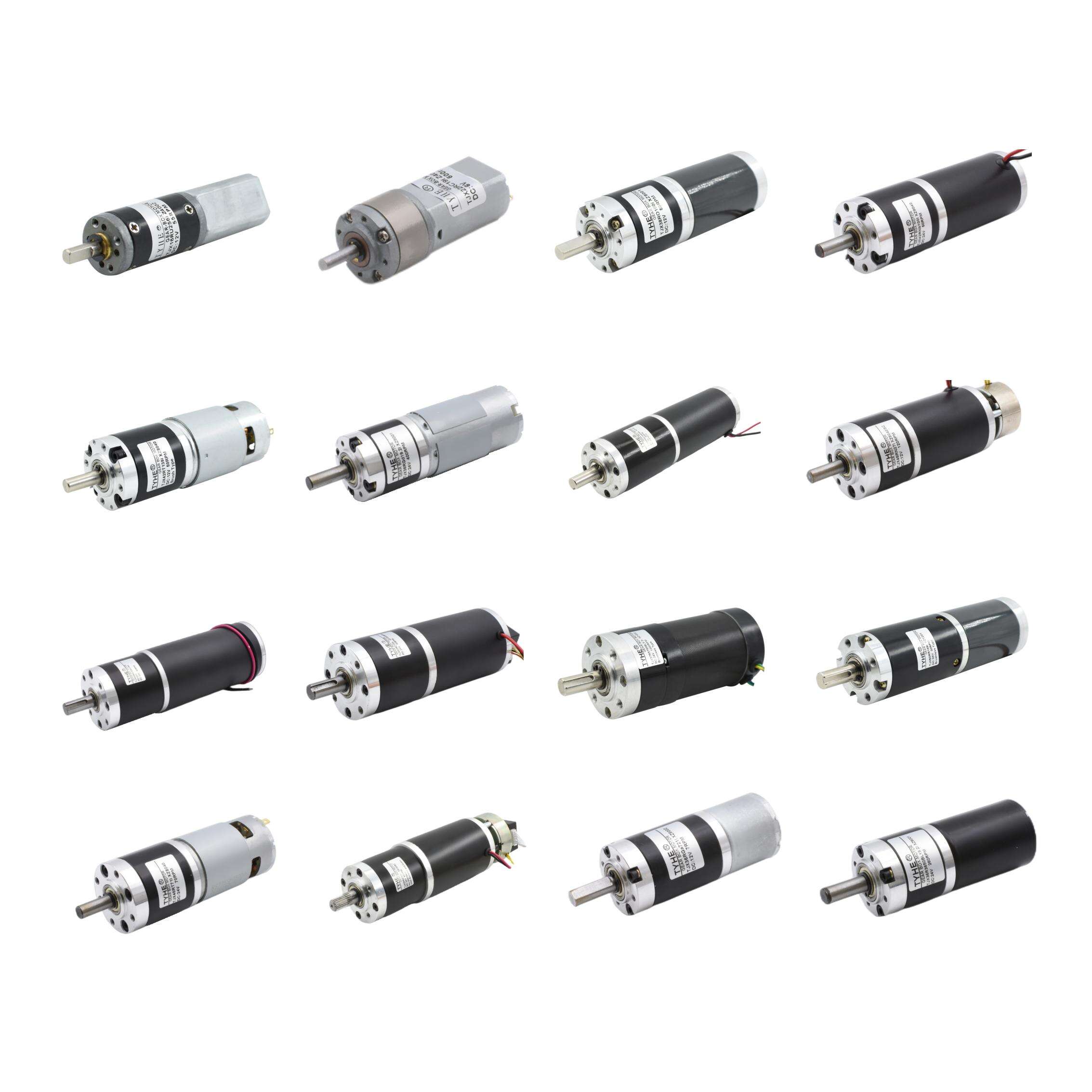
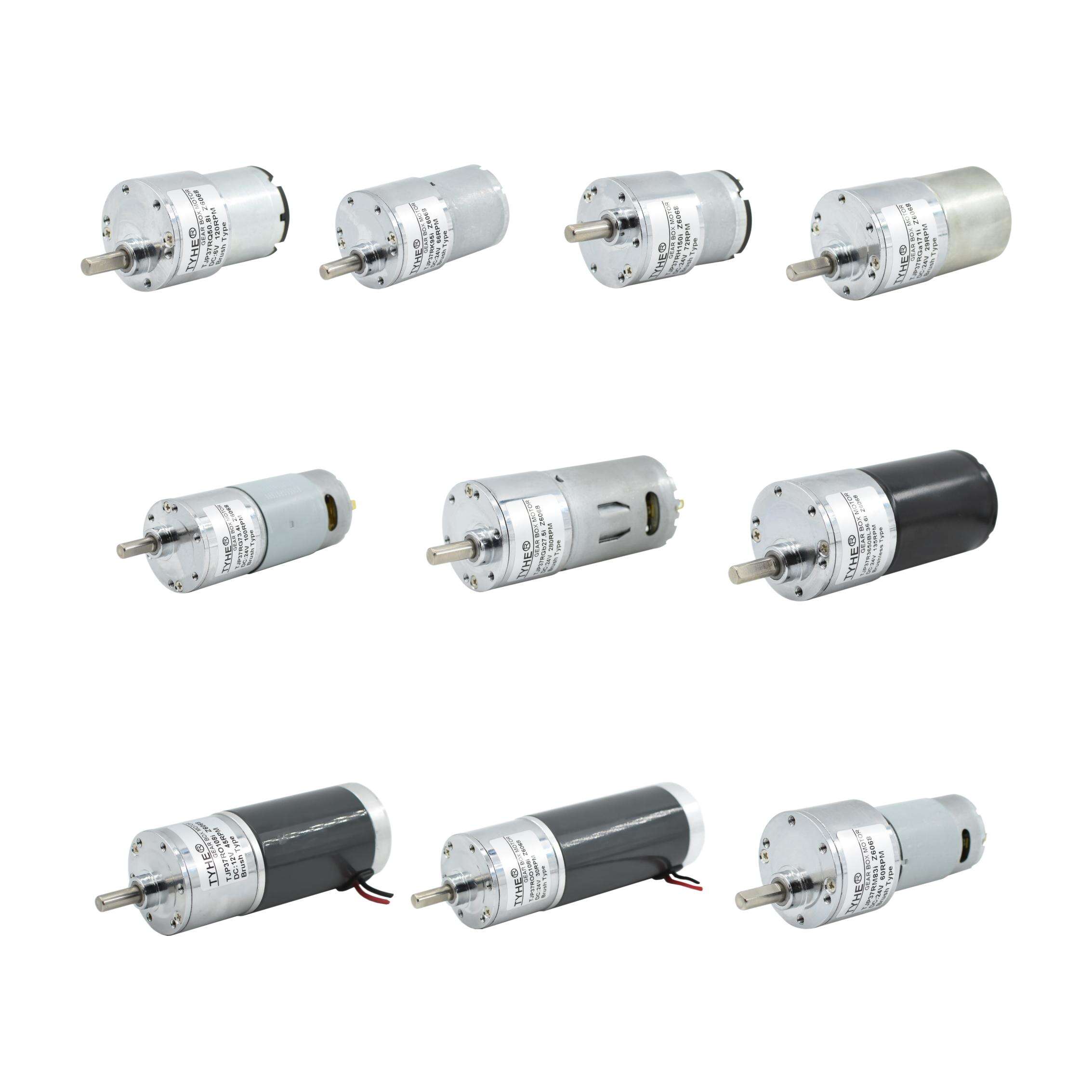
A low speed high torque dc motor represents an essential piece of engineering technology designed to deliver substantial rotational force at reduced operational speeds. These specialized motors operate through direct current electrical power, converting electrical energy into mechanical motion with exceptional efficiency and precision control. The fundamental design incorporates permanent magnets or electromagnets that create magnetic fields, enabling the rotor to generate significant torque output even when operating at minimal rotational speeds. This unique characteristic makes the low speed high torque dc motor particularly valuable in applications requiring precise positioning, controlled movement, and substantial force delivery without the need for additional gear reduction systems. The technological foundation relies on advanced magnetic materials, optimized winding configurations, and sophisticated commutation systems that maximize torque production while minimizing speed fluctuations. Manufacturing processes incorporate precision-balanced rotors, high-grade bearing systems, and carefully calibrated magnetic assemblies to ensure consistent performance across various operating conditions. These motors typically feature robust construction materials that withstand demanding industrial environments, including temperature variations, moisture exposure, and mechanical stress. Control systems integrate seamlessly with modern automation equipment, allowing operators to adjust speed, direction, and torque output through electronic interfaces. The versatility of the low speed high torque dc motor extends across numerous industries, including robotics, manufacturing automation, medical equipment, aerospace applications, and precision machinery. Common implementations include conveyor systems, robotic joint actuators, positioning stages, material handling equipment, and specialized manufacturing tools. The motor design accommodates various mounting configurations, shaft orientations, and connection options to meet specific installation requirements. Advanced models incorporate feedback systems, temperature monitoring, and diagnostic capabilities that enhance reliability and enable predictive maintenance strategies. These features contribute to extended operational lifespans, reduced maintenance costs, and improved system reliability in critical applications where consistent performance remains paramount for operational success and productivity.

 EN
EN