
 EN
EN
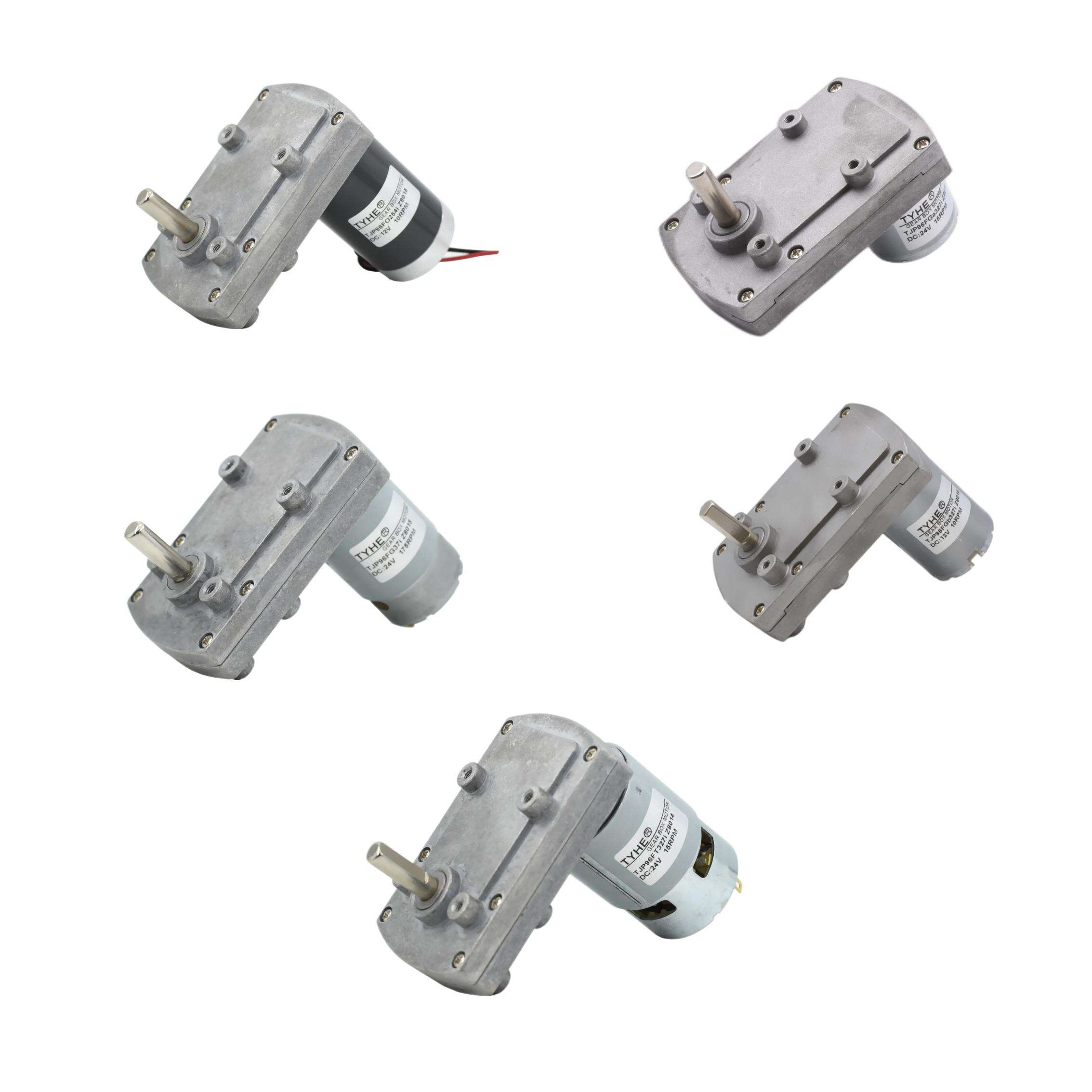
Proper maintenance of micro dc motor systems is crucial for ensuring optimal performance and extending operational lifespan in industrial applications. These compact powerhouses drive countless precision devices, from medical equipment to automotive components, making their reliability paramount. Understanding the fundamentals of micro dc motor care enables engineers and technicians to prevent costly downtime while maximizing efficiency. Regular maintenance protocols not only preserve motor functionality but also enhance overall system performance across various demanding environments.
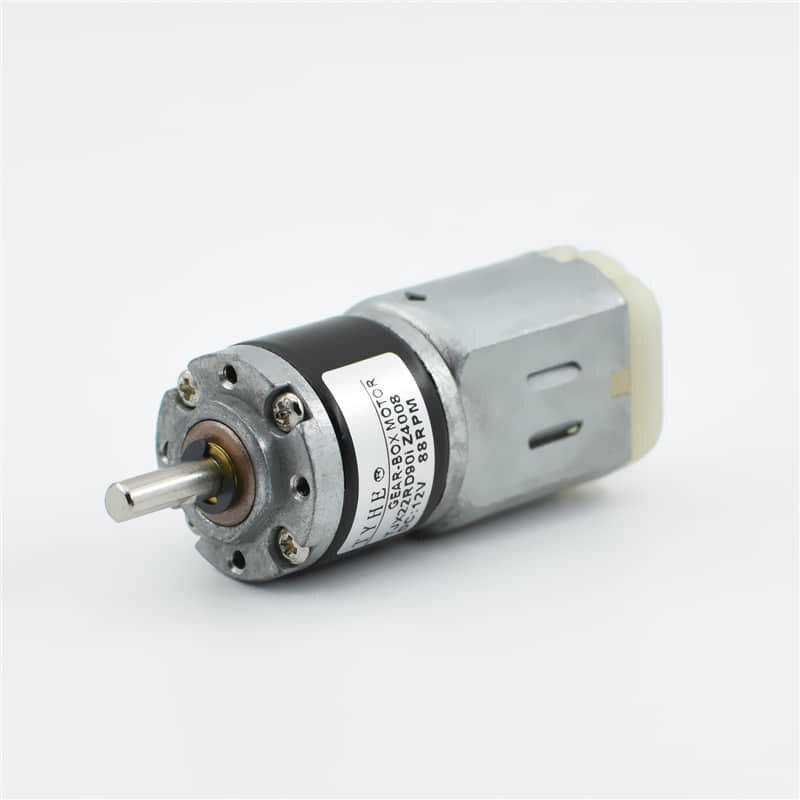
Understanding Micro DC Motor Components
Core Internal Elements
The internal architecture of a micro dc motor consists of several critical components that require systematic attention during maintenance procedures. The rotor assembly, containing permanent magnets or windings, generates the electromagnetic field necessary for rotation. Brush assemblies create electrical contact with the commutator, facilitating current transfer and directional control. These components experience continuous wear during operation, making regular inspection essential for maintaining optimal performance standards.
Bearing systems within micro dc motor designs support the rotating shaft while minimizing friction and vibration. Quality bearings significantly impact motor longevity and operational smoothness. The housing structure protects internal components from environmental contaminants while providing mounting points for installation. Understanding these fundamental elements enables maintenance personnel to identify potential issues before they escalate into major failures.
External Protection Systems
External components of micro dc motor assemblies include protective enclosures, ventilation systems, and connection terminals that require regular attention. Proper sealing prevents moisture and debris infiltration, which can cause premature component degradation. Terminal connections must remain secure and corrosion-free to ensure reliable electrical performance. Ventilation ports, when present, require periodic cleaning to maintain adequate cooling airflow.
Mounting hardware and vibration dampening systems play crucial roles in micro dc motor stability and performance. Loose mounting bolts can introduce harmful vibrations that accelerate wear patterns. Regular inspection of these external systems prevents environmental factors from compromising internal motor components. Proper external maintenance significantly extends overall motor lifespan while maintaining consistent operational characteristics.
Preventive Maintenance Schedules
Daily Inspection Protocols
Implementing daily visual inspections forms the foundation of effective micro dc motor maintenance programs. Operators should check for unusual noise, vibration, or heat generation during normal operation cycles. Visual examination of external components reveals potential issues such as loose connections, damaged cables, or environmental contamination. These quick assessments help identify developing problems before they require extensive repairs.
Temperature monitoring during daily operations provides valuable insights into micro dc motor health and performance trends. Excessive heat generation often indicates bearing wear, electrical resistance problems, or inadequate ventilation. Recording operational temperatures establishes baseline performance metrics for comparison during future inspections. Simple temperature checks using infrared thermometers enable rapid assessment without disrupting production schedules.
Weekly Comprehensive Checks
Weekly maintenance routines should include thorough cleaning of external surfaces and ventilation areas surrounding micro dc motor installations. Accumulated dust and debris restrict heat dissipation, leading to elevated operating temperatures and accelerated component wear. Cleaning procedures must use appropriate methods that avoid moisture infiltration or static discharge damage to sensitive electronic components.
Electrical connection integrity requires weekly verification through visual inspection and connection tightness checks. Loose terminals create resistance heating that can damage both the micro dc motor and associated control systems. Weekly testing of insulation resistance using appropriate meters helps identify potential electrical issues before they cause system failures. These comprehensive checks establish consistent maintenance patterns that significantly improve reliability.
Lubrication and Bearing Care
Proper Lubrication Techniques
Effective lubrication strategies for micro dc motor bearing systems require careful selection of appropriate lubricants and application methods. High-quality synthetic lubricants provide superior performance in precision applications while maintaining consistency across temperature variations. Over-lubrication can be as detrimental as insufficient lubrication, potentially causing seal damage and contamination issues that compromise motor performance.
Lubrication intervals depend on operating conditions, environmental factors, and manufacturer specifications for each micro dc motor type. High-temperature environments, dusty conditions, and continuous operation schedules typically require more frequent lubrication cycles. Proper documentation of lubrication activities helps establish optimal maintenance intervals while ensuring compliance with warranty requirements and industry standards.
Bearing Replacement Indicators
Recognizing early warning signs of bearing wear enables proactive replacement before catastrophic failure occurs in micro dc motor applications. Increased noise levels, vibration amplitude changes, and temperature elevation patterns indicate developing bearing problems. Advanced diagnostic techniques, including vibration analysis and acoustic monitoring, provide detailed insights into bearing condition without requiring motor disassembly.
Bearing replacement procedures for micro dc motor systems require specialized tools and techniques to prevent damage to delicate components. Proper heating and cooling methods ensure correct fit tolerances while avoiding thermal stress on motor windings. Professional bearing replacement maintains manufacturer specifications and preserves warranty coverage for critical applications requiring maximum reliability.
Electrical System Maintenance
Brush and Commutator Care
Brush maintenance represents one of the most critical aspects of micro dc motor care, as worn brushes directly impact performance and reliability. Carbon brush inspection should focus on wear patterns, spring tension, and contact surface condition. Uneven wear indicates alignment problems or contamination issues that require immediate attention. Proper brush replacement techniques ensure optimal commutator contact and extend overall motor lifespan.
Commutator surface maintenance requires specialized cleaning techniques and tools designed for micro dc motor applications. Regular cleaning removes carbon dust and oxidation that can cause poor electrical contact and increased resistance heating. Commutator resurfacing may be necessary in severe cases, requiring professional service to maintain dimensional accuracy and surface finish specifications.
Winding Insulation Testing
Insulation resistance testing provides critical information about winding condition in micro dc motor systems without requiring disassembly. Megohmmeter testing should be performed at specified intervals to detect insulation degradation before failure occurs. Temperature and humidity conditions significantly affect test results, requiring standardized testing procedures for accurate assessment and trending analysis.
Winding resistance measurements help identify developing problems such as loose connections, damaged conductors, or overheating conditions. Regular baseline measurements enable detection of gradual changes that indicate potential micro dc motor problems. Professional testing equipment ensures accurate readings while maintaining safety standards during electrical system evaluation.
Environmental Protection Strategies
Contamination Prevention
Protecting micro dc motor systems from environmental contamination requires comprehensive strategies addressing dust, moisture, and chemical exposure. Proper enclosure selection and sealing techniques prevent ingress of harmful substances while maintaining necessary ventilation for heat dissipation. Regular inspection and replacement of sealing elements ensures continued protection throughout the motor's operational life.
Air filtration systems in critical applications provide additional protection for sensitive micro dc motor components. High-efficiency particulate filters remove contaminants that could cause abrasive wear or electrical problems. Filter maintenance schedules must align with environmental conditions and contamination levels to ensure optimal protection effectiveness.
Temperature and Humidity Control
Temperature management strategies for micro dc motor installations include proper ventilation design, heat sink selection, and environmental control systems. Excessive temperatures accelerate insulation aging, bearing wear, and component degradation. Monitoring systems provide early warning of temperature excursions while automated controls maintain optimal operating conditions.
Humidity control prevents condensation formation that can cause electrical problems and corrosion in micro dc motor systems. Desiccant systems, heating elements, and vapor barriers provide effective moisture protection in challenging environments. Regular monitoring of humidity levels ensures protective systems operate effectively while maintaining motor performance standards.
Troubleshooting Common Issues
Performance Degradation Diagnosis
Systematic troubleshooting approaches help identify root causes of micro dc motor performance problems while minimizing diagnostic time and costs. Performance degradation often manifests as reduced speed, increased power consumption, or decreased torque output. Methodical testing procedures isolate specific component issues while ruling out external factors that might affect motor operation.
Diagnostic equipment including oscilloscopes, power analyzers, and vibration meters provide detailed insights into micro dc motor operating characteristics. Professional diagnostic techniques enable accurate problem identification while preserving motor components for potential repair or refurbishment. Proper documentation of diagnostic results supports warranty claims and future maintenance planning.
Repair versus Replacement Decisions
Economic analysis of repair costs versus replacement expenses guides decision-making for failed or degraded micro dc motor systems. Factors including motor age, availability of replacement parts, downtime costs, and performance requirements influence these critical decisions. Professional evaluation services provide objective assessments of motor condition and repair feasibility.
Replacement planning for critical micro dc motor applications should include consideration of improved technologies, energy efficiency, and compatibility with existing systems. Upgrade opportunities during replacement cycles can provide enhanced performance, reduced maintenance requirements, and improved operational efficiency. Strategic replacement timing minimizes disruption while maximizing system improvements.
FAQ
How often should micro dc motor brushes be replaced
Brush replacement intervals for micro dc motor systems typically range from 1000 to 5000 operating hours, depending on application conditions and motor design. High-duty cycle applications, contaminated environments, and frequent start-stop operations generally require more frequent brush replacement. Regular inspection of brush wear and commutator condition provides the most reliable indicator of replacement timing, as operating conditions vary significantly between applications.
What are the signs of bearing failure in micro dc motor systems
Early bearing failure indicators include increased noise levels, elevated vibration, temperature rise, and reduced motor efficiency. Advanced symptoms may include visible shaft movement, grease leakage, and irregular motor operation. Professional vibration analysis and acoustic monitoring provide detailed assessment of bearing condition before visible symptoms appear, enabling proactive maintenance scheduling.
How can environmental contamination damage micro dc motor components
Environmental contaminants damage micro dc motor systems through multiple mechanisms including abrasive wear of bearings and brushes, electrical insulation degradation, and corrosion of metal components. Dust accumulation restricts heat dissipation leading to overheating, while moisture enables corrosion and electrical leakage paths. Chemical exposure can degrade insulation materials and sealing compounds, compromising motor protection systems.
What testing equipment is essential for micro dc motor maintenance
Essential testing equipment includes digital multimeters for electrical measurements, megohm meters for insulation testing, infrared thermometers for temperature monitoring, and vibration analyzers for mechanical assessment. Oscilloscopes provide detailed analysis of electrical waveforms, while torque meters verify mechanical output performance. Professional-grade equipment ensures accurate measurements while maintaining safety standards during micro dc motor diagnostic procedures.
