
 EN
EN
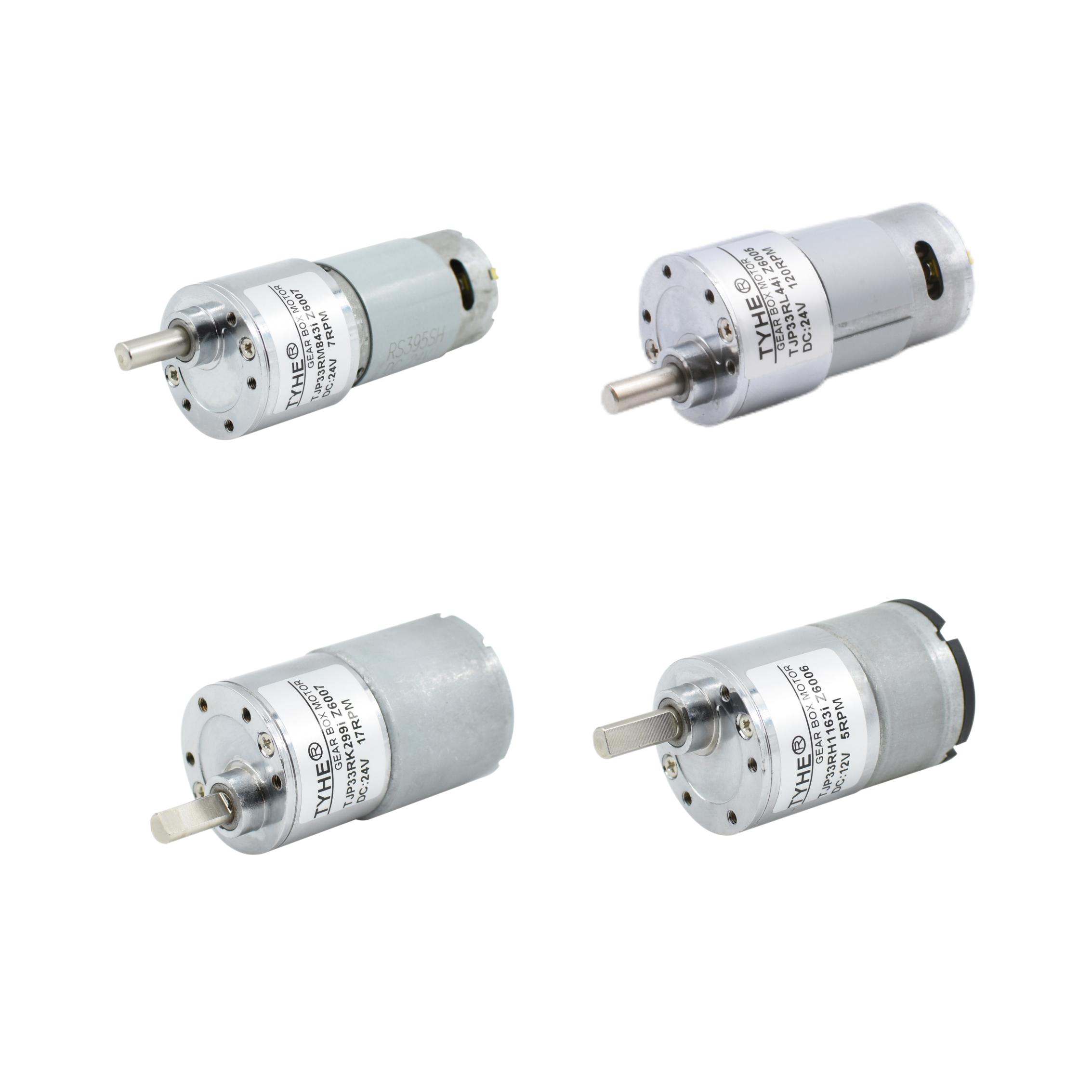
The robotics industry has experienced unprecedented growth in recent years, driven by advances in miniaturization and precision engineering. At the heart of many robotic systems lies a crucial component that enables precise movement and control: the micro dc motor. These compact powerhouses have revolutionized how we design and implement robotic solutions across diverse applications, from medical devices to industrial automation. Understanding the various applications of micro dc motors in robotics provides valuable insights into their versatility and importance in modern technological advancement.
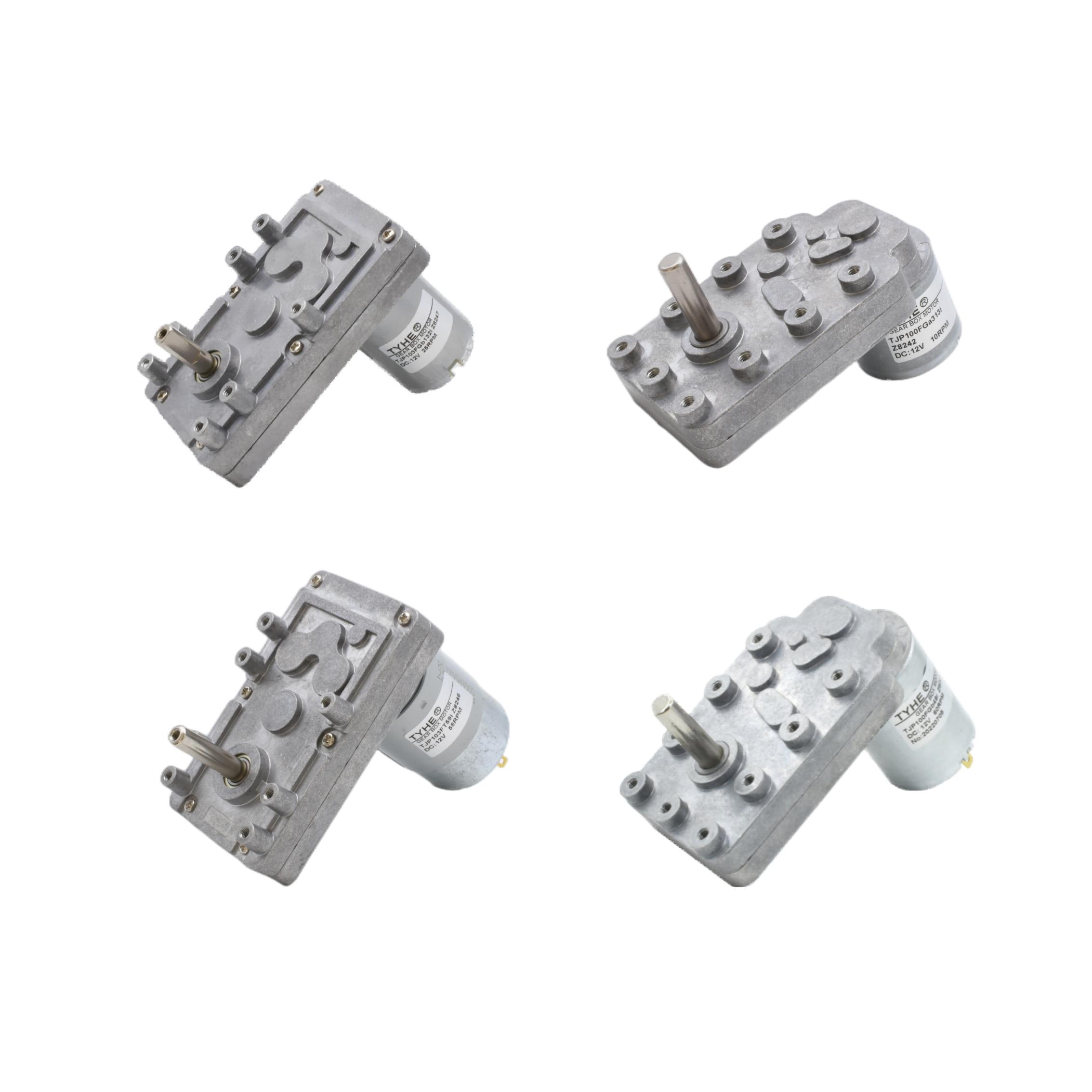
Medical and Surgical Robotics
Minimally Invasive Surgical Procedures
Medical robotics has emerged as one of the most demanding applications for micro dc motors, particularly in minimally invasive surgical procedures. These motors enable surgeons to perform delicate operations through small incisions, reducing patient trauma and recovery time. The precise control characteristics of micro dc motors make them ideal for powering surgical instruments that require millimeter-level accuracy. Their compact size allows integration into laparoscopic tools and endoscopic cameras, where space constraints are critical considerations.
The reliability and smooth operation of micro dc motors in surgical environments cannot be overstated. These motors must operate consistently under sterile conditions while providing the precise movements necessary for successful procedures. Advanced surgical robots utilize multiple micro dc motors to control different degrees of freedom, enabling complex manipulations that would be impossible with traditional surgical techniques. The integration of these motors has significantly expanded the possibilities for remote surgery and telemedicine applications.
Prosthetic and Rehabilitation Devices
Modern prosthetic devices rely heavily on micro dc motors to restore natural movement patterns for amputees. These motors power articulated joints in prosthetic hands, arms, and legs, providing users with enhanced mobility and functionality. The lightweight nature of micro dc motors is particularly beneficial in prosthetic applications, where weight distribution directly affects user comfort and adoption rates. Advanced prosthetic systems incorporate multiple motors to control individual finger movements, wrist rotation, and elbow flexion.
Rehabilitation robotics represents another growing field where micro dc motors play essential roles. Physical therapy devices utilize these motors to provide controlled resistance and assistance during patient recovery exercises. The precise torque control capabilities of micro dc motors enable therapists to customize treatment protocols based on individual patient needs and progress. These applications demonstrate the versatility of micro dc motors in improving quality of life for patients with mobility impairments.
Industrial Automation and Manufacturing
Precision Assembly Systems
Industrial automation has embraced micro dc motors for their exceptional precision and reliability in assembly line operations. These motors power pick-and-place robots that handle delicate electronic components, requiring consistent positioning accuracy within micrometers. The fast response time of micro dc motors enables high-speed assembly operations while maintaining the precision necessary for quality manufacturing. Their ability to operate continuously in industrial environments makes them ideal for 24/7 production schedules.
Quality control systems in manufacturing facilities increasingly depend on micro dc motors for automated inspection processes. These motors drive scanning mechanisms, camera positioning systems, and measurement devices that ensure product specifications are met. The smooth operation characteristics of micro dc motors prevent vibrations that could compromise measurement accuracy, making them essential components in modern quality assurance protocols. Their integration with feedback systems enables real-time adjustments to maintain optimal performance standards.
Material Handling and Sorting
Automated material handling systems utilize micro dc motor technology to manage inventory and streamline warehouse operations. These motors power conveyor belt mechanisms, robotic arms, and sorting devices that process thousands of items per hour. The variable speed control capabilities of micro dc motors allow operators to adjust throughput rates based on demand fluctuations and operational requirements. Their compact design enables integration into space-constrained environments typical of modern automated warehouses.
Sorting applications require micro dc motors to operate with split-second timing to ensure accurate product categorization. These motors drive pneumatic actuators, mechanical switches, and diverter mechanisms that route items to appropriate destinations. The reliability of micro dc motors in repetitive operations ensures consistent sorting accuracy, reducing errors that could impact customer satisfaction and operational efficiency. Their low maintenance requirements make them cost-effective solutions for high-volume sorting applications.
Consumer Electronics and Personal Robotics
Home Service Robots
The consumer robotics market has experienced significant growth with the introduction of home service robots powered by micro dc motors. Robotic vacuum cleaners utilize these motors for wheel drive systems, brush mechanisms, and suction fan control. The energy efficiency of micro dc motors extends battery life, enabling longer cleaning cycles and improved user satisfaction. Their quiet operation characteristics make them suitable for residential environments where noise levels are important considerations.
Advanced home service robots incorporate multiple micro dc motors to perform complex tasks such as floor mopping, window cleaning, and lawn mowing. These applications require motors that can adapt to varying load conditions while maintaining consistent performance. The durability of micro dc motors ensures reliable operation across different environmental conditions, from indoor dust accumulation to outdoor weather exposure. Their cost-effectiveness makes home service robots accessible to broader consumer markets.
Entertainment and Educational Robotics
Educational robotics platforms extensively use micro dc motors to teach programming and engineering concepts to students. These motors provide hands-on experience with mechanical systems while demonstrating principles of control theory and automation. The simplicity of micro dc motor control makes them ideal for introductory robotics courses, allowing students to focus on programming logic rather than complex motor driver circuits. Their affordability enables schools to implement comprehensive robotics programs within budget constraints.
Entertainment robotics, including toy robots and interactive companions, relies on micro dc motors for movement and animation features. These applications prioritize smooth, lifelike movements that enhance user engagement and emotional connection. The precise speed control of micro dc motors enables realistic walking gaits, facial expressions, and gesture recognition responses. Battery-powered entertainment robots benefit from the energy efficiency of micro dc motors, extending playtime and reducing charging frequency.
Aerospace and Defense Applications
Unmanned Aerial Vehicles
Unmanned aerial vehicles represent one of the most demanding applications for micro dc motors, requiring exceptional performance-to-weight ratios. These motors power gimbal systems that stabilize cameras and sensors, enabling high-quality aerial photography and surveillance operations. The vibration resistance of micro dc motors ensures stable footage even in turbulent flight conditions. Their rapid response characteristics allow real-time adjustment to aircraft movements, maintaining target tracking accuracy.
Miniature drones utilize micro dc motors for propulsion systems, taking advantage of their compact size and efficient power conversion. Multi-rotor configurations require precise motor synchronization to achieve stable flight characteristics and responsive control. The reliability of micro dc motors in aerospace applications is critical, as motor failure could result in mission loss or safety hazards. Advanced drone systems incorporate redundant motor configurations to ensure continued operation even with individual motor failures.
Satellite and Space Systems
Space applications demand micro dc motors that can operate reliably in extreme environmental conditions, including vacuum, radiation, and temperature variations. These motors power antenna positioning systems, solar panel orientation mechanisms, and scientific instrument deployment devices. The precision requirements for satellite pointing accuracy necessitate motors with exceptional position repeatability and minimal backlash. Long mission durations require motors with extended operational lifespans and minimal degradation characteristics.
Micro dc motors in space applications must withstand launch vibrations and shock loads while maintaining calibration accuracy. Their lightweight construction contributes to overall mission payload efficiency, allowing more scientific instruments or extended mission capabilities. The vacuum-compatible designs of specialized micro dc motors prevent outgassing that could contaminate sensitive optical systems or interfere with other spacecraft components. These demanding applications drive continuous improvements in motor design and materials technology.
Automotive and Transportation Robotics
Autonomous Vehicle Systems
Autonomous vehicles incorporate numerous micro dc motors for sensor positioning, mirror adjustment, and actuator control systems. These motors enable precise alignment of lidar units, cameras, and radar sensors that provide environmental awareness for self-driving capabilities. The automotive environment presents unique challenges including temperature extremes, vibration, and electromagnetic interference that micro dc motors must overcome. Their integration with vehicle control systems requires motors that can respond rapidly to changing road conditions and traffic situations.
Advanced driver assistance systems rely on micro dc motors for features such as adaptive cruise control, lane keeping assistance, and parking automation. These applications require motors with consistent performance characteristics across millions of operational cycles. The safety-critical nature of automotive applications demands extensive testing and validation of micro dc motor reliability. Quality standards for automotive micro dc motors exceed those of many other applications due to potential safety implications of motor failure.
Robotic Delivery Vehicles
Last-mile delivery robots utilize micro dc motors for locomotion, steering, and cargo handling mechanisms. These applications require motors that can operate efficiently on various terrain types while maintaining package security and delivery accuracy. The battery-powered nature of delivery robots emphasizes the importance of motor efficiency in extending operational range. Weather resistance capabilities enable year-round operation in diverse environmental conditions.
Navigation systems in delivery robots depend on micro dc motors for sensor scanning and obstacle avoidance maneuvers. The integration of artificial intelligence with motor control systems enables adaptive behavior that improves delivery success rates. Real-time motor performance monitoring allows predictive maintenance scheduling, reducing service interruptions and operational costs. The scalability of micro dc motor solutions supports the rapid deployment of delivery robot fleets in urban environments.
Agricultural and Environmental Robotics
Precision Agriculture Systems
Agricultural robotics has embraced micro dc motors for precision farming applications that optimize crop yields while minimizing resource consumption. These motors power seed planting mechanisms, fertilizer distribution systems, and pesticide application devices that operate with GPS-guided accuracy. The rugged construction of agricultural-grade micro dc motors withstands exposure to dust, moisture, and chemical environments typical of farming operations. Variable rate application systems utilize motor speed control to adjust input quantities based on real-time field conditions.
Robotic harvesting systems incorporate micro dc motors for fruit picking, crop cutting, and produce handling operations. These applications require gentle handling to prevent damage while maintaining harvest efficiency. The precision control of micro dc motors enables selective harvesting based on ripeness indicators and quality parameters. Autonomous agricultural robots operate continuously during harvest seasons, demonstrating the durability and reliability of micro dc motor technology in demanding outdoor environments.
Environmental Monitoring Robots
Environmental monitoring applications utilize micro dc motors in robotic systems that collect water samples, measure air quality, and track wildlife populations. These motors power sampling devices, sensor positioning mechanisms, and data collection equipment in remote locations. The energy efficiency of micro dc motors is crucial for battery-powered monitoring stations that operate for extended periods without maintenance. Weather-resistant designs enable operation in harsh environmental conditions including extreme temperatures and high humidity.
Underwater robots for marine research rely on specialized micro dc motors that can operate in high-pressure aquatic environments. These applications require sealed motor housings and corrosion-resistant materials to prevent saltwater damage. The precise control characteristics of micro dc motors enable accurate positioning for scientific sampling and observation tasks. Long-duration missions require motors with extended operational lifespans and minimal performance degradation over time.
FAQ
What are the key advantages of using micro dc motors in robotic applications
Micro dc motors offer several key advantages in robotic applications including compact size, precise speed and position control, high efficiency, and cost-effectiveness. Their lightweight construction reduces overall system weight while their simple control requirements minimize complexity in drive electronics. The wide speed range and smooth operation characteristics make them suitable for diverse robotic applications from delicate medical procedures to high-speed industrial automation. Additionally, their proven reliability and long operational life reduce maintenance requirements and total cost of ownership.
How do micro dc motors compare to other motor types for robotics
Micro dc motors provide distinct advantages over stepper motors and servo motors in many robotic applications. Unlike stepper motors, micro dc motors offer smooth rotation without step-induced vibrations, making them ideal for applications requiring continuous motion. Compared to servo motors, micro dc motors are typically more cost-effective and require simpler control electronics, though they may need additional feedback devices for precise position control. Their efficiency characteristics often exceed those of comparable stepper motors, resulting in longer battery life in portable robotic systems.
What factors should be considered when selecting micro dc motors for robotic projects
Key selection factors include torque requirements, speed range, power consumption, size constraints, and environmental conditions. The motor's torque characteristics must match the load requirements throughout the operating range, while speed capabilities should accommodate the application's performance needs. Power consumption directly impacts battery life in portable robots, making efficiency a critical consideration. Environmental factors such as temperature range, humidity, vibration, and contamination exposure influence motor selection and may require specialized designs or protective measures.
What maintenance requirements are typical for micro dc motors in robotic systems
Micro dc motors generally require minimal maintenance, with most modern designs featuring sealed bearings and brush-less configurations that extend operational life. Regular inspection of electrical connections and mounting hardware helps prevent performance issues. In dusty or contaminated environments, periodic cleaning of motor housings may be necessary to maintain cooling effectiveness. Brush-type motors may require brush replacement after extended operation, while brushless designs typically operate maintenance-free for thousands of hours. Monitoring motor performance parameters can enable predictive maintenance scheduling and prevent unexpected failures.
Table of Contents
- Medical and Surgical Robotics
- Industrial Automation and Manufacturing
- Consumer Electronics and Personal Robotics
- Aerospace and Defense Applications
- Automotive and Transportation Robotics
- Agricultural and Environmental Robotics
-
FAQ
- What are the key advantages of using micro dc motors in robotic applications
- How do micro dc motors compare to other motor types for robotics
- What factors should be considered when selecting micro dc motors for robotic projects
- What maintenance requirements are typical for micro dc motors in robotic systems
