dc spur gear motor
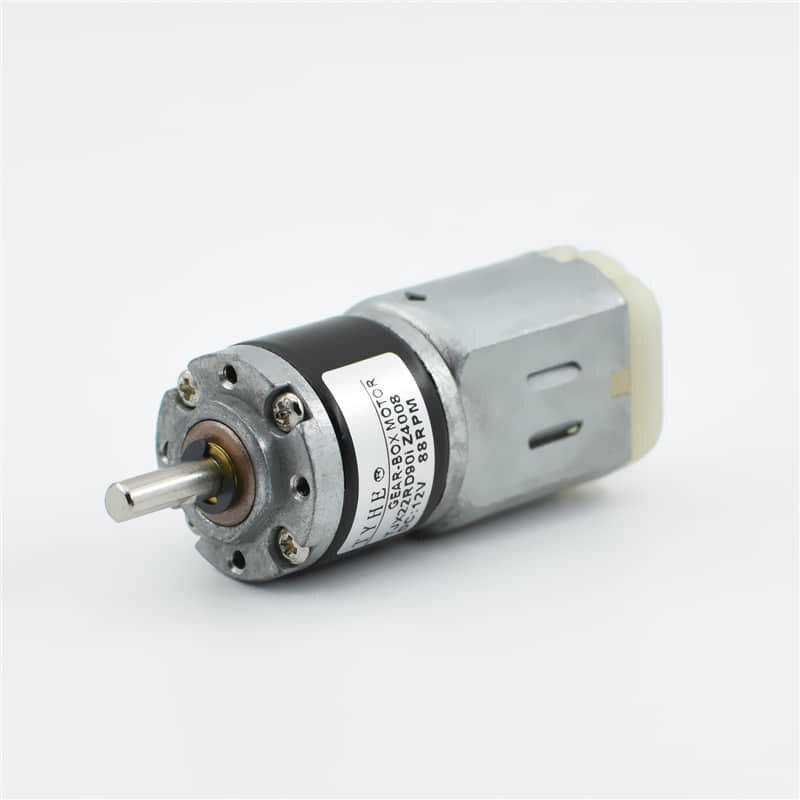
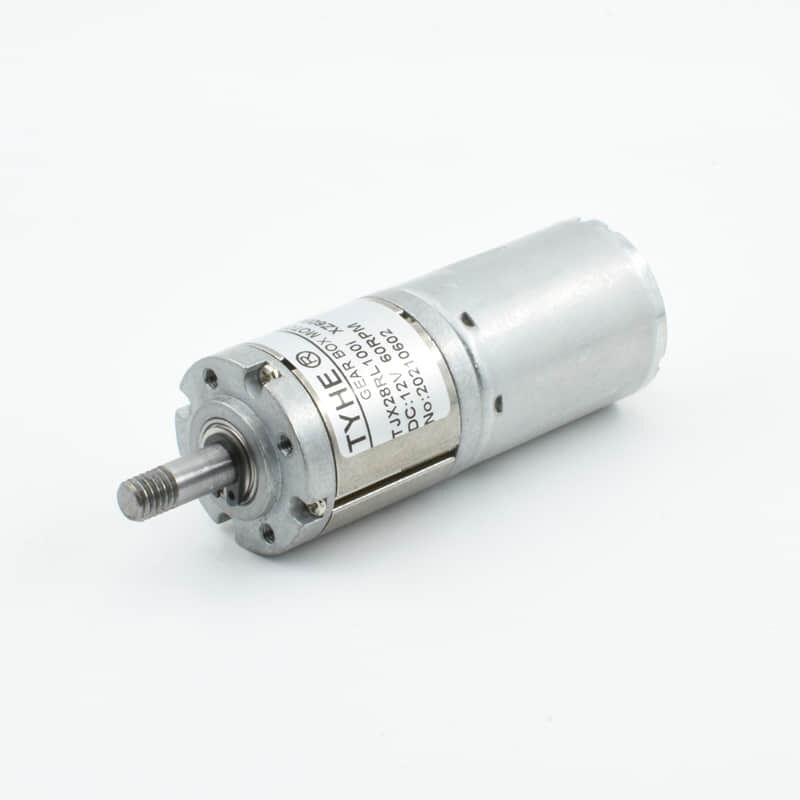
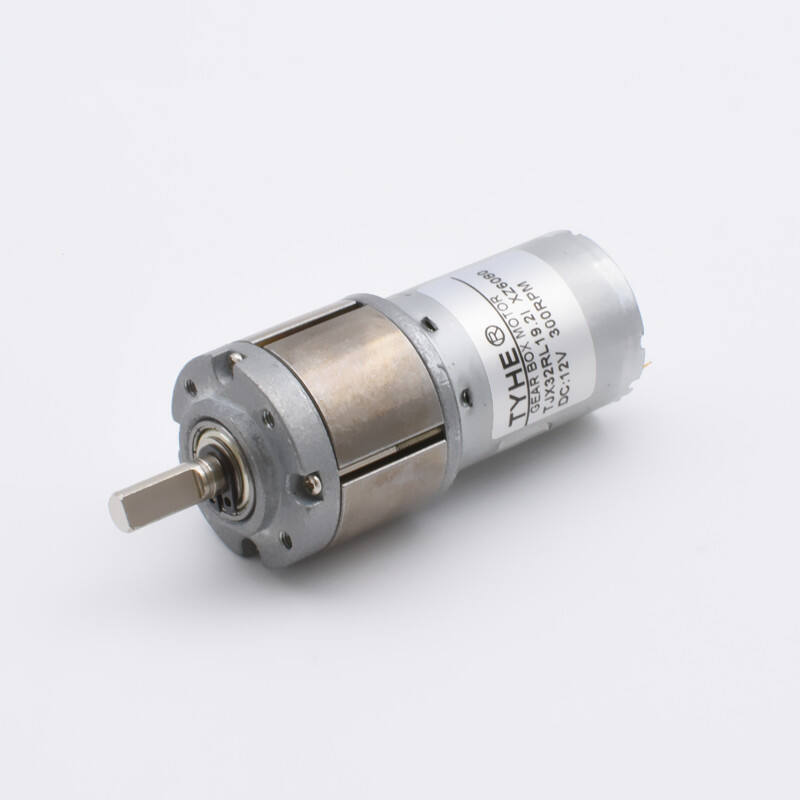
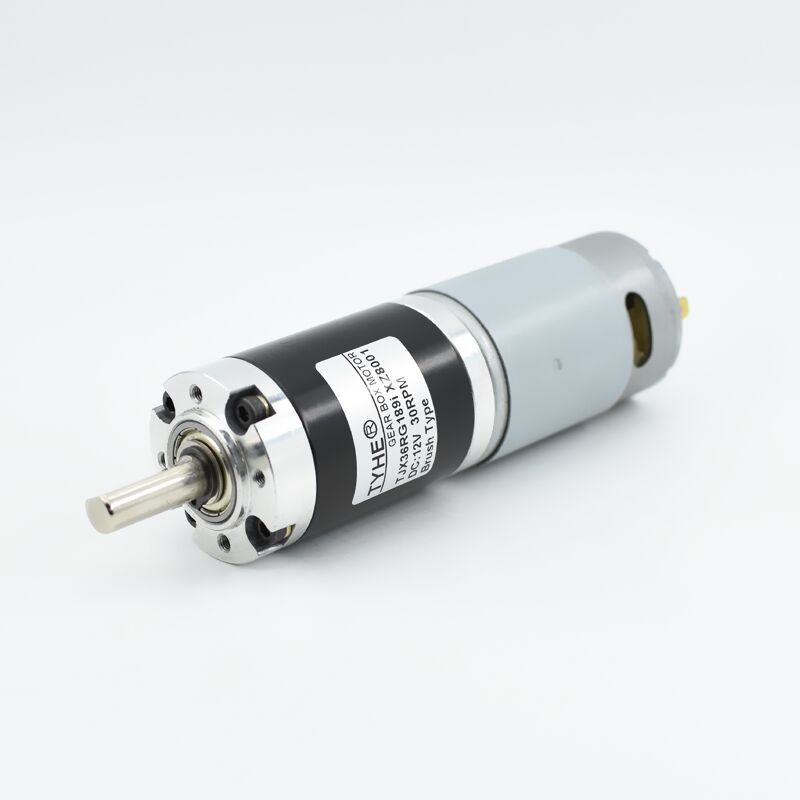
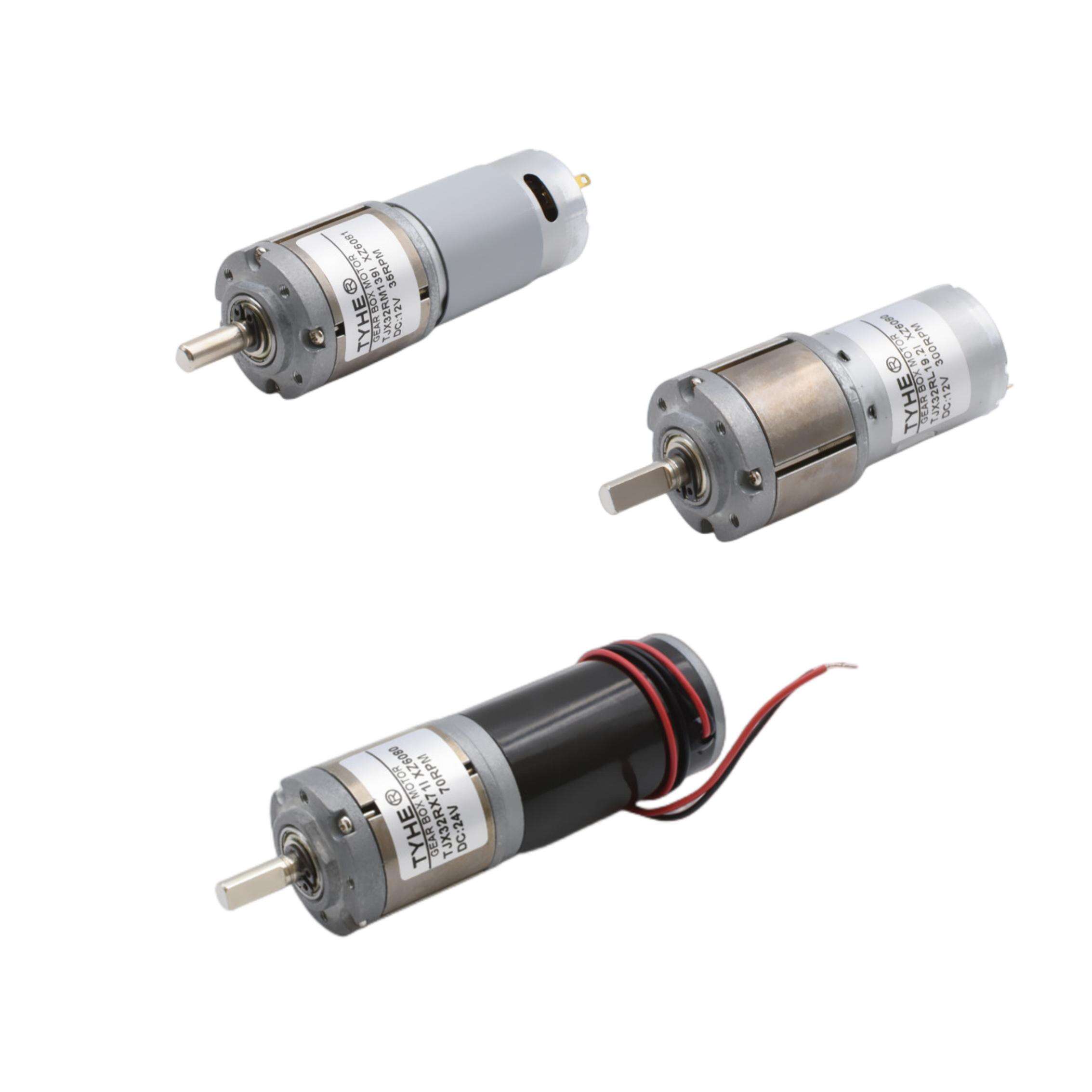
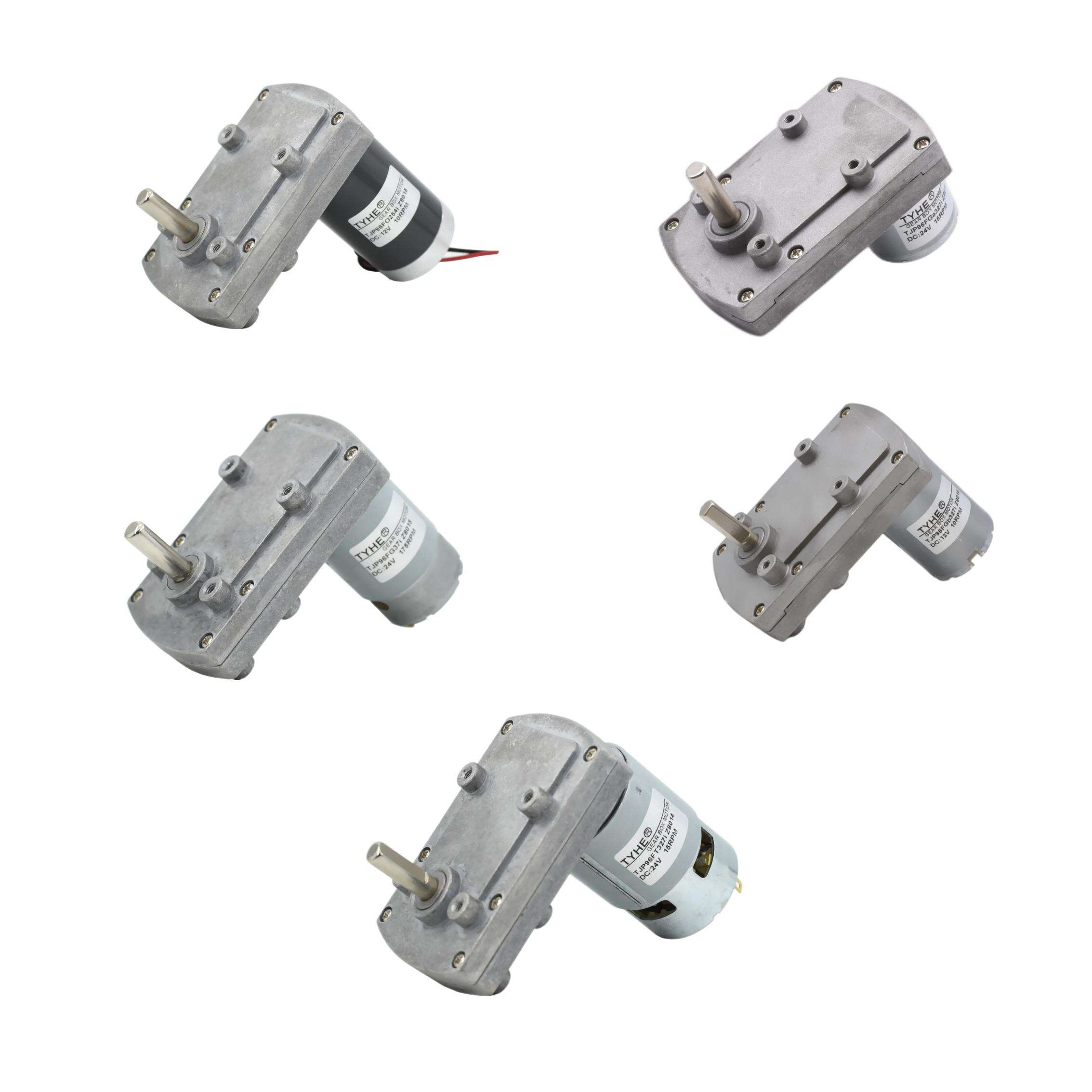
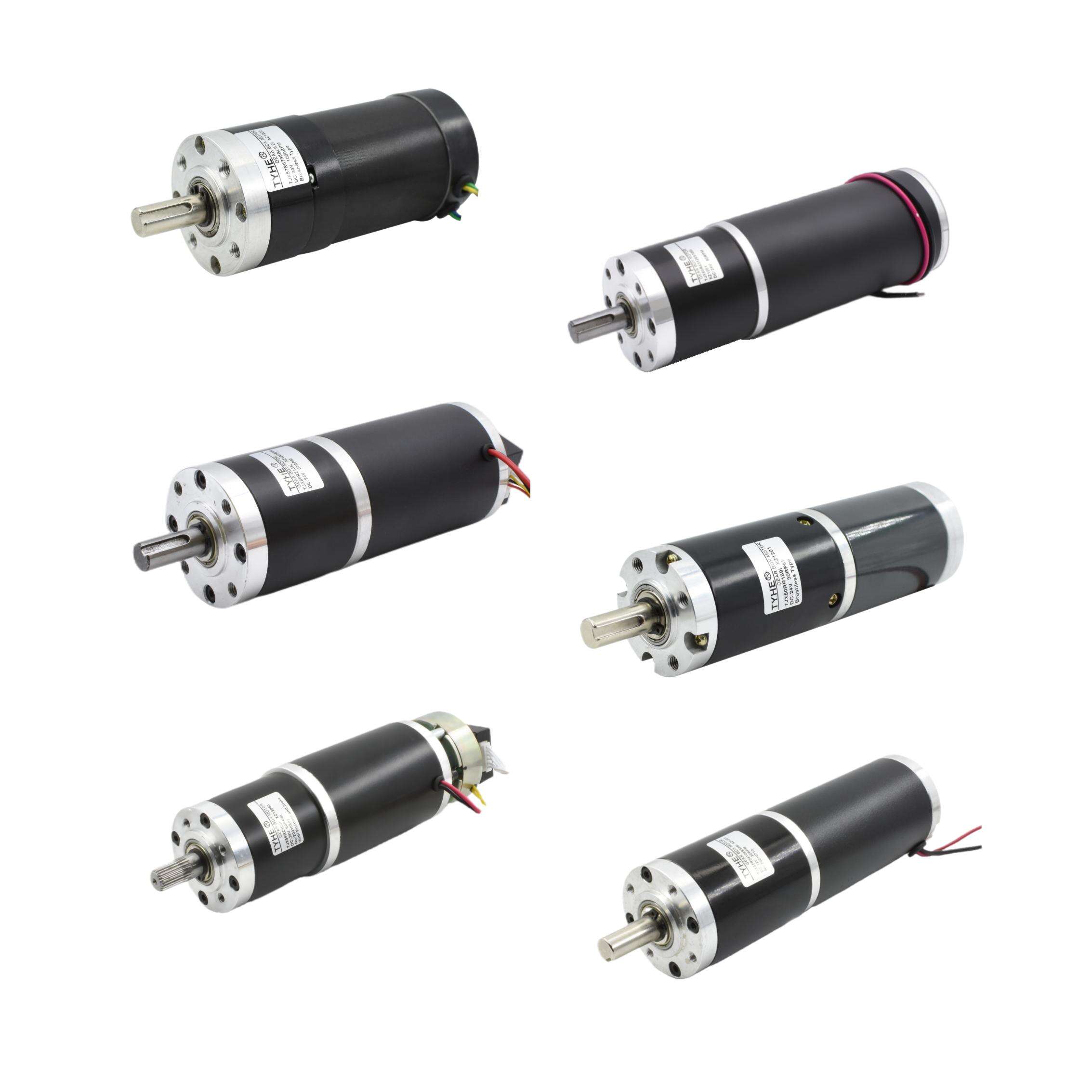
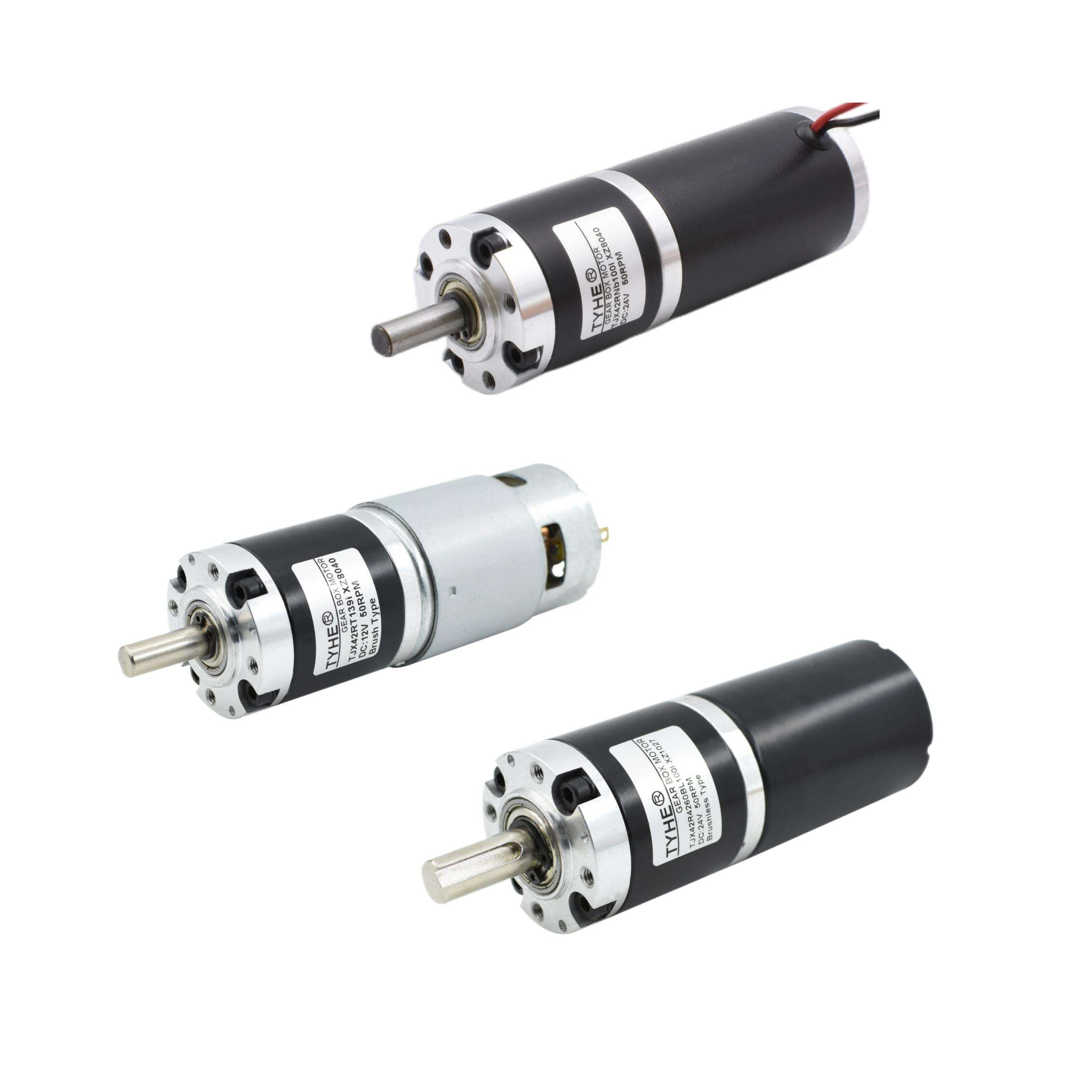
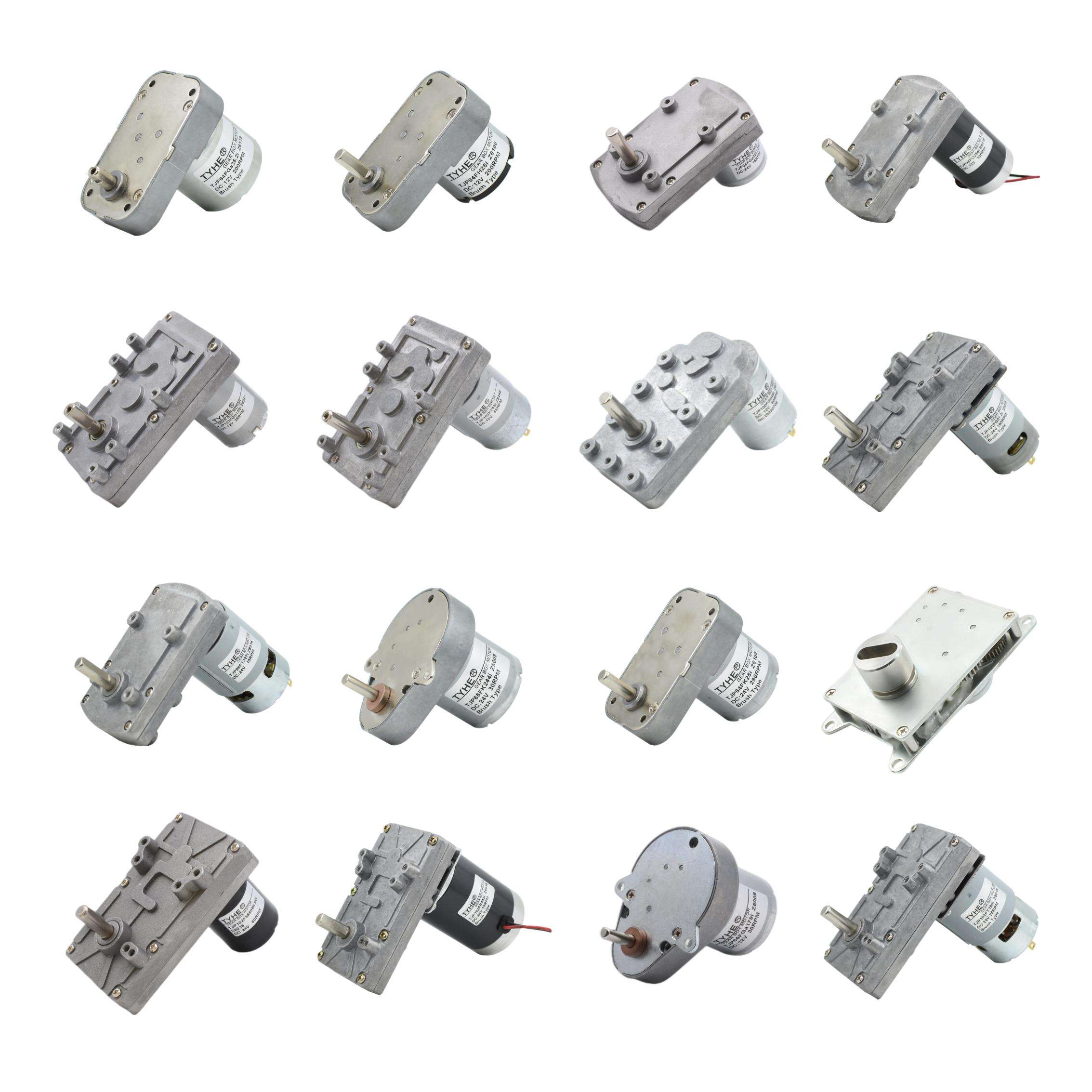
A dc spur gear motor represents a sophisticated mechanical system that combines a direct current electric motor with a spur gear reduction mechanism, creating a powerful and versatile drive solution for countless industrial and commercial applications. This integrated design delivers enhanced torque output while maintaining precise speed control, making it an essential component in modern automation systems. The dc spur gear motor operates by utilizing the electrical energy from a DC power source to generate rotational motion through the motor, which then transmits power through a series of spur gears that reduce speed while amplifying torque. The spur gear configuration features straight-cut teeth that run parallel to the gear axis, ensuring efficient power transmission and reliable performance over extended operating periods. These motors excel in applications requiring consistent rotational force at reduced speeds, such as conveyor systems, robotic actuators, automotive components, and precision machinery. The technological architecture of a dc spur gear motor incorporates high-quality materials and precision manufacturing techniques to ensure optimal performance characteristics. The motor section typically features permanent magnet construction or wound field designs, offering excellent speed regulation and responsive control capabilities. The integrated gearbox utilizes hardened steel or bronze gears arranged in multiple stages to achieve desired reduction ratios, commonly ranging from 3:1 to 1000:1 or higher. Advanced dc spur gear motor designs incorporate sealed bearings, precision-machined components, and robust housing materials to withstand demanding operational environments. Modern variants often include built-in encoders for position feedback, thermal protection circuits, and customizable mounting configurations to meet specific application requirements. The compact form factor and high power-to-weight ratio make dc spur gear motors particularly valuable in space-constrained installations where efficient power transmission remains critical for system performance and reliability.

 EN
EN